8 Tricks That Actually Stop Squirrels From Digging Up Your Virginia Tulip Bulbs
One furry backyard digger can hide thousands of acorns each fall and sniff many of them back out. That same nose treats freshly turned garden soil like a treasure map with a bright red X.
In Virginia, the peak bulb planting window lines up neatly with the busiest hoarding weeks of autumn. Your crisp paper-wrapped treasures go into the ground right when hungry visitors are scouting every soft spot.
I lost a whole bag of pink beauties one October and found papery husks scattered across my lawn. After I tested a handful of fixes around my Virginia beds, a few clear winners stood out.
Some of the best tricks cost almost nothing, and one popular planting habit may be helping the thieves. Could your favorite bag of fertilizer be ringing the dinner bell for every bushy tail on the block?
1. Chicken Wire Over Tulip Beds Stops Digging Paws
Squirrels dislike the feeling of wire snagging their claws, and I learned that from one very grumpy visitor. He scratched at my covered bed for a minute, flicked his tail, and stomped off toward the neighbor’s lawn.
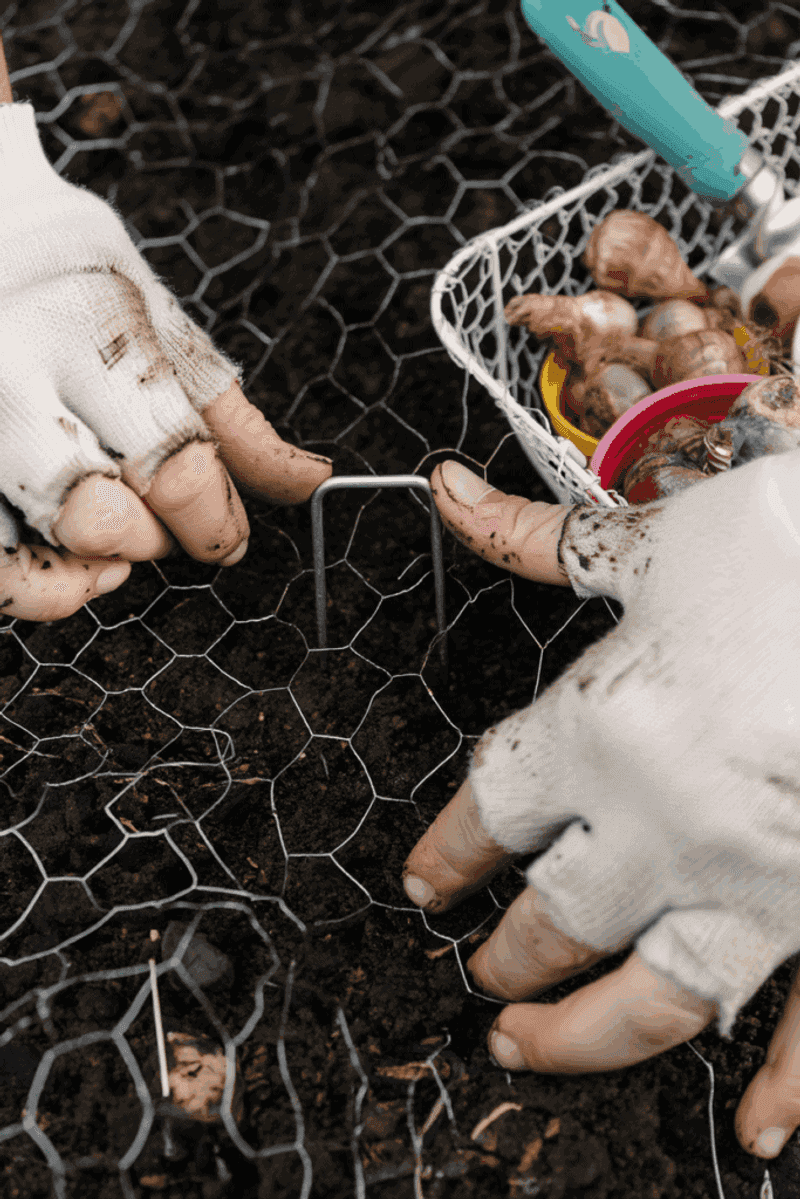
Chicken wire laid flat over a freshly planted bed is one of the most trusted fixes from extension experts. Openings around one inch block digging paws, yet tulip shoots can slip through the holes come spring.
Cut the wire a few inches wider than your bed so clever diggers cannot sneak in from the edges. Pin it down with landscape staples or a few flat rocks, since loose wire gets pried up quickly.
A thin layer of mulch or shredded leaves hides the metal and keeps your bed looking tidy all winter. Neighbors walking past will see a neat garden bed, not something that resembles a backyard chicken coop.
Timing matters here, because emerging leaves can twist and bend if they grow up against the wire awkwardly. Many gardeners pull the mesh off in late winter, right as the first green tips start poking through.
Potted tulips on a porch get raided too, and a circle of wire tucked inside the rim works nicely. Top it with a little gravel or moss, and the container still looks pretty while staying safely protected.
In my experience, this single step does more heavy lifting than any spray or powder on the store shelf. Combine it with one or two other tricks below, and those hungry diggers will usually give up and wander.
2. Planting Tulip Bulbs Six To Eight Inches Deep
Most squirrels dig like they are on a lunch break, scraping a few quick inches and moving on. Deeper bulbs ask for more effort, and that extra effort is often enough to send a lazy forager elsewhere.
Virginia Cooperative Extension suggests planting tulips at a depth of roughly three times the height of the bulb. For most standard tulips, that works out to about six to eight inches below the soil surface.
I aim for the deeper end of that range, especially in my sandy front bed that drains quickly. Heavy clay soils, common across much of the Piedmont, may call for slightly shallower holes to avoid soggy rot.
Deep planting brings a bonus beyond pest control, since cooler soil helps some tulips return a bit more reliably. Tulips are often grown as annuals in warm southern gardens, so any extra edge for perennial blooms feels welcome.
Planting time matters too, and many local gardeners wait until late October or November when soil has cooled. Bulbs tucked into chilly ground sit quietly, while early plantings may face weeks of curious paws before winter.
A long-handled bulb planter with depth markings saves my back and keeps every hole at the right level. You can also mark a regular trowel with a strip of tape at six inches for quick checks.
After backfilling, press the soil firmly with your palms so the surface feels settled rather than fluffy. Loose, puffy soil practically shouts that something tasty was just buried, which is the last message you want.
3. Skip The Bone Meal That Lures Hungry Squirrels
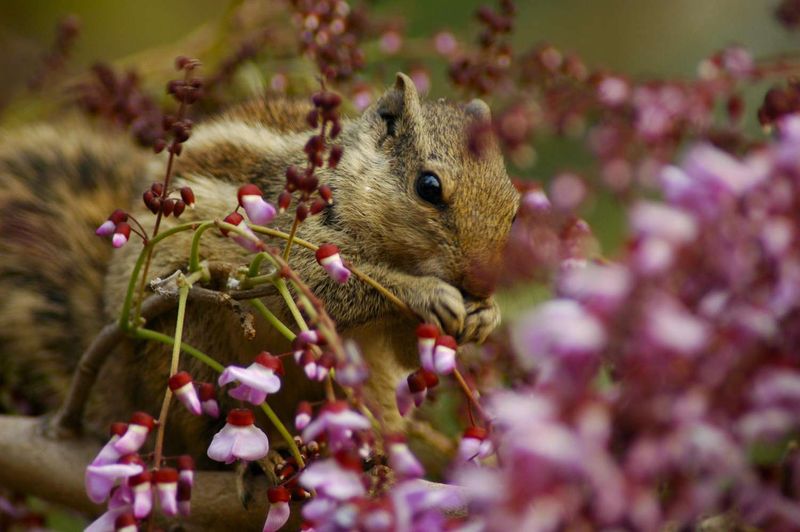
Bone meal smells like a backyard barbecue to many animals, and squirrels seem to follow that scent eagerly. Bulb growers such as Longfield Gardens warn that this classic fertilizer can draw diggers straight to your bed.
For years I sprinkled a handful into every planting hole because my grandmother did the same thing faithfully. Once I stopped, the number of fresh craters in my tulip bed dropped noticeably over the following autumn.
Tulip bulbs come packed with stored food, so they rarely need much fertilizer at planting time anyway. A light dose of balanced, slow-release bulb food in early spring as shoots appear usually covers their needs.
Blood meal raises a similar concern, since its strong animal scent may attract dogs and other curious critters. Some gardeners claim it repels squirrels, but results vary widely, so I keep it out of my bulb beds.
Fish emulsion and certain organic blends can carry strong odors too, so read labels before you scoop. A quick sniff test helps, because anything smelling like dinner to you may smell like dinner to them.
A soil test through your local extension office can reveal whether your beds even need added phosphorus at all. Many established garden beds already hold plenty, which means skipping bone meal costs you nothing in bloom quality.
Swapping one habit felt almost too simple, yet it made a real difference in my own yard last fall. Sometimes the best defense is just removing the invitation that you accidentally mailed to the neighborhood.
4. Daffodils Planted Among Tulips Confuse Hungry Noses
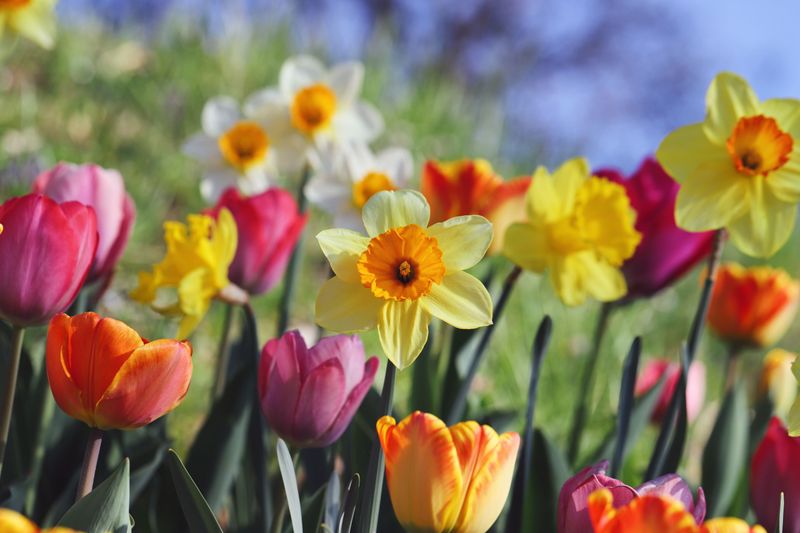
Daffodils carry a bitter compound called lycorine, and squirrels along with deer usually leave the bulbs alone. Mixing them into your tulip beds gives you a cheerful yellow border that also works as a quiet bodyguard.
The idea is simple, since animals that dig up a bitter bulb may lose interest in that whole area. Results are not guaranteed, but many bulb growers report fewer raids when daffodils share the bed with tulips.
I like planting a ring of daffodils around the outside edge, with tulips clustered safely in the middle. Their blooms often arrive a few weeks before most tulips, so the display stretches across more of spring.
Alliums, the ornamental cousins of onions and garlic, are another bulb that squirrels tend to skip. Their oniony smell may help mask the sweeter scent of tulips, and the purple globes look fantastic in May.
Fritillaria imperialis, known as crown imperial, gives off a musky odor that many gardeners compare to a skunk. A few of those tall, dramatic plants scattered through a bed add height along with a bit of extra protection.
Daffodils are toxic if eaten, so plant them where curious pets and small children are unlikely to chew. Wash your hands after handling the bulbs, since the sap can irritate sensitive skin for some people.
Companion planting works best alongside wire or deep planting rather than standing as the only defense in your yard. Consider these bitter bulbs friendly neighbors who make the whole street a little less appealing to thieves.
5. Hardware Cloth Cages Guard Each Tulip Bulb
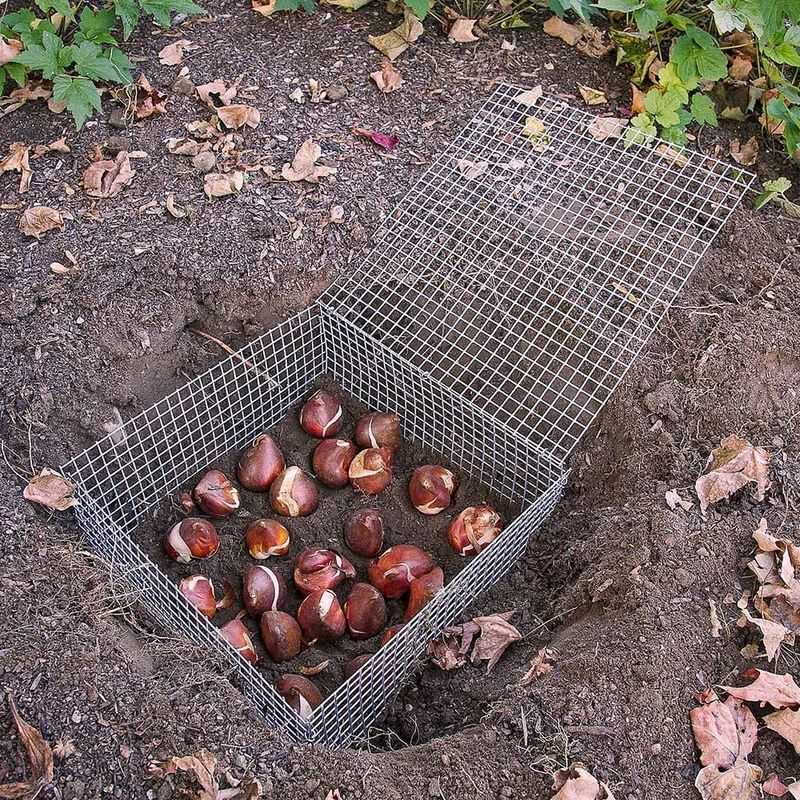
Individual bulb cages look a bit like tiny wire baskets, and building them feels oddly satisfying on a cool afternoon. They take more time than other tricks, but they shine for rare or sentimental bulbs you cannot replace.
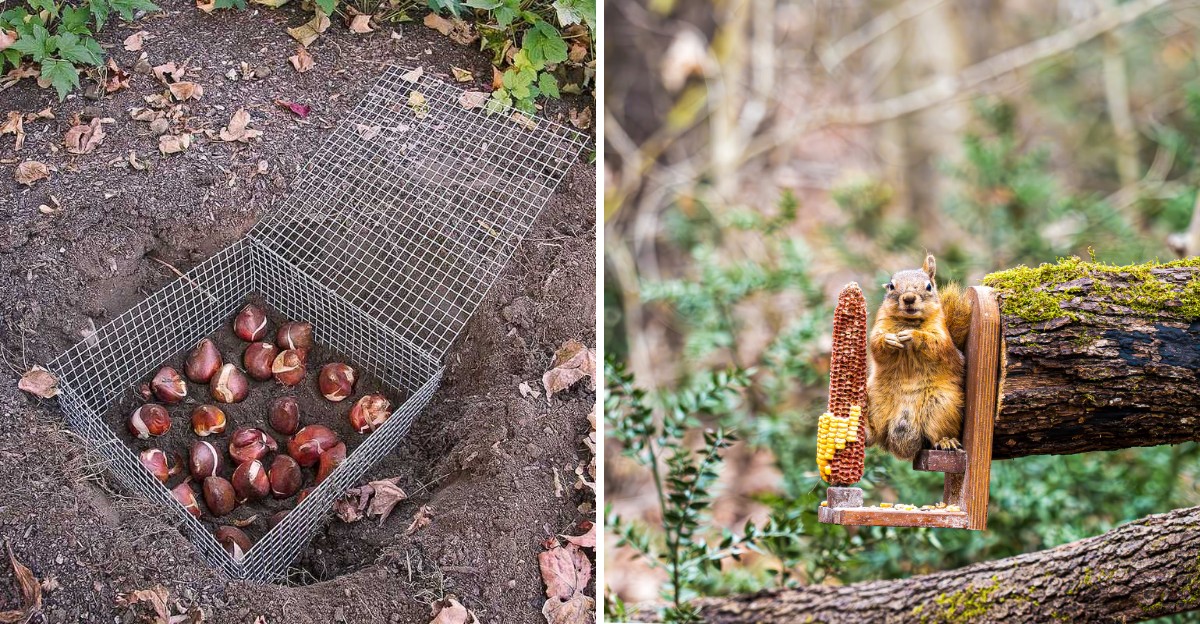
Hardware cloth with half-inch openings is sturdy, easy to bend, and tough enough to stop even determined claws. Cut a square about twelve inches wide, then fold the sides up to form an open box shape.
Set the box in your planting hole, add a little soil, and nestle the bulbs inside with points facing up. Cover the bulbs with soil, then fold a top piece of mesh over the box to close it.
Shoots can push through half-inch holes as they grow, while roots spread easily through the sides and bottom. Some gardeners prefer leaving the top open and simply laying a separate mesh lid that they lift off later.
Wear sturdy gloves while cutting, because fresh wire edges are sharp enough to scratch your hands quite badly. Snipping with tin snips or heavy wire cutters makes clean cuts and saves your kitchen scissors from ruin.
Cages also block voles, those small burrowing rodents that tunnel underground and nibble bulbs from below. That double protection is a big reason I use cages in my lower bed near a damp, grassy slope.
Galvanized hardware cloth lasts several years underground, so one afternoon of work can protect bulbs for many springs. Write the planting date on a garden label so you remember where those hidden baskets are buried later.
6. Raking Up Papery Bulb Skins After Planting
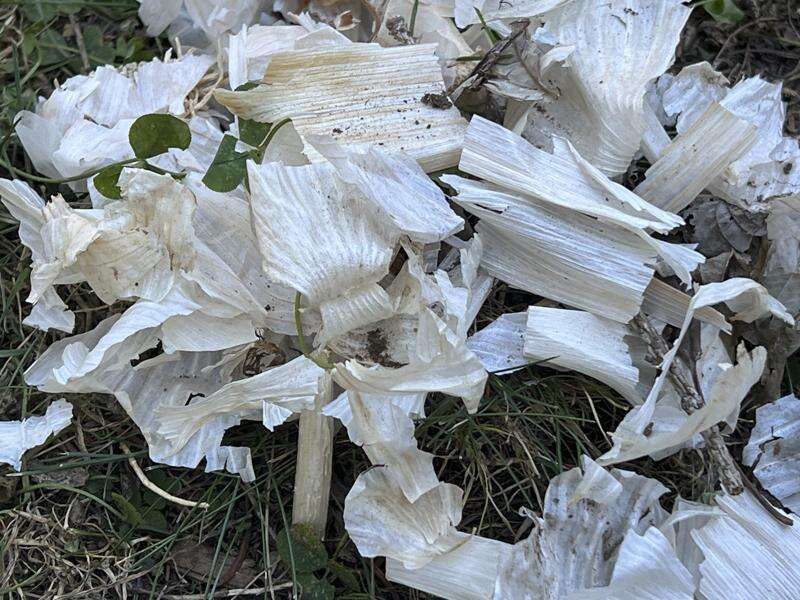
Papery tulip skins blowing across the lawn are basically breadcrumbs leading straight to your freshly planted bed. Squirrels have sharp noses, and those dry husks carry the scent of the bulbs you just tucked away.
Many gardeners peel loose skins while sorting bulbs, so I now do that job on the porch over a bucket. Once planting ends, I rake the bed edges and toss every stray scrap into the trash, not the compost pile.
Smoothing the soil surface helps too, because lumpy mounds and open holes look like an invitation to explore. Use the back of a rake to level everything, then press gently so the bed blends with surrounding ground.
A deep watering afterward settles soil around the bulbs and helps remove air pockets that lead to dry roots. Damp, firm soil also holds less of that fresh, earthy scent that seems to draw curious visitors over.
Finish with a layer of shredded leaves or pine straw, both easy to find in many fall yards. Mulch hides disturbed earth, holds moisture, and keeps soil temperatures steadier through cold snaps and warm spells.
Bulb bags and empty boxes deserve attention too, since a paper sack left on the patio can attract inspection. I once found a shredded bag on my steps the morning after planting, with not a single skin left inside.
Cleaning up takes maybe ten minutes, which feels like a small price compared to losing a whole season of color. Leave the bed looking like a quiet crime scene with no clues for the furry detectives in the oak tree.
7. Squirrel Repellent Sprays Need Fresh Coats After Rain
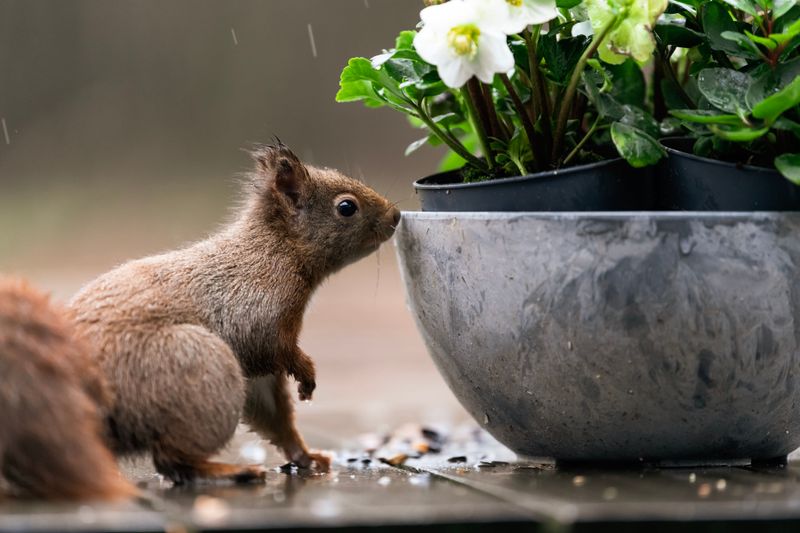
Repellent sprays work by making soil smell or taste unpleasant, and squirrels rely heavily on scent while foraging. Commercial products often contain ingredients like capsaicin, putrescent egg solids, or castor oil, depending on the brand.
Spray right after planting, coating the soil surface and the mulch layer rather than just the edges. Follow the label closely, because every product lists its own mixing rates, timing, and safety directions.
Rain washes most repellents away quickly, so plan to reapply after storms and roughly every week or two. Fall in Virginia brings plenty of passing showers, so I keep the bottle near my back door for easy access.
Some gardeners dust bulbs with hot pepper before planting, but results are mixed and the powder can irritate eyes. I prefer liquid products that soak into soil, since loose powders blow around and wash off with dew.
Repellents work best as a short-term helper while bulbs settle in and fresh soil loses its strong appeal. Once the ground firms up and roots develop, squirrel interest in a bed often fades on its own.
Rotating between two different products may help, since some animals seem to grow used to a single scent. I switch between a pepper blend and an egg-based spray, and the change appears to keep visitors guessing.
Store sprays away from kids and pets, and wear gloves if the label recommends them for skin protection. Count repellents as a helpful assistant that backs up wire and deep planting rather than replacing them.
8. A Distant Squirrel Feeder Pulls Diggers Away
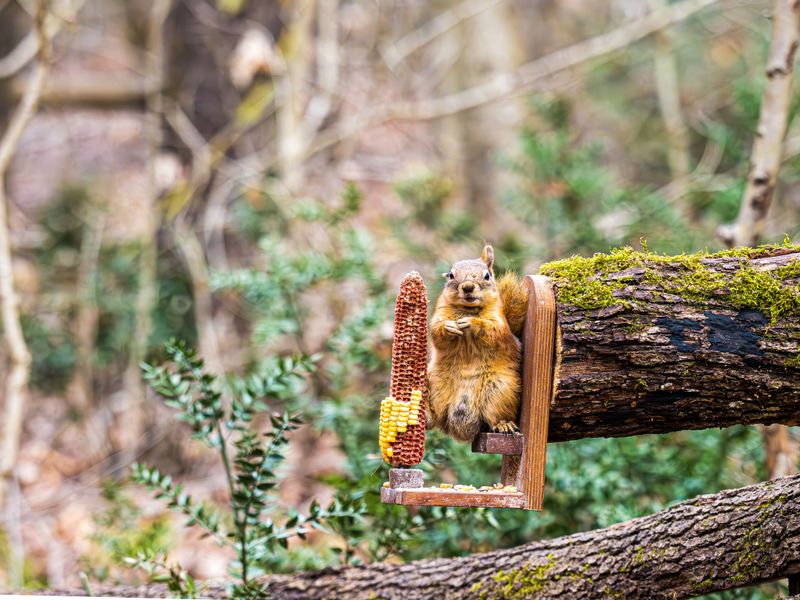
Bribery sounds silly, yet a well-stocked feeder across the yard can pull hungry diggers away from tulip beds. Squirrels love easy meals, and a pile of corn beats digging through mulch for a single hidden bulb.
Place the feeder as far from your flower beds as possible, ideally near trees where squirrels already travel. Ear corn, peanuts in the shell, and black oil sunflower seeds are popular choices that disappear surprisingly fast.
Some gardeners plant sunflowers or leave a patch of oak leaves for foraging in a far corner of the yard. These spots give squirrels a busy place to explore, which may reduce the time they spend near your bulbs.
Diversion has a downside, though, because steady food can attract more squirrels and other wildlife to your property. Rats and raccoons may visit spilled seed, so clean up beneath feeders and offer only what gets eaten daily.
Check local rules before feeding wildlife, since some communities restrict feeding to reduce problems with nuisance animals. Feeding bears is illegal in Virginia, so in mountain areas take feeders down if bears are active nearby.
I set up a simple corn cob spinner last autumn near our back fence, far from my main tulip bed. The squirrels spent hours chasing it around, and only a single bulb went missing all season long.
Diversion works best paired with physical barriers, since a feeder alone may not stop a determined digger. Set up your yard like a buffet with a clear menu, and your tulips may finally earn the spring spotlight.