9 Warning Signs Of Rats In Your Yard Before They Move Into Your Michigan Home

Some common pests in Michigan can squeeze through a gap about half an inch wide. I still find that fact startling, since most foundation cracks and vent gaps look too small to matter.
These animals often dig tunnels along fences, sheds, and foundations, usually staying within the top eighteen inches of soil. Extension experts note that one active burrow entrance is often a sign of several more hidden nearby under plants.
Once October cools things down in Michigan, natural food sources like seeds and insects start to shrink in yards. You need to know that this shift pushes hungry animals toward bird feeders, compost bins, garages, and warm basements.
I believe the best time to look is now, while leaves are thinning and the ground is still soft. Have you noticed a small, smooth hole near your back steps and wondered who was using it every night?
1. Smooth Holes Near Your Foundation Deserve A Closer Look
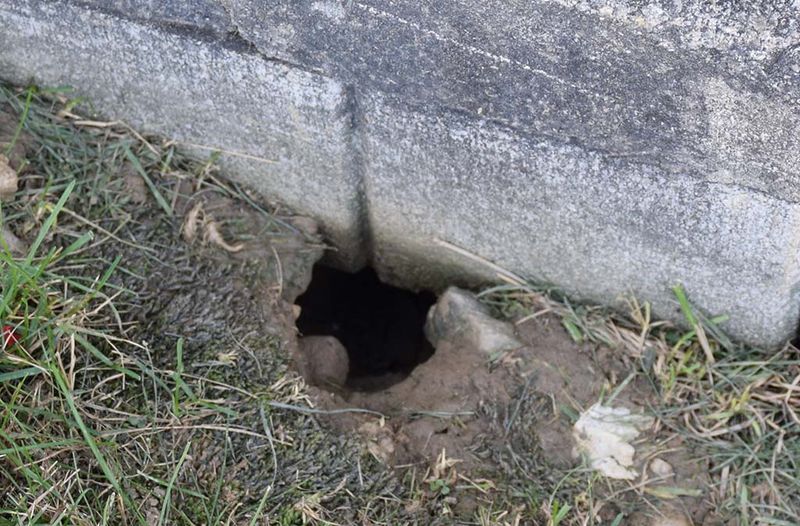
Norway rats are the main rats Michigan homeowners deal with, and they love to dig burrows in loose soil. Their entrance holes are often two to four inches wide, with smooth edges from constant coming and going.
Look along your foundation, under decks, beside sidewalks, and beneath thick shrubs where the soil stays protected from view. An active hole usually looks clean, with no cobwebs or leaves blocking the opening for more than a day.
Fresh dirt fanned out near the entrance is another strong hint that someone has been digging there very recently. University extension guides explain that rats often build a second escape hole, so one opening rarely tells the whole story.
A simple trick can help you check activity without poking around in the dirt with your bare hands. Loosely fill each hole with soil or crumpled newspaper, then come back the next morning to see what changed.
Reopened holes suggest something is still using the burrow, while untouched ones may belong to voles, chipmunks, or an old tunnel. Telling these animals apart can be tricky, so pairing burrows with other signs gives you a clearer picture.
Burrows close to your house matter most in October, since rats search for warm shelter as nights get colder. Catching them outside gives you time to act before a family settles into your walls or basement for winter.
2. Your Shed Floor May Hide Small Dark Droppings
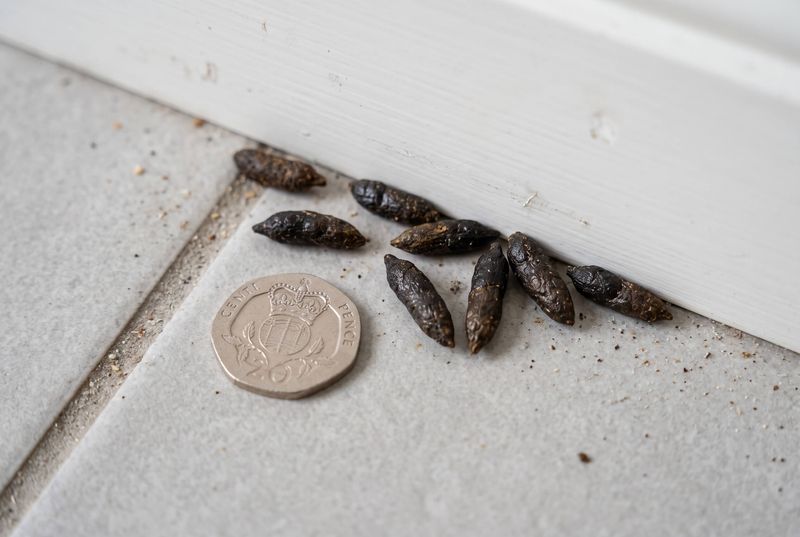
Nobody enjoys this chore, but a flashlight and a quick peek inside your shed can tell you a lot. Rat droppings are one of the easiest signs to spot, and they show up in garages, sheds, and woodpiles.
Norway rat droppings are usually about three-quarters of an inch long, with blunt ends and a capsule shape. Mouse droppings are much smaller, closer to the size of a rice grain, with pointed tips on each end.
Fresh droppings look dark and shiny, while older ones turn dull, gray, and crumbly after several days or weeks. Finding a mix of both suggests rats have been visiting for a while and may still be coming around.
Your Michigan Garden Changes Every Week. Your Plan Should Too.
Gardening in Michigan changes quickly throughout the season. Every Friday you’ll receive a simple weekly plan showing exactly what to plant, prune, fertilize, harvest, and protect so you never miss the right timing.
Check along walls, behind stored lawn furniture, near bags of grass seed, and under shelves where clutter piles up. Rats like to travel along edges, so droppings often collect in corners rather than out in the open floor.
Please skip the broom and vacuum, since sweeping dry droppings can stir up dust carrying harmful germs into the air. Health agencies like the CDC suggest wearing gloves and spraying droppings with a bleach solution before wiping them up.
Let the spray soak for about five minutes, then pick everything up with paper towels and seal the trash bag. Afterward, wash your gloved hands well and keep an eye out for new droppings over the next week.
3. Worn Paths In Your Grass Tell A Story
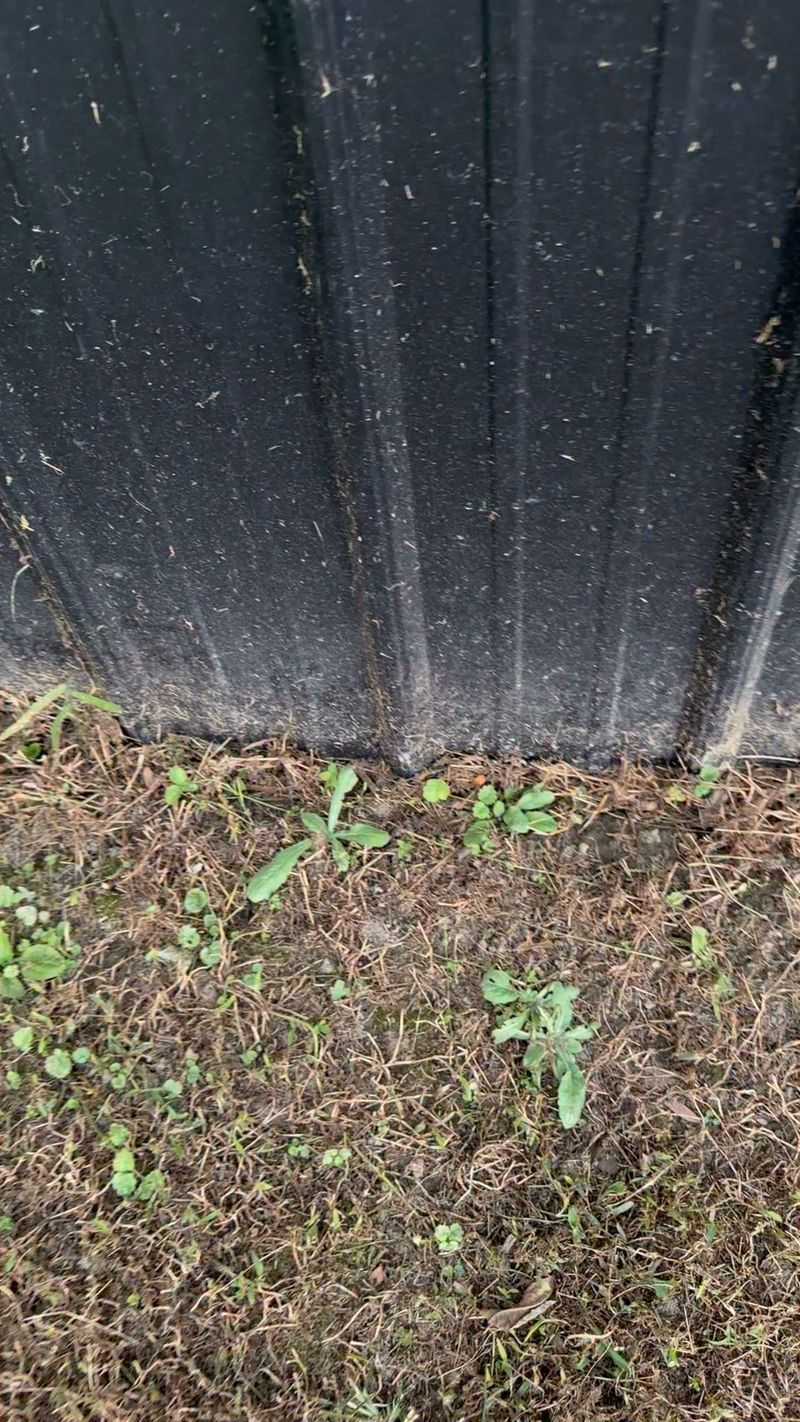
Rats are creatures of habit, and they tend to follow the same routes night after night through your yard. Over time, all that travel wears narrow paths, called runways, into grass, mulch, and the soil along fences.
Runways are usually about two to three inches wide, and the grass in them looks flattened, thin, or bare. You might notice them connecting a burrow to a food source, such as a garbage can or garden bed.
October is actually a handy month for spotting runways, since lawns grow more slowly and paths stay visible longer. Early morning light, when dew still covers the grass, can make these narrow trails stand out quite clearly.
Walk slowly along your fence line, garage wall, and foundation, since rats prefer moving beside something solid for protection. Open spaces make them nervous, so a path hugging a wall is more suspicious than one crossing the lawn.
Of course, cats, rabbits, and even your own dog can wear small paths into the yard as well. Look for droppings, burrows, or chewed food along the trail to decide whether rats are the likely travelers.
Once you find a runway, follow it in both directions to learn where rats are hiding and what they eat. Knowing their route helps you choose the right spots for cleanup, traps, or a call to a pest professional.
4. Greasy Smudges Can Mark Their Favorite Routes
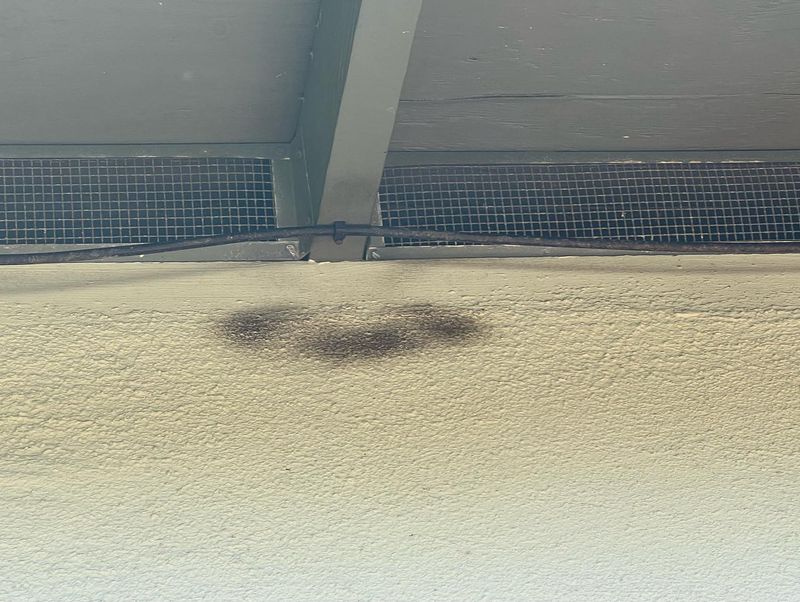
Dark, greasy streaks along a wall might look like ordinary dirt, but they can reveal a busy rat highway. Rats have oily fur, and rubbing against surfaces day after day leaves smudges called rub marks behind them.
Rub marks often show up at the bottom of siding, along foundation blocks, and around gaps under doors or vents. You may also find them on beams, pipes, and wires inside garages, where rats climb from one spot to another.
Fresh marks feel slightly soft or greasy, while old ones are dry and may flake off when scratched lightly. Wear gloves if you decide to touch them, since rat fur and dirt can carry germs from sewers and trash.
A fun detail is that heavier marks build up over weeks, so a thick smudge suggests a long-used route. Pest experts sometimes use these stains to figure out exactly where rats are slipping into a building.
Pay attention to stains around small openings, because a dark ring around a hole often marks an active entry point. Young rats can squeeze through gaps about half an inch wide, and adult rats can fit through openings about three-quarters of an inch wide.
Clean the area with soapy water after the rats are gone, then check it again a few weeks later. New smudges on a freshly cleaned wall can be a sign that activity has started up again nearby.
5. Chewed Edges On Your Garden Gear Are A Clue
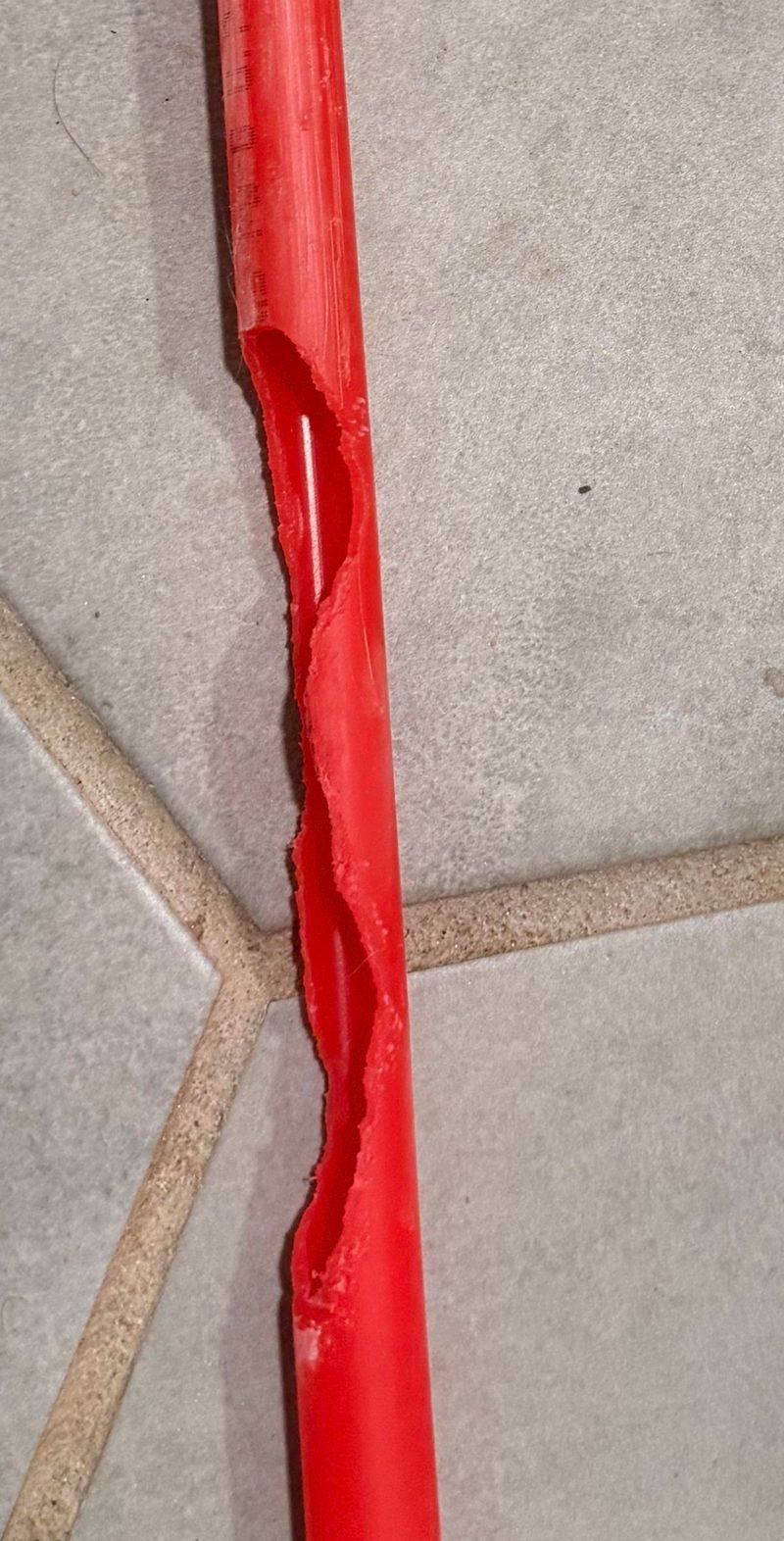
A common first clue is a garden hose with neat little chunks missing from the end near the spigot. Rats have front teeth that grow throughout their lives, so they gnaw on hard objects to keep them worn down.
Look for rough chew marks on wooden fences, shed doors, plastic trash bins, and the lids of storage containers. Fresh gnawing looks light in color with sharp edges, while older damage darkens and smooths out over time.
Rat tooth marks are often about an eighth of an inch wide, which is larger than marks left by mice. Small wood shavings or plastic bits on the ground below a chewed spot can point you right to it.
Wires deserve extra attention, since chewed insulation on outdoor lights, cars, or air conditioners can cause electrical trouble. Many fire safety groups note that gnawed wiring is a known risk, so have damaged cords checked by a professional.
Garden produce can show bite marks too, especially pumpkins, squash, and apples left on the ground in October. Rats will happily chew into fallen fruit, so picking up windfalls quickly helps remove an easy fall meal.
Store grass seed, birdseed, and pet food in metal cans with tight lids instead of bags or thin plastic. Metal resists chewing far better, and it keeps tempting smells locked away from curious noses around your yard.
6. Your Compost Pile Might Be Feeding Uninvited Guests
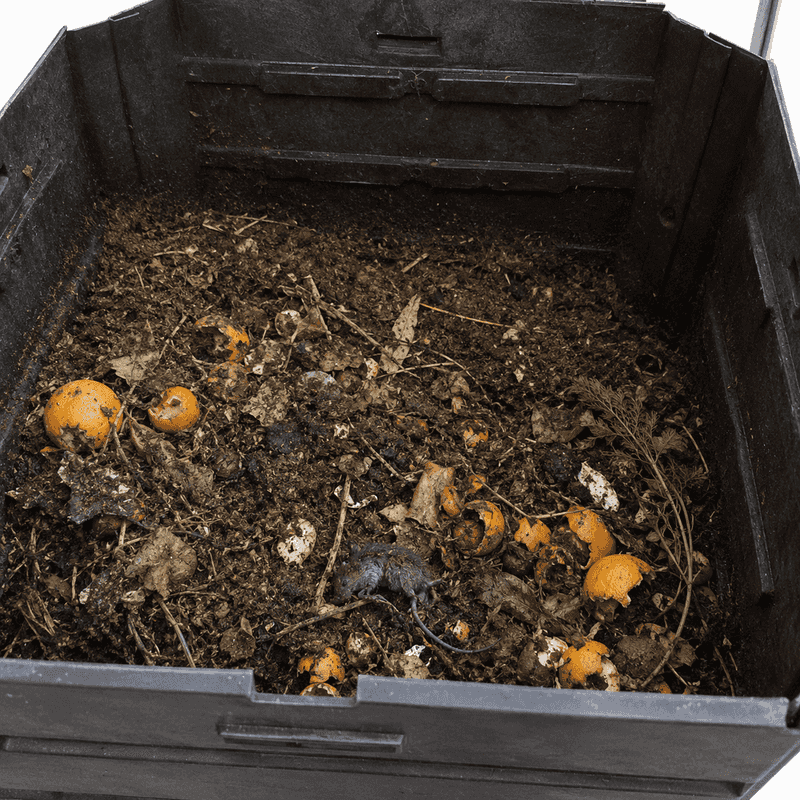
Compost piles are wonderful for gardens, yet they can also offer rats warmth, shelter, and a steady supply of snacks. Michigan State University Extension suggests keeping meat, dairy, oils, and cooked foods out of backyard compost bins.
Warning signs include tunnels dug into the side of the pile, scattered food scraps, and burrows nearby. You might also notice droppings around the bin lid or chewed holes in plastic compost containers after a few nights.
Fall makes compost piles even more appealing, since the decomposing material stays warmer than the chilly October air. A loose, rarely turned heap can become a cozy winter nest site for rats looking to settle in nearby.
Turning your pile every week or two disturbs any animals hiding inside and helps the material break down faster. Keep the compost moist like a wrung-out sponge, because rats tend to prefer dry, undisturbed spots for nesting.
A closed bin with a solid lid works better than an open pile when rats are already active nearby. Line the bottom and sides with quarter-inch hardware cloth to stop rats from tunneling up from underneath the soil.
Place your compost bin well away from your house, ideally at least several yards from doors and foundation walls. Bury fresh kitchen scraps in the center of the pile, where smells stay hidden and heat builds up quickly.
7. Fallen Birdseed Can Turn Into A Nightly Buffet
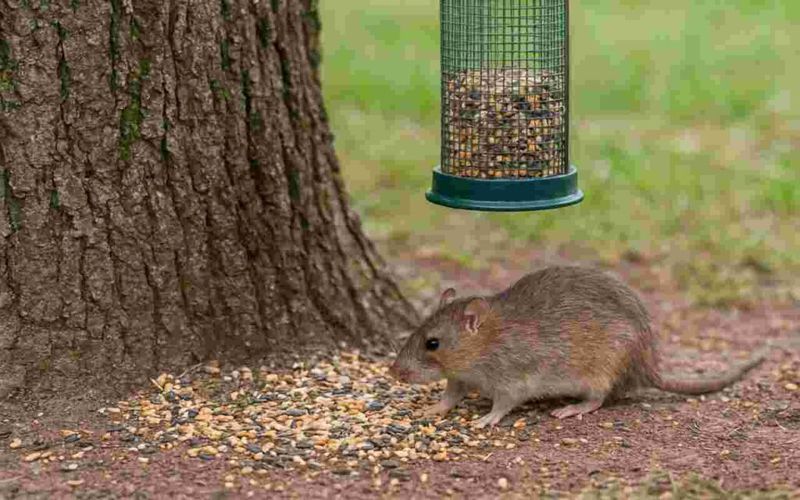
Watching chickadees and cardinals at a feeder is one of the coziest fall hobbies around, but rats enjoy it too. Birds are messy eaters, and the seeds they drop onto the ground create an easy meal for hungry rodents.
Check under your feeders for empty seed hulls piled up in small heaps, especially near shrubs or tall grass. Burrows within a few feet of a feeder, or runways leading toward it, are strong signs rats are visiting.
Rats mostly feed at night, so the seed that disappears between dusk and dawn may not be the birds’ doing. A cheap motion-activated trail camera can show you exactly who is visiting your feeder after the sun goes down.
Seed catcher trays attached below the feeder help collect falling seed before it lands on the grass or mulch. No-mess blends made from hulled sunflower hearts also leave fewer scraps behind, since birds eat almost every piece.
Rake up spilled seed every few days, and bring feeders in at night if rat activity seems heavy. Some extension services even suggest pausing feeding for a couple of weeks to help rats move on elsewhere.
Pet food left on porches attracts rats in the same way, so feed dogs and cats indoors during fall. Taking away easy meals is one of the most effective ways to make your yard less inviting to rats.
8. Quiet Evenings Bring Scratching Sounds Worth Noticing

On a still October night, a faint rustling under the deck or behind the shed can be surprisingly telling. Rats are most active after dark, and their scratching, gnawing, and squeaking often carry farther in quiet evening air.
Try standing outside for a few minutes after sunset with the porch light off and simply listening closely. Sounds coming from woodpiles, garbage areas, or thick ivy are worth following with a flashlight for a quick look.
Seeing a rat during the daytime can mean the population is large, since crowded rats compete for food and space. Some rats are pushed out to search in daylight, which is why many experts treat daytime sightings as a warning.
Your pets can be excellent early alarms, especially dogs that sniff, stare, or paw at one spot over and over. Cats that suddenly sit watching the base of a fence or shed may be tracking movement you cannot see.
A musty, stale smell near sheds, crawl spaces, or garages can also hint at a nest tucked somewhere nearby. Nests are often made from shredded paper, insulation, grass, or fabric pulled together into a loose, messy ball.
Write down when and where you hear or notice activity, since patterns help you find the main hiding spot. Sharing those notes with a pest professional can save time and make any treatment plan more accurate for your yard.
9. Seal Your Home Before Winter Settles In
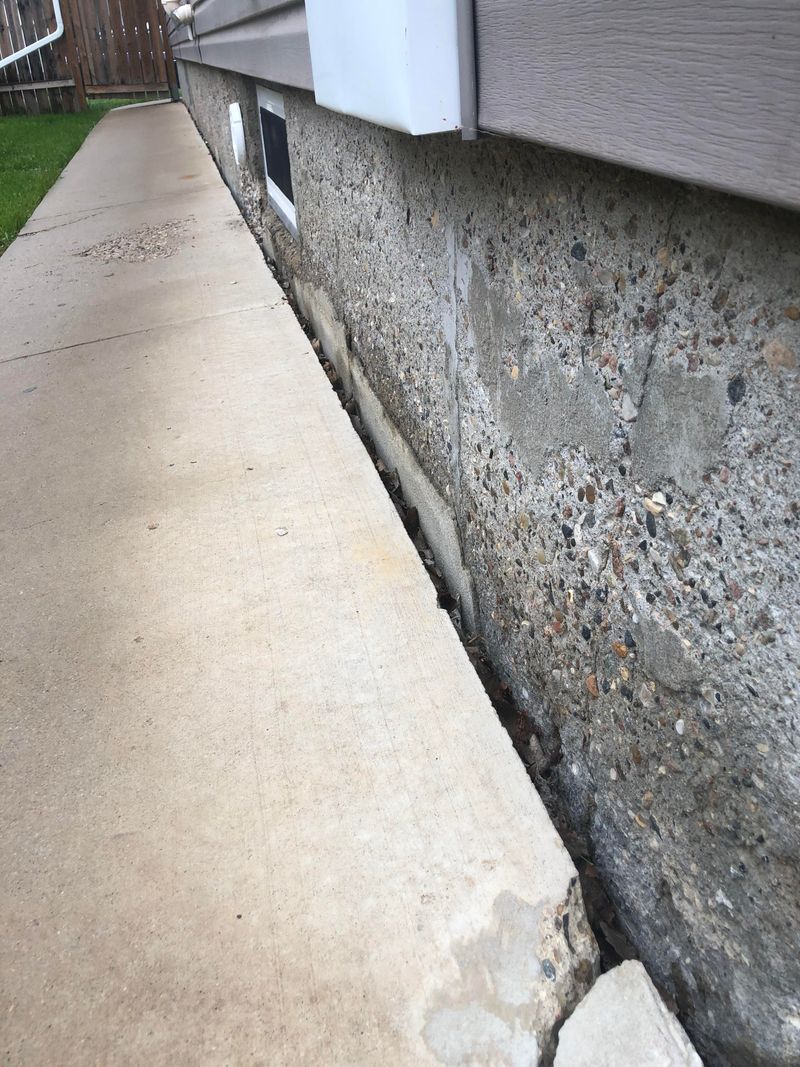
Fall is a great season for rat-proofing, because Michigan rats start looking for warm winter shelter as temperatures drop. Sealing gaps now, while the weather still allows outdoor work, can keep a yard problem from becoming a house problem.
Walk around your home and look for openings around pipes, cables, dryer vents, garage doors, and foundation cracks. Anything wider than half an inch deserves attention, since rats can flatten their bodies to slip through surprisingly small spaces.
Rats can chew through foam, rubber, and wood, so pick tougher materials like steel wool, metal flashing, or cement. Quarter-inch hardware cloth works well for covering vents and crawl space openings without blocking the airflow your house needs.
Door sweeps and weatherstripping on garage and entry doors help close the gaps that many homeowners easily overlook. A good test is to look for daylight under a closed door from inside the garage on a sunny afternoon.
Trim shrubs and tree branches so they stay a few feet away from your roof, siding, and gutters. Store firewood off the ground and away from the house, since tidy stacks offer fewer hiding spots for rats.
If signs keep showing up after cleanup and sealing, a licensed pest control professional can help with safe removal. Acting early in October gives you a better chance of enjoying a quieter winter indoors this year.