Do These 8 Things The Moment Your Michigan Cucumber Vines Start Climbing

The moment cucumber vines start climbing in a Michigan garden is the signal to shift gears.
Those tendrils reaching out for something to grab mean the plant is entering its most productive phase, and what happens over the next few weeks shapes how the whole season goes.
Michigan summers are warm, fast-moving, and full of pressure from cucumber beetles, inconsistent rainfall, and humidity that can stress plants quickly if the basics slip.
Steady watering, early vine training, good airflow, and regular pest checks are the habits that separate a productive cucumber patch from a frustrating one.
None of it is complicated, but timing matters more than most gardeners realize, and starting these habits right as the vines begin climbing gives everything that follows a much better foundation.
1. Guide The Vines Onto A Sturdy Trellis
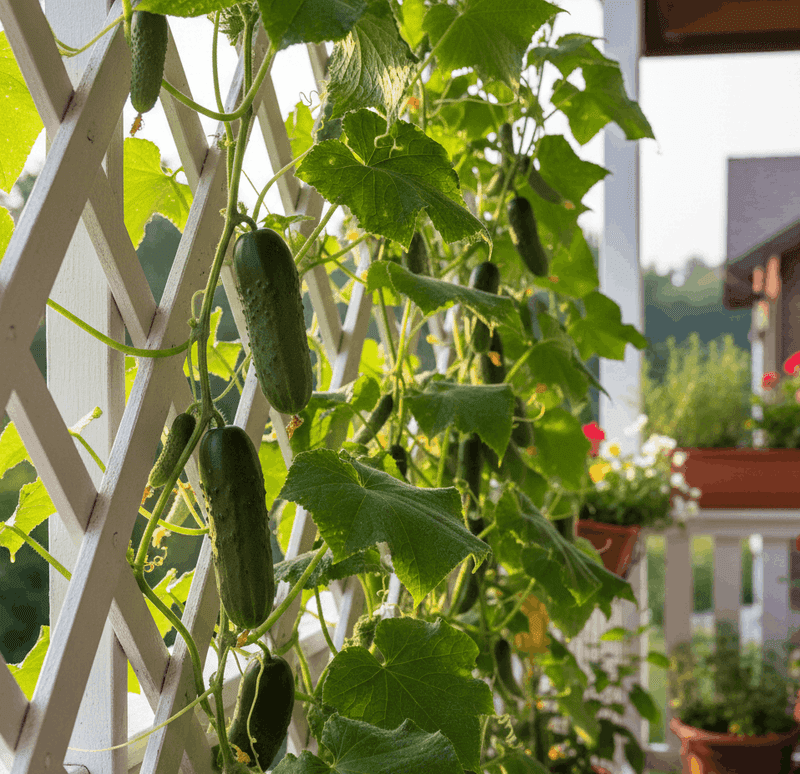
Tendrils are the first sign that your cucumber vine is ready to climb, and the moment they appear, your trellis becomes the most important structure in the garden.
Cucumbers are natural climbers, and when they find a solid support early, they tend to grow more upright, use space more efficiently, and produce fruit that hangs freely rather than sitting on wet soil.
In Michigan backyard gardens, trellises made from sturdy wood, metal conduit, or strong wire panels tend to hold up well through summer wind and rain.
A trellis that wobbles or leans under the weight of mature vines and developing fruit can cause more problems than it solves.
Aim for a structure that feels solid when you press on it, because the vines will get heavier as the season goes on.
Gently weave the leading vine through the trellis openings as it grows upward. Tendrils will naturally grip onto mesh or wire, but a little guidance in the right direction helps the plant spread evenly rather than bunching up in one spot.
Raised bed gardeners in Michigan often find that a trellis attached directly to the bed frame offers the most stability.
Getting the vine climbing in the right direction early saves a lot of untangling later in the season.
2. Tie Or Clip Vines Loosely If They Need Help
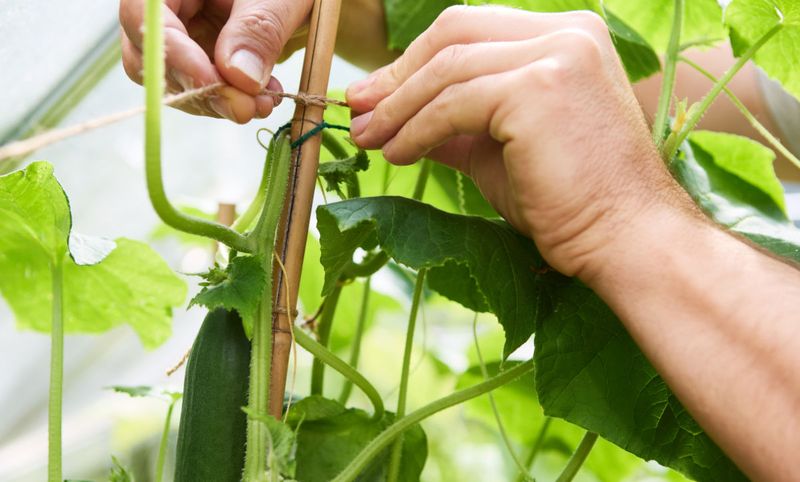
Not every tendril finds its grip right away. Some cucumber stems grow outward instead of upward, and a few will hang in the air without latching onto anything nearby.
That is a perfectly normal part of vine growth, and a soft tie or garden clip can give those stems the gentle nudge they need without causing any harm.
The key word is loose. Tying a vine too tightly around a wire or post can pinch the stem, restrict water movement inside the plant, and create a weak point that snaps under wind or the weight of fruit.
Soft silicone clips, strips of stretchy plant tape, or even torn pieces of old cotton fabric work well because they hold the vine without squeezing it. Avoid using twist ties made of thin wire directly against a stem.
Michigan gardeners growing cucumbers in raised beds or along fence lines often check their vines every few days once climbing begins.
Your Michigan Garden Changes Every Week. Your Plan Should Too.
Gardening in Michigan changes quickly throughout the season. Every Friday you’ll receive a simple weekly plan showing exactly what to plant, prune, fertilize, harvest, and protect so you never miss the right timing.
A quick walk through the garden in the morning is a good habit, since that is when stems are still cool and flexible rather than sun-warmed and more brittle.
Clip or tie only the stems that are truly drifting away from the support structure. Vines that are already gripping on their own rarely need any extra help, and leaving them alone is usually the right call.
3. Check For Striped And Spotted Cucumber Beetles
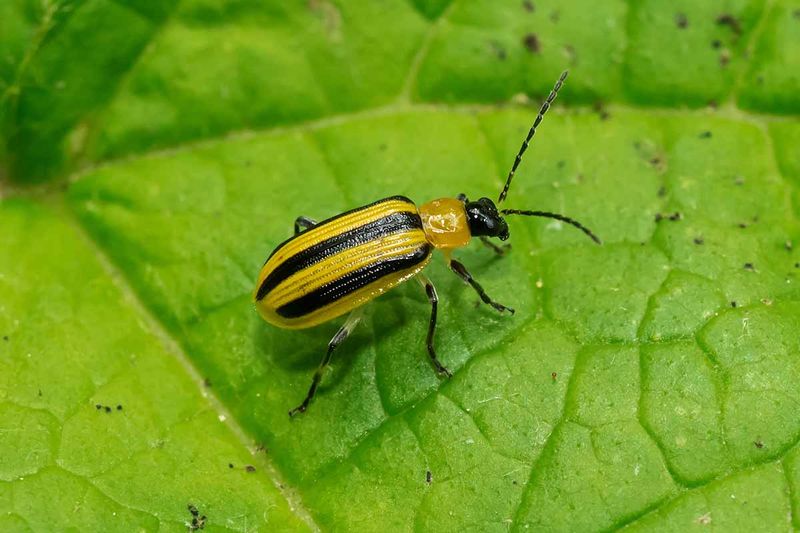
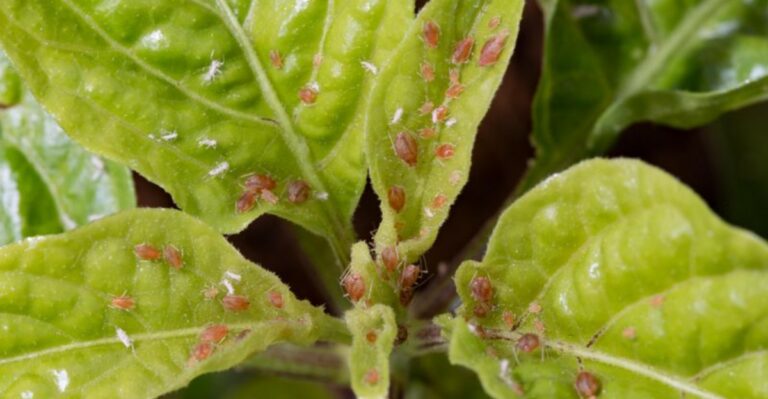
Cucumber beetles are small, but they can cause noticeable problems in a Michigan garden once vines start climbing and producing flowers.
The two most common types are the striped cucumber beetle, which has bold black stripes on a yellow body, and the spotted cucumber beetle, which looks similar to a ladybug but with black spots on a greenish-yellow shell.
Both feed on leaves, flowers, and young fruit.
The real concern with cucumber beetles goes beyond the visible chewing damage. Striped cucumber beetles can carry bacterial wilt, a disease that spreads through the plant and causes wilting that does not recover with watering.
Catching beetles early, before populations build up, gives gardeners more options for managing them with less disruption to the garden overall.
Flip leaves over and look along stems and near flower buds, since beetles often hide on the undersides of leaves or tuck themselves into blossoms during the day.
In Michigan, cucumber beetle pressure tends to increase as summer temperatures rise and vines become more lush.
Row cover fabric placed over young plants before climbing begins can reduce early beetle feeding, though it needs to be removed once flowers open so pollinators can reach the blossoms.
Checking vines every two or three days during peak summer growth helps you spot a developing problem before it spreads across the whole planting.
4. Keep Watering Steady At The Soil Level
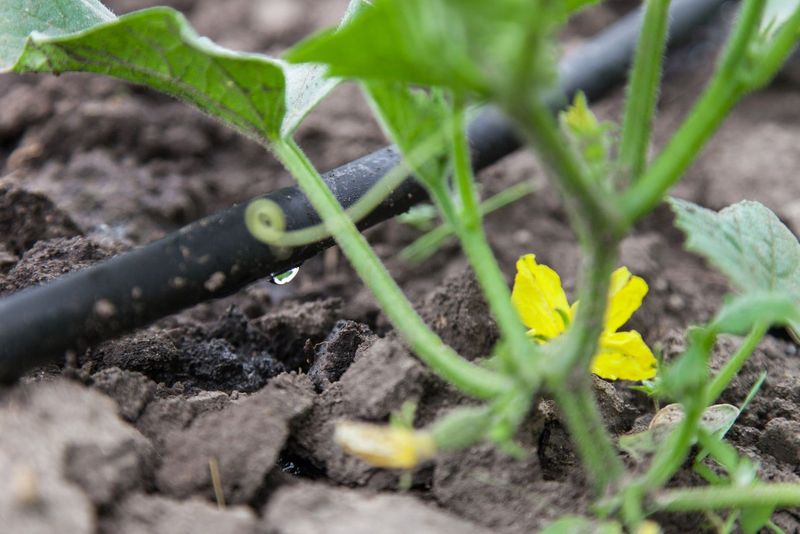
Cucumber plants are made up of a high percentage of water, and that shows up clearly in how quickly they respond to uneven moisture.
When vines start climbing and putting energy into flowers and early fruit, consistent soil moisture becomes especially important.
Dry spells followed by heavy watering can lead to bitter fruit, blossom drop, and uneven development that makes the harvest less satisfying.
Watering at the soil level rather than overhead makes a real difference in Michigan gardens, where summer humidity can already be fairly high.
Wet foliage that stays damp overnight creates conditions that encourage fungal issues like powdery mildew and downy mildew, both of which are common on cucumbers in the Midwest.
Soaker hoses or drip irrigation lines work well because they deliver water directly to the root zone without soaking the leaves.
A general target for cucumber plants is about one inch of water per week, though Michigan weather does not always cooperate with a steady schedule.
During hot stretches in July and August, the soil can dry out faster than expected, especially in raised beds where drainage tends to be quicker than in ground-level plots.
Checking soil moisture a few inches below the surface by pressing a finger into the soil is a simple and reliable method. Water when the soil feels dry at that depth rather than following a rigid calendar schedule.
5. Add Mulch To Hold Moisture And Reduce Splashing
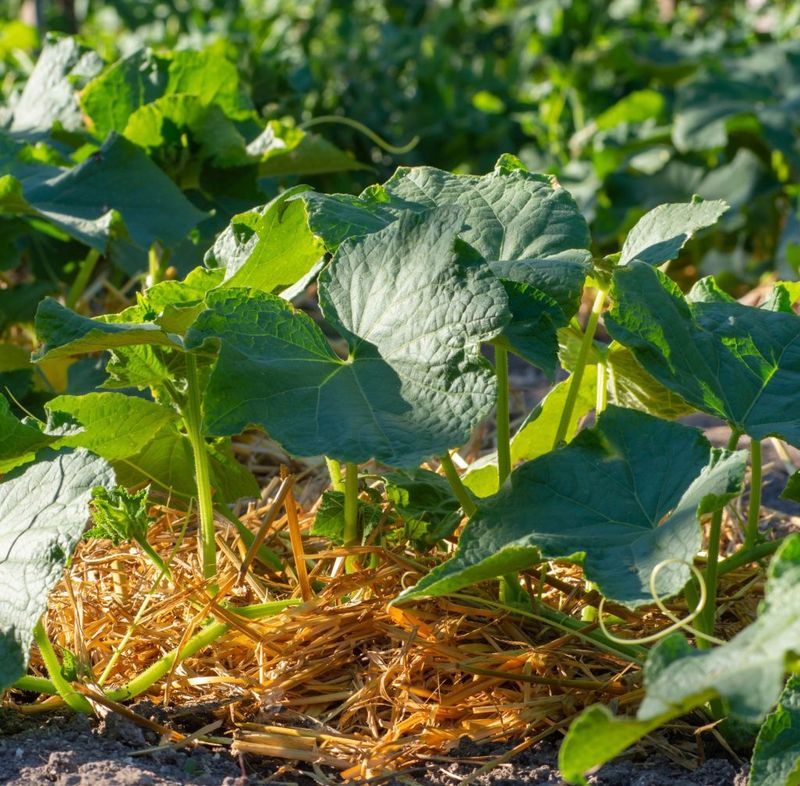
A two- to three-inch layer of mulch around cucumber plants does more than just look tidy.
It slows down moisture evaporation from the soil surface, which means less frequent watering and more stable root conditions during Michigan’s sometimes unpredictable summer dry spells.
Straw, shredded leaves, and wood chip mulch are all popular choices for home vegetable gardens.
One benefit that often gets overlooked is how mulch reduces soil splashing during rain or overhead watering. When water hits bare soil, it can kick up tiny particles that carry soilborne pathogens onto lower leaves and stems.
Keeping that splash zone covered lowers the chance of those pathogens reaching the plant, which is especially helpful in wetter Michigan summers when cucumbers are already under more disease pressure.
Apply mulch after the soil has had a chance to warm up in spring, since cold wet soil under heavy mulch can slow root development early in the season.
By the time vines start climbing, the soil should be warm enough that mulch works entirely in the plant’s favor.
Keep the mulch a couple of inches away from the main stem to reduce the chance of moisture buildup right at the base.
Refreshing the mulch layer mid-season is also worth doing if it has thinned out or broken down from rain and foot traffic around the garden bed.
6. Improve Airflow Around The Vines
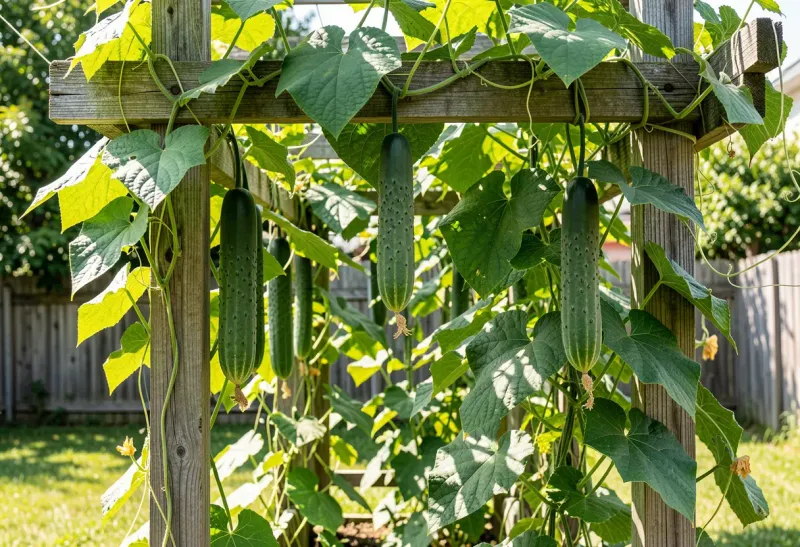
Crowded vines are one of the most common issues in Michigan home gardens, and it tends to sneak up on gardeners because cucumber plants look manageable when they are young.
Once climbing begins, growth can accelerate noticeably, and vines that were spaced a foot apart can quickly weave together into a dense wall of foliage that traps heat and moisture.
Poor airflow through cucumber foliage creates conditions where fungal diseases spread more easily. Powdery mildew is one of the most recognizable, showing up as white powdery patches on leaf surfaces.
Downy mildew causes yellowing and browning on the upper sides of leaves. Both are more likely to develop when leaves stay damp and air movement is limited, which can happen in Michigan during humid stretches in late July and August.
Thinning out a few crowded or crossing stems can open up the canopy without stressing the plant. Focus on removing stems that are growing horizontally across other vines rather than upward along the trellis.
Avoid removing healthy productive stems that are already carrying flowers or small fruit. Spacing plants at least twelve to eighteen inches apart at planting time reduces the need for heavy thinning later.
Training vines to grow vertically on a trellis rather than sprawling horizontally along the ground is one of the most effective ways Michigan gardeners can improve airflow naturally without removing much plant material at all.
7. Watch Flowers And Pollinator Activity

Yellow cucumber flowers are a signal that fruit production is getting started, and paying attention to what happens around those blossoms can tell you a lot about how your harvest is shaping up.
Cucumbers produce both male and female flowers on the same plant, and pollination depends on bees and other insects moving pollen from one flower to the other.
Male flowers typically appear first and do not produce fruit on their own. Female flowers come along a little later and can be identified by the tiny swollen base just behind the petals, which becomes the cucumber if pollination is successful.
A flower that opens and closes without being visited by a pollinator will not develop into fruit, and this is a common reason why gardeners in Michigan sometimes notice flowers dropping without any cucumbers forming.
Watching your vines for ten or fifteen minutes on a warm sunny morning can give you a quick sense of how much pollinator activity is happening.
Bumblebees, honeybees, and native bees are the most helpful visitors for cucumber pollination.
Planting flowers nearby, such as marigolds, zinnias, or herbs allowed to bolt and bloom, can attract more pollinators to the area. Avoid applying any sprays near open flowers during the morning hours when bees are most active.
Healthy pollinator traffic during the climbing phase sets up a much more productive harvest later in the season.
8. Start Harvesting Before Fruit Gets Oversized
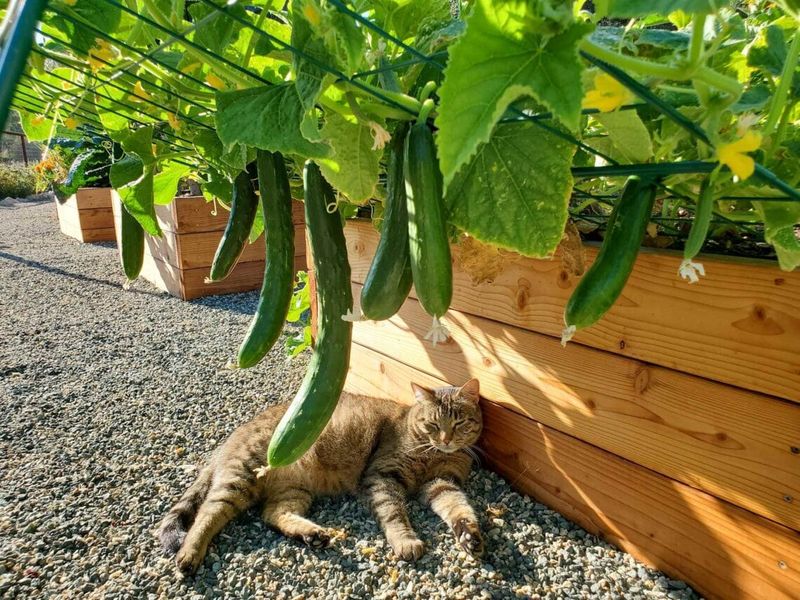
Cucumbers have a reputation for going from just right to oversized seemingly overnight, and that reputation is well earned. Once fruit starts forming on climbing vines, checking the plants every day or two becomes genuinely worthwhile.
A cucumber left on the vine too long turns yellow, develops tough seeds, and signals the plant to slow down flower and fruit production.
Most slicing cucumbers are best harvested when they reach about six to eight inches long and still have a firm, dark green skin. Pickling types are usually picked smaller, around two to four inches, depending on the variety.
The skin should feel smooth and the flesh should feel solid when you give it a gentle squeeze. A cucumber with a soft or spongy feel has likely been on the vine too long.
Harvesting regularly encourages the plant to keep producing, which is one of the most practical reasons to stay on top of it during the peak of Michigan’s summer growing season.
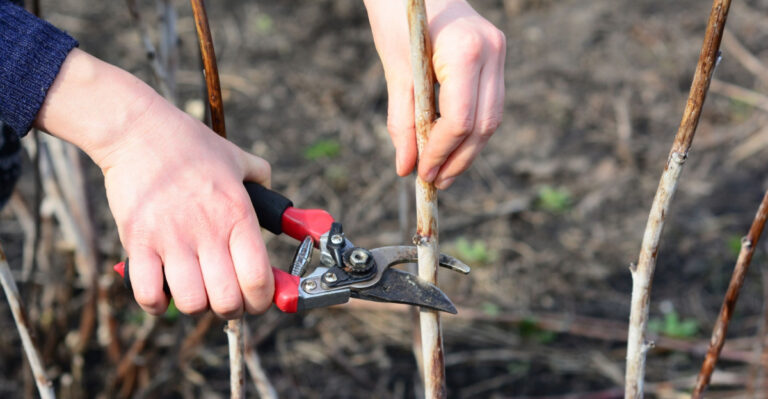
Use a small pair of garden scissors or pruners to cut the stem cleanly rather than pulling or twisting the fruit off, which can stress the vine.
Morning harvests tend to yield cucumbers that feel crisp and cool, since overnight temperatures in Michigan are usually lower than daytime highs.
Keeping a basket or bag nearby during garden walks makes it easy to grab ripe cucumbers without making a separate trip.