Water Your Christmas Cactus This Way For A Big Holiday Bloom In Michigan
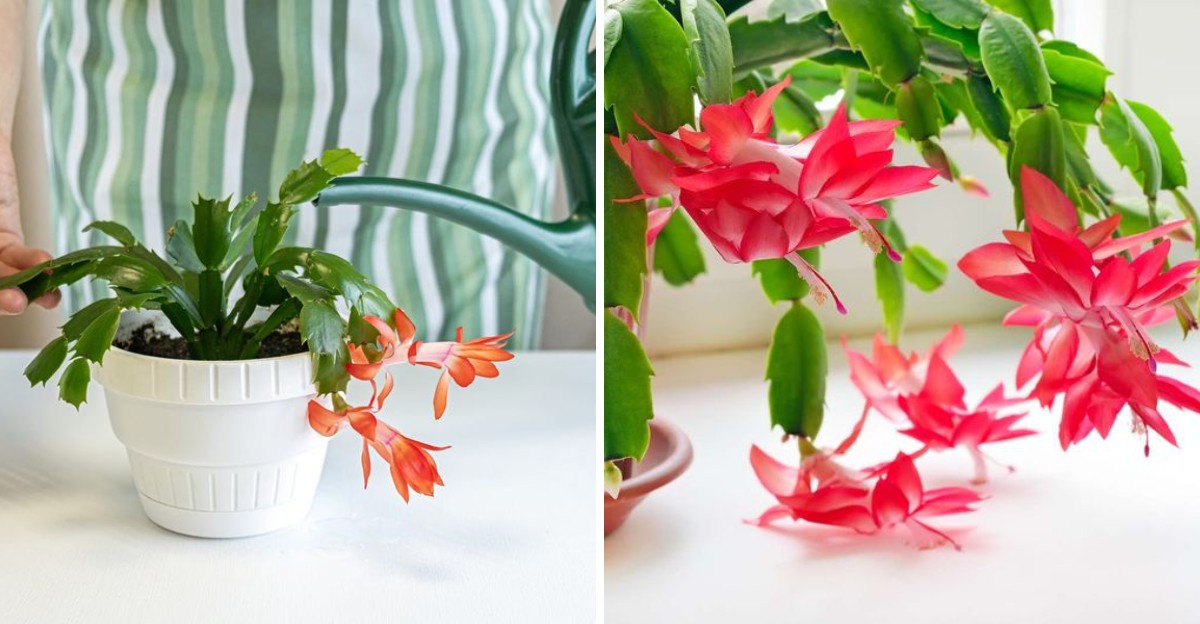
How you water a Christmas cactus matters more than how often. Many people give it a little splash every few days. That keeps the top damp but never reaches the roots.
Others soak it and leave the pot standing in a full saucer. Neither habit helps. A better way is to water slowly until it runs out of the bottom, then let the soil dry a little before the next drink.
Room-temperature water is gentler than cold water from the tap. Cold can shock the roots and cause buds to drop.
Michigan’s dry indoor air in winter changes how fast the soil dries, so checking by touch works better than following a calendar. Learn the rhythm, and your plant can pour its energy into a heavy holiday bloom.
1. Water When The Top Inch Feels Dry
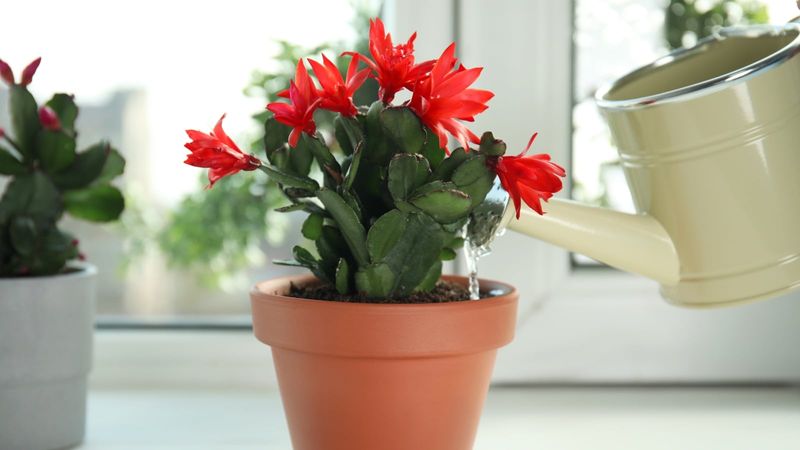
Your finger is the best watering tool you own. It costs nothing, it never needs batteries, and it tells you exactly what a Christmas cactus (Schlumbergera) needs on any given day. Many people water every Sunday out of habit.
The trouble is that a plant does not follow a calendar. Its thirst changes with temperature, sunlight, and how hard your furnace is running, so a set schedule can easily give too much water one week and too little the next.
The soil, on the other hand, never lies. Once the roots drink up what they need, the top layer starts to dry out, which is a clear signal that more moisture is welcome.
Checking is simple. Push one finger about an inch down into the potting mix, roughly up to your first knuckle. If that top inch feels dry, go ahead and water.
Feel something cool and damp instead? Hold off for a few more days and test again. Patience here protects the roots from sitting in soggy soil, which is far harder for the plant to bounce back from than a short dry spell.
Michigan homes change a lot over the year, and that makes this habit extra valuable. In early fall, windows might still be open and the air feels mild, so soil stays moist longer.
By January, the heat is cranking, daylight is short, and the pot can dry out much faster. A quick finger test every few days keeps you in step with those shifts.
Over time, you will start to notice your plant’s rhythm, and watering will feel less like guesswork and more like a friendly conversation with a houseplant that truly rewards attention.
2. Soak Thoroughly, Then Let It Drain
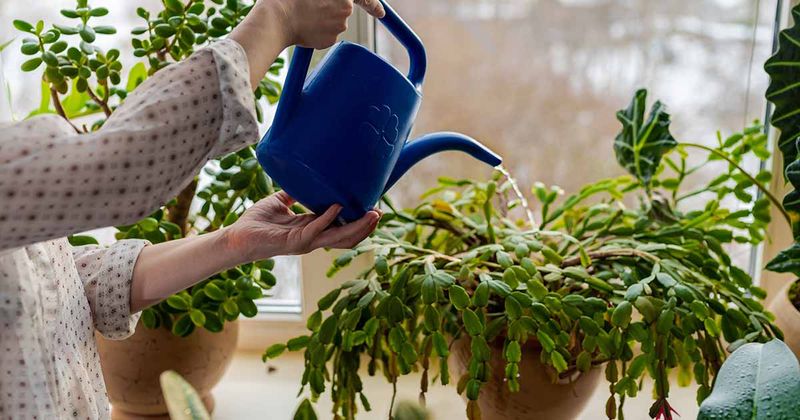
Small sips might seem gentle, but they actually leave a Christmas cactus only half satisfied. A splash here and there wets the surface while the deeper roots stay thirsty.
Think about how rain works outdoors. A good storm soaks the ground deeply, then the extra water moves away. Your houseplant loves that same pattern, because a full soak spreads moisture evenly through the whole root ball.
Light, frequent watering does the opposite. The top of the soil stays wet and stuffy, which can invite fungus gnats and rot, while the lower roots stretch around searching for water that never arrives.
Your Michigan Garden Changes Every Week. Your Plan Should Too.
Gardening in Michigan changes quickly throughout the season. Every Friday you’ll receive a simple weekly plan showing exactly what to plant, prune, fertilize, harvest, and protect so you never miss the right timing.
So how do you give a proper drink? Carry the plant to a sink or bathtub, then pour water slowly over the soil surface. Move the spout around the pot so every side gets some.
Keep going until water flows out of the drainage holes at the bottom. That steady trickle means the entire pot has been moistened from top to bottom.
Next comes the step people often skip. Let the pot sit and drain for several minutes, until the dripping stops. Only then should it go back to its usual spot.
For Michigan gardeners hoping for a holiday showstopper, this routine matters more than it might seem. A plant with evenly watered roots grows stronger stems, and strong stems carry more buds.
There is a bonus, too. Deep watering means you will water less often, since the moisture lasts longer in the pot. That saves you time during the busy holiday season, and your cactus gets the steady care it needs to put on a bright, generous display.
3. Never Leave The Pot Sitting In Water
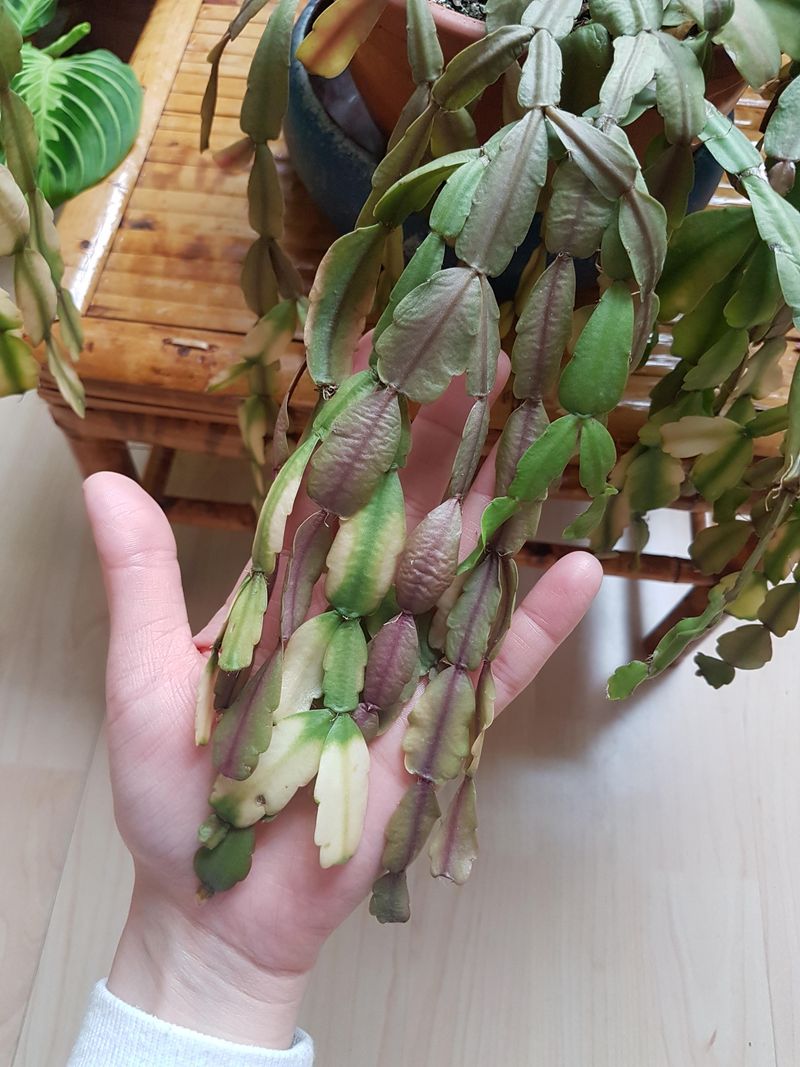
Here is a sneaky problem hiding in plain sight. That pretty saucer or shiny gift wrap around your Christmas cactus might be holding a puddle you never see.
Roots need air just as much as they need water. When a pot sits in standing water, the soil stays soaked, and the roots cannot get the oxygen they rely on to stay healthy.
Before long, root rot can set in. You may notice limp, floppy stems, a mushy base, or buds dropping off for no clear reason. By the time those signs show up, the roots have often been suffering for weeks.
Decorative containers are the usual troublemakers. A cachepot, which is an outer pot without holes, looks lovely but traps every drop that drains out. Foil wrappers do the same thing, quietly collecting water at the bottom.
The fix is easy once you know to look. Empty any saucer or outer pot within a few minutes after watering. Make sure the inner pot has drainage holes, because a container without them will always hold too much moisture.
If your plant came wrapped in foil, lift the wrapper or poke a few holes in the bottom so water can escape. Some people simply slide the plant out of the wrapper to water it, then tuck it back in once it stops dripping.
Christmas cactus plants are a favorite holiday gift across Michigan, and many arrive dressed up in festive packaging from grocery stores and garden centers.
A quick check of that wrapping right away can save your new plant and keep it blooming happily for years.
4. Use Room Temperature Water
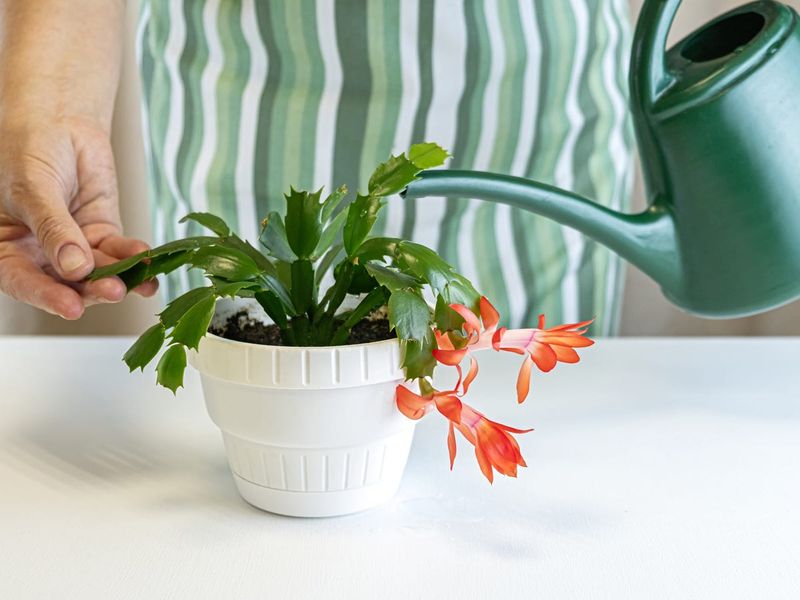
Imagine jumping into an icy lake in the middle of January. That chilly jolt is a little like what roots feel when they get a blast of freezing tap water.
Christmas cacti come from mild, shady forests in the mountains of southeastern Brazil. They grow on tree branches and rocks, where rainwater is never ice cold, so their roots are not built for sudden temperature swings.
Very cold water can shock those roots, especially while the plant is busy forming buds and opening flowers. Stress during that sensitive stretch can slow growth or even lead to buds falling off early.
Room temperature water is much kinder. It soaks into the soil without startling the plant, so the roots can keep doing their job of feeding all those developing blooms.
Making it happen takes almost no effort. Fill your watering can after you finish watering, then let it sit on the counter until the next time you need it. In a few hours, the water will match the temperature of your home.
Hot water is not the answer either. Water that feels warm to the touch can harm tender roots just as easily, so aim for something that feels neither cold nor warm on your hand.
In Michigan, this tip really earns its place. Winter tap water can come out of the faucet surprisingly frosty, since pipes and wells pull from cold ground.
Letting it rest a bit gives your cactus a comfortable drink, and the habit fits neatly into your routine with a can always ready and waiting nearby.
5. Ease Back In Fall To Help Buds Form
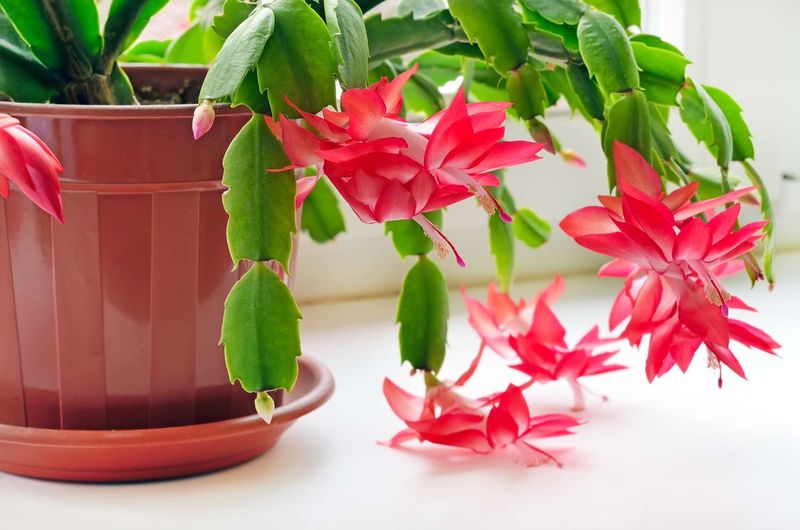
Autumn is when the real magic starts. While you are raking leaves and pulling out sweaters, your Christmas cactus is quietly deciding whether to bloom.
Two things trigger flower buds: cool nights and long hours of darkness. During this time, slightly drier soil helps too, because it nudges the plant to stop pushing out new stems and focus its energy on flowers instead.
From about mid September through early November, change your watering a little. Let the top inch or two of soil dry before you water again. The plant should not shrivel, but it can handle a bit more time between drinks.
Put the fertilizer away during this stretch as well. Feeding encourages leafy growth, which is the opposite of what you want while buds are setting.
Temperature and light matter just as much as water. A cool room around 50 to 60°F works beautifully. Try to give the plant 12 to 14 hours of darkness each night, which means keeping it away from lamps and bright TV screens after sunset.
A spare bedroom, an enclosed porch that stays above freezing, or a cool basement window often does the trick. Just watch the forecast and bring the plant inside before any frost arrives.
Michigan has a natural edge here. Crisp fall nights roll in early, giving your cactus the cool signal it craves without much effort on your part.
Pair those chilly evenings with a lighter hand on the watering can, and you may spot tiny pink tips forming at the ends of the stems by late October.
6. Keep Moisture Steady Once Buds Appear
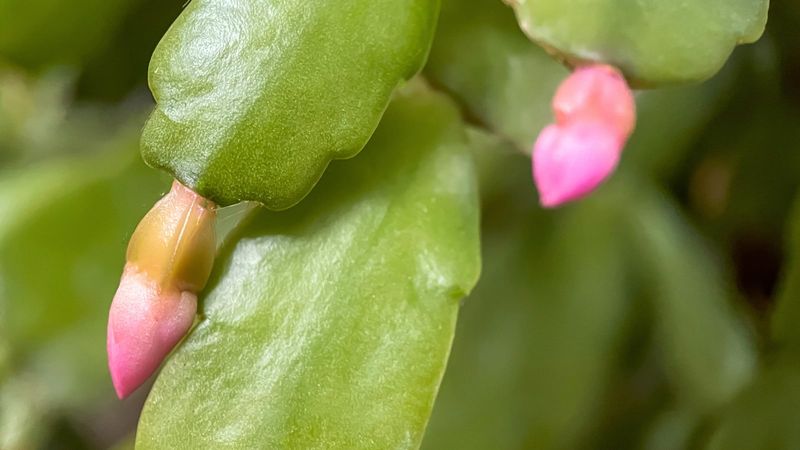
Those first tiny buds are pure excitement. After weeks of patience, they mean your holiday show is on the way, and now your job shifts gears.
Buds need steady moisture to swell and open. When soil dries out completely, or bounces between bone dry and soggy, the plant gets stressed and often drops its buds before they ever bloom.
Bud drop can feel heartbreaking. One morning you might find little pink nubs scattered on the windowsill, and the cause is usually a sudden change the plant did not like.
Once buds are visible, go back to a more regular routine. Water as soon as the top inch of soil feels dry, rather than waiting longer like you did in early fall. The goal is soil that stays lightly and evenly moist, never soaked and never parched.
Location matters right now, too. Find a good spot with bright, indirect light and leave the plant there. Moving it around, even just to show it off, can be enough to make buds fall.
Drafts from doors that open to the cold also cause trouble, so keep your cactus away from entryways. Steady light, steady temperature, and steady water make a winning trio.
Across Michigan, bud drop ranks among the most common complaints about holiday cacti. Many plants travel from a cool store to a warm car to a heated house, all in one afternoon.
Keeping watering consistent helps balance out those big changes, and a calm, settled plant is far more likely to open every bud in a cheerful burst of color.
7. Raise Humidity Instead Of Watering More
Ever notice your lips cracking and static shocks zapping you all winter? Your Christmas cactus feels that dry air, too, even if it cannot complain about it.
Furnace heat pulls moisture out of indoor air. Since these plants come from humid forests, dry air can stress them, leading to wrinkled stems and, sometimes, dropped buds.
Many people respond by pouring more water into the pot. Unfortunately, that does not help much. Wet soil does not fix dry air, and the extra water can drown the roots and cause rot.
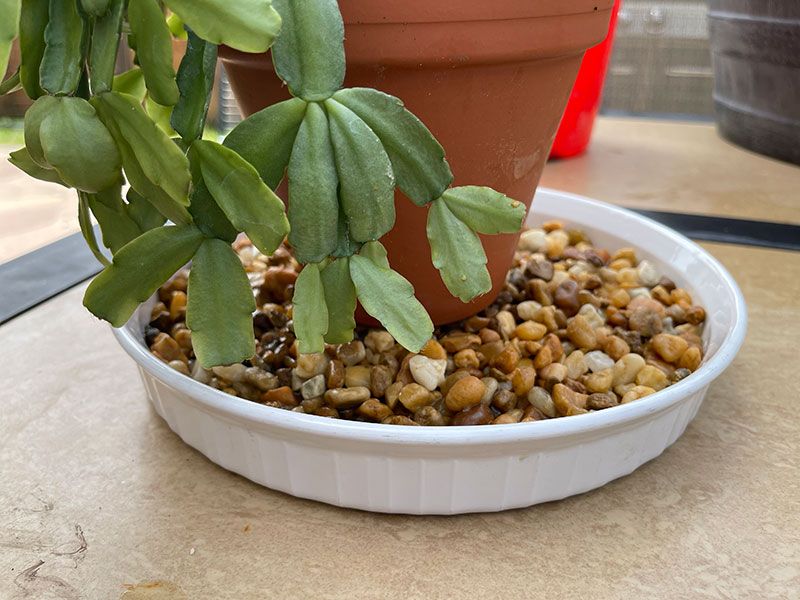
A smarter approach targets the air around the plant. One easy trick is a pebble tray. Fill a shallow tray with small stones, add water until it sits just below the top of the pebbles, and set the pot on top.
As the water evaporates, it adds moisture right where the plant needs it. Grouping houseplants together helps as well. Plants release moisture through their leaves, so a little cluster creates its own cozy pocket of humidity.
Running a humidifier nearby is another great option, and your skin will thank you for it. Just keep it a few feet away so the plant does not stay damp.
Placement is the final piece. Keep your cactus away from heat vents, radiators, and space heaters, which blast hot, dry air.
Michigan heating season stretches from fall deep into spring, so indoor air can stay dry for months. Adding humidity instead of extra water keeps your plant comfortable, healthy, and ready to hold onto every one of its bright holiday flowers.
8. Flush The Soil Now And Then
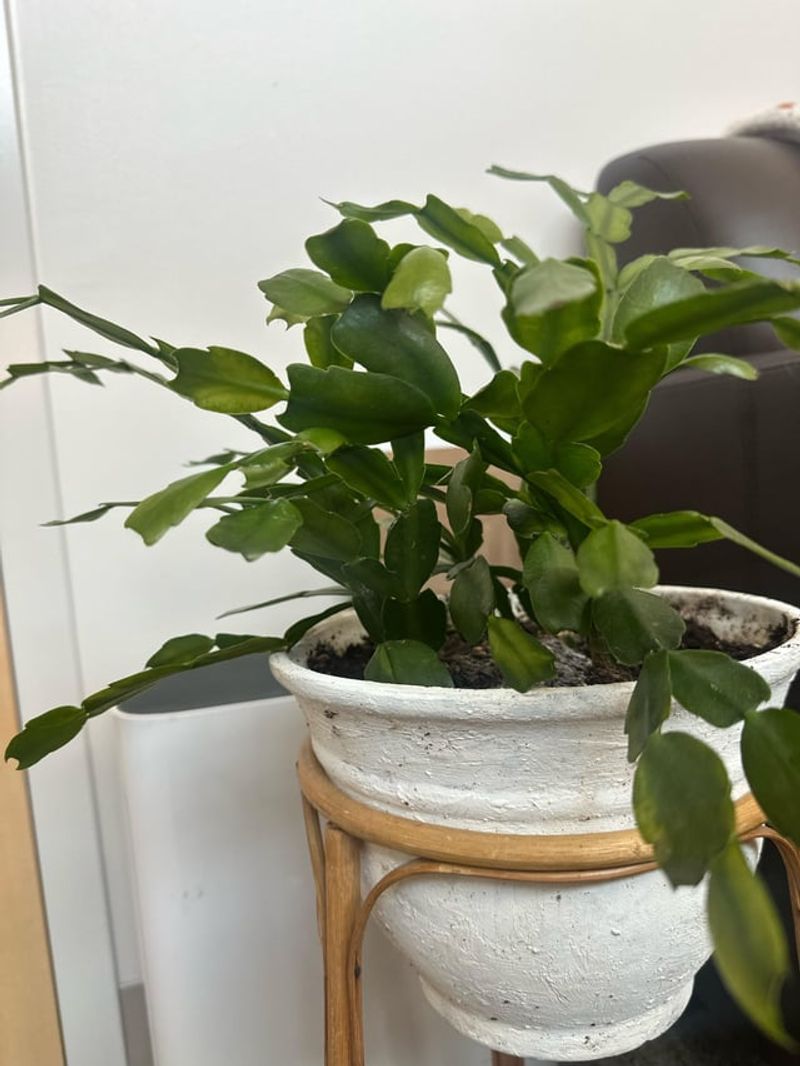
Spot a crusty white ring on the rim of your pot? That chalky layer is a clue that something has been building up inside the soil for a while.
Tap water carries tiny amounts of minerals like calcium and magnesium. Fertilizer leaves salts behind as well. With every watering, a little more of that leftover material settles into the potting mix.
Over time, the buildup can stress the fine, delicate roots that soak up water and food. You may see brown stem tips, slower growth, or that telltale white crust on the soil surface or around the pot edge.
Flushing the soil clears it out. Every few months during the growing season, take the plant to the sink and water slowly and heavily. Let water run freely from the drainage holes for a minute or two, which carries extra minerals and salts out with it.
Afterward, give the pot plenty of time to drain completely. Skip fertilizer for a week or so to let the roots settle. Fresh soil is the next level of care.
Every two to three years, repot your cactus in spring using a light, well-draining mix, such as one made for cacti or succulents blended with some regular potting soil. These plants like being a bit snug, so choose a pot only one size larger.
Many Michigan homes have hard water, especially those on private wells, and it leaves mineral deposits on faucets, kettles, and plant pots alike. A simple flush now and then keeps the roots clean and strong, setting the stage for years of joyful holiday blooms.