The Most Underrated Michigan Native That Helps Keep Ticks Out Of Backyard Gardens
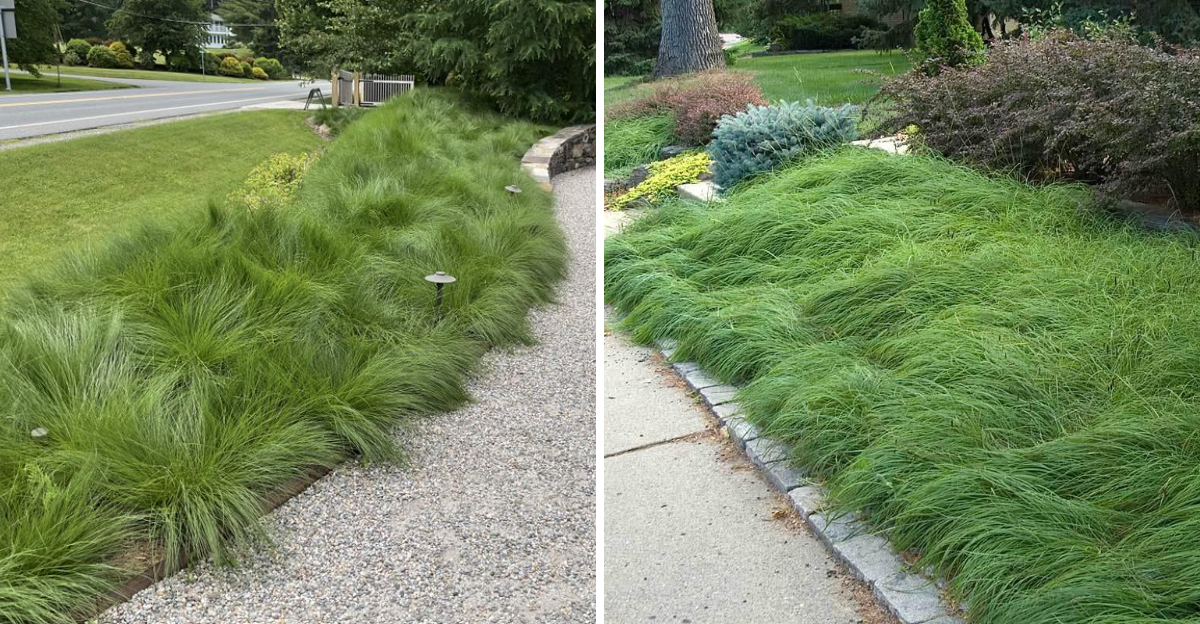
Most conversations about tick prevention in Michigan gardens go straight to mulch barriers, chemical treatments, and keeping grass short.
All reasonable, but there’s a native plant that rarely comes up in those conversations despite having a legitimate track record of making tick habitat less comfortable.
It’s not flashy or widely talked about at garden centers, which is probably why it stays underrated.
But it checks a lot of boxes at once: low maintenance, genuinely attractive through multiple seasons, supportive of native pollinators, and capable of changing the ground-level conditions that ticks prefer for shelter.
Gardeners who’ve added it to their yards aren’t just doing it for tick reasons either. It turns out to be one of those plants that earns its space in multiple ways, and the tick benefit is almost a bonus on top of everything else it brings.
1. Pennsylvania Sedge
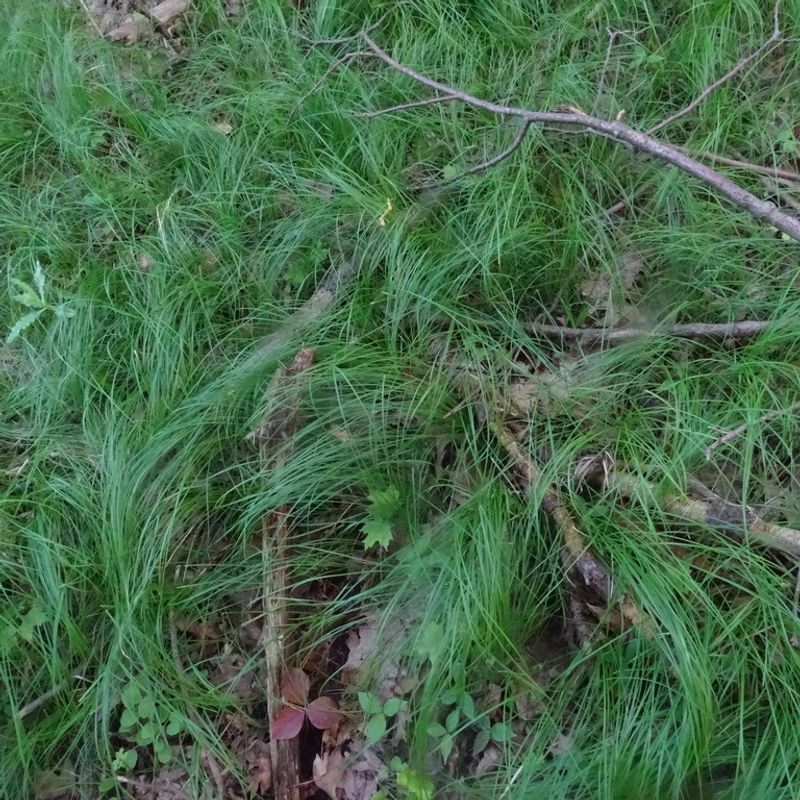
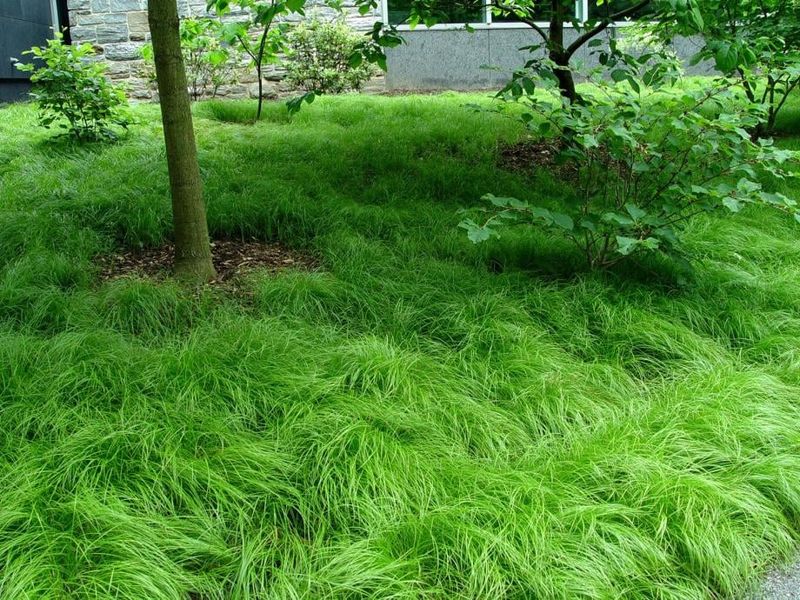
Picture a soft, fine-textured carpet of green spreading quietly beneath your oak trees, needing almost no attention and looking naturally beautiful year after year.
That is exactly what Pennsylvania sedge, known scientifically as Carex pensylvanica, brings to a Michigan backyard.
This native plant has been growing across the Great Lakes region long before anyone thought about landscaping trends.
Pennsylvania sedge grows low, typically reaching only six to twelve inches tall, and spreads slowly through underground rhizomes to fill in shaded areas over time.
Unlike many ornamental groundcovers, it stays relatively tidy without aggressive spreading that takes over your entire yard.
Gardeners who have made the switch often describe it as the most effortless plant they have ever grown.
What makes this sedge especially interesting for tick-conscious homeowners is its natural growth structure. The blades are slender and spaced openly, which means the plant does not trap the kind of moist, dark, humid environment that ticks absolutely love.
Choosing plants that work with your yard’s ecology, rather than against it, is one of the smartest moves any gardener can make. Pennsylvania sedge is proof that going native often means going smarter.
2. It Creates Less Dense Humid Cover Than Many Overgrown Groundcovers
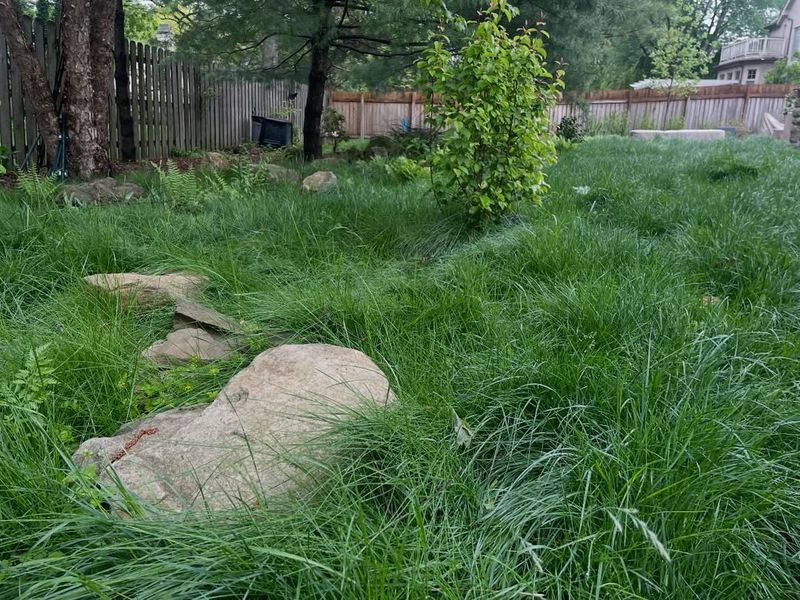
Ticks thrive in humid, shaded spots where the air barely moves and moisture clings to leaf litter and dense vegetation.
Many popular groundcovers, like English ivy or pachysandra, create exactly that kind of environment with their thick, overlapping leaves and low, smothering growth. Pennsylvania sedge takes a completely different approach.
The fine, grass-like blades of this sedge allow air to circulate freely at ground level. Sunlight can filter through, soil dries more quickly after rain, and the overall microclimate beneath the plant stays less hospitable to ticks looking for a cozy hiding spot.
It is a subtle difference that adds up to meaningful results over an entire season.
Research from the Connecticut Agricultural Experiment Station and other tick-focused studies consistently points to habitat management as one of the most effective ways to reduce tick presence in residential yards.
Replacing dense, moisture-trapping groundcovers with open, airy natives like Pennsylvania sedge is a practical step any homeowner can take.
Your Michigan Garden Changes Every Week. Your Plan Should Too.
Gardening in Michigan changes quickly throughout the season. Every Friday you’ll receive a simple weekly plan showing exactly what to plant, prune, fertilize, harvest, and protect so you never miss the right timing.
You do not need to overhaul your entire yard overnight. Even swapping out one problem area, like a shady corner thick with ivy, makes a real difference.
Pennsylvania sedge gives you that green, lush look without rolling out the welcome mat for unwanted guests.
3. It Works Well Along Paths And Walkways
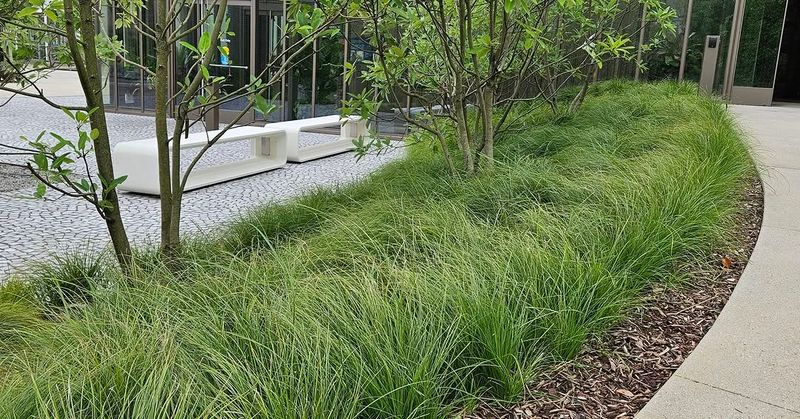
Garden paths do more than just get you from point A to point B. They also create the transition zones between lawn and woodland areas where ticks are most commonly found.
Planting the right groundcover along those edges is a smart, practical way to manage that boundary without sacrificing beauty.
Pennsylvania sedge is a natural fit for path borders. Its soft, arching blades create a tidy, low edge that stays visually clean without constant trimming.
Because it stays low and does not flop dramatically over walkways, it keeps paths clearly defined while softening the overall look of the garden. Visitors always notice how polished a path edged with native sedge looks, even without formal maintenance.
From a tick-awareness standpoint, keeping path edges clean and well-planted with open-growing natives reduces the chances of brushing against dense vegetation as you walk through your yard.
Ticks typically latch on by waiting on tall grasses or shrubs at body height and grabbing onto passing people or pets.
A low, well-maintained sedge border keeps that vegetation height down and the habitat less appealing.
Pairing Pennsylvania sedge along your paths with regular leaf litter clearing creates a simple but genuinely effective layer of protection that works quietly all season long.
4. It Handles Dry Shade Better Than Many Lawn Grasses
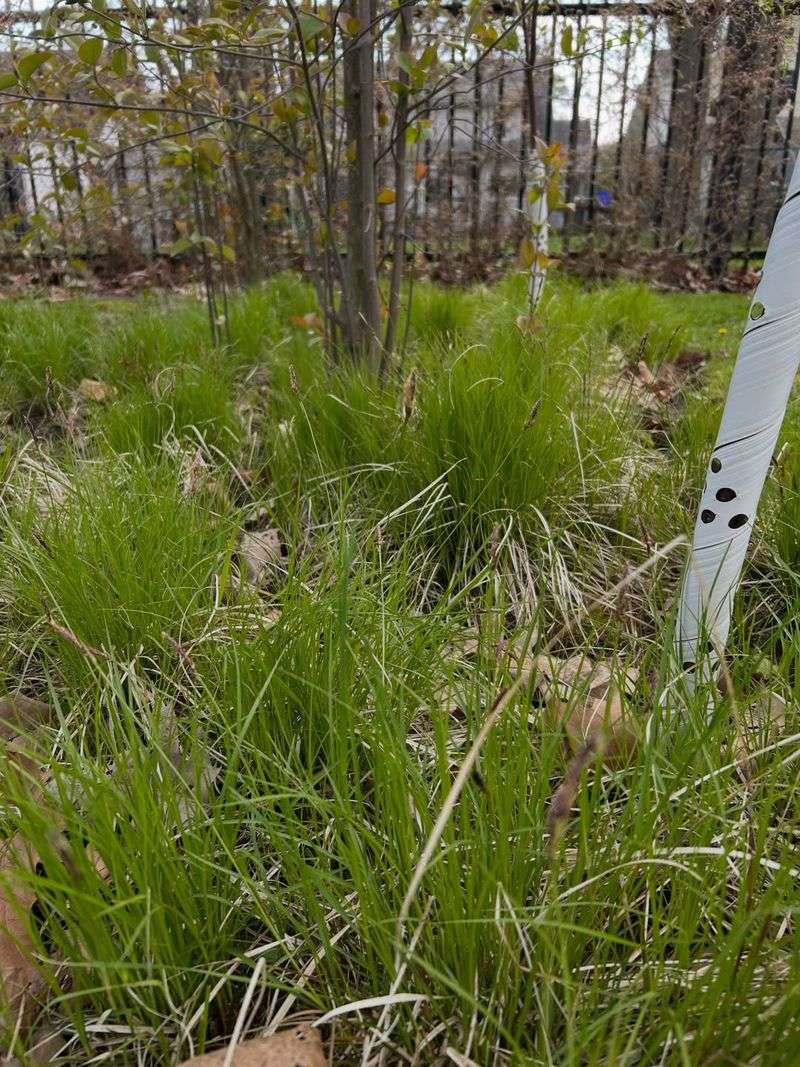
Anyone who has tried to grow traditional lawn grass under a big oak tree knows the frustration. The grass thins out, turns patchy, and eventually gives up entirely, leaving bare soil that looks rough and invites weeds to move in.
Pennsylvania sedge was practically made for exactly that situation. Native to the oak woodlands of eastern North America, this sedge evolved to handle dry, rooty, shaded soil conditions that most lawn grasses simply cannot tolerate.
Once established, it requires very little supplemental watering and holds its color through summer dry spells far better than Kentucky bluegrass or fescue blends.
That toughness is not just convenient for gardeners, it also means fewer bare patches where disturbed soil and leaf debris can accumulate.
Bare soil beneath trees is actually a tick concern worth taking seriously. Leaf litter piling up on patchy, unplanted ground creates the moist, sheltered environment that ticks favor for resting and questing.
Filling those trouble spots with a tough, low-growing native like Pennsylvania sedge removes that opportunity.
You end up with a yard that looks intentional and cared for, handles drought without complaint, and quietly discourages tick-friendly conditions all at once. That combination of resilience and function is hard to beat in any single plant.
5. It Helps Reduce Bare Soil Without Creating Thick Brush
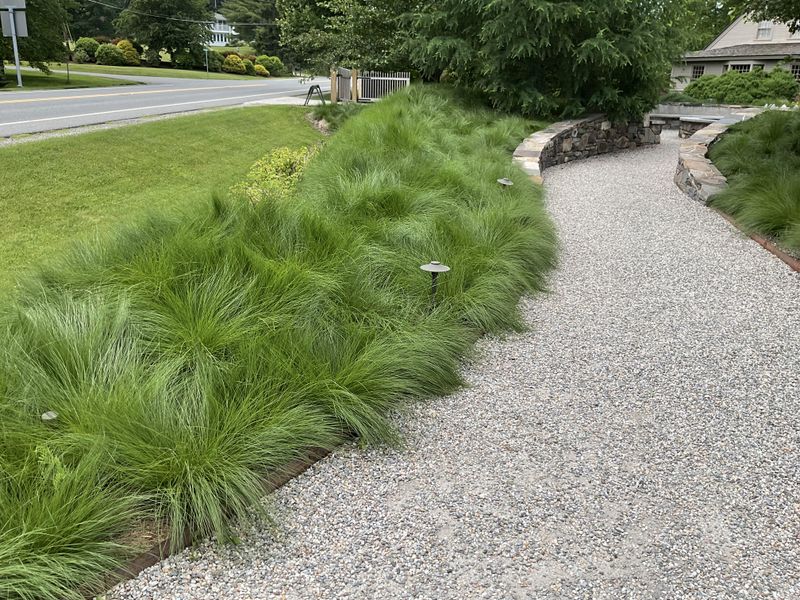
Bare soil in a garden is an open invitation for trouble. Weeds rush in to fill the space, and disturbed ground combined with nearby leaf litter creates exactly the kind of sheltered, slightly moist microhabitat that ticks find comfortable.
Covering that soil matters, but the way you cover it matters just as much.
Pennsylvania sedge fills in bare ground gradually and gracefully, spreading through rhizomes to create a connected, low mat without bunching into thick clumps that trap moisture and debris.
The spacing between individual plants stays open enough that air moves freely and the soil surface dries out between rain events. That is a meaningful distinction when you are thinking about tick habitat.
Dense shrub masses and thick groundcover plantings are well-documented tick hotspots, especially where leaf debris accumulates in the interior. Pennsylvania sedge avoids that problem by design.
Its low, fine texture covers the soil surface without building up the layered, sheltered structure that ticks prefer.
Gardeners who have replaced weedy bare patches under their shrubs with this sedge often notice the overall planting looks cleaner and more intentional almost immediately.
Getting soil covered quickly after planting is also important since bare ground after installation is a temporary window when weeds and other opportunists move fastest.
Starting with a few healthy plugs and giving them one good season usually gets you solid coverage.
6. It Pairs Well With Tick-Reduction Yard Habits
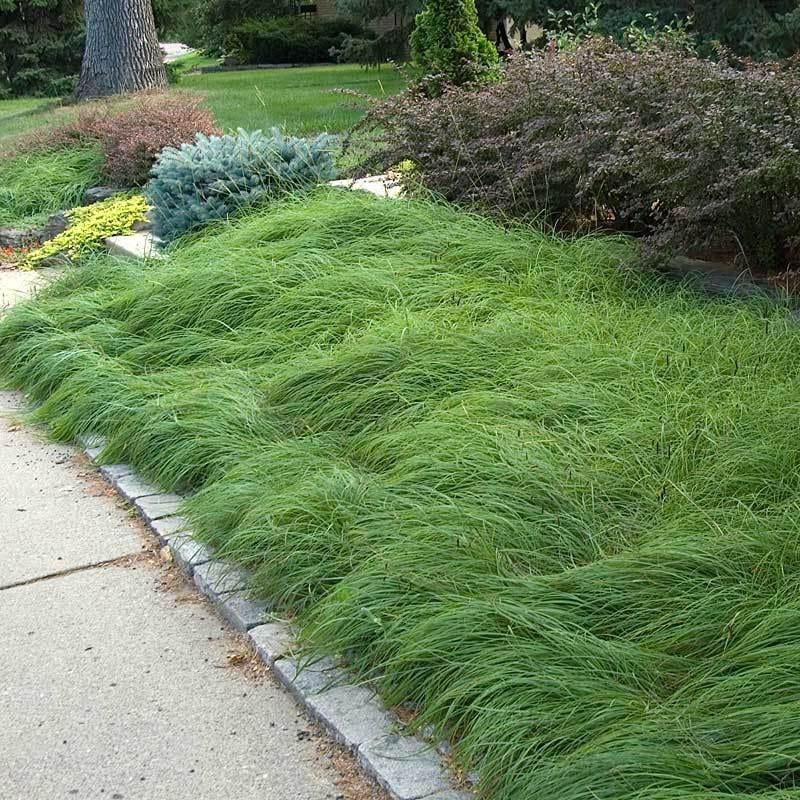
No single plant solves every yard challenge on its own, and Pennsylvania sedge works best when it is part of a broader approach to keeping your outdoor space comfortable and tick-aware.
The good news is that it fits naturally into almost every tick-reduction habit that landscape experts and public health organizations recommend.
Clearing leaf litter regularly, keeping grass mowed short in sunny areas, trimming back overgrown shrubs, and creating a dry mulch buffer between wooded areas and your lawn are all proven strategies. Pennsylvania sedge complements every one of those habits.
It stays low so it does not contradict your mowing efforts, it does not trap leaf litter the way dense groundcovers do, and its open texture makes it easy to rake out debris in spring without damaging the planting.
Think of Pennsylvania sedge as the low-maintenance anchor of a thoughtful yard management plan.
Pairing it with a three-foot-wide wood chip or gravel barrier between your lawn and any wooded edge is one of the most recommended tick management steps for residential properties.
The sedge holds that transition zone beautifully while the mulch barrier does the heavy lifting. Stack these simple habits together and your yard becomes noticeably less hospitable to ticks without looking like a sterile, overly managed space.
That balance of natural beauty and practical function is exactly what smart Michigan gardeners are after.
7. It Needs Less Mowing Than Traditional Turf In Shade
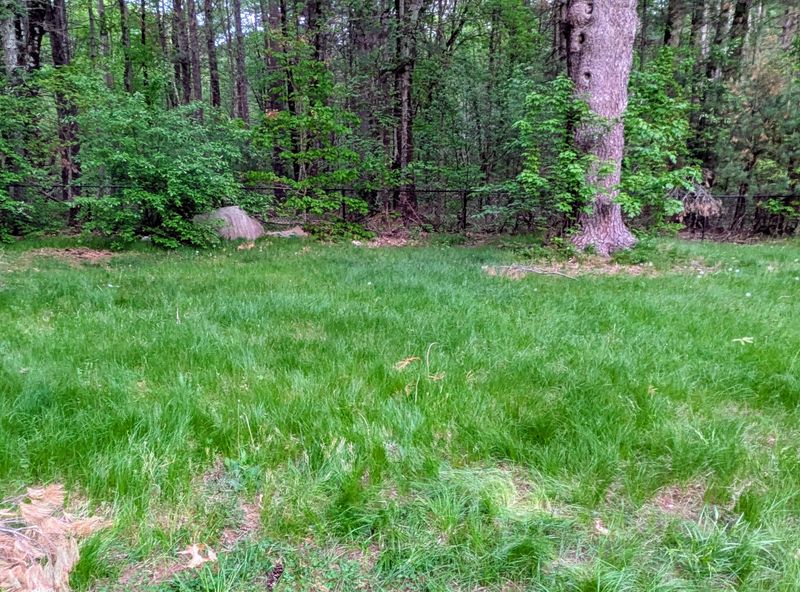
Mowing under trees is one of those yard chores that feels endless and thankless. The mower bumps over roots, the grass never looks great anyway, and you end up doing it week after week for results that are honestly underwhelming.
Pennsylvania sedge offers a genuinely better alternative for those shaded spots.
Once established, Pennsylvania sedge in a shaded area typically needs only one or two light cuts per year, usually in early spring before new growth emerges, to keep it looking fresh and tidy.
Many gardeners skip mowing entirely and simply let it grow at its natural height of six to twelve inches, which looks completely natural and intentional beneath mature trees.
That dramatic reduction in mowing frequency saves real time and effort over an entire season.
From a tick perspective, less frequent mowing in shaded areas might sound concerning, but Pennsylvania sedge stays naturally short enough that it does not create the tall, dense grass environment where ticks typically quest for hosts.
Its fine blades arch gently and stay low without the lush, thick turf structure that holds moisture and provides cover.
Swapping high-maintenance, struggling turf for this low-care native is one of those rare gardening decisions that makes your life easier, looks better, and quietly supports a healthier yard environment all at the same time.
8. It Supports Native Insects Without Creating Dense Tick Habitat
One of the most common worries gardeners have when choosing tick-conscious plants is whether they will have to sacrifice pollinator and wildlife value to get there. With Pennsylvania sedge, that trade-off simply does not exist.
This plant genuinely supports native insects while keeping its growth structure open and unfavorable for ticks.
Several native bee species, including small ground-nesting bees, use Pennsylvania sedge for shelter and nesting material. Its early spring seed heads provide food for native sparrows and other small birds that forage at ground level.
The plant is also a larval host for several native butterfly and skipper species, making it a real contributor to local food webs rather than just a pretty filler plant.
Combining Pennsylvania sedge with open-growing native companions like wild ginger, Solomon’s seal, or native violets creates a layered woodland understory that hums with ecological activity without building up the dense, brushy structure that ticks favor.
Keeping walking paths clear through these plantings, spacing plants with intentional airflow in mind, and avoiding thick mulch piles near the planting edges all reinforce the tick-conscious design.
You end up with a backyard that genuinely supports Michigan’s native insects and birds, looks beautiful through multiple seasons, and stays structurally open enough to avoid becoming a tick refuge. Ecology and practicality working together is always a good sign.