Snake Plant Leaves Going Soft? The Ohio Winter Watering Mistake
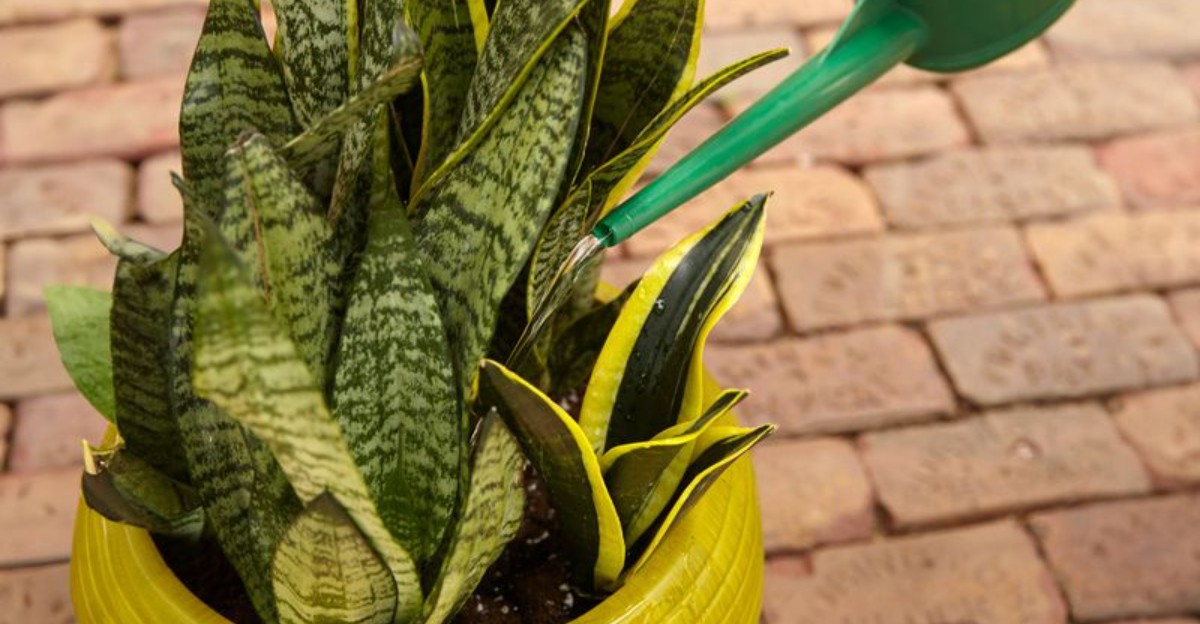
Snake plants have a reputation as the houseplant that shrugs off everything, so a soft, floppy leaf feels like a personal betrayal.
Ohio winters set a quiet trap for even the most loyal owner. The days get shorter, the furnace kicks on, and the plant slows way down.
Your routine stays exactly the same, and that’s where the trouble begins.
The leaves usually hint at the problem before it gets serious. A squishy base, a slight lean, a color that looks a little off.
Catch it fast and the plant can bounce back. Wait too long and the damage runs deeper than the surface.
Most gardeners reach for more care when the plant looks sad. This time, that instinct works against you.
Put the watering can down and take a closer look before you do anything else.
1. Too Much Water Is The Usual Culprit
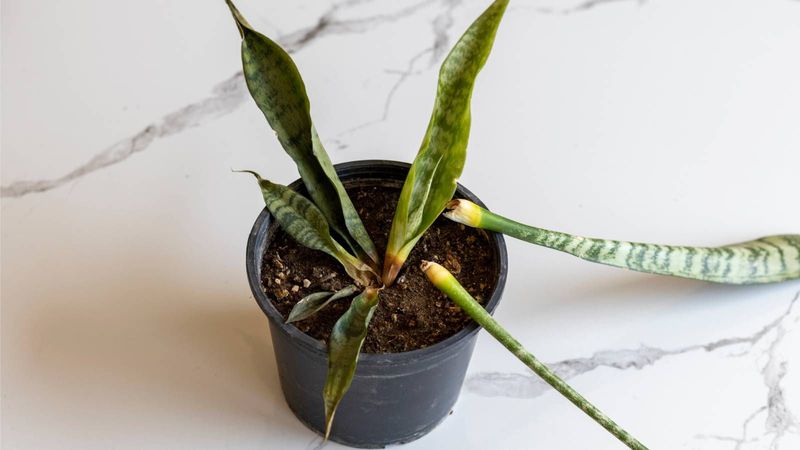
Here is the plain truth that surprises many plant owners. Soft, mushy snake plant leaves are most often a sign of too much water, not too little.
Snake plants are succulents, so they handle dry spells far better than wet ones. When soil stays soggy, the roots start to break down and the leaves lose their stiff, upright shape.
Many snake plants that struggle in homes do so because of overwatering.
Watch for clues that point to this problem. Leaves may turn yellow, feel squishy, look wrinkled, or start to flop over.
The trouble usually begins at the soil line, where the leaf meets the dirt.
Cold can also play a part, so do not rule it out. Still, if the pot feels heavy and the soil looks dark and damp, water is the likely reason.
Try pressing gently on the base of a leaf to see if it gives way.
Catching the issue early makes a huge difference. A firm leaf with a little yellow can often bounce back once watering slows down.
A leaf that has turned soft and see-through near the base is usually past saving.
So before you grab the watering can, pause and check. Your plant may simply be asking for a break, not a drink.
2. Thick, Succulent Leaves Already Store Water
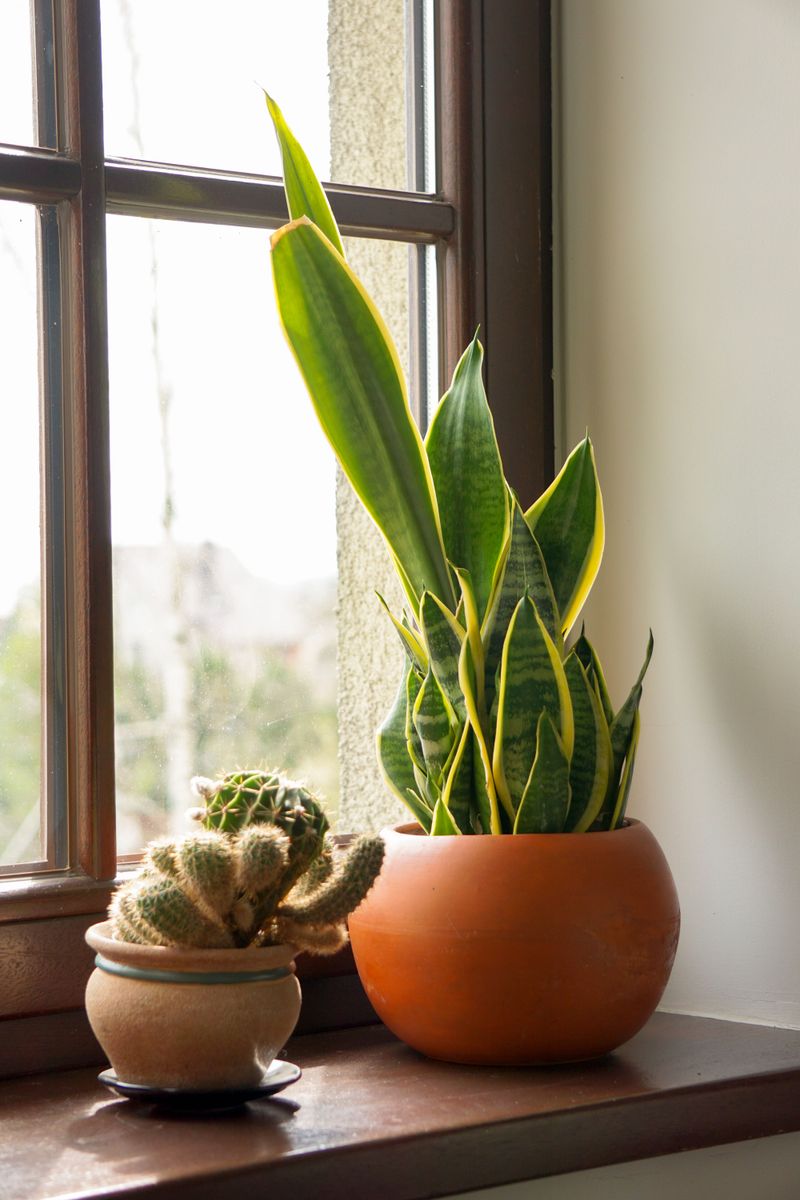
Think of each snake plant leaf as a tiny canteen. Those thick, fleshy blades hold water inside, ready for the plant to use later.
Snake plants come from dry regions of Africa, where rain can be rare for long stretches. Over time, they learned to save every drop.
Their leaves and their underground stems, called rhizomes, act like storage tanks.
This clever design means the plant can go weeks without a drink. In fact, it handles drought much better than most houseplants on your shelf.
A thirsty fern might droop in days, but a snake plant just keeps standing tall.
Fun fact: snake plants are sometimes called mother-in-law’s tongue because of their sharp, pointed leaves. Some people also call them Saint George’s sword.
Because the leaves already carry a water supply, adding more too often can backfire. The plant cannot use it fast enough, so the extra moisture sits in the soil.
Your Ohio Garden Changes Every Week. Your Plan Should Too.
Gardening in Ohio changes quickly throughout the season. Every Friday you’ll receive a simple weekly plan showing exactly what to plant, prune, fertilize, harvest, and protect so you never miss the right timing.
That is when problems begin to creep in.
Treat your snake plant more like a cactus than a leafy tropical plant. When you understand that it carries its own backup water, you can relax a little.
Less fussing often leads to a happier, firmer plant all year long.
3. Winter Means The Plant Needs Far Less Water
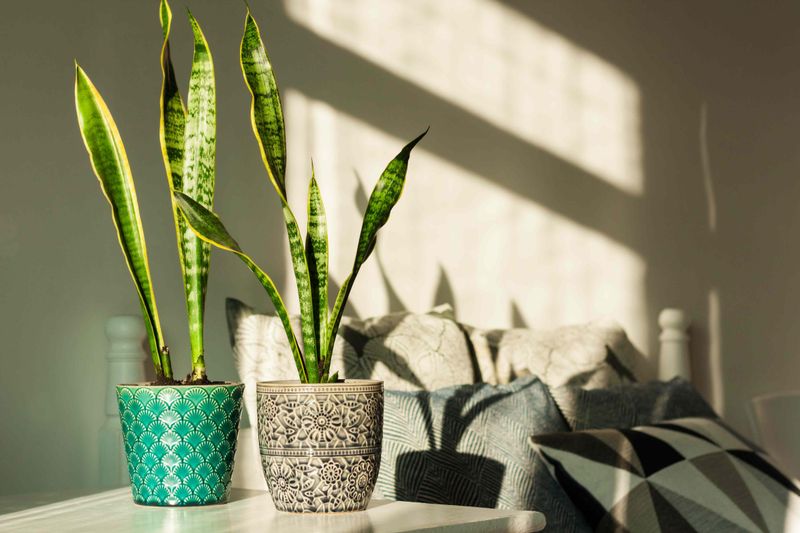
Ohio winters bring short days, gray skies, and chilly mornings. Your snake plant notices all of that, even from inside your cozy living room.
When light fades and temperatures drop, the plant slows way down. Many experts describe this as a resting or dormant phase.
Growth nearly pauses, and the plant uses much less energy.
With slower activity, the roots also drink less. Moisture they would gladly soak up in summer just lingers in the pot.
Cooler indoor air makes the soil dry out more slowly too.
Picture a bear tucked away for the season. It does not need a big meal every day while it snoozes.
Your snake plant works in a similar way during the dark months.
Here is where the mistake sneaks in. Many people keep the same watering schedule they used in June.
The plant cannot keep up, and soggy soil starts causing soft leaves.
A good rule is to cut back sharply once November arrives. Some growers find their plants need about half the water they used in summer, or even less.
Watching the light and the season, instead of the calendar alone, will guide you better than any fixed routine.
4. Water Only Every Month Or Two In Winter
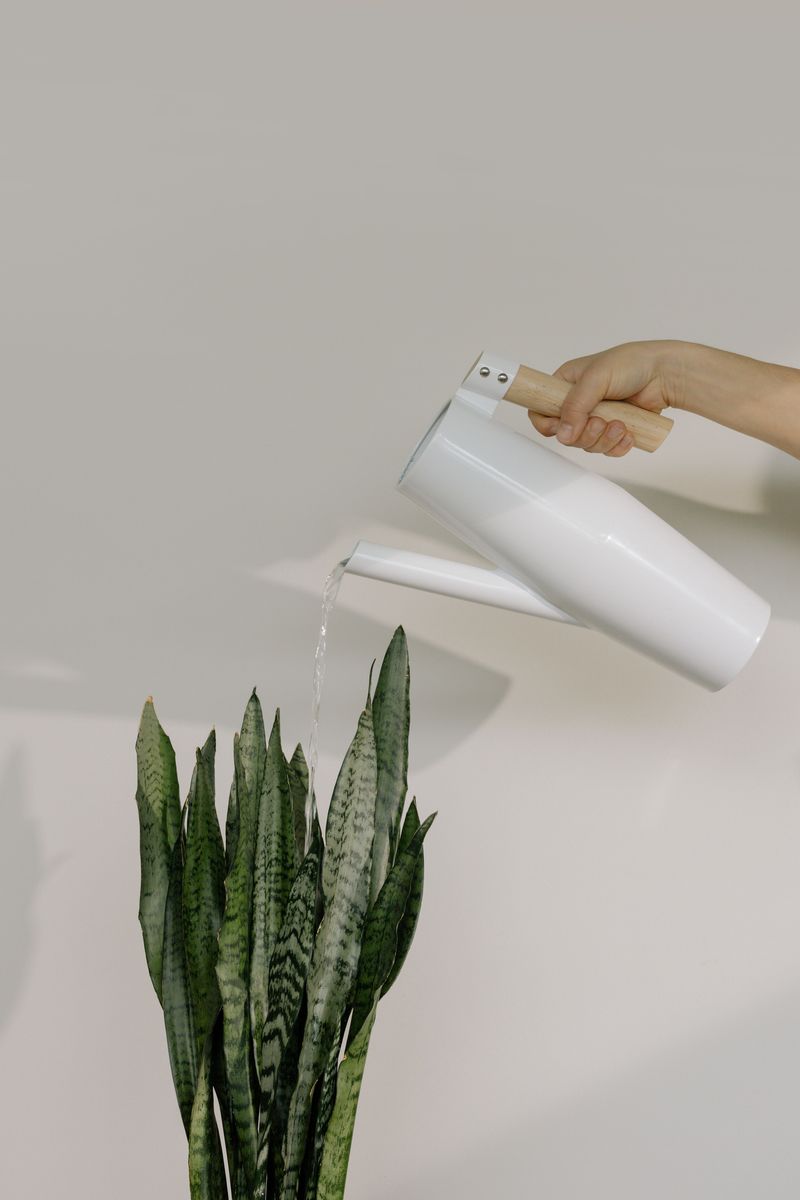
Grab a calendar and a pen, because this tip is all about timing. From about November through February, most snake plants only need water every four to eight weeks.
That might sound shocking if you are used to weekly watering. Yet in a typical home, a drink every four to six weeks or longer works well.
Some plant fans water their snake plants only once or twice all winter.
The exact timing depends on your space. A plant near a bright south window may dry out a bit faster.
One sitting in a dim corner could go even longer between drinks.
Try writing the date on a sticky note each time you water. Tape it to the pot or the back of a cabinet door.
That small trick helps you avoid the classic “Did I water this already?” moment.
When you do water, give a deep, thorough soak. Let the water run out the drainage holes, then empty the saucer so the pot is not sitting in a puddle.
Remember that the calendar is just a guide. Before every watering, check the soil first.
If it still feels damp, wait another week or two and check again.
5. Let The Soil Dry Out Before Watering Again
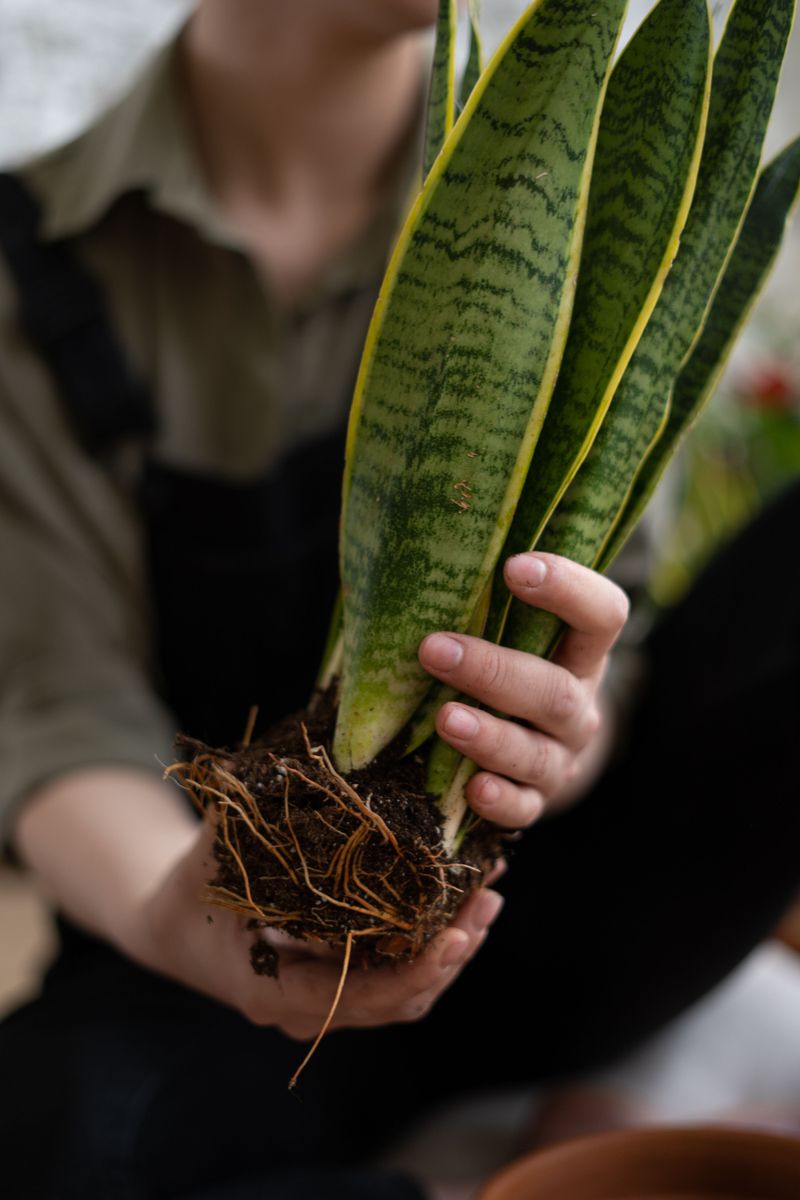
Your finger is one of the best plant tools you own. Before watering, push it two to three inches into the soil and feel around.
If you notice any coolness or dampness, hold off. Snake plants like the potting mix to be dry all the way through before the next drink.
Bone-dry soil is the green light.
Big pots can be tricky, since the top may feel dry while the bottom stays wet. For those, try a wooden chopstick or a bamboo skewer.
Slide it down to the bottom of the pot and leave it for about ten minutes.
Pull it out and take a look. If it comes out clean and dry, go ahead and water.
If it looks dark or has soil stuck to it, wait a little longer.
Another handy trick is to lift the pot. A freshly watered pot feels heavy, while a dry one feels much lighter.
After a few tries, you will learn the difference just by picking it up.
Patience really pays off here. Waiting an extra week rarely hurts a snake plant.
Watering too soon, on the other hand, is what turns firm leaves soft during those long Ohio winters.
6. Soggy Soil Rots The Roots And Leaf Bases
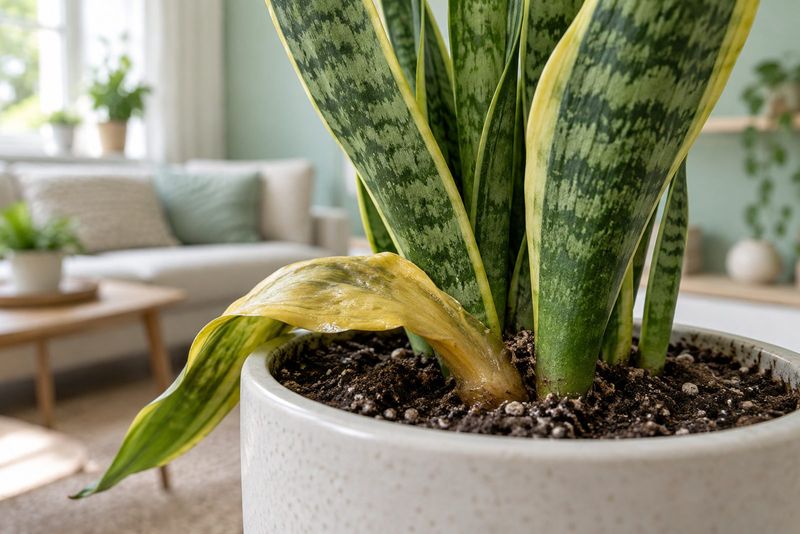
Roots need air just as much as they need water. When soil stays soggy, the tiny air pockets fill up and the roots start to suffocate.
Without oxygen, roots weaken and turn brown and mushy. Soil fungus and bacteria love these wet, cool conditions.
They move in quickly and spread rot through the roots and rhizomes.
The leaf base is usually where you spot trouble first. It may darken a little, then turn yellow.
Next, it gets soft and almost see-through before the leaf folds over.
Your nose can help too. A sour or musty smell coming from the pot often means the soil has been wet too long.
Healthy soil smells earthy, like a forest after rain.
If you suspect rot, slide the plant out of its pot and take a peek. Healthy roots look firm and light colored.
Rotten ones feel slimy and may pull apart easily.
Trim away the mushy parts with clean scissors. Then repot in fresh, dry mix and wait a week before watering.
Root rot can be hard to reverse, so acting early gives your plant the best shot at a comeback.
7. Keep It Warmer Than 55 Degrees
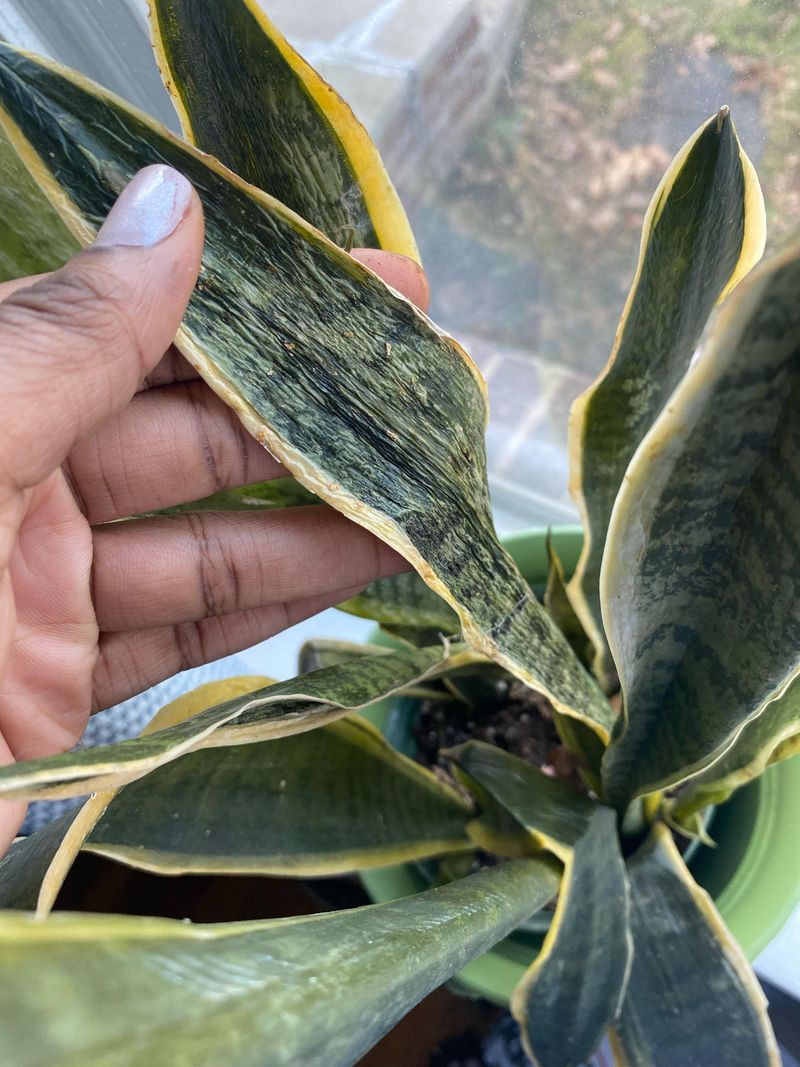
Brrr, that windowsill can get chilly when an Ohio cold snap rolls in. Glass lets the outdoor cold seep right through, even if your room feels toasty.
Snake plants are happiest between 60 and 85 degrees Fahrenheit. Growth slows a lot once it dips below 50 degrees.
Below 40 degrees, the leaves can suffer real tissue damage.
Cold and wet together make a rough combo. Chilled roots drink even less, so the soil stays damp longer.
That raises the risk of rot and those floppy, soft leaves.
Aim to keep your plant somewhere above 55 degrees for a nice safety cushion. Move it a few feet away from cold windows at night.
Watch out for drafty doors, chilly entryways, and spots near air conditioner vents.
Heaters can cause problems too, so do not shove the plant right against a radiator. Steady, gentle warmth is the goal.
A cheap indoor thermometer can be a helpful little sidekick. Set it near your plant for a few days and check the lowest readings.
You might be surprised how cold certain corners get after sunset. Small moves like these protect your plant, even when you water carefully.
8. Use Well-Drained Soil And A Pot With Drainage
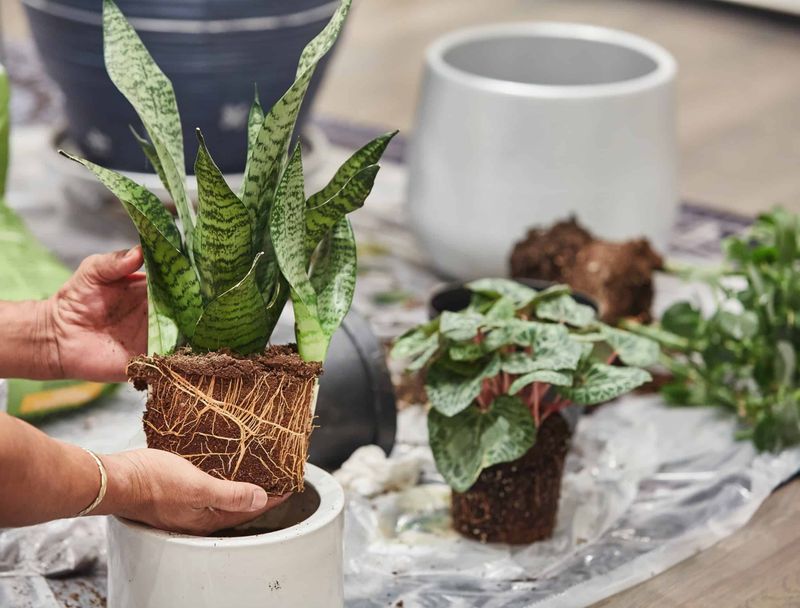
Ask any seasoned grower about snake plant success, and you will hear about soil and pots. The right setup lets extra water slip away instead of pooling around the roots.
Start with a cactus or succulent mix. These blends are loose and gritty, so water drains quickly.
You can also mix regular potting soil with sand or perlite to open it up.
Plain potting soil by itself tends to hold too much moisture. That is great for leafy tropical plants, but not for a succulent.
Next, check the bottom of your pot. It needs at least one drainage hole.
Those pretty pots without holes can trap water like a bathtub with the plug in.
Terracotta is a favorite choice for many growers. The clay is porous, so it breathes and pulls extra moisture out of the soil.
Plastic and glazed pots hold water longer, so water them even less.
Size matters too. A pot that is way too big holds lots of soil that roots have not reached yet.
That extra soil stays wet for ages. Pick a pot just an inch or two wider than the root ball for a snug, healthy fit.
9. Save Healthy Leaves As Cuttings If Rot Spreads
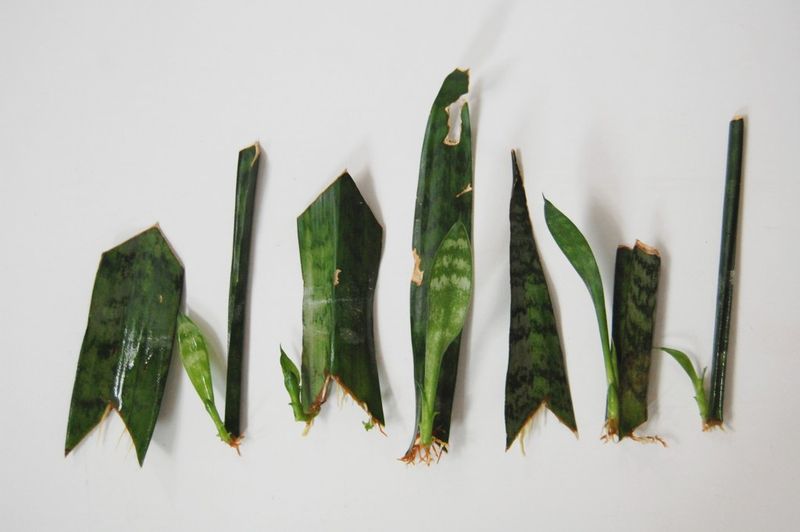
Sometimes rot moves faster than we can stop it. The bright side is that a snake plant can give you a fresh start through its healthy leaves.
Look for firm, green sections, usually the upper parts of the leaves. Using a clean, sterilized knife, cut away every soft or brown spot.
Keep trimming until only solid tissue remains.
Next comes a waiting game. Let the cut ends air-dry for one or two days so they form a callus, which is a dry protective skin.
In humid homes, this may take up to ten days.
You have two rooting options. Place cuttings in a glass with about one-quarter of the leaf underwater, changing the water weekly.
Or plant them upright about an inch deep in dry succulent mix.
Keep soil-planted cuttings lightly moist, not wet. Roots can take several weeks or even a few months to appear, so patience is key.
Here is a quirky detail. Cuttings from striped or yellow-edged varieties may grow back plain green.
The pattern often does not carry over from leaf cuttings. Either way, you end up with brand new plants, and maybe a few to share with friends.