Weeds You Should Remove Before They Spread Further This Fall
Right now, something is creeping across your yard that most homeowners won’t spot until fall is nearly over. By the time the color shift catches your eye, the roots have already spread further than you’d guess.
That quiet spread is exactly why cooler nights matter more than you might think this time of year. Your lawn’s growth is slowing down just as this culprit picks up speed, which puts you at a real disadvantage.
Left alone for even a few weeks, this problem turns into a spring mess that costs you far more time and money. Plenty of homeowners are only now realizing they’re asking themselves the same question you are right now.
Nobody wants to spend next weekend explaining to a curious neighbor why part of your yard looks off. So pour yourself another coffee, because your neighbor is about to ask the exact question this article is about to answer.
1. Creeping Charlie
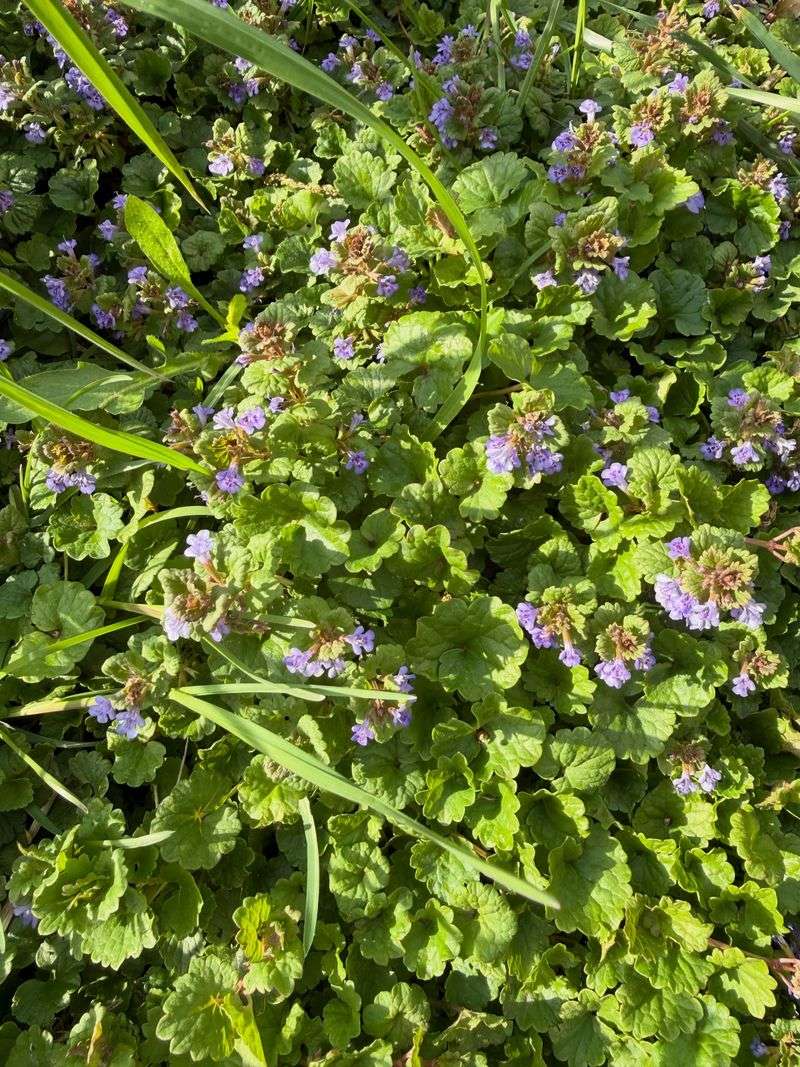
Scalloped leaves, square stems, and a faint minty smell when crushed: that is Creeping Charlie leaving its calling card across the lawn. Gardeners also call it ground ivy, and it treats thin turf like an open invitation.
The real trouble hides in the runners. Every stem roots wherever a node touches soil, so one plant can spread into a mat the size of a picnic blanket. Cool nights and autumn rain make that sprawl even faster.
Fall is the smartest time to act, since the plant is pulling sugars down into its roots. Hand pulling works especially well the day after a soaking rain, when runners slide out in long ropes.
Work slowly and lift the whole network instead of snapping stems. Fragments left behind can restart the colony by April. Come back two weeks later and check the same spots again.
Shade and thin grass are what let it move in, so thicken your turf right after clearing. Overseed the bare patches, raise your mower height, and feed the lawn while soil is still warm.
Settlers carried ground ivy across the ocean on purpose, using it for homemade tonics and folk remedies long before modern lawn care existed. Your lawn is hosting a plant with an old household reputation that won’t move out politely.
2. Dandelion
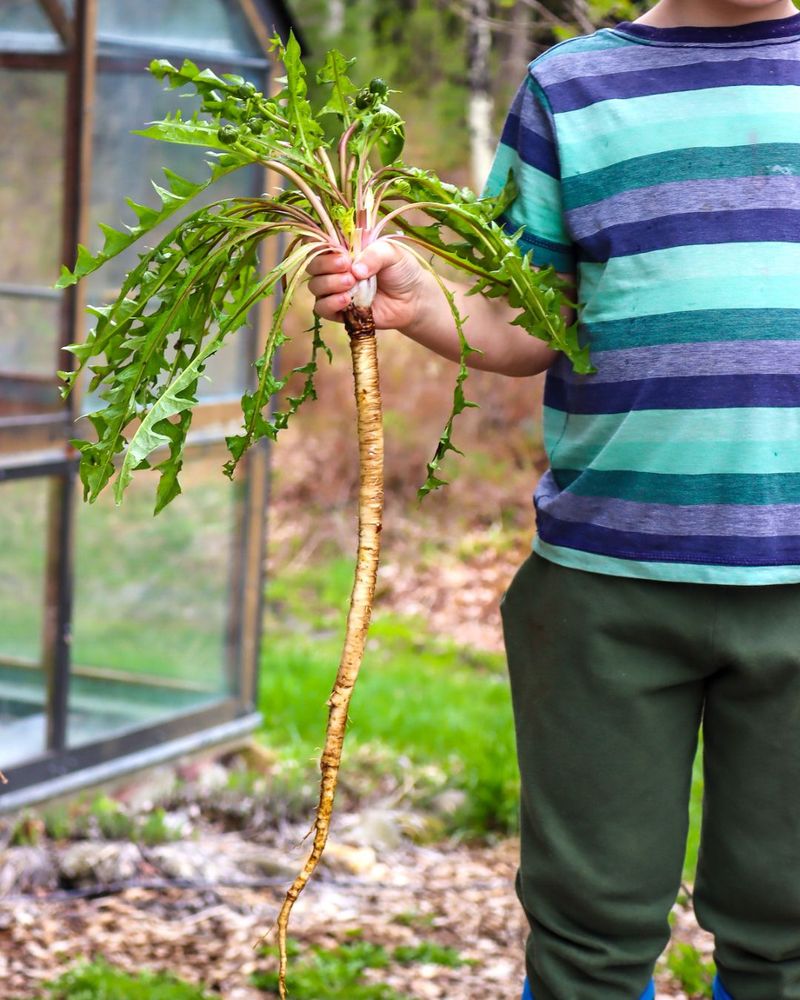
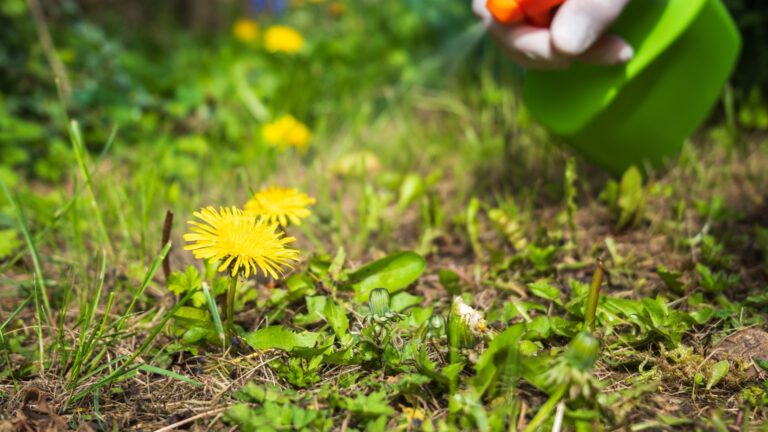
One puff from a delighted kid sends about a hundred parachuted seeds sailing across the neighborhood. That cheerful yellow flower is a seed factory sitting on a taproot that can reach ten inches down.
Autumn digging beats spring digging by a wide margin. Cooler weather keeps soil loose, and the plant is busy moving energy downward, which weakens the crown you are trying to remove.
Use a narrow weeding fork or a long screwdriver and rock the root loose rather than yanking on the leaves. Snap that taproot in half and you often get two crowns next year instead of one. Soak the ground first if it feels stubborn.
Small rosettes that sprouted in September are your main targets now. They lie flat, hide under leaf litter, and bloom the moment March turns mild. Clearing them in October spares you a yellow polka dot lawn later.
Prefer not to dig? Spot treat on a calm day when temperatures sit above fifty degrees, and skip breezy afternoons so nothing drifts into flower beds.
There is an upside worth mentioning. Young dandelion greens are edible and pleasantly bitter, good sauteed with olive oil and garlic, provided the lawn has not been treated with anything.
Long term, thick grass is your best ally, since these seeds need light and open soil to sprout. Overseed thin areas this month and mow a notch higher through next summer for shade at soil level.
3. Canada Thistle
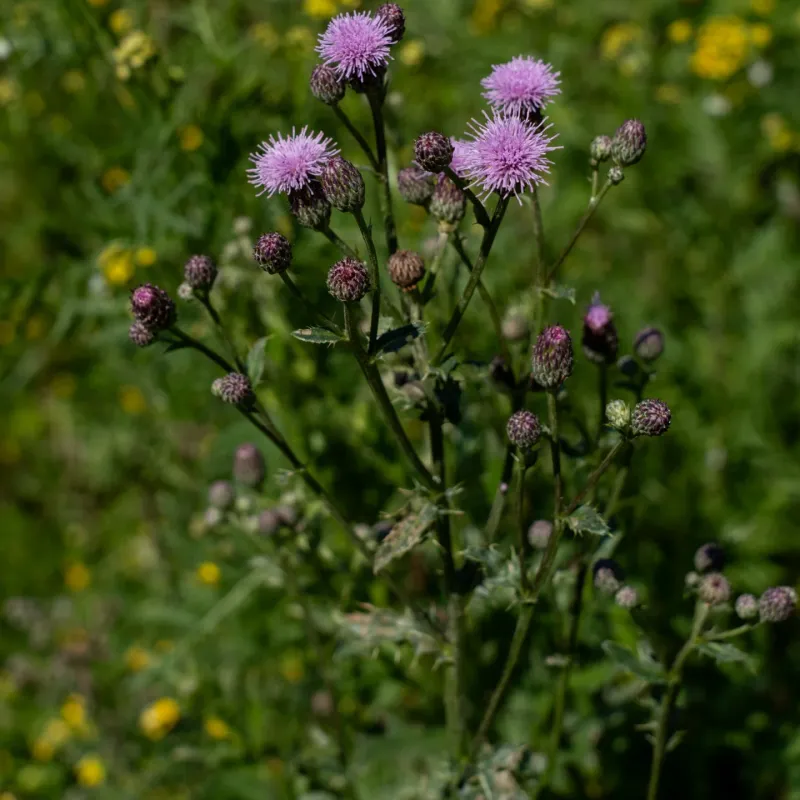
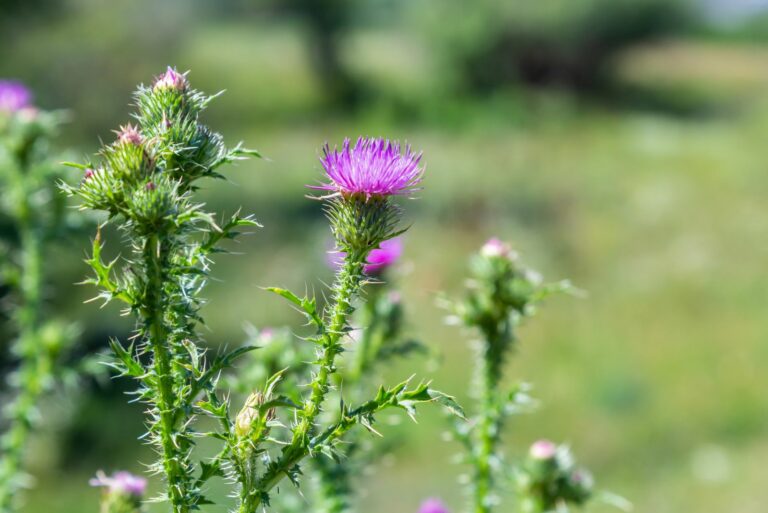
Ouch. Anyone who has grabbed Canada thistle bare handed remembers the lesson for years.
Those prickly stems are only the visible part of the problem. Below ground, horizontal roots creep outward and can send up new shoots more than a dozen feet from the parent plant. Chop the top off and you may simply wake up the rest of the network.
Autumn gives you leverage, since shorter days push the plant’s stored food downward. A systemic herbicide applied to green leaves rides that flow straight to the roots, so treated patches return noticeably smaller.
Choosing to go chemical free? Then commit to persistence. Cut or mow the shoots every few weeks so the roots keep spending energy on regrowth with nothing coming back. Over a season or two, the colony thins noticeably.
Thick leather gloves and long sleeves make the job far less miserable. Bag any stems carrying fluffy seed heads rather than tossing them on the compost pile.
Mulch heavily around shrubs and perennials afterward, since new shoots struggle to punch through four inches of wood chips plus a cardboard layer.
Despite the name, Canada thistle actually arrived from Europe and Asia, likely mixed into crop seed during the 1600s. Canada just got blamed for it, which farmers north of the border have been grumbling about ever since.
4. Field Bindweed
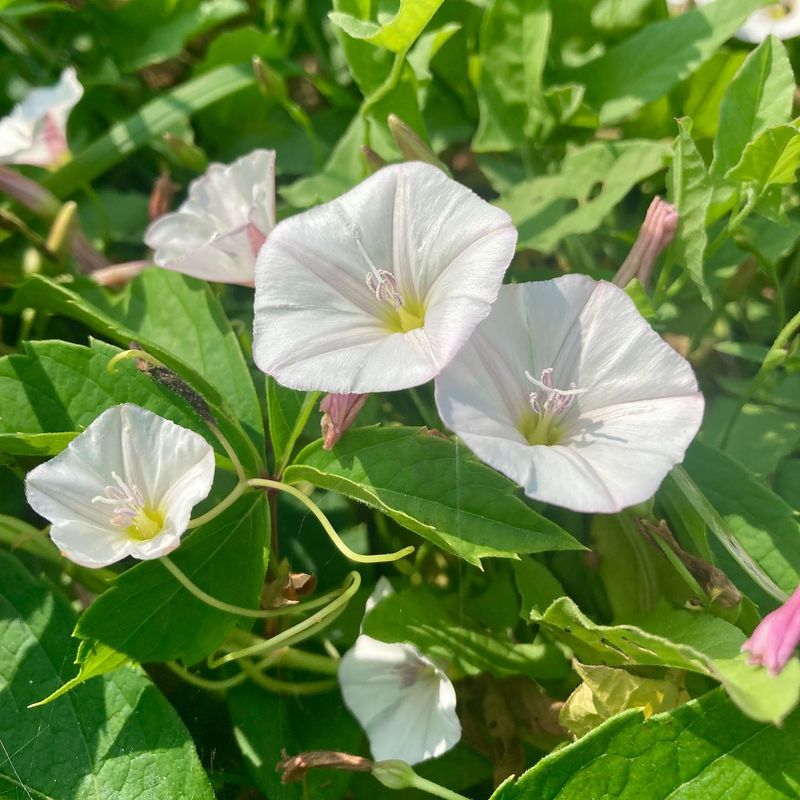
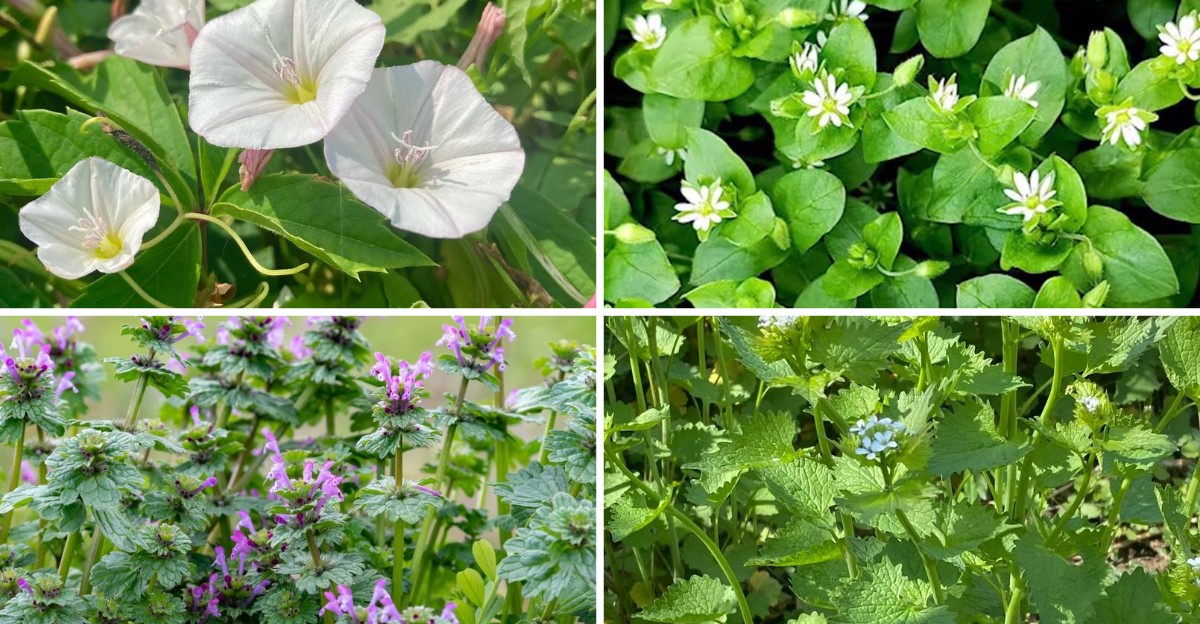
Picture a morning glory with ambition and no manners. Field bindweed twines around tomato cages, fence wire, and anything else within reach, then opens sweet little white trumpets as if nothing is wrong.
Its roots are the stuff of garden legend. They can push down twenty feet, and pieces broken off during tilling cheerfully sprout into brand new plants.
Seeds add insult to injury, staying viable in soil for decades. Because of that, removing plants before autumn seed set matters more than what you manage to clear in any single weekend.
Start by unwinding vines from your plants by hand instead of pulling, which protects the stems you actually want. Then trace the vine back to soil level and dig out as much root as your patience allows.
Smothering works beautifully in fall. Lay overlapping cardboard across the infested area, top it with several inches of mulch or shredded leaves, and leave it in place through winter. Starved of light, shoots grow weak and thin.
For spot treatment, choose a mild afternoon and apply a systemic product only to bindweed foliage, shielding neighbors with a plastic bottle cut in half.
Expect a multi season project rather than a one day fix, and measure progress by how many shoots appear next June.
One odd consolation: bindweed flowers close up in the evening and during storms, which means the plant is at least polite enough to take breaks. Your job is to take fewer of them.
5. Common Chickweed
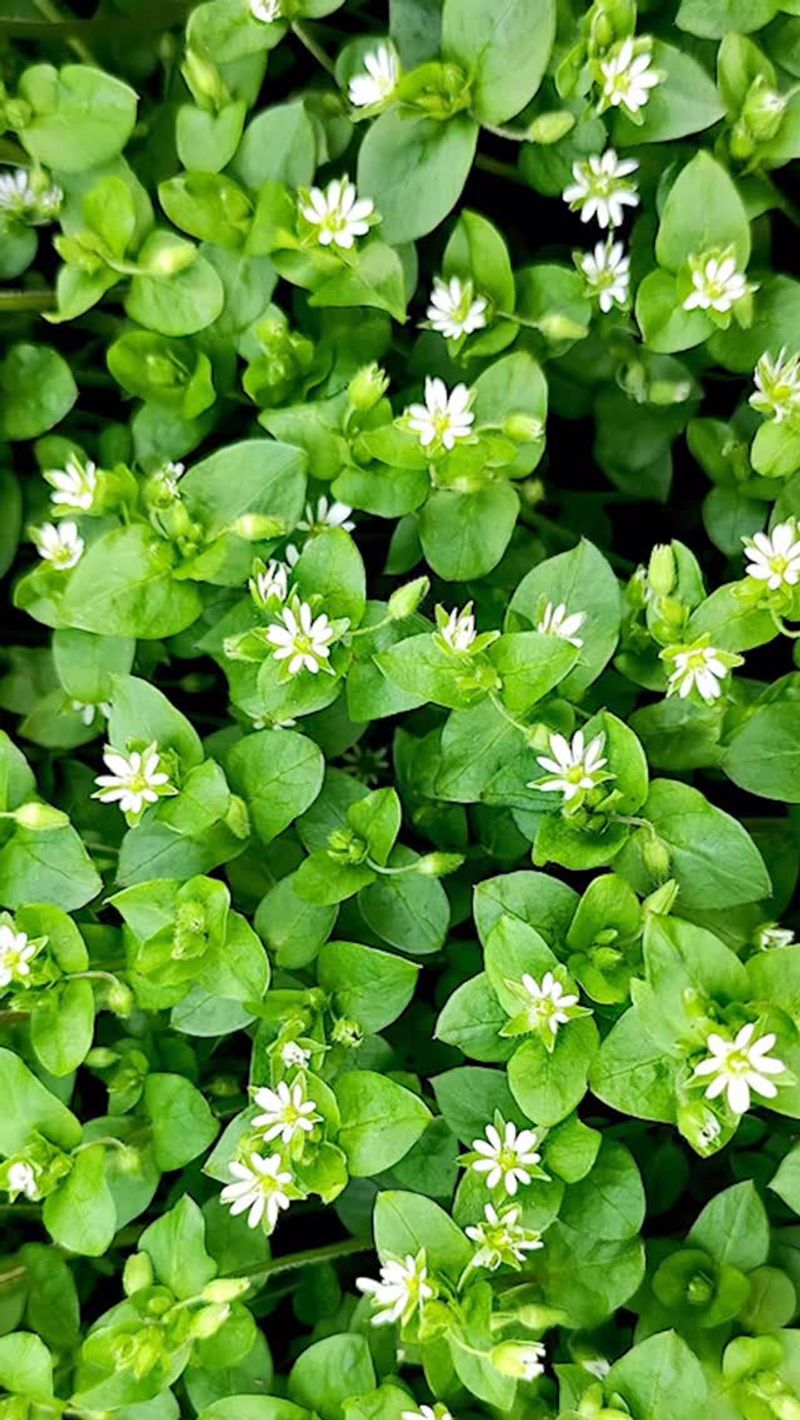
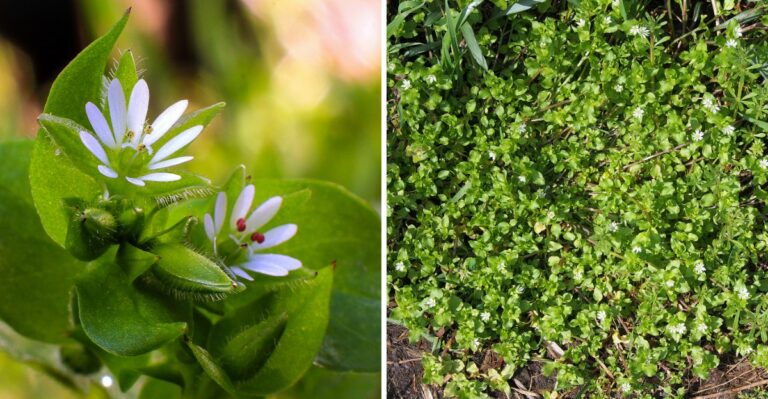
Soft, sprawling, and almost pretty, chickweed spreads like a green throw blanket tossed over bare soil. Tiny white flowers shaped like stars give it away, each one with five petals split so deeply they look like ten.
Cool weather is exactly what it has been waiting for. Seeds germinate in fall, plants stay green under snow, and by early spring one mat can produce thousands of seeds.
Tired backs get a break here: the roots are shallow and fibrous. A stirrup hoe skimmed just under the surface, or a stiff rake dragged across a bed, lifts whole mats in seconds.
Do the job before flowering if you can manage it. Once seed capsules form, dragging the plants around scatters the next generation for you.
Clear beds, then cover the soil. Two or three inches of shredded leaves or bark keeps light off the seed bank, and cover crops like cereal rye do the same trick in vegetable plots.
Damp, compacted, low fertility ground tends to invite heavy infestations, so loosening soil and improving drainage pays off later.
Worth knowing before you toss the pile: chickweed is edible, mild, and tastes a bit like corn silk in salads, which is why foragers actually plant it on purpose.
Chickens love the stuff too, and that appetite is exactly how the plant earned its common name centuries ago. Feed a handful to backyard hens and the weeding suddenly feels productive.
6. Henbit
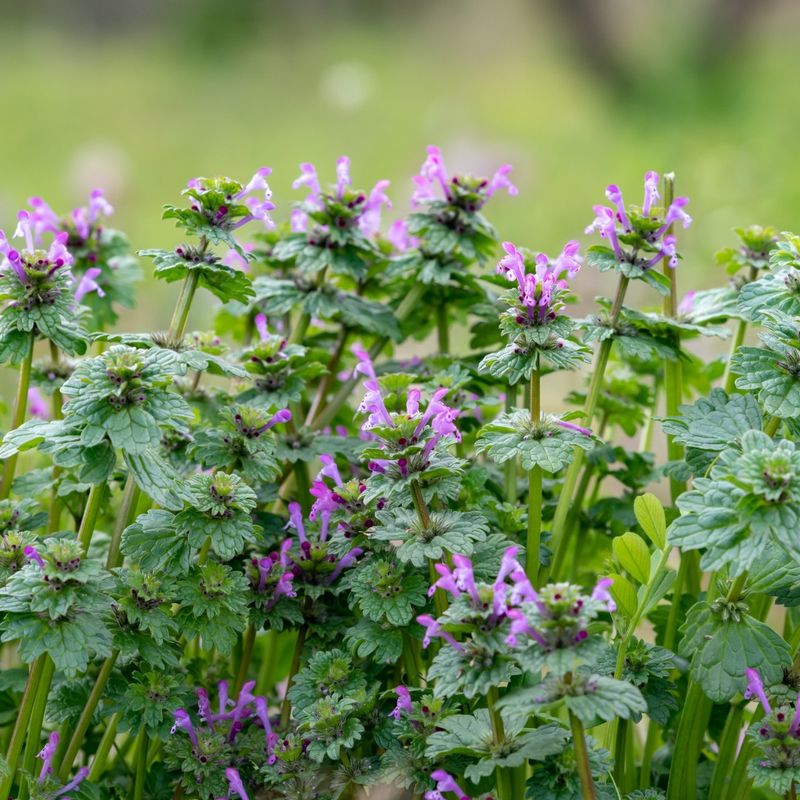
Those purple hazes that wash across fields in early spring? Most of them start as unassuming little seedlings tucked into garden beds during October.
Henbit is a winter annual, sprouting in fall, surviving the cold, then racing to flower and seed before spring planting begins. Square stems and scalloped, clasping leaves make it easy to spot.
Right now the plants are small, shallow rooted, and honestly a pleasure to remove. Rake them out, hoe them off, or pull handfuls after rain and shake the soil back into the bed.
Waiting until March means dealing with sprawling plants already loaded with seed. One skipped autumn cleanup can mean a purple carpet next year.
After clearing, block the light. Mulch, leaf litter, or a fall cover crop keeps new seedlings from getting started, and thick lawn turf does the same job on grassy areas.
Do not confuse it with purple archangel, its lookalike cousin with pointier, stalked leaves that behaves much the same way in beds.
Pollinators do visit henbit flowers in early spring when little else blooms, so leaving a patch in a wild corner has some value. In a vegetable bed, however, it competes for moisture and space with your seedlings.
Ten minutes of raking now buys you a much calmer April, which is a trade most gardeners would sign immediately.
7. Wild Garlic
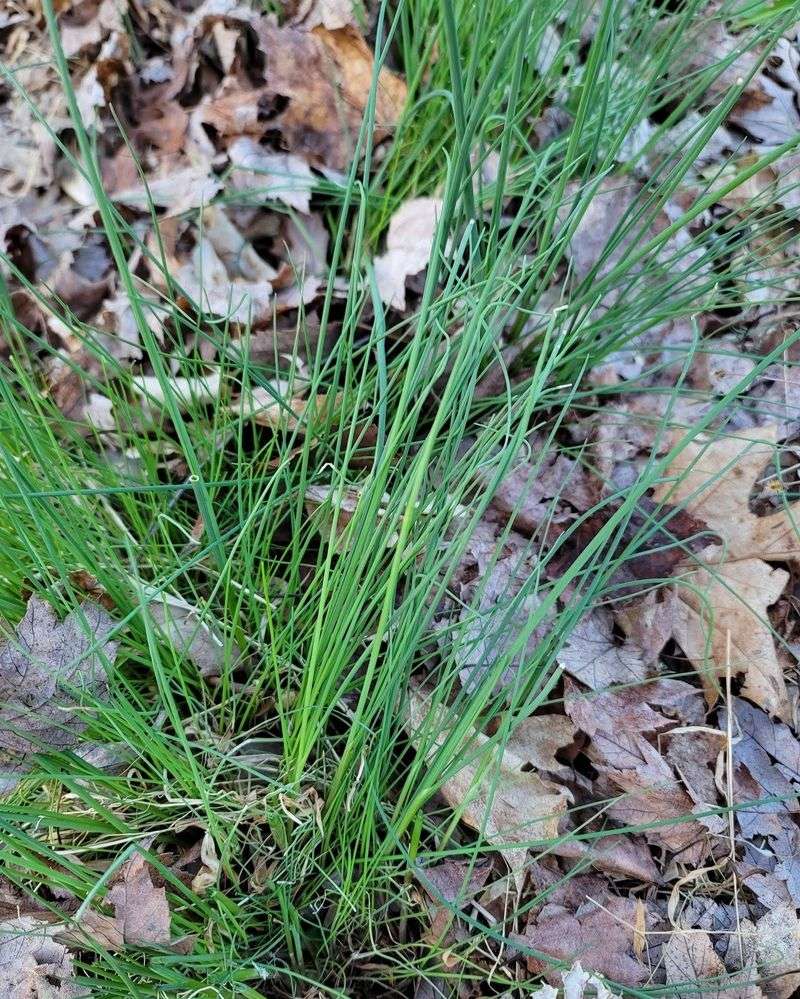
Mow the lawn and suddenly the whole yard smells like somebody started dinner. Wild garlic and its cousin wild onion give themselves away with that unmistakable aroma and skinny, upright leaves poking above the grass.
Pulling feels satisfying and accomplishes almost nothing. The leaves snap off while the bulb stays put, surrounded by a cluster of tiny bulblets ready to take over.
Digging is the answer, and fall is prime time because cool season growth is at full speed and soil digs easily. Push a narrow trowel or bulb planter several inches down, well outside the clump, then lift the entire soil plug.
Sift through the dirt and pick out every small bulblet you find, since one overlooked pearl restarts the patch. Toss them in the trash rather than the compost bin.
For lawns, repeated treatment with a labeled three way herbicide in late fall and again in early spring gradually wears the bulbs down. Bruising the waxy leaves with a rake first helps products stick.
Dense, healthy turf slows the spread, so overseed thin spots and keep nitrogen levels reasonable through autumn.
Fun bit of farm history: dairy cows grazing on wild garlic produced milk that tasted strongly of onion, which drove nineteenth century dairymen to distraction.
Curious cooks sometimes harvest the greens for soup, and they are edible, though the flavor leans sharper and grassier than store bought garlic. Consider it a consolation prize for all that digging.
8. Garlic Mustard
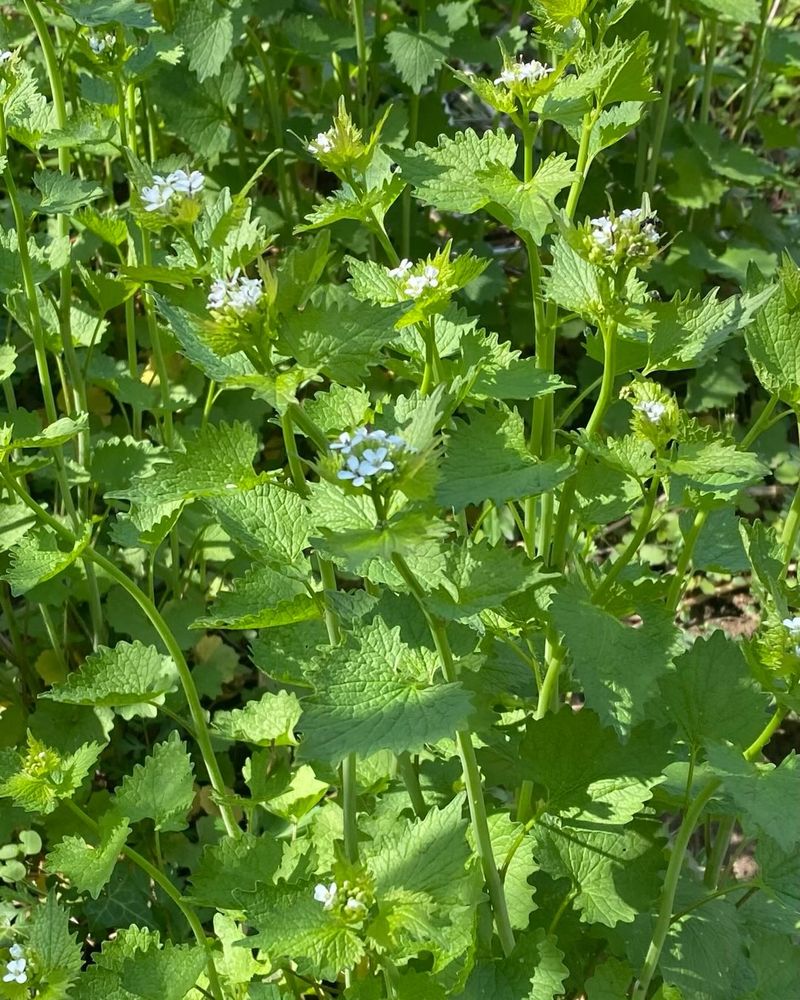
Crush a leaf between your fingers and the garlicky smell explains the name instantly. That harmless scent belongs to one of the most aggressive invaders of shady yards and woodland edges across much of North America.
Garlic mustard lives two years. Year one produces low rosettes of kidney shaped leaves that stay green all winter, and year two brings tall stalks with small white flowers and thousands of seeds.
Autumn is your window because those first year rosettes stand out once native plants fade. Green foliage in November along a fence line or under trees is usually this plant.
Pull after rain, gripping low and lifting steadily so the slender taproot comes free. Any crown left behind can resprout, so check your work.
Bag what you pull rather than composting it, since flowering stems can ripen seed even after removal. Local guidance often recommends trash disposal.
The plant also releases compounds that interfere with soil fungi that native tree seedlings and wildflowers depend on, which is why forest managers take it so seriously.
Work the edges of a patch first and move inward, and revisit the area for several years because seeds stay viable for a long stretch.
Here is the ironic part: European settlers brought garlic mustard over in the 1800s as a kitchen herb for greens and sauces. It escaped the garden, skipped the recipe, and turned the entire woodlot into its dinner plate.