The Native Oregon Shrubs That Can Handle A Downspout Garden Without Constant Fuss
Every Oregon yard seems to have that one spot. The soggy corner near the downspout that never quite dries out, the low area that collects water after every storm, the patch of ground that looks perfectly fine in August and turns into a mini pond by November.
Most gardeners either ignore these spots or spend years trying to fix the drainage and getting nowhere fast. Here is a more interesting approach: plant something that actually belongs there.
Oregon has a genuinely impressive lineup of native shrubs adapted to exactly these kinds of wet, drainable corners, and several of them handle the seasonal swing between soggy winters and dry summers better than you might expect.
The right shrub in the right wet spot can turn a frustrating problem area into one of the most attractive parts of the yard.
1. Red Twig Dogwood For Oregon Rain Gardens
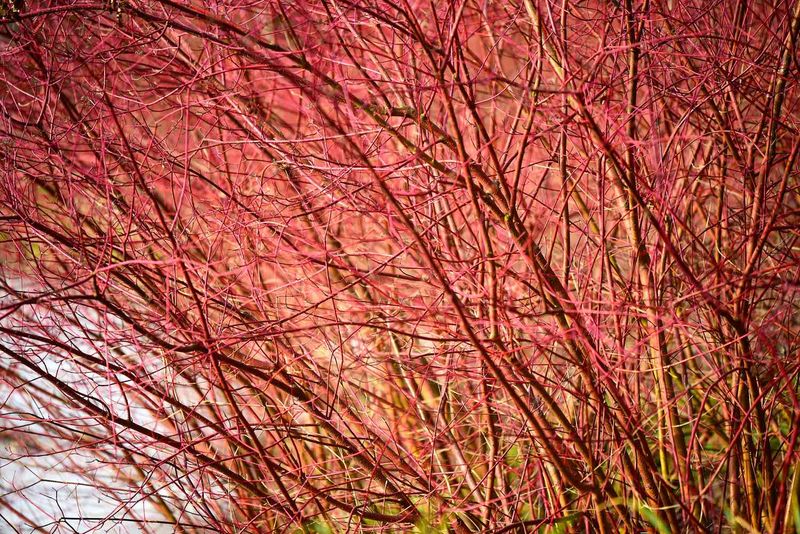
Picture bare winter branches glowing bright red against a gray sky, and you have met the red twig dogwood. This shrub earns its keep long after the leaves drop, thanks to stems that turn vivid colors in the colder months.
Wet soil near a downspout can suit red twig dogwood well, especially in areas where moisture collects temporarily after rain.
Red twig dogwood naturally grows in wetlands, stream edges, and other moist habitats, making it a strong candidate for seasonal wet spots.
It handles saturated conditions better than many common landscape shrubs, then tolerates drier stretches once established.
Growing between six and nine feet tall, it spreads into a dense clump that can help slow runoff and provide cover. Songbirds use its berries, and the colorful stems remain attractive through winter.
To keep those stems vivid, trim out some of the oldest branches each spring. Younger growth often shows the brightest color, so selective pruning can help maintain the shrub’s winter appearance.
Full sun usually produces the best flowering and stem color, though the shrub can also tolerate part shade.
Once established in a suitable location, it generally requires limited maintenance. A damp area with reasonable drainage can provide the kind of conditions this Oregon native handles well.
Plant it where runoff collects temporarily, and a problem corner can become a valuable part of your yard through every season.
2. Pacific Ninebark, An Oregon Downspout Favorite
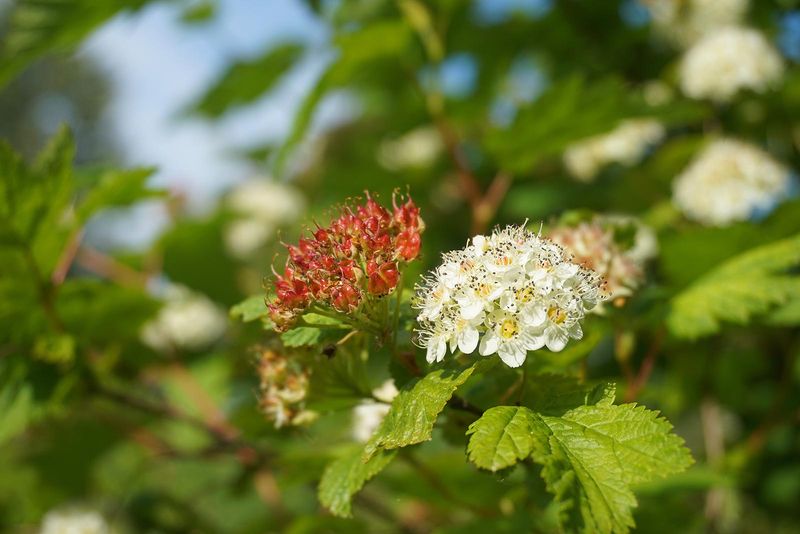
Some plants seem built for challenging landscapes, and Pacific ninebark is one of them. With peeling, papery bark and clusters of small white flowers, it brings a wild, woodsy character to moist areas.
Runoff from gutters can create conditions that suit this shrub when the soil drains between wet periods. Pacific ninebark grows naturally along Oregon streams, wetlands, and moist forest edges, where soils may experience seasonal changes in moisture.
That flexibility makes it a useful choice for some downspout gardens across the state.
Reaching about five to ten feet tall, it forms an arching shrub that can soften hard landscape edges. Bees and other pollinators visit its spring blooms, and its seed clusters add seasonal interest later in the year.
Your Oregon Garden Changes Every Week. Your Plan Should Too.
Gardening in Oregon changes quickly throughout the season. Every Friday you’ll receive a simple weekly plan showing exactly what to plant, prune, fertilize, harvest, and protect so you never miss the right timing.
The name comes from its peeling bark, which creates layers of texture along older stems. That feature gives the shrub winter appeal when many plants have lost their leaves.
Care stays relatively simple after establishment. Water it during the first growing season while roots are developing, then monitor conditions based on soil type and weather.
Ninebark can handle moist soils and a range of growing conditions, including clay soils, but it performs best when the planting area is not constantly waterlogged.
Prune after flowering if it becomes too large or crowded, or allow it to develop a more natural shape in a spacious location.
3. Oregon Grape Thrives In Damp Corners
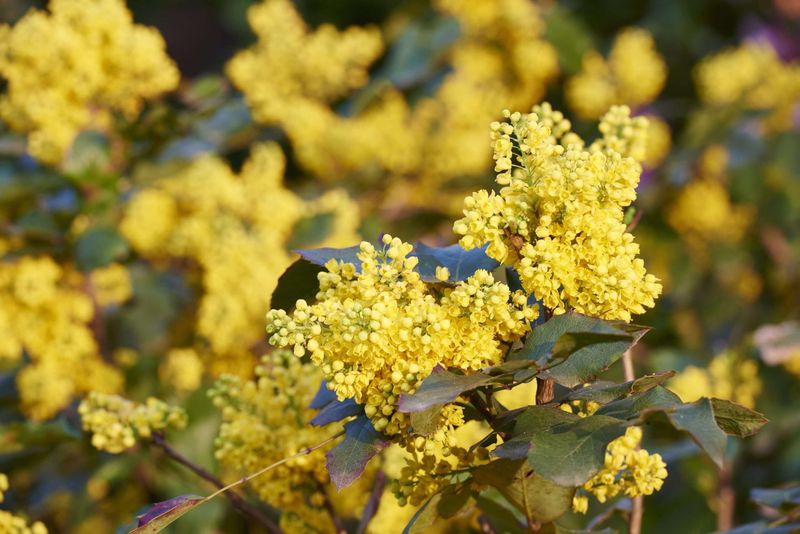
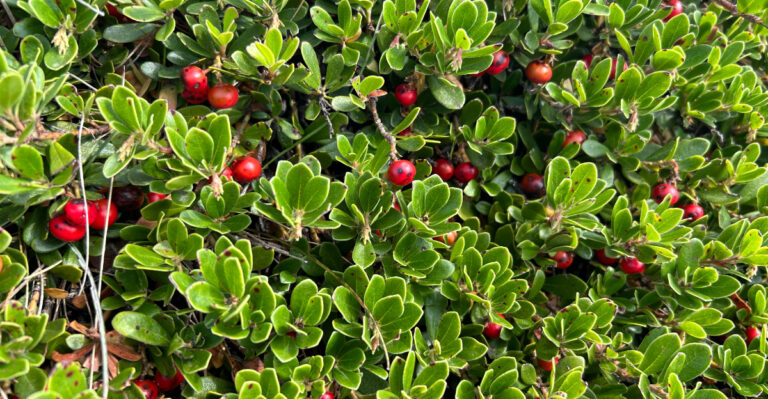
Oregon grape is one of the most recognizable native shrubs in the Pacific Northwest. Its glossy, holly-like leaves, yellow spring flowers, and blue berries make it a popular choice for native gardens throughout the state.
Although it is a tough and adaptable plant, Oregon grape is not the strongest choice for a spot that receives constant concentrated runoff from a downspout. It generally performs best in moist but well-drained soils rather than areas that remain saturated.
Its evergreen foliage provides year-round structure, and the yellow flowers offer an early-season resource for pollinators. Blue berries later in the year provide food for some birds and other wildlife.
Different Oregon grape species and forms vary in size. Tall Oregon grape can reach several feet in height, while shorter types remain much lower and work well as ground-level plantings.
Many gardeners appreciate its ability to handle summer dryness once established, especially in locations with suitable drainage. Part shade often works well, though some types can tolerate sunnier conditions when moisture is available.
Maintenance is usually limited to occasional pruning to remove older stems or maintain the desired shape. Mulching can help protect soil moisture during dry summer months.
For a downspout garden, Oregon grape is better placed on the edges of the wetter zone rather than directly where roof runoff concentrates. It remains an excellent native shrub when matched with the right conditions.
4. Salmonberry Loves Oregon’s Wet Ground
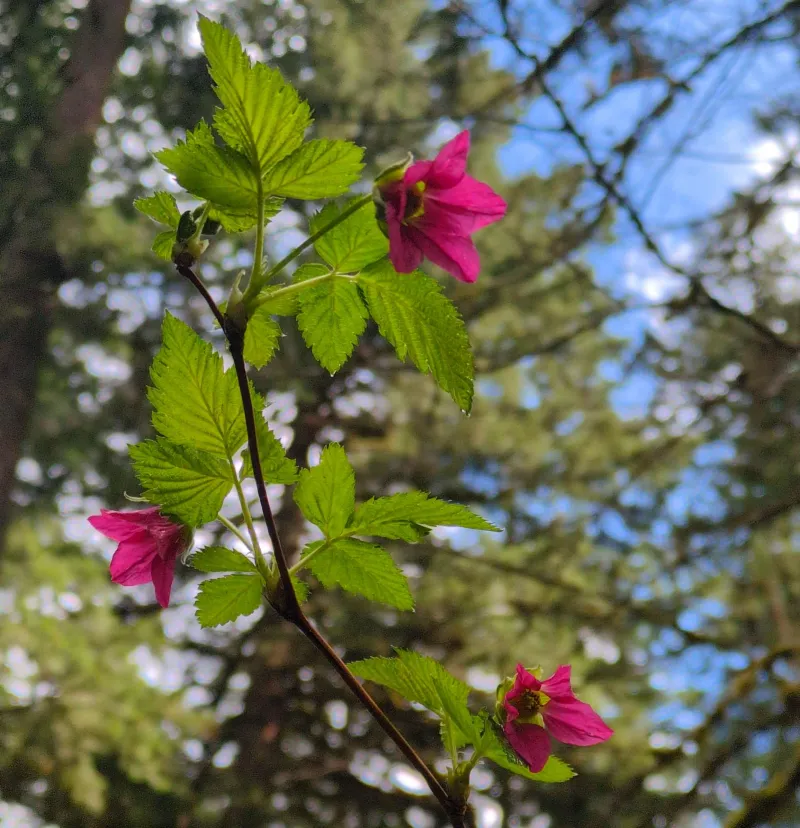
If you want a shrub that feels at home in a moist corner, salmonberry deserves attention. This native plant naturally grows in damp forests, stream corridors, and other areas where soil moisture remains available.
Bright pink flowers open early in the season, sometimes before winter weather has fully disappeared. Those blooms provide an important nectar source for hummingbirds and other pollinators during spring.
By early summer, orange-red berries appear along the canes. Native peoples across the Pacific Northwest traditionally gathered salmonberries for food, and today the fruits continue to provide food for wildlife.
Salmonberry spreads through underground stems, forming a leafy thicket over time. Reaching roughly four to eight feet tall, it can work well along fences, woodland edges, or damp areas beside buildings where there is enough room for growth.
Moist soil and partial shade are especially favorable conditions. It can tolerate the wet winters common in parts of Oregon, but it still benefits from a site that is not permanently flooded.
Because salmonberry spreads readily, give it space or remove unwanted shoots when needed. Cutting older canes can help refresh the planting and maintain a healthier patch.
You may spend more time enjoying the flowers, berries, and wildlife visits than maintaining the shrub. For a moist garden corner, this native brings both habitat value and seasonal interest.
5. Red Flowering Currant Brightens Oregon Yards
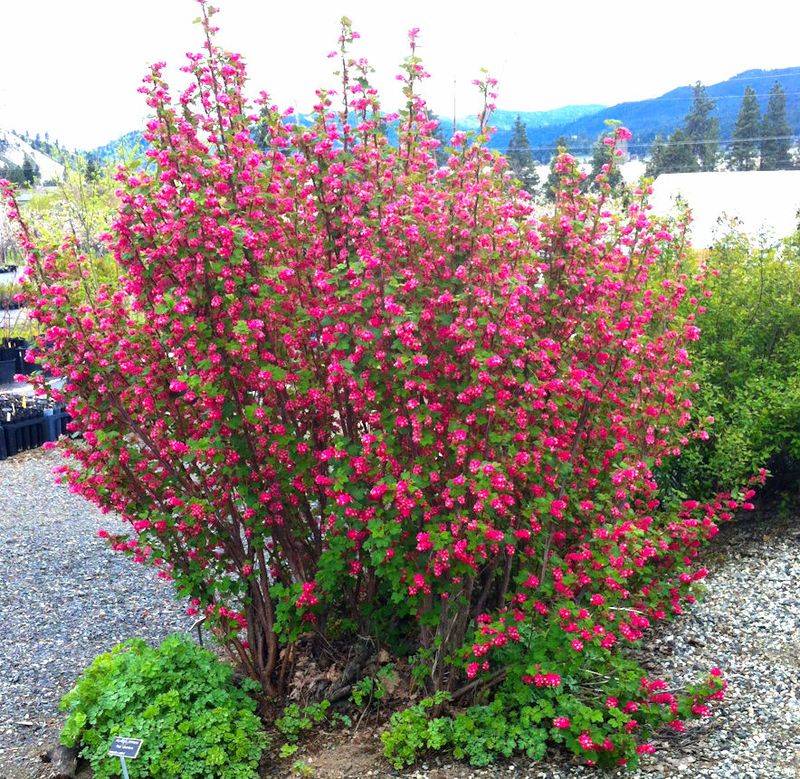
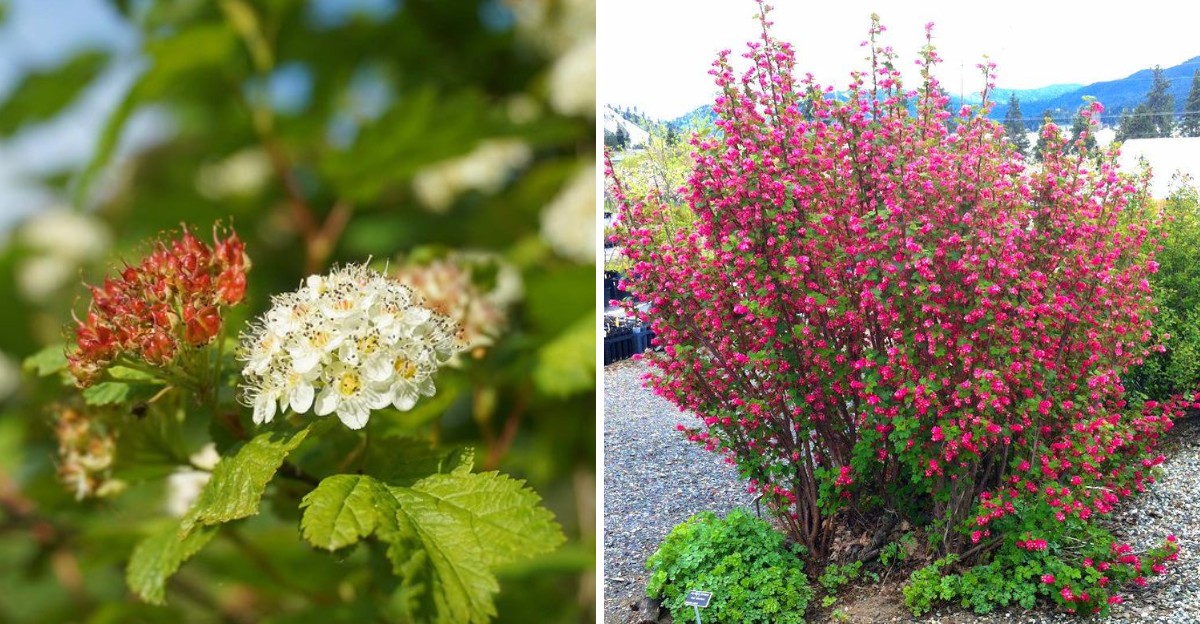
Few sights beat a red flowering currant in full bloom, with clusters of pink flowers appearing along the branches in early spring. This native shrub brings color to the garden at a time when many plants are just beginning their seasonal growth.
Hummingbirds are attracted to the tubular blossoms, and the plant’s early flowering period makes it a valuable addition to wildlife-friendly landscapes across the state.
Red flowering currant can handle a range of conditions once established, including summer dryness, but it is not a specialist for constantly wet downspout locations.
It prefers soils that drain reasonably well and is better suited to a nearby area that receives moisture without staying saturated.
Growing around five to nine feet tall, the shrub produces blue-black berries after flowering. Birds may use these fruits as part of their seasonal food sources, while the maple-shaped leaves provide attractive greenery during the growing season.
Plant it in sun or light shade and provide regular water while it establishes. After the root system develops, it often becomes more tolerant of Oregon’s dry summers.
Light pruning after flowering can help maintain its shape and encourage healthy growth.
For a downspout garden, red flowering currant works best on the drier edges where plants need to handle occasional moisture rather than frequent wet conditions.
6. Douglas Spirea Handles Standing Water
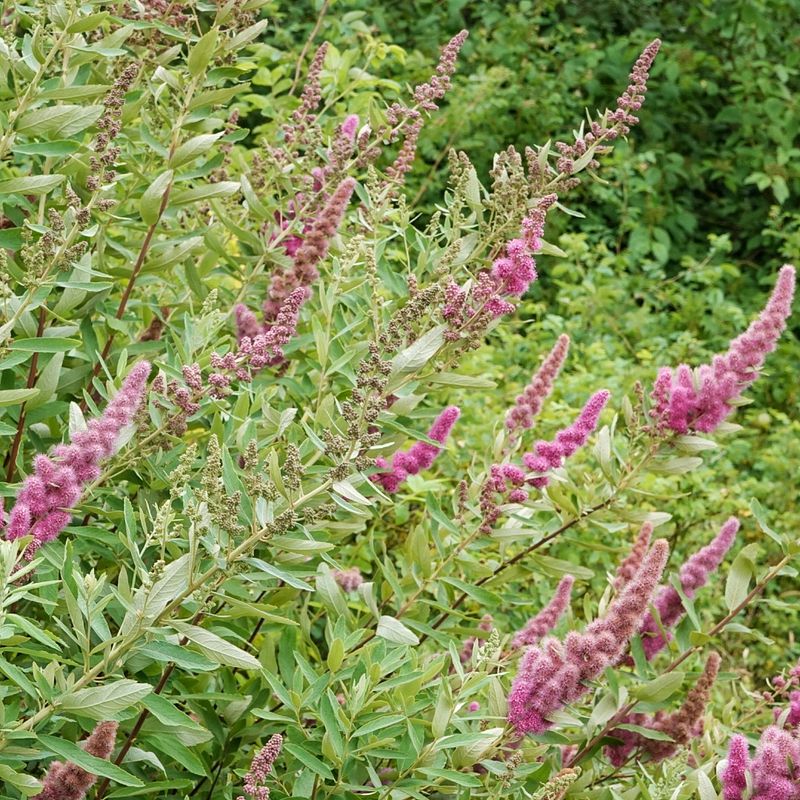
When a corner of your yard stays damp after rain, Douglas spirea can be one of the shrubs worth considering. This Oregon native naturally grows in wet meadows, marsh edges, streambanks, and other places where moisture remains available for much of the year.
Soft pink flower clusters rise above the foliage in summer, creating a colorful display that attracts bees, butterflies, and other pollinators. Those flower spikes are one reason Douglas spirea has long been valued in naturalistic plantings and wildlife gardens.
Growing around three to six feet tall, it can spread into a dense patch that helps cover open ground in moist areas. That growth habit can make it useful near downspout gardens where the soil stays damp after rainfall but still has enough drainage between storms.
Douglas spirea handles wetter soils better than many common ornamental shrubs. However, it is still best suited to areas with seasonal moisture rather than locations where water remains permanently standing for long periods.
Full sun usually encourages the strongest flowering, though it can tolerate some light shade. In fall, the foliage can add another layer of seasonal interest before the plant becomes dormant.
Maintenance stays fairly simple. Cutting back older growth in late winter or early spring can encourage fresh stems and maintain a tidy shape.
For gardens with naturally damp sections or runoff areas that stay moist, Douglas spirea offers a combination of flowers, habitat value, and reliable growth.
7. Snowberry, A Tough Oregon Standby
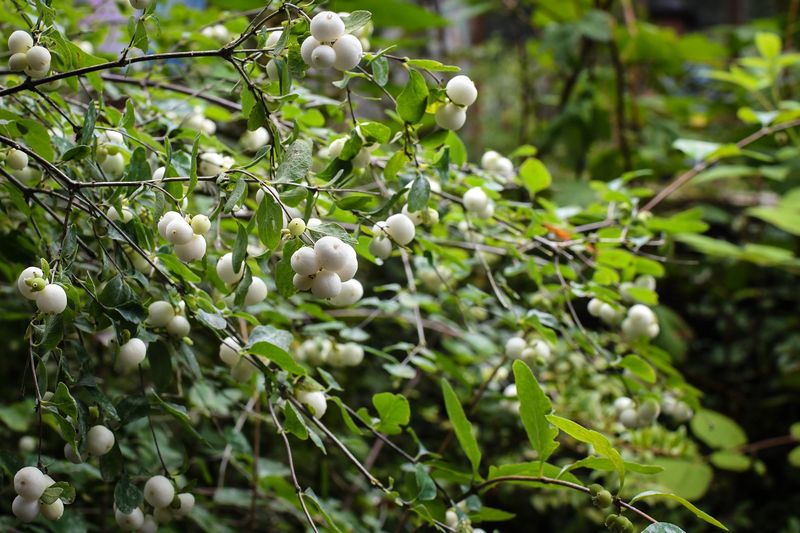
Round white berries clinging to bare branches give snowberry a look straight out of a winter storybook. Those pale fruits remain visible after the leaves fall, adding brightness to the landscape during the colder months.
Snowberry is one of Oregon’s more adaptable native shrubs. It can grow in a range of conditions, including sun, shade, clay soils, and some moist locations.
However, it is not specifically a wetland shrub, so it performs best in a downspout garden when planted where the soil receives extra moisture but still drains between storms.
Growing around three to six feet tall, snowberry can spread through underground stems and form a loose thicket over time. That growth habit can help cover open areas and provide shelter for wildlife.
Small pinkish flowers appear in summer before the familiar white berries develop. Birds use the plant for habitat, although the berries are best appreciated as a wildlife resource rather than a food source for people.
Care is generally straightforward once established. Provide water during the first growing season, then monitor the plant based on weather, soil conditions, and its location in the garden.
Snowberry can be useful in many landscapes, especially where gardeners want a low-maintenance native shrub that handles a variety of conditions. For a downspout area, place it where it receives occasional moisture rather than direct, continuous runoff.
Its combination of winter interest, wildlife value, and adaptability makes it a dependable native option when matched with the right site.
8. Twinberry Honeysuckle For Wet Spots
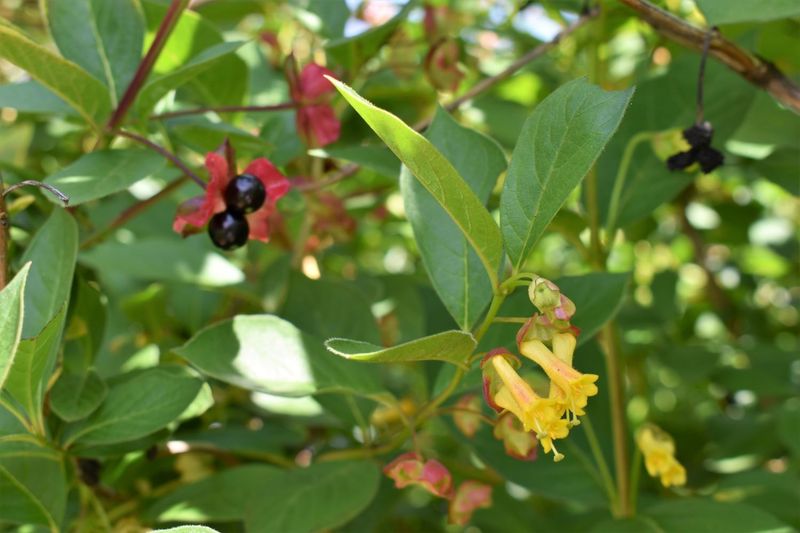
Curious and a little unusual, twinberry honeysuckle grows its flowers and berries in matching pairs, which explains its common name. Those yellow tubular blooms and glossy black berries give this native shrub a distinctive appearance.
Damp ground suits this plant well. Twinberry naturally grows along streambanks, wetlands, and moist forest edges, making it a strong option for areas that receive extra moisture from rainfall.
Reaching roughly three to ten feet tall depending on growing conditions, it forms an upright shrub that can add height and structure to a planting area. Hummingbirds visit the paired flowers, while songbirds often use the dark berries that develop later in the season.
The berries sit inside reddish leafy structures called bracts, creating an unusual look that stands out in the garden. They are primarily valued as wildlife food rather than a snack for people, so they are best left for birds and other animals.
Part shade and moist soil generally provide ideal growing conditions, although it can adapt to sunnier locations if enough moisture is available. Like many natives, it performs best when planted in a location that matches its natural preferences.
Maintenance is generally limited. Provide water while young, remove unwanted branches if needed, and allow the shrub to develop naturally.
Because it tolerates moist conditions better than many landscape plants, twinberry can be a valuable addition to an Oregon downspout garden that also supports local wildlife.