The Appalachian Native Plants Every West Virginia Yard Could Use This Summer
West Virginia summers don’t mess around, and neither do the plants that have called these ridges home for generations.
That kind of resilience isn’t something you can fake with a greenhouse-grown import. A true Appalachian native already knows the rhythm of this land, and it shows up ready to work instead of sulking through July.
Planting native isn’t just a yard decision. It’s an invitation to the pollinators, songbirds, and fireflies that built their whole lives around these species long before lawns existed.
Got a sun-baked hillside, a shaded hollow, or just a scrappy corner of dirt behind the house? There’s a West Virginia native plant that fits it perfectly this season, and it’s ready to prove it belongs there.
1. Rhododendron (Rhododendron Maximum)
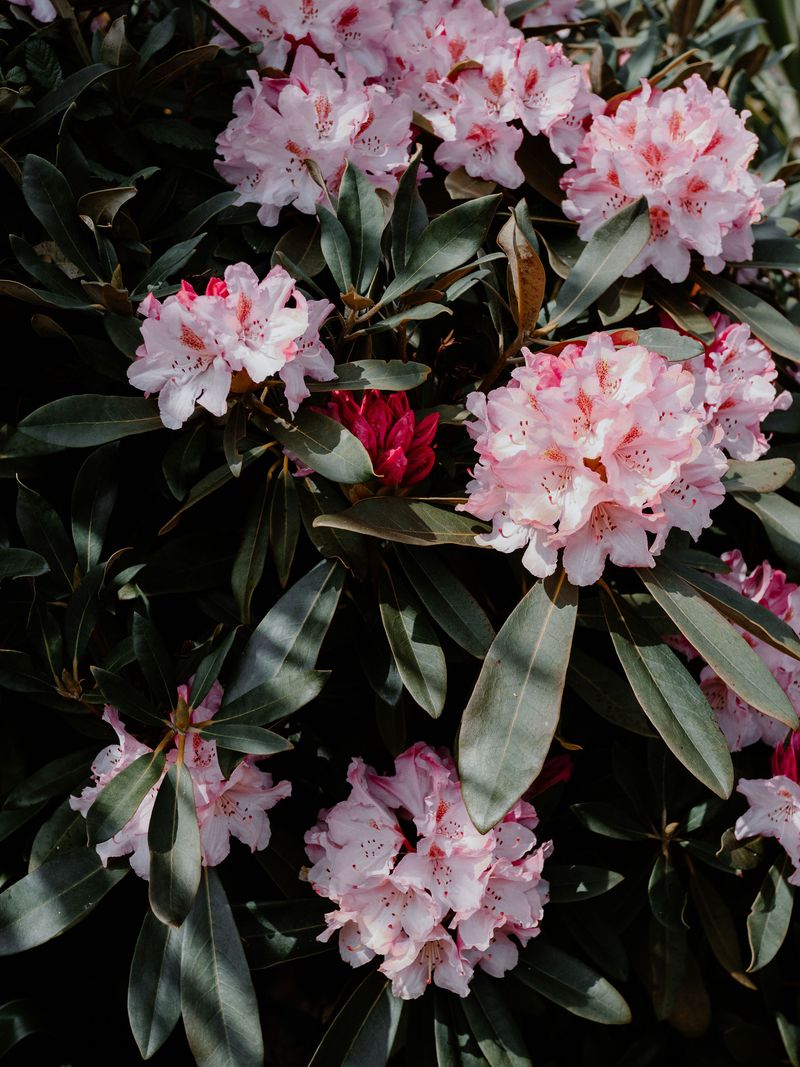
Walk through any West Virginia forest in June and you will smell it before you see it. Rhododendron maximum, called great laurel by locals, throws out enormous clusters of pink and white blooms that stop people mid-hike.
This shrub is a heavyweight in the best possible way. It can grow up to fifteen feet tall, forming dense, lush thickets that provide year-round privacy and shelter for wildlife.
Deer tend to avoid it, which is a huge bonus for mountain-area homeowners who battle constant browse damage. The thick, waxy leaves stay green all winter, giving your yard structure even when everything else goes bare.
Rhododendron maximum loves shade and acidic, well-drained soil, conditions that much of the Appalachian region offers naturally. Plant it under tall oaks or along a shaded slope and watch it thrive without much fuss from you.
It grows slowly, so patience is part of the deal. But once established, this plant asks for almost nothing and gives back an extraordinary amount of beauty season after season.
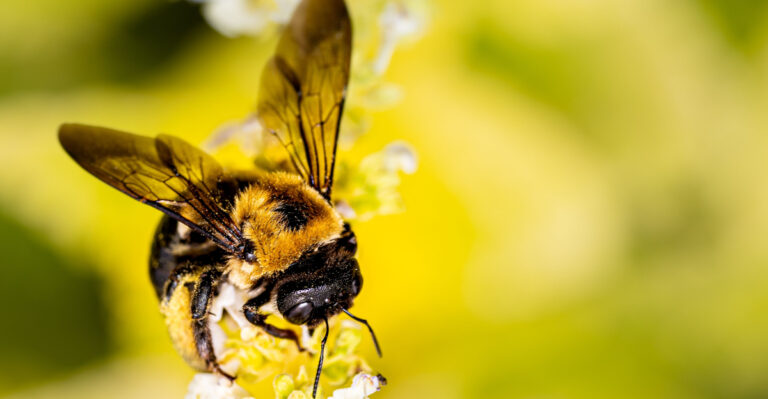
Pollinators go absolutely wild for those blooms. Bumblebees in particular are expert visitors, crawling deep into each flower to reach the nectar hidden inside.
If you want a plant that feels like it belongs here, because it truly does, Rhododendron maximum is your starting point. Plant it once and enjoy it for decades without regret.
2. Eastern Redbud (Cercis Canadensis)
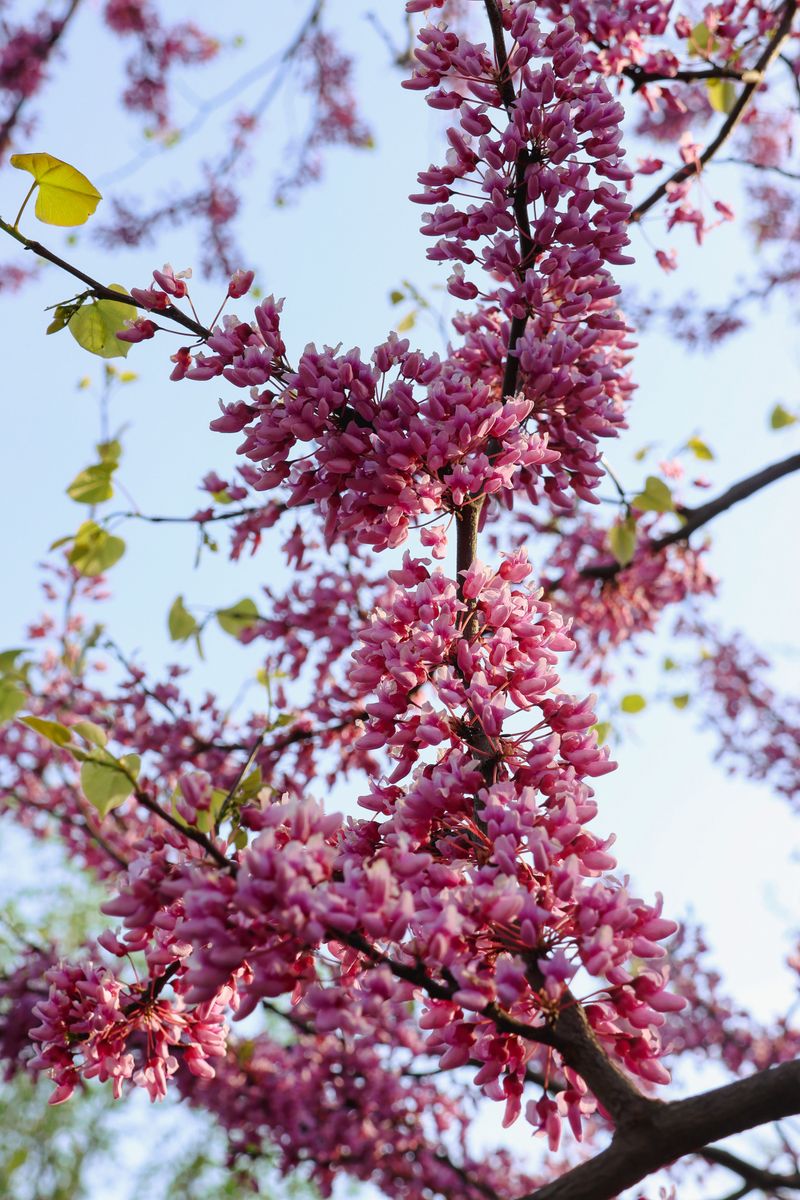
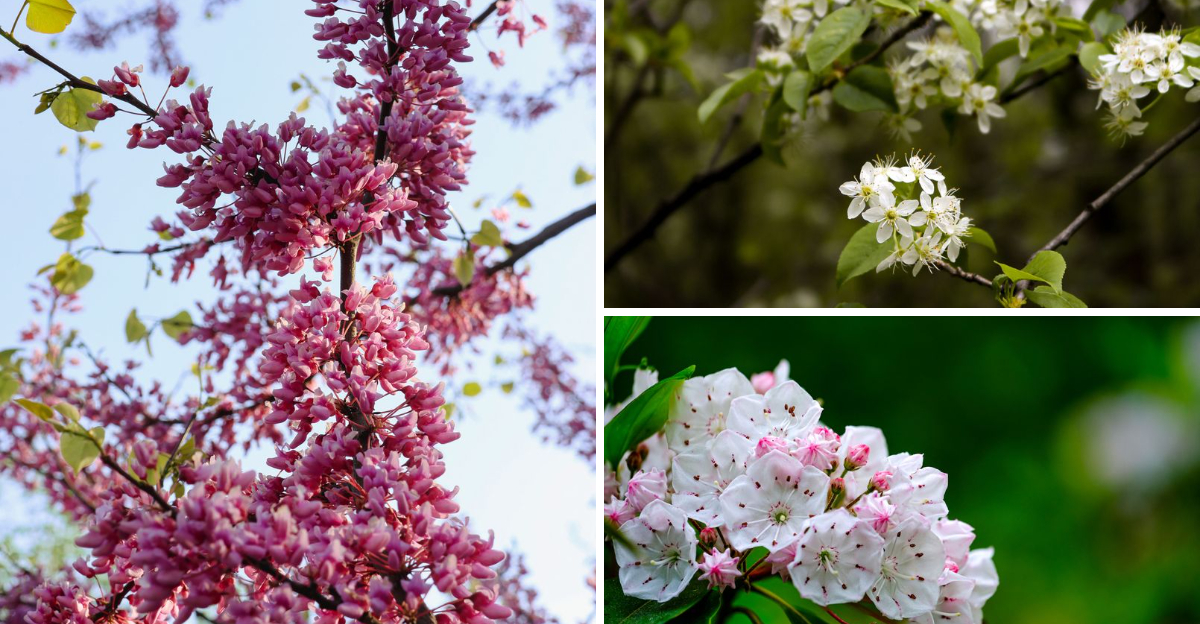
Before a single leaf appears, the Eastern Redbud turns itself into a fireworks display of magenta-pink blossoms. Gardeners across the Appalachian region call it one of the most jaw-dropping sights of early spring.
Cercis canadensis is a small to medium tree, usually topping out around twenty to thirty feet. That manageable size makes it perfect for suburban yards where giant trees would feel overwhelming.
The heart-shaped leaves that follow the blooms are charming in their own right. They start out reddish-purple, shift to green through summer, and turn golden yellow come fall, three seasons of visual interest from one tree.
Native bees love this plant fiercely. The flowers appear directly on the bark of branches and even the trunk, a quirky botanical trait that makes the whole tree look like it is wearing a floral suit.
Your West Virginia Garden Changes Every Week. Your Plan Should Too.
Gardening in West Virginia changes quickly throughout the season. Every Friday you’ll receive a simple weekly plan showing exactly what to plant, prune, fertilize, harvest, and protect so you never miss the right timing.
Eastern Redbud handles a range of soil types well, including the clay-heavy ground found across much of the state. It prefers some sun but tolerates partial shade, which makes it flexible for tricky yard spots.
Young trees establish quickly compared to many other natives. A little extra watering in the first summer goes a long way toward setting up a strong root system.
Few plants reward a homeowner as quickly or as dramatically as this one does. Plant an Eastern Redbud this season and brace yourself for the compliments next April.
3. Mountain Laurel (Kalmia Latifolia)
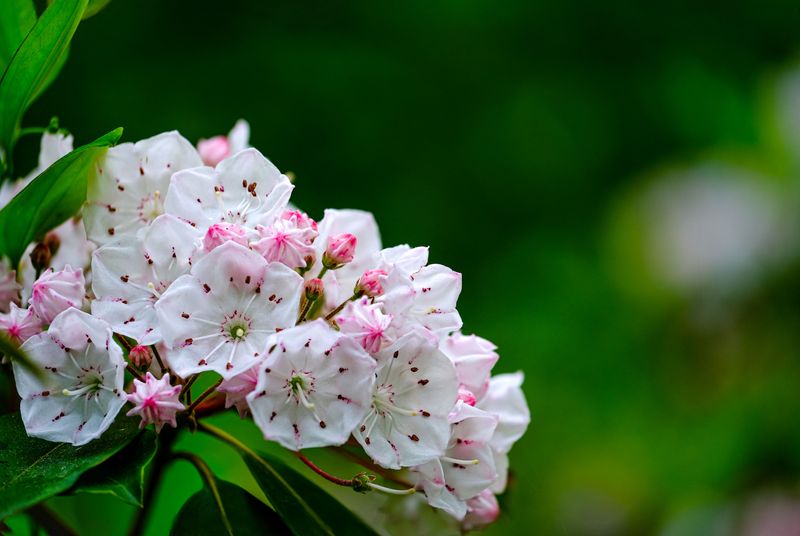
Mountain Laurel is the kind of plant that makes people pull over on the side of the road just to stare. Its flowers are architectural masterpieces, small, cup-shaped, and intricately patterned in pink and white.
Kalmia latifolia is the official state flower of Connecticut and Pennsylvania, but it grows abundantly through West Virginia’s ridges and hollows. Having it in your yard feels like bringing a piece of the wild mountains home.
This broadleaf evergreen holds its glossy leaves through even the coldest winters. That means your landscape has something green and lush to look at in January, February, and March when most plants have checked out entirely.
Mountain Laurel thrives in acidic, rocky, well-drained soil, the kind of tough growing conditions that would defeat a less adapted plant. Pair it with rhododendrons in a shaded border for a look that is authentically Appalachian.
Birds nest in its dense branches throughout spring and summer. The thick canopy provides excellent cover from predators, making your yard a genuine wildlife refuge.
One important note: all parts of this plant are toxic if eaten, so keep it away from areas where young children or pets graze unsupervised. That said, it poses no threat simply growing in a garden bed.
Mountain Laurel is slow-growing but unforgettable once it hits its stride. Give it the right spot and it will reward you with blooms for many Junes to come.
4. Spicebush (Lindera Benzoin)
Scratch a leaf of Spicebush and you get hit with one of the best smells in the entire plant kingdom. It is spicy, citrusy, and somehow ancient-smelling all at once, like a forest apothecary in shrub form.
Lindera benzoin was used medicinally by Indigenous peoples across eastern North America for centuries. Early Appalachian settlers brewed its twigs into tea and used its berries as a substitute for allspice during hard times.
Today, Spicebush earns its place in the yard as a powerhouse for native wildlife. Spicebush Swallowtail butterflies depend on it as their primary host plant, laying eggs on the leaves so their caterpillars have food from the start.
The shrub grows six to twelve feet tall and does beautifully in moist, shaded spots. Got a low-lying corner that stays wet after rain? Spicebush will thrive exactly there while other plants struggle.
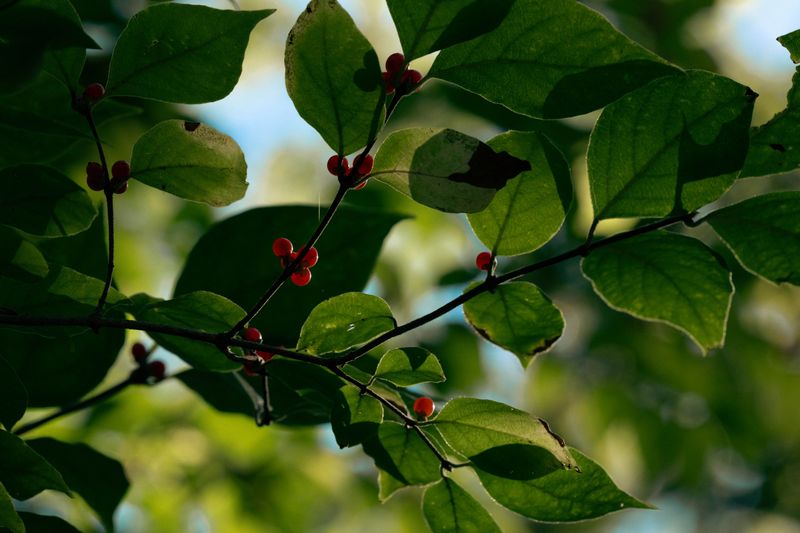
In fall, it produces small, bright red berries that birds, especially thrushes and vireos, devour before migrating south. Planting Spicebush is basically setting up a free fuel station for long-distance travelers.
The yellow fall foliage adds a warm, golden glow to the landscape just as temperatures drop. Few native shrubs offer this many layers of seasonal interest without demanding constant attention.
Spicebush is proof that the most useful plants are often the ones hiding in plain sight along a creek bank. Bring it home and let it do what it was born to do.
5. Serviceberry (Amelanchier Arborea)
Old-timers called it Serviceberry because it bloomed right around the time mountain roads finally thawed enough for travel each spring. That story alone makes it worth planting.
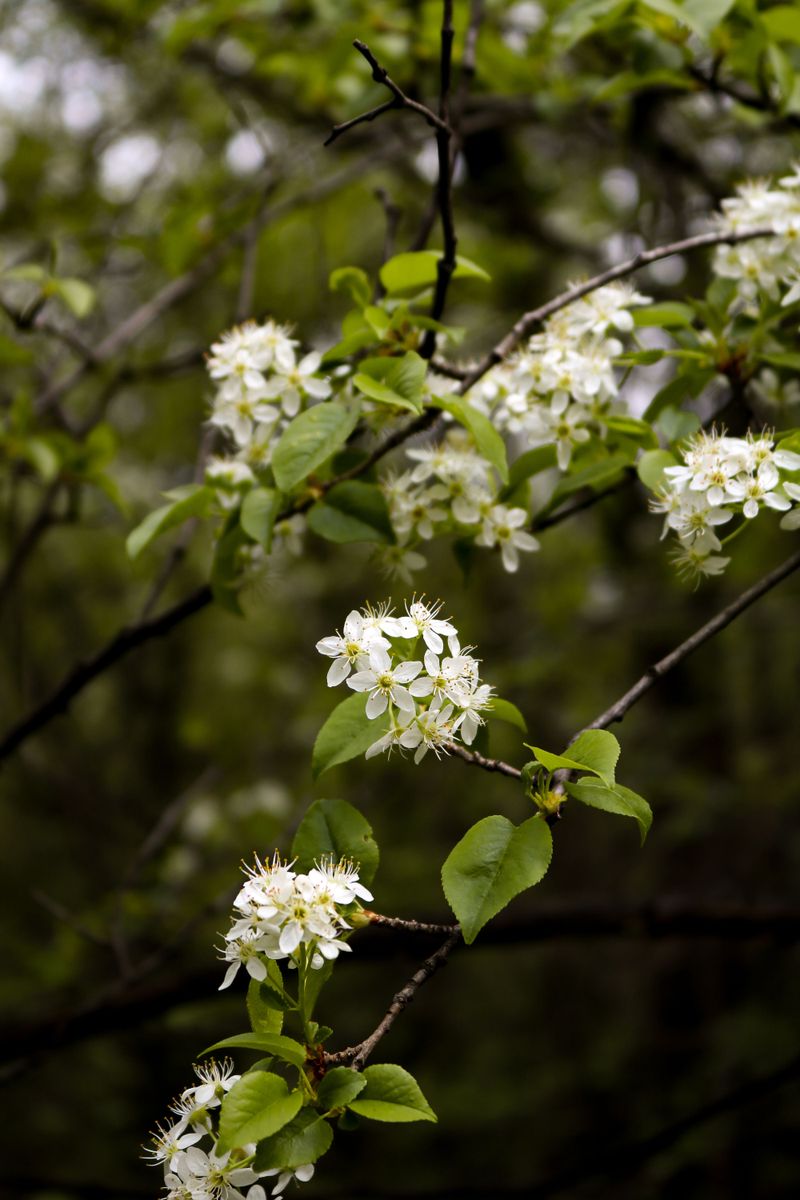
Amelanchier arborea is one of the first trees to bloom each spring, offering clouds of delicate white flowers when the landscape is still mostly brown and gray. Pollinators that wake up early in the season absolutely depend on it.
By early summer, the tree produces small, sweet berries that taste like a cross between blueberries and almonds. Humans can eat them, and so can over forty species of birds, competition for the harvest is fierce and entertaining.
Serviceberry handles a wide range of soil types and sun exposures. It does well in full sun or partial shade, which makes it one of the most flexible native trees available for residential planting.
The fall color is stunning, deep reds, oranges, and purples that rival any ornamental maple. You get spring flowers, summer fruit, and fall foliage from a single low-maintenance tree.
At fifteen to twenty-five feet at maturity, it fits comfortably in most yards without crowding out the house or neighboring plants. It grows at a moderate pace, so you will see real progress within a few seasons.
Serviceberry connects your yard to a long Appalachian story of seasons, survival, and community. Plant one and add your own chapter to that history.
6. New England Aster (Symphyotrichum Novae-Angliae)
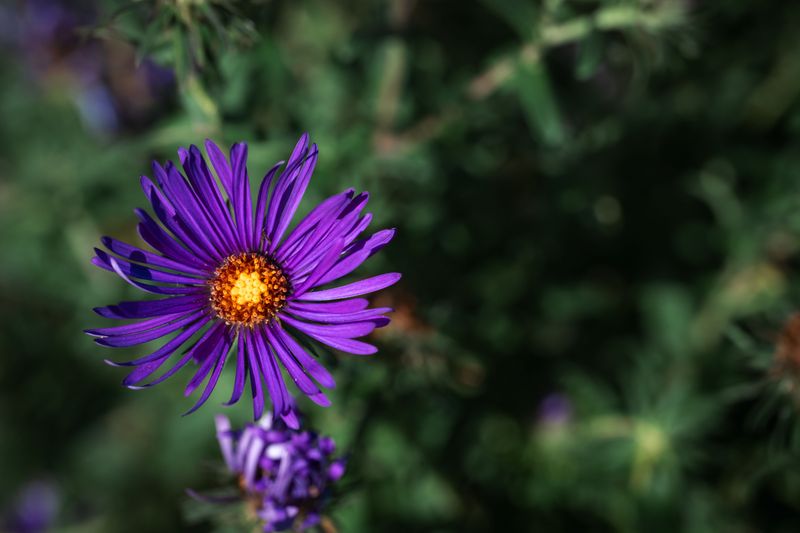
When August rolls around and most flowers have called it quits, New England Aster shows up like a headliner taking the stage at the end of a long concert. Its purple blooms are bold, bright, and impossible to ignore.
Symphyotrichum novae-angliae grows three to six feet tall, forming big, bushy clumps that fill garden beds with color from late summer through the first frost. Timing-wise, nothing else native competes with that late-season performance.
Monarch butterflies fuel up on aster nectar during their fall migration south. Planting a patch of New England Aster in your yard is a direct contribution to one of nature’s most remarkable journeys.
Bees love it just as much as butterflies do. Goldfinches and other small birds eat the seeds after blooming ends, so the plant keeps giving even after its flowers fade.
This aster thrives in full sun and tolerates average, even dry, soil once established. It is the kind of tough, self-reliant plant that rewards neglect more than fussing.
Cut it back by half in late June to keep the clumps compact and prevent flopping. That one simple step makes a huge difference in how tidy the plant looks when it blooms.
New England Aster is the exclamation point at the end of a long growing season. Add it to any sunny border and watch your yard become a monarch pit stop on the great fall highway south.
7. Virginia Bluebells (Mertensia Virginica)
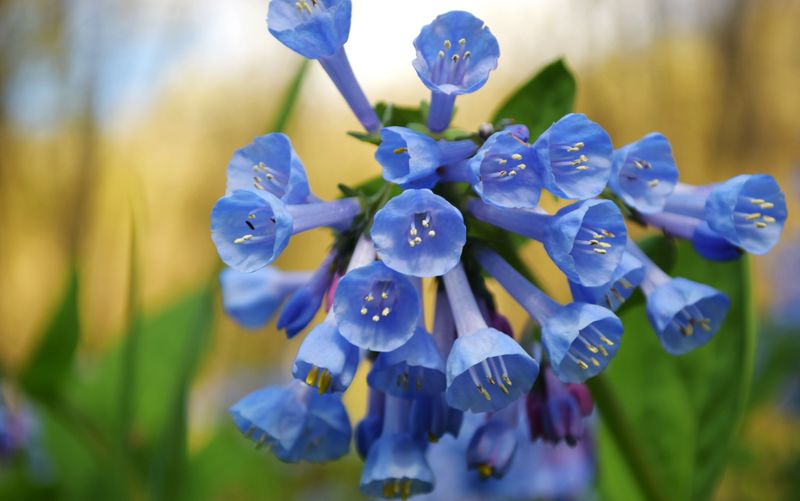
There is a color that Virginia Bluebells turn in early spring that does not have a proper name, somewhere between periwinkle, sky blue, and a shade you only see in old watercolor paintings. It is genuinely breathtaking.
Mertensia virginica is a spring ephemeral, meaning it blooms brilliantly in April and May, then quietly disappears underground by early summer. That here-and-gone quality makes every bloom feel like a gift you have to show up for.
The trumpet-shaped flowers start out pink as buds and shift to that signature blue as they open. That color change happens right before your eyes over just a few days, which feels a little like watching magic.
Virginia Bluebells grow best in moist, rich soil with dappled shade, think stream banks, woodland edges, or the north side of the house. They naturalize beautifully, spreading into soft drifts over time without becoming invasive.
Plant them alongside ferns or hostas to fill the gap they leave behind after going dormant. Those companion plants hide the bare spots and keep the area looking full and intentional through summer.
Ruby-throated hummingbirds adore the tubular flowers and often arrive just as the blooms peak. Bumblebees with long tongues are frequent visitors too, buzzing from flower to flower in a very cheerful way.
Virginia Bluebells remind you that some of the most beautiful things are also the most fleeting. That is exactly what makes them worth every effort to grow.
8. Butterfly Milkweed (Asclepias Tuberosa)
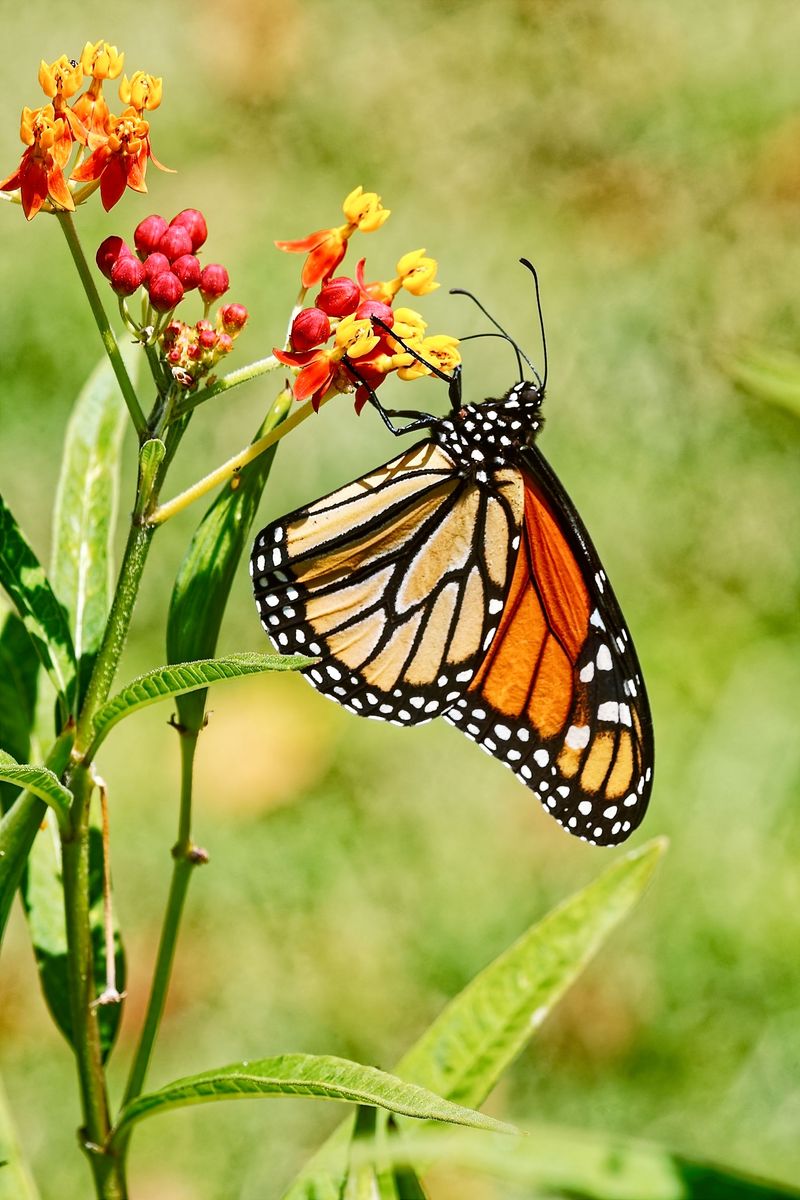
Butterfly Milkweed is the loudest plant in any garden, and that is a compliment. Its clusters of flame-orange flowers practically shout across a yard, demanding attention from both humans and pollinators alike.
Asclepias tuberosa belongs to the milkweed family that monarch butterflies need for survival, since milkweed is the only plant group their caterpillars can eat.
Unlike common milkweed, this species stays compact and well-behaved in the garden. It tops out around two feet tall, clumps neatly, and does not spread aggressively into places it is not wanted.
Butterfly Milkweed thrives in full sun and dry, rocky, or sandy soil, exactly the kind of tough spots where other plants pout and wither. Once established, it is practically drought-proof and needs almost no maintenance.
The blooms attract an astonishing variety of pollinators beyond monarchs. Swallowtails, fritillaries, skippers, bees, and hummingbirds all make regular appearances once this plant hits its midsummer stride.
In fall, the seedpods split open to release silky, parachute-like seeds that float across the yard on the breeze. Watching that happen on a breezy September afternoon is genuinely one of nature’s better small pleasures.
Growing Butterfly Milkweed in your yard is one of the most direct ways to support the Appalachian native plants movement and help monarch populations at the same time. Orange has never looked so purposeful or so beautiful.