What Blossom End Rot On Your North Carolina Eggplants Is Really Telling You About Your Watering
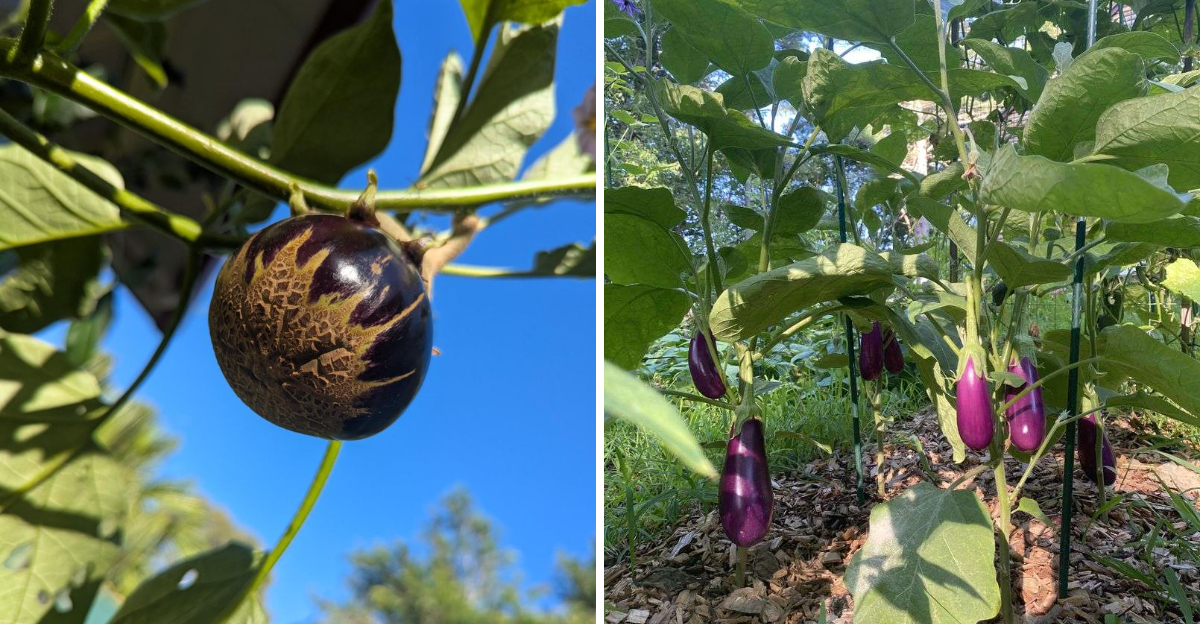
Blossom end rot on eggplants often points directly back to inconsistent watering rather than a soil quality problem itself.
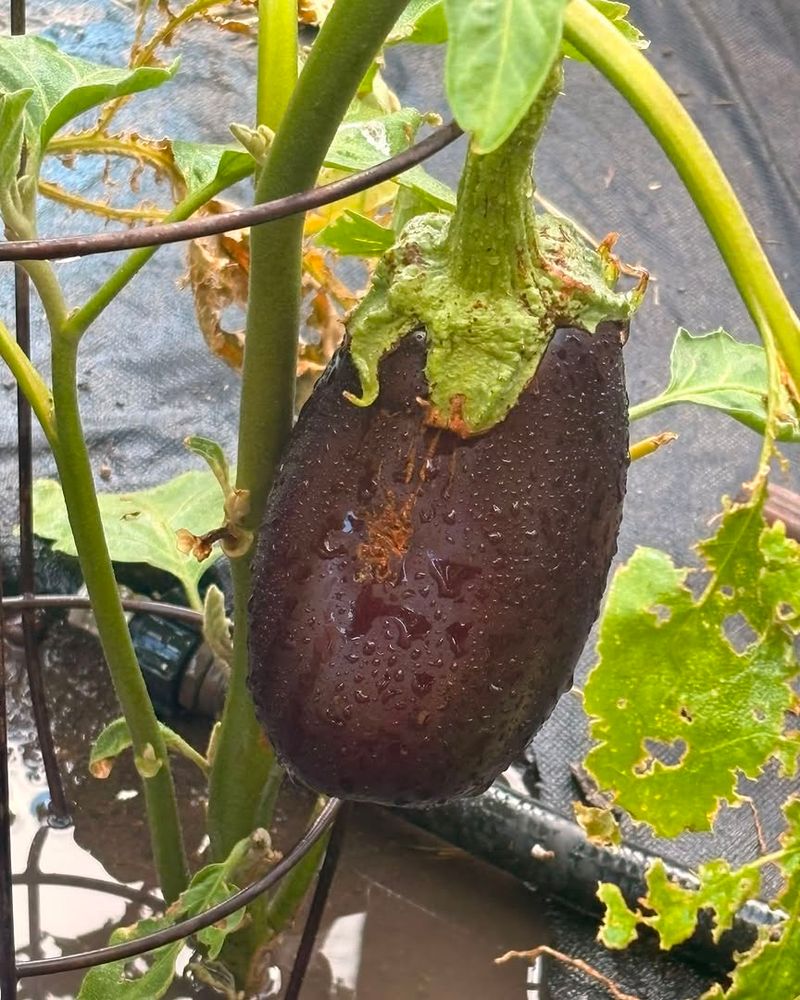
This condition appears as dark, sunken patches on the bottom of fruit, caused by the plant’s inability to move calcium effectively during dry stretches.
North Carolina’s swings between heavy rain and sudden dry spells make this especially common throughout the growing season.
Even soil with plenty of calcium can produce this issue if watering remains irregular, since calcium moves through the plant along with water.
Deep, consistent watering helps maintain steady moisture levels that support proper nutrient movement throughout the plant. Mulching around the base further helps regulate soil moisture between waterings.
Removing affected fruit allows the plant to redirect energy toward healthy, developing eggplants instead. Correcting watering habits now often resolves this issue within just a few weeks.
1. Blossom End Rot Points To Interrupted Calcium Movement
Calcium is one of those nutrients that sounds simple enough, but getting it into your eggplant fruit is actually a surprisingly tricky process.
The plant absorbs calcium from the soil through its roots, and that calcium travels upward with water moving through the plant’s tissues.
When that water flow gets interrupted even briefly, calcium cannot reach the fast-growing cells at the bottom of the fruit in time.
What makes blossom end rot confusing is that your North Carolina soil might actually have plenty of calcium sitting in it. The problem is not always a shortage in the ground.
Inconsistent watering is often the real culprit, because it disrupts the steady movement of water and nutrients the plant depends on during fruit development.
Think of it like a delivery system where the roads keep closing and reopening. Even if the warehouse is fully stocked, the goods never arrive on time.
Young eggplant tissue grows quickly, and if calcium delivery stalls during those critical early days, the cells at the blossom end break down and form that familiar dark, sunken patch.
North Carolina summers are especially tough on this process because heat speeds up plant stress and makes soil moisture drop fast. Keeping water moving steadily through your eggplant is the real goal here.
Consistent moisture at the root zone gives calcium the reliable highway it needs to reach developing fruit before damage has a chance to set in.
2. Dry Soil Followed By Heavy Watering Creates A Risky Swing
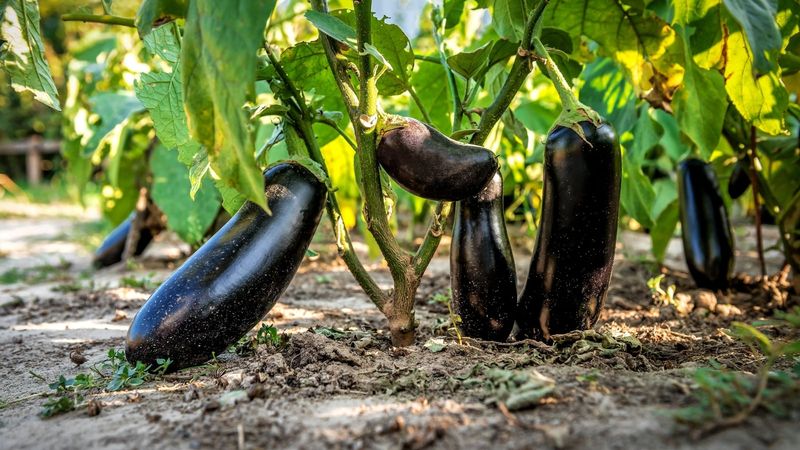
Picture this: a week of blazing North Carolina heat bakes the soil around your eggplants until it pulls away from the sides of the bed, then an afternoon thunderstorm rolls through and drops two inches of rain in under an hour.
That dramatic swing from bone dry to completely saturated is one of the most common triggers for blossom end rot in home gardens across the state.
When soil dries out severely, plant roots struggle to function normally. Then when a flood of water suddenly arrives, the plant tries to absorb as much as it can all at once.
That rush of water actually dilutes the concentration of calcium moving through the plant, and the developing fruit at the blossom end ends up short-changed right when it needs steady nutrition the most.
Your North Carolina Garden Changes Every Week. Your Plan Should Too.
Gardening in North Carolina changes quickly throughout the season. Every Friday you’ll receive a simple weekly plan showing exactly what to plant, prune, fertilize, harvest, and protect so you never miss the right timing.
North Carolina summers set up this exact pattern regularly. Heat dries the root zone quickly between waterings, and then generous irrigation or a heavy storm saturates everything.
Gardeners sometimes think they are doing the right thing by watering deeply after a dry spell, but the damage from that moisture gap may already be underway inside the fruit.
The smartest approach is to check soil moisture consistently and water before the ground gets truly dry. Aim for reasonably even moisture throughout the week rather than letting things swing between extremes.
A simple finger test about two inches into the soil can tell you a lot more than a watering schedule ever will.
3. Excessive Rain Can Cause The Same Disorder
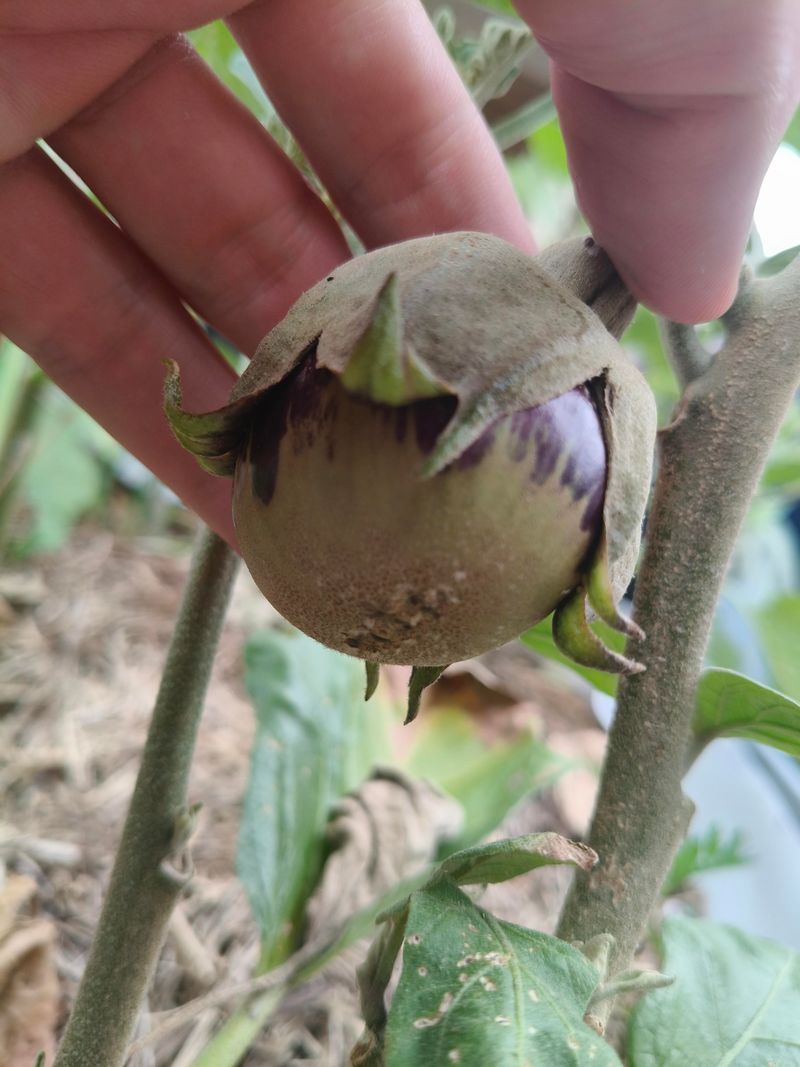
Here is something that surprises a lot of gardeners: blossom end rot does not always mean your eggplants got too little water.
In fact, too much water sitting around the roots can cause the exact same problem, and North Carolina’s rainy stretches make this more common than people realize.
When soil stays saturated for extended periods, roots begin to suffer from lack of oxygen. Healthy roots need air pockets in the soil to function well, and when those spaces fill with water, root activity slows down.
A struggling root system cannot absorb calcium efficiently even when calcium is present in the soil, so the fruit ends up with that same sunken brown patch at the blossom end.
Poor drainage makes this even worse. If your garden bed sits in a low spot or has heavy clay soil that holds water, your eggplants may be sitting in soggy conditions long after the rain stops.
That prolonged root stress adds up quickly during the summer growing season when fruit is developing fast.
Before you water after a storm, actually check the soil. Push a finger two inches down or use a moisture meter to see what is happening below the surface.
If the soil still feels wet, hold off on irrigation. Improving drainage by adding compost to heavy soil or raising your beds slightly can make a big difference in keeping roots healthy and calcium moving the way it should throughout the season.
4. Surface Sprinkling May Leave The Root Zone Too Dry
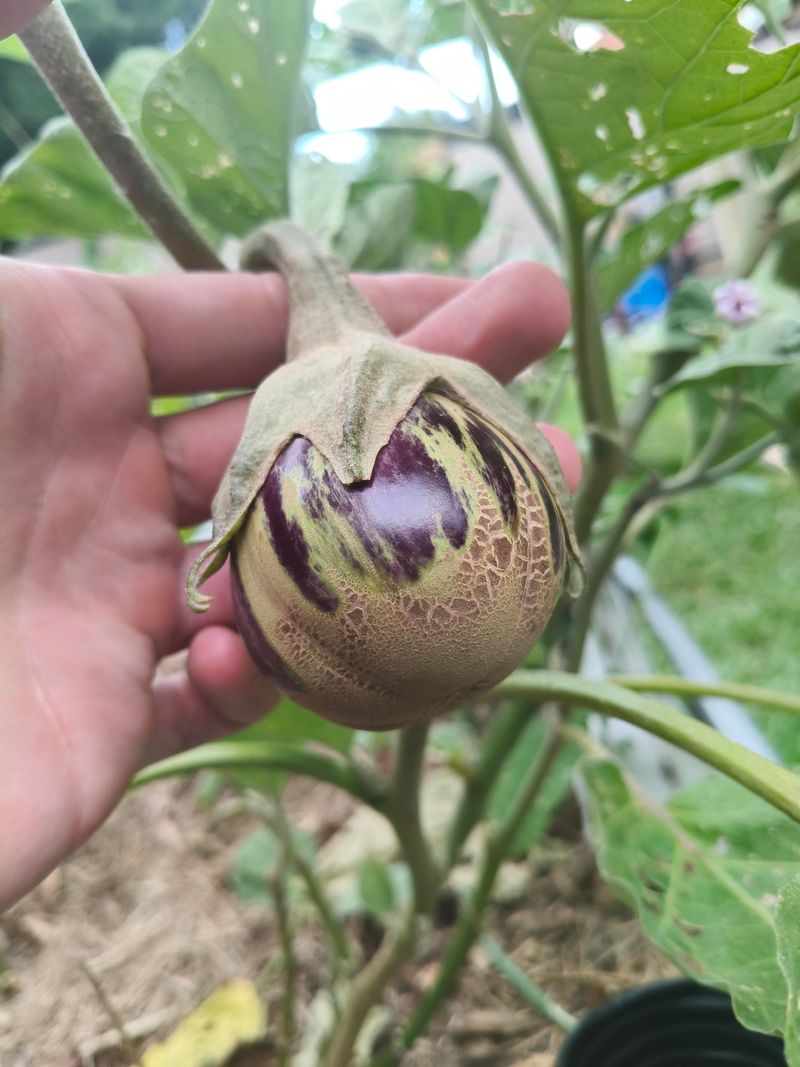
A quick sprinkle over the top of the garden bed might feel satisfying, but it often does very little for the roots where it actually counts.
During North Carolina’s hot summer months, surface moisture evaporates within minutes, especially on sunny afternoons when temperatures climb into the nineties.
That light wetting never reaches the deeper root zone where eggplant roots are actively working.
Established eggplant roots spread out and grow several inches below the soil surface. When only the top inch or two of soil gets wet, those deeper roots stay dry and stressed.
A stressed root system has a much harder time pulling calcium from the soil, and that is when blossom end rot starts showing up on your developing fruit even though you watered yesterday.
Watering slowly and deliberately makes a real difference. Applying water at a low flow rate gives it time to soak down into the root zone rather than running off or evaporating before it gets there.
Drip irrigation or a soaker hose laid along the base of the plants is one of the most effective ways to consistently reach those deeper roots without wasting water on the surface.
Check the soil before you water again rather than sticking to a fixed daily schedule. Conditions change fast in a North Carolina summer, and what the soil needs on a cool cloudy day is very different from what it needs during a heat wave.
Steady root zone moisture is the real goal, not just a wet surface that looks good from above.
5. Mulch Reduces Sudden Changes In Soil Moisture
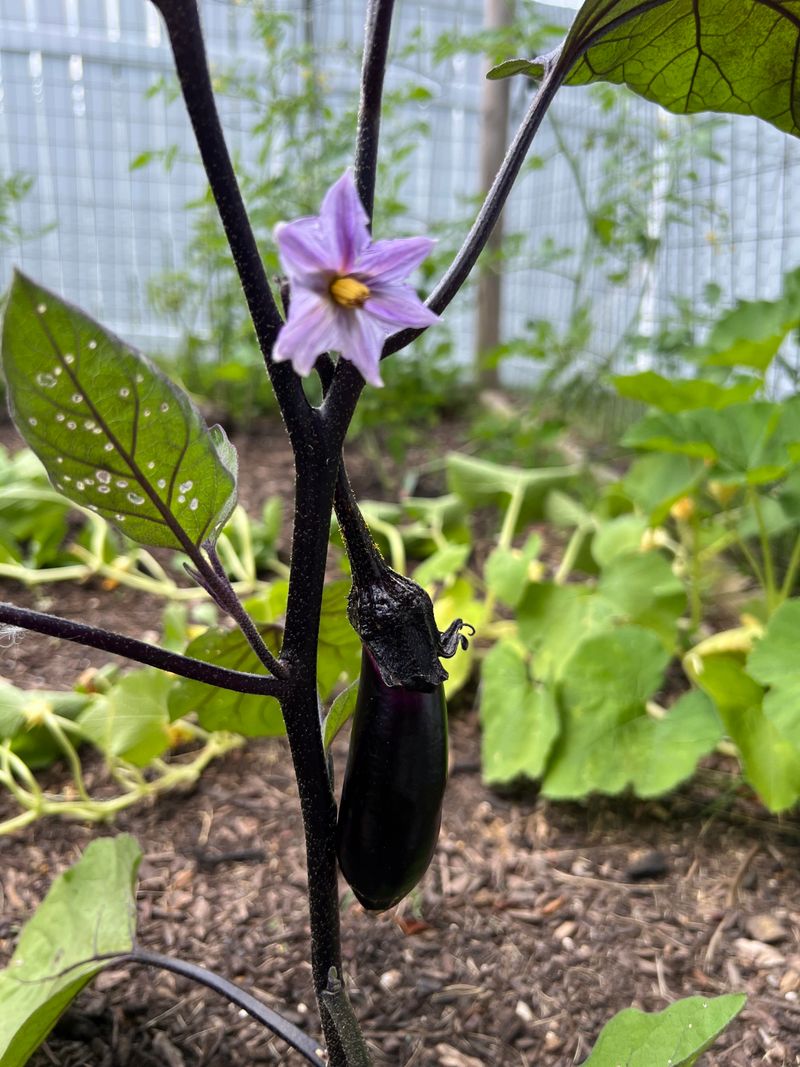
One of the simplest and most rewarding things you can do for your North Carolina eggplant bed costs almost nothing and takes about twenty minutes to set up.
A three to four inch layer of clean organic mulch spread over the root zone works like a temperature and moisture buffer for your soil, and the results show up fast once the summer heat really kicks in.
Mulch slows evaporation dramatically. On a hot July afternoon in North Carolina, bare soil can lose a surprising amount of moisture to the sun in just a few hours.
That mulch layer acts like a lid, holding the moisture you put in through watering or rain close to the root zone where the plant can actually use it. More consistent soil moisture means more consistent calcium delivery to your developing fruit.
Organic mulch options like straw, shredded leaves, or wood chips also moderate soil temperature. Extremely hot soil can stress roots and reduce their ability to absorb water and nutrients effectively.
Keeping the soil a few degrees cooler under that mulch layer helps roots stay active and healthy even during the hottest stretches of the season.
When you apply mulch, leave a small gap of about two inches around the main stem of each plant to allow for good air circulation and prevent any moisture buildup directly against the stem.
Remember that mulch conserves the moisture already in the soil, but it does not replace regular watering when the weather turns hot and dry for several days in a row.
6. Root Disturbance Can Mimic A Watering Problem
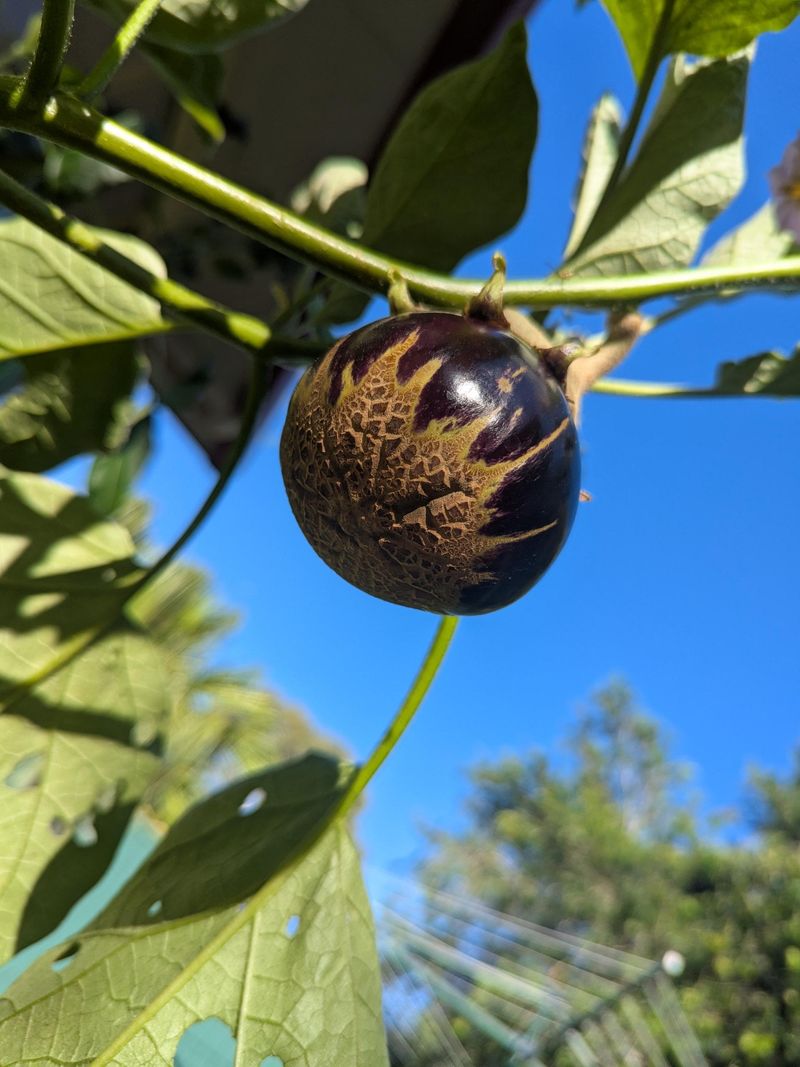
You might be watering your eggplants on a steady schedule, keeping the soil moist at just the right level, and still find blossom end rot showing up on your fruit.
Before you blame your irrigation habits, take a closer look at what has been happening around the base of those plants.
Root damage is a surprisingly common hidden cause that mimics the signs of a watering problem almost perfectly.
Eggplants spread a network of fine feeder roots close to the soil surface, sometimes only a few inches down. These small roots are responsible for most of the plant’s water and calcium absorption.
When you hoe deeply around the plant, cultivate aggressively to remove weeds, or accidentally nick the root zone with a garden tool, you can sever or stress those feeder roots without even realizing it.
A damaged root system simply cannot move water and nutrients as efficiently as a healthy one. Even with adequate soil moisture, the plant’s ability to absorb calcium and deliver it to developing fruit gets compromised.
That breakdown in absorption looks exactly like a watering issue from the outside, complete with sunken brown patches appearing on the bottom of the fruit.
The fix is straightforward once you know the cause. Pull small weeds by hand rather than hoeing close to the plant.
If you do cultivate, keep it very shallow, no more than an inch deep, and stay several inches away from the stem.
Laying down mulch over the root zone also protects those feeder roots from accidental disturbance and keeps the soil loose and workable.
7. Adding Calcium Without A Soil Test May Miss The Cause
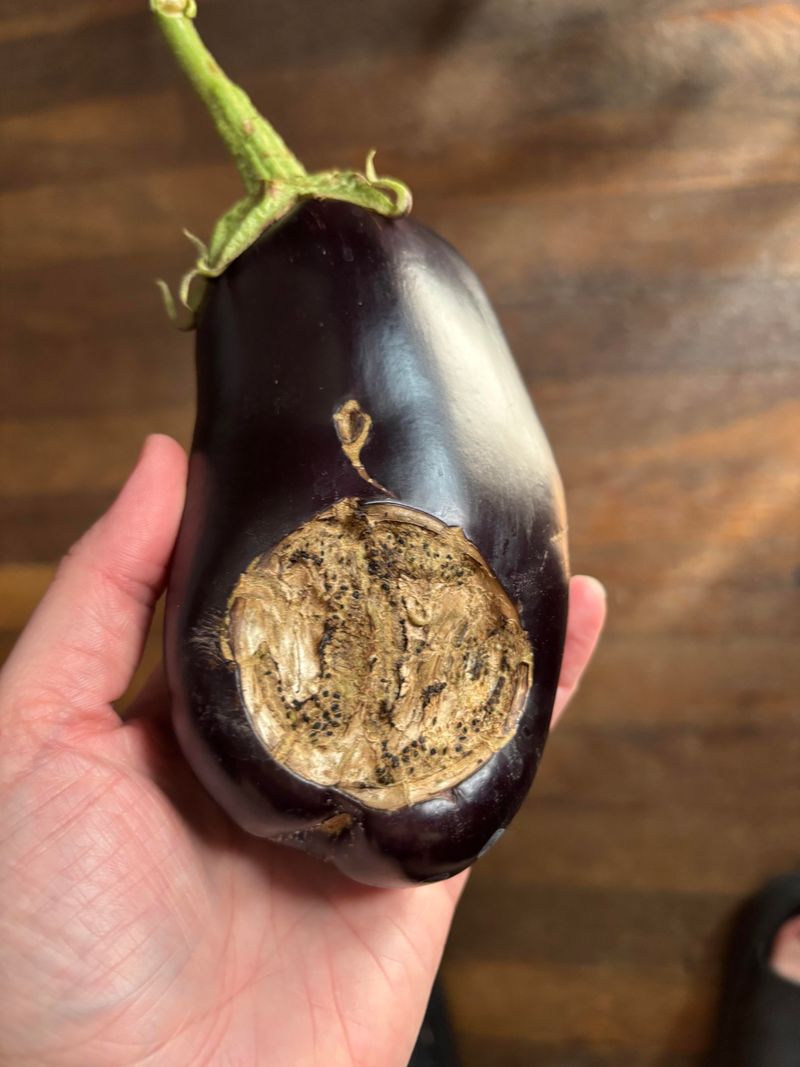
Spotting blossom end rot on your eggplants and immediately reaching for a bag of lime or a bottle of calcium spray is a very natural reaction, but it might not solve anything.
In fact, adding calcium to soil that already has enough of it can sometimes create new nutrient imbalances that make things worse rather than better.
The cause of blossom end rot in North Carolina gardens is often not a calcium shortage at all.
Moisture fluctuations, excess nitrogen fertilizer, overly acidic or alkaline soil, and root stress can all block calcium from reaching the fruit even when the mineral is sitting right there in the soil.
Throwing more calcium at the problem without understanding what is actually preventing it from moving through the plant is a bit like adding more fuel to a car with a clogged fuel line. The supply is not the issue; the delivery system is.
North Carolina’s Cooperative Extension Service offers affordable soil testing that gives you a clear picture of what your soil actually contains and what it might need.
A soil test can tell you if your pH is off, whether calcium levels are genuinely low, and what amendments would actually help your specific garden.
That information is far more useful than guessing at a solution based on symptoms alone.
Getting a soil test before adding lime, gypsum, crushed eggshells, or any calcium product is the smartest move you can make.
It saves money, prevents accidental over-correction, and points you directly at the real problem so you can fix what is actually causing the blossom end rot on your plants.
8. Better Watering Can Protect Fruit That Develops Later
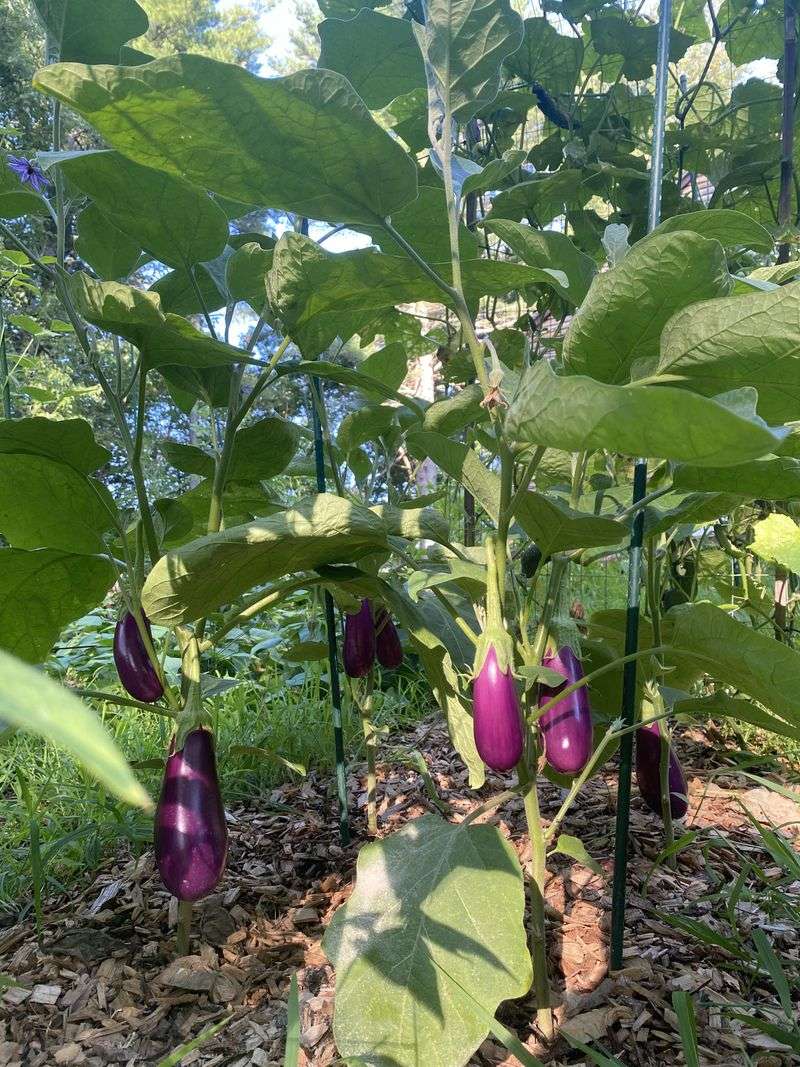
Finding blossom end rot on your eggplants mid-season can feel discouraging, but here is the part that actually matters: the fruit already showing damage will not recover, but the ones still forming on the plant absolutely can come out healthy.
Improving your watering approach now protects every new eggplant that develops from this point forward, and that is where your energy is best spent.
Start by removing any fruit with severe damage. Leaving heavily affected eggplants on the plant draws energy away from healthy developing fruit and does not serve any useful purpose.
Once you have cleared those out, shift your focus to the soil. Check moisture a few inches below the surface before you water, and when you do water, apply it slowly so it soaks into the root zone rather than running off.
Keep that mulch layer topped up so the soil holds moisture more evenly between waterings. Pull back on heavy nitrogen fertilizer for a while, since excessive nitrogen pushes rapid leafy growth that can compete with the fruit’s calcium needs.
Steady, moderate nutrition paired with consistent soil moisture gives your eggplants the best possible conditions for healthy fruit development through the rest of the season.
Improvement takes some patience. The correction you make today protects the small fruits forming this week, not the ones already damaged.
Give your plants a few weeks of consistent care and you will likely see new eggplants come in looking much better. North Carolina’s growing season is long enough to turn things around and still bring in a solid harvest worth celebrating.