Can Your California Neighbor Force You To Trim A Shrub On Your Own Property?
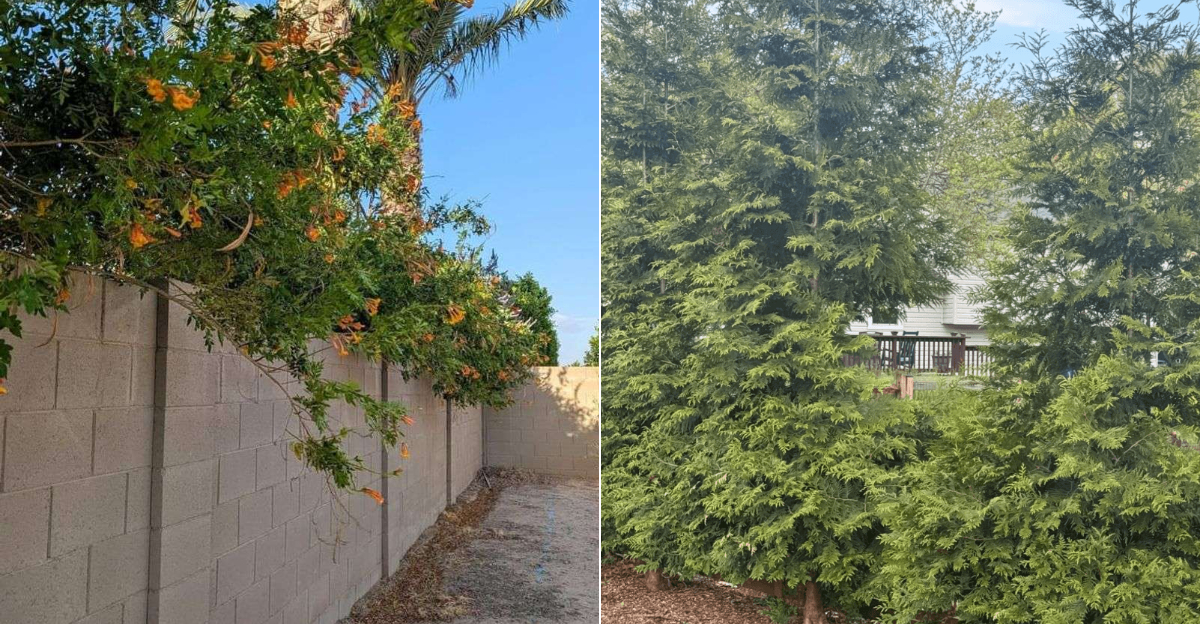
A shrub can sit entirely on your property and still spark a fence-line dispute. Maybe it blocks a window next door.
Perhaps its branches push through the fence. Suddenly, a routine bit of landscaping feels like a legal issue.
A neighbor can ask for a trim, but a request does not always carry the force of law. The answer may depend on the shrub’s location and the harm it causes.
California rules can also change when branches cross the property line. Local ordinances may add another layer, especially when visibility or public safety becomes part of the complaint.
Neighborhood drama loves fine print. That does not mean your neighbor gets control of your yard. It does mean the situation deserves a calm look before anyone reaches for the hedge clippers.
A clear sense of each person’s rights can keep a small shrub problem from turning into a much bigger argument.
1. A Neighbor Usually Cannot Simply Demand It
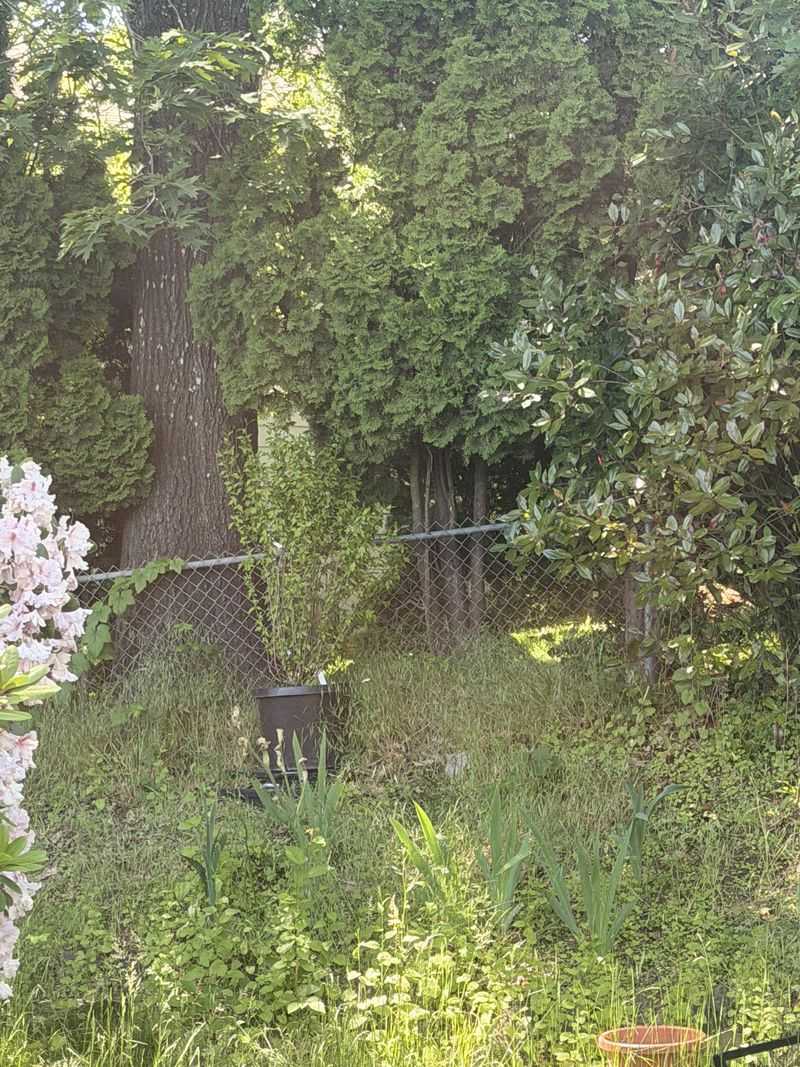
Most people are surprised to learn that a neighbor has very little legal power over what you do with your own shrubs.
If a plant is fully on your side of the property line, it belongs to you. Your neighbor does not get to tell you how to maintain it.
In California, property owners have broad rights over their own land. That includes the right to let a shrub grow as tall or as wide as they want, within certain limits.
A neighbor’s personal preference or opinion about how your yard looks is simply not a legal reason for you to act.
Some people assume that a strongly worded letter or a complaint changes the rules. It does not.
Words alone do not create a legal obligation. You are allowed to politely decline without any fear of legal consequences in most standard situations.
That said, ignoring every complaint without thinking it through is not always the wisest move. Sometimes a neighbor brings up a concern that is actually worth addressing.
Being a good neighbor means listening even when you are not legally required to do anything.
A short conversation can go a long way in keeping things friendly and calm on your street. Always check your local rules before assuming you have zero obligations.
2. Property-Line Encroachment Changes The Situation
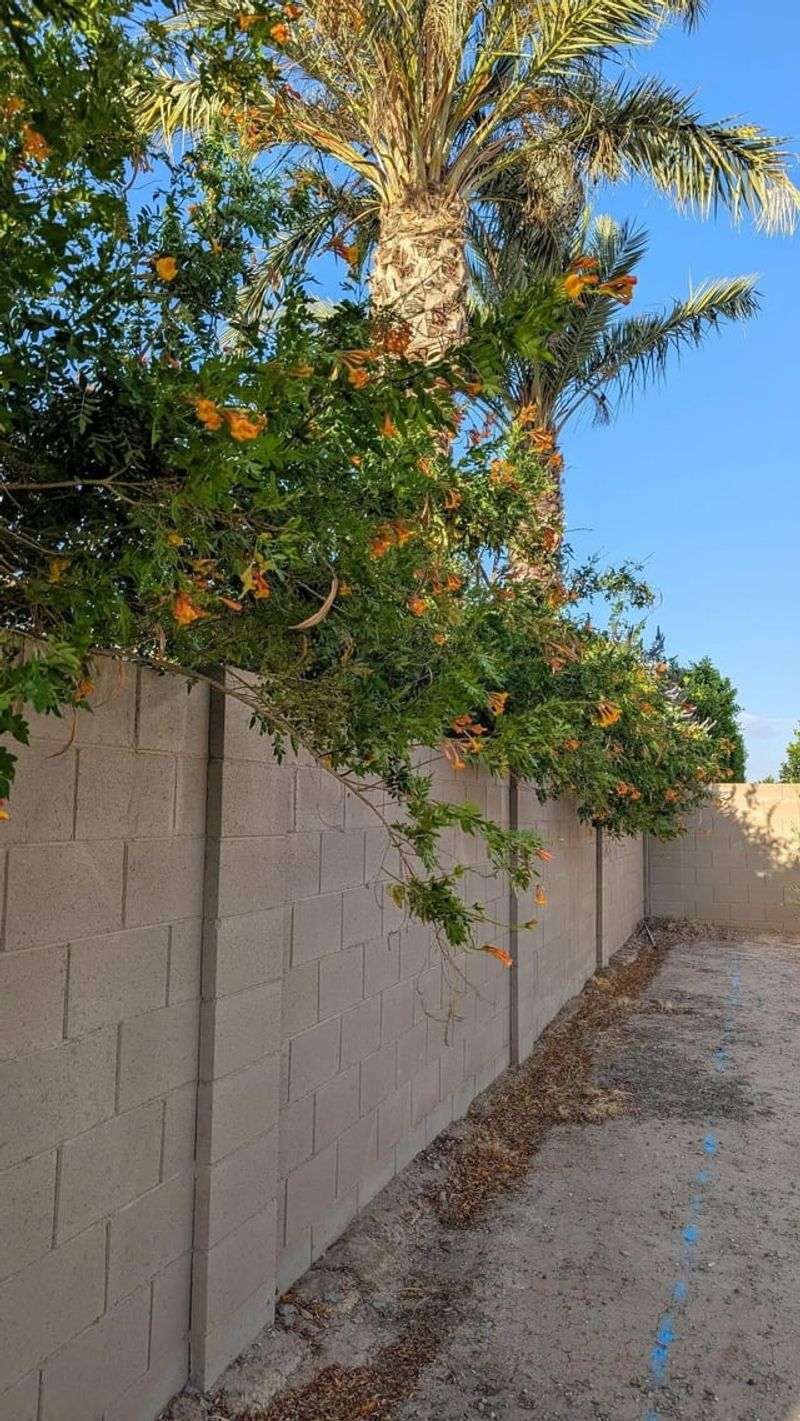
Here is where things get more interesting. When branches or roots from your shrub cross the property line, your neighbor gains some rights.
Encroachment is a real legal concept, and it applies to plants just as much as it applies to fences.
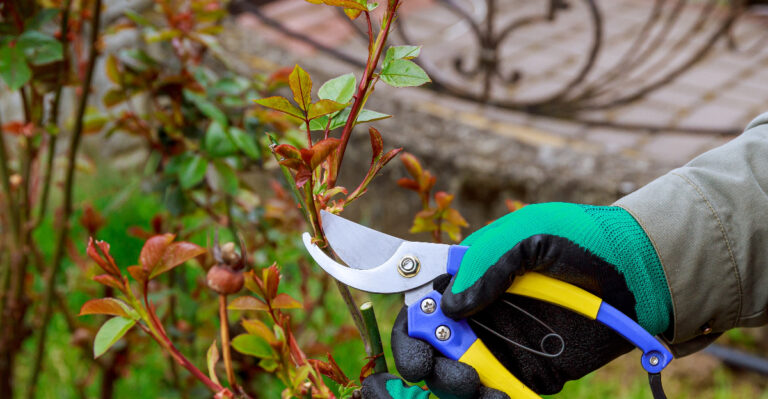
Under California’s laws, a neighbor can trim any part of your shrub that crosses onto their property. They can do this without asking your permission.
However, they are only allowed to trim up to the property line and no further.
What they cannot do is come onto your side of the fence to trim the whole plant. They also cannot harm the health of the shrub by cutting too aggressively.
If they do serious damage, you may have a legal claim against them.
Your California Garden Changes Every Week. Your Plan Should Too.
Gardening in California changes quickly throughout the season. Every Friday you’ll receive a simple weekly plan showing exactly what to plant, prune, fertilize, harvest, and protect so you never miss the right timing.
Knowing exactly where your property line sits is critical. Many disputes happen because neither neighbor is sure where one yard ends and the other begins.
Getting a professional survey done can clear up confusion quickly. It is a smart investment, especially if tensions are already building.
Once the boundary is clearly marked, both sides know exactly what rights they have. Keep records of the survey results and any trimming that takes place near the line.
Good documentation protects you if the situation ever moves beyond a simple disagreement between neighbors.
3. Safety Hazards Can Shift Your Responsibilities
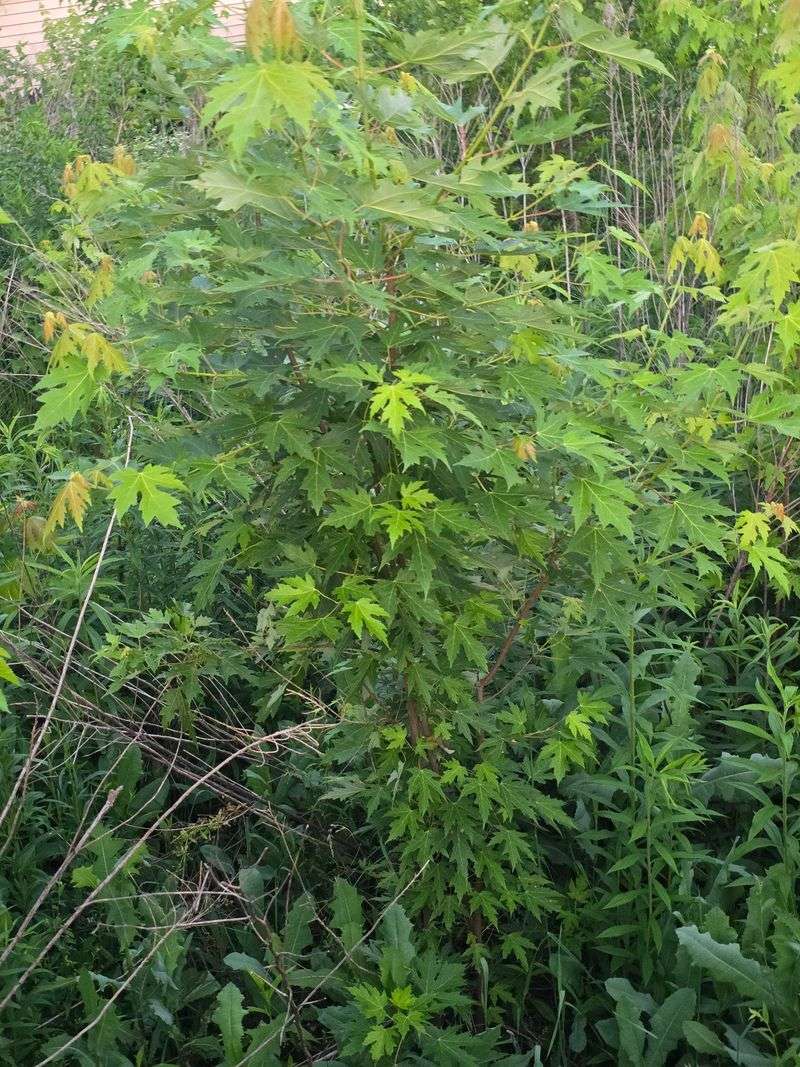
Not every shrub complaint is about looks. Sometimes a plant becomes a genuine safety concern, and that changes the legal picture significantly.
When a shrub creates a dangerous condition, your responsibility as a property owner goes up.
For example, if a heavy branch overhangs a walkway and could fall on someone, that is a hazard. If your shrub grows so tall it blocks a street light or hides a stop sign, that matters too.
Local governments take safety issues seriously, and so do courts. Property owners can be held liable if someone gets hurt because of a known hazard on or near their property.
If your neighbor warns you about a dangerous branch and you ignore it, that warning could actually be used against you later. Keeping records of all communication is smart.
The best approach is to take safety complaints seriously right away. Walk outside and look at your shrub with fresh eyes.
Ask yourself whether a falling branch could hurt someone or whether the plant is blocking something important. If you see a real problem, fix it before anyone gets hurt.
Acting quickly also shows good faith, which matters if any formal complaint is filed later. Being proactive protects both your neighbors and your own legal standing as a homeowner in this state.
4. HOA Rules May Require Trimming
Living in a community with a homeowners association adds another layer to this conversation. HOAs have their own rulebooks, and those rules often cover exactly how your yard should look.
Shrub height, shape, and placement can all be regulated.
When you buy a home in an HOA community, you agree to follow those rules. That agreement is legally binding.
So if the HOA says shrubs must stay below a certain height, you are required to comply, even if you personally disagree with the rule.
Your neighbor may not have the right to demand trimming on their own, but they can file a complaint with the HOA. The HOA then has the authority to send you a formal notice.
If you ignore it, fines can follow, and in serious cases, the HOA could take legal action.
Reviewing your HOA’s CC&Rs, which stands for Covenants, Conditions, and Restrictions, is always a good first step. These documents spell out every landscaping rule in detail.
If you are unsure what is required, contact your HOA management company directly. Ask specific questions about shrub maintenance standards.
Many HOAs also have a dispute resolution process, which can be a helpful tool if you and a neighbor cannot agree. Knowing your HOA’s rules puts you in a much stronger position during any disagreement.
5. City Or County Codes Can Override Preferences
Even outside of HOA communities, local governments can have a say in how you maintain your landscaping.
City and county codes exist across California, and many of them include rules about vegetation near roads, sidewalks, and utility lines.
Some municipalities require that shrubs stay below a certain height near streets or intersections. Others have rules about keeping plants away from power lines or drainage areas.
These are not suggestions. They are enforceable rules with real consequences.
If your neighbor files a complaint with the city or county, a code enforcement officer may come out to inspect your property.
If a violation is found, you will likely receive a notice giving you a due date to fix it. Ignoring that notice can lead to fines that grow over time.
Looking up your local codes online is easier than most people think. Most city and county websites have a section dedicated to municipal codes, and you can search for terms like vegetation, landscaping, or hedges.
If you cannot find the answer yourself, calling your local planning or code enforcement office works just as well. The staff there are usually happy to explain what applies to your property.
Getting ahead of potential violations is always smarter than waiting for a complaint to land on your doorstep. Local rules exist to protect everyone in the community.
6. Blocking Sidewalks Or Visibility May Matter
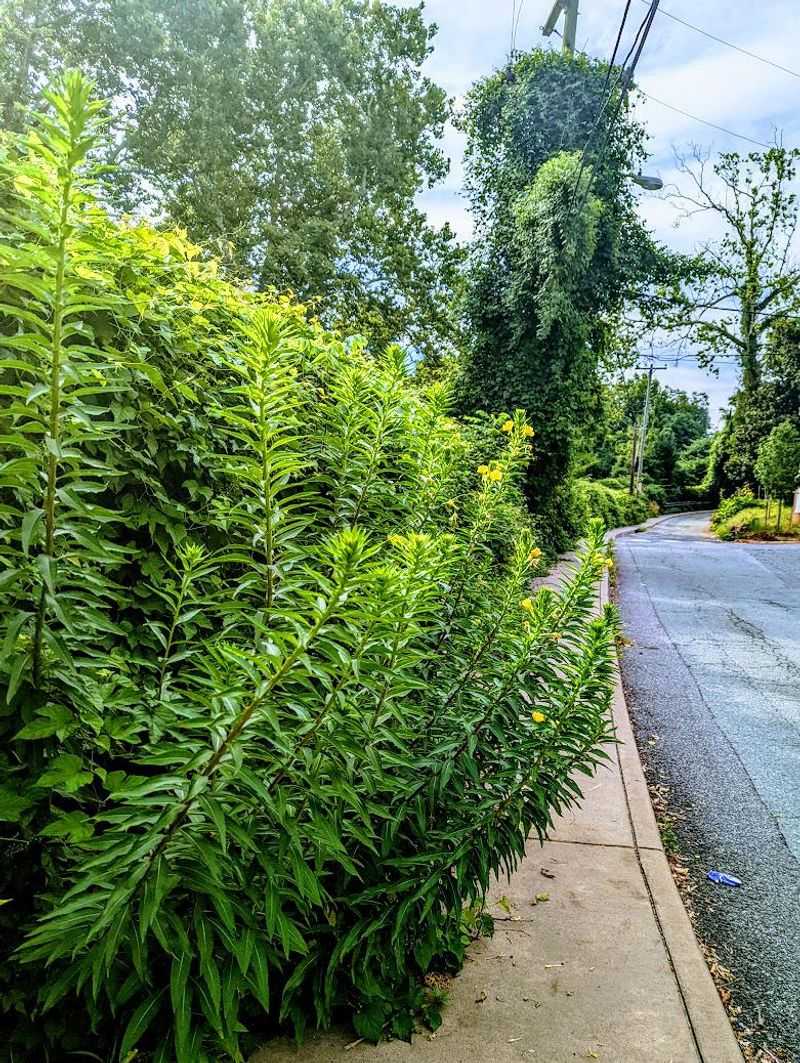
Few things frustrate a neighborhood faster than a shrub that forces people to walk in the street.
When your plant grows over a public sidewalk, it stops being just a private landscaping choice. It becomes a public safety issue.
Pedestrians have the right to use sidewalks without having to duck under branches or push through leaves. If your shrub is making that impossible, your city or county likely has a rule about it.
Many local codes require homeowners to keep vegetation clear of public walkways.
Visibility is another real concern. Shrubs that grow near driveways or intersections can block the view of oncoming traffic.
Drivers pulling out of a driveway need a clear sightline. When plants obstruct that view, accidents can happen.
Some areas in California have specific setback rules for vegetation near corners for exactly this reason.
Trimming a shrub to keep sidewalks and sightlines clear is not just about following rules. It is about being a responsible member of your community.
If a neighbor points out that your shrub is blocking the sidewalk, take a walk outside and check it yourself. A few cuts can solve the problem quickly.
It is also worth doing a seasonal check every few months, especially in spring and summer when plants grow fastest. Staying ahead of the issue keeps everyone safe and avoids complaints before they start.
7. A Friendly Conversation Often Comes First
Before anyone calls a city inspector or files a formal complaint, a simple conversation can change everything.
Most shrub disputes start not with legal action but with one person feeling uncomfortable bringing up the subject. Breaking that silence early often leads to the easiest outcome.
Approaching your neighbor in a calm, friendly way makes a huge difference. Choose a relaxed time, not when either of you is rushing or already frustrated.
Keep your tone easy and open. You might be surprised how quickly a polite chat resolves what felt like a big problem.
Sometimes neighbors do not even realize their shrub is causing an issue. They may not have noticed the branches reaching over the fence or blocking a view.
A heads-up from you could be genuinely welcome rather than confrontational.
Coming to the conversation with a possible solution already in mind helps too. Instead of just pointing out a problem, suggest a fix.
Offer to split the cost of a trimming service, or ask if they would be open to trimming on a certain schedule. Showing that you want to work together, not just complain, sets a positive tone.
Even if the neighbor is not legally required to do anything, many people are willing to cooperate when they feel respected.
A friendly approach protects the relationship and often gets results far faster than any formal process ever could.
8. Document Complaints Before They Escalate
Nobody likes to think about a neighborly disagreement turning into something more serious. But if things do escalate, having clear documentation can protect you in a major way.
Keeping records is one of the smartest things you can do from the very start.
Write down dates and details every time the issue comes up. Note what was said, who said it, and whether the conversation was in person, by phone, or in writing.
Save any text messages or emails related to the shrub. Take photos that show the current condition of the plant and its location on your property.
If a neighbor sends you a formal letter, keep it in a safe place. If you send one in return, save a copy.
Paper trails matter when disputes go to code enforcement, an HOA, or even small claims court. Without records, it becomes a he-said, she-said situation that is hard to resolve fairly.
Good documentation also helps you stay calm. When you have facts written down, you do not have to rely on memory alone during a stressful conversation.
You can refer back to what actually happened without getting emotional. This gives you confidence and credibility.
Whether the situation resolves quickly or drags on for months, having solid records keeps you prepared. Think of it as insurance for your peace of mind and your legal standing as a homeowner in this state.
9. Mediation Can Solve Many Shrub Disputes
When talking things out face to face has not worked, mediation offers a smart middle ground. It is a process where a trained, neutral third party helps two people reach an agreement.
Many counties across our state offer free or low-cost mediation services for exactly these kinds of neighbor disputes.
Mediation is not the same as going to court. It is less formal, much faster, and far less expensive.
Both sides get to share their perspective in a structured setting. The mediator does not take sides or make decisions for you.
Instead, they help guide the conversation toward a solution both parties can live with.
Many people are surprised by how well mediation works. When someone neutral is in the room, it is easier to stay calm and actually listen.
Agreements reached through mediation tend to stick because both sides had a hand in creating them.
Looking up community mediation centers in your city or county is a quick online search away. Many of these programs are run by nonprofits and are completely free for residents.
Some HOAs also offer mediation as part of their dispute resolution process. If your shrub situation has gone on long enough to cause real stress, mediation is worth trying before anyone spends money on lawyers.
It is a practical, respectful way to move forward and protect both your property rights and your relationship with the people who live nearby.