This Pennsylvania Tick Transmits Disease Faster Than Others And Why Gardeners Should Care
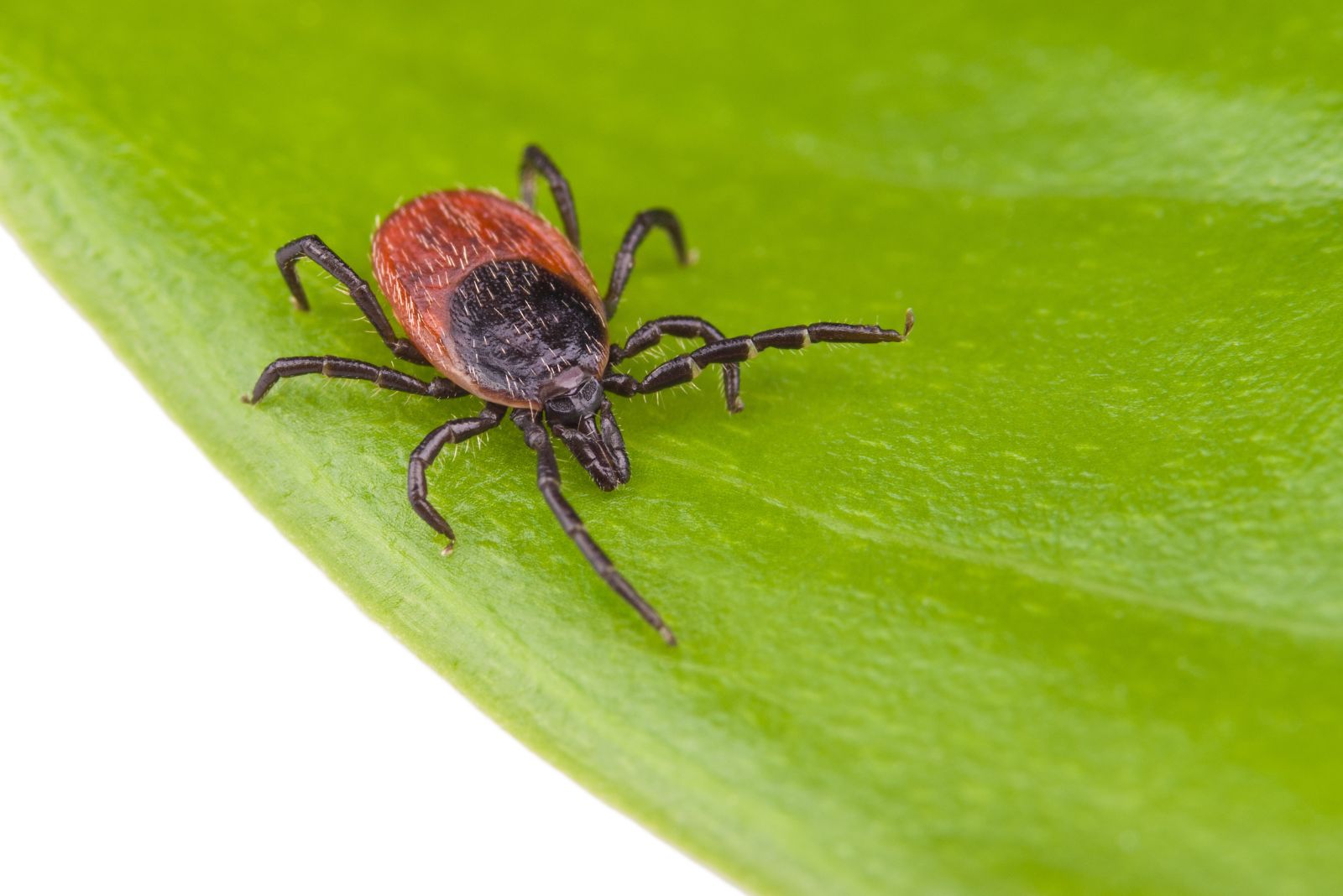
Not all ticks carry the same level of risk, and not all of them transmit disease at the same speed.
Most people know ticks are a concern in Pennsylvania, but fewer understand that one particular species in the state operates on a timeline that significantly reduces the window for safe removal and makes early detection considerably more critical than it is with other tick species.
This tick transmits disease faster than others. And that difference matters enormously. With most ticks, prompt removal within a reasonable window after attachment significantly reduces the risk of disease transmission.
With this species, that window is shorter, the diseases it carries are serious, and the consequences of a missed or delayed removal can be lasting.
Pennsylvania gardeners who spend time in their yards, handle mulch, work near wooded edges, or simply walk through grass are in the exposure zone regularly without always realizing it.
Understanding which tick this is, how to identify it, and what to do immediately if you find one attached is information every Pennsylvania gardener should have going into the rest of the season.
Meet The Blacklegged Tick
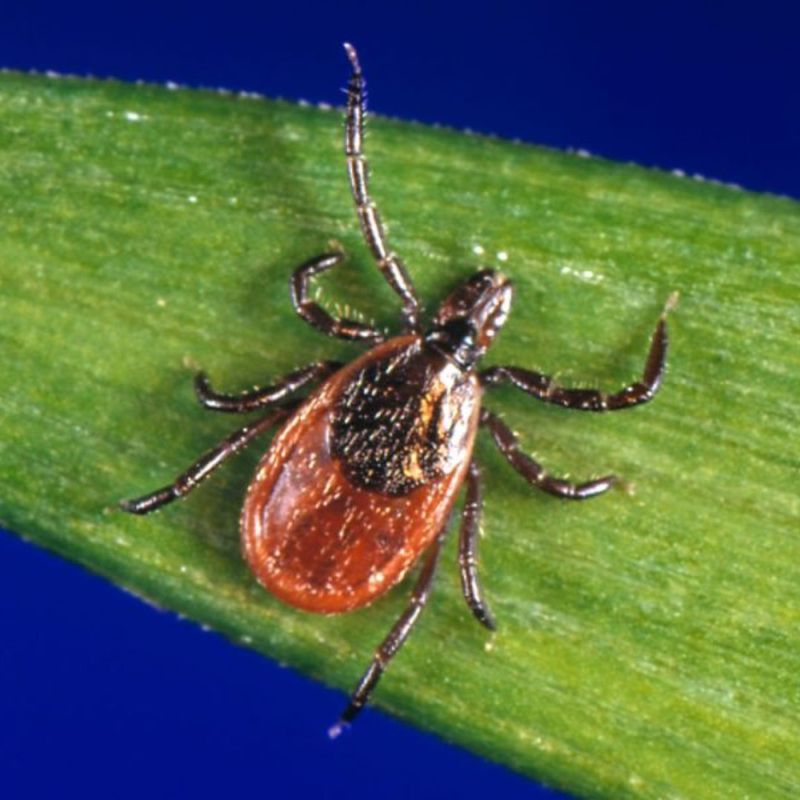
If you have ever pulled a tiny dark tick off your skin after working in the garden, there is a good chance you met the blacklegged tick, also known as the deer tick. Its scientific name is Ixodes scapularis, and it is one of the most commonly identified ticks in Pennsylvania.
In fact, it accounts for more than 90 percent of tick identification requests submitted to Penn State, which tells you just how widespread it really is.
Blacklegged ticks get their name from their distinctive dark legs, which stand out against their reddish-brown or orange body. Adult females are slightly larger and easier to spot.
But the nymph stage, which is the most dangerous life stage in terms of disease transmission, is only about the size of a poppy seed. That is incredibly small, and easy to overlook during a quick visual check.
These ticks prefer shady, humid environments with leaf litter, tall grass, and dense vegetation. Wooded edges, garden borders, and brushy areas around your yard are their favorite hiding spots.
They do not jump or fly. Instead, they wait on the tips of grasses or low shrubs in a behavior called questing, holding their front legs out to grab onto a passing host.
Knowing where they live and how they behave is the first step toward protecting yourself. Pennsylvania gardeners are more likely to encounter this tick than any other species, so getting familiar with it is genuinely worth your time.
The Disease Most People Know: Lyme Disease
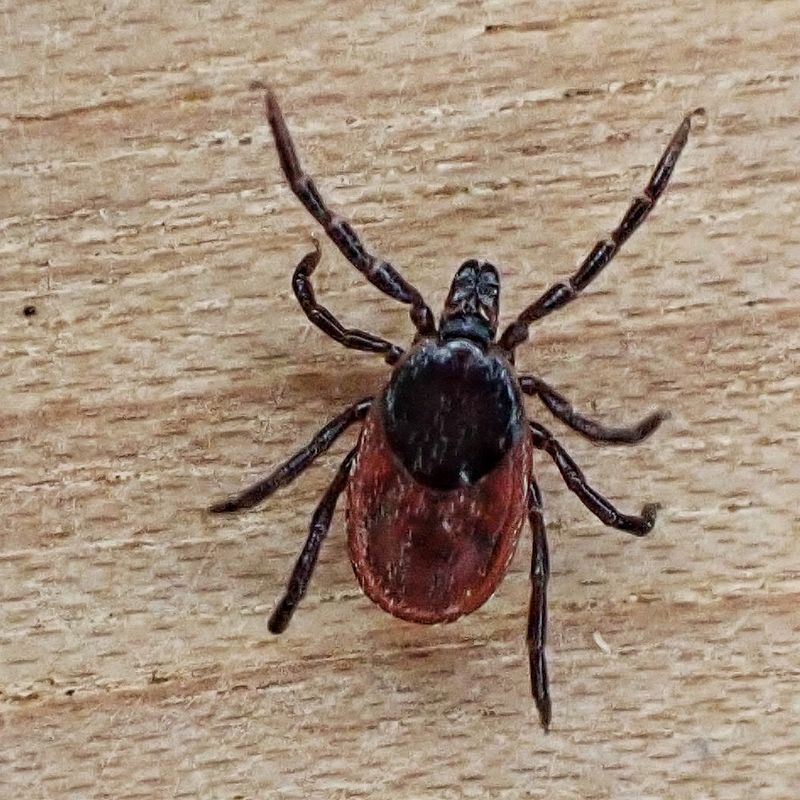
Lyme disease is probably the first thing that comes to mind when most people hear the words “deer tick.”
That reputation is well-earned. Blacklegged ticks are the primary carriers of Borrelia burgdorferi, the bacteria responsible for causing Lyme disease in the United States.
Pennsylvania consistently ranks among the top states for Lyme disease cases each year, making this a very real concern for anyone spending time outdoors here.
Your Pennsylvania Garden Changes Every Week. Your Plan Should Too.
Gardening in Pennsylvania changes quickly throughout the season. Every Friday you’ll receive a simple weekly plan showing exactly what to plant, prune, fertilize, harvest, and protect so you never miss the right timing.
Depending on where in Pennsylvania you are, anywhere from 20 to 40 percent of blacklegged ticks test positive for this bacteria. That is a significant number.
The good news is that the bacteria lives in the tick’s midgut, which means the tick generally needs to be attached and feeding for at least 24 hours before it can migrate into your bloodstream. Removing a tick quickly and correctly really does lower your risk.
Common early symptoms of Lyme disease include fatigue, fever, headache, muscle aches, and the well-known bull’s-eye rash called erythema migrans, which appears in about 70 to 80 percent of infected people.
Not everyone develops the rash, though, so other symptoms should not be ignored. When caught early, Lyme disease is treatable with antibiotics. Left untreated, it can affect the joints, heart, and nervous system over time.
Gardeners should make a habit of doing full-body tick checks after every outdoor session, especially during warmer months when ticks are most active.
Knowing that you have a window of time to remove a Lyme-carrying tick is reassuring, but that reassurance does not apply equally to every pathogen this tick can carry.
The Pathogen That Transmits Far Faster: Powassan Virus
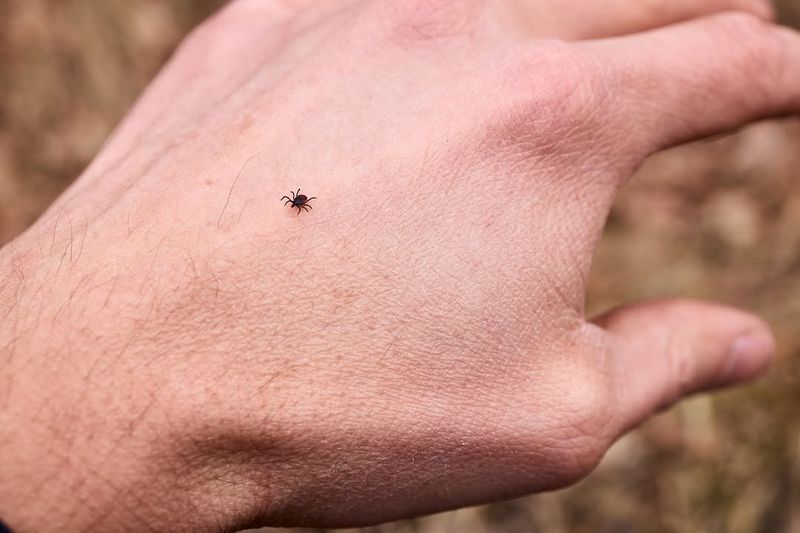
Here is something most gardeners have never heard of, and it is worth paying attention to. Powassan virus is a rare but serious illness that blacklegged ticks can carry, and unlike Lyme disease, it does not need hours of tick attachment to spread.
The virus can be transmitted in as little as 15 minutes after a tick attaches to your skin. That changes the whole conversation about tick safety.
The reason Powassan moves so quickly comes down to biology. Lyme disease bacteria are stored in the tick’s midgut, and they need time to travel through the tick’s body and into yours during feeding.
Powassan virus, on the other hand, lives in the tick’s salivary glands and mouthparts. The moment the tick begins to feed, the virus can enter your bloodstream almost immediately.
There is no comfortable window of time to catch and remove the tick before exposure becomes possible.
Cases of Powassan are still relatively rare across the United States, with only a few dozen confirmed cases reported each year.
However, cases have been increasing in the northeastern United States, and Pennsylvania falls squarely in the region where infected ticks have been found.
Because the virus is so new to public awareness, many people have never thought to ask their doctor about it after a tick bite. Health experts believe some cases may go undiagnosed or misidentified.
The important takeaway is that the speed of Powassan transmission means that even a brief tick attachment is not necessarily a safe one, which is a fact that every outdoor enthusiast and gardener in Pennsylvania should keep in mind.
Why This Speed Matters More Than People Think
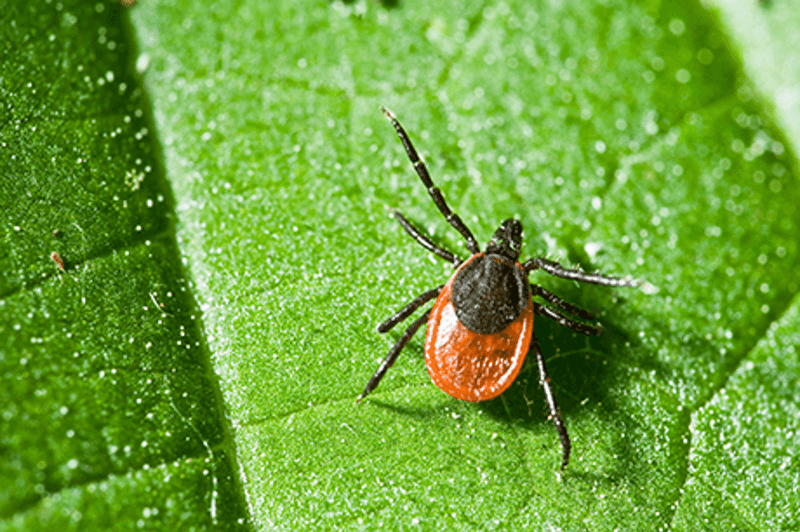
For years, public health messaging around ticks has leaned heavily on one reassuring idea: check yourself after being outside, and if you find a tick within 24 hours, you are probably fine. That advice is reasonable when it comes to Lyme disease.
But Powassan virus rewrites that rule in a significant way, and not enough people know about it yet.
Powassan can cause encephalitis, which is inflammation of the brain, and meningitis, which is inflammation of the membranes surrounding the brain and spinal cord. These are serious conditions.
About 10 percent of people who develop severe neurological symptoms from Powassan do not survive, and roughly half of survivors experience long-term neurological problems including memory loss, recurring headaches, and muscle weakness.
There is currently no specific antiviral treatment for Powassan infection. Medical care focuses on managing symptoms and supporting the body through recovery.
The speed of Powassan transmission means that the usual reassurance around tick removal timing simply does not apply here.
A tick you barely noticed, one that attached while you were pulling weeds for just a short stretch of time, could potentially transmit this virus before you even realize it was there.
That is not meant to cause panic. Most tick bites do not result in illness, and Powassan remains uncommon.
But awareness matters. Understanding that different pathogens carried by the same tick species behave very differently helps you make smarter decisions about prevention rather than relying entirely on after-the-fact tick removal.
Prevention before attachment is the real goal, and that starts with what you do before you step outside.
Why Gardeners Are Especially At Risk

Many people picture tick encounters happening on long hikes through remote wilderness, but the reality is much closer to home. Studies show that over 50 percent of tick exposures happen in a person’s own backyard.
Gardening, mowing, raking leaves, and working along wooded edges are all activities that regularly bring people into close contact with tick habitat. You do not need to venture far from your back door for this to become a concern.
Gardeners face a particular challenge because the work itself involves close contact with exactly the environments ticks prefer.
Reaching into garden beds, kneeling near mulch and leaf litter, brushing against low-hanging branches, and working along fence lines all put you in prime tick territory.
Nymph-stage blacklegged ticks, which are the most active disease-transmitting stage during late spring and early summer, are only about the size of a poppy seed. They are easy to miss on clothing, skin, and even during a casual visual check.
Nymphs are also the stage most likely to transmit Lyme disease and Powassan virus to humans, partly because they are so hard to detect and partly because they are active during the same warm-weather months when people spend the most time outdoors.
Adult ticks are larger and easier to spot, but nymphs often go unnoticed until they have been attached for a while.
Gardeners who spend regular time outdoors during spring and summer are exposed more frequently than the average person simply because of how often they interact with tick-friendly environments.
Recognizing that your own backyard is a legitimate risk zone is genuinely important for staying safe throughout the growing season.
Practical Precautions For The Garden
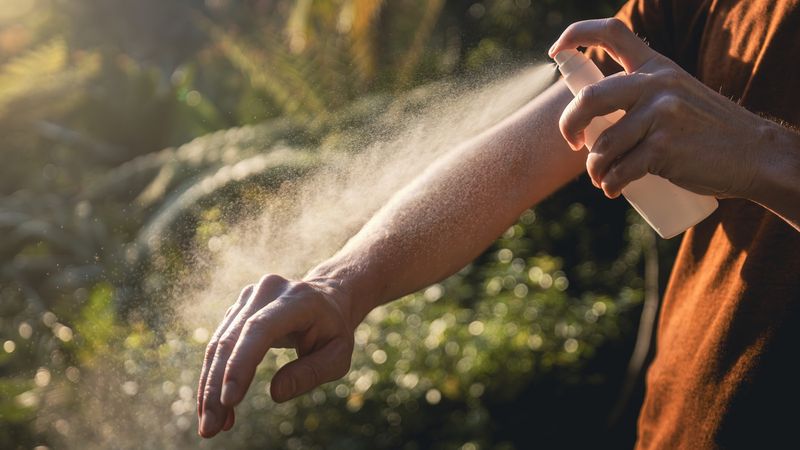
Protecting yourself from ticks does not require giving up gardening. A few consistent habits can dramatically lower your chances of a tick attaching long enough to transmit anything harmful.
Start with your clothing. Wearing long sleeves and long pants while gardening creates a physical barrier between ticks and your skin.
Tucking your pants into your socks might not be a fashion statement, but it works surprisingly well at keeping ticks on the outside of your clothing where you can see them.
EPA-registered tick repellents are another strong line of defense. Products containing DEET, picaridin, or IR3535 can be applied directly to exposed skin and are proven effective.
Permethrin-based repellents work differently. They are applied to clothing and gear rather than skin, and they remain effective through multiple washes.
Using both types together gives you layered protection that covers more scenarios. Always follow the label instructions, especially when applying repellents to children.
After every gardening session, make a habit of showering within two hours of coming inside. Showering helps wash off unattached ticks and gives you a chance to do a thorough body check.
Ticks like to hide in warm, hidden spots including behind the knees, in the armpits, around the waistband, in the hair, and behind the ears. A full-body tick check takes about 10 minutes and is one of the most effective things you can do.
Check your pets too, since they can carry ticks inside without you realizing it. Keeping garden borders tidy, removing leaf litter, and creating a dry wood chip or gravel barrier between lawn and wooded areas also reduces the number of ticks that migrate into your yard in the first place.