What Clusia Needs In May Before Florida Summer Heat And Rain Hit
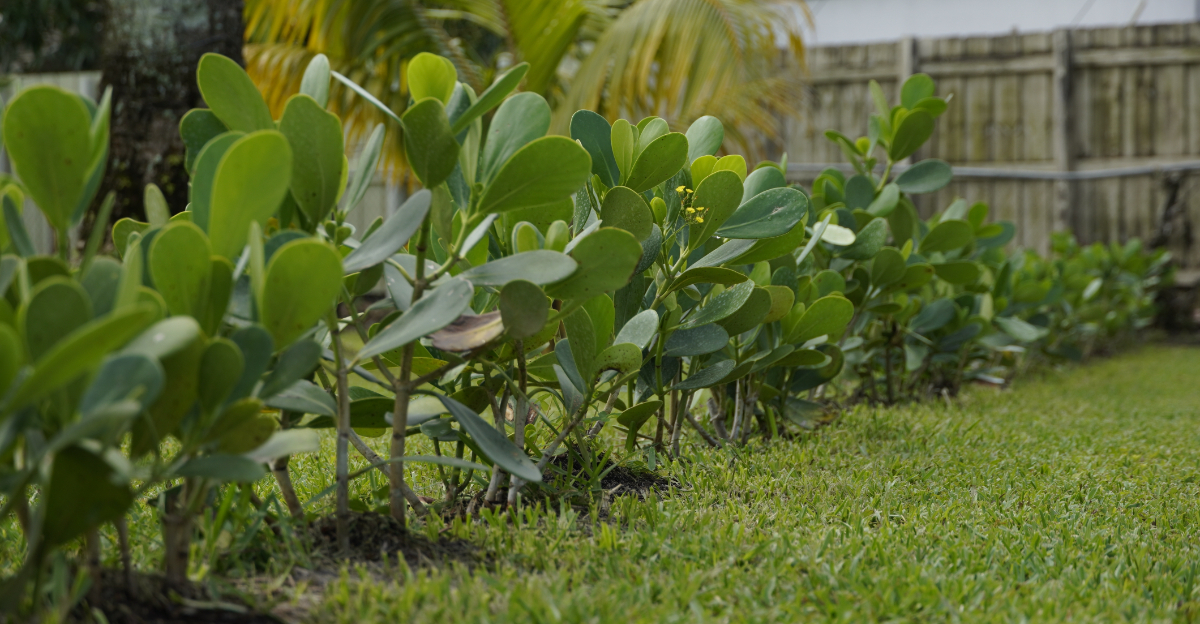
May has a short window that most Florida gardeners underestimate. The brutal heat hasn’t fully locked in yet, the daily afternoon storms haven’t found their rhythm, and the ground is still workable without feeling like you’re gardening inside a sauna.
For clusia, that window is everything. This is a plant that earns its reputation as one of Florida’s toughest landscape shrubs, but even tough plants have a sweet spot when it comes to setting them up for a long, punishing summer.
What you do for clusia right now, in these few weeks before the season shifts, pays dividends straight through October. Skip this window and the plant will likely survive anyway because clusia is stubborn like that.
But survival and thriving are two very different things, and Florida summers have a way of exposing every gap you left in your spring routine. Get ahead of the season and clusia rewards you like clockwork.
1. Check Clusia Roots Before Rainy Season
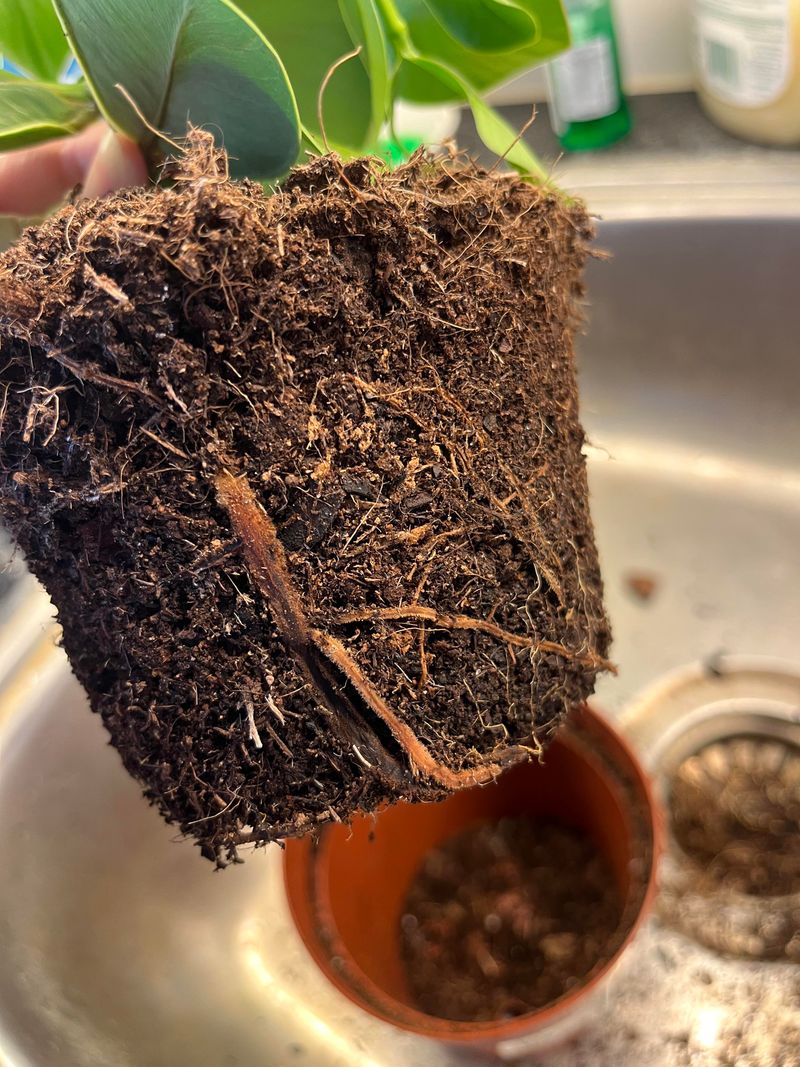
Root health is where everything starts, and May is the right time to take a close look before the ground stays consistently wet for months. Clusia planted too deeply can struggle to breathe, especially once heavy summer rain saturates the soil repeatedly.
Pull back any mulch near the base and check whether the root flare is visible at or just above the soil surface, because buried crowns are a common setup for long-term trouble.
Look for girdling roots on plants that spent time in containers before going into the ground. These circling roots can restrict the trunk over time and are much easier to address before a shrub is fully established.
Also check the surrounding soil for poor drainage by pressing your foot into the ground after a rain and seeing whether water pools or the soil feels spongy for more than a day.
In South Florida, frequent summer downpours make good drainage non-negotiable for in-ground Clusia.
Central Florida sites often alternate between dry sandy stretches and sudden heavy storms, so compaction and low spots deserve attention before rainy season begins.
North Florida gardeners should think carefully before investing heavily in an in-ground Clusia hedge, since winter cold can set plants back significantly, making root establishment even more unpredictable over time.
2. Water Deeply Before Heat Peaks
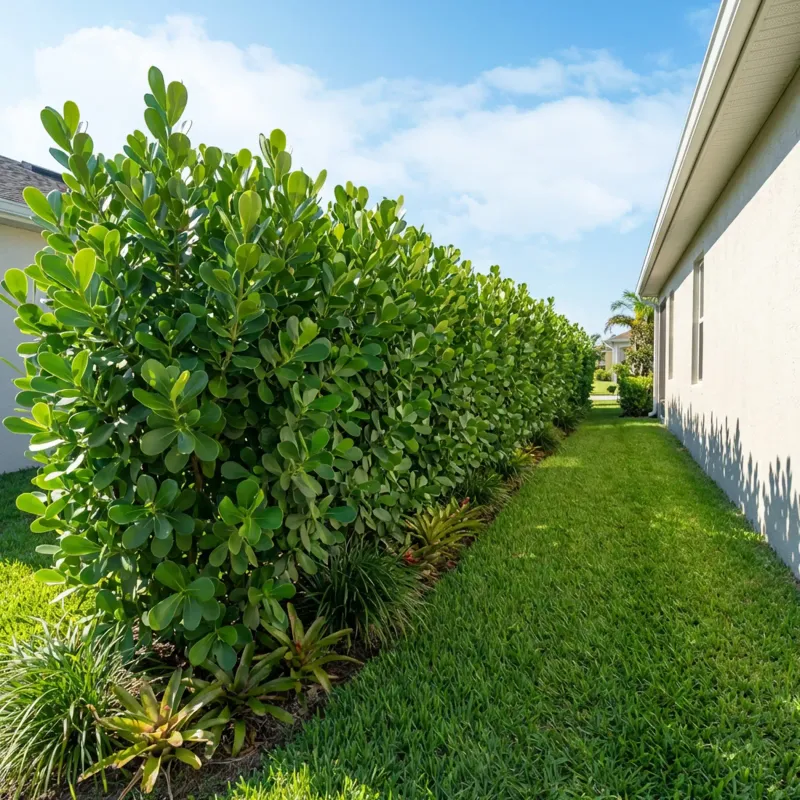
Established Clusia is reasonably tough once roots are settled in, but shrubs planted in the last year or two need consistent deep watering right now before the hottest stretch of the year arrives.
Shallow daily watering is one of the most common mistakes Florida gardeners make with new hedges.
It encourages roots to stay near the surface where they are most vulnerable to heat and drought between storms.
Deep, slow watering that soaks down several inches and then allows the soil to partially dry out is a much better approach. This cycle pushes roots downward in search of moisture, which builds a stronger, more resilient root system over time.
Aim to water new plantings two to three times per week depending on soil type and recent rainfall, and always check the soil before adding more water rather than watering on a fixed schedule.
Your Florida Garden Changes Every Week. Your Plan Should Too.
Gardening in Florida changes quickly throughout the season. Every Friday you’ll receive a simple weekly plan showing exactly what to plant, prune, fertilize, harvest, and protect so you never miss the right timing.
South Florida may already be shifting into wetter patterns by late May, so adjust irrigation accordingly and avoid overwatering once rain becomes regular.
Central Florida’s sandy soils can dry out surprisingly fast between storms, so monitoring moisture is especially important there.
Any Clusia growing in containers or protected North Florida sites needs careful attention because pots heat unevenly, dry faster than ground soil, and can swing between too wet and too dry within the same week.
3. Refresh Mulch Without Burying Stems
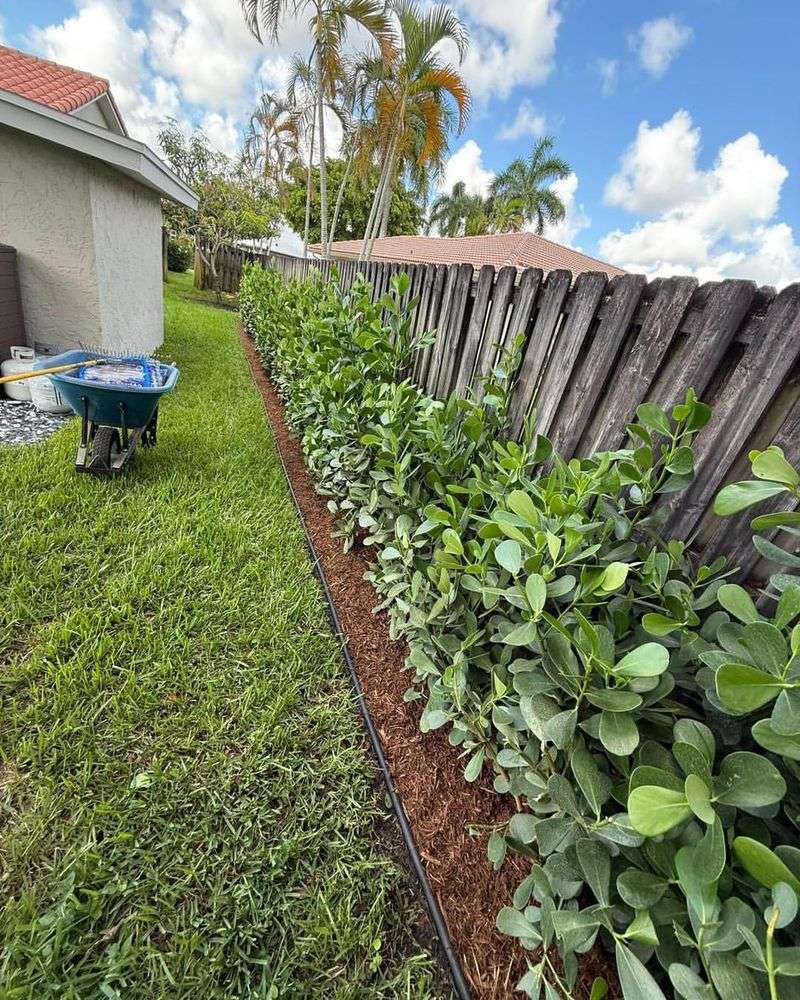
Fresh mulch applied in May does a lot of quiet work before summer arrives.
It helps moderate soil temperature, slows moisture loss between rain events, and reduces weed competition that would otherwise compete with Clusia roots during the fastest-growing months of the year.
A two-to-three-inch layer of organic mulch like eucalyptus or pine bark is usually enough to get the job done without creating new problems.
The most important thing to get right is placement. Mulch piled up against stems or trunks traps moisture against the bark and creates a welcoming environment for fungal issues and rot over time.
Pull mulch back a few inches from the base of each plant so the stem has room to breathe, and resist the urge to pile it into a volcano shape, which is a common but counterproductive habit seen in Florida landscapes.
In Central Florida, mulch is especially valuable because sandy soils shed moisture quickly, and a good layer helps bridge the gap between rainfall events.
South Florida gardeners should pay close attention to keeping the trunk zone dry during rainy season when the ground can stay wet for days at a time.
For North Florida container or protected-site plantings, avoid keeping the crown area constantly damp, particularly heading into cooler periods when Clusia is more cold-sensitive and less forgiving of wet conditions.
4. Prune South Florida Hedges Before Summer Growth
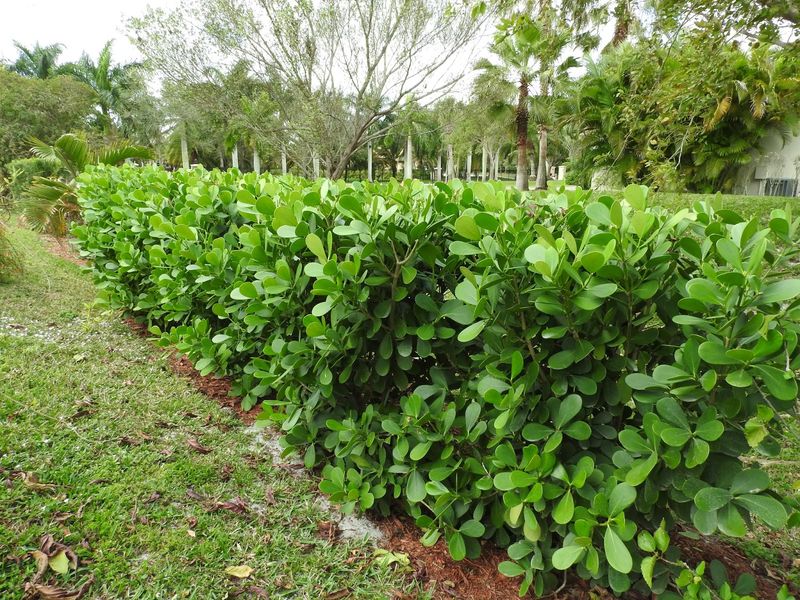
South Florida Clusia hedges can put on a surprising amount of new foliage once summer warmth and rain fully kick in, and a light shaping now helps keep that growth manageable and well-directed.
May is a practical window to remove awkward shoots, lightly reduce height where the hedge has gotten uneven, and clean up any crossing branches before the plant is pushing hard.
The goal is a tidy framework, not a dramatic reduction.
Avoid removing more than about one-third of the foliage at once, especially heading into intense heat. Heavy pruning right before a stressful stretch leaves stems exposed to direct sun and removes the leaf cover the plant depends on to manage its own temperature.
Light shaping is almost always the right call in May for healthy, established hedges in South Florida.
Central Florida gardeners need to be more cautious, especially if plants showed any cold-related leaf damage or dieback over winter. Pruning too aggressively before a plant has fully recovered can set it back further rather than helping it bounce forward.
In North Florida, Clusia should generally be treated as a protected ornamental or kept in containers rather than counted on as a permanent outdoor screen.
Hard pruning a cold-stressed Clusia in North Florida just before summer is one of the fastest ways to push it past its limits.
5. Feed Only If Growth Looks Weak
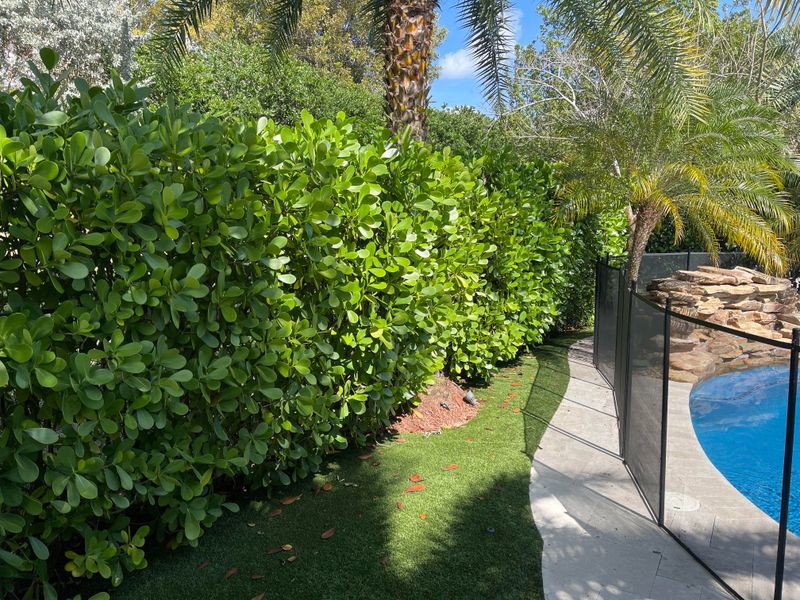
Clusia that is already healthy, green, and actively pushing new leaves does not need a heavy dose of fertilizer in May.
Throwing extra nitrogen at a plant that is already doing well can actually cause more problems than it solves, because fast, soft new growth is more attractive to pests and more vulnerable to storm damage once summer weather arrives.
Restraint is the smart move when plants look good.
The time to consider feeding is when foliage looks pale, sparse, or noticeably off-color for a reason you can confirm. A soil test through your local UF/IFAS extension office can tell you exactly what the soil is missing rather than guessing.
If fertilizer is needed, a slow-release landscape blend formulated for Florida conditions is a better option than quick-release products that push a sudden flush of growth and then fade fast.
Sandy soils in Central and South Florida can leach nutrients quickly, especially once heavy summer rains start moving through the soil regularly. That makes timing matter.
Applying fertilizer just before a week of heavy rain means much of it may wash away before roots can use it.
For container-grown or cold-stressed Clusia in North Florida or protected sites, avoid pushing with fertilizer until the plant is clearly stable and putting out healthy new leaves on its own schedule.
6. Watch For Scale In Warm Humid Regions
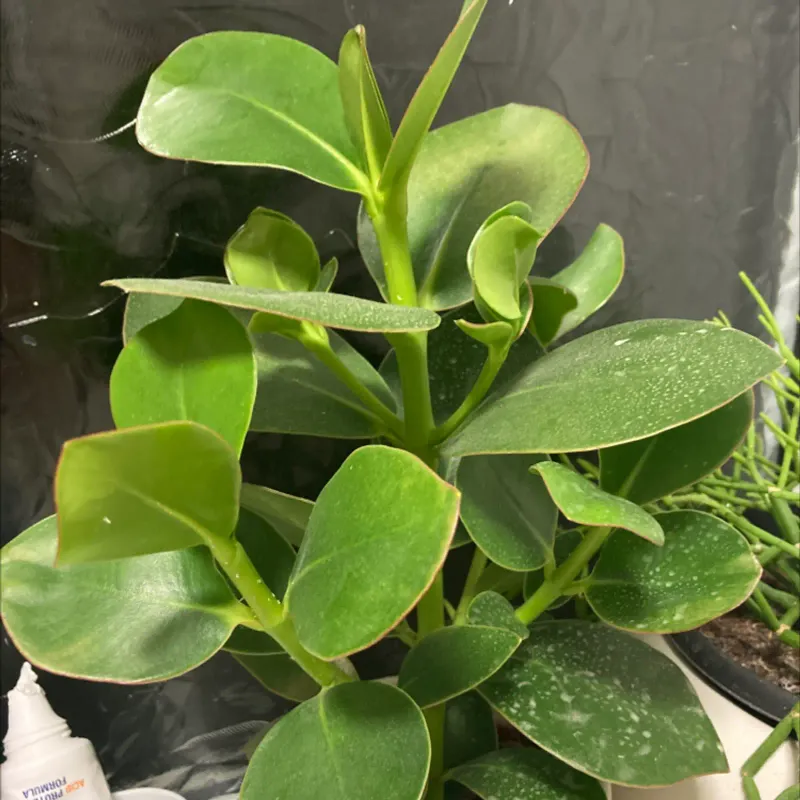
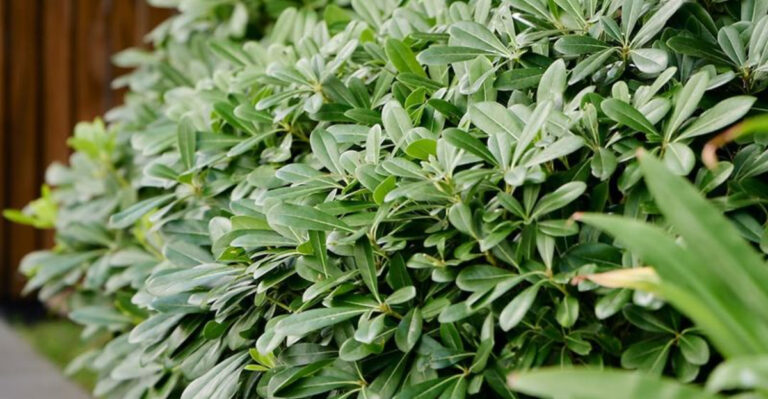
Thick, glossy Clusia leaves can hide pest problems longer than you might expect, and warm humid stretches make certain insects much more active.
Scale insects are one of the most common issues on Clusia in South Florida, and they often go unnoticed until sooty mold, sticky honeydew residue, or ants trailing up the stems give them away.
Checking now, before summer humidity really sets in, gives you a head start.
Flip leaves over and run your fingers along stems to feel for small bumps, crusty patches, or waxy coatings that should not be there. New growth is often where pests establish first, so check soft shoot tips carefully.
If you spot ants moving in organized lines up and down the stems, that is a reliable signal that something is producing honeydew underneath, and scale is a likely culprit worth investigating further.
Identify the specific pest before reaching for any spray. UF/IFAS and your county extension office have reliable identification resources and treatment recommendations that are matched to Florida conditions and local plant safety guidelines.
Random home sprays can harm beneficial insects and sometimes make the situation worse. Pest pressure tends to be heavier and more persistent in South Florida’s long warm season.
Central Florida plantings should be checked during humid stretches, and container plants in protected sites can also harbor insects that spread quickly in close quarters.
7. Give Coastal Clusia Room For Airflow
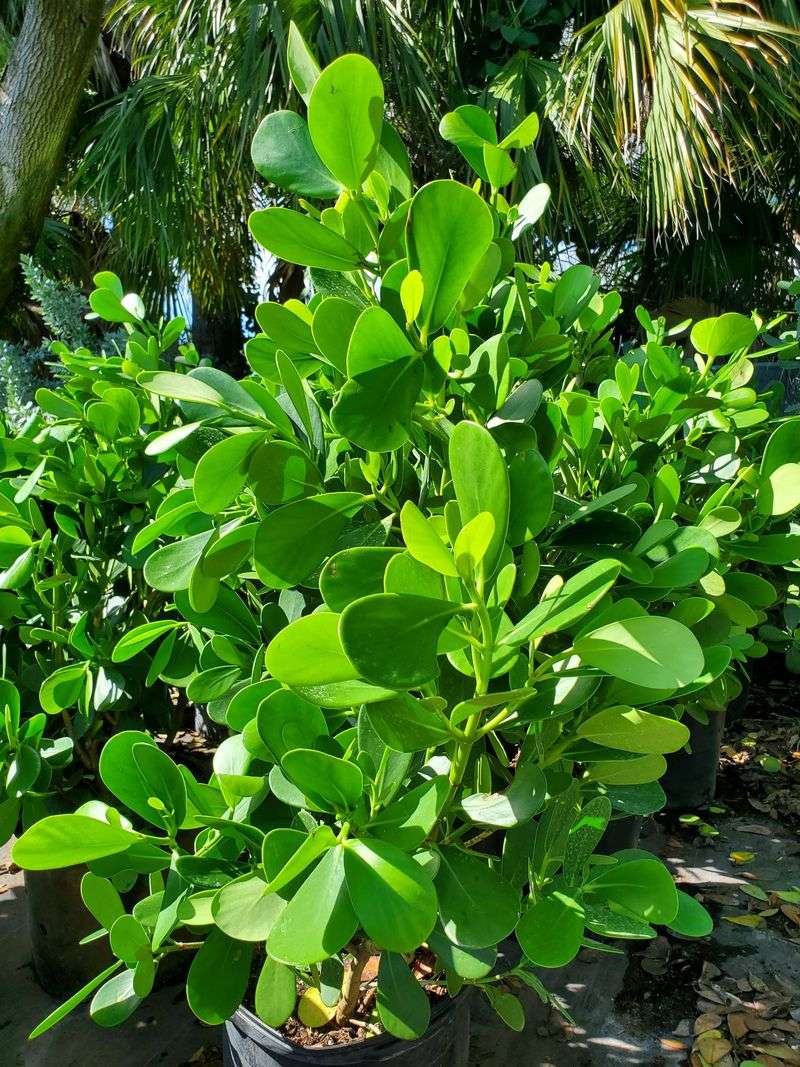
Clusia earned its reputation along South Florida’s coastlines for good reason.
It handles salt spray, wind, and reflected heat from concrete and pavers better than many other tropical-looking shrubs, which makes it a practical choice for beachside properties, coastal roads, and exposed lots.
But even tough plants need proper spacing to stay healthy long-term, and tight hedges with no airflow between plants create the kind of humid, stagnant conditions that invite fungal problems and pest buildup.
When planting new Clusia along a coastal site, give each plant enough room so that air can move through the canopy even once the hedge fills in. Spacing plants three to four feet apart at minimum allows for a solid screen while still maintaining airflow.
For existing hedges that have grown dense, a light selective thinning of interior branches can open things up without changing the outward appearance much.
Avoid planting Clusia directly against walls, wooden fences, or AC condenser units, where heat and moisture can concentrate and create stress points.
South Florida coastal gardeners benefit most from Clusia’s salt tolerance, but that advantage only holds when the plant is healthy and well-positioned.
Central Florida inland sites should focus more on heat and occasional cold pockets when choosing placement.
North Florida should not rely on Clusia as a dependable long-term outdoor screen given the unpredictable cold exposure that comes with winter seasons there.
8. Protect New Clusia In Central Florida Heat
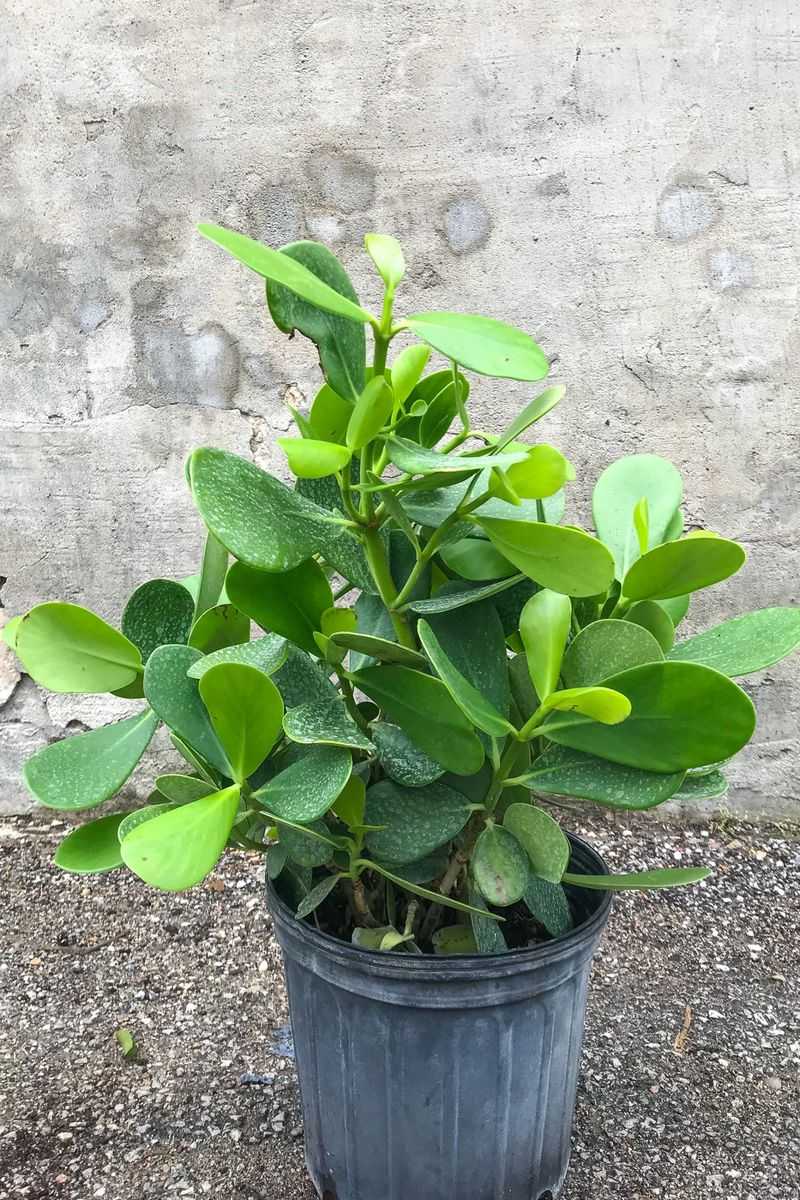
Young Clusia planted in Central Florida faces a tougher path than the same plant put in the ground in Miami or Fort Lauderdale.
Inland sites deal with more extreme temperature swings, hotter reflected heat from pavement and buildings, and less predictable rainfall patterns.
A shrub that went in the ground this spring has not yet built the root depth needed to handle intense midsummer sun and sudden dry stretches on its own.
Temporary shade cloth supported by simple stakes can reduce heat stress on new plantings during the hottest part of the day, particularly in exposed locations with full western sun.
Even a thirty to forty percent shade cloth for the first summer can make a real difference in how well a young plant establishes.
Check soil moisture every few days rather than relying on rain alone, because Central Florida storms can be highly localized and your yard may go several days without meaningful rainfall even during rainy season.
Avoid over-pruning new Central Florida plantings before they are fully settled. Every leaf removed is less energy the plant can use to push new roots.
If plants showed cold damage last winter, give them time to recover fully before expecting rapid summer growth. South Florida Clusia is generally more rain-adapted and settled by May, but Central Florida gardeners need patience.
North Florida should lean toward containers, sheltered microclimates, or alternative shrubs that handle cold winters more reliably than Clusia typically does.