What Every Homeowner In Illinois Should Check Before Planting Near A Shared Property Line
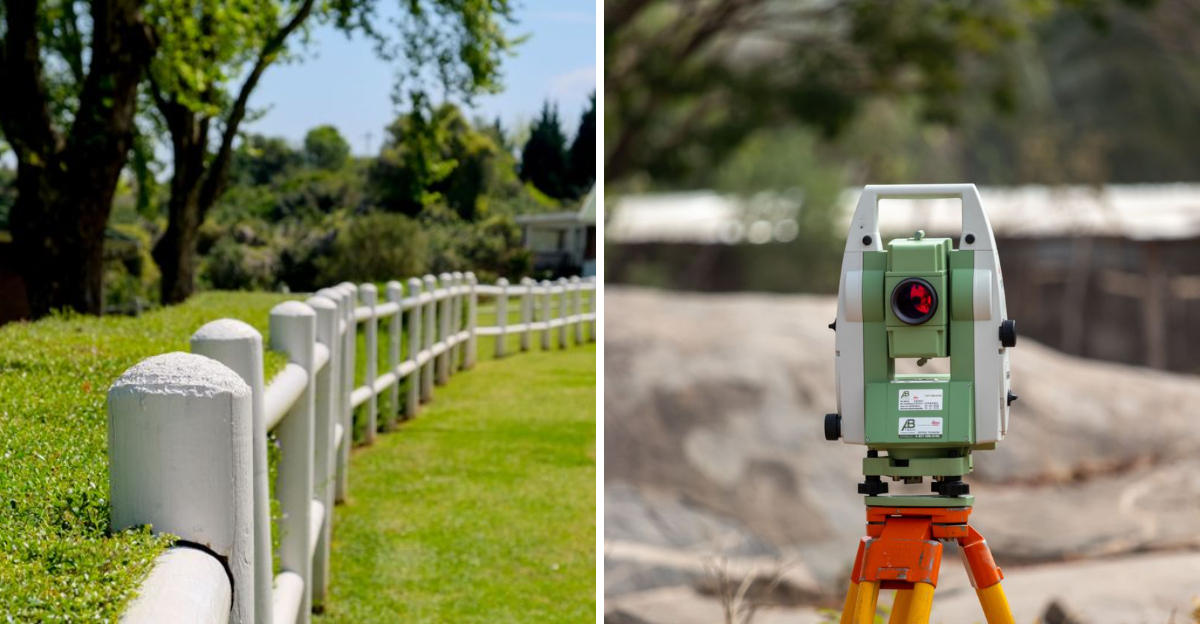
That sapling near the fence line could shift your plans faster than you think. Fence lines look simple until you measure carefully. Illinois law treats boundary trees quite differently than most property owners expect.
Roots don’t respect your carefully drawn property survey. Branches crossing a neighbor’s space can trigger concerns. Overhanging limbs give your neighbor legal standing.
Courts across the state have handled numerous cases involving trees planted near shared lines. Money matters once lawyers enter the conversation. Property values can shift when trees quietly affect someone else’s land.
Neighbors remember when you overlook clear warning signs. Permits and easements complicate what seemed simple. Utility crews can remove what you carefully spent years growing.
Nobody warns you before a single shovel changes a relationship forever. Every decision near that line carries real weight.
Waiting costs nothing, but planting wrong quietly changes everything you own. You need to know the rules before you dig.
1. Illinois Law Sets Specific Boundary Planting Distances
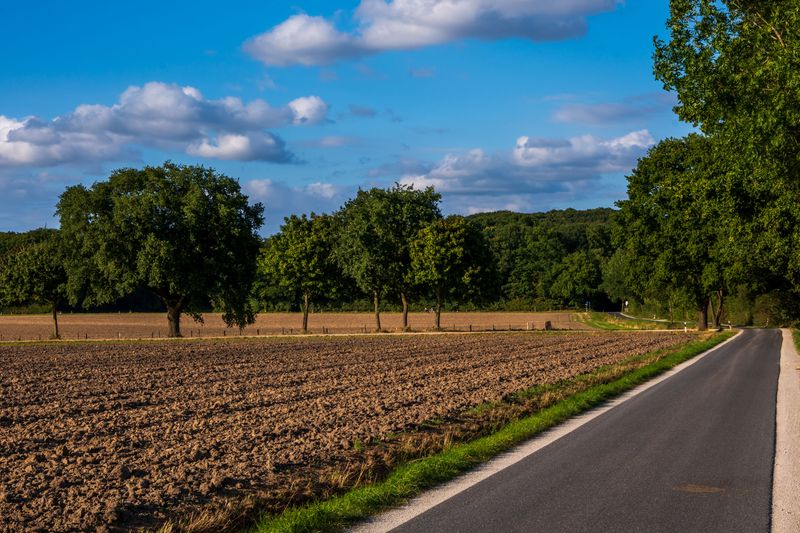
Surprise: Illinois actually has specific rules about how close you can plant to a shared property line. Many homeowners skip this step entirely and end up regretting it fast once a neighbor complains.
Local ordinances in Illinois generally require plants to sit a set distance from boundary lines before you break ground.
The exact measurement depends on what you are planting, where your property sits, and which municipality governs your land.
Trees, shrubs, and hedges each carry different distance requirements under local ordinances. A flowering shrub and a towering oak are not treated the same under the law, even though homeowners often assume otherwise.
Planting near a shared property line without knowing these distances carries real risk. Your neighbor could legally demand removal, and Illinois courts have sided with them before in documented disputes.
The Illinois Compiled Statutes touch on property encroachments in general terms, though most specific planting rules come from local codes that residents rarely check.
Reading even a short summary saves you from expensive surprises later, especially once a tree matures.
Your local cooperative extension office often has free guides covering this exact topic. They break down state rules in plain language any property owner can follow without hiring an attorney.
Municipal codes can add another layer of restrictions beyond what state law already requires. Checking both levels ensures nothing catches you off guard once roots or branches start spreading.
Checking these distances before you plant costs almost nothing. Ignoring them could cost you thousands in legal fees, removal costs, and strained relationships with the people living next door.
2. Trees Near Lines Can Trigger Legal Disputes
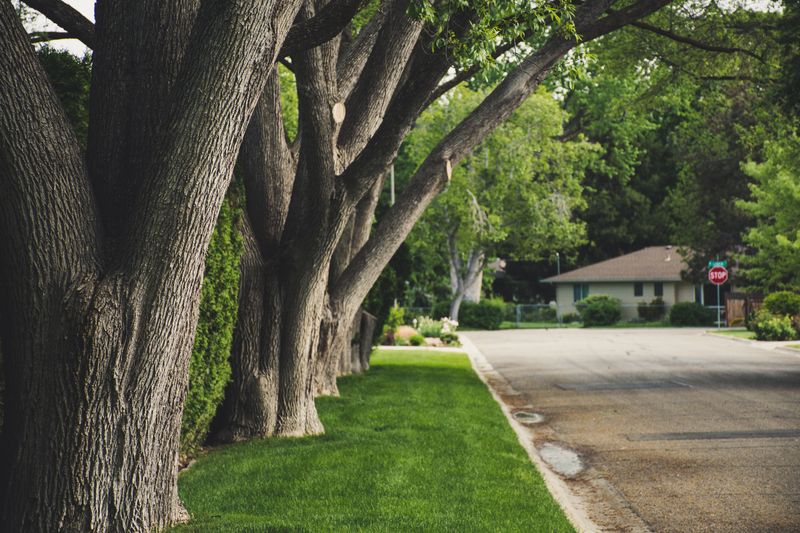
A beautiful oak tree can become a serious problem when it sits too close to a boundary. Neighbor tensions over trees rank among the top causes of property disputes across Illinois.
Courts across the state have handled hundreds of cases involving trees planted near shared lines. The rulings are not always predictable, and legal fees add up quickly.
Even a tree planted with good intentions can cause friction years down the road. As it grows, it changes everything around it, including your relationship with neighbors.
Your Illinois Garden Changes Every Week. Your Plan Should Too.
Gardening in Illinois changes quickly throughout the season. Every Friday you’ll receive a simple weekly plan showing exactly what to plant, prune, fertilize, harvest, and protect so you never miss the right timing.
Illinois case law recognizes that trees straddling a property line are jointly owned. That means neither party can remove or alter the tree without agreement.
If a tree you planted causes damage to a neighbor’s structure, you may be liable. Fences, driveways, and foundations are all vulnerable to tree-related damage over time.
Before planting any tree near a shared boundary, document your intended location carefully. Photos, measurements, and written records protect you if a dispute arises later.
Choosing a smaller, slow-growing species also reduces long-term risk. The right tree in the right spot keeps peace and avoids courtrooms entirely.
Root systems matter just as much as branches once disputes surface. Aggressive roots can crack pavement, invade pipes, or weaken a neighbor’s foundation.
Talking with your neighbor before planting often prevents problems no lawyer can fix afterward.
Distance alone does not guarantee safety, since soil conditions and species growth patterns also play a significant role. Local arborists can offer guidance suited to you.
3. Roots Spreading Onto Neighbors’ Land Cause Conflicts
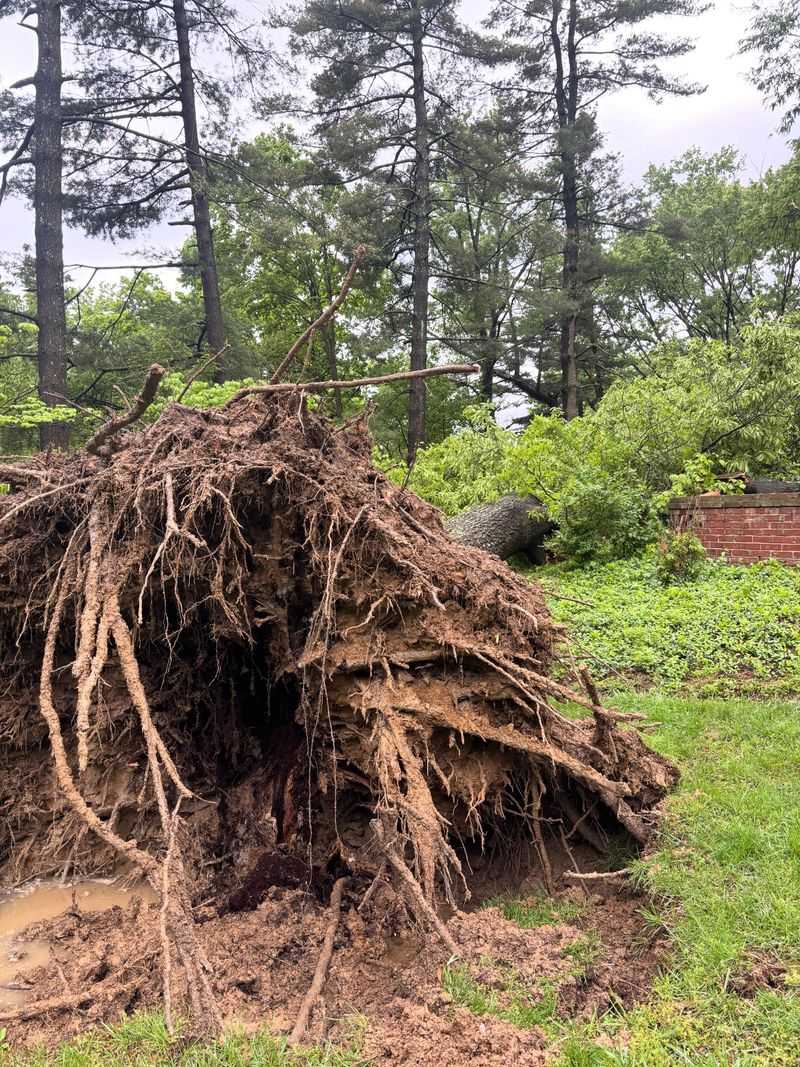
Roots do not care about property lines. They go where the water and nutrients are, and that often means crossing into your neighbor’s yard without permission.
In Illinois, spreading roots can damage underground pipes, crack driveways, and destroy garden beds on adjacent land. That damage can lead to heated arguments and formal complaints.
The legal question of who is responsible for root damage is genuinely complicated. Courts have ruled both ways depending on the specific facts of each case.
Rulings on root damage responsibility vary by case. Some courts hold the tree owner liable, while others place the burden on the affected neighbor to handle removal at their own expense.
Planting near a shared property line with aggressive root species is a known risk. Willows, silver maples, and poplars are known for wide-spreading root systems.
Choosing a tree with a compact root system dramatically reduces the chance of conflict. Ask your local nursery specifically about root behavior before making a purchase.
Root barriers are another practical option worth exploring before you plant. These underground panels redirect growth away from neighboring land and buried utilities.
Taking that extra step now prevents a very awkward conversation later. Roots are patient, and so are the problems they create over time.
4. Overhanging Branches May Become The Neighbor’s Right
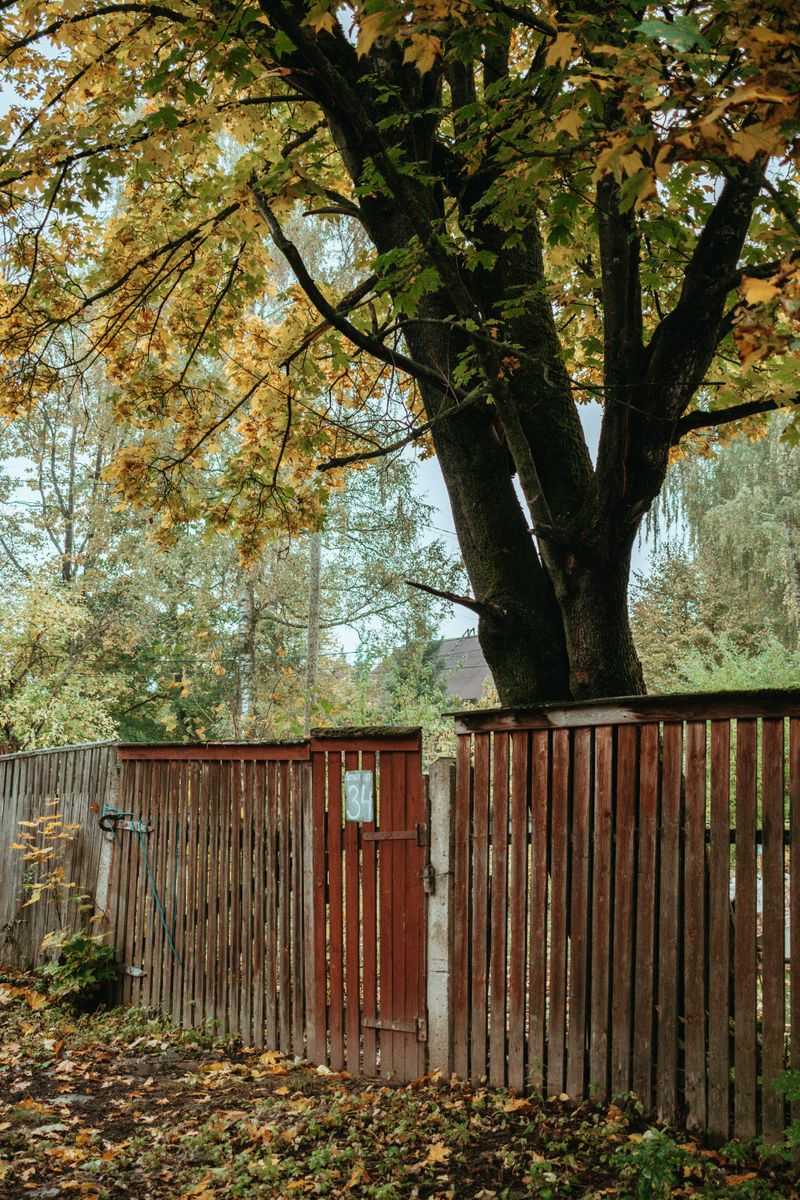
Once your branches cross the property line, your neighbor gains certain rights over them. That fact surprises most homeowners when they first hear it.
Under Illinois law, a neighbor can trim branches that hang over their land up to the property line. They do not need your permission to do this trimming.
What they cannot do is cut branches on your side of the line without your consent. The boundary is the limit of their trimming rights.
The problem is that aggressive trimming can damage or even destroy a tree. If a neighbor cuts too deeply, the structural integrity of the tree weakens.
Overhanging branches that drop fruit, leaves, or debris into a neighbor’s yard can also cause friction. Some neighbors view constant cleanup as an unreasonable burden on their time.
Before planting a tree near a shared property line, think about its canopy spread at maturity. A tree that looks small today can develop a canopy spanning several dozen feet within a couple of decades, depending on species.
Talking to your neighbor before you plant is always the smarter move. A quick conversation now prevents a prolonged disagreement later.
Choosing trees with naturally upright growth habits keeps branches on your side. That simple choice protects the tree and the relationship next door.
5. Fences And Hedges Often Need Mutual Agreement

A hedge might seem like a harmless green wall, but planting one along a shared boundary is more complicated than it looks. In many Illinois communities, fences and hedges require neighbor agreement before installation.
The Illinois Fence Act outlines responsibilities for boundary fences between agricultural properties. For residential areas, local ordinances usually pick up where state law leaves off.
Some municipalities require written consent from both property owners before a hedge can be planted along a shared line. Skipping that step can result in a removal order.
Hedges also grow over time and can encroach on a neighbor’s space without anyone noticing. A neatly trimmed row of arborvitae can become a tall, dense hedge in just a few years.
Maintenance responsibility is another issue that often goes undiscussed. Who trims the hedge? Who waters it? Who pays if it fails and needs replacing?
Putting these agreements in writing protects everyone involved. A simple signed letter outlining maintenance duties can prevent arguments down the road.
Height restrictions for hedges and fences vary widely across Illinois counties. Some areas cap fence height at six feet while others allow taller barriers with permits.
Checking your local rules before planting a hedge along a shared property line is a small effort with big payoff. Knowing the rules keeps your yard project on solid legal ground.
6. Utility Lines Underground Limit Certain Plantings
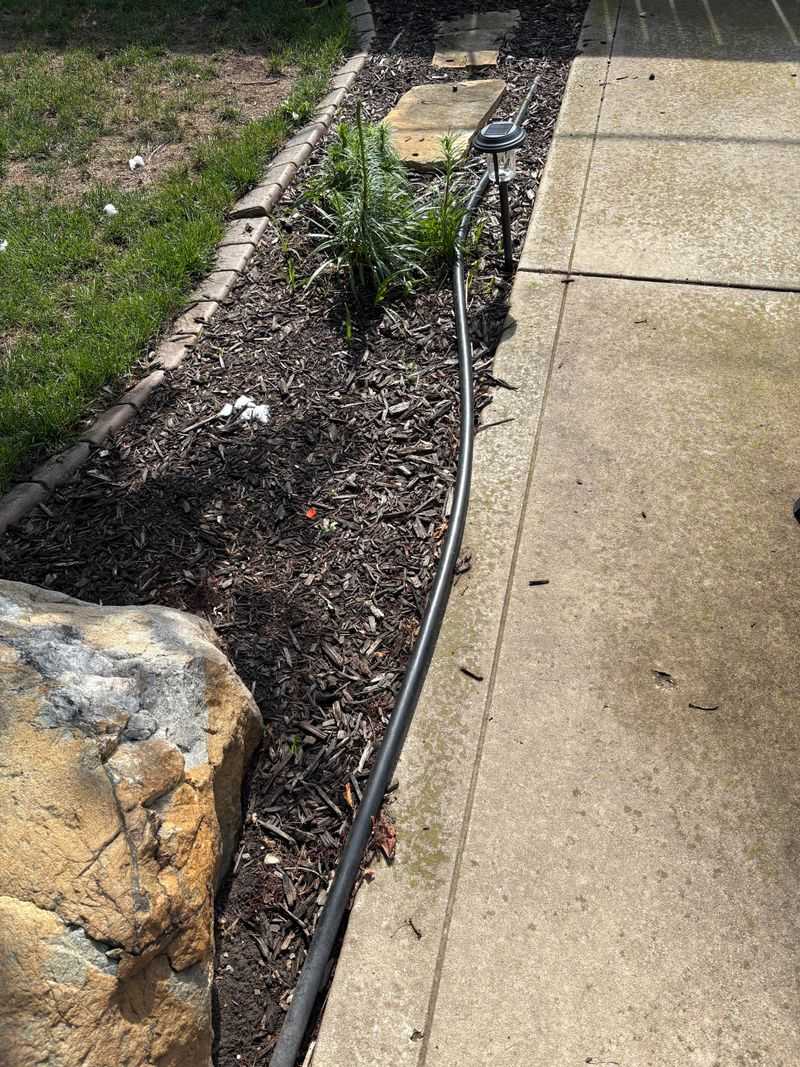
What is hiding under your yard might surprise you. Gas lines, electrical conduits, water mains, and fiber optic cables often run right through residential lots in Illinois.
Planting trees or large shrubs over these lines is dangerous and sometimes illegal. Roots can crack pipes, disrupt cables, and create serious safety hazards for your whole block.
Illinois law requires homeowners to call JULIE before digging anywhere on their property. JULIE stands for Joint Utility Locating Information for Excavators, and the service is completely free.
Calling 811 connects you to JULIE, which coordinates with utility companies to mark buried lines. Those little flags and paint marks tell you exactly where not to dig or plant.
Trees planted over gas lines pose the greatest long-term risk. Root intrusion into a gas line can cause leaks that stay invisible until a serious problem develops.
Even shallow-rooted plants can interfere with buried cable or irrigation lines over time. Knowing where everything is buried helps you choose the safest planting spots.
Utility easements on your property also restrict what you can do in certain zones. These easements give utility companies the right to access and clear vegetation as needed.
If a company needs to repair a line and your tree is in the way, they can remove it. Planting away from easements protects your investment in landscaping.
7. Local Municipal Codes Vary By County
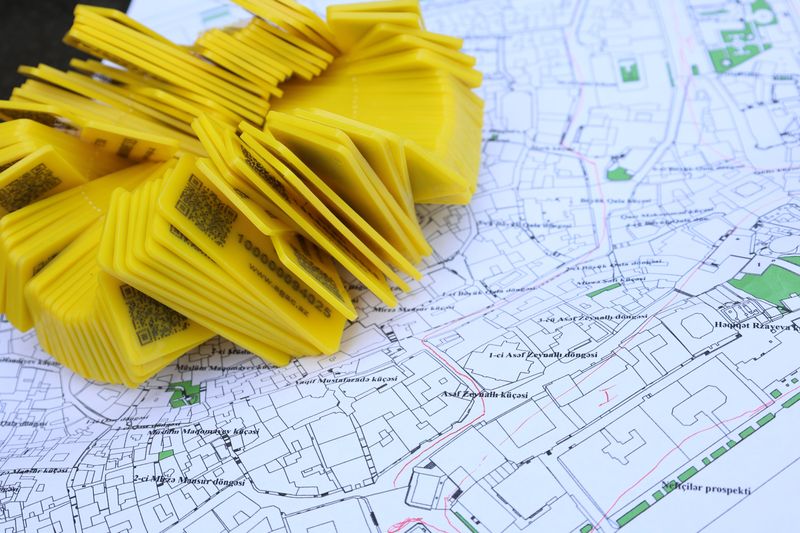
Illinois is a state of 102 counties, and each one can have its own take on planting rules. What is perfectly legal in DuPage County might be a violation in Cook County.
Municipal codes cover everything from plant height limits to required setbacks from property lines. These rules exist alongside state law and sometimes go further in their restrictions.
Some cities in Illinois have tree ordinances that protect certain species regardless of where they grow. Removing or damaging a protected tree can result in significant fines.
Urban areas like Chicago have especially detailed landscape codes. Suburban municipalities often model their rules after city guidelines but add their own local requirements.
Rural counties tend to be more relaxed about planting distances, but rules still exist. Agricultural areas follow the Illinois Fence Act more closely, which has its own set of standards.
Your local village hall or city planning office is the best place to get accurate information. Staff there can pull up the exact codes that apply to your specific address.
Online municipal code databases are another helpful resource for quick research. Many Illinois municipalities post their full codes at no cost through services like Municode.
Taking one afternoon to research your local codes before planting near a shared property line is time well spent. Rules differ block by block, and not knowing local codes won’t exempt you from them.
8. Surveying Property Lines Prevents Costly Mistakes
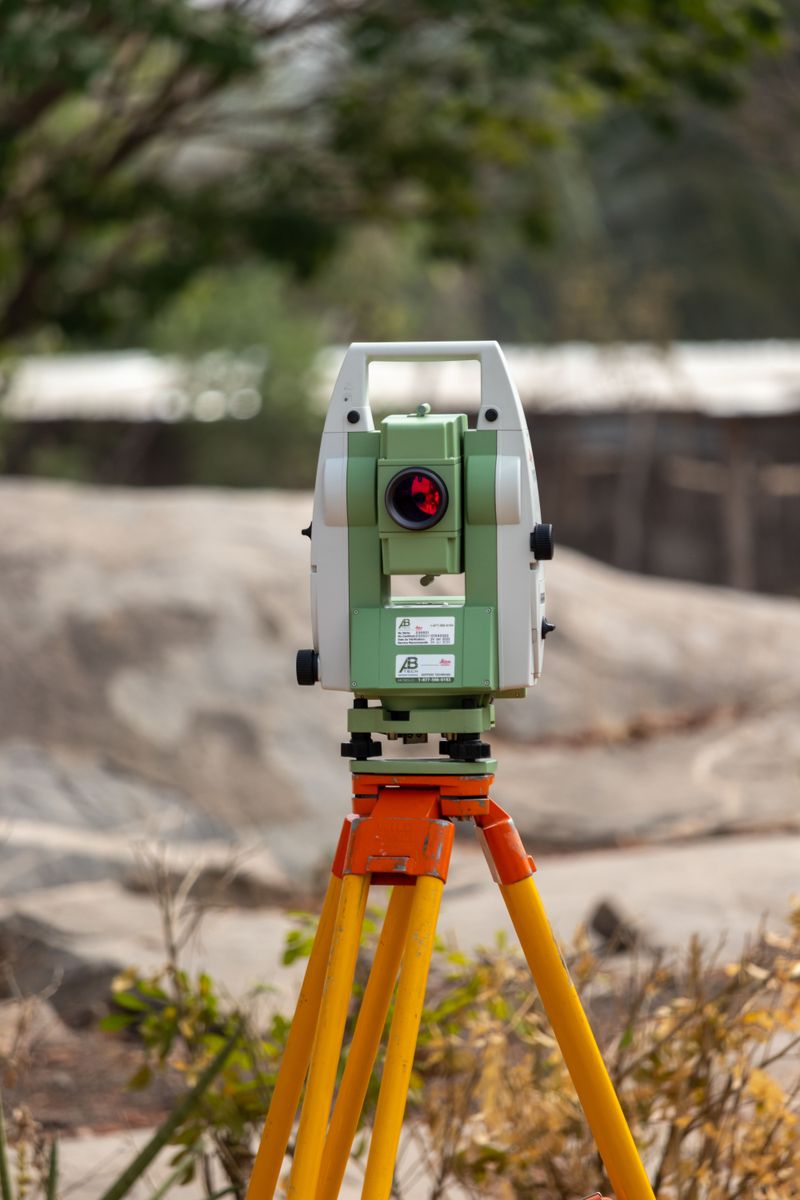
You might think you know exactly where your property ends. Most homeowners do, and most homeowners are at least a little bit wrong.
Property lines are not always where fences, hedges, or visual markers suggest they are. Surveys from decades ago can contain errors that compound over time.
Hiring a licensed land surveyor before planting near a shared property line is one of the smartest moves you can make. A professional survey gives you legally defensible measurements.
In Illinois, licensed surveyors are regulated by the Department of Financial and Professional Regulation. Using a licensed professional ensures your survey meets state standards.
Survey costs vary but typically range from a few hundred to over a thousand dollars. That expense is minor compared to a lawsuit over a misplaced tree or hedge.
Once you have a current survey, you can mark your boundary with stakes and make planting decisions with confidence. No more guessing, no more hoping your neighbor agrees with your estimate.
Some title companies include a survey when you purchase a home, but those documents can be outdated. If your survey is more than ten years old, consider getting a fresh one.
Surveying your property line before landscaping near a shared boundary is an important final step. Knowing exactly where your land ends is the foundation for every smart planting decision on this list.