The Sticky Black Substance Illinois Tree Owners Should Know About
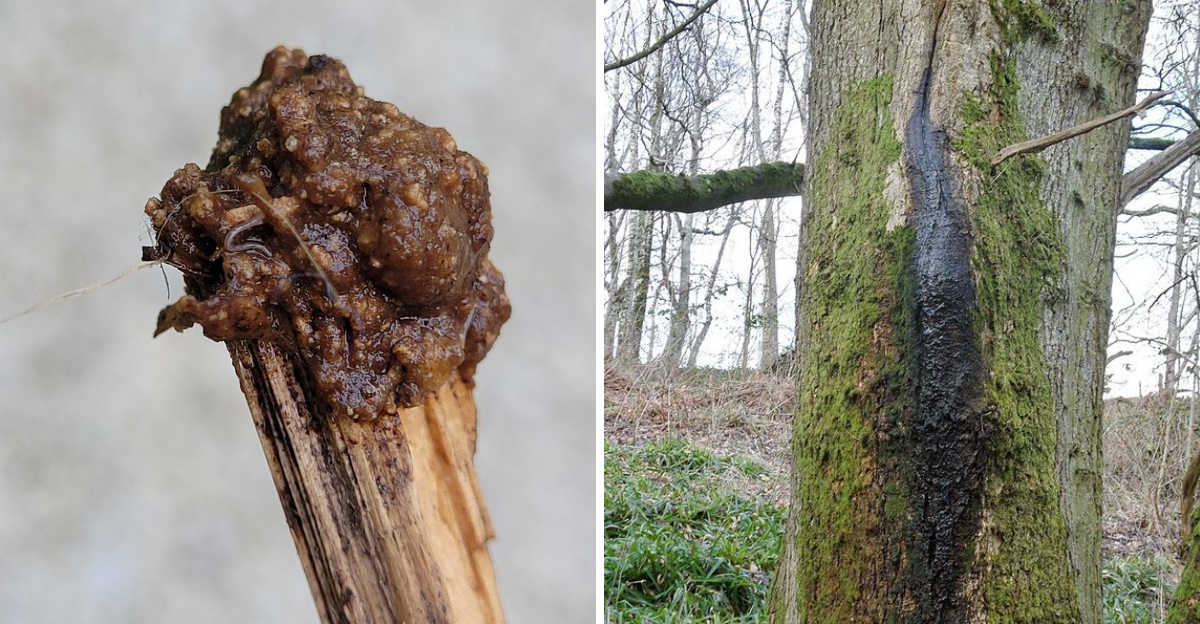
Dark liquid crawls slowly down your favorite backyard oak’s trunk overnight. Something invisible and unexplained inside that wood is stirring right now.
Pressure quietly builds until the old tree releases fluid through cracks. Illinois arborists see this pattern constantly during humid summer months.
Sourness drifting through the air hints at something unnatural happening. Nobody quietly warns homeowners about what causes this strange discharge.
Gas trapped beneath the surface can reach dangerous levels fast. Homeowners across Illinois often overlook this early warning sign. Nothing about this dark, sudden discharge happens without deeper reason.
Insects and fungi gather quickly near that darkened area. Your oak’s internal structure shifts with every passing week. Ignoring this quietly invites consequences nobody truly wants to face later.
You deserve real answers before this spreads any further. Every strange symptom hides a cause worth uncovering carefully. What happens next inside that trunk could decide your oak’s future.
What Bacterial Wetwood (Slime Flux) Actually Is
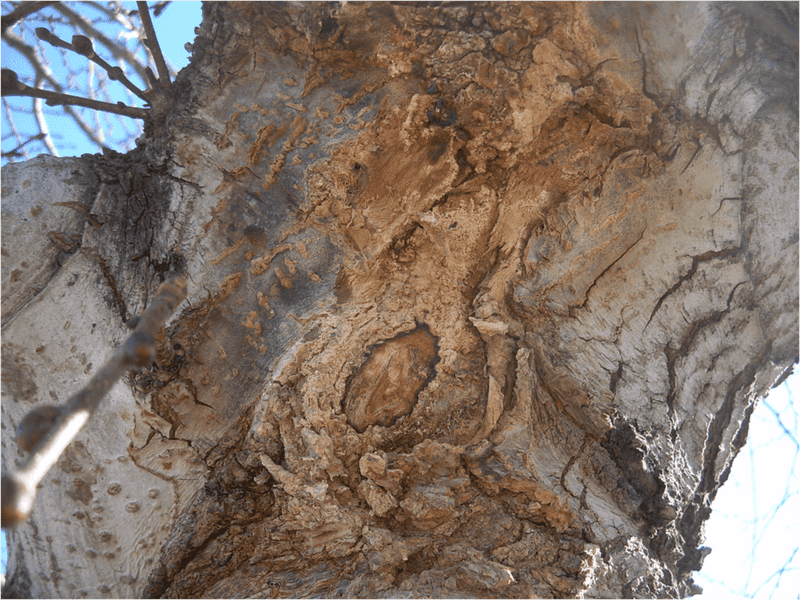
Your tree is discharging fluid, and bacteria are the cause. Bacterial wetwood, commonly called slime flux, is a condition where bacteria colonize the inner wood of a tree. Those bacteria produce gases and liquid that build pressure inside the trunk.
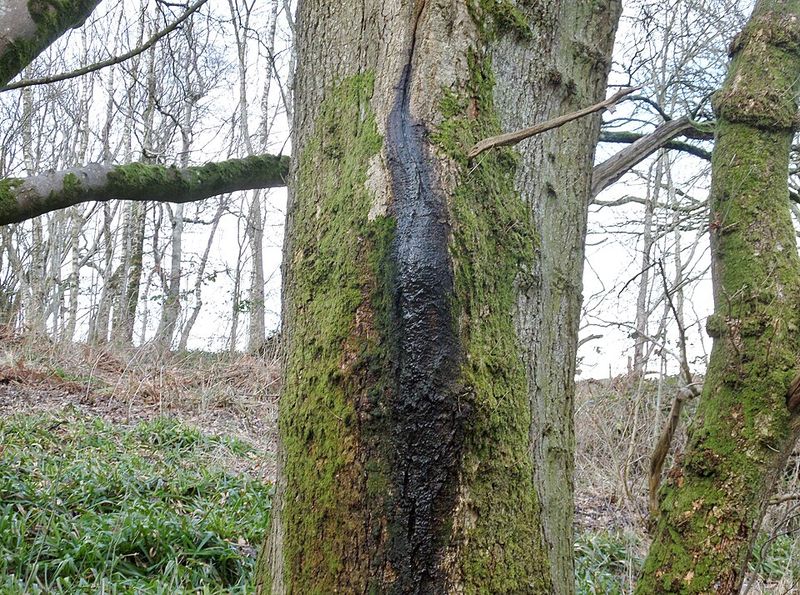
That pressure forces the liquid outward through cracks, wounds, or branch stubs. The liquid starts out pale or yellowish, but oxidizes quickly once exposed to air. That is when it turns that distinctive dark brown or black color you spotted.
The smell is another giveaway. Slime flux has a distinctly sour, fermented odor because the bacteria are essentially fermenting the tree’s internal fluids. It can attract insects, especially flies and beetles, which gather around the wet streaks.
This sticky black substance on your Illinois trees is a warning sign that something is happening deep inside the wood.
The bacteria involved often belong to several anaerobic genera that thrive in low-oxygen environments inside tree tissue. They are not newcomers; they likely entered through an old wound or stress point.
Slime flux is not a fungal disease, which surprises many homeowners. It is entirely bacterial in origin. That distinction affects how you should respond. Understanding what you are dealing with is always the smartest first move you can make.
Why Illinois Trees Are Especially Prone To This Condition
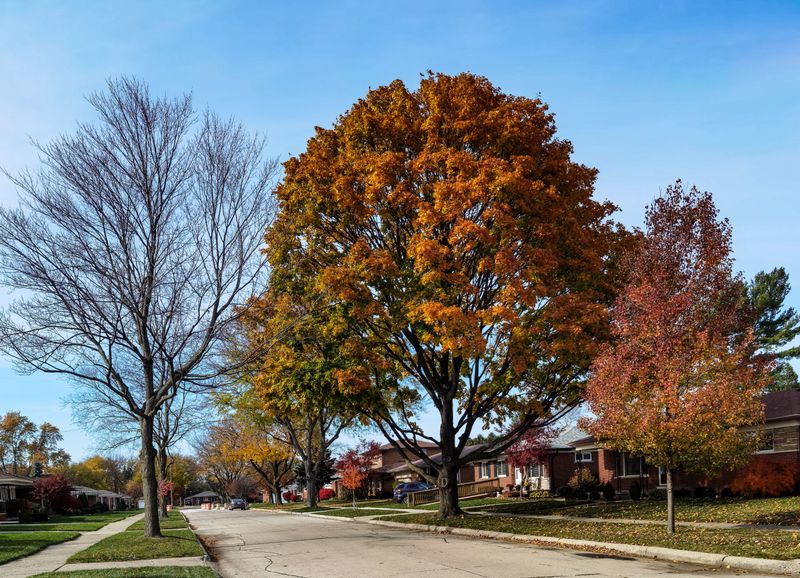
Illinois weather is not gentle on trees. The state swings from intense winter cold to sticky summer humidity, and that cycle of stress weakens trees significantly. Stressed trees are far more vulnerable to bacterial invasion than healthy ones.
Elm trees are especially common targets in the Midwest. Slime flux has been associated with elms for decades, and Illinois neighborhoods are full of mature elms that carry old wounds and internal decay.
Oaks, maples, and cottonwoods also show up frequently on the affected list. Compacted soil is another big factor here. Urban and suburban Illinois yards often have soil packed tight from foot traffic, lawn equipment, and construction.
Compacted soil suffocates roots and limits water absorption, pushing trees into chronic stress.
Your Illinois Garden Changes Every Week. Your Plan Should Too.
Gardening in Illinois changes quickly throughout the season. Every Friday you’ll receive a simple weekly plan showing exactly what to plant, prune, fertilize, harvest, and protect so you never miss the right timing.
Heavy clay soils, common across central and northern parts of the state, hold moisture poorly during dry spells and become waterlogged after heavy rain. That inconsistency puts roots under constant pressure.
A tree with poor soil drainage is already more vulnerable to trouble. Storm damage opens wounds that bacteria enter easily. Illinois sees its share of wind events and ice storms, and each broken branch is a potential entry point.
This sticky black substance on your Illinois trees is a warning sign that environmental stress has already taken a toll. Knowing your local conditions helps you stay one step ahead of the problem before it escalates further.
How To Identify The Signs Before They Worsen
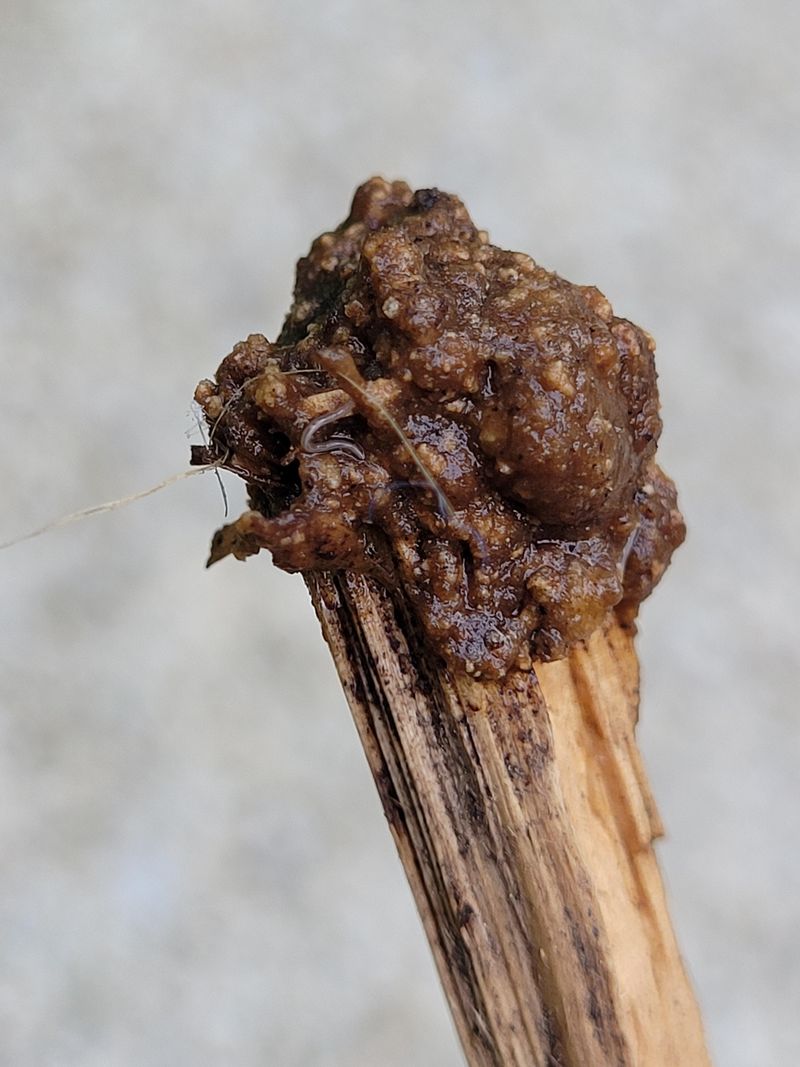
Catching slime flux early makes a real difference. The first sign is usually a wet, discolored streak running vertically down the trunk. It often starts near a wound, a pruning cut, or a crotch where two branches meet.
Fresh flux can look pale gray or tan before it darkens. Once it oxidizes and mixes with dust and debris, it turns that unmistakable dark brown or black color. The surface under the streak often feels slimy or tacky to the touch.
Smell the affected area if you can get close safely. A sour or slightly alcoholic scent is a strong indicator of bacterial fermentation inside the wood. That odor is one of the most reliable clues you have without laboratory testing.
Insect activity around the wet area is another signal. Flies, beetles, and wasps are drawn to the fermenting liquid.
If you notice unusual bug traffic on your tree trunk, follow their path and look for moisture or discoloration nearby.
Wilting or sparse foliage on specific branches can also hint at internal problems. When bacteria occupy the heartwood, they can disrupt water movement through the tree. Leaves on affected limbs may look smaller or less vibrant than the rest of the canopy.
This sticky black substance on your Illinois trees is a warning sign worth acting on quickly. Early identification gives you more options and better outcomes than waiting until damage becomes severe and obvious to everyone on the block.
The Damage It Can Cause If Left Untreated
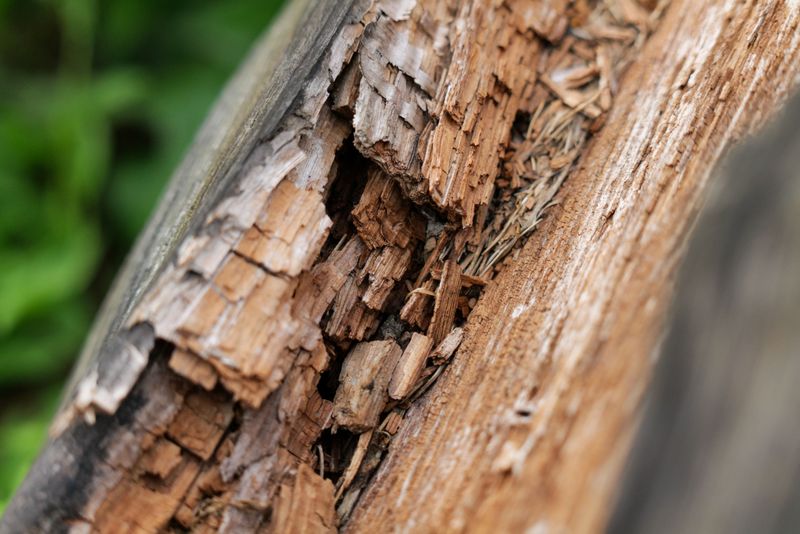
Slime flux is often accompanied by other stress factors when left untreated. Left unchecked, the bacterial activity inside the trunk continues to break down internal wood tissue. Over time, that breakdown weakens the structural integrity of the entire tree.
The heartwood, which provides the core strength of a mature tree, is often where bacteria concentrate most heavily. As it degrades, the tree becomes more susceptible to cracking during wind events or heavy snow loads.
A weakened trunk can fail suddenly under conditions that a healthy tree would handle without trouble.
Bark damage compounds the problem. Constant moisture from ongoing flux keeps the outer bark wet and soft.
That soft bark becomes an easy target for wood-boring insects looking for a place to lay eggs. This creates an additional issue alongside the original one.
Nutrient and water transport also suffers. When the inner wood is saturated with bacterial liquid and gas, the pathways that carry moisture from roots to leaves get disrupted. Affected branches may show reduced growth or early leaf drop as a result.
Secondary fungal infections sometimes follow bacterial wetwood. The wet, weakened bark creates ideal conditions for wood-rotting fungi to establish themselves. At that point, the tree is dealing with multiple stress factors at once.
This sticky black substance on your Illinois trees is a warning sign that structural damage may already be underway. Addressing the condition before secondary problems set in is the difference between saving a tree and losing one entirely to neglect.
Treatment Options And What Actually Works
To be clear, there is no treatment that fully removes bacterial wetwood from an infected tree. The bacteria live deep inside the wood where no spray or injection can reliably reach them. What you can do is manage symptoms and support the tree’s overall health.
Start with water. Deep, consistent watering during dry periods helps the tree maintain internal pressure and resist stress.
A soaker hose placed at the drip line works far better than a quick surface spray from a garden hose.
Mulching around the base is one of the most useful ways to reduce overall tree stress. A 3-to-4-inch layer of organic mulch retains soil moisture and regulates temperature.
Keep mulch a few inches away from the trunk itself to avoid creating new moisture problems at the bark.
Avoid unnecessary wounding. Every pruning cut, lawn mower nick, or string trimmer scrape is a potential entry point for bacteria.
Use proper pruning techniques and protect the root zone from equipment damage whenever possible.
Old advice used to recommend drilling drain tubes into the trunk to release pressure. Recent arboricultural guidance does not support that approach. It causes more harm than benefit and opens fresh wounds without providing lasting relief.
Fertilizing a stressed tree can sometimes help it push back against infection. A soil test from your local extension office will tell you exactly what nutrients your tree is lacking. Targeted fertilization based on real data is more reliable than guesswork.
When To Call An Arborist Versus DIY Management
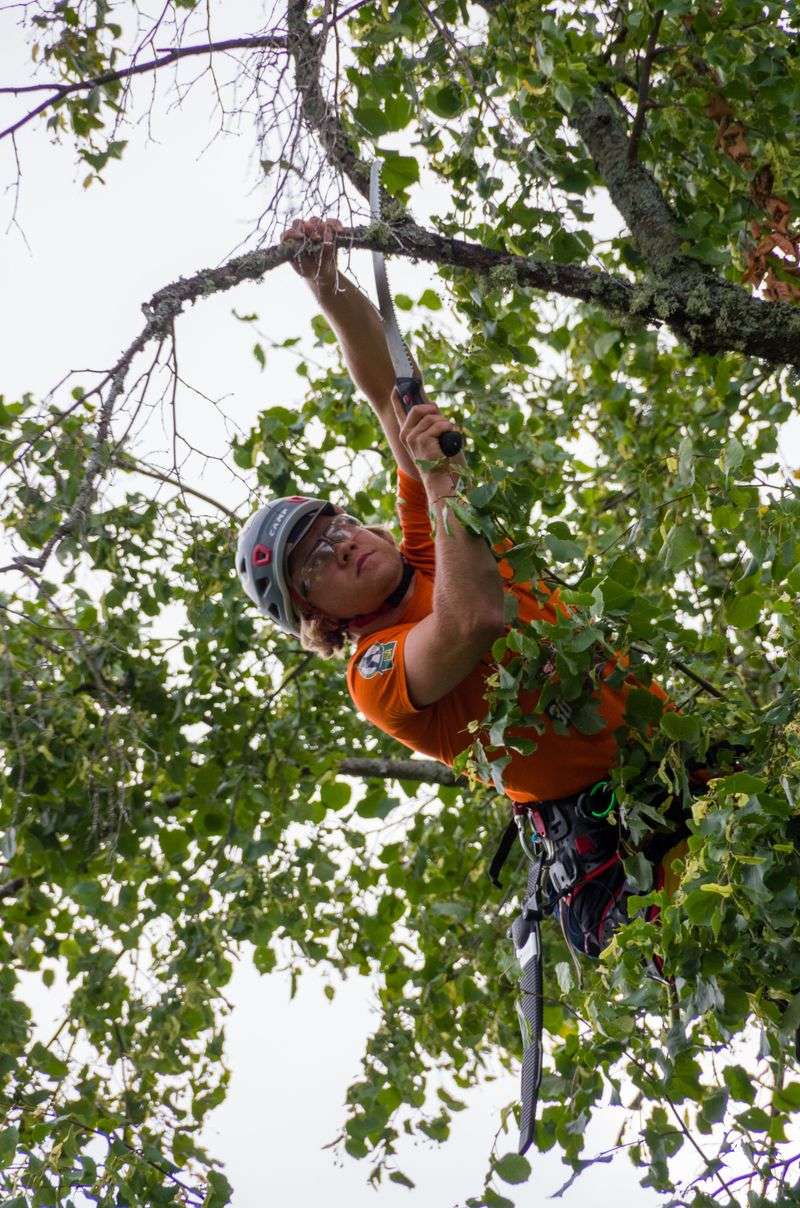
Knowing your limits helps you make better decisions. Some slime flux situations are manageable with good watering, mulching, and wound prevention. Others need a trained eye and professional tools to assess accurately.
Call a certified arborist when the affected tree is large and close to your home, driveway, or power lines. A structurally compromised tree near a structure is a safety issue, not just a plant health question. That distinction affects how you should respond.
If you notice significant bark loss, deep cracks in the trunk, or large sections of decayed wood, professional assessment is the right call. Those signs suggest the internal damage has progressed beyond what surface management can address.
An arborist can probe the wood and give you an honest picture of what is actually happening inside.
Smaller, younger trees with mild flux symptoms are often good candidates for DIY care. Consistent watering, proper mulching, and avoiding new wounds can stabilize the situation without spending money on professional visits.
Monitor the tree monthly and note whether the flux area is growing or staying the same. Ask your arborist about ISA certification before hiring anyone.
The International Society of Arboriculture trains and certifies professionals to assess exactly these kinds of conditions.
Credentials matter when you are trusting someone with a tree worth hundreds or thousands of dollars.
This sticky black substance on your Illinois trees is a warning sign worth taking seriously. Whether you handle it yourself or bring in a pro, acting sooner generally leads to better outcomes than waiting.