Why Florida Landscapers Are Pulling Up The Fabric Under Their Mulch
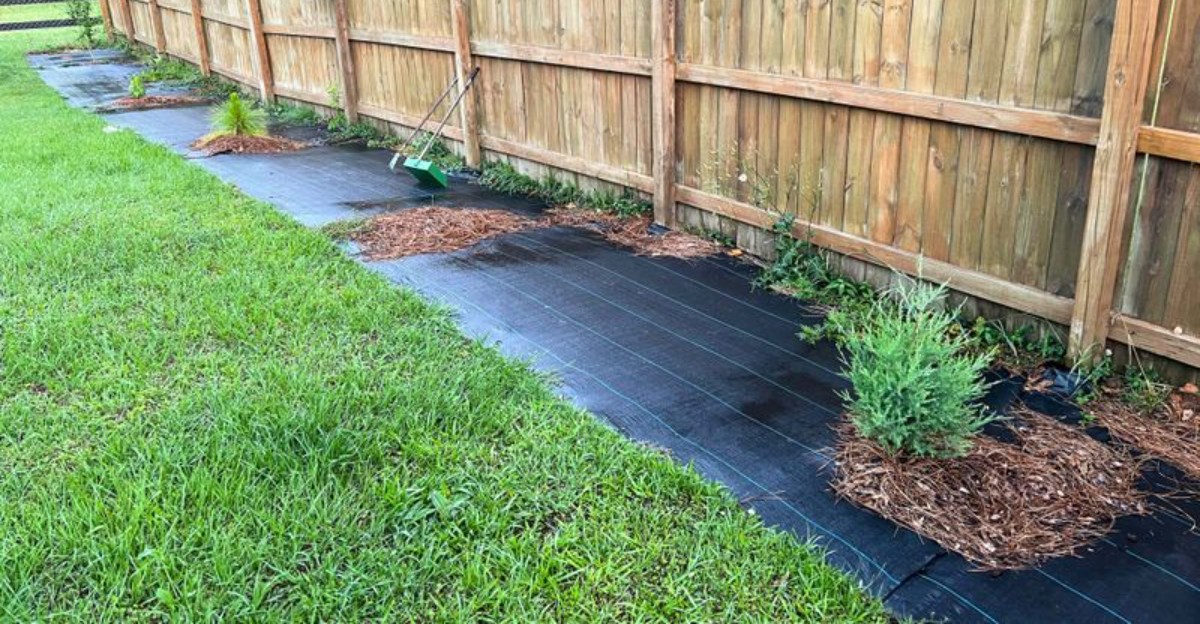
Landscape fabric came with a big promise: lay it once and never pull a weed again. The same pros who sold that dream for years now rip it out by the roll.
Ride along with a Florida crew and you’ll hear the same grumble at every job. Beds that looked sharp on day one turned into a headache by year three.
Weeds sprouted anyway. Plants sulked.
Nobody could put a finger on the cause.
The culprit sits right under your shoes, and it has been there since the day the bed went in. Homeowners rarely lift a corner to peek.
Landscapers did, and they didn’t like the view.
Before you buy one more bag of mulch, pull back an edge and see for yourself. That quiet layer may be the reason your beds let you down year after year.
1. Weed Seeds Sprout Right On Top Of The Fabric
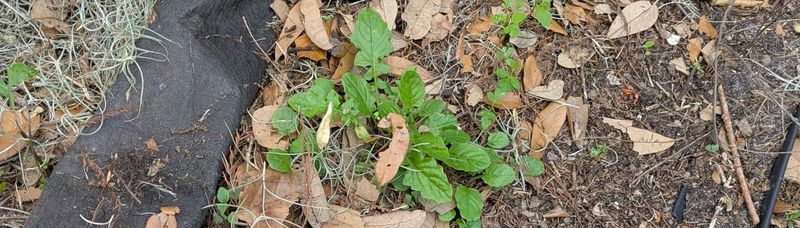
Here is the funny twist nobody mentions at the garden store. The fabric blocks weeds from below, but it does nothing about the ones that land on top.
Mulch breaks down fast in Florida heat and humidity. Within a season or two, the bottom layer turns into a thin, crumbly blanket of rich material.
Add in blowing dust, fallen oak leaves, and bits of grass clippings. Before long, you have a brand new layer of soil sitting right on the fabric.
Wind, birds, and even your shoes carry weed seeds into that cozy layer. With warm air and frequent rain, those seeds sprout quickly and settle in.
The result feels unfair after all that hard work. You laid fabric to stop weeds, and now weeds are growing happily on top of it.
Worse, their roots often weave into the fabric threads below. That makes them harder to pull than weeds growing in plain soil.
A smart move is to keep mulch at about two to three inches deep. Top it off once a year instead of piling on thick layers.
Rake away leaf litter now and then so it does not pile up. Pull young weeds early while their roots are still tiny and loose.
Many Florida pros simply skip the fabric altogether now. They find steady mulching and quick weeding work better in the long run.
2. Torpedograss And Nutsedge Push Straight Through
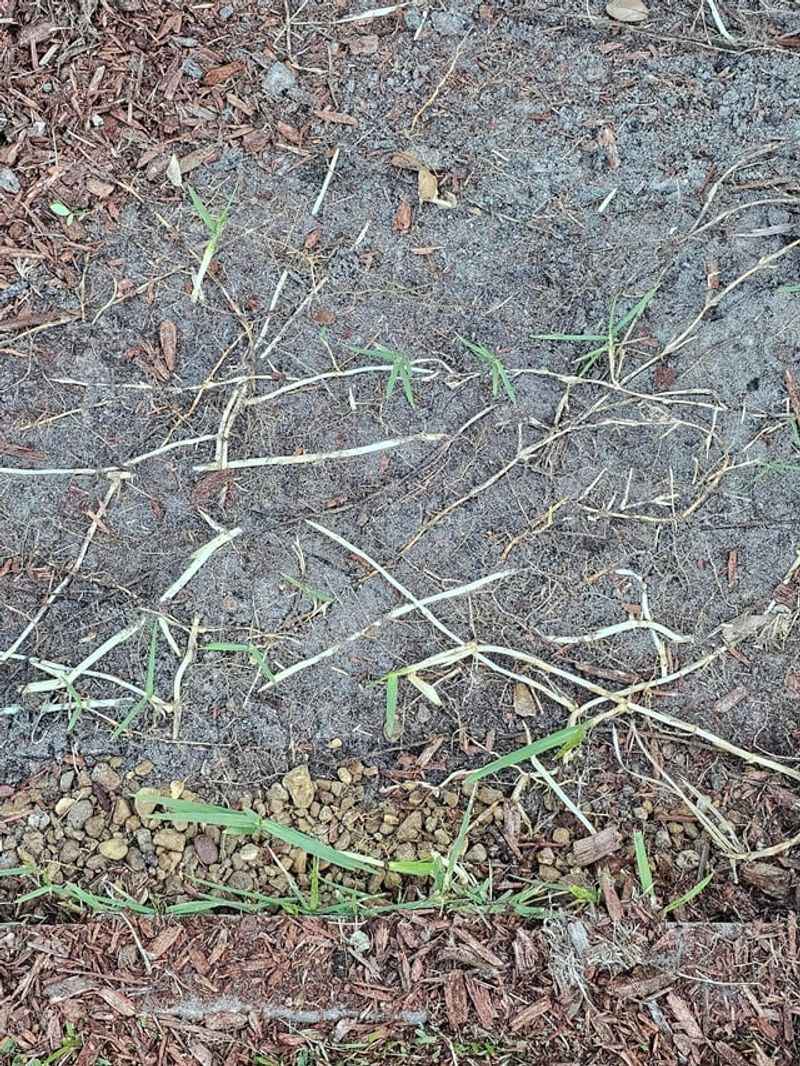
Meet two of the toughest bullies in any yard. Torpedograss and nutsedge laugh at most weed barriers you can buy.
Torpedograss spreads with underground stems called rhizomes. Each one ends in a hard, sharp tip that works like a tiny spear.
Those pointed tips can poke right through woven or spun fabric. Once a single shoot gets through, more follow along the same path.
Nutsedge, both the purple and yellow kinds, is just as stubborn. It grows from little nutlets underground that sprout again and again.
UF/IFAS Extension experts point out that these weeds tend to grow through fabrics over time. Plastic mulch does not slow them down much either.
Your Florida Garden Changes Every Week. Your Plan Should Too.
Gardening in Florida changes quickly throughout the season. Every Friday you’ll receive a simple weekly plan showing exactly what to plant, prune, fertilize, harvest, and protect so you never miss the right timing.
So the barrier ends up full of holes, with grassy blades sticking up everywhere. Pulling them often snaps the shoot and leaves the roots below.
Fun fact: torpedograss was brought to Florida long ago as cattle forage. Now it ranks among the hardest weeds to manage in the state.
For these pests, targeted control works better than a sheet of fabric. Spot treat with a product labeled for sedges or grassy weeds, following directions closely.
Digging out patches while young also helps a lot. Try to remove as much of the underground parts as you can each time.
3. Chamberbitter Seeds Blow In And Take Root
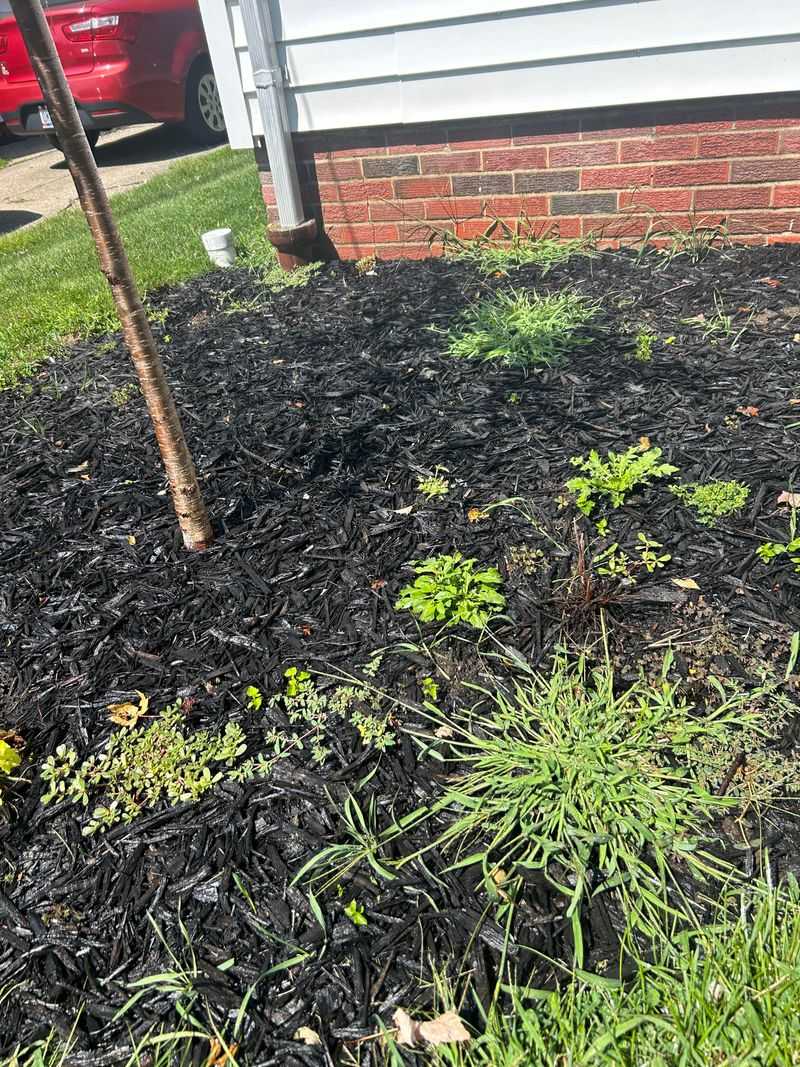
Ever notice a little plant that looks like a baby mimosa tree? Chances are, you have met chamberbitter.
This warm-season weed shows up all over Florida beds in summer. It has small leaves in neat rows and tiny round capsules tucked underneath.
Those capsules are where the drama happens. When they ripen, they pop open and fling seeds several feet away.
One plant can launch hundreds of seeds in a single season. Many of them land right in your soft, breaking-down mulch.
Fabric below does not matter at all to these seeds. They sprout in the mulch layer and grow fast in the heat.
Since the seeds come from neighbors, lawns, and nearby beds, stopping them at the source is tricky. Your fabric becomes a stage for a weed it was meant to block.
The best trick is timing. Pull chamberbitter while it is young, before those capsules form under the leaves.
A pre-emergent product applied in early spring can help stop seeds from sprouting. Read the label to be sure it is safe for your plants.
Keeping lawn edges tidy also cuts down on seeds drifting in. A little attention each week saves a big headache by midsummer.
4. Clogged Pores Keep Water From Reaching Roots
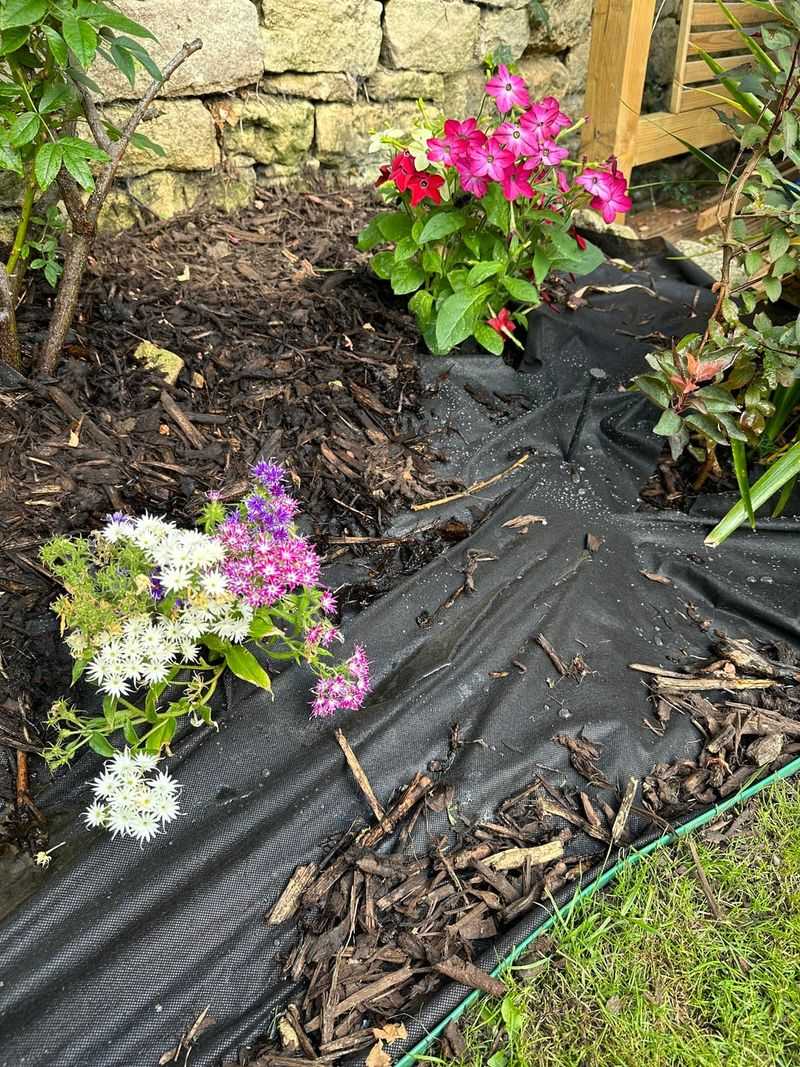
Think about a coffee filter after a few uses. At first water rushes through, but soon it drips slowly and then barely at all.
Landscape fabric acts in a similar way. The package says it lets water and air pass, and that is true when it is brand new.
Over time, tiny bits of soil and broken-down mulch settle into its little holes. Those pores slowly fill up like a clogged drain.
Once that happens, water has a hard time getting through. Nutrients from compost or fertilizer have the same struggle.
Your plants may start looking pale or droopy even when you water often. Many folks blame the plant, not realizing the problem sits under the mulch.
Florida makes this worse because mulch breaks down so fast here. Heat, moisture, and busy fungi turn wood chips into fine crumbs in no time.
Here is a simple test you can try at home. Pull back some mulch, pour a cup of water on the fabric, and watch how fast it disappears.
If it pools or runs sideways, the fabric is likely clogged. Removing it lets water reach the root zone the way nature intended.
Your shrubs will thank you with fresher leaves and stronger growth.
5. Rain And Irrigation Run Off Instead Of Soaking In
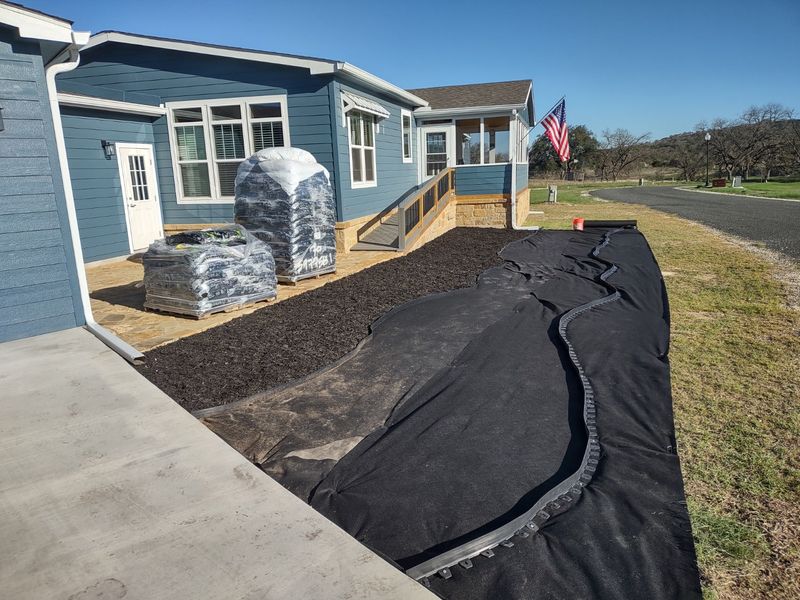
Florida afternoon storms can dump an inch of rain in under an hour. That should be great news for your garden beds.
With clogged fabric underneath, though, much of that water never makes it down. It slides across the surface and spills onto sidewalks and driveways.
Sprinklers face the same problem. You pay for water that ends up in the gutter instead of feeding roots.
Plants left thirsty start to show stress. Leaves may curl, flowers may drop early, and growth can slow way down.
Runoff also carries mulch and fertilizer away with it. That can wash into storm drains and end up in lakes, springs, and bays.
Here is a helpful reminder for homeowners. Many counties have rules about watering days and fertilizer near water, so every drop and pellet should count.
Without fabric, water sinks into mulch and then into the soil below. The mulch acts like a sponge, holding moisture and releasing it slowly.
To check your system, run sprinklers for a few minutes and watch closely. Puddles or streams heading off the bed are a clear sign.
Pulling up old fabric can make your watering far more efficient. It may even lower your water bill over time.
6. Fabric Cuts Off Air To The Soil
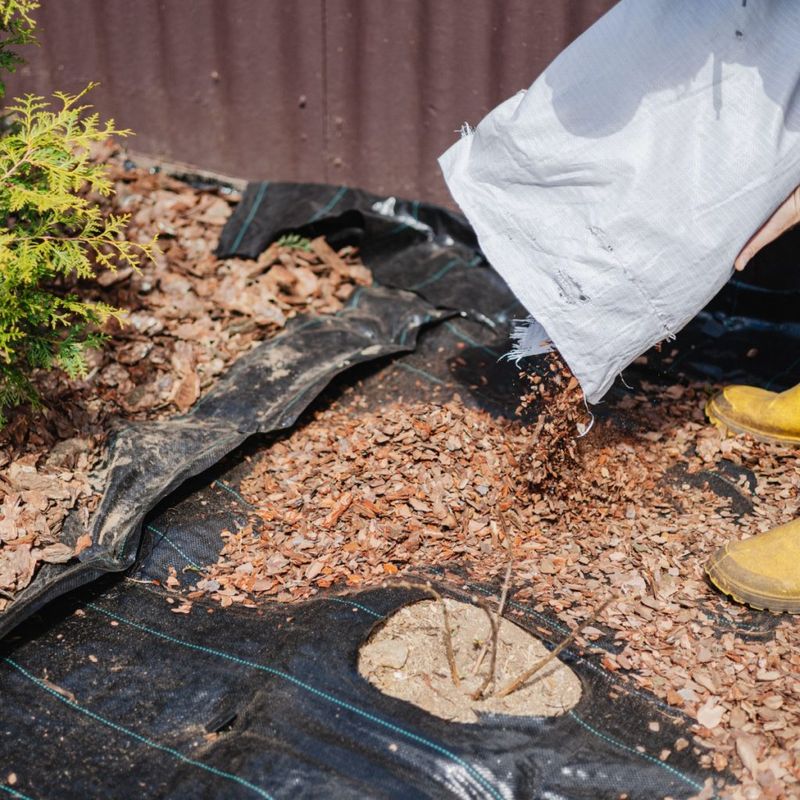
Soil is far more alive than most people realize. A single handful can hold billions of tiny organisms doing important work.
Earthworms, beneficial fungi, and microbes all need air to stay active. They also need fresh organic matter to munch on.
Fabric gets in the way of both. Air exchange slows down, and mulch above can no longer mix into the soil naturally.
Over time, the soil under fabric often turns hard and pale. Lift up an old sheet and you may find gray, packed dirt with few worms.
Plants growing in that kind of soil tend to keep their roots near the surface. Shallow roots dry out faster and handle storms poorly.
Did you know earthworms are sometimes called nature’s plows? Their tunnels let air and water move deeper, and their castings feed plants.
When mulch sits directly on soil, worms pull bits of it downward. That slowly builds richer, darker earth year after year.
Florida’s sandy soils especially benefit from this boost. Sand drains fast and holds few nutrients, so added organic matter makes a big difference.
Removing fabric lets that natural cycle start working again. Within a season or two, you may spot more worms and healthier plants.
7. Weed Roots Anchor The Fabric To The Ground
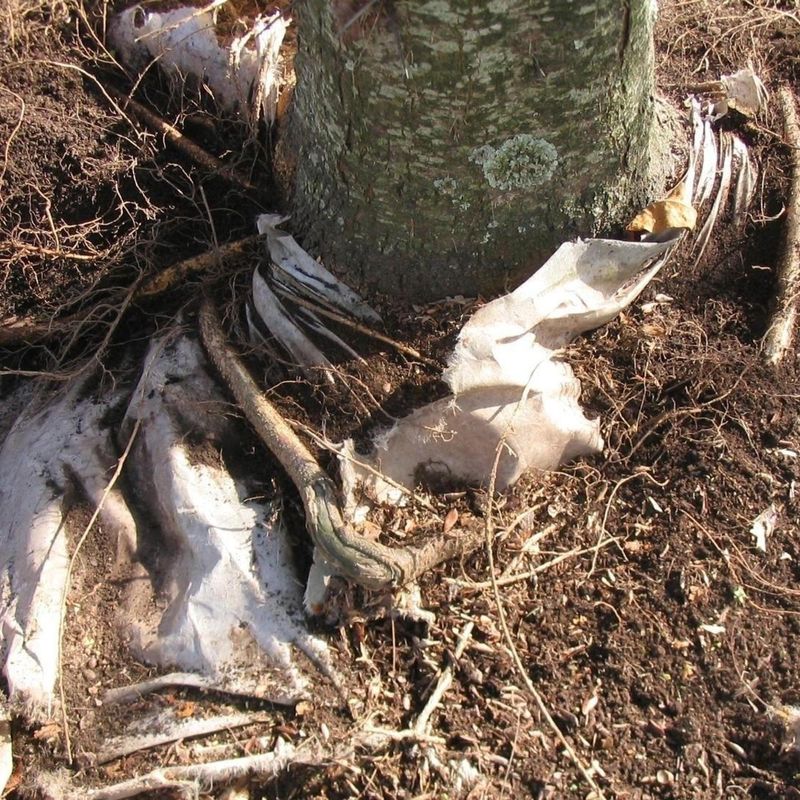
Ask any landscaper about pulling up old fabric, and you will probably get a groan. It is one of the least loved jobs in the trade.
When weeds grow on or through fabric, their roots wrap around the fibers. Over months, the fabric and roots become one tangled mat.
Try to pull a single weed, and the whole sheet lifts with it. Often the stem snaps, leaving roots stuck below to sprout again.
Shrub roots can get caught up too. Pulling fabric near them can tug on plants you actually want to keep.
Removing large areas takes patience and a few good tools. A sharp utility knife, sturdy gloves, and a flat shovel help a lot.
Work in small sections instead of yanking big pieces at once. Cut the fabric into strips so you can ease it out gently.
Around valued plants, slice a wide circle and leave a small piece if roots are heavily tangled. Protecting the plant matters more than getting every scrap.
Bag the old fabric for the trash since it does not break down. Then rake the old mulch back over the bare soil.
It is hard work, but most people say the beds look better for years afterward.
8. Save Fabric For Mulched Paths
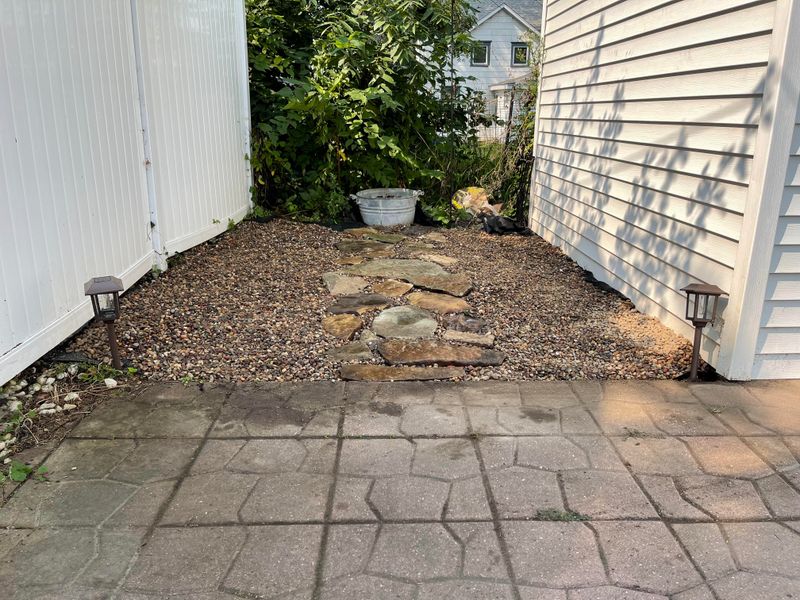
Before you toss every roll of fabric in the garage, hold on. It still has a few good uses around the yard.
The University of Florida suggests fabric works best where no ornamental plants grow. Think mulched walkways, garden paths, and the strip around a mailbox.
In those spots, soil health does not matter as much. Nobody needs worms or deep roots under a path you walk on daily.
Fabric can help keep gravel or mulch from sinking into the dirt. It also gives a cleaner look and slows some weeds for a while.
Paths also get trampled often, which helps keep weeds in check. Foot traffic and fabric make a decent team.
For best results, overlap seams by several inches and pin them down well. Use landscape staples every foot or two along the edges.
Add a solid border like stone, brick, or metal edging. That keeps mulch in place and grass from creeping in from the sides.
Plan to add a fresh layer of mulch on top each year. Even on paths, broken-down mulch can host new weeds eventually.
Used in the right spot, fabric can still earn its keep. It just does not belong under your favorite flowers.
9. Try Cardboard As A Weed Barrier
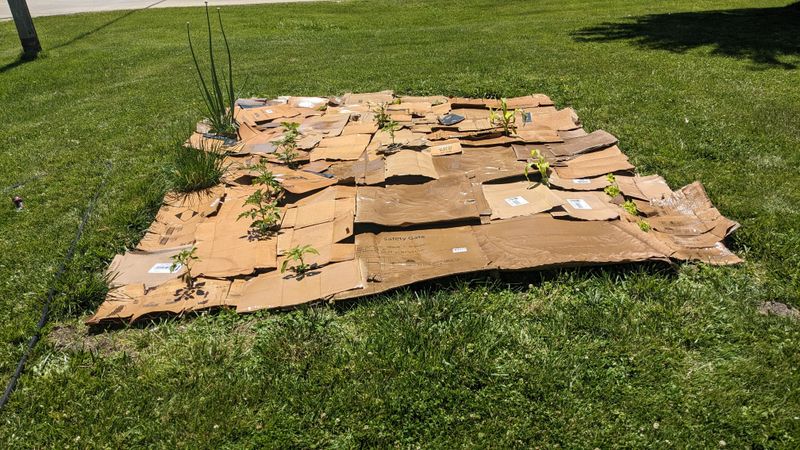
That pile of delivery boxes by your door might be your next garden tool. Plain cardboard makes a surprisingly good weed blocker.
Gardeners call this method sheet mulching. You lay cardboard over soil, wet it well, and cover it with mulch.
The cardboard smothers weeds and grass for several months. Then it softens and breaks down, feeding the soil as it goes.
Worms love it, too. They tunnel up underneath and turn the old boxes into rich, crumbly earth.
Here is how to get started. Remove all tape, labels, and shiny printed parts, since those do not break down well.
Overlap the edges by at least six inches so weeds cannot sneak through gaps. Leave a few inches of open space around plant stems.
Soak the cardboard with a hose before adding mulch. Wet cardboard lies flat and lets water pass more easily.
Newspaper works too, as long as you use several sheets stacked together. Skip glossy ad pages and stick with plain print.
In Florida, cardboard breaks down in about one season. Simply add a new layer when weeds start to peek through again.
It costs almost nothing, keeps boxes out of the landfill, and builds healthier beds each year.