What Florida Gardeners Should Start Now For A Thanksgiving Tomato Harvest
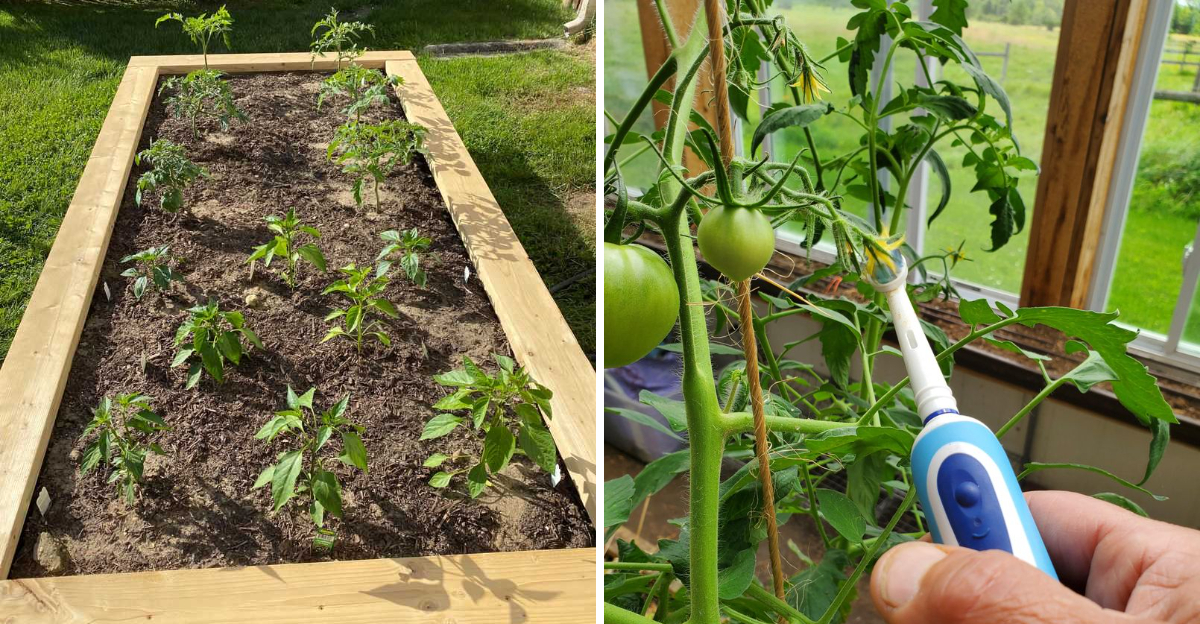
Thanksgiving dinner has a secret ingredient many Florida gardeners overlook completely.
It sits in the backyard right now, days away from ripe, while everyone else settles for grocery store tomatoes that can taste like cardboard.
There’s a narrow window this month, and many people miss it without ever knowing it existed.
Miss it, and the result is green fruit and disappointment in December. Catch it, and the holiday table gets something nobody else brought.
Florida runs on a different clock than the rest of the country, and that quirk turns fall into prime tomato season instead of the end of one.
The catch? Timing has to land almost exactly. Too late, and cold weather ends the party before it starts. Too early, and summer heat wrecks everything first.
So what separates a bowl of homegrown slicers from a vine full of stubborn green orbs? A handful of decisions made right now, in September, decide the whole outcome.
Curious which ones matter most? Got you!
1. Fast Finishers Like Early Girl And Florida 91
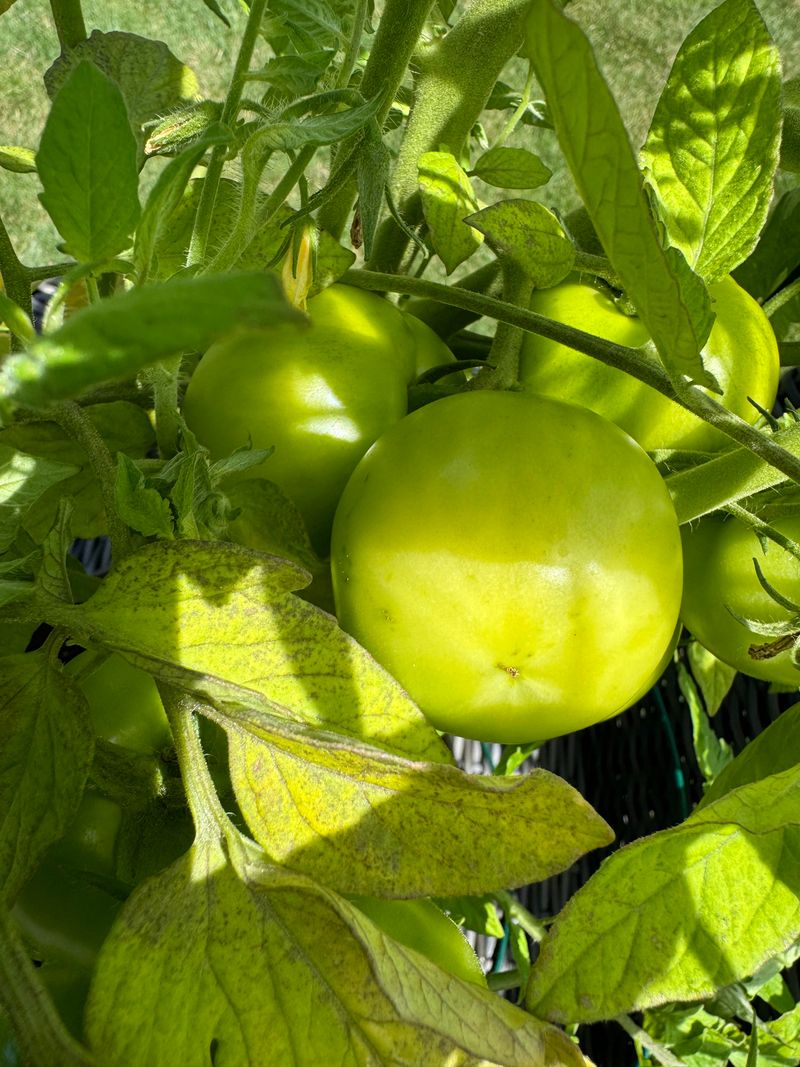
Sixty-five days sounds simple until you realize it’s the whole ballgame. Pick the wrong variety this month, and you’ll be staring at green tomatoes on Thanksgiving morning wondering where it all went wrong.
Early Girl earns her name honestly. She ripens in about 55 to 62 days after transplant, which lines up perfectly with a September start.
Florida 91 plays a different role. University of Florida breeders built this one specifically to set fruit even when temperatures swing and humidity climbs, and it handles both without complaint.
A few other reliable options deserve a spot in the cart too. Celebrity, Bella Rosa, and Phoenix all mature fast and resist the fungal issues that tend to knock out slower heirlooms around here.
Now for the varieties to leave on the shelf. Anything bragging about 85 or 90 days on the tag belongs in spring planting, not fall. That extra time pushes ripening straight into the first cold snap, and cold snaps do not negotiate.
One label trick worth remembering: look for VFN or VFFNT printed near the variety name. Those letters mean built-in resistance to verticillium wilt, fusarium wilt, nematodes, and tobacco mosaic virus, all regulars in sandy Florida soil.
Buying transplants beats starting from seed at this point in the season. Seeds add three to five extra weeks, and that gap is nearly impossible to close before frost arrives.
Funny enough, Florida 91 got its name from its release year, not its ripening speed, so don’t let the number fool you.
2. Little Tomatoes That Rarely Let You Down
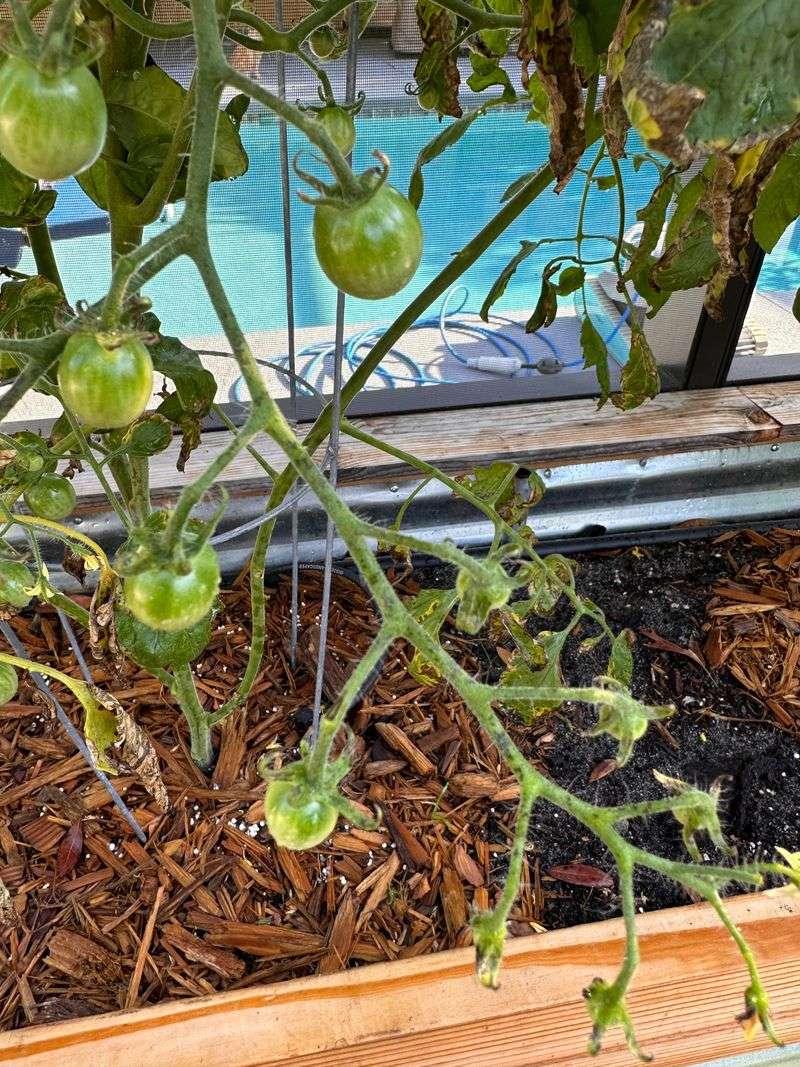
Small fruit, big attitude. That’s the entire pitch for cherry and grape tomatoes this fall.
Sweet Million, Sungold, Juliet, and Everglades all perform well across Florida without much drama.
Everglades gets bonus points for being a true Florida native, tiny, tough, and completely unbothered by the heat and humidity that make fussier plants throw a tantrum.
Harvest usually starts around 50 to 60 days from transplant. Get plants in the ground in early to mid September, and snacking begins well before the holiday, with plenty left over for a Thanksgiving salad or a quick roasted side dish.
Your Florida Garden Changes Every Week. Your Plan Should Too.
Gardening in Florida changes quickly throughout the season. Every Friday you’ll receive a simple weekly plan showing exactly what to plant, prune, fertilize, harvest, and protect so you never miss the right timing.
Support matters more than people expect. Indeterminate cherry types can stretch six feet or taller, and a flimsy wire cage will buckle the moment fruit weight piles on. Give them something sturdy from day one.
Small fruit also handles Florida’s surprise fall downpours better than large slicers. Big tomatoes soak up water fast and crack at the shoulders, while cherries mostly shrug the rain off and stay intact.
Once ripening kicks in, pick every other day without fail. Fruit left too long invites birds, and mockingbirds in particular seem to have a talent for finding the single ripest tomato on the whole vine.
One bonus move for the freezer-minded: toss extra cherry tomatoes in whole. They break down beautifully into sauces later in winter, right when the garden sits quiet between seasons and a little stored sweetness goes a long way.
3. Sandy Soil Gets A Serious Upgrade
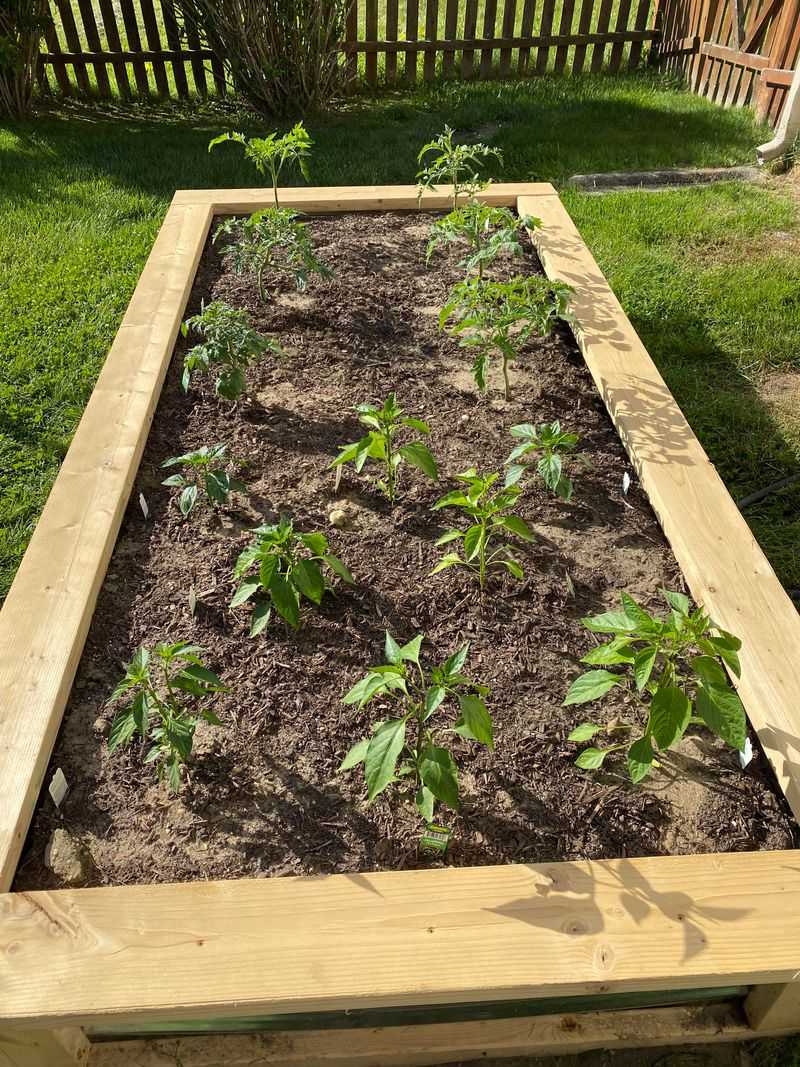
Florida sand has one talent: getting rid of water and fertilizer as fast as possible. Beating that habit starts weeks before a single transplant goes into the ground.
Work two to three inches of finished compost into the top eight inches of soil. Organic matter acts like a sponge, holding moisture and nutrients exactly where tomato roots can find them later.
Testing pH pays off here. Tomatoes prefer a range between 6.0 and 6.8, and Florida yards often land outside it, too acidic near pines, too alkaline near limestone fill or old construction debris.
Acidic soil calls for dolomite lime a few weeks ahead of planting. Lime also delivers calcium and magnesium, and calcium happens to be the exact mineral that keeps blossom end rot from showing up later as sunken brown patches.
Raised beds solve a real problem in spots that flood during fall storms. Even a six inch mound of amended soil keeps roots from drowning after a heavy tropical downpour.
Fresh manure should stay far away from planting time. It can scorch young roots and often smuggles in weed seeds that compete with tomatoes all season.
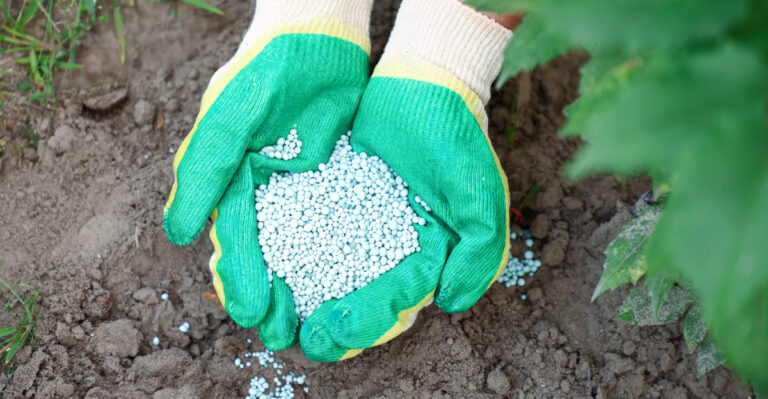
A slow release fertilizer mixed into the bed at planting gives steady feeding instead of a boom and bust cycle. Switch to a lower nitrogen blend once flowers show up, since too much nitrogen late favors leaves over fruit.
Healthy soil brings one more perk. Beneficial microbes from compost help keep nematode populations in check, which means fewer root problems down the line and a much happier tomato patch.
4. Cages Go In Before The Chaos Starts
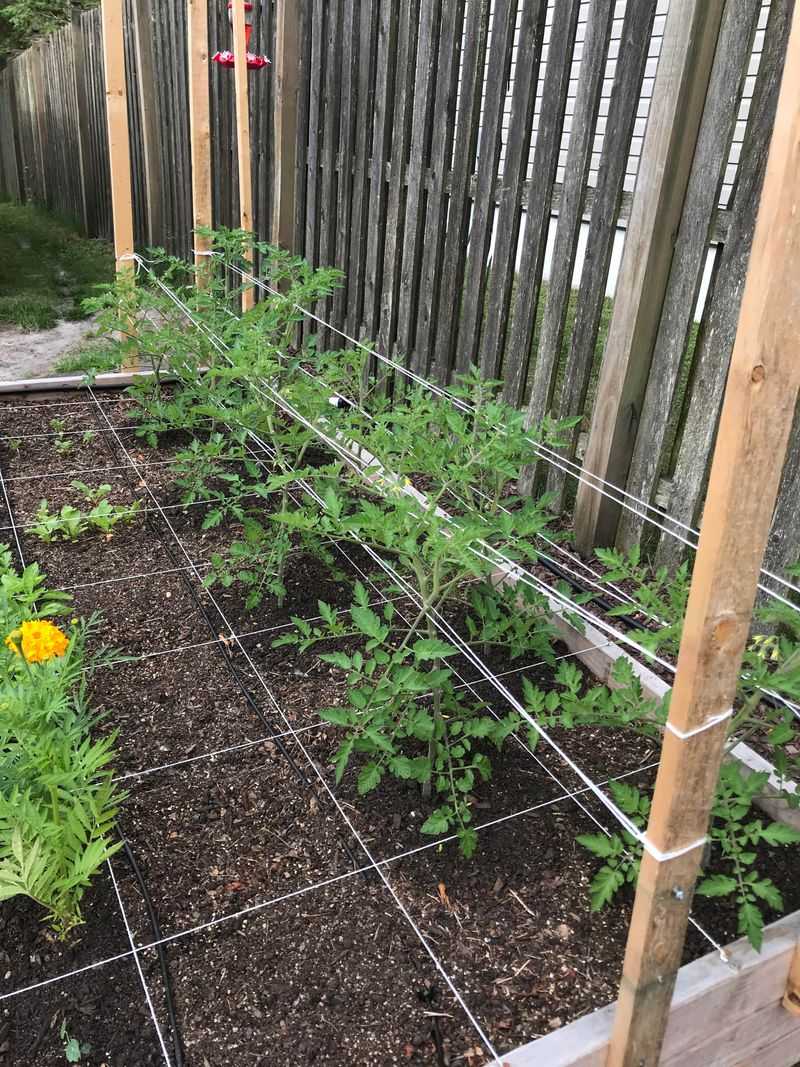
Adding a cage after the plant is already knee high is a great way to snap a stem and learn new vocabulary. Supports belong in the ground the same day as the transplant, while roots are still small and forgiving.
Concrete reinforcing wire makes the strongest cage for Florida conditions. The openings are wide enough to reach through at harvest, and a five foot cylinder holds up under a loaded indeterminate plant without folding.
Those small cone shaped cages from the garden center have their place, just not here. They handle peppers fine but stand no chance against a Celebrity tomato stacked with fruit come November.
Wooden stakes work well too, especially paired with the Florida weave method. Twine gets strung between stakes on both sides of a row, and commercial growers rely on this setup because it goes up fast and survives wind.
Speaking of wind, that’s the real enemy here. Late season storms and steady coastal breezes can whip an unstaked plant until the main stem cracks right at the base.
Lifting foliage off the ground also cuts disease dramatically. Early blight and bacterial spot spread when rain splashes soil onto lower leaves, so vertical growth doubles as free pest control.
Tie stems loosely using soft cloth strips or plant clips built for the job. Wire and thin twine cut into stems as they thicken, causing damage that’s easy to avoid with the right material.
Sink stakes at least a foot deep into the sand. Shallow stakes lean over during the first serious rain and take the entire plant down with them, which defeats the whole point.
5. Water Down Low Where It Belongs
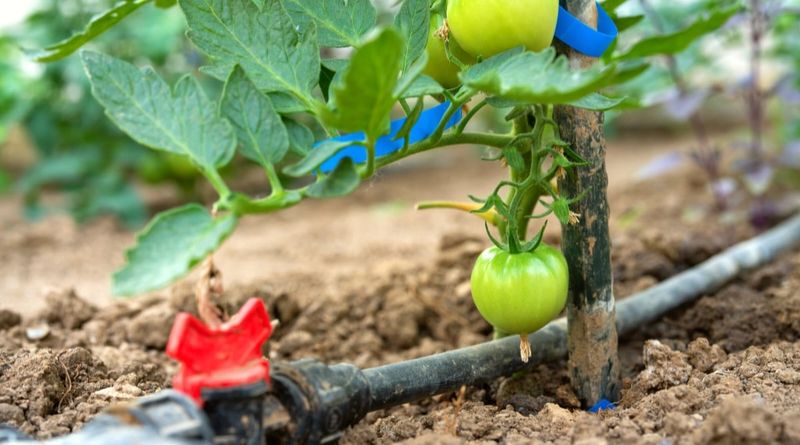
Overhead sprinklers and humid Florida nights make a rough combination for tomatoes. Wet leaves plus warm air equal fungus, and fungus spreads fast once it gets a foothold.
A soaker hose or drip line along the base of each plant keeps water exactly where roots need it. Less water evaporates into the air too, which stretches every drop further during dry stretches.
Deep, consistent moisture beats a light daily sprinkle every time. Sandy soil often needs water every day or two during warm September weather, then far less once temperatures drop in November.
A quick soil check settles the question fast. Stick a finger two inches down, and dry soil at that depth means it’s time to water again.
Inconsistent watering causes two of the most common complaints in Florida tomato patches. Blossom end rot shows up when moisture swings wildly between soaked and dry, and cracked skins appear when a thirsty plant suddenly gets soaked all at once.
Mulch pairs perfectly with irrigation here. Two to three inches of pine straw, oak leaves, or plain straw slows evaporation and keeps soil temperature steady through swings in weather.
A simple hose timer removes the guesswork completely. Set it for early morning, and any splashed foliage dries within an hour of sunrise instead of sitting wet all day.
One more note for storm season. A tropical system dumping several inches of rain means the irrigation system should shut off completely for days, not add insult to already soggy roots.
6. Bugs Arrive And Bt Shows Them Out
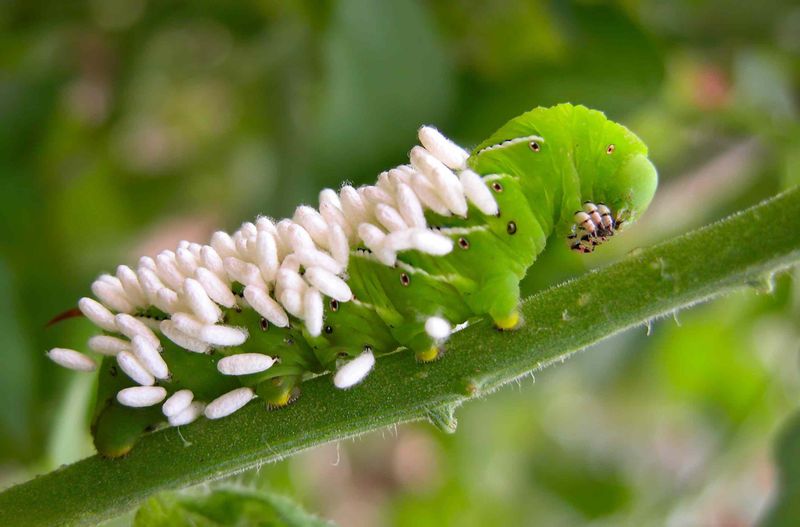
Fall gardens in Florida come with an uninvited welcoming committee. Hornworms, leaf miners, whiteflies, and stink bugs tend to show up right as young plants get established, like they’ve been waiting by the mailbox.
Bacillus thuringiensis, known simply as Bt, targets caterpillars including hornworms and fruitworms directly. It leaves bees and ladybugs completely alone, which makes it a favorite for anyone gardening near a vegetable patch full of good bugs.
Lightweight row cover fabric draped over young transplants blocks whiteflies and thrips during the first few vulnerable weeks.
Those insects carry viruses capable of ruining a plant before a single flower opens, so early protection earns its keep.
Once flowers open, the cover needs to come off so pollinators can reach the blooms. Tomatoes mostly pollinate themselves, but airflow and bee visits noticeably improve fruit set anyway.
Insecticidal soap or horticultural oil handles aphids and spider mites well. Spraying in the evening avoids leaf burn under strong Florida sun, a small timing detail that saves a lot of frustration.
Scouting still beats spraying as a first move. Flip leaves over a couple times a week and look for eggs, tiny holes, or the silvery squiggly trails that leaf miners leave behind.
Hornworms are oddly gifted at hiding despite being roughly the size of a hot dog. Dark pellets scattered on lower leaves are the giveaway, and the culprit is almost always directly above them.
Fun fact for the trouble: that giant green caterpillar eventually turns into a hawk moth, one of the fastest flying insects in North America, so at least the drama has a decent finale.
7. Frost Cloth Tucked Away For A Late Cold Snap
North and Central Florida gardeners know this feeling well. Everything ripens beautifully for weeks, then a cold front slides down from Georgia the week before Thanksgiving without so much as a warning text.
Tomatoes stop ripening properly below about 50 degrees, and a light frost at 32 can wipe out exposed foliage in a single night. One bad night at the wrong time ends the season fast.
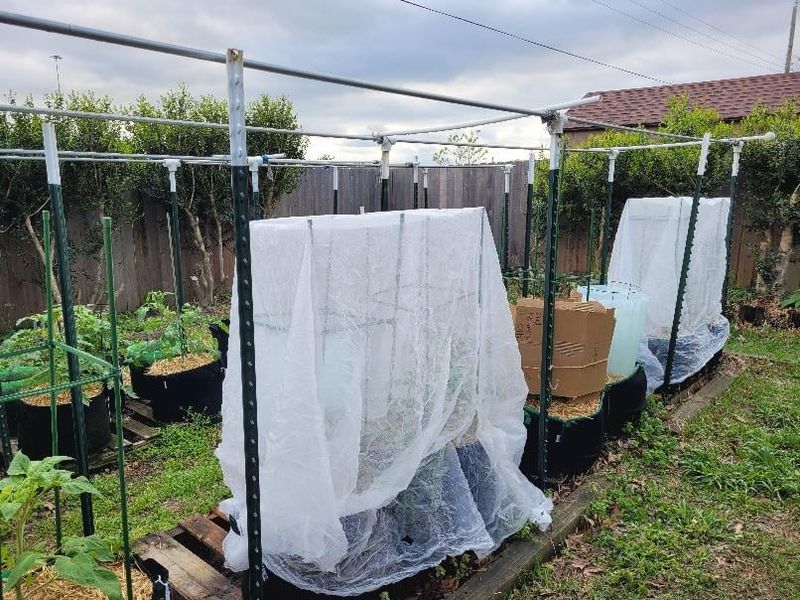
Frost cloth belongs in the shed before that night ever happens, and before every garden center in the panhandle sells out completely. Lightweight fabric rated for a few degrees of protection covers a typical Florida cold snap just fine.
Draping it over cages keeps fabric off the leaves themselves, and anchoring the edges with bricks or soil traps ground heat underneath.
That trapped heat is the actual mechanism protecting the plant, so a sealed bottom edge matters more than the fabric itself.
Old bedsheets work as a solid backup option. Plastic sheeting does not belong on this list at all, since it holds cold directly against foliage and can cause more damage than leaving plants uncovered.
Morning temperatures climbing back above 50 signal it’s time to pull the cover off. Leaving it on through a sunny afternoon can cook a plant just as easily as frost can harm one.
South Florida rarely deals with this problem, though a stray front in late November occasionally catches even Miami gardeners off guard.
One last move for a serious freeze. Pick every fruit showing a hint of color, set them on a counter away from direct sun, and they’ll finish ripening indoors within about a week, holiday dinner secured either way.
8. A Gentle Buzz That Gets Flowers Working
Flowers everywhere and not one tomato forming. Plenty of Florida gardeners hit this wall in October and assume something has gone wrong with the plant.
Usually nothing has. Tomato pollen needs movement to fall from the flower onto the part that makes fruit, and still humid air holds that pollen in place.
Outdoors, wind and bees normally handle the job. Warm sticky autumn afternoons in Florida sometimes deliver neither, so a little help goes a long way.
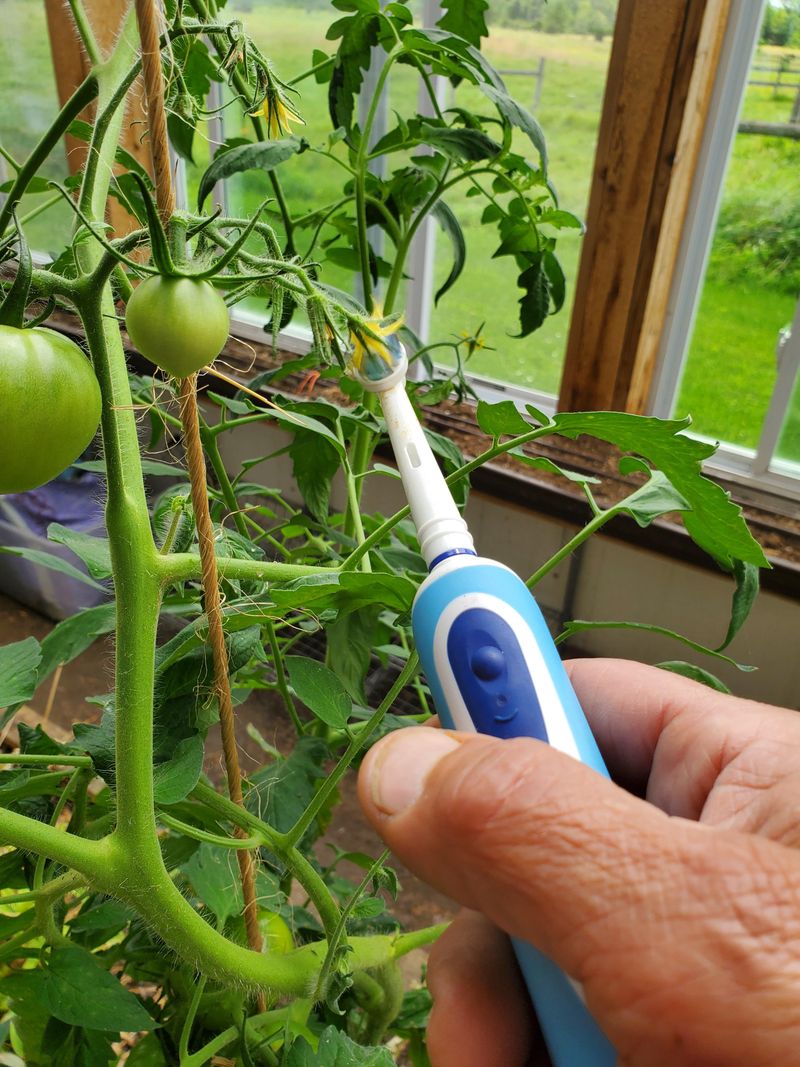
A soft flick of the finger against each flower cluster does the trick. Do it around midday when pollen moves most freely, two or three times a week during peak bloom.
An electric toothbrush works even better, held against the stem just behind the cluster for a couple of seconds. The vibration mimics what a bumblebee does naturally, and yes, the neighbors will have questions.
Row cover left on too long blocks this entirely, which is one more reason to pull it once blooms open.
Temperature plays a part too. Fruit set slows when nights stay above roughly 75 degrees, so early bloom in warm September often produces less than bloom three weeks later.
Patience helps here. Cooler nights arriving in October usually flip the switch, and clusters that seemed stalled start swelling almost overnight.
Buzz the blossoms, wait for cooler evenings, and the plant handles the rest while you take all the credit.