What Florida Hydrangeas Need Before the First Cool Snap to Bloom Bigger Next Year
The flowers you hope to see next spring are already tucked inside your shrub right now. They sit as tiny buds at the tips of this summer’s stems, waiting quietly for warmer days.
That little secret changed how I garden. One careless snip in October can erase a whole season of color, and I learned that lesson the hard way.
In Florida, our fall is gentle, but it still matters. Cooler nights tell these shrubs to slow down, toughen up, and protect the buds they built. You need to help them during that shift instead of pushing them to grow more.
Truth be told, this season excites me even more than spring. The work is small, the payoff is big, and most of it happens before the first chilly morning arrives.
What your shrub wants this fall might surprise you, because much of it comes down to doing less.
Next Spring’s Hydrangea Flowers Are Already Hiding on Those Stems
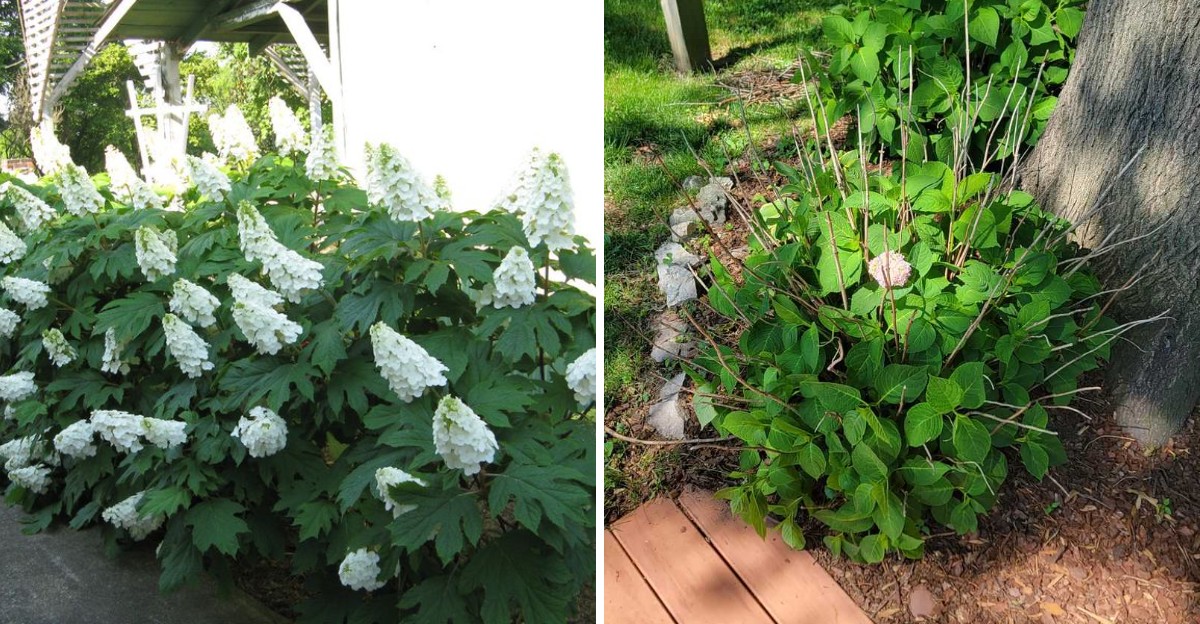
Most gardeners are shocked to learn this. Bigleaf and oakleaf hydrangeas form next year’s flower buds in late summer and fall, right at the tips of this year’s stems.
Gardeners call this blooming on old wood. The buds sit there all winter, waiting for spring warmth to open.
If those stem tips get cut, frozen, or stressed, the flowers go with them.
That is why fall care matters so much. Your goal now is simple.
Protect the buds that already exist and help the plant harden its stems before cooler weather.
Not every hydrangea works this way. Smooth hydrangeas like ‘Annabelle’ and panicle types like ‘Limelight’ bloom on new wood, meaning they make flowers on growth that appears next spring.
Reblooming bigleaf types, such as the Endless Summer series, do both, which gives you a backup plan.
Take a few minutes this week to check your plant tags or look up your variety. Knowing which group your shrub belongs to answers almost every fall question you will have.
I keep a little note on my phone listing each shrub and its bloom type. It sounds fussy, but it saves me from guessing with the pruners every single year.
Put Those Pruning Shears Down Once August Ends
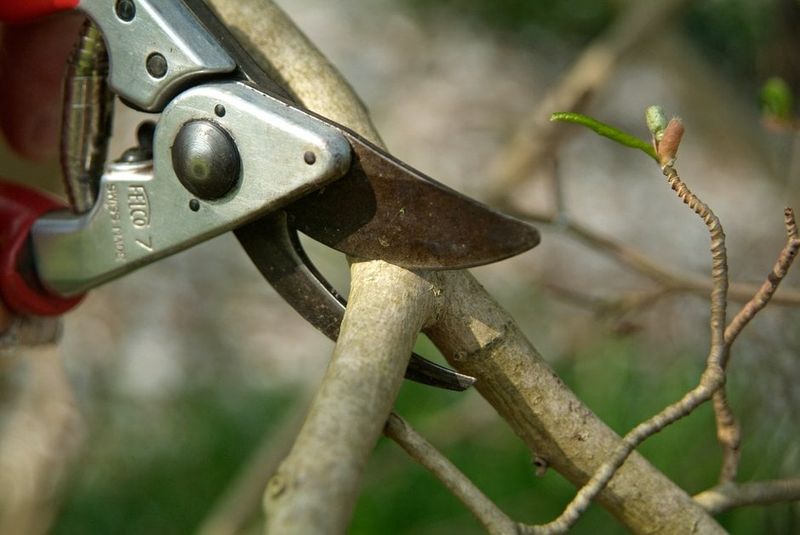
Here comes the hard part for tidy gardeners like me. Bigleaf and oakleaf hydrangeas should be pruned right after their summer flowers fade, and the cutoff is generally the end of July or August.
Pruning later than that removes the buds the shrub just built. You may end up with a healthy green bush and zero flowers next spring.
That is the most common reason people say their hydrangea stopped blooming.
So what can you safely do in fall? You can snip off spent flower heads just below the old bloom, without cutting deep into the stem.
You can also remove broken, crossing, or clearly damaged branches at any time.
Panicle and smooth hydrangeas play by different rules. They can be trimmed in late winter or very early spring because they flower on fresh growth.
Waiting until then also keeps any new shoots from appearing just before a cold night.
If your shrub is simply too large, resist the urge to shape it now. A better plan is to move it, or to prune it right after it blooms next summer.
Patience in October often shows up as color in May.
Your Hydrangea Shrub Wants a Break From Fertilizer Now
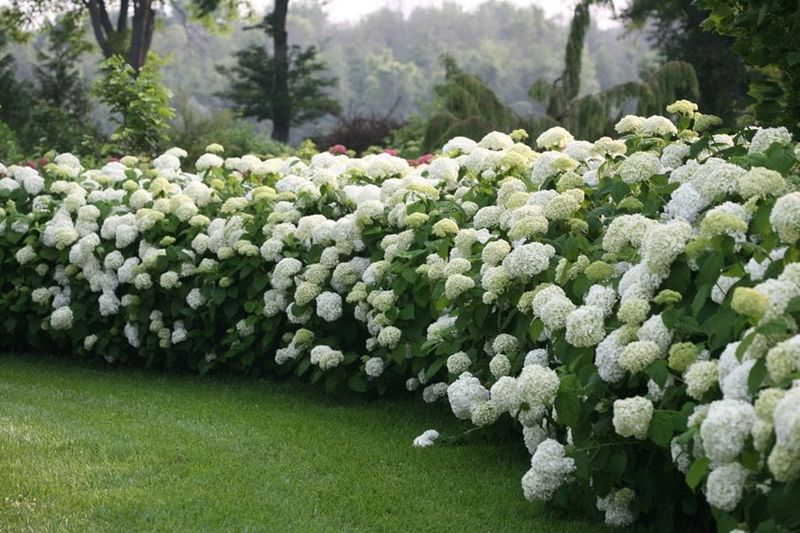
Feeding a plant feels like a kind gesture. In fall, though, extra fertilizer can work against your hydrangeas.
Fertilizer, especially high-nitrogen kinds, pushes soft new leaves and shoots. That tender growth is easily hurt by a sudden cool snap, and it uses energy the plant should be storing.
Many growers stop feeding by late summer or early September.
University of Florida experts suggest light feeding during the growing season rather than heavy doses. A balanced slow-release product in spring, and perhaps once more in early summer, usually covers what the shrub needs.
Too much nitrogen at any time can mean big leaves and fewer flowers.
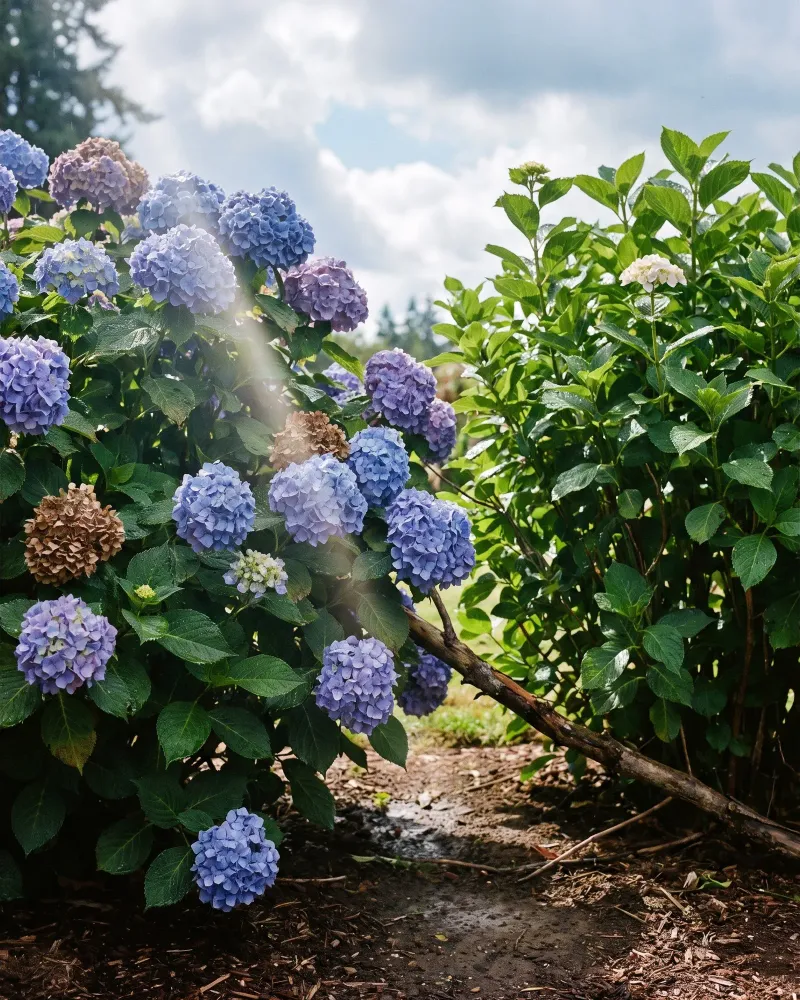
Curious about color instead? Soil pH changes bigleaf flower color, with acidic soil favoring blue and more alkaline soil leaning pink.
Many soils, especially in coastal areas, run alkaline, so blue blooms can take work.
If you want to adjust pH, test your soil first through your county Extension office. Changes happen slowly, so small, steady amendments work better than a big fall dump.
For now, let the bag stay closed and let your plant settle down for the cooler months.
Deep Drinks Keep Hydrangea Roots Strong Through Fall
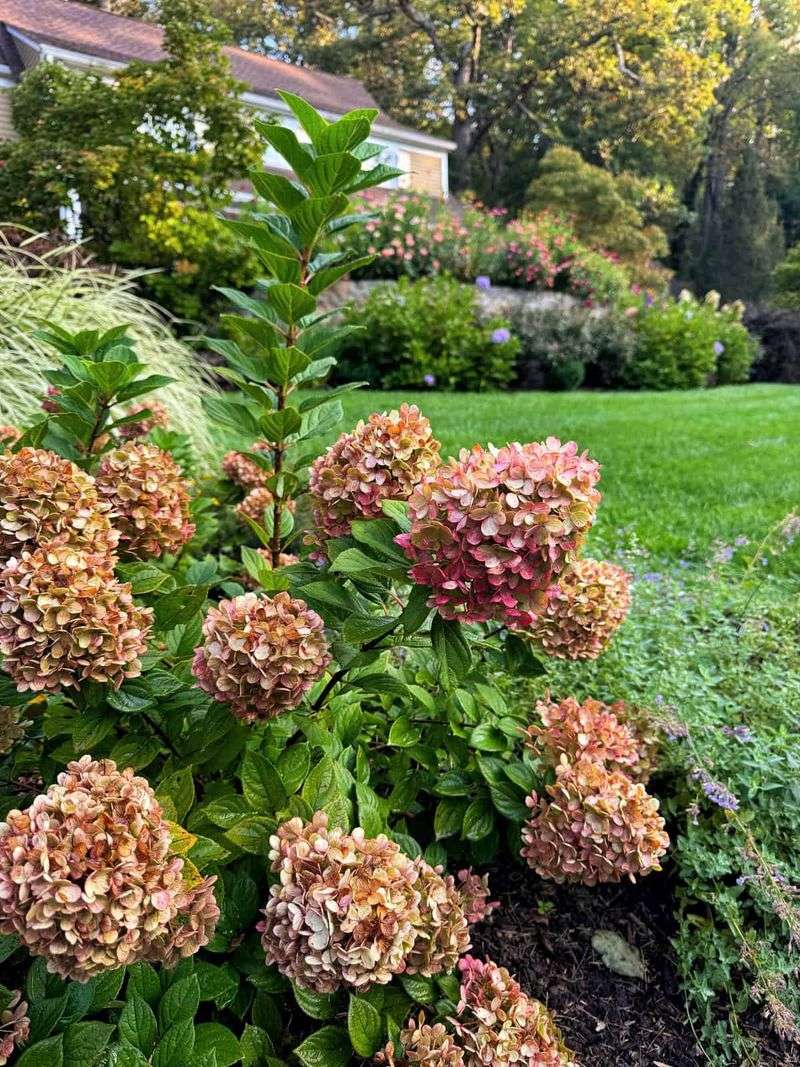
The name says it all. Hydrangea comes from Greek words meaning water vessel, and these shrubs truly live up to it.
Fall in the Sunshine State can surprise you. October and November are often among the driest months in much of the state, even after a soggy summer.
Roots that dry out now can stress the plant and weaken the buds sitting on its stems.
Water deeply at the base instead of giving quick sprinkles. Check the soil with your finger, and water when the top inch or two feels dry.
Morning watering helps leaves dry fast, which lowers fungal leaf spot problems.
Watch for drainage, too. Hydrangeas like moist soil, not soggy soil, and roots sitting in water can rot.
Sandy ground drains quickly, while heavy spots may hold too much moisture.
Potted hydrangeas need extra attention. Containers dry out faster than garden beds, sometimes in a single breezy day.
I check mine every morning with my coffee, and it takes about thirty seconds.
Scale back as the weather cools and growth slows. Steady moisture, not a flood, is what keeps those roots ready to support big spring blooms.
A Fresh Layer of Pine Straw Mulch Makes a Big Difference
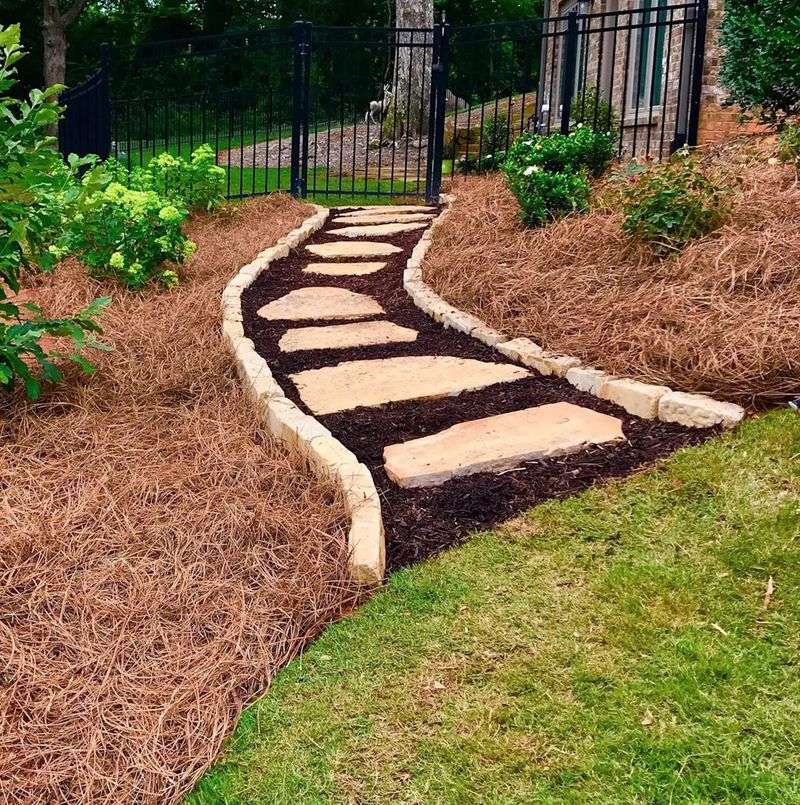
Pine straw is practically a Florida tradition. It also happens to be one of the best things you can tuck around a hydrangea before cooler weather.
A two to three inch layer of organic mulch holds moisture in sandy soil and evens out soil temperatures. It also blocks weeds that compete for water.
As it breaks down, it slowly adds organic matter, which our soils badly need.
Good choices include pine straw, pine bark, or shredded leaves. Many Extension specialists discourage cypress mulch because harvesting it can affect wetlands.
Pine bark and pine straw are easy to find and renew.
Keep the mulch a few inches away from the main stems. Piling it against the bark traps moisture and invites rot and pests.
Picture a donut shape, not a volcano, around the base.
In North Florida, mulch adds helpful insulation for roots during frosty nights. Gardeners farther south still benefit from the moisture savings during dry fall months.
I refresh my mulch each October, and the shrubs reward me with steadier growth. It is one of those cheap, easy chores that quietly pays off all year long.
Frost Cloth Can Save Bigleaf Hydrangea Buds on Chilly Nights
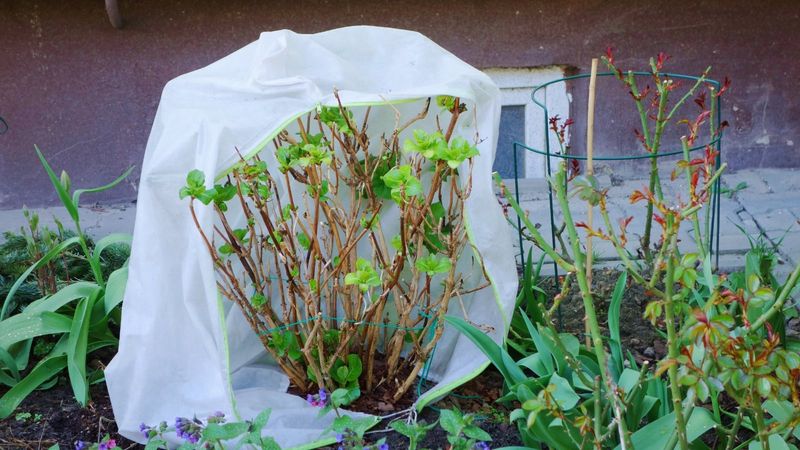
Late frost has frustrated plenty of North Florida gardeners. One clear, cold night can brown the swelling buds on bigleaf hydrangeas, especially after a warm spell wakes them early.
Frost risk varies a lot across the state. The Panhandle and North Florida see regular freezes, Central Florida gets occasional ones, and South Florida rarely does.
Know your area and watch local forecasts from December through early spring.
When temperatures near freezing, cover your shrub with frost cloth, an old sheet, or burlap. Let the cover reach the ground so it traps warmth rising from the soil.
Avoid plastic touching leaves, since it can transfer cold.
Remove covers the next morning once temperatures climb. Leaving them on during sunny days can overheat the plant.
Containers are easier still. Roll potted hydrangeas into a garage or against a south-facing wall on cold nights.
Grouping pots together also helps them share warmth.
If a freeze does damage some buds, stay calm and skip the pruners. Wait until new growth appears in spring, then trim only the clearly brown tips.
Many shrubs still flower, and rebloomers often recover nicely.
Oakleaf Hydrangeas Handle Florida Fall Better Than You Expect
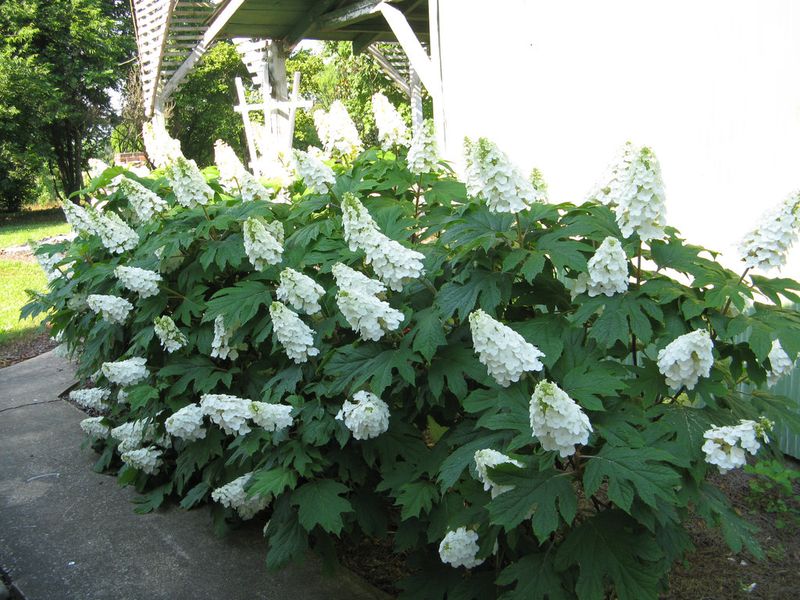
Did you know one hydrangea is a true Southern native? The oakleaf hydrangea grows wild in parts of North Florida and nearby states, and it handles our conditions with surprising grace.
Its big, lobed leaves look like oversized oak leaves. In fall, many turn rich red, purple, or bronze, which is a rare show in the state.
Peeling cinnamon bark adds interest once leaves drop.
Oakleaf hydrangeas tolerate more heat and dry spells than bigleaf types once established. They grow best in North and Central Florida, in partial shade with good drainage.
South Florida is usually too warm for them to thrive.
Like bigleaf hydrangeas, they bloom on old wood. That means the same fall rule applies, so hold off on pruning.
A light mulch and occasional deep watering in dry weeks are usually enough.
If your bigleaf shrubs struggle each year, consider adding an oakleaf next season. Fall and winter are actually great planting times in North Florida because cooler weather lets roots settle before summer heat.
Native plants also support local pollinators. Bees and other insects visit the cone-shaped flowers, which makes your garden livelier in late spring.
A Shady Spot and a Few Notes Set Up Next Year’s Hydrangea Blooms
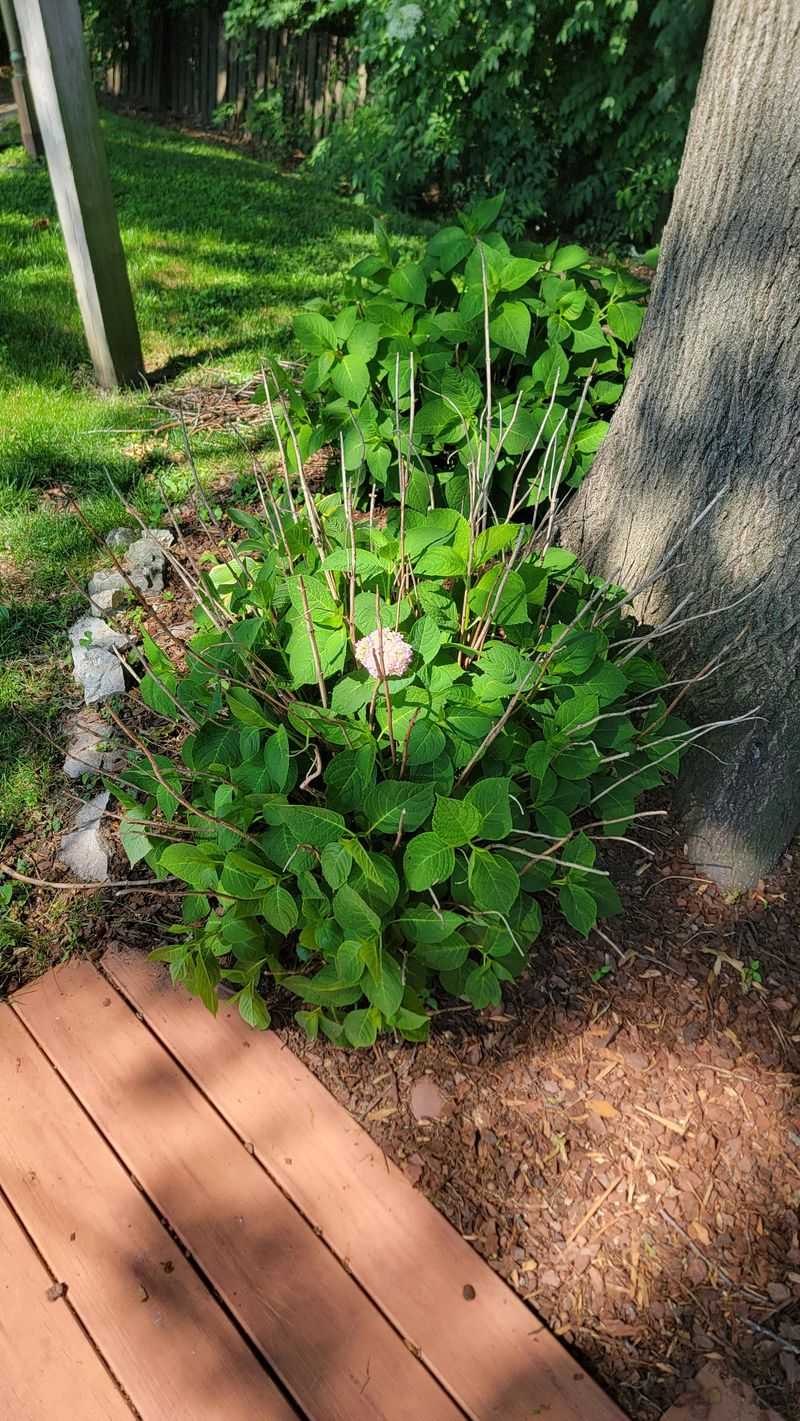
Fall is the perfect time to look honestly at where your hydrangeas live. A shrub in the wrong spot will struggle no matter how carefully you water or mulch.
Most hydrangeas here want morning sun and afternoon shade. Harsh afternoon light can scorch leaves and reduce flowering, especially for bigleaf types.
Too much deep shade, though, often means fewer blooms.
Walk your yard this month and note where shade falls in the afternoon. If a shrub sat wilting every summer afternoon, it may need a new home.
In North and Central Florida, the cooler months are a fine window for transplanting.
Dig a wide root ball, replant at the same depth, and water well. Add mulch, and keep the soil evenly moist through winter while roots settle.
I also suggest jotting down a few details. Record your variety, its bloom type, when it flowered, and any frost dates.
That simple garden journal helps you make smarter choices next fall.
Small steps really do stack up. Protect the buds, skip late feeding, water well, and pick the right spot.
Your reward could be the fullest flower show you have ever grown.