The Florida Shrub Birds Help Spread From Yard To Yard Without Homeowners Realizing It
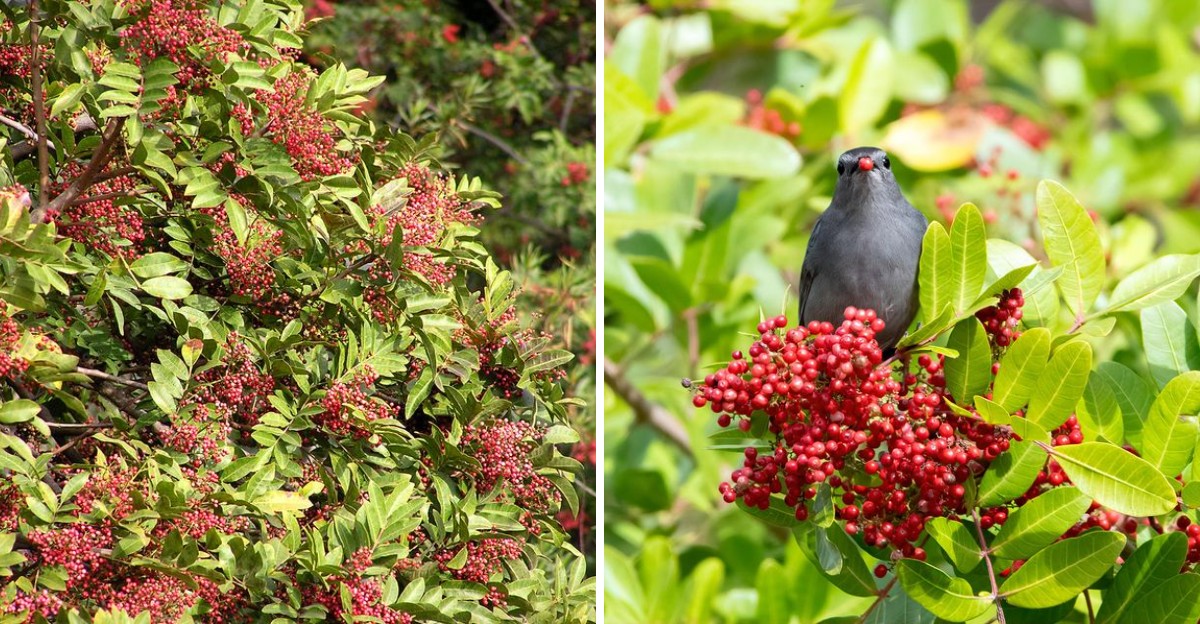
Bright red berries crowd the branches by your fence, and the birds can’t get enough. The shrub’s got a plan for that appetite.
Every flock that drops by leaves with a full belly and a long flight ahead. Seeds hitch a free ride to a yard two streets over, a canal bank, an empty lot down the road.
They sprout wherever they land.
That cheerful shrub looks harmless, even festive, once winter rolls in. Plenty of Florida homeowners admired it for years before they learned what it was up to.
The sneaky part is how quiet it all is. Nobody sees a thing until saplings pop up in spots nobody planted.
Take a hard look at those red clusters before the birds finish the job. One shrub can end up in far more places than you’d guess.
1. That Shrub Is Brazilian Peppertree
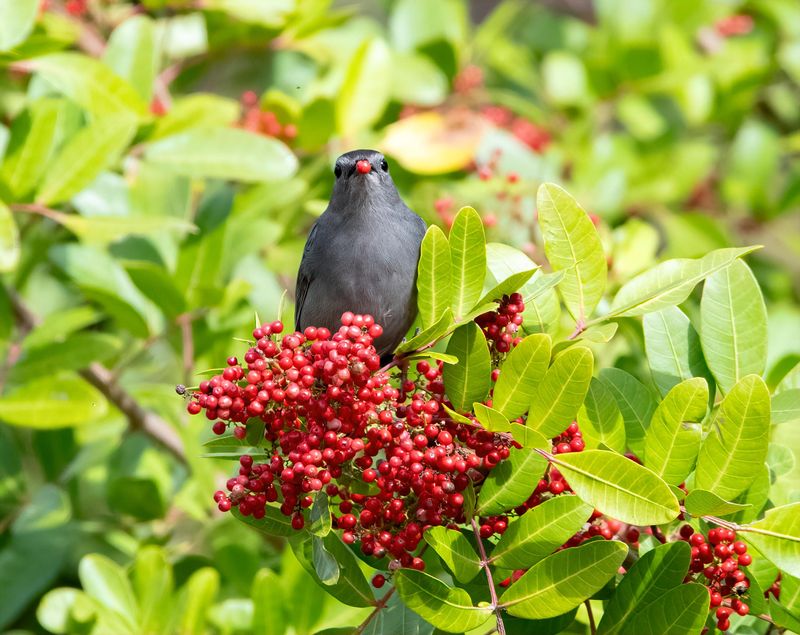
Meet the sneaky neighbor that moved in without asking. Its full name is Brazilian peppertree, or Schinus terebinthifolius if you like fancy science words.
The plant came from South America and was brought to the state as a pretty landscape shrub over a century ago. Folks liked its shiny leaves and cheerful red fruit, so it got planted in many yards.
Nobody guessed it would turn into one of the state’s biggest invasive plant problems.
Brazilian peppertree can grow as a big, bushy shrub or a small tree. It often reaches 10 to 30 feet tall, with long, arching branches that tangle together.
Over time, one plant can form a thick wall of green that crowds out everything nearby.
Its leaves are a good clue for spotting it. Each leaf is made of several smaller leaflets, usually five to thirteen, lined up along a stem.
Crush one and you may smell something peppery or a little like turpentine.
Why does this matter to you? Thick stands of this shrub shade out native plants that local wildlife depend on for food and shelter.
Mangroves, pinelands, and hammocks all suffer when it takes over.
Take a slow walk around your property this week. Look along fences, ditches, and shady corners, since those spots are favorite hiding places for young peppertrees.
2. Its Red Berries Earned It The Name Florida Holly
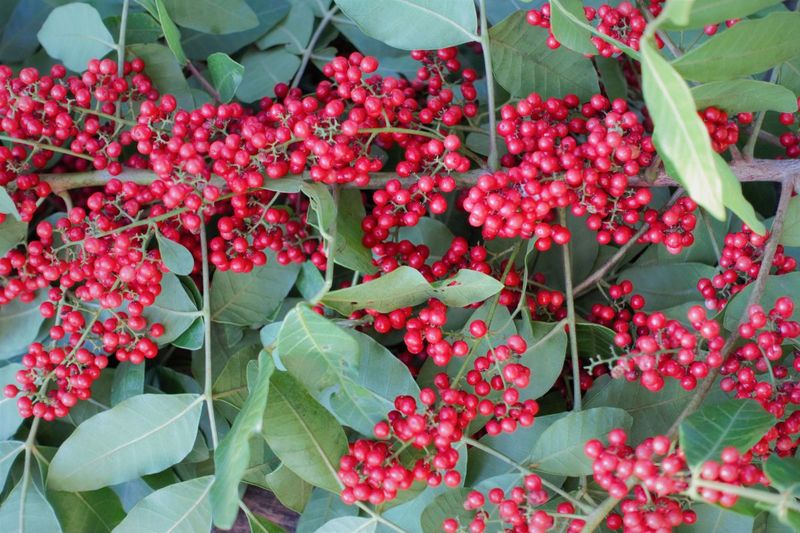
Deck the halls with boughs of… not holly, actually. Many Floridians call this shrub Florida holly or Christmasberry tree, and the nicknames make sense at first glance.
Every winter, it produces heavy clusters of small, glossy berries. Those berries turn a bright, candy-apple red, just in time for the holidays.
Some people even snip branches for wreaths and table decorations.
Here’s the funny part. Brazilian peppertree is not a holly at all.
It belongs to the same plant family as cashews, mangoes, poison ivy, and poison oak.
That family tie matters more than you might think. The sap can cause itchy rashes and skin irritation for many people.
Some folks also report sneezing or breathing trouble when the shrub is blooming.
The leaves look different from real holly too. True holly leaves are often stiff and sometimes spiky, while peppertree leaflets are smooth-edged and arranged in a row.
Your Florida Garden Changes Every Week. Your Plan Should Too.
Gardening in Florida changes quickly throughout the season. Every Friday you’ll receive a simple weekly plan showing exactly what to plant, prune, fertilize, harvest, and protect so you never miss the right timing.
So if a neighbor proudly shows off their Florida holly hedge, you might gently share what it really is. A friendly heads-up can go a long way.
Fun fact: the dried berries are sometimes sold as pink peppercorns in spice shops. Still, that doesn’t make the plant a good guest in your garden.
Choose native yaupon holly instead if you want true holiday berries.
3. The Fruit Ripens In Late Fall And Winter
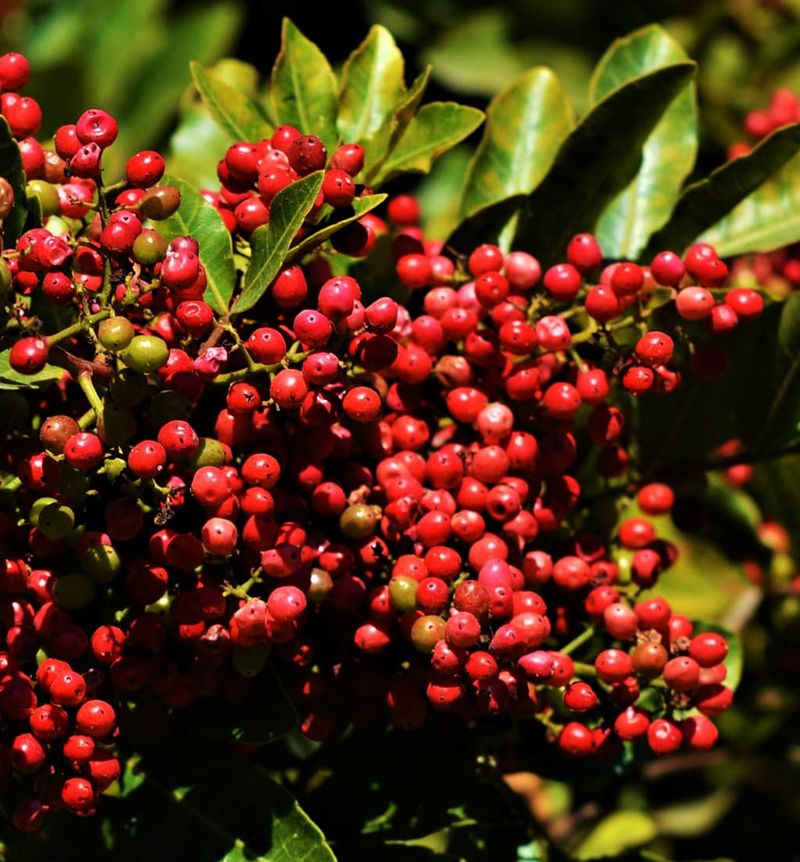
Timing is everything, and this shrub has a calendar all its own. Knowing its schedule gives you a real edge.
In Florida, Brazilian peppertree blooms mostly from September through November. The flowers are tiny and creamy white, so they’re easy to miss.
Bees buzz around them, but most people walk right past without noticing.
After blooming, small green berries form in tight clusters. Slowly, they shift from green to pinkish and then to bright red.
By December, most of the fruit is ripe and ready for hungry visitors.
Those berries tend to hang on the branches all winter long. That’s a big deal, because winter is when food gets scarce for many animals.
A shrub loaded with fruit becomes a popular stop on the wildlife buffet line.
Think of it like a snack bar that stays open during a busy holiday season. Birds passing through the state on migration find it quickly.
They fill up, then fly off to who knows where.
Mark your calendar with a simple reminder. Check suspicious shrubs in early fall, when flowers or green berries first show up.
That’s your best window to act before the fruit turns red and the spreading starts.
A little planning now can save a lot of pulling later.
4. Birds And Mammals Carry The Seeds Far And Wide
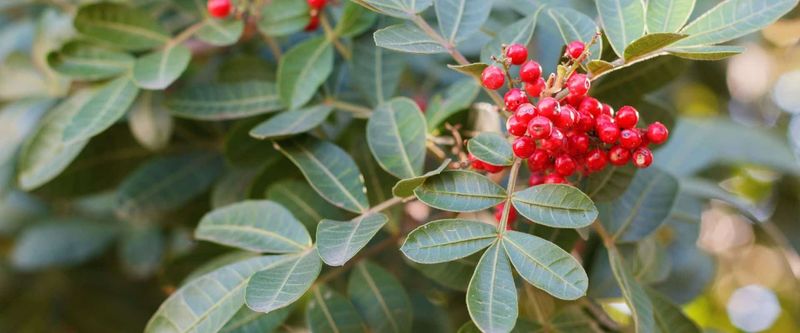
Imagine a delivery service that works for free and never takes a day off. That’s basically what local wildlife does for Brazilian peppertree.
The plant can’t walk, so it relies on animals to move its seeds. Birds and mammals eat the berries, then travel around.
Later, they drop the seeds in new places, often with a little natural fertilizer included.
Here’s where your yard comes in. A bird might snack in a vacant lot down the street, then rest on your fence.
A few days later, a peppertree seedling pops up right underneath.
Common landing spots tend to get the most seedlings. Watch areas under power lines, fences, bird feeders, and big trees where birds like to perch.
You might find a little row of sprouts lined up like soldiers.
Water helps the plant travel too. Seeds can float along streams, canals, and drainage ditches, landing far from the parent shrub.
Because of all this movement, one fruiting shrub can affect a whole neighborhood. Your careful yard work matters, but so does talking with neighbors.
Try a quick seedling check once a month. Young plants pull out much more easily when they’re small.
Grab them before their roots dig in deep, and you’ll stay a step ahead of your feathered couriers.
5. Robins, Cedar Waxwings And Mockingbirds Love The Berries
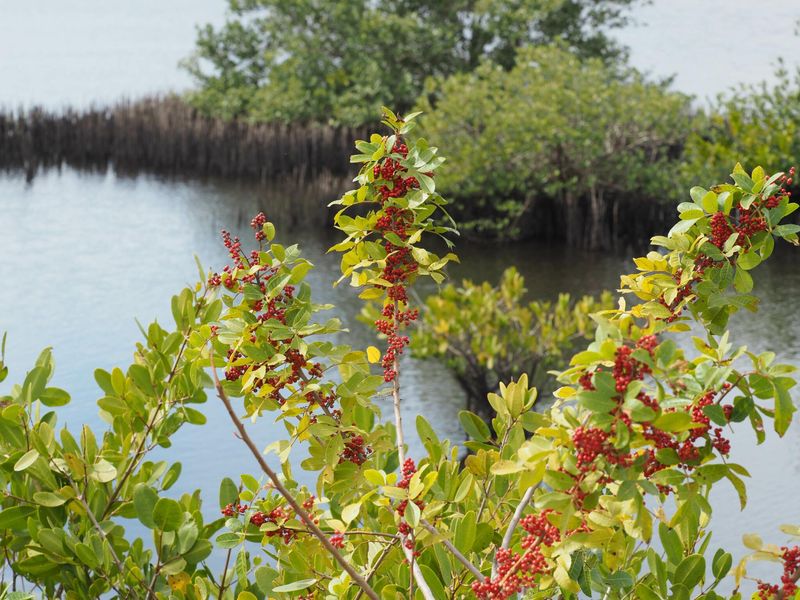
A flock of cedar waxwings can strip a branch faster than kids at a birthday cake table. These sleek, masked birds travel in groups and gulp berries whole.
They aren’t alone at the feast. American robins arrive in Florida during winter, often by the hundreds.
Northern mockingbirds and gray catbirds join in too, happily filling up on the red fruit.
Mammals also grab a share. Raccoons and opossums climb into the branches or snack on fallen berries.
Then they wander through backyards at night, carrying seeds along the way.
Watching birds is a joy, and nobody wants to stop that. The trick is giving them better choices.
When native fruiting plants are close by, birds have healthy options that don’t cause problems.
Consider planting Florida favorites like beautyberry, wax myrtle, firebush, or yaupon holly. Each one feeds birds without taking over local wild areas.
Beautyberry’s purple fruit is especially striking in fall.
Some people notice birds acting a bit wobbly after eating lots of peppertree berries. Reports suggest the fruit may have mild effects on some birds, which is another reason to offer native snacks instead.
So keep your binoculars handy and enjoy the show. Just make sure the menu in your yard is one you’d be proud to serve.
6. The Seeds Can Stay Viable For Months
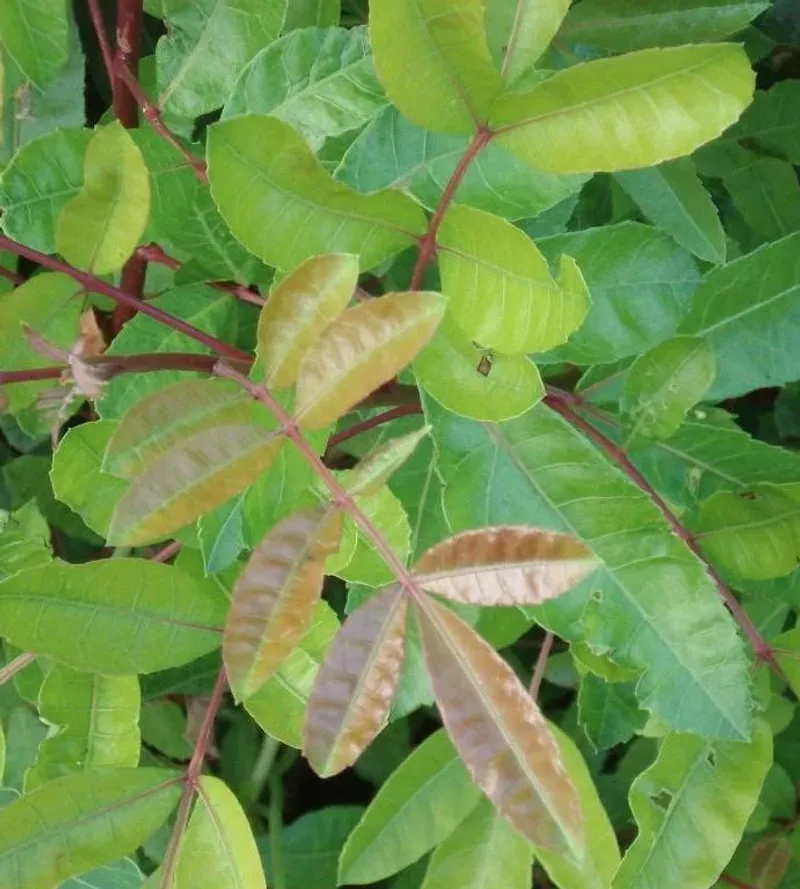
Patience is one of this plant’s sneakiest tricks. Its seeds don’t need to sprout right away to cause trouble.
Research shows Brazilian peppertree seeds often stay viable for about two months after they’re dropped. Some studies suggest they can last up to five months.
Under certain storage conditions, they may hold out for as long as a year.
That means a seed dropped in January might wait quietly until spring rain arrives. Then, almost overnight, little green sprouts appear.
Homeowners often wonder where they came from.
Here’s a surprising twist worth knowing. When seeds pass through a bird’s digestive system, they may actually sprout better.
The trip seems to clean off the fruit and give the seed a head start.
So birds aren’t just carrying seeds around. They may be helping them grow, too.
What can you do with this information? Keep watching problem spots for several months after berry season ends.
Spring and early summer are prime times for new seedlings to show up.
Young sprouts have reddish stems and small leaflets arranged in rows. Pull them by hand when the soil is damp, making sure the roots come out too.
Wear gloves, since even young plants carry irritating sap. A few minutes of weeding can prevent years of headaches.
7. Florida Bans Its Sale And Movement
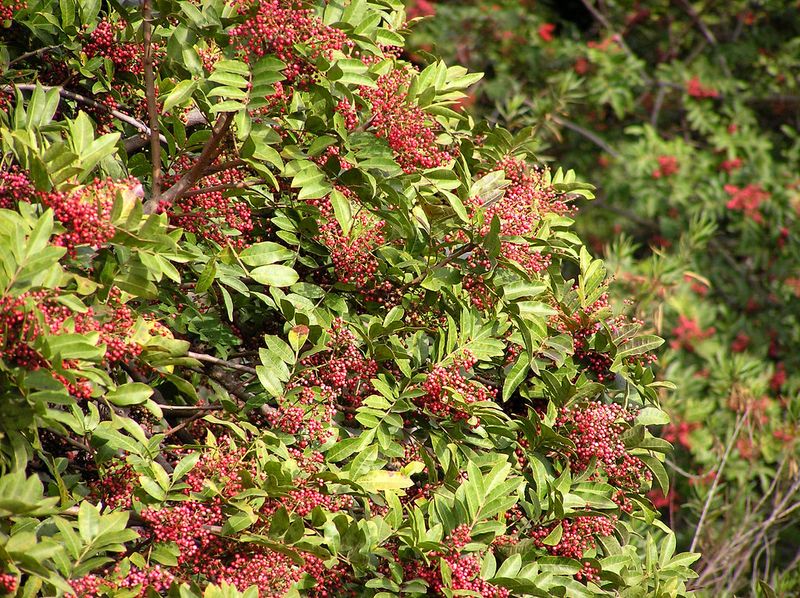
Believe it or not, the state takes this shrub very seriously. Brazilian peppertree is listed as a Class I prohibited invasive species in the state.
It also appears on Florida’s Noxious Weed List. On top of that, it’s labeled a Class 1 prohibited aquatic plant, because it spreads so easily near water.
So what does all that legal language mean for you? Without a special permit, it’s against the law to sell, plant, grow more of, possess, move, or release any part of the plant.
That includes seeds, berries, and cuttings.
You won’t find it in reputable garden centers for that reason. If someone offers you a cutting or a potted Christmasberry tree, politely say no thanks.
Those festive branches some people use for holiday wreaths fall under the rules too. Moving them around can spread seeds to new areas.
A wreath on a front door might seem harmless, yet birds may pick at the berries.
If the shrub already grows on your land, don’t panic. Removing it is encouraged, and local extension offices can guide you.
UF/IFAS Extension has helpful fact sheets and free advice.
Think of these rules as teamwork. When each yard follows them, Florida’s beaches, wetlands, and forests stay healthier for everyone.
8. Cut It Back Before The Berries Ripen
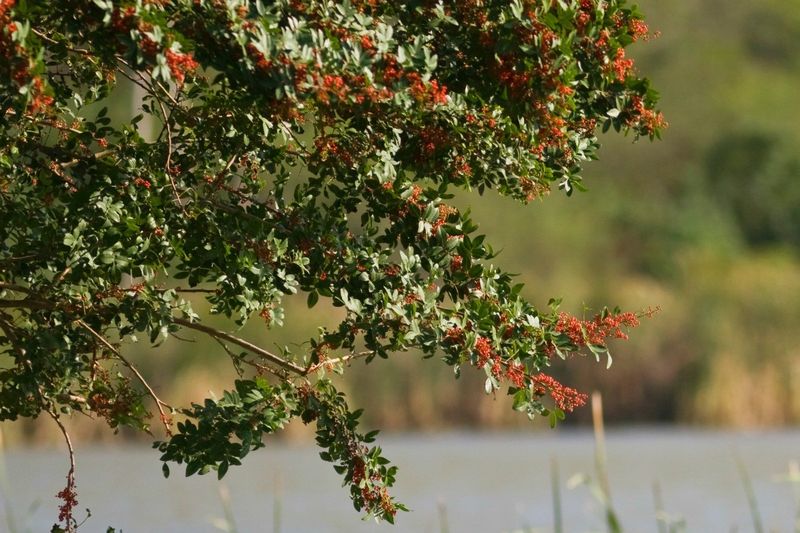
Picture yourself in early October, pruners in hand, beating the birds to the punch. That’s the smartest move you can make with this shrub.
Experts suggest removing Brazilian peppertree when it isn’t fruiting. Without ripe berries, there’s nothing for birds to carry away.
Your cleanup stays tidy and contained.
If full removal has to wait, snip off the green berry clusters before they turn red. That simple step can slow the spread a lot.
It’s a bit like taking the candy out of the candy store.
Here’s a quick game plan:
First, look for creamy flowers in September and October. Next, watch for small green berries forming afterward.
Then, cut those clusters and bag them right away.
For bigger shrubs, removing the whole plant works best. Peppertree can sprout again from stumps and roots, so cutting the trunk alone isn’t enough.
Many homeowners pair cutting with a labeled herbicide on the stump, following the label carefully.
Large trees may call for a licensed tree service. Pros have the right tools and know how to handle tangled branches safely.
Protect yourself while working. Wear long sleeves, gloves, and eye protection to avoid sap irritation.
Afterward, wash your tools and clothes so nothing sticky follows you indoors.
9. Don’t Spread The Fruit When You Remove It
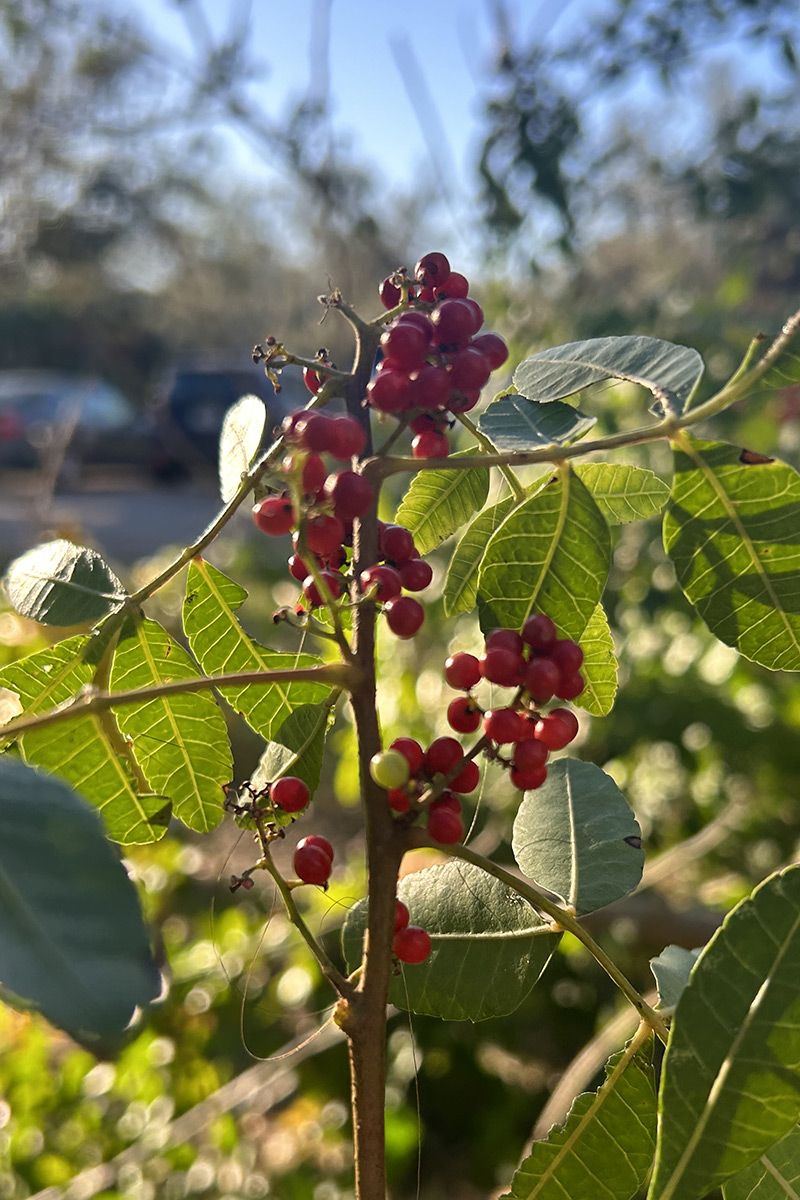
Ever pulled weeds only to find more popping up where you dumped them? Brazilian peppertree can play that same trick if you’re not careful.
Berries that fall during removal can sprout later. Branches dragged across the yard may scatter fruit along the way.
Even a pile left by the curb gives birds an easy snack.
Start by laying a tarp under the shrub before cutting. It catches dropped berries so you can gather them up quickly.
Then slide fruiting branches straight into heavy trash bags and tie them tight.
Skip the compost pile for anything with berries. Most home compost doesn’t get hot enough to stop the seeds.
Check with your county about yard waste rules, since some areas have special pickup instructions.
Roots need attention too. This plant can regrow from leftover roots, so dig out as much as possible.
Keep an eye on the spot for new sprouts over the next year.
Gear matters here as well. Gloves, long sleeves, and closed shoes keep the irritating sap off your skin.
Once the shrub is gone, fill the space with a native plant. Firebush, coontie, or beautyberry will feed wildlife and help keep new invaders from moving in.
Your yard, and your bird visitors, will thank you.