What Georgia Blueberries Need In August To Recover From The Brutal Summer Heat
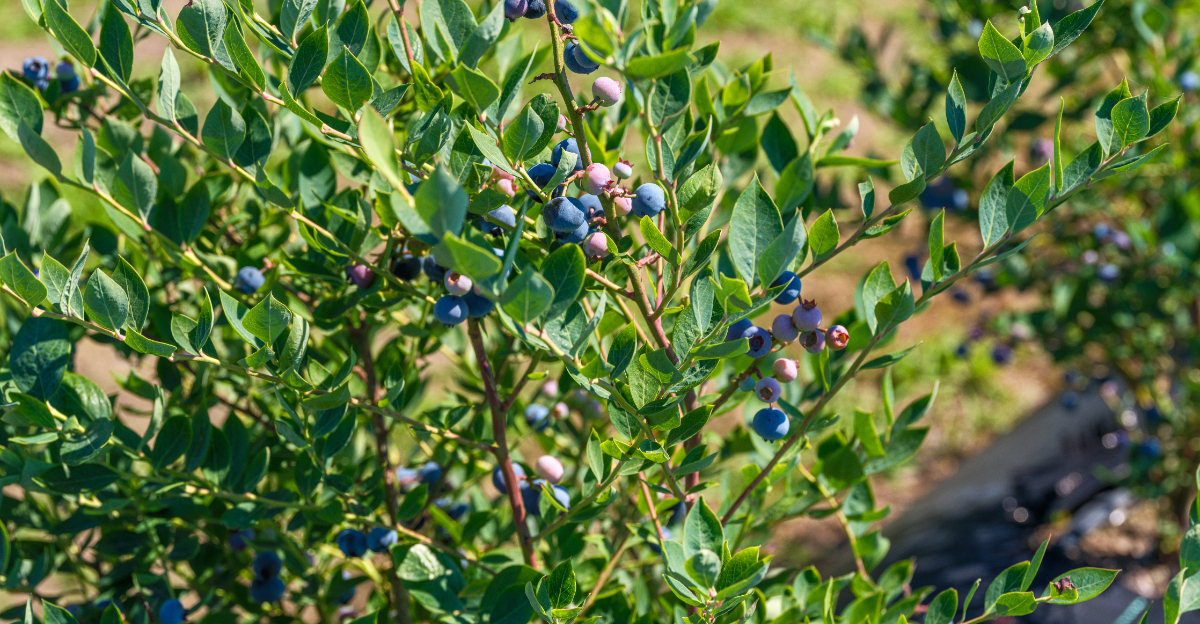
Blueberry bushes can look tired by the time August arrives. Fewer leaves, slower growth, and signs of heat stress often leave gardeners wondering if the plants will recover.
The good news is that this stage is completely normal after weeks of intense summer weather. Georgia blueberries are already shifting their energy toward next year’s growth.
Now is the time to help them recover instead of expecting another heavy crop. A few simple care habits can make a noticeable difference before cooler weather returns.
Avoid making big changes too quickly. Gentle care is much more effective than trying to force new growth during the hottest part of the season.
Giving your blueberry bushes what they need this month helps them finish summer in much better shape and sets them up for a healthier harvest next year.
1. Water Before Plants Show Heat Stress
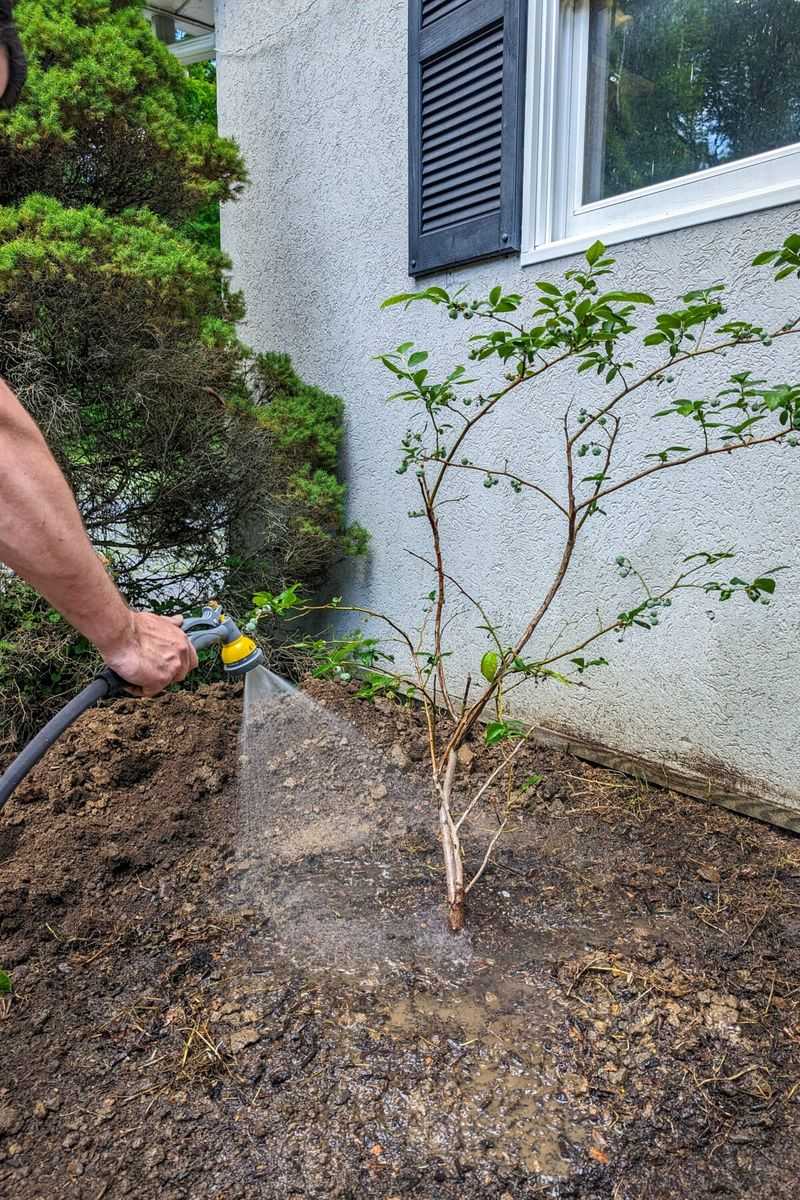
Waiting for wilted leaves is waiting too long. By the time a blueberry bush looks stressed, moisture loss has already set in deep inside the plant’s tissues.
Blueberries have shallow roots. Most sit just a few inches below the surface, which means they dry out faster than deeper-rooted plants when summer heat bears down hard.
August soil can go from moist to bone dry in under two days during a heat wave. Checking soil moisture every morning gives you a real edge over the heat.
Push your finger about two inches into the soil near the base of the bush. If it feels dry at that depth, water right away, not tomorrow.
Watering early in the morning works better than evening watering. Morning moisture soaks in before the heat peaks, and leaves dry out before nightfall, which helps reduce fungal issues.
Aim for about an inch of water per week, though sandy soils common in South Georgia may need more frequent watering to hold enough moisture.
Drip irrigation keeps water at the root zone without soaking the foliage.
Avoid overhead sprinklers during peak afternoon heat. Water droplets can heat up quickly and stress foliage even more when temperatures are high.
2. Add Fresh Pine Bark Mulch
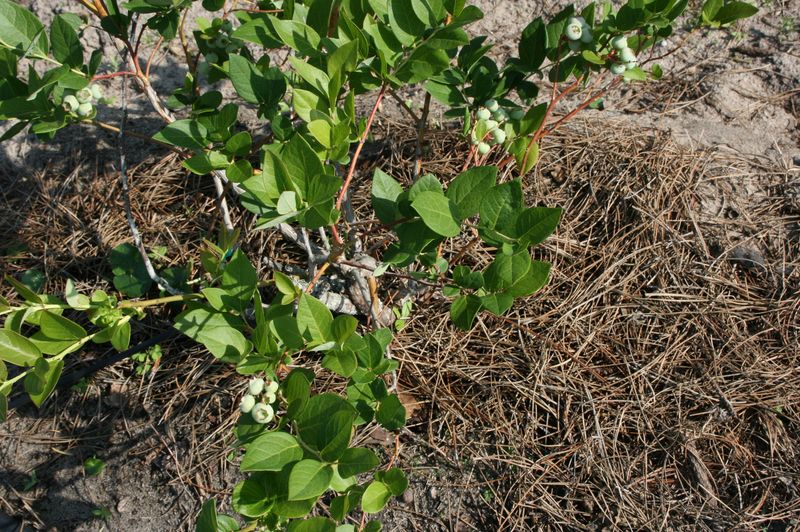
Fresh mulch in August is one of the most practical moves a blueberry grower can make. It does several jobs at once without much effort on your part.
Pine bark mulch helps hold soil moisture, which matters a lot when summer heat is pulling water out of the ground fast.
A consistent moisture level keeps roots from swinging between wet and dry extremes.
Blueberries prefer acidic soil, typically a pH between 4.5 and 5.5. Pine bark breaks down slowly and contributes mild acidity over time, which works in your favor here in the Southeast.
Spread a fresh layer about three to four inches deep around each bush. Keep the mulch a few inches away from the main stem to prevent moisture buildup right at the crown.
Old mulch that has broken down into fine particles loses its insulating ability. Pull back what remains, check the soil condition underneath, then add new material on top.
Your Georgia Garden Changes Every Week. Your Plan Should Too.
Gardening in Georgia changes quickly throughout the season. Every Friday you’ll receive a simple weekly plan showing exactly what to plant, prune, fertilize, harvest, and protect so you never miss the right timing.
Mulch also suppresses weeds that compete with your bushes for nutrients and water. Fewer weeds mean less work pulling them by hand later in the season.
Pine straw is another solid option if pine bark is not available nearby. Both materials work well for blueberries and are easy to find at most garden centers across the region.
3. Avoid Nitrogen After Harvest
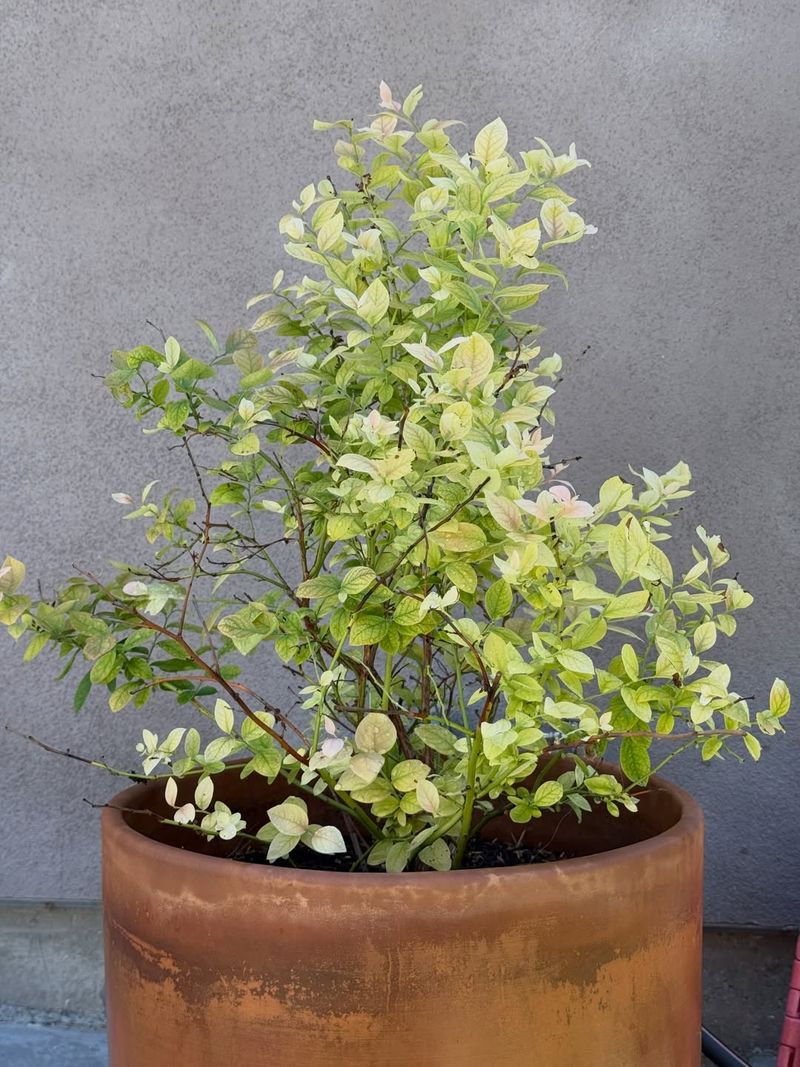
Fertilizing after harvest feels productive, but nitrogen in August can actually set your plants back rather than help them recover.
Late-season nitrogen pushes tender new growth. That soft green growth is highly vulnerable to early fall temperature drops, and a cold snap can damage it before it has time to harden off properly.
Georgia blueberries need a rest period heading into fall. Pushing vigorous vegetative growth at the wrong time can disrupt that natural cycle and leave plants less prepared for winter dormancy.
Nitrogen applied too late also tends to stay in the soil and leach away before the plant can use it effectively. It often ends up wasted and can contribute to nutrient runoff in the yard.
If you fertilized properly in early spring before bloom, your plants have already received what they needed for the season. A second heavy feeding in summer is rarely necessary for established bushes.
Soil testing is the most reliable way to know what your blueberries actually need. A basic test through your local extension office can tell you if any specific nutrients are low before you add anything.
Hold off on any fertilizer applications until late winter or very early spring. That timing lines up better with the plant’s growth cycle and gives nutrients a chance to be used efficiently.
4. Let This Year’s New Shoots Mature
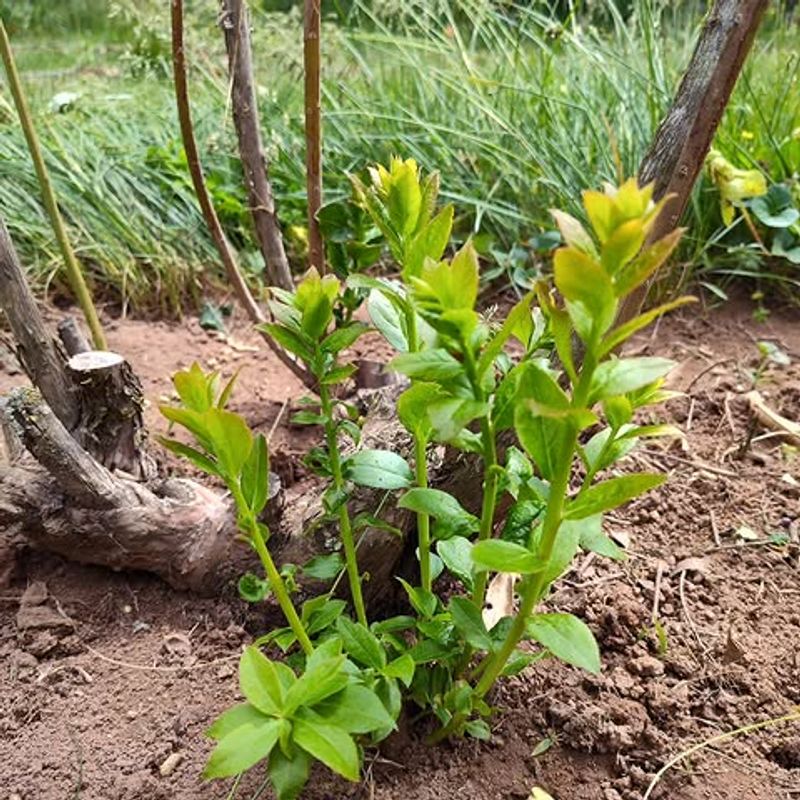
New shoots popping up from the base of your bushes in late summer are actually a sign of healthy, productive plants. Resist the urge to prune them right now.
Those young canes are building the foundation for next year’s fruit. Blueberries produce their best yields on canes that are one to three years old, so protecting new growth now pays off in a real way later.
Cutting fresh canes in August removes future fruiting wood before it ever gets a chance to develop. Even if the shoots look scraggly or out of place, leave them alone until late winter pruning season.
New growth does need adequate water and nutrients to mature properly. If your soil is depleted from the growing season, the shoots may struggle to develop strong wood before cold weather arrives.
Taller shoots that flop over or lean heavily can be loosely supported with a garden stake if needed. Just avoid tying them too tightly, since the stems are still flexible and need room to thicken up.
Rabbiteye blueberries, which are widely grown across Georgia, tend to produce vigorous new canes each season. These canes often become the most productive fruiting wood within a year or two.
Watching those new shoots mature through fall is genuinely satisfying.
5. Clear Away Old Fruit And Debris
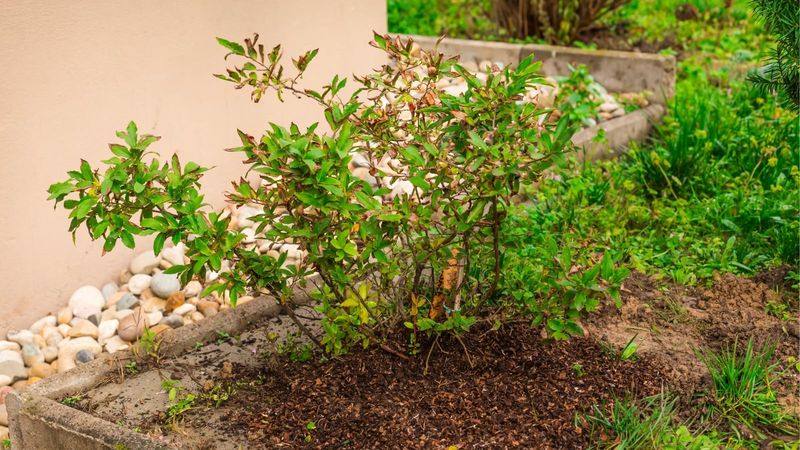
Leftover fruit clinging to the bush after harvest is more than just an eyesore. It creates real problems if you leave it sitting there through August and into fall.
Mummified berries and rotting fruit harbor fungal spores and pests that can overwinter in your garden and cause trouble next spring. Removing them now cuts off that cycle before it gets established.
Walk through your rows and hand-pick any fruit still hanging on the canes. A few minutes of cleanup per bush can make a noticeable difference in overall plant health heading into the off-season.
Fallen leaves and debris on the ground around the base of the bush are worth clearing too. Wet organic matter sitting directly on the soil creates conditions where fungal pathogens can thrive.
Do not compost diseased-looking fruit or leaves if you suspect fungal issues. Bag that material and toss it out instead to avoid spreading spores back into your garden beds.
Healthy fallen leaves and clean debris can go into a general compost pile without concern. Over time, that compost can be worked back into garden beds to improve soil structure and organic matter.
A clean growing area also makes it easier to spot pest activity or unusual growth patterns early.
6. Pull Weeds Around The Base
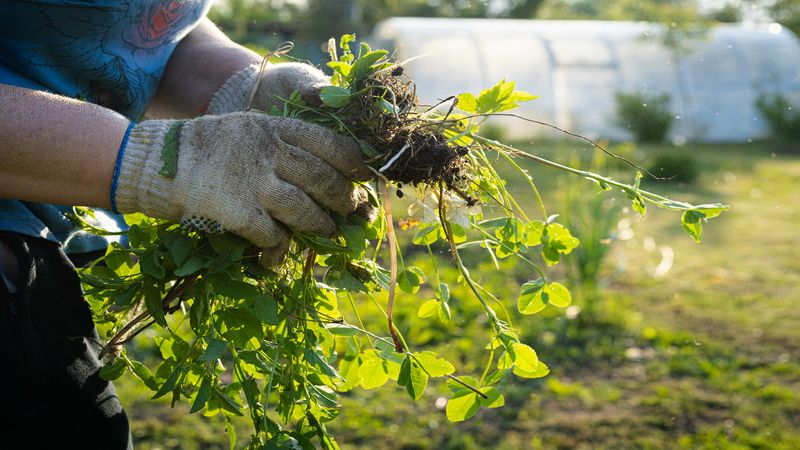
Weeds in August are relentless. Warm soil, occasional rain, and open ground near your blueberry bushes create perfect conditions for fast weed growth.
Weeds compete directly with your blueberry roots for moisture and nutrients. In a drought stretch, that competition can stress a bush that is already working hard to recover from a long fruiting season.
Pull weeds by hand when the soil is slightly moist. Dry soil makes roots grip tight, and yanking hard can disturb the shallow blueberry roots nearby.
Focus on the area within about two feet of the main stem. That zone is where the most active feeder roots are concentrated, and it deserves the most attention.
Grass is a particularly stubborn competitor near blueberry plants. Bermuda and crabgrass can spread runners right under your mulch layer if you are not watching for it.
After pulling weeds, refresh your mulch layer to cover any bare patches. Exposed soil heats up fast and dries out quickly, which puts extra strain on shallow roots during peak summer temperatures.
Avoid using string trimmers too close to the base of the bush.
Bark damage from a trimmer can open the plant up to infections and should be avoided during the stress of late summer heat.
7. Leave Next Year’s Flower Buds Undisturbed
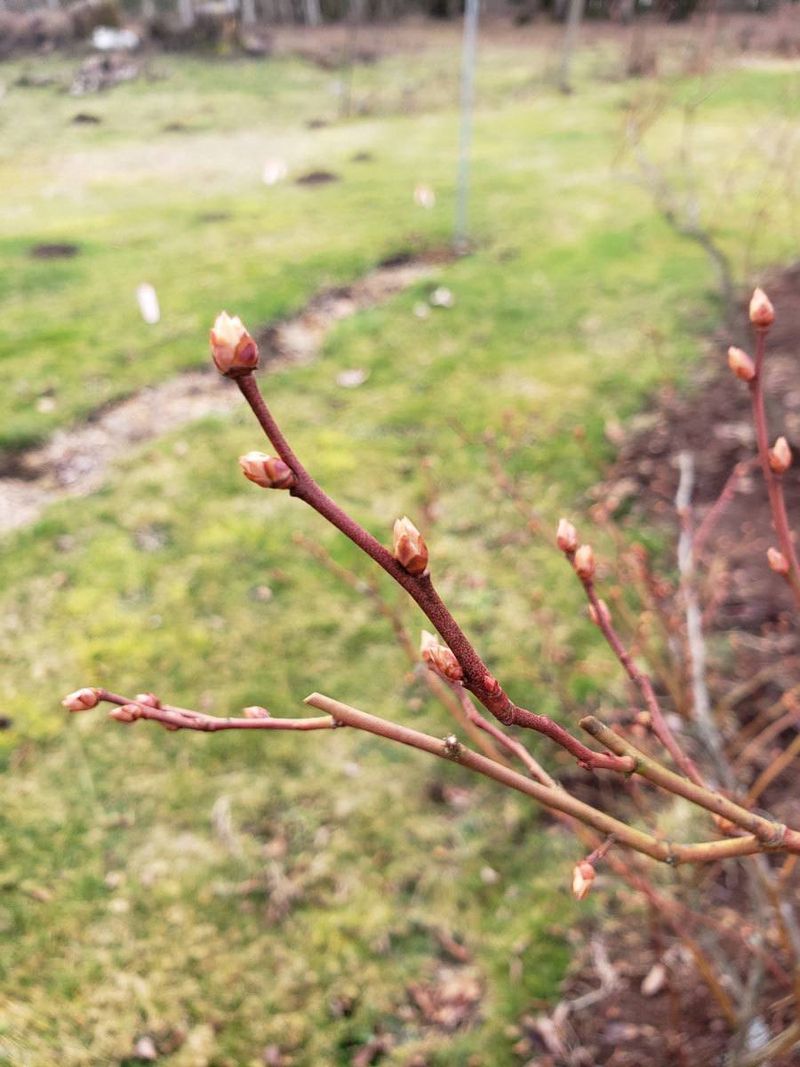
Flower buds for next spring are already forming on your blueberry canes right now. It sounds early, but blueberries set their buds in late summer, not in spring.
Those buds sit at the tips and along the upper sections of mature canes. Any pruning or rough handling in August risks removing the exact growth that will become your next harvest.
Even light pruning done with good intentions can strip off a surprising number of buds. Wait until late winter, after the coldest temperatures have passed, before touching any canes with pruning shears.
Bud development depends on the plant having enough stored energy from the growing season. Keeping leaves healthy and green through August helps the plant build those reserves before dormancy begins.
Avoid bending or snapping canes while doing other garden tasks. Even minor damage to a cane tip can set back bud development on that branch.
Deer and rabbits can also browse on cane tips and remove forming buds without much effort. If animal pressure is a concern in your area, a simple wire cage or fence around your bushes offers reliable protection.
Rabbiteye varieties grown across the Southeast tend to hold their buds well through mild winters.
Protecting those buds through August and fall is one of the most straightforward ways to protect next year’s crop before it even starts.