Why Your Texas Peppers Stop Setting Fruit When Nights Stay Above 75°
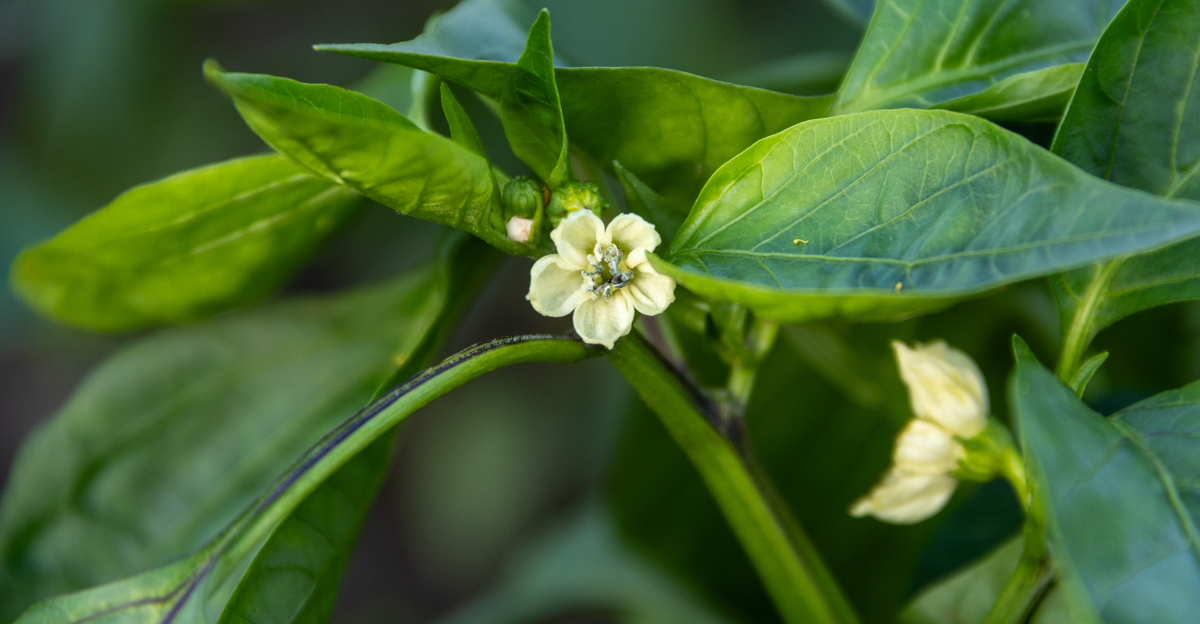
Your pepper plants looked perfect all June. Buds everywhere, leaves lush, a harvest clearly on its way.
Then the blossoms started dropping, one after another, and the fruit never showed up. Most Texas gardeners blame the sun, but the real problem hides after dark.
Once nighttime temperatures climb past 75 degrees, pepper plants set far less fruit. Pollen loses viability in that kind of heat, so flowers open, fade, and fall for nothing.
The fix isn’t complicated once you know what’s happening. A few smart adjustments can get your plants back to producing pods before the season slips away.
Warm Nights Give Pollen No Chance To Recover
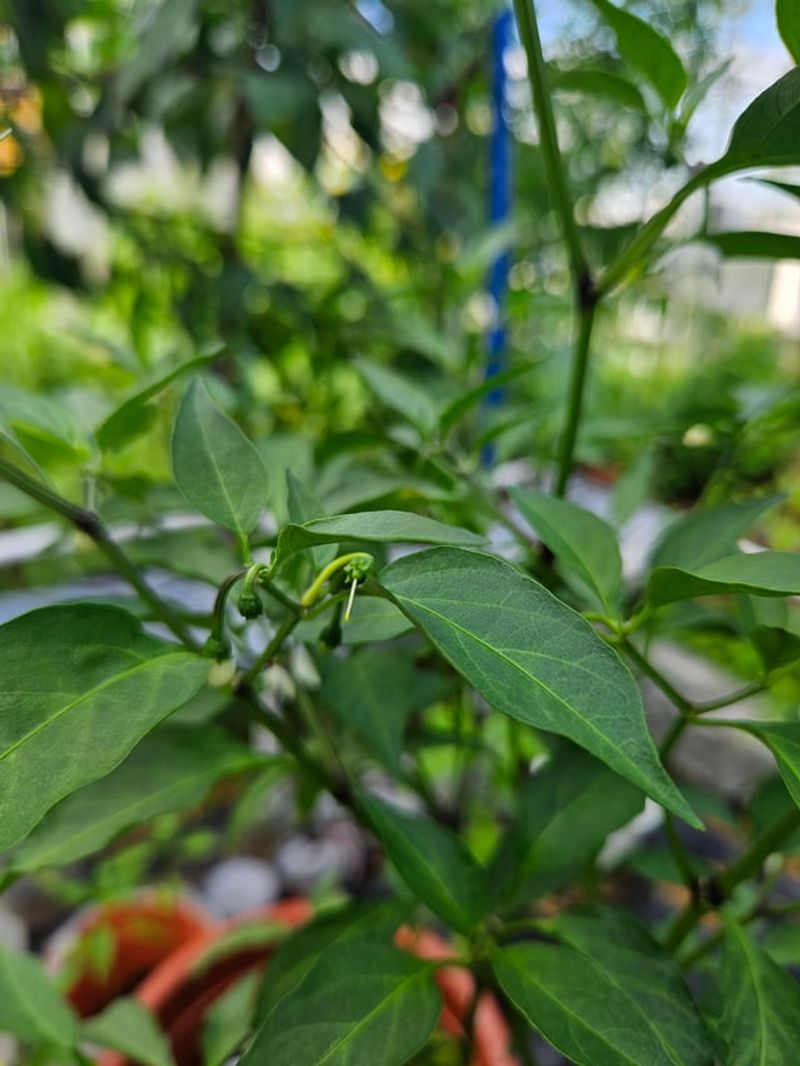
Pollen is surprisingly fragile, and heat breaks it fast. When nighttime temperatures stay above 75 degrees, pollen loses its ability to germinate before the next morning even begins.
Pepper plants produce pollen during the day, but recovery happens at night. Cooler nights let that pollen firm up and stay viable for pollination.
Above 75 degrees at night, the pollen loses most of its viability. Less viable pollen means weaker fertilization, and weaker fertilization means far less fruit, no matter how many blooms appear.
Bees can still visit flowers all day long in peak summer heat. But if the pollen they carry is no longer viable, their visits accomplish nothing for fruit set.
This is one reason gardeners get confused when peppers bloom heavily but produce very little. The plant looks active and healthy, yet the reproductive process has quietly failed at the cellular level.
Humidity also plays a role alongside temperature. High nighttime humidity combined with heat can cause pollen to clump together, making transfer even harder.
Texas gardeners who track nighttime lows often notice a clear pattern. Fruit set drops sharply once the overnight low crosses that 75-degree mark and stays there for several consecutive nights.
The good news is that pollen quality recovers once temperatures drop. Keeping this biology in mind helps you plan your planting calendar and manage expectations during the brutal Texas summer stretch.
Flowers Drop Before Fruit Ever Gets A Chance To Form
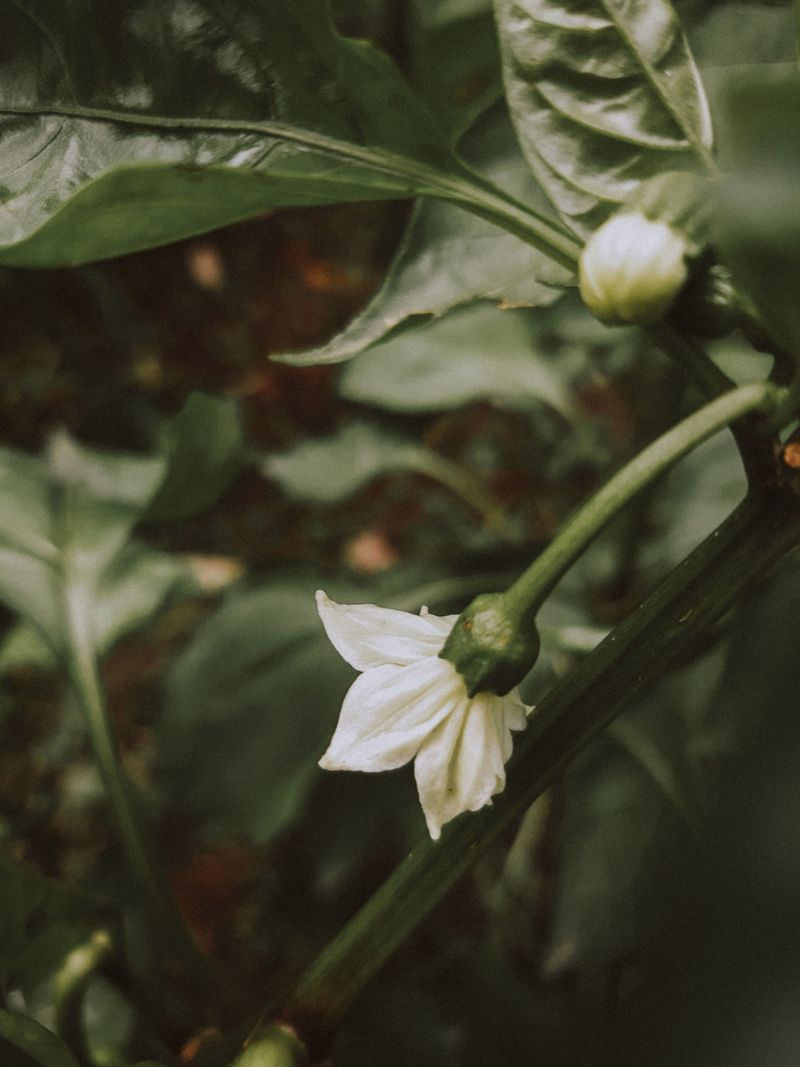
Blossom drop is the most visible and frustrating symptom of heat stress in peppers. One day the plant is covered in white flowers, and the next day the ground beneath it is littered with tiny fallen blooms.
This happens because the plant is making a survival decision. When conditions are too harsh for successful reproduction, peppers shed flowers to conserve energy for continued growth.
Above 75 degrees at night, the plant senses that fruit development cannot succeed. Dropping the flower early costs less energy than growing a fruit that will never mature properly.
It feels like failure, but the plant is actually being smart. Blossom drop is a protective response, not a sign that your plant is sick.
Nutrient imbalances can also trigger drop, so do not assume heat is the only cause. Check your watering schedule and soil before blaming temperature alone.
Inconsistent moisture is another common trigger alongside summer heat. A pepper that swings between dry and soaked will drop blooms almost as fast as one baking in hot nights.
Your Texas Garden Changes Every Week. Your Plan Should Too.
Gardening in Texas changes quickly throughout the season. Every Friday you’ll receive a simple weekly plan showing exactly what to plant, prune, fertilize, harvest, and protect so you never miss the right timing.
Mulching heavily around the base of each plant helps stabilize soil moisture noticeably. A thick layer of straw or wood chips can make a measurable difference in how many flowers stay on the plant.
Once you understand blossom drop as a stress response, you can address the cause rather than just watching helplessly as your harvest disappears flower by flower.
Daytime Heat Compounds The Damage From The Night Before
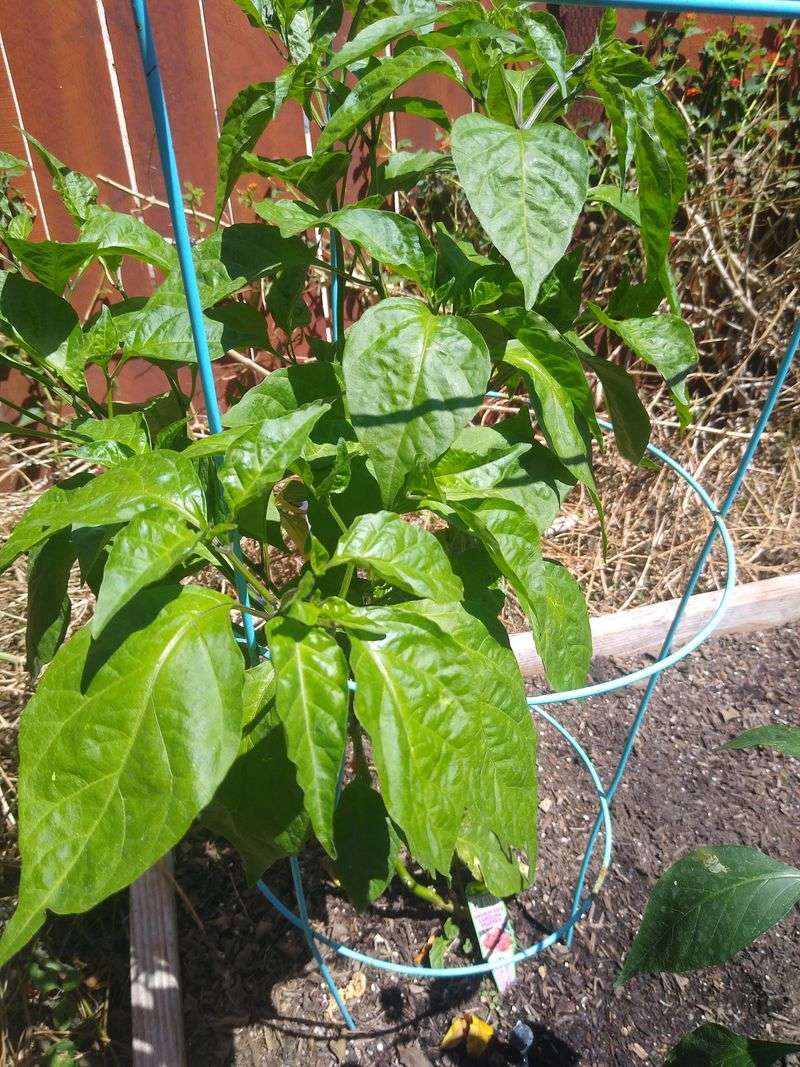
Nights above 75 degrees set the stage, but brutal daytime highs deliver the second punch. When plants never get a true rest period, stress accumulates faster than they can recover.
Think of it like working nonstop with no chance to rest and recover. The plant simply cannot repair itself between episodes of stress.
Daytime temperatures above 90 degrees are already tough on peppers. Pair that with nights that never drop below 75, and the plant is operating in a near-constant state of thermal overload.
Cell membranes in leaves and flowers begin to break down under sustained heat. This affects everything from nutrient absorption to hormone regulation, both of which are critical for fruit set.
The hormone ethylene increases under heat stress conditions. High ethylene levels signal the plant to drop flowers and shift energy away from reproduction.
Gardeners sometimes add fertilizer when they see no fruit forming, thinking the plant needs a boost. But fertilizing a heat-stressed plant often makes things worse by pushing growth the plant cannot support.
Backing off on nitrogen during peak summer heat is often a smarter move. Let the plant survive rather than forcing it to grow when conditions are against it.
Once cooler weather returns, a light feeding can help the plant bounce back quickly. Patience during the hottest weeks pays off when fall brings relief and fruit finally begins to set again.
The Plant Looks Fine While Fruit Production Quietly Stalls
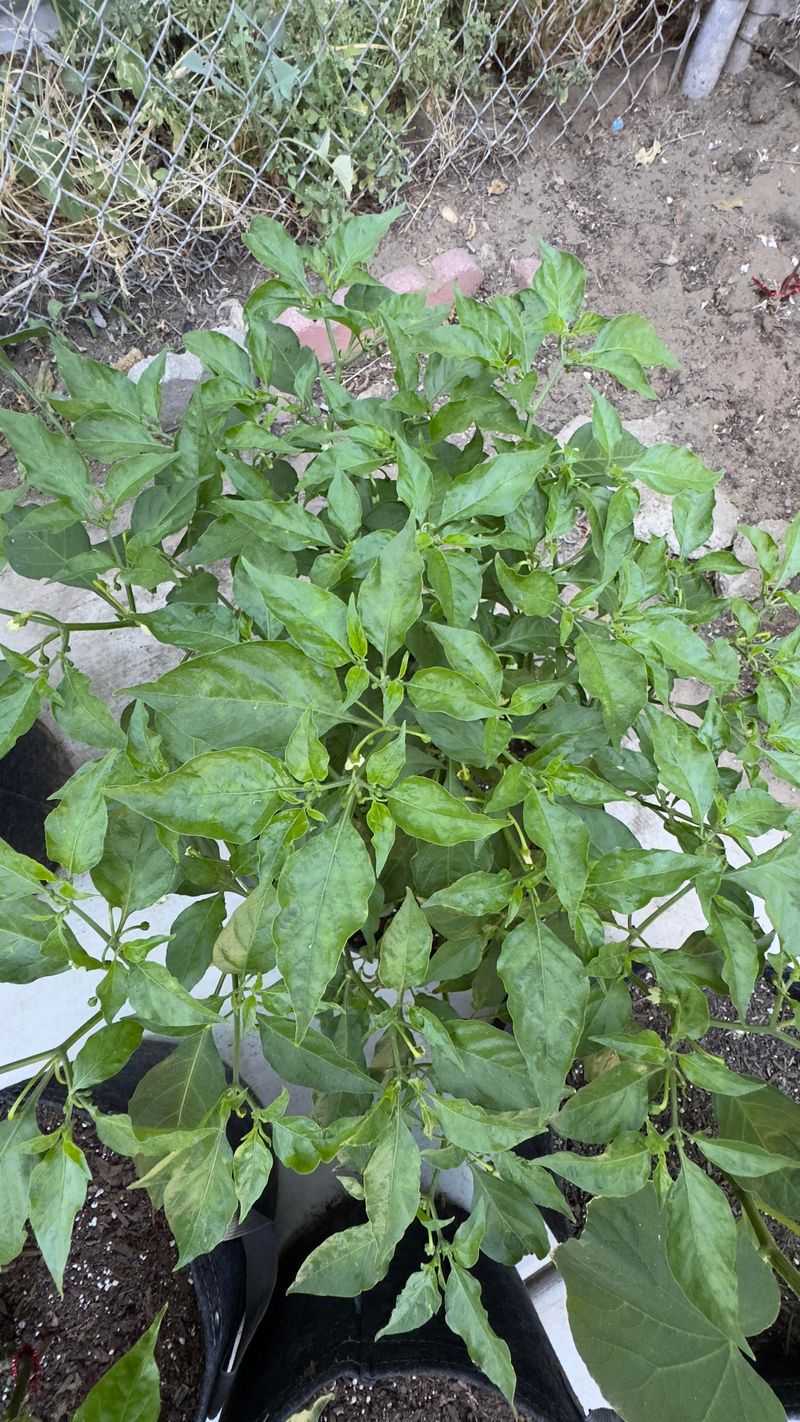
Here is the trick that catches so many Texas gardeners off guard: heat-stressed peppers often look completely healthy. Leaves stay green, stems stay strong, and new growth keeps appearing at the tips.
But looks can be deceiving when it comes to reproductive health. A plant can be vigorous and leafy while its ability to set fruit is severely disrupted by overnight heat.
This disconnect happens because vegetative growth and fruit production use different biological pathways. Heat disrupts the reproductive system without necessarily harming the rest of the plant.
Gardeners often spend weeks troubleshooting pests, diseases, and soil problems looking for answers. Meanwhile, the actual cause is sitting right there on the nighttime low reading of their weather app.
Keeping a simple garden journal changes everything for diagnosing these patterns. Write down nighttime lows alongside notes about flower drop and fruit set, and patterns emerge surprisingly fast.
A wireless thermometer placed near your pepper bed gives you real data instead of guesses. Many models track overnight lows automatically so you can review them each morning with your coffee.
Once you connect the dots between warm nights and stalled production, the frustration actually eases. Knowing the cause makes waiting out the heat feel strategic rather than helpless.
Your peppers are not broken, and your garden is not failing. The plant is simply waiting for conditions that support the enormous energy investment required to grow and ripen fruit successfully.
Shade Cloth Buys Back A Few Critical Degrees
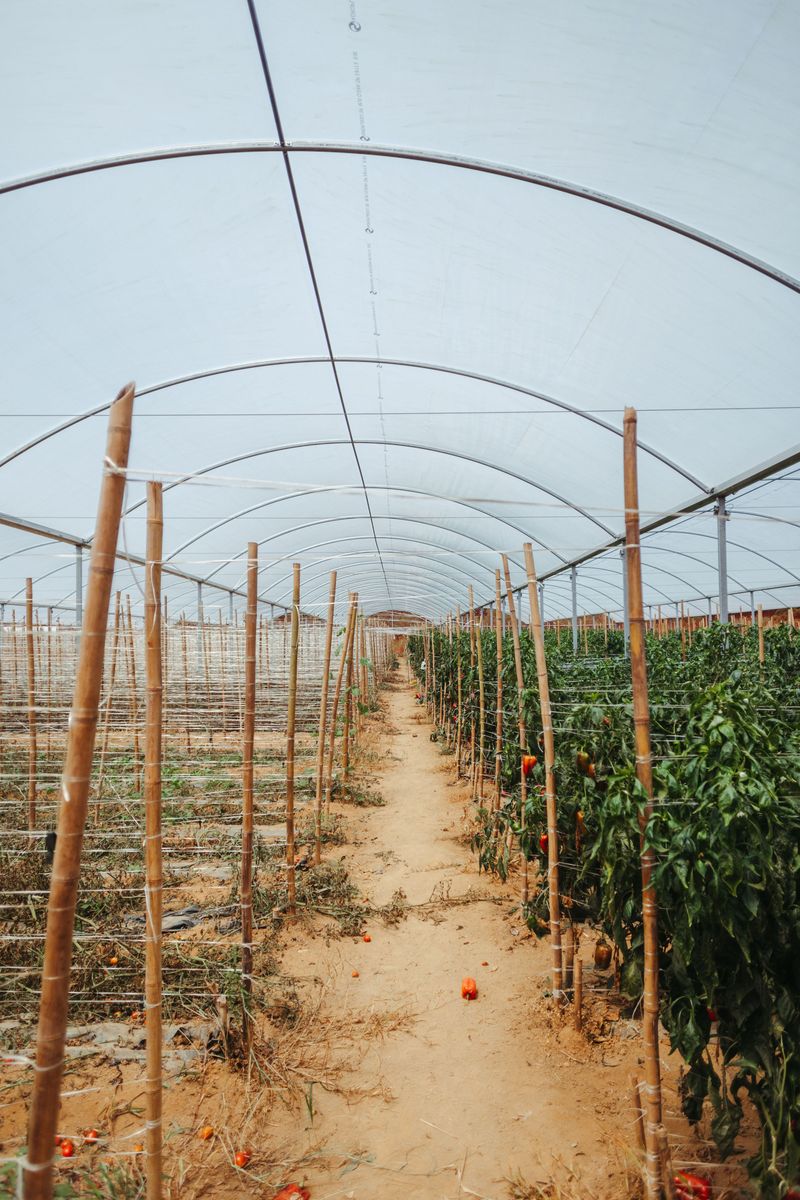
Shade cloth is one of the most underrated tools in a hot-climate garden. A 30 to 40 percent shade cloth stretched over your pepper bed can drop ambient temperature by several meaningful degrees.
Those few degrees matter enormously when you are trying to keep nights from crossing that 75-degree threshold. Even modest cooling at the plant level can make the difference between fruit set and blossom drop.
Shade cloth works best when it covers the bed from late afternoon through the night. Afternoon sun is the primary driver of heat buildup that keeps nighttime temperatures elevated around plants.
Installing a simple hoop structure over your pepper row makes the cloth easy to apply and remove. PVC pipe and zip ties can create a functional frame in about an hour for most garden beds.
White or light-colored cloth reflects more heat than dark options. For summer use in hot climates, it’s best to choose lighter colors to maximize the cooling effect you are trying to achieve.
Mulch works alongside shade cloth to cool the root zone, which also helps regulate overall plant temperature. Combining both strategies gives your peppers the best possible environment during the worst summer weeks.
Some gardeners report noticeably better fruit set simply from adding afternoon shade to their pepper beds. The investment in cloth and hardware is small compared to months of waiting for a harvest that never comes.
Shade cloth will not fix everything, but it gives your plants a fighting chance when Texas nights refuse to cooperate with your garden goals.
Production Picks Back Up Once Nights Cool Down Again
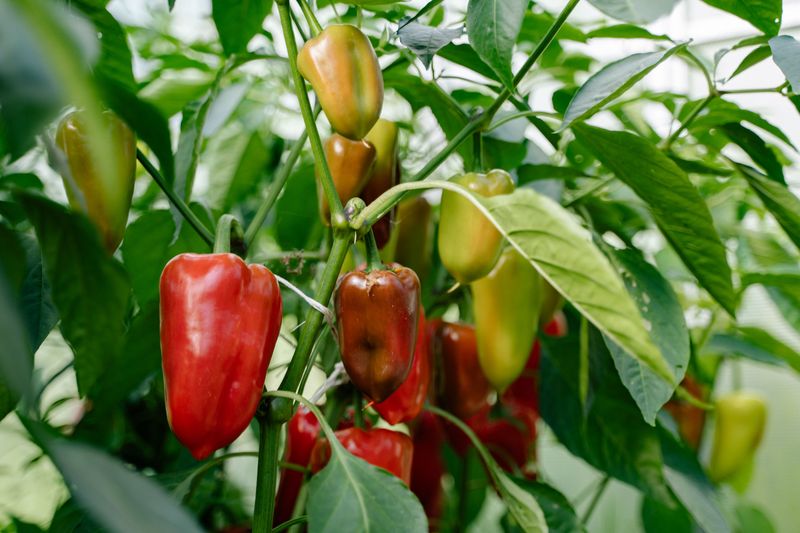
Fall is secretly the best pepper season in Texas, and most gardeners do not realize it until they experience it firsthand. Once nighttime lows drop back below 75 degrees, pepper plants snap back to life with remarkable speed.
Flowers that open in September and October have a much higher chance of setting fruit than anything that bloomed in July. Cooler nights restore pollen viability and give fertilization a real chance to succeed.
Plants that made it through the summer stress often fruit more heavily in fall than they did in spring. All that stored energy gets redirected into reproduction once the reproductive pathway opens back up.
This is why it pays to keep your pepper plants alive through the brutal summer stretch. A plant that looks rough in August can be your most productive plant by October.
Keep watering consistently through the heat even when no fruit is forming. A plant that dries out completely during summer stress may not recover well enough to capitalize on fall conditions.
Light pruning in late August can also encourage a fresh flush of growth. Removing old, heat-damaged stems signals the plant to push new shoots that will carry the fall fruit load.
Peppers that stop setting fruit when nights stay above 75 degrees are not lost causes. They are simply waiting for the right conditions, and in Texas, those conditions reliably return every single fall season.
Trust the calendar, tend the plant, and get ready for a harvest worth the wait.