What Georgia Gardeners Should Do With Dahlias Right Now Before The Storms Hit
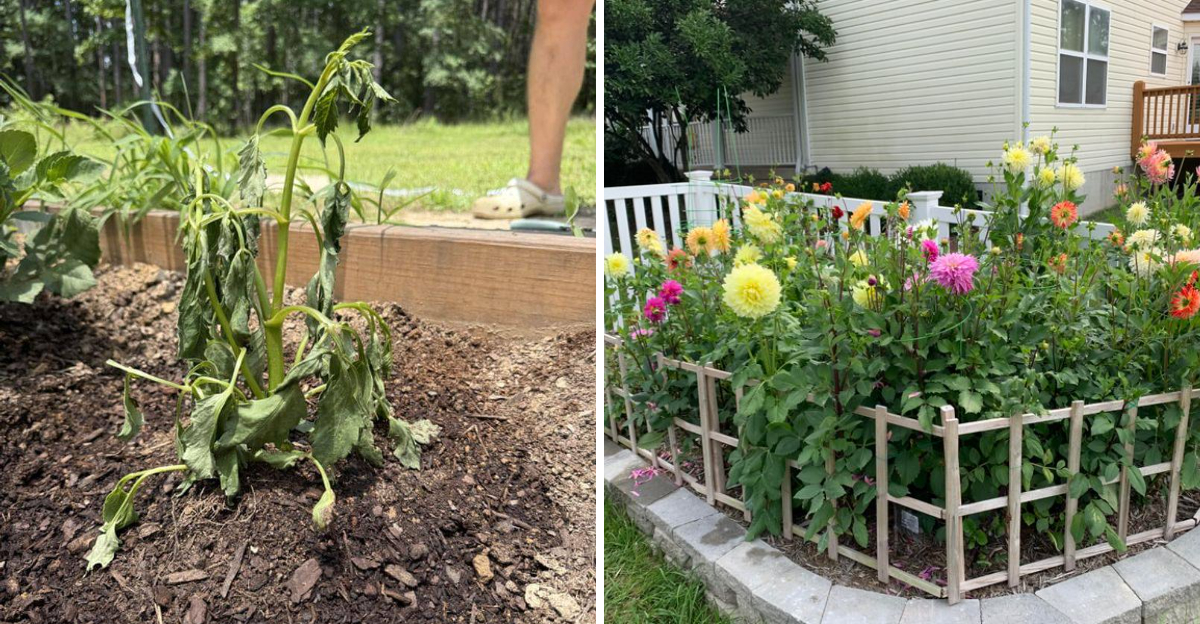
A dark line of clouds is stacking up west of Atlanta right now. Out in the bed, five feet of dahlia stem is swaying, holding a flower head the size of a dinner plate.
Those stems are hollow. That detail matters more than almost anything else about this plant.
Fifteen minutes of the right wind can flatten an entire bed, and the damage above ground is only half the story.
Below the soil sits the part that actually determines next year. Georgia clay holds water like a bathtub, and tubers sitting in that water for a few days have a real problem.
Here’s what makes this manageable though: almost all of it is preventable, and the prep costs an afternoon and some twine.
There’s also a common mix-up that causes half the confusion around dahlias in this state, and sorting it out saves people considerable unnecessary work.
Curious what your bed needs before the sky opens?
1. Protect Dahlia Tubers Before Heavy Rain
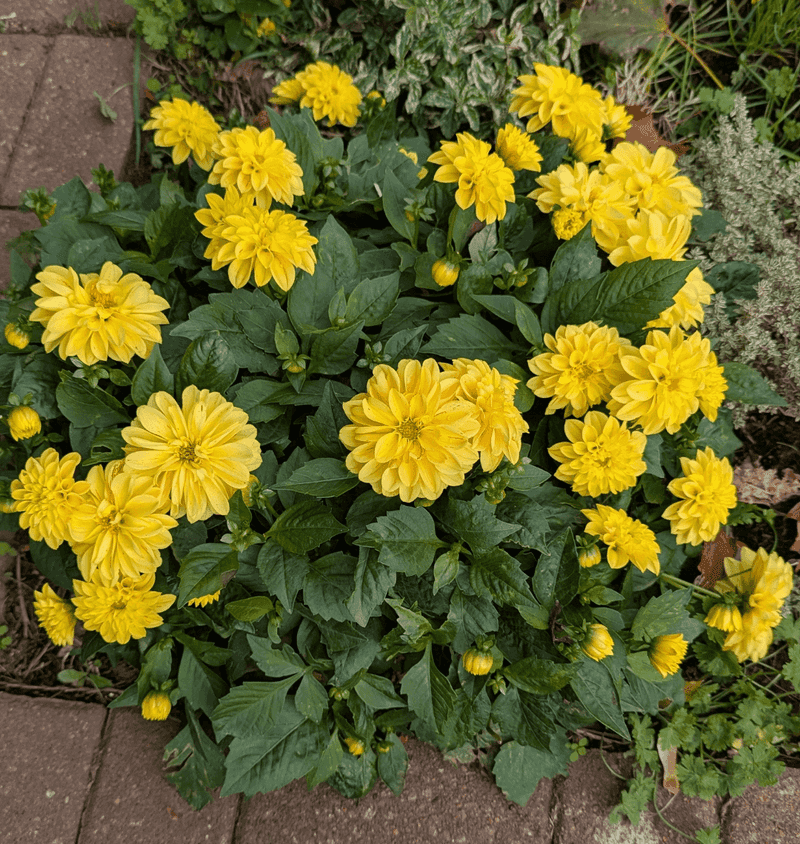
Underground, your dahlia tubers are the real prize, and heavy rain is their biggest enemy. When water sits around them for too long, they can turn soft and rot before you ever notice a problem above the soil.
Start by adding a layer of mulch, about two to three inches deep, over the soil around each plant. Mulch acts like a sponge and a shield, soaking up some moisture while helping rain drain away evenly instead of pooling in one spot. Pine straw works well in Georgia and is easy to find.
Keep the mulch pulled back a couple of inches from the actual stems. Piling it right against the stem traps dampness and invites rot exactly where you do not want it.
According to UGA Extension guidance, dahlias grow best in loose, well-drained soil, so anything that keeps water moving through is a win. If your bed tends to stay soggy after storms, that is a warning sign the tubers are at risk.
Check that your beds are not in a low spot where runoff collects. A slight slope helps water leave instead of settling around the roots.
Doing this small prep before the clouds open up gives your tubers a fighting chance. Healthy tubers now mean strong, blooming plants when the sun returns.
2. Support Tall Stems Before Storm Winds
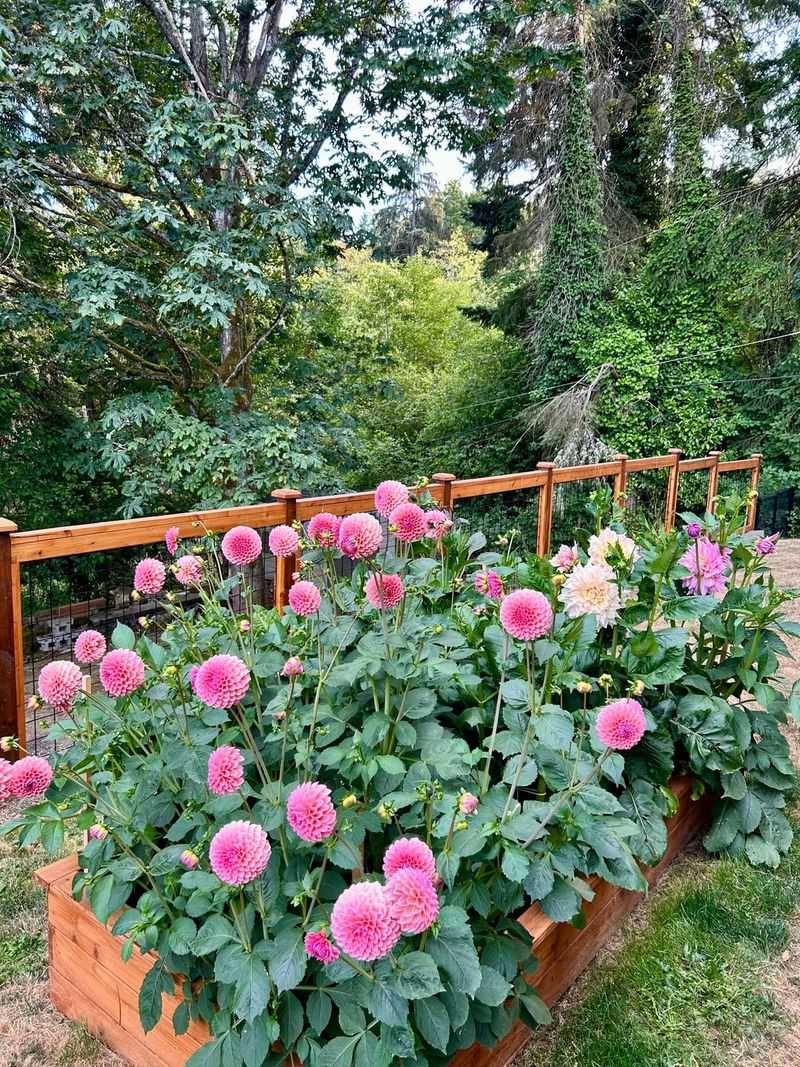
Nothing is sadder than walking outside after a storm to find your tallest dahlia snapped in half. These plants can grow four or five feet high, and their hollow stems break easily when wind pushes them around.
Staking is your best defense. Place a sturdy stake, wooden or metal, right next to the plant, pushing it deep enough to stand firm. It helps to set stakes early in the season so you do not stab the tubers later.
Tie the stem loosely to the stake using soft material like garden twine, strips of old cloth, or stretchy plant ties. Loop it in a figure-eight shape so the tie cushions the stem instead of cutting into it.
Your Georgia Garden Changes Every Week. Your Plan Should Too.
Gardening in Georgia changes quickly throughout the season. Every Friday you’ll receive a simple weekly plan showing exactly what to plant, prune, fertilize, harvest, and protect so you never miss the right timing.
Add ties at a few different heights as the plant grows taller. One tie near the bottom and another closer to the top gives even support against gusts coming from any direction.
For bushy varieties, a tomato cage or a ring of stakes with string wrapped around works nicely. This cradles the whole plant instead of just one stem.
The American Dahlia Society notes that staking is standard practice for the larger flowering types, which are the ones most likely to topple. A few minutes with twine now can save weeks of growth. Well-supported stems bend with the wind rather than breaking against it.
3. Improve Drainage Around Dahlia Roots
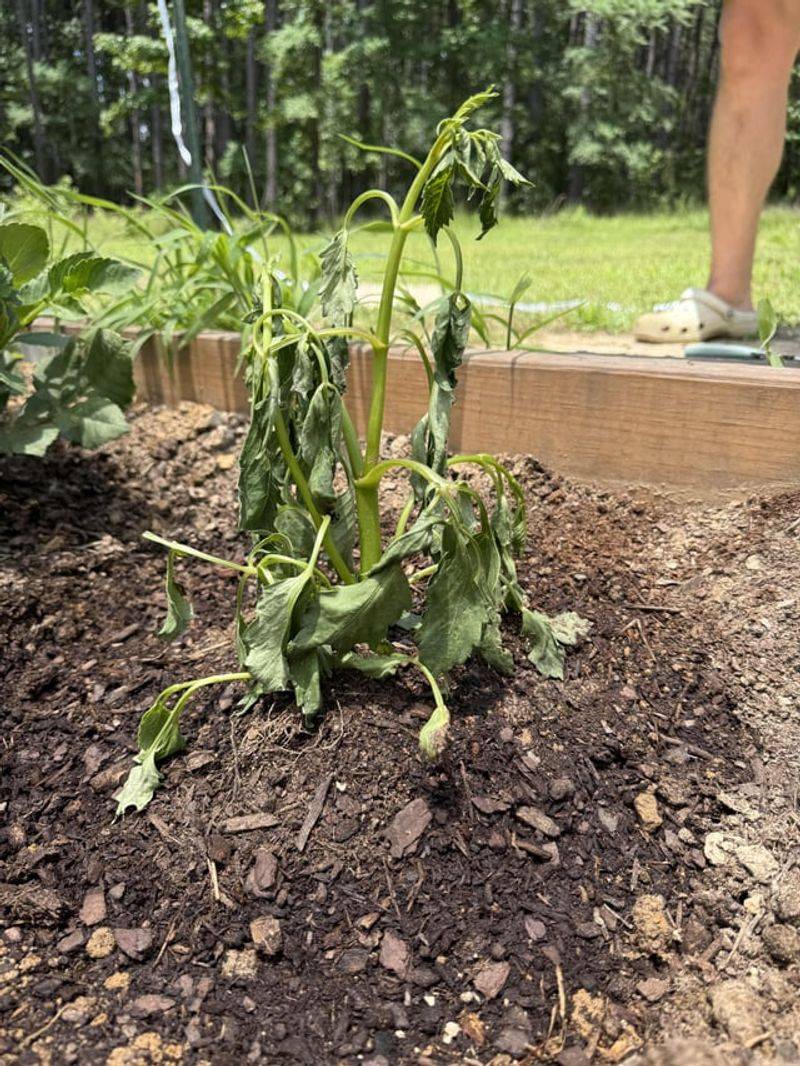
Georgia clay soil is famous for holding water like a bathtub, and that spells trouble for dahlias. When water cannot escape, roots and tubers sit in a soggy mess that leads straight to rot.
Before the next big storm, take a look at how your beds handle rain. If puddles stick around for hours, your drainage needs help right away.
One easy fix is mixing in organic material like compost or aged bark. These loosen heavy soil and create tiny air pockets that let water flow through instead of getting stuck. UGA Extension recommends well-drained soil as a key to healthy dahlias.
Raised beds are another smart move for wet climates. Lifting the soil even six or eight inches above ground level keeps roots above the worst of the standing water.
You can also grade the bed slightly, meaning you shape it so one side sits a bit higher. This gentle slope encourages rainwater to run off toward a path or drain rather than pooling at the plant’s base.
For future plantings, pick a spot that naturally drains well and gets plenty of sun. Avoid the low corners of your yard where runoff always seems to gather.
Better drainage protects your dahlias every single time it rains, not just during storms. Fixing it once pays off all season long, keeping those tubers firm and alive.
4. Cut Back Damaged Flowers Carefully
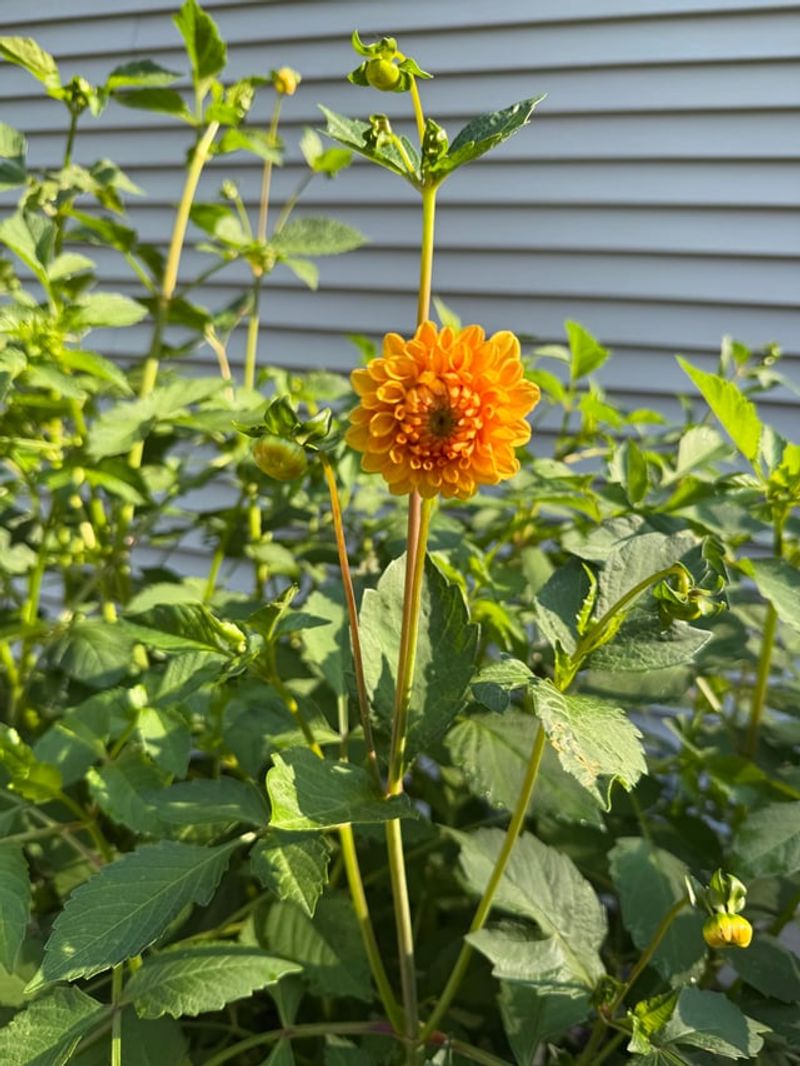
After the wind and rain pass, your dahlias might look a little beaten up, with bent stems and torn petals scattered around. That is normal, and a careful cleanup helps the plant bounce back faster.
Grab a clean, sharp pair of pruning shears before you start. Dirty tools can spread disease from one plant to the next, so wipe the blades first.
Look for stems that are cracked, snapped, or hanging limp. Cut these back to a healthy point just above a leaf joint, where new growth can sprout. A clean cut heals better than a ragged tear.
Remove flowers that are bruised, browning, or mushy from the rain. Leaving damaged blooms on the plant wastes energy that could go toward fresh buds instead.
Pick up fallen petals and broken pieces from the soil surface too. Wet plant debris left lying around becomes a cozy home for mold and pests.
Do not panic if you have to trim quite a bit. Dahlias are tough and often push out new blooms within a couple of weeks once the damaged parts are gone.
Trimming, which means removing spent flowers, actually encourages more blooming all season. So this storm cleanup does double duty for your garden. A tidy plant recovers quicker and looks far better while it heals up nicely.
5. Prepare Tubers For Georgia Winter Conditions
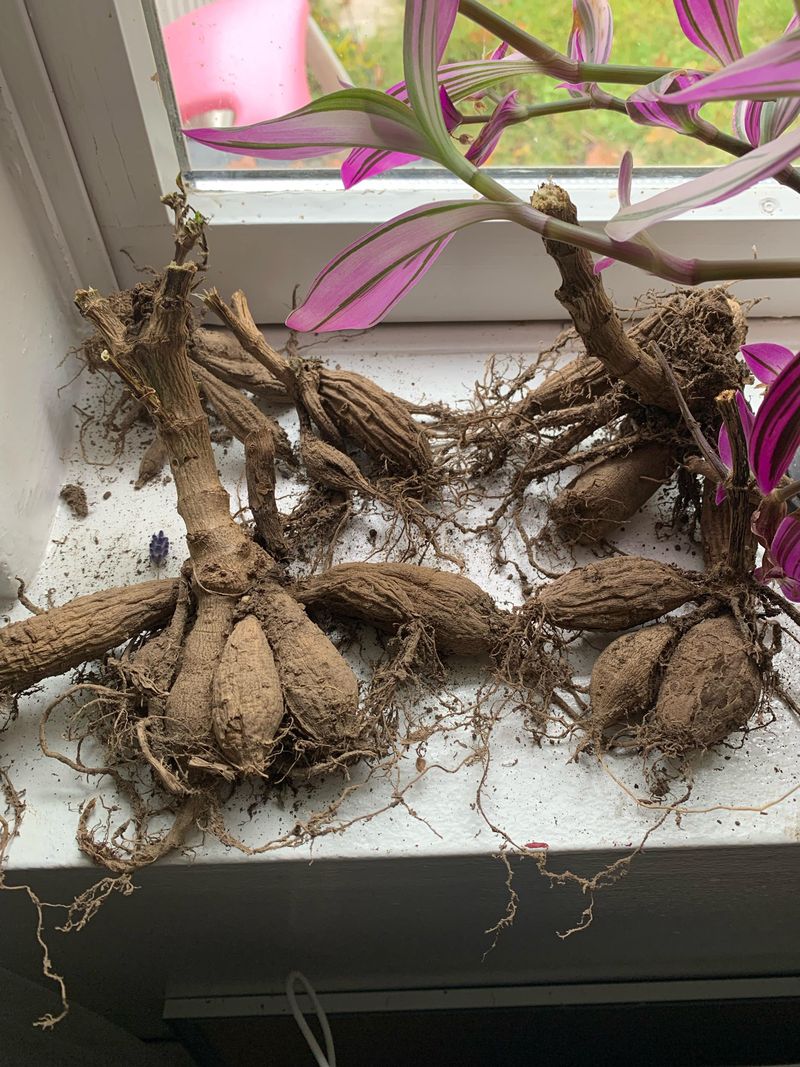
Here is where many gardeners get confused, so let me clear it up. Storm prep and winter storage are two totally different jobs, and Georgia’s mild climate changes the rules.
Dahlias are generally hardy in USDA zones 8 and warmer, and much of Georgia falls into zones 7b through 8b. That means in a lot of the state, tubers can actually stay in the ground over winter with the right protection.
In the warmer southern and coastal parts of Georgia, you can often leave tubers where they are. Just cut back the plant after frost blackens it and pile on a thick layer of mulch for insulation.
In cooler mountain areas up north, winters get colder and wetter, and freezing soil can damage tubers. Those gardeners may choose to dig their tubers up for safekeeping.
Knowing your specific zone matters a lot here. A quick check of the USDA hardiness map for your county tells you which path to take.
Remember, this is a fall decision, not something you rush during a summer storm. Storm prep protects growing plants right now, while winter prep comes later once the season ends.
Do not mix up the two tasks. Sorting out your zone ahead of time means you will know exactly what your dahlias need when cold weather finally arrives in Georgia.
6. Check For Rot After Wet Weather
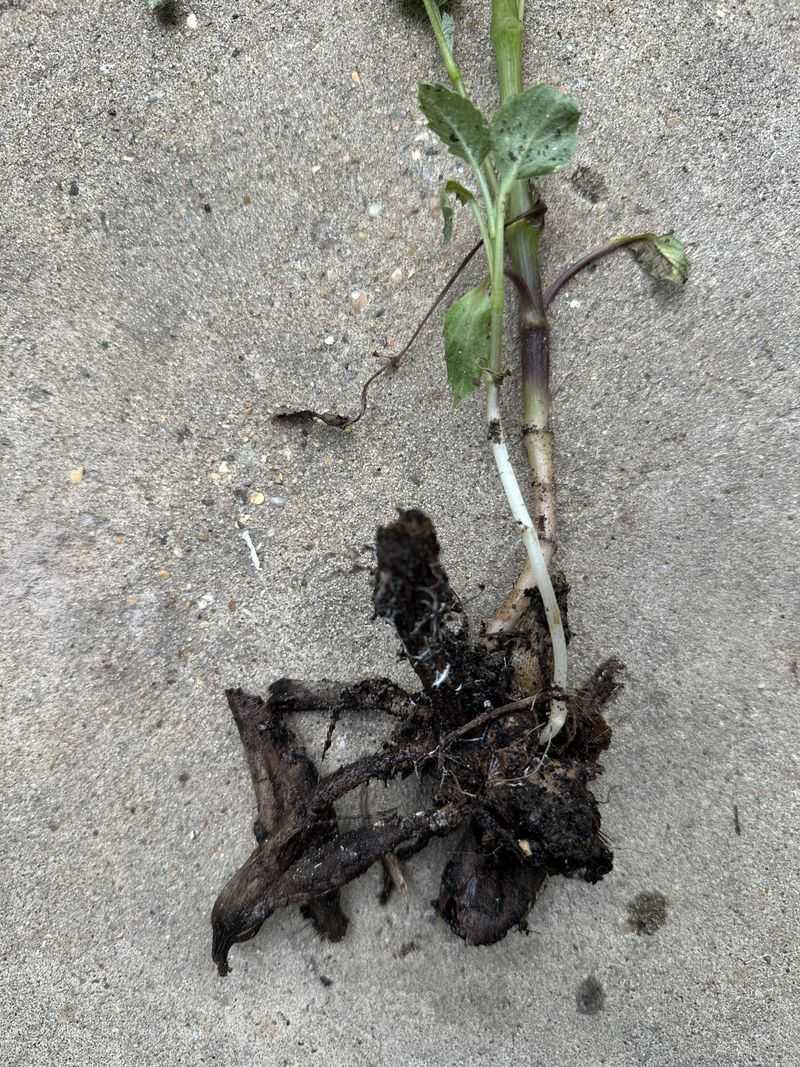
Once the heavy rain finally stops, your job is not quite finished. Wet weather is the number one cause of tuber rot, and catching it early can save the rest of your plants.
Watch for warning signs above ground first. Yellowing leaves, wilting even when the soil is wet, or a plant that suddenly looks sad can all hint at trouble hiding below.
If you suspect a problem, gently brush away soil near the base to peek at the tuber. A healthy tuber feels firm and looks solid. A rotting one turns soft, mushy, dark, and sometimes gives off a sour smell.
Remove any tuber that is clearly rotting so the decay does not spread to healthy neighbors. Toss it in the trash rather than the compost pile.
For tubers that are only slightly affected, some gardeners cut away the bad part with a clean knife, then let the cut area dry out. Whether it survives depends on how much damage was done.
After removing rot, hold off on watering until the soil dries a bit. Extra moisture right now only makes the problem worse.
Keep an eye on the whole bed for the next week or two. Rot can show up slowly after a soggy stretch. Regular checks after storms help you catch problems while they are still small and manageable.
7. Store Tubers Properly If Needed
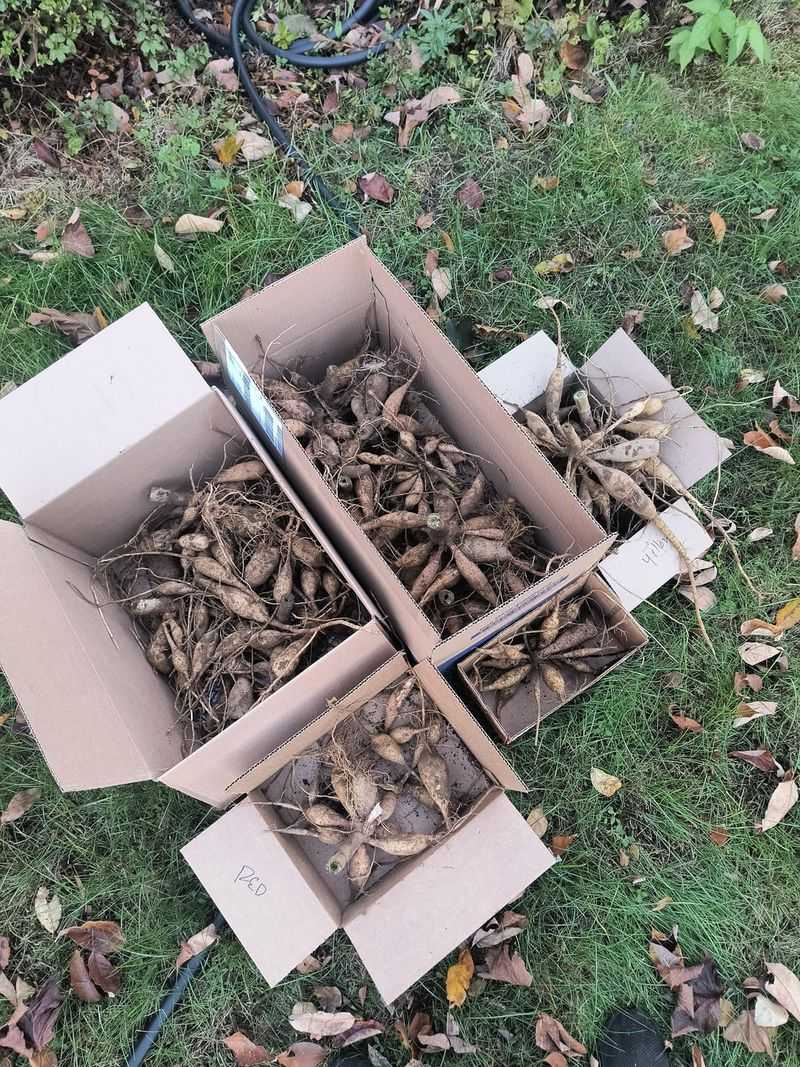
If you live in a cooler part of Georgia and decide to dig up your tubers, storing them the right way keeps them alive until spring. Done well, one tuber can give you plants for years.
Wait until the first frost blackens the foliage, then carefully lift the tubers with a garden fork. Dig wide so you do not slice through them by accident.
Gently shake off the extra dirt and let the tubers dry, or cure, in a cool, airy spot for a few days. This helps the skin toughen up before storage.
Pack them in a box or crate filled with a dry medium like peat moss, vermiculite, or wood shavings. The material cushions the tubers and keeps them from touching each other, which slows the spread of any rot.
Store the box somewhere cool but not freezing, ideally around 40 to 50 degrees Fahrenheit, with moderate humidity so they do not dry out completely. A basement, garage, or unheated closet often works.
Check on them every few weeks through winter. Remove any tuber that has gone soft or moldy before it affects the others.
The American Dahlia Society and Extension sources agree that cool, dark, and slightly humid conditions give the best results. A little care now means a big, colorful comeback next growing season.
8. Plan Bigger Dahlia Displays Next Year
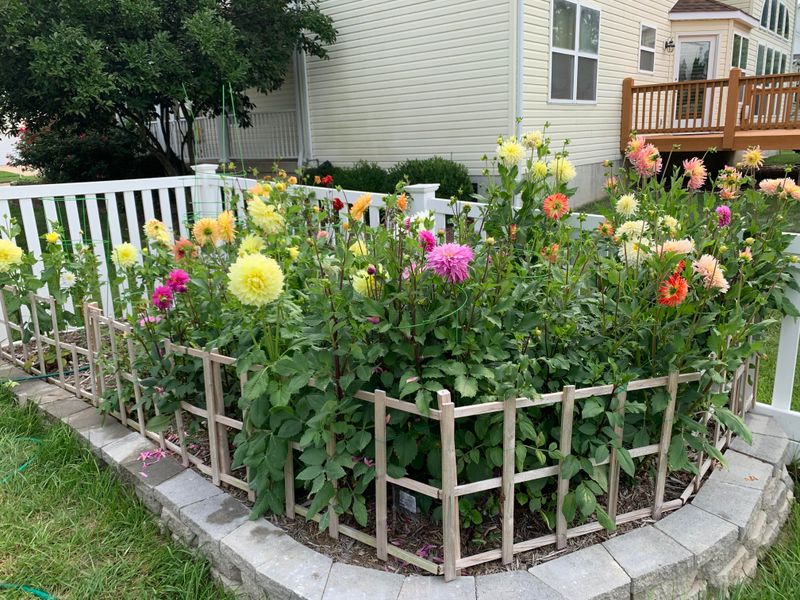
Every storm teaches you something, and smart gardeners turn those lessons into next year’s success. The plants that struggled this season are pointing you toward better choices.
Take a few minutes to jot down what happened. Which stems snapped, which spots flooded, and which varieties shrugged off the wind? These notes are pure gold when planning ahead.
If certain plants toppled easily, plan to stake them earlier and more securely next spring. Putting stakes in at planting time protects tubers and saves you a scramble later.
Notice where water pooled during storms and avoid planting there again. Moving your dahlias to a sunnier, better-draining spot can make a huge difference in how they hold up.
Think about grouping shorter, sturdier varieties in exposed areas and saving the giant types for more sheltered corners near fences or walls that block wind.
You might also build up raised beds over the winter, giving next year’s tubers a head start against soggy Georgia soil.
Consider ordering a few new varieties too. Trying different colors and sizes keeps gardening exciting and helps you discover which ones thrive in your yard.
Storms are frustrating, but they hand you real information you cannot get any other way. Use what you learned this year, and your dahlia beds will come back fuller, taller, and tougher than ever before, ready for whatever Georgia weather brings.