This New Invasive Insect Is Showing Up On Georgia Landscape Plants
Something unfamiliar can settle onto a favorite landscape plant before you realize it does not belong there. That possibility now deserves closer attention in Georgia.
A new invasive insect has begun appearing on ornamental plants, making ordinary garden checks more important than usual.
The first clue may seem easy to dismiss because plant problems often look similar at a glance. Knowing what separates this visitor from familiar insects changes that.
You do not need to inspect every leaf with a magnifying glass.
Instead, become familiar with the signs that make this insect stand out, then notice whether those clues appear while you care for your plants. Early recognition gives you a clearer next step.
Your landscape may look perfectly normal today, but knowing what to watch for can prevent this unfamiliar visitor from going unnoticed.
1. Unusual Damage May Be The First Sign Something New Has Arrived
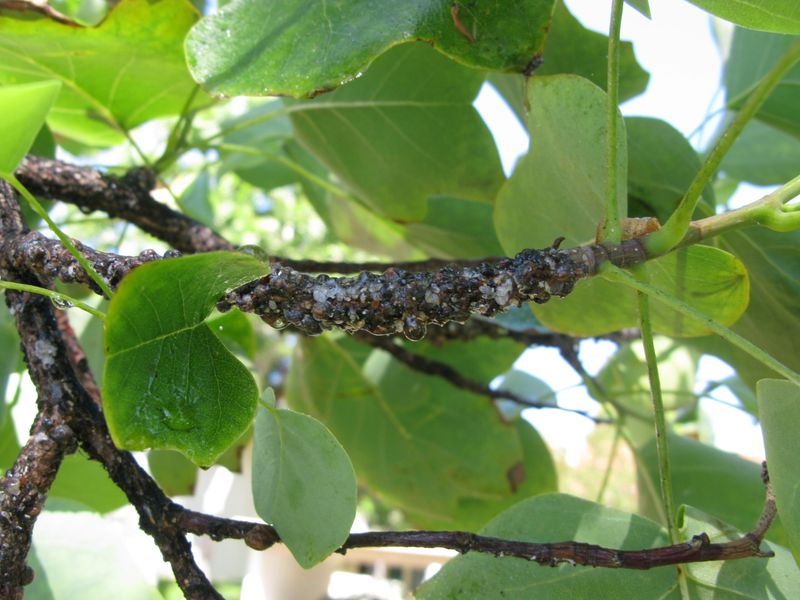
Sticky leaves usually give it away long before anyone spots an insect. Homeowners often notice the shine first, then wonder why nothing sprayed the plant.
Look for glossy patches on foliage, especially on shrubs growing near walkways or driveways. Dust and pollen tend to stick to those spots, making them look dirty rather than damaged.
Weeping or oozing spots on stems can also show up where insects have fed heavily.
Wasps, ants, and bees often gather around affected plants because they are drawn to the sweet residue. That sudden insect traffic surprises people more than the damage itself.
Leaf edges may curl slightly, and new growth can look weaker than usual. Drought stress or root problems cause similar symptoms, so nothing should be assumed from one clue alone.
Dark stains on fences, mulch, or concrete underneath a plant are another hint worth checking.
Gardeners across Georgia have described the residue as feeling like someone spilled soda on the leaves. That description fits closely with what sap feeders leave behind.
Check the undersides of branches with a flashlight in early morning, when insects move less. A white sheet held under a branch helps catch anything that hops off during inspection.
Keeping photos of unusual damage helps, since experts can often identify a pest from clear pictures alone.
2. Brown Winged Planthoppers Are The Insect Behind These Signs
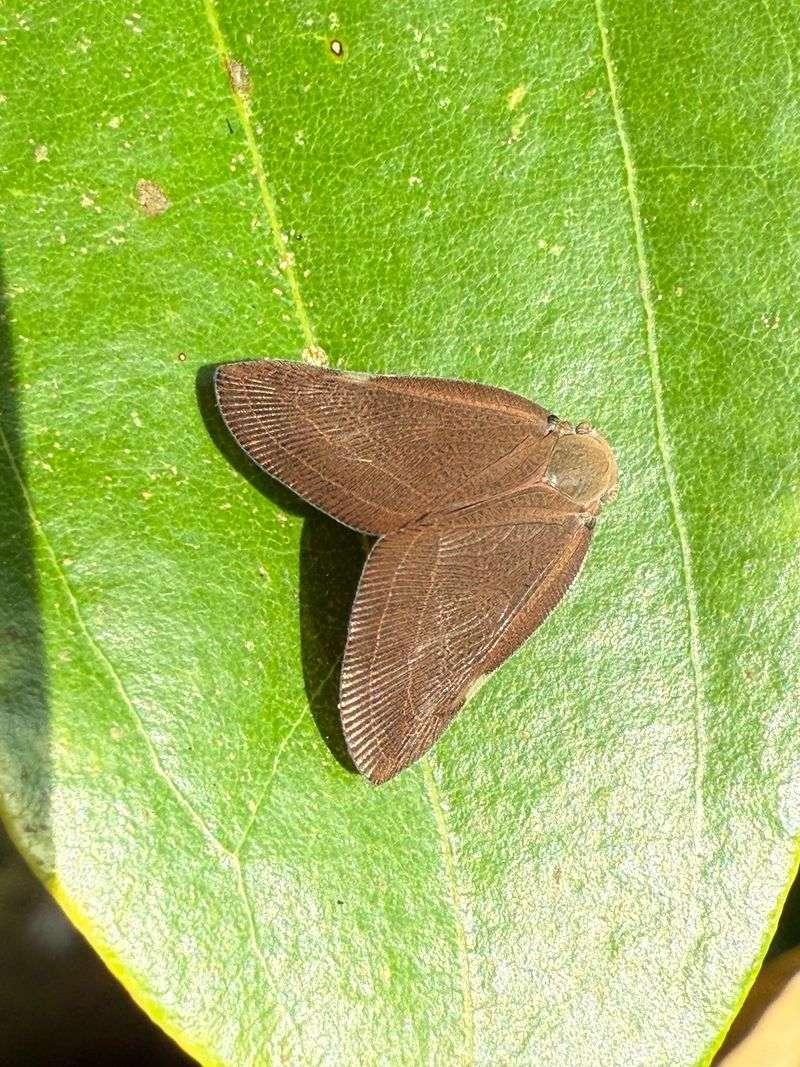
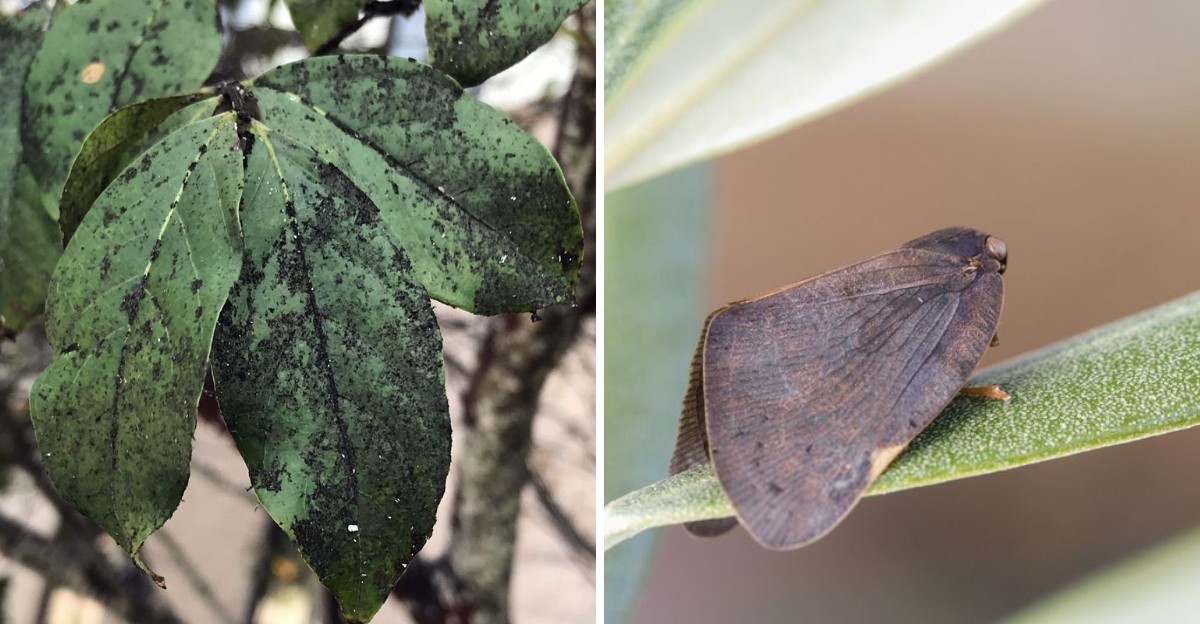
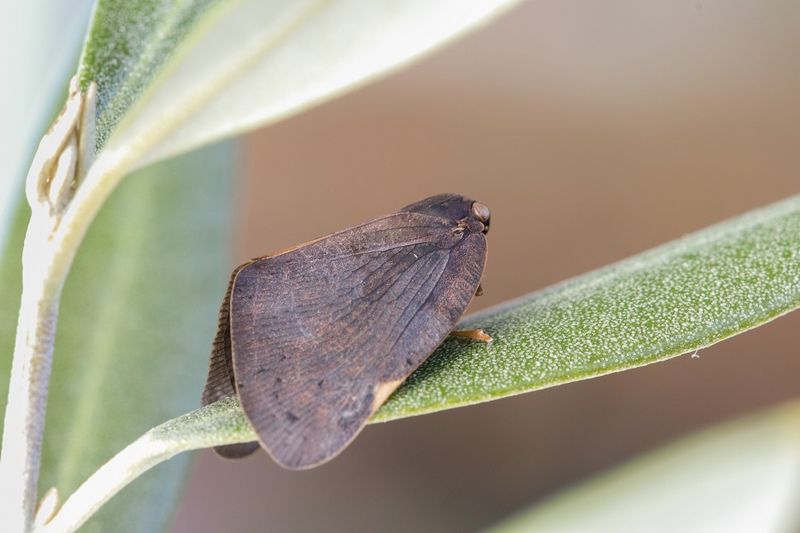
Meet the insect responsible: a small, wedge-shaped planthopper with brownish wings that blend into bark. Most people mistake it for a moth or a tiny cicada at first glance.
Adults measure roughly a quarter to a third of an inch long. They hold their wings tented over the body, which gives them a triangular outline when at rest.
Touch a branch and they hop, rather than fly off in a straight line.
Colors range from tan to grayish brown, sometimes with a faint mottled pattern. That muted coloring is exactly why they go unnoticed on trunks and older stems.
Groups often cluster on stems instead of scattering across leaves, which makes them easier to spot once you know the habit.
Related planthoppers are native and harmless, so identification really matters before anyone reacts.
Your Georgia Garden Changes Every Week. Your Plan Should Too.
Gardening in Georgia changes quickly throughout the season. Every Friday you’ll receive a simple weekly plan showing exactly what to plant, prune, fertilize, harvest, and protect so you never miss the right timing.
Extension offices in Georgia can compare a photo or specimen against known species and give a reliable answer. That step saves gardeners from treating the wrong insect.
Collecting one in a sealed jar or small bag works well if you need a positive identification. Keep it cool and out of direct sun until it reaches someone qualified to look at it.
Sightings tend to increase in late summer and fall, when adults become most active and noticeable.
3. Many Common Landscape Plants Can Become Feeding Hosts
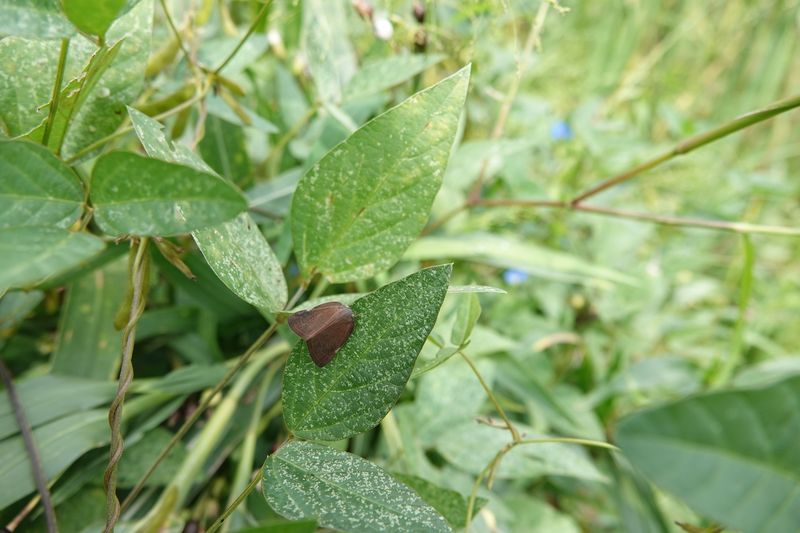
Brown winged planthoppers can feed on an unusually wide range of plants. Hundreds of host species have been documented, which is one reason this new pest is getting attention.
Landscape plants such as hydrangea, magnolia, rose, viburnum, and wisteria can serve as hosts. Fruit trees and shrubs may also be affected.
Healthy, well-watered plants generally handle feeding pressure better than stressed ones. Soil quality, drought, and previous pest damage all influence how a plant responds.
Younger plants deserve closer attention since they have fewer reserves to draw on.
Landscape diversity helps here, and yards in Georgia with a wide plant mix tend to spread the risk instead of concentrating it. Planting a single species in a long row rarely works out well with any pest.
Walk your beds weekly during warm months and check the same plants each time. Consistency reveals changes that random glances miss.
Mulch, proper watering, and light pruning keep plants in better shape overall. None of that stops an insect outright, but stronger plants recover from setbacks more reliably.
Regular checks also make it easier to notice changes before feeding becomes widespread. Pay attention to fresh growth and stems where insects may gather.
Early detection gives you more time to confirm what you are seeing and decide whether any action is needed.
4. Young Insects And Adults Both Draw Sap From Plants
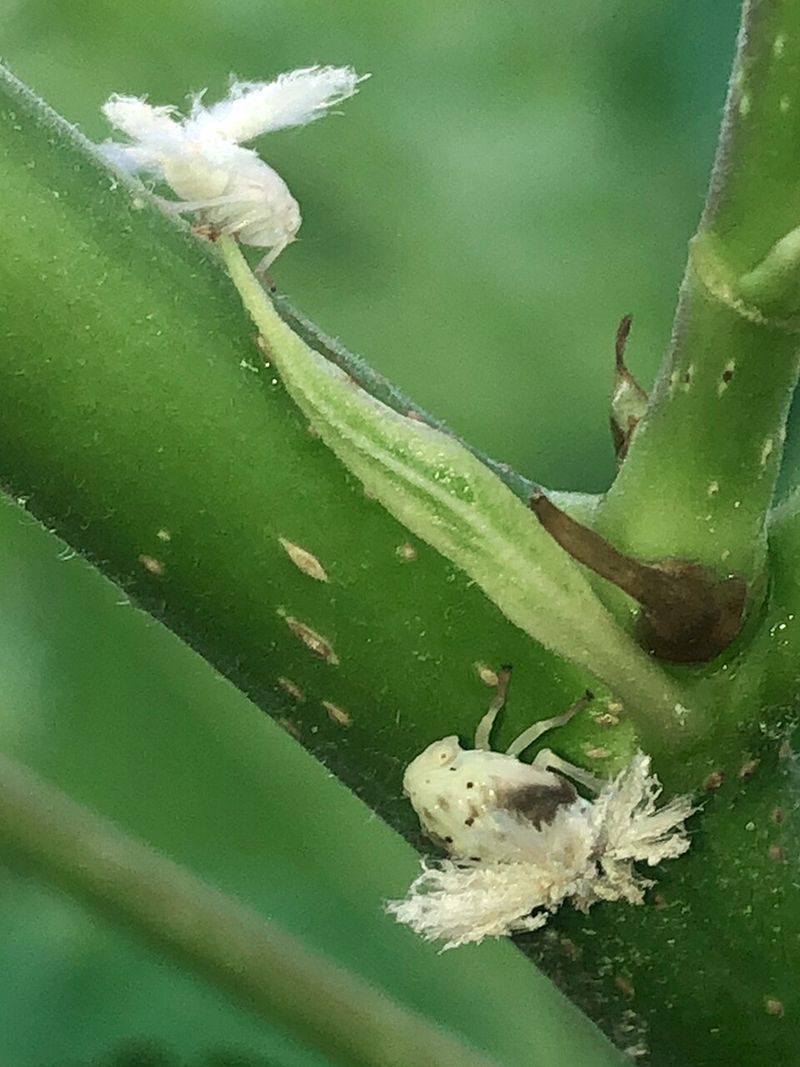
Both life stages feed, which stretches the damage window across most of the growing season. Nymphs hatch in spring and adults linger well into fall.
Young nymphs look nothing like the adults. They are wingless, pale, and often covered in a waxy fluff that makes them resemble bits of lint.
Their feeding tubes pierce stems and tap into the plant’s sap.
Nymphs tend to gather in tight groups on tender new growth. Adults spread out more and prefer thicker stems and trunks.
Sap loss weakens plants slowly rather than suddenly, so symptoms build up over weeks.
Established trees usually tolerate moderate feeding without lasting harm, though results vary with weather and site conditions.
Gardeners in Georgia sometimes find nymphs while pruning in late spring, before any adults appear. Catching them at that stage gives you more options.
Strong water sprays knock nymphs off smaller shrubs without chemicals. Repeat the treatment, because some will find their way back.
Insecticides exist, but they affect pollinators and beneficial insects too, so guidance from a local expert is worth getting first.
Track what you see and when, since timing notes help you plan inspections for the following year.
5. Sticky Honeydew Can Lead To Black Sooty Mold
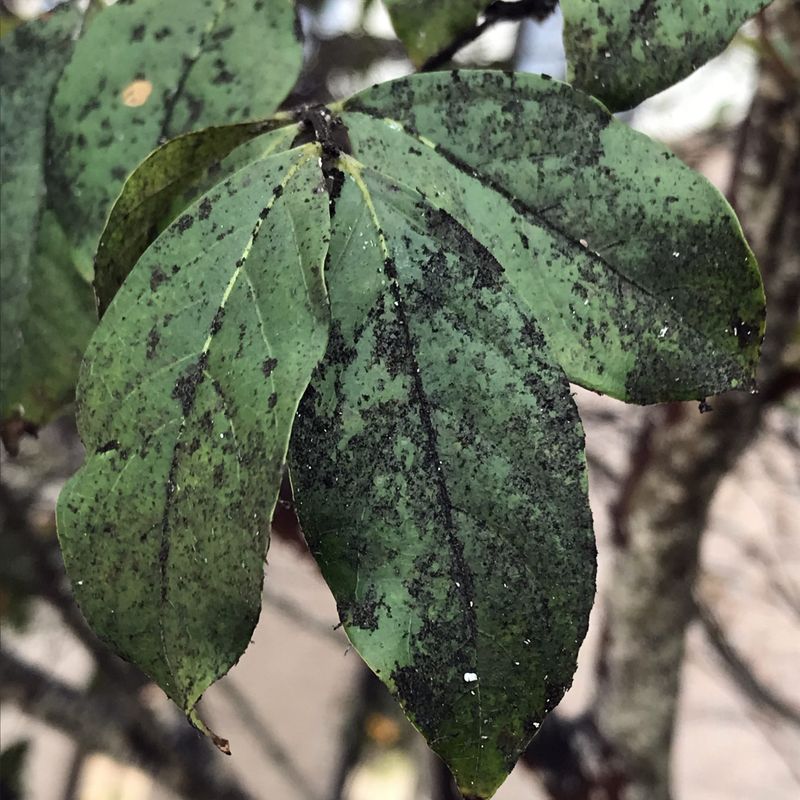
Black film spreading across leaves catches everyone’s eye. Sooty mold grows on the sugary waste these insects drop, not on the plant tissue itself.
Honeydew coats whatever sits below the feeding site. Lower leaves, mulch, patio stones, and parked cars all collect the sticky layer.
Once mold takes hold, foliage looks dusted with soot.
Shaded leaves under a heavy coating receive less light, which can slow growth over time. Removing the source matters more than scrubbing the mold.
Mild dish soap and water clean hard surfaces reasonably well.
Rinse plant leaves gently with plain water and skip harsh cleaners that may burn foliage. Rain helps, though it rarely clears everything.
Humid summers in Georgia give sooty mold ideal conditions, so the problem often looks worse here than in drier climates. Airflow around plants makes a modest difference.
Pruning crowded interior branches improves circulation and drying. Do it lightly, since heavy cuts stress plants during hot stretches.
Sooty mold usually fades once feeding stops and new leaves push out.
Move outdoor furniture and grills away from affected trees if the residue becomes a nuisance. That small change saves a lot of cleanup work through late summer.
6. Eggs Hidden Inside Twigs Can Help The Insect Spread
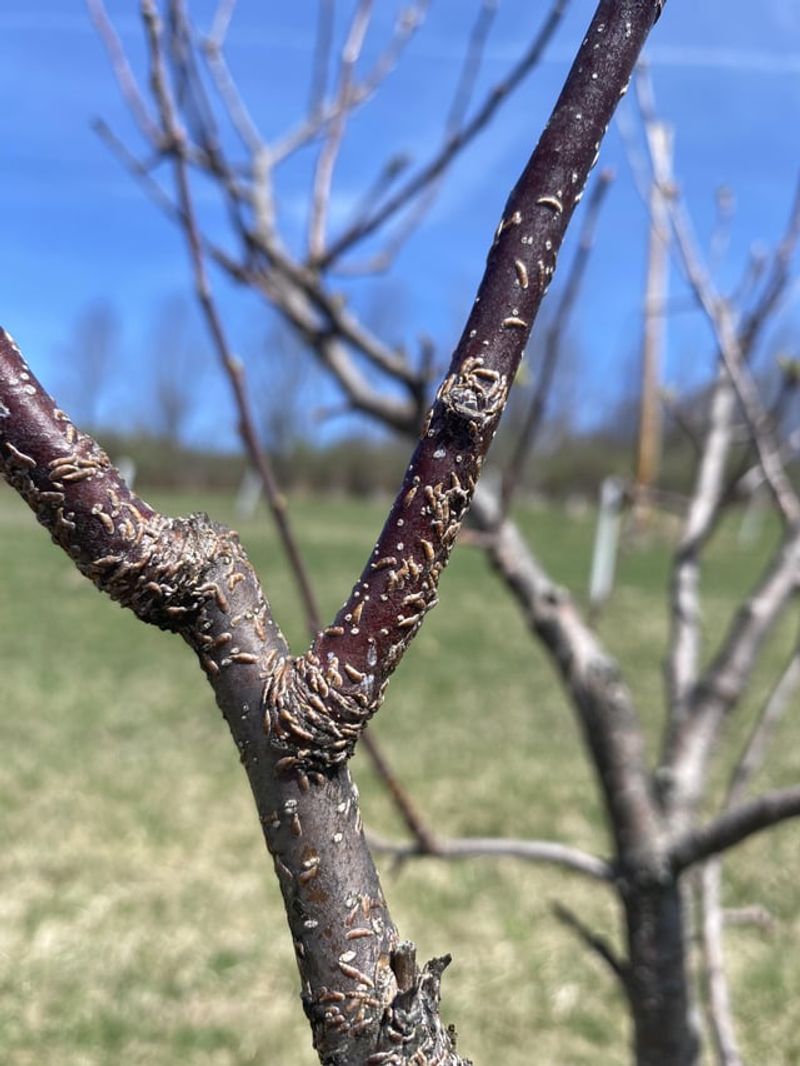
Eggs tucked inside twigs travel without anyone realizing it. That hidden habit explains how sap-feeding planthoppers reach new areas so quickly.
Females insert eggs into woody stems rather than laying them on leaf surfaces. Small slits or rough spots on twigs may be the only visible clue.
Nursery stock, firewood, and cuttings can all carry them.
Inspect new plants carefully before bringing them home, especially bare stems and lower branches. Ask nurseries where their stock originated if something looks off.
Buying from local growers reduces long-distance movement of hidden pests.
Prune suspicious twigs and bag the clippings instead of tossing them in a brush pile. Compost heaps rarely get hot enough to matter.
Homeowners in Georgia move firewood and yard debris more than they realize, and that habit spreads plenty of pests beyond this one. Keeping wood close to where it was cut is a sound rule.
Winter pruning gives you a clear look at bare stems.
Mark plants that showed feeding activity so you remember to check them next season. Simple garden tags work fine for this.
Egg survival depends on winter conditions, which vary year to year, so activity levels will not be identical each spring.
7. New Sightings Should Be Reported To Agriculture Officials
Reporting takes five minutes and genuinely helps. Tracking maps depend on homeowners noticing things before specialists do.
Snap clear photos from a few angles, including one that shows the insect’s size next to a coin. Blurry pictures slow identification down.
Note the date, the plant species, and roughly how many insects you saw.
County Extension offices are the easiest first contact for most gardeners. Staff there can confirm identification or forward your report to the right agency.
The state Department of Agriculture also accepts reports of suspected invasive pests.
Save a specimen in a sealed bag or jar if you can, since physical samples confirm what photos sometimes cannot. Store it somewhere cool until it can be examined.
Reports from across Georgia help officials understand how far this insect has moved and which counties need closer monitoring. Gaps in the map usually mean nobody looked, not that nothing is there.
Skip the urge to spray everything before you know what you have.
Talk to neighbors too, because pest problems rarely stop at a property line. Shared observations build a clearer picture of what is happening locally.
Follow-up reports matter as much as first sightings, so mention it again if numbers change noticeably next season.