What Georgia Toad Lilies Need In September To Bloom Through October
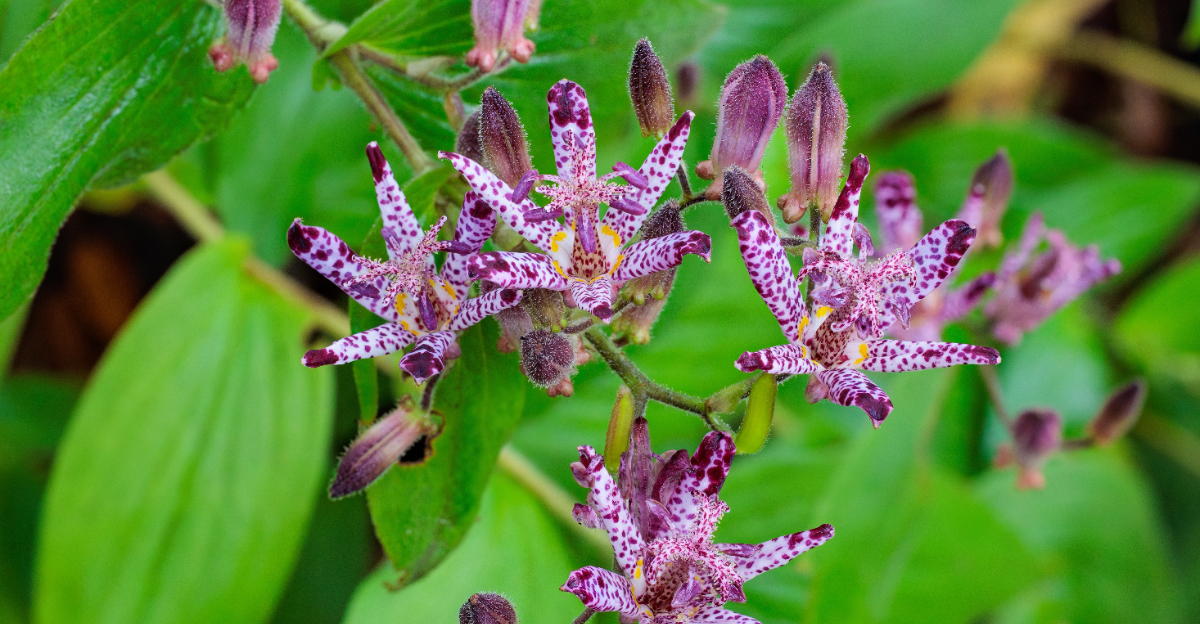
Toad lilies save some of their best color for a time when many garden favorites are already slowing down. September is when your care can help that show continue into October.
These unusual perennials rely on steady conditions as their buds develop and flowers begin opening.
That makes sudden changes in care especially unhelpful when the plants are preparing for their fall display. In Georgia gardens, September can still bring enough warmth to put extra pressure on them.
Rather than pushing for faster growth, concentrate on keeping their surroundings consistent.
Watch the plants closely as temperatures shift, and respond before visible stress interrupts flowering. Small adjustments now can support the display without turning September care into a complicated routine.
Give toad lilies what they need, and their spotted blooms can carry color deeper into fall.
1. September Care Sets Up The Whole Flower Show
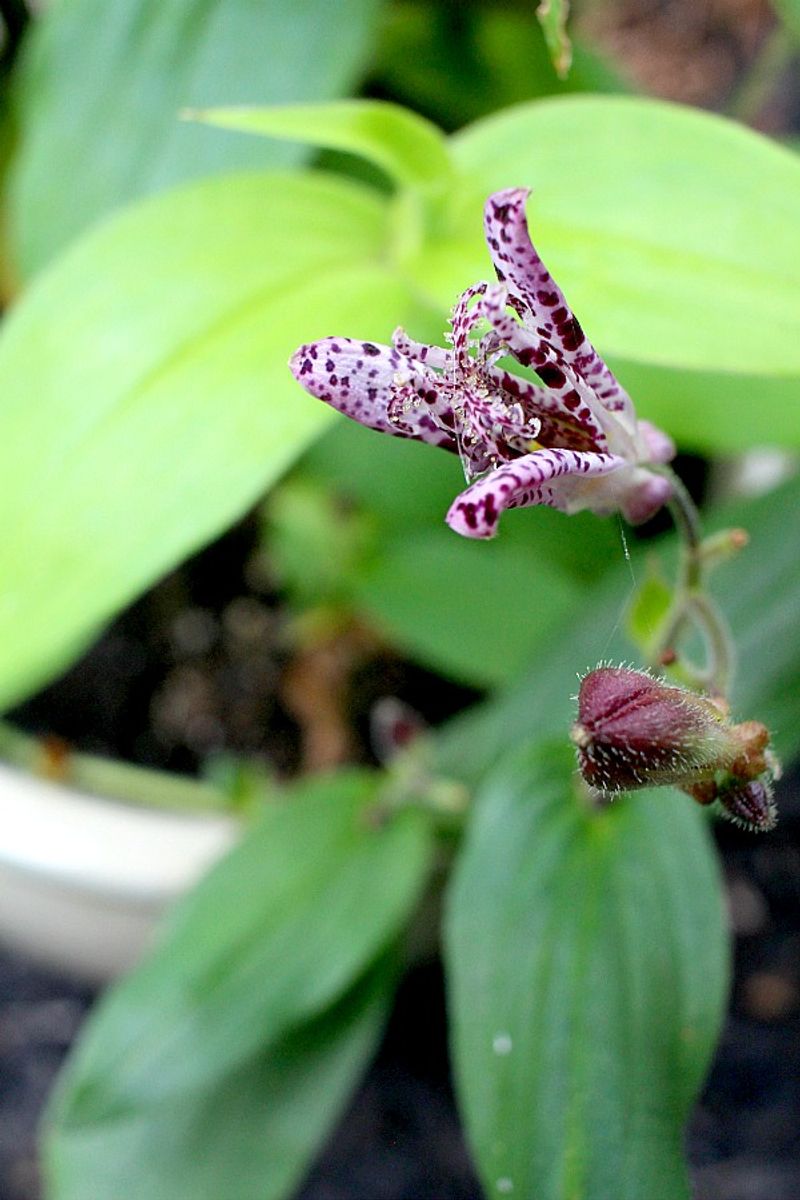
September is the month that quietly decides everything for toad lilies.
Flower buds form along the arching stems well before the first blooms open. What happens in those few weeks shows up in October.
Across Georgia, September often brings a mix of leftover heat and sudden dry spells. Toad lilies notice both.
A plant that gets stressed now may still flower, but the display can be thinner and shorter.
Start by walking your shade beds and looking closely at each clump. Healthy stems should be firm, leafy, and slightly arching rather than limp.
Skip heavy fertilizer this late in the season.
A thin layer of compost around the base is plenty, and it also helps hold moisture during warm spells. Pushing new growth with strong nitrogen in fall rarely helps flowering.
Hold off on cutting stems back too.
Those stems carry the buds, so trimming them in September means trimming away the flowers you were waiting for. Only remove damaged or broken growth.
Weeding matters more than most people expect.
Aggressive weeds compete for water in shade beds, and toad lilies are not strong competitors. Clearing them out reduces stress right when buds are swelling.
Timing varies by variety and by how warm your fall runs.
Some clumps open in mid September, others wait until early October, and a mild season can stretch the whole thing out.
2. Steady Moisture Keeps Buds From Stalling
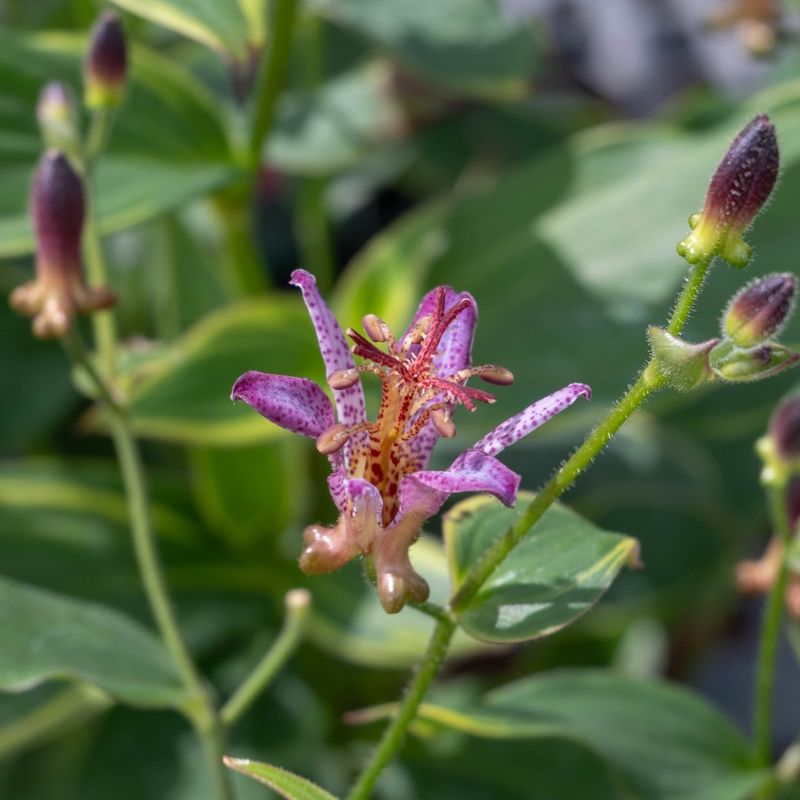
Dry soil in September is the fastest way to lose fall flowers.
Toad lilies grow wild along damp woodland edges and stream banks. Their roots expect consistent moisture, not swings between soggy and bone dry.
Georgia falls can be surprisingly dry, especially in the northern half of the state. Rain gaps of two weeks are not unusual.
When soil dries out during bud formation, buds may drop or open unevenly.
Check moisture with your finger instead of guessing. Push it two inches into the soil near the crown.
If it feels dry at that depth, water slowly and deeply.
A long, gentle soak beats a quick spray every time, because shallow watering only wets the top layer where few feeder roots sit. Aim for the soil, not the leaves.
Your Georgia Garden Changes Every Week. Your Plan Should Too.
Gardening in Georgia changes quickly throughout the season. Every Friday you’ll receive a simple weekly plan showing exactly what to plant, prune, fertilize, harvest, and protect so you never miss the right timing.
Mulch does a lot of the work for you.
Two inches of shredded leaves or pine straw slows evaporation and keeps root zones cooler. Keep it pulled back an inch from the stems.
Container-grown toad lilies dry out much faster than those in beds.
Pots in shade may still need water every day or two during a warm September stretch, so check them more often than you think you need to.
Rain amounts vary widely, so adjust based on what your yard actually gets.
3. Drainage Matters Just As Much As Water
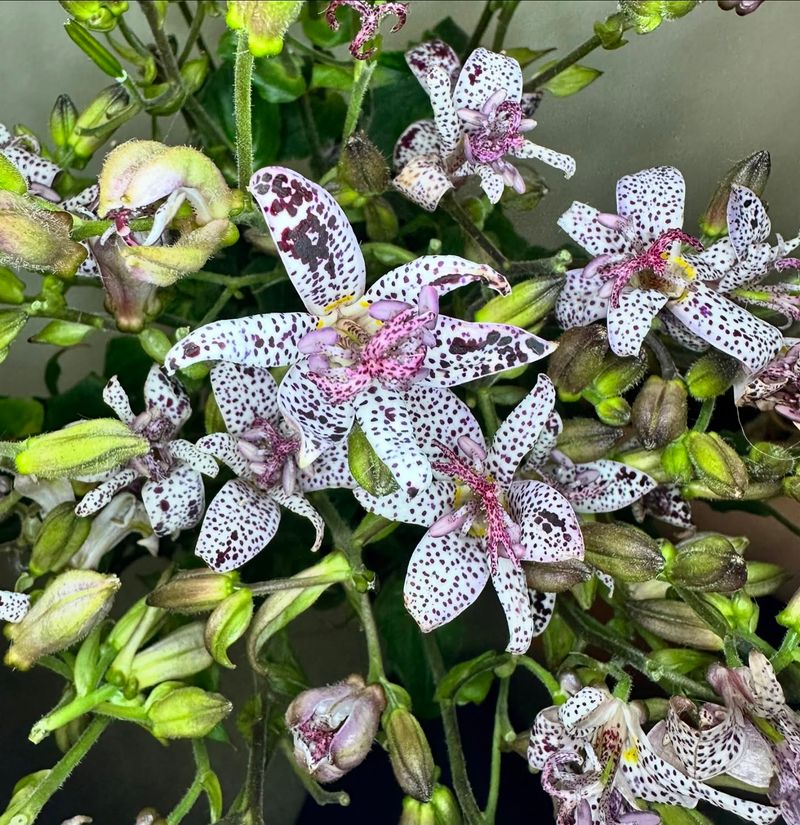
Moist and waterlogged are two very different things.
Toad lilies want soil that stays damp but still drains. Roots sitting in standing water tend to rot, especially after a heavy fall storm.
Red clay is common across much of the state, and it holds water stubbornly. Georgia gardeners deal with this in nearly every shade bed.
Clay is not a lost cause, though. It just needs help.
Work compost, leaf mold, or pine bark fines into the bed before planting or when dividing clumps. Organic matter opens up clay and improves both drainage and water holding at the same time.
Raised beds solve the problem faster.
Even four to six inches of extra height gives roots somewhere to breathe after a downpour. Slight mounding works in existing beds too.
Watch where water collects after a hard rain.
If puddles sit for hours in the same low spot, that area is a poor choice for toad lilies no matter how nice the shade looks.
Containers need attention as well.
Make sure drain holes stay open, and skip saucers that trap water underneath during a rainy stretch.
Soil type differs from yard to yard, so test drainage yourself with a simple filled hole. Water that lingers overnight signals a real problem worth fixing before fall rains arrive.
4. Afternoon Shade Protects Leaves And Petals
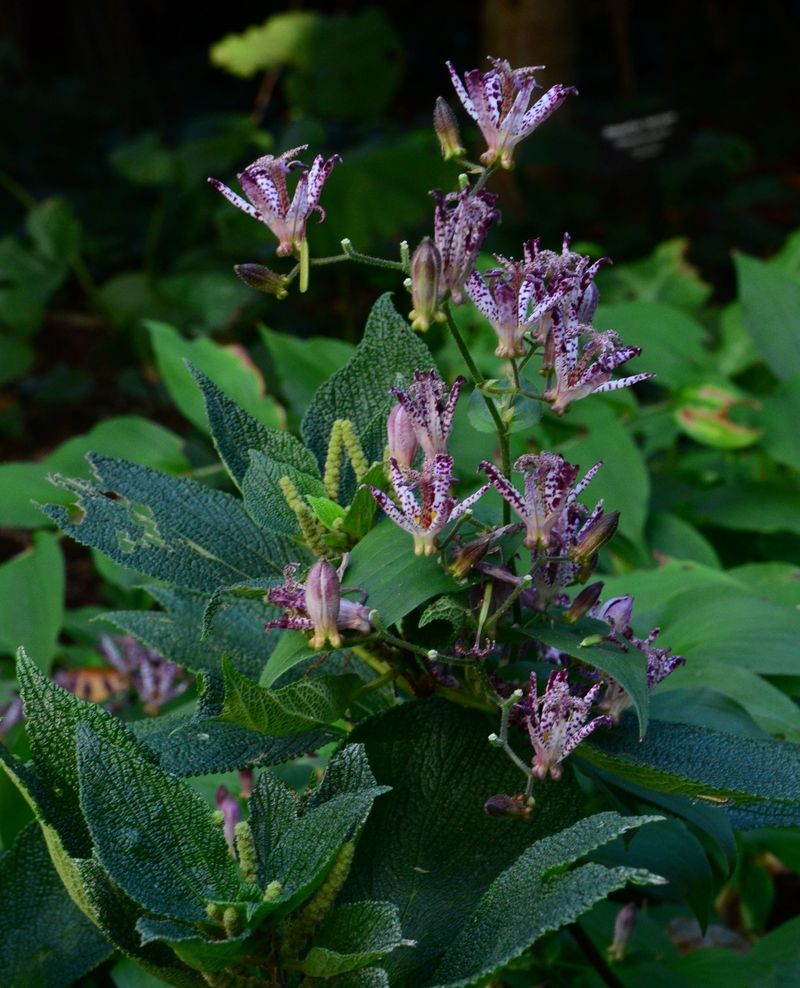
Late afternoon sun in September still packs a punch.
Even after Labor Day, temperatures in the Southeast can climb into the nineties. Toad lily leaves scorch quickly when that sun hits them directly.
Morning light is a different story. Two or three hours of it usually improves flowering without burning foliage.
Filtered light under tall hardwoods works beautifully.
Oaks, hickories, and tall pines create the dappled shade these plants evolved under. North and east facing beds tend to be the safest spots.
Brown, crispy leaf edges are the warning sign.
Once foliage scorches, it does not recover, and the plant puts energy into surviving instead of blooming. Move the plant in spring rather than mid bud.
Container plants give you flexibility.
Slide pots to a shadier spot when a hot week shows up in the forecast, then move them back once things cool down.
Temporary shade cloth helps in beds without tree cover.
Thirty to forty percent shade fabric over a simple frame takes the edge off during a heat wave.
Keep in mind that deep shade has limits too.
Plants in very dark corners often grow leggy and produce fewer flowers, so aim for bright shade rather than gloom.
Every yard has its own light pattern, so watch yours for a full day before deciding where these plants belong.
5. Healthy Foliage Fuels Every Flower
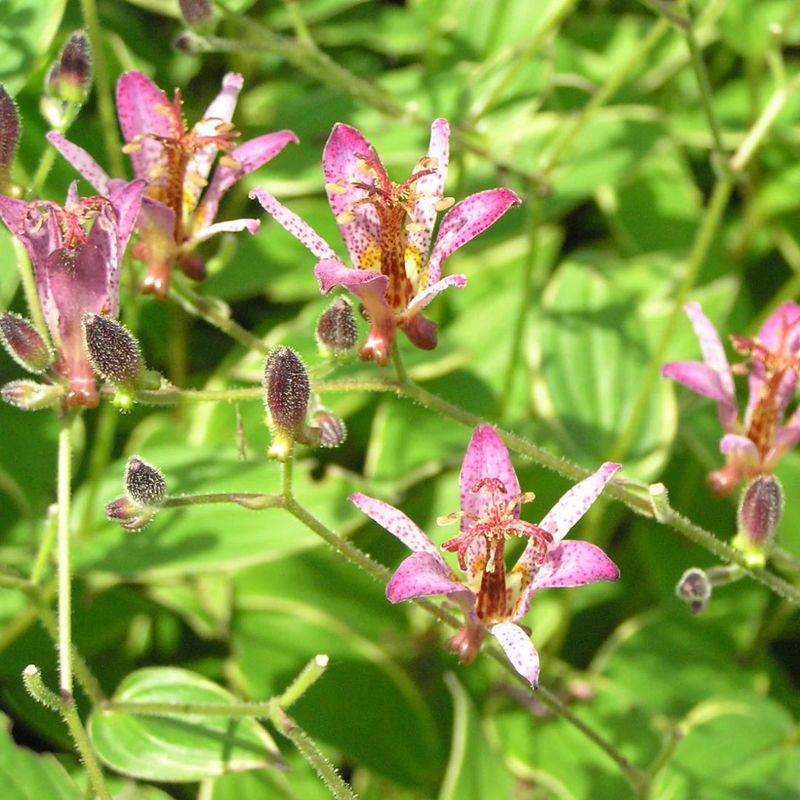
Leaves are the engine behind late blooms.
Every flower a toad lily opens in October runs on sugars made by foliage in September. Damaged leaves mean fewer and smaller blooms.
Fungal spots show up in humid Georgia falls, especially where air sits still. Crowded beds make it worse.
Give plants room to breathe.
Thin out nearby perennials that lean over the clumps, and prune low shrub branches that block airflow. Better circulation helps leaves dry after morning dew.
Water at soil level whenever possible.
Overhead sprinklers leave foliage wet for hours, which encourages leaf spot and mildew on shade plants.
Remove any badly spotted or yellowed leaves and toss them, rather than leaving them on the mulch. Clean beds cut down on spores overwintering nearby.
Avoid heavy pruning otherwise.
Stripping healthy leaves in September takes away the very fuel the plant needs for its flower run.
Watch for early leaf yellowing too, since it often points to dryness, poor drainage, or too much direct sun rather than disease.
A light compost topdress supports leaf health without forcing tender growth.
Some seasonal leaf decline is normal by mid October, and plants naturally start winding down as nights cool.
Results depend on humidity, spacing, and how much rain lands during the month.
6. Slugs And Snails Go After Tender Growth
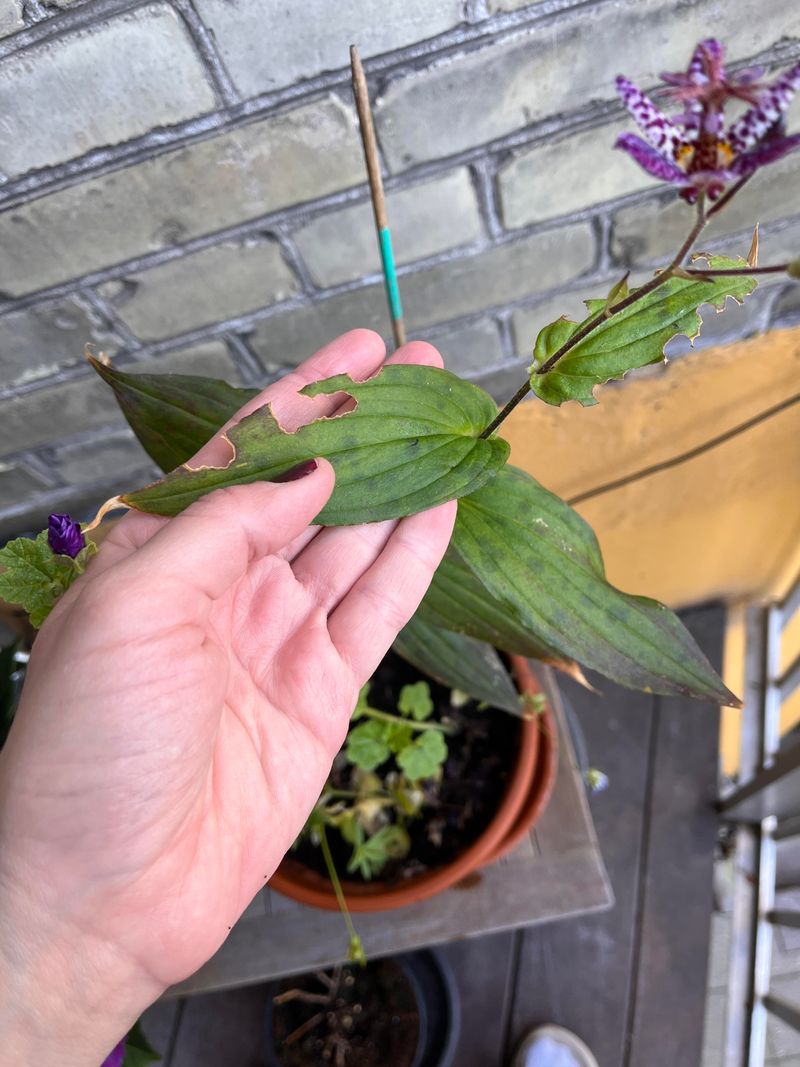
Ragged holes in toad lily leaves usually point to one culprit.
Slugs and snails love damp shade, and that is exactly where these plants grow. Buds and new leaves are their favorite targets.
Warm, humid nights in Georgia keep them active well into fall. Damage often appears overnight.
Check plants after dark with a flashlight.
Slugs feed at night, so you will find them on stems and under leaf edges when the sun is down. Hand picking works better than most people expect.
Shallow traps baited with yeast and water catch a fair number.
Sink a small container so the rim sits level with the soil, then empty it every couple of days.
Iron phosphate bait pellets are another option.
They are labeled as safer around pets and wildlife than older metaldehyde products, but follow the label instructions carefully.
Cut back on hiding spots near the plants.
Boards, thick mulch piles, and old leaf litter give slugs cool daytime shelter right next to your flowers.
Copper tape around pot rims can help with containers, though results are mixed and it needs to stay clean to work.
Watering in the morning gives soil time to dry by evening.
No single method clears them out, so combining two or three usually gives the best protection through October.
7. Bloom Timing Can Stretch Well Into October
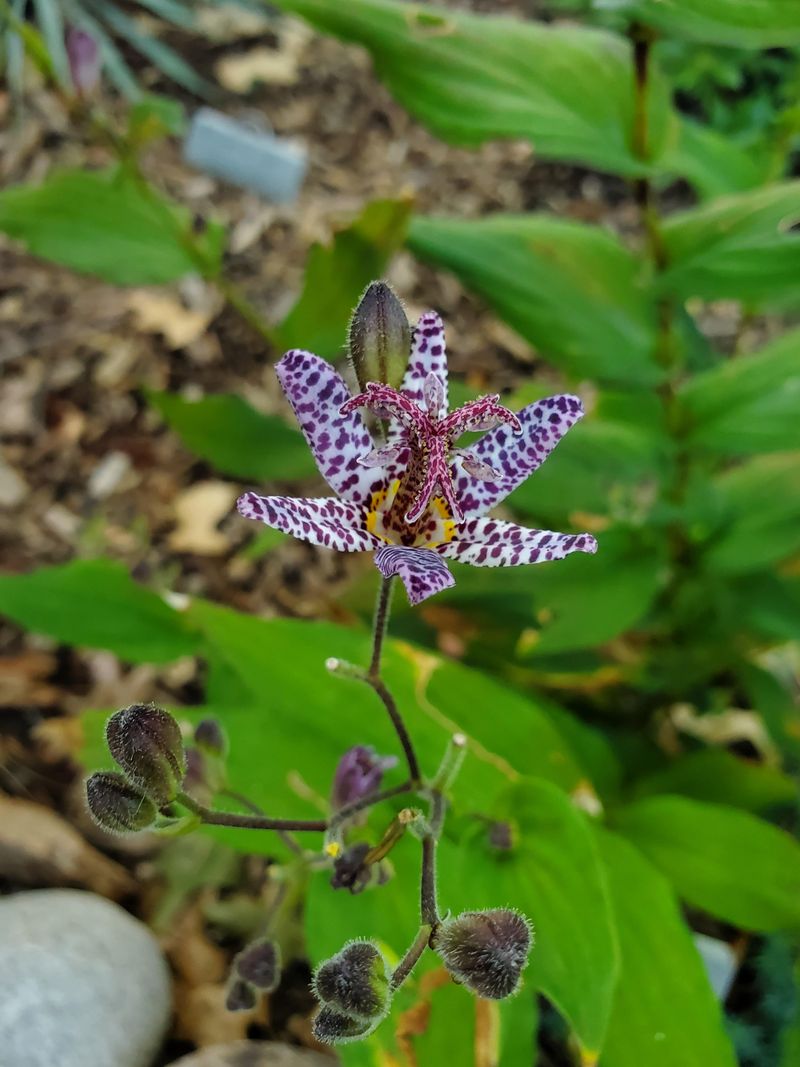
October does not arrive with the same flowering schedule for every toad lily. One clump may already be covered in spotted blooms while another nearby is only beginning to open.
Species and cultivar make a big difference in timing. Some toad lilies begin flowering toward the end of summer, while others naturally wait until fall is well underway.
Location can shift that schedule too. Plants growing in warmer parts of Georgia may move through their flowering cycle differently from those in cooler areas farther north.
That variation is useful when several types grow in the same garden. Their bloom periods can overlap rather than peak on exactly the same date, extending the time these unusual flowers are visible.
Do not assume a plant has missed its chance simply because neighboring toad lilies opened first. Check the stems for unopened buds before deciding that flowering is finished.
As October progresses, cooler nights gradually move the plants closer to dormancy. Until then, late buds may continue opening when conditions cooperate.
The exact finish varies from year to year, so let the plants themselves signal when their flowering season is finally winding down.