How Michigan Gardeners Use Cover Crops To Feed The Soil For Next Spring
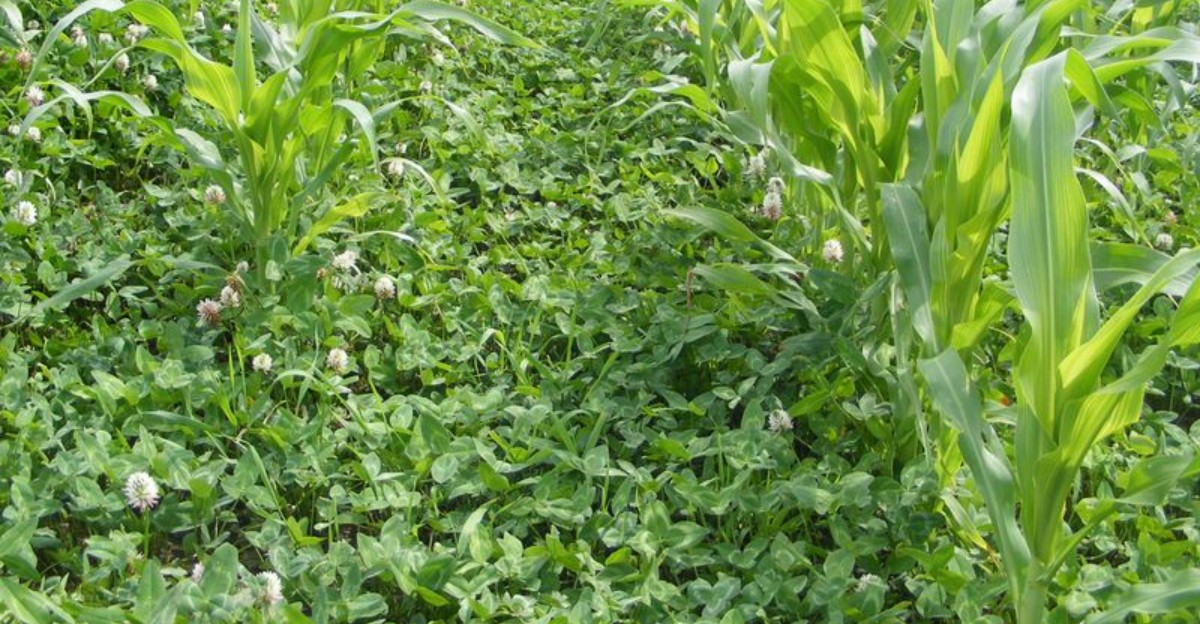
Cover crops have become a go-to tool for Michigan gardeners looking to improve soil health during the off-season rather than leaving beds bare through winter.
These crops add organic matter back into the soil as they grow and eventually break down, while certain varieties also fix nitrogen directly into the ground, reducing the need for added fertilizer come spring.
Beyond nutrients, cover crops help prevent erosion and suppress weeds that might otherwise take hold in exposed soil over the colder months.
Choosing the right cover crop depends on what a particular garden bed needs most, whether that’s nitrogen, organic matter, or simple weed suppression.
By spring, a well-managed cover crop can leave soil noticeably richer and easier to work than it would be otherwise.
1. Choose A Cover Crop That Fits Michigan’s Fall Conditions
Picking the right cover crop starts with knowing your garden and the calendar. Michigan falls can turn cold fast, so the seeds you plant in early September will behave very differently than ones planted in late October.
Timing matters more than most beginners think. Some crops need warm days to sprout, while others handle chilly soil just fine. If you wait too long, certain seeds will not have enough time to grow before the ground freezes.
Your soil type plays a role too. Sandy soils drain quickly and dry out, while heavy clay holds water longer. Matching a crop to your dirt helps it grow strong and do its job all winter.
Winter hardiness is another big factor. Rye survives Michigan winters and keeps growing in spring, but oats often fade after hard frosts. Knowing which crops last helps you plan for what you want next season.
Think about how much time you have before spring planting as well. A crop that grows tall and thick needs time to break down before you plant tomatoes or peppers.
Many local gardeners check with the Michigan State University Extension for advice on what works best in their zone. That kind of trusted help saves guesswork and money.
The goal is simple. Match the crop to your planting date, your soil, and your spring plans, and you set yourself up for healthier ground and easier gardening when the warm weather returns.
2. Winter Rye Protects Bare Soil
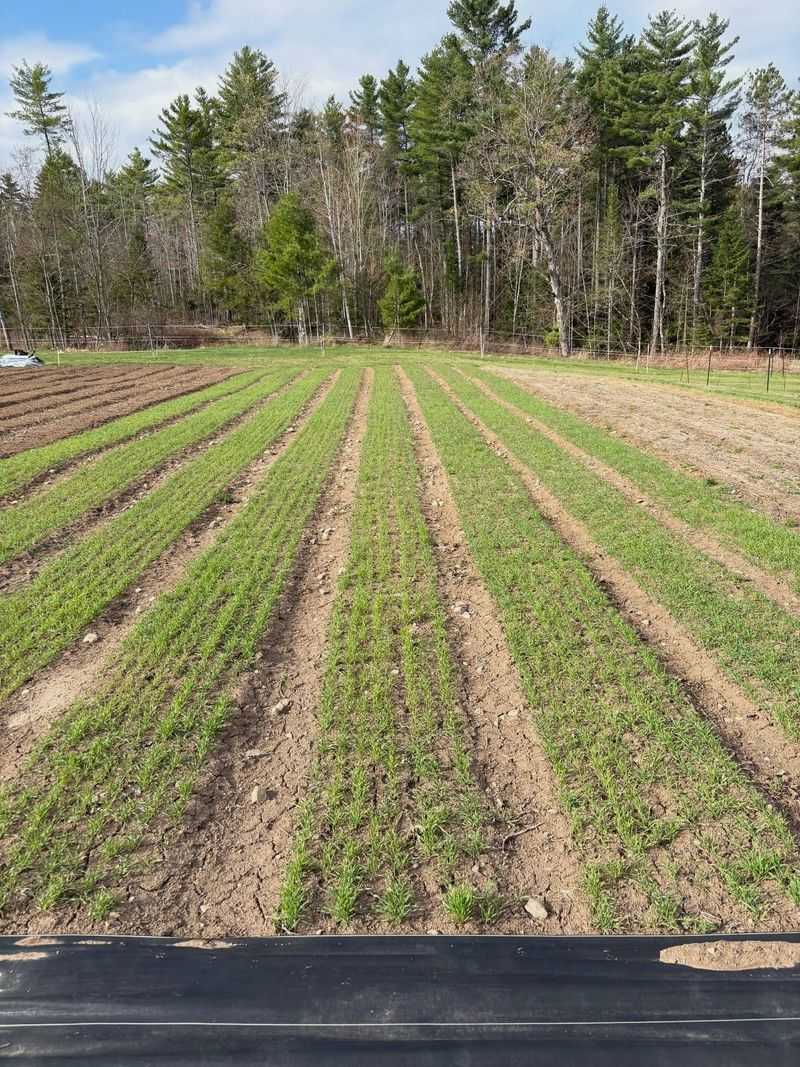
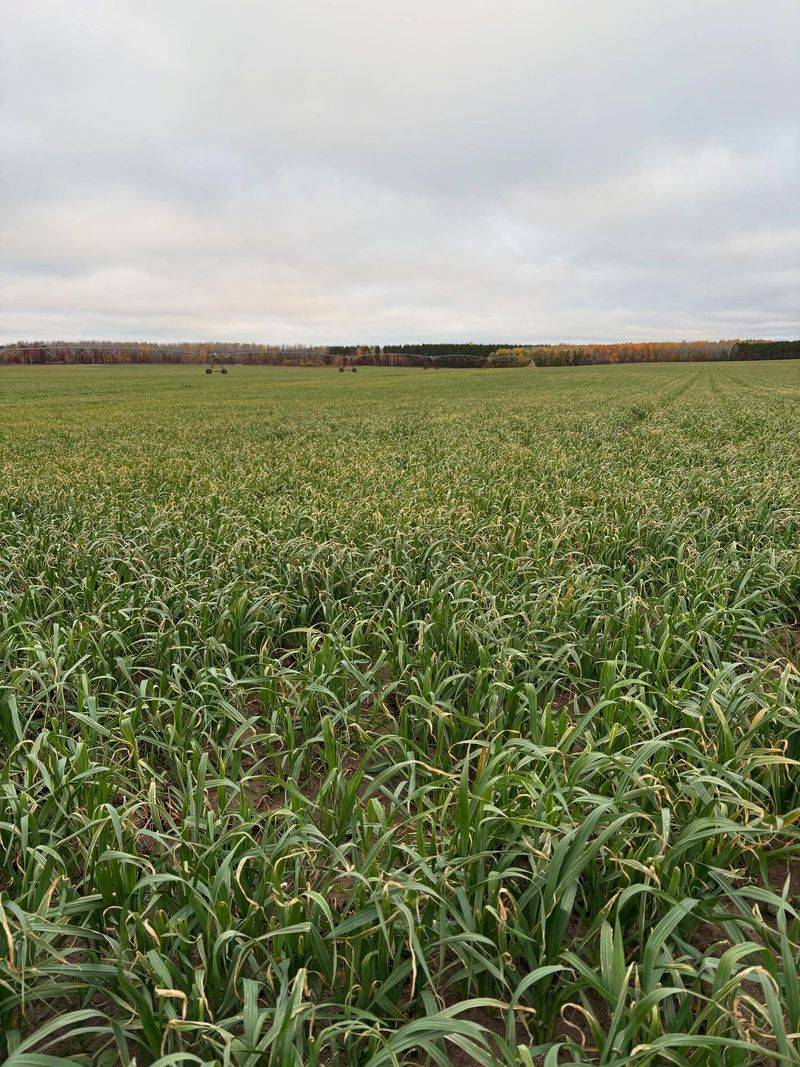
Cereal rye is the tough survivor of the cover crop world. When most plants slow down in the cold, rye keeps sprouting and growing even in chilly Michigan soil.
What makes rye so useful is its ability to establish late in the season. You can plant it well into October, and it still finds a way to sprout and cover the ground before winter settles in.
Its roots dig deep and hold the soil in place. That living cover acts like a shield against wind and heavy rain, keeping your valuable topsoil from washing or blowing away.
Above the ground, rye forms a thick green mat. This blanket slows down melting snow and rain, giving the water time to soak in gently instead of running off and carrying dirt with it.
Your Michigan Garden Changes Every Week. Your Plan Should Too.
Gardening in Michigan changes quickly throughout the season. Every Friday you’ll receive a simple weekly plan showing exactly what to plant, prune, fertilize, harvest, and protect so you never miss the right timing.
Come spring, rye wakes up early and keeps growing. That fast start means it soaks up extra nutrients that might otherwise leach away during wet weather, holding them for your future plants.
Many Michigan gardeners love rye because it is reliable and easy to find at farm stores. It rarely fails, even in a rough winter.
One thing to remember is that rye grows fast in spring, so you need a plan to cut it down before it gets too tall. When managed well, it becomes one of the best tools for keeping garden soil safe, covered, and ready for a strong new season.
3. Oats Can Provide Quick Fall Cover
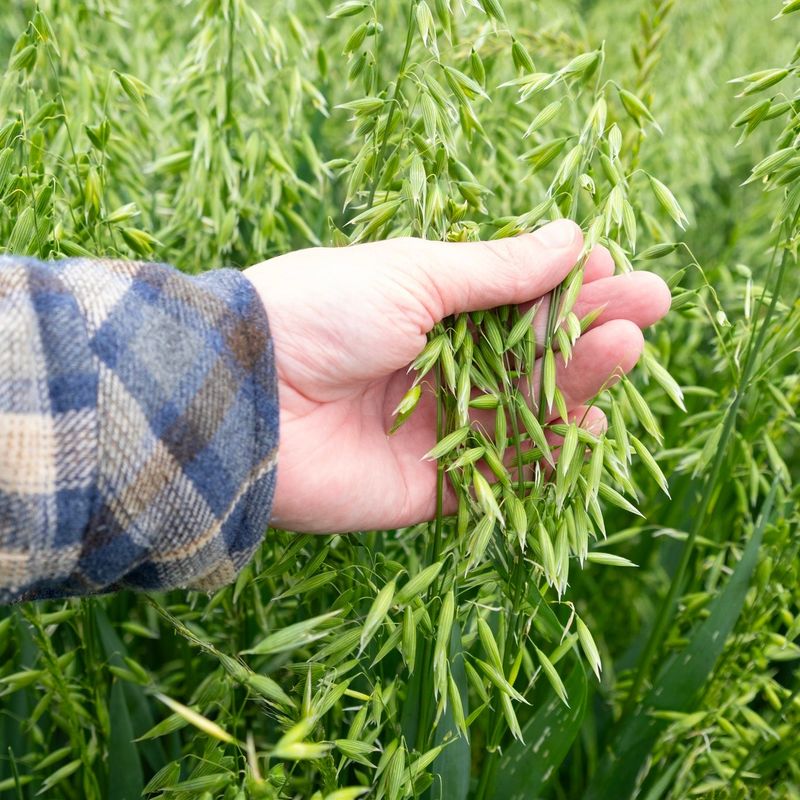
Oats are the speedy helpers of the cover crop family. Plant them in late summer or early fall, and they pop up fast, giving your soil quick protection when you need it most.
Because they grow so quickly, oats fill in bare spots and shade out weeds before they can take over. Within just a few weeks, you can see a green carpet spreading across your garden bed.
Their fast growth also means they start working right away. The roots grab hold of loose soil, and the leaves shield the ground from harsh fall rains.
Here is the catch though. Oats are not as tough as rye when it comes to Michigan winters. Once hard frosts arrive, oats usually fade and stop growing.
That trait is not always a bad thing. When oats fade in winter, they leave behind a soft mat of plant material that breaks down easily in spring. This makes cleanup simple for gardeners who do not want to fight tall growth.
Many people plant oats when they want short-term cover without the extra spring work. The plants do their job through fall, then quietly settle onto the surface.
If you like an easy option that protects soil early and clears out on its own, oats are a smart pick. Just plant them soon enough to get good growth before the cold sets in, and you will enjoy a tidy, protected garden with very little effort.
4. Legumes Can Contribute Nitrogen
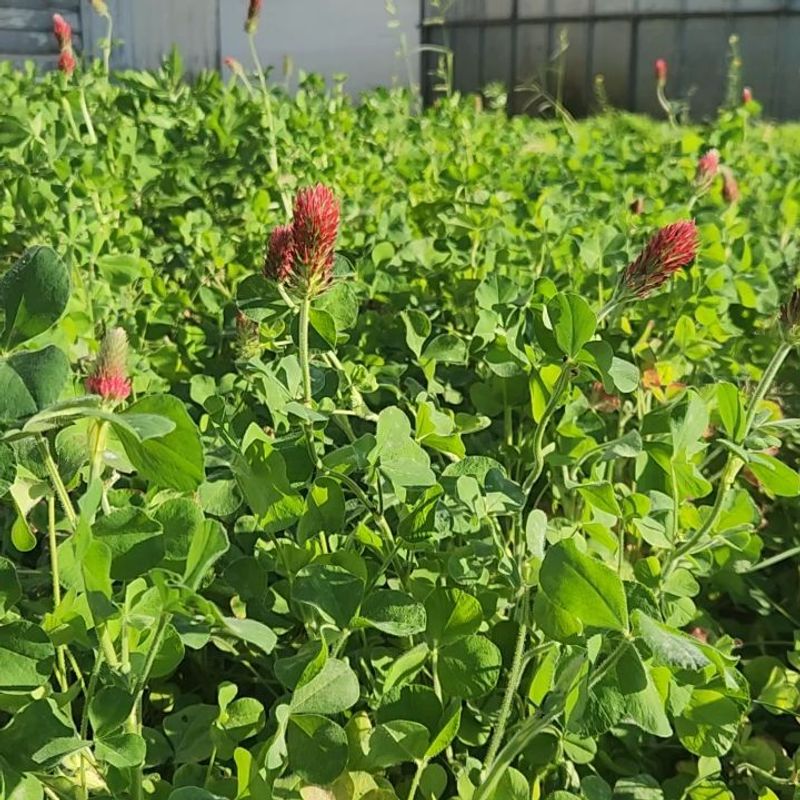
Some cover crops do something almost magical for your garden. Legumes like crimson clover, hairy vetch, and field peas can pull nitrogen right out of the air and store it in the soil.
They pull off this trick with a little help from tiny soil bacteria. These friendly microbes live on the plant roots and turn air nitrogen into a form plants can actually use.
Nitrogen is a key nutrient that helps vegetables grow green and strong. By adding it naturally, legumes can cut down on how much fertilizer you need to buy next spring.
Crimson clover brings bright red flowers and rich soil benefits. Hairy vetch handles cold weather well and spreads nicely. Field peas grow fast and add plenty of green material.
The catch is that this nitrogen boost only works if the plants grow well. Legumes need good timing, decent soil, and often a helper called an inoculant, which adds the right bacteria to the roots.
If you plant them too late or in poor conditions, they may not grow enough to make much nitrogen. Giving them a strong start makes all the difference.
Many Michigan gardeners mix legumes with grassy crops like rye for the best of both worlds. The grass protects the soil while the legumes feed it.
When they thrive, legumes leave your garden richer and ready to support healthy plants. That free nitrogen is one of the smartest gifts a gardener can give their soil.
5. Cover Crops Add Organic Matter
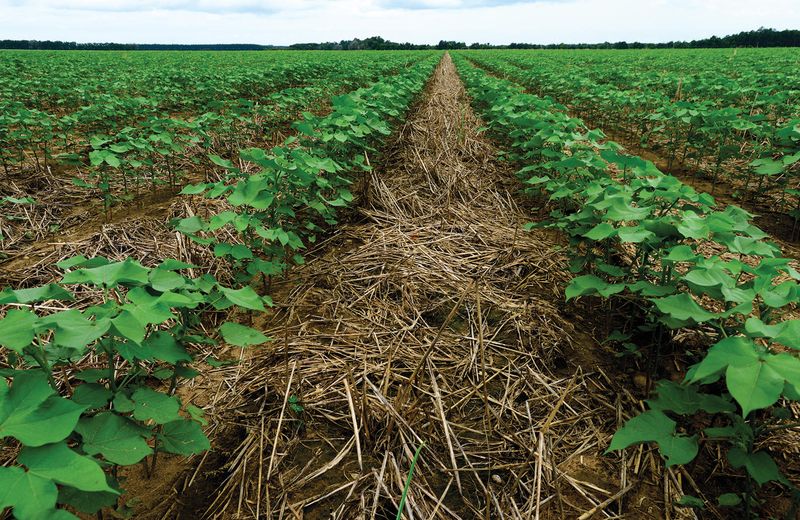
Every cover crop is quietly building better soil, even the parts you cannot see. Both the leaves above ground and the roots below add valuable organic material once they break down.
Organic matter is like food for your soil. As plant parts decompose, they turn into rich humus that feeds tiny living things in the dirt.
Those roots do more than hold soil in place. When they break down, they leave behind little channels that help water and air move through the ground more easily.
Better structure means your soil holds moisture during dry spells and drains well after heavy rain. That balance keeps plant roots happy all season long.
The green growth above ground matters too. When you cut it down or turn it under, it adds a burst of nutrients and material that microbes love to munch on.
Over time, all this activity creates loose, crumbly soil that is easy to dig and plant in. Gardeners often notice their beds feel softer and smell earthy after a few seasons of cover crops.
This slow buildup also supports worms, fungi, and helpful bacteria. A living soil full of these creatures grows stronger plants with fewer problems.
You will not see the full change overnight. Adding organic matter is a long game, but each cover crop moves you closer to dark, healthy soil.
Stick with the habit year after year, and your garden will reward you with richer ground and stronger harvests every spring.
6. They Help Protect Soil From Winter Erosion
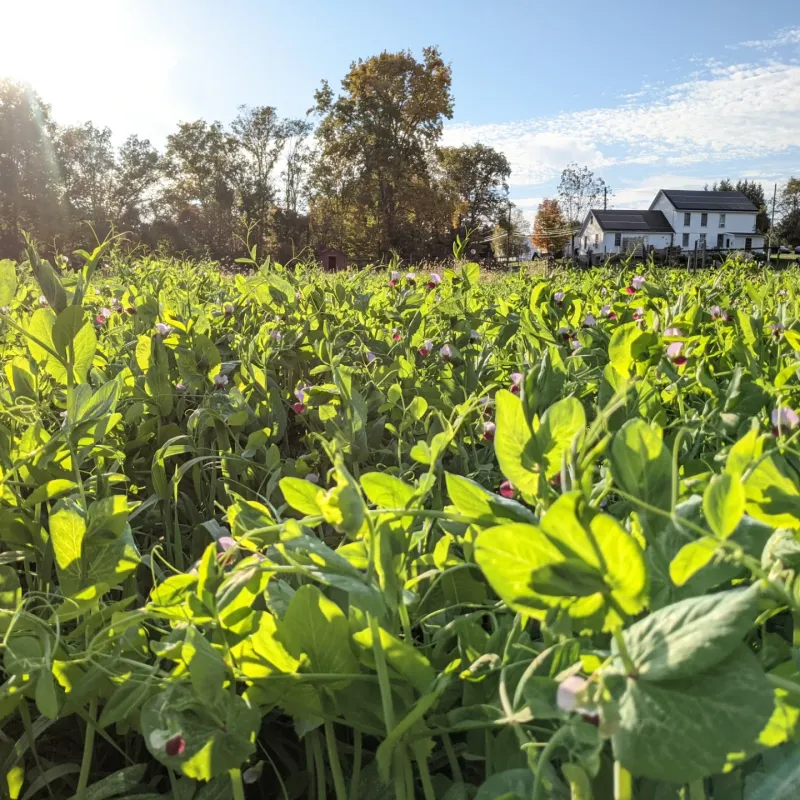
Bare soil in winter is at the mercy of the weather. Rain, snowmelt, and wind can carry away the top layer of your garden, which happens to be the richest part.
Cover crops step in like bodyguards for your dirt. Their leaves catch raindrops before they hit the ground, softening the blow so soil stays in place.
Living roots grip the earth tightly. Even when snow melts and water runs across the surface, those roots hold the soil steady instead of letting it slide away.
Wind is another sneaky problem in open gardens. A layer of green growth or plant residue blocks gusts that would otherwise lift dry soil and blow it far away.
Topsoil takes many years to form, so losing it is a real setback. Protecting it now saves you the trouble of rebuilding good ground later.
The plant residue left behind also acts as a natural mulch. It shields the surface and slows down water so it soaks in gently rather than rushing off.
Michigan winters bring plenty of freezing, thawing, and wet conditions. All that movement can loosen bare soil, but covered ground stays firm and settled.
By keeping soil where it belongs, cover crops also keep nutrients from washing into nearby streams. That is good news for your garden and the environment.
When spring arrives, you will find your beds intact and full of the good soil you worked hard to build. That protection alone makes cover crops worth planting.
7. Terminate Cover Crops Before They Become A Problem
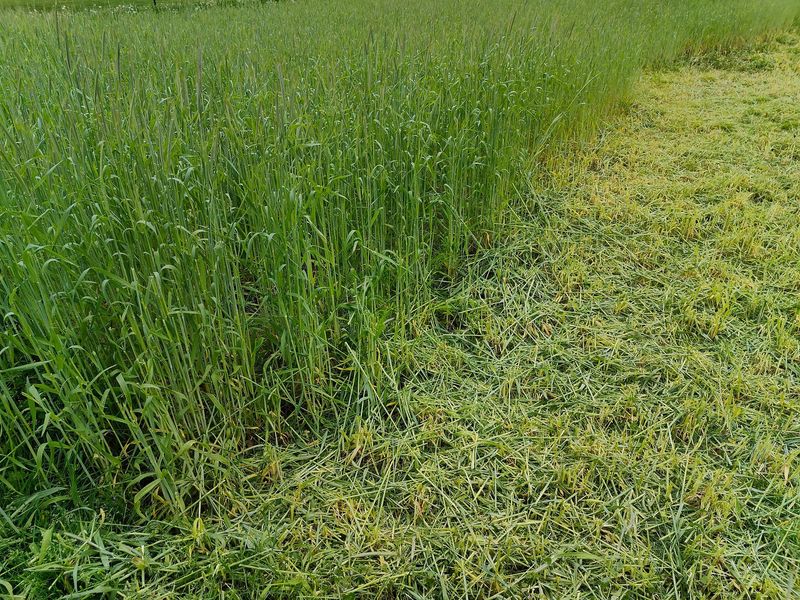
Timing is everything when it comes to ending your cover crop. Wait too long, and fast growers like cereal rye or hairy vetch can turn from helpers into headaches.
The idea is to cut down or turn under the plants before you set out your spring vegetables. This clears space and lets the residue start breaking down in time.
Vigorous crops grow quickly once the weather warms. If you let rye get tall and woody, it becomes hard to cut and slow to break down in the soil.
Ending the crop at the right stage also stops it from making seeds. Otherwise, you might find volunteer plants popping up where you do not want them.
There are a few easy ways to handle this. Some gardeners mow the crop low, others chop it with a hoe, and some turn it into the soil with a shovel or tiller.
For rye, many folks cut it just as it starts to send up seed stalks. That timing gives the best mix of soil benefits and easy cleanup.
Hairy vetch is often terminated near flowering to balance nitrogen contribution, biomass production, and easier management.
Waiting a couple of weeks after ending the crop before planting gives the residue time to settle. This helps young seedlings grow without competition.
Get the timing right, and your cover crop leaves behind rich soil instead of a tangled mess. A little planning makes spring planting smooth and stress-free.
8. Let The Decomposing Residue Work For Next Season
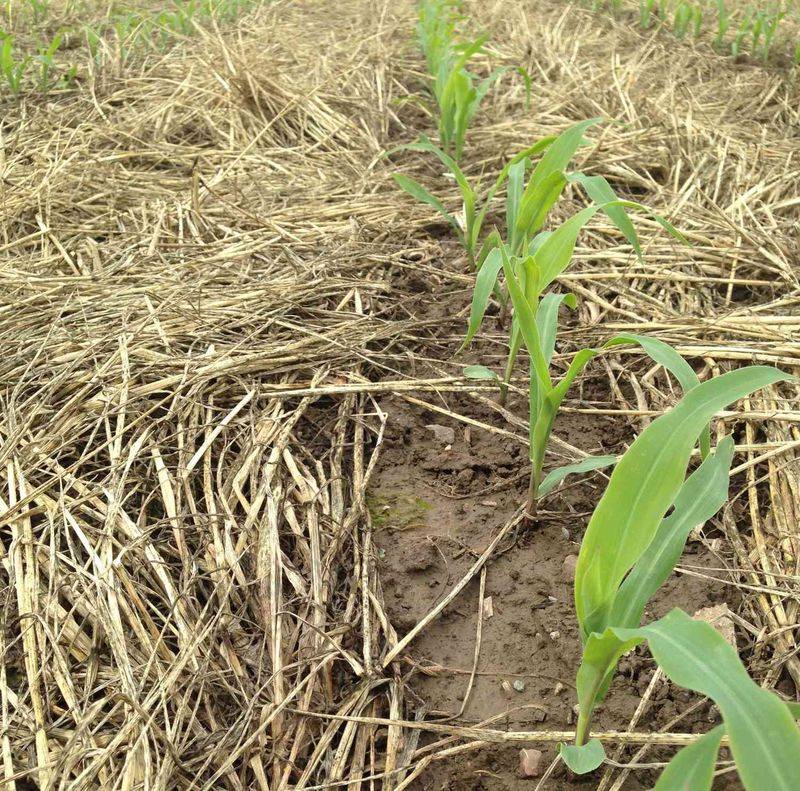
Once your cover crop is cut down, the real magic keeps going underground. The leftover plant material, called residue, becomes a slow-release gift for your soil.
You can either leave it on the surface as a mulch or mix it into the top few inches of dirt. Both methods let the residue break down and feed the ground.
As it decomposes, the residue releases nutrients that were stored in the plants. These nutrients become available just in time for your spring vegetables to soak them up.
Leaving residue on top has its perks. It shades the soil, keeps moisture in, and blocks weeds while it slowly breaks apart.
Mixing residue into the soil can speed decomposition in some situations, while leaving it on the surface provides mulch and erosion protection.
Tiny soil creatures do most of the heavy lifting here. Worms, fungi, and bacteria feast on the residue and turn it into food for plants.
This natural cycling improves soil structure too. The breaking-down material helps loose soil hold together and heavy soil open up.
Give the residue a little time before planting, especially if you turned it under. Fresh material can tie up nitrogen briefly as it decomposes.
By working with nature instead of against it, you let last season’s crop feed this season’s garden. It is a smart, low-cost way to build fertility.
Season after season, this simple habit creates deeper, darker, healthier soil. Your future plants will thank you with stronger roots and better harvests.