The Native Ohio Plant That Draws Owls And Fewer Mice To Your Yard
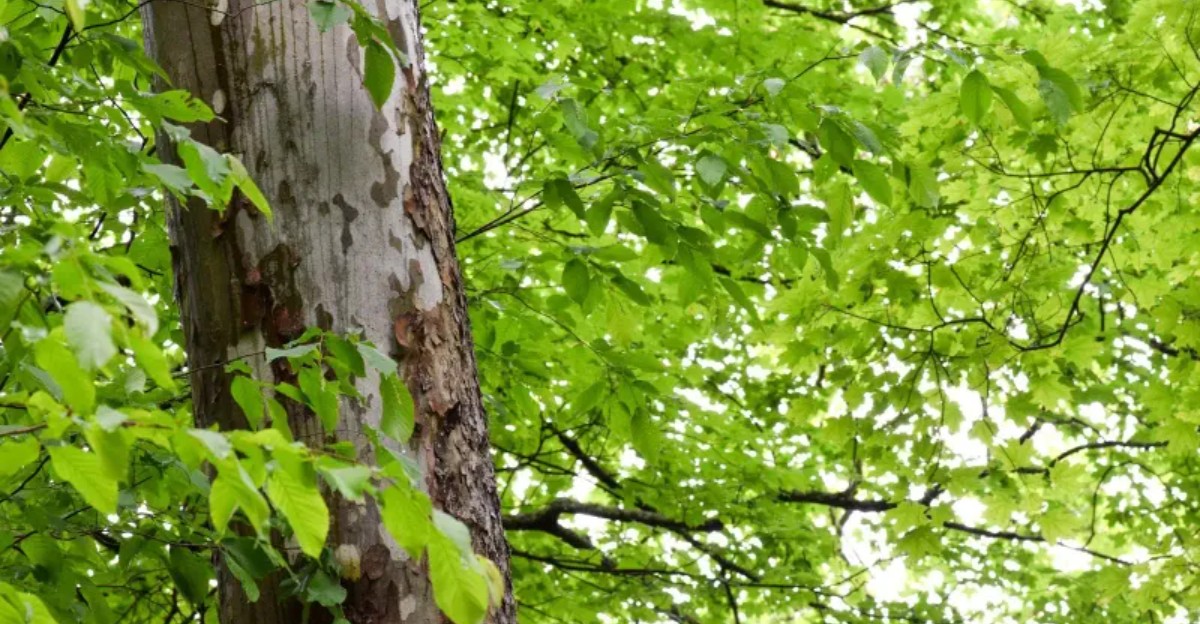
A tree can pull owls into a yard on its own. No nest box, no feeder, nothing set up on purpose.
One native does exactly that, and it’s probably already standing in more Ohio yards than anyone realizes.
Owls need height, open sightlines, and sturdy branches to hunt from. This tree offers all three without anyone lifting a finger.
Once an owl begins using the property as a hunting area, mice and other small rodents may become part of its regular prey supply.
Plenty of Ohio homeowners have one of these trees already. Almost none of them know it’s doing this work quietly, every single night.
1. Meet American Sycamore, A Natural Cavity Maker
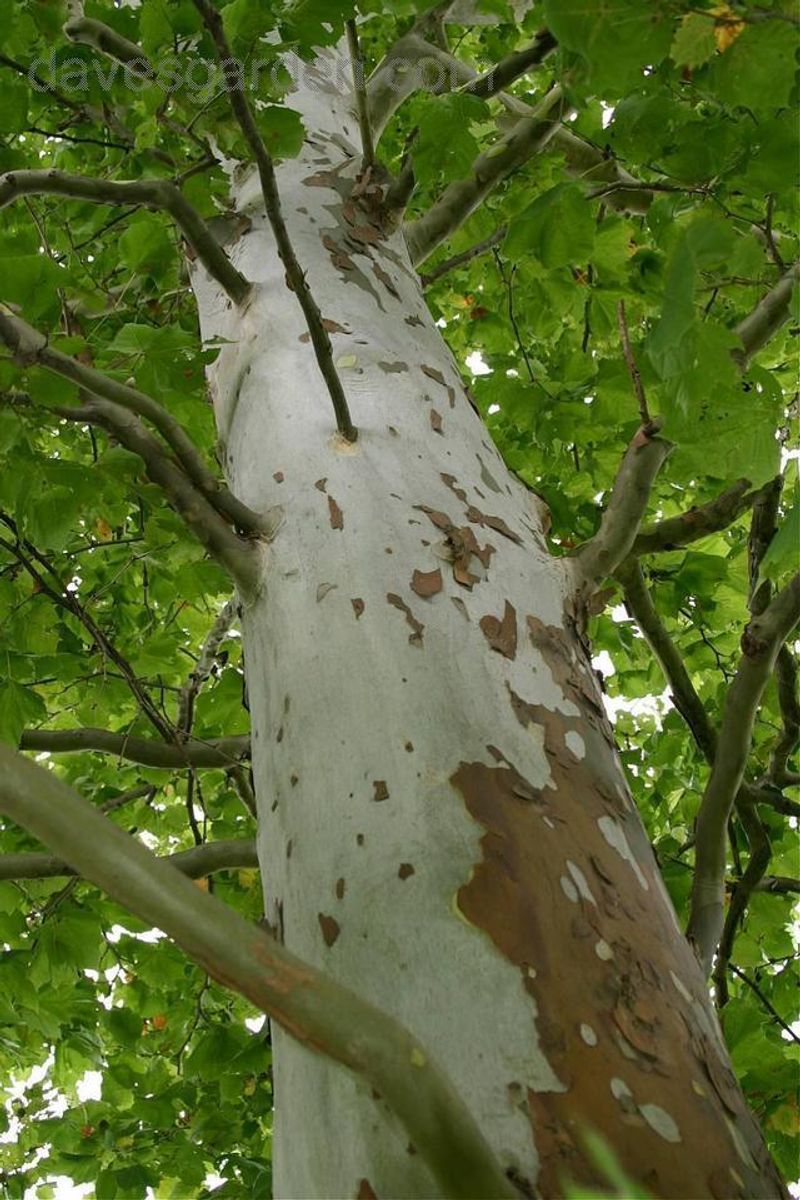
Walk any Ohio creek bottom and you will spot it from a distance: a giant with camouflage-patterned bark that flakes away in puzzle pieces. Underneath, the trunk glows pale white, green, and tan, almost like bone in the winter light.
American sycamore, or Platanus occidentalis, is native to Ohio and much of the eastern and central United States. It ranks among the most massive trees in the eastern states, climbing past 100 feet tall with a trunk so wide that two people struggle to reach around it.
The magic for wildlife happens as the tree ages. Heartwood inside older sycamores softens and breaks down, leaving hollow trunks and roomy cavities where solid wood used to be.
Raccoons, squirrels, bats, wood ducks, and Eastern Screech-Owls all move into those spaces.
Some old sycamores develop enormous hollows, creating shelter for a wide range of wildlife. Most backyard hollows stay far smaller, which suits a robin-sized owl just fine.
Planting one takes patience since cavities show up in older trees, not saplings. If your property already holds a mature sycamore, you are sitting on prime real estate for rodent-hunting neighbors.
Give it room, water it during dry spells, and let time handle the rest.
2. Give Screech-Owls Places To Roost
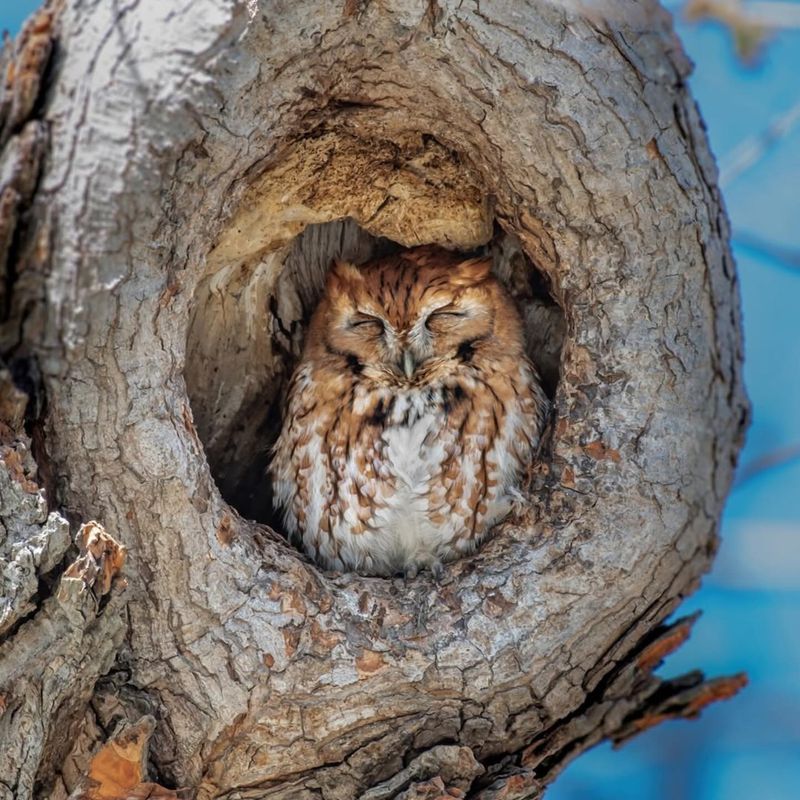
Ohio has screech-owls in every single county, which means one may already be watching your yard from a knothole. Gray or reddish-brown, about the size of a robin, they vanish against bark the moment they tuck into a hole.
Roosting spots matter as much as food. Eastern Screech-Owls are cavity nesters, relying on hollows created by broken limbs or old woodpecker holes for both sleeping and raising young.
Those pockets do more than hold a nest. A snug cavity hides the owl from crows, hawks, and other threats during daylight hours.
It also buffers wind, rain, and snow, giving the bird a warmer, drier spot when Ohio weather turns nasty in February.
Suburban neighborhoods with big shade trees suit them beautifully, as do woodland edges and scattered trees near open fields. You do not need acres of forest.
Take a slow walk around your property and look up. Any hollow limb stub, split trunk, or old flicker hole counts as potential housing, and leaving those features alone costs you nothing.
If a branch breaks and the wound starts to hollow out over the years, resist the urge to patch it. That slow decay is the beginning of a rodent-hunting headquarters right above your lawn.
Your Ohio Garden Changes Every Week. Your Plan Should Too.
Gardening in Ohio changes quickly throughout the season. Every Friday you’ll receive a simple weekly plan showing exactly what to plant, prune, fertilize, harvest, and protect so you never miss the right timing.
3. Let Mature Trees Provide Hunting Perches
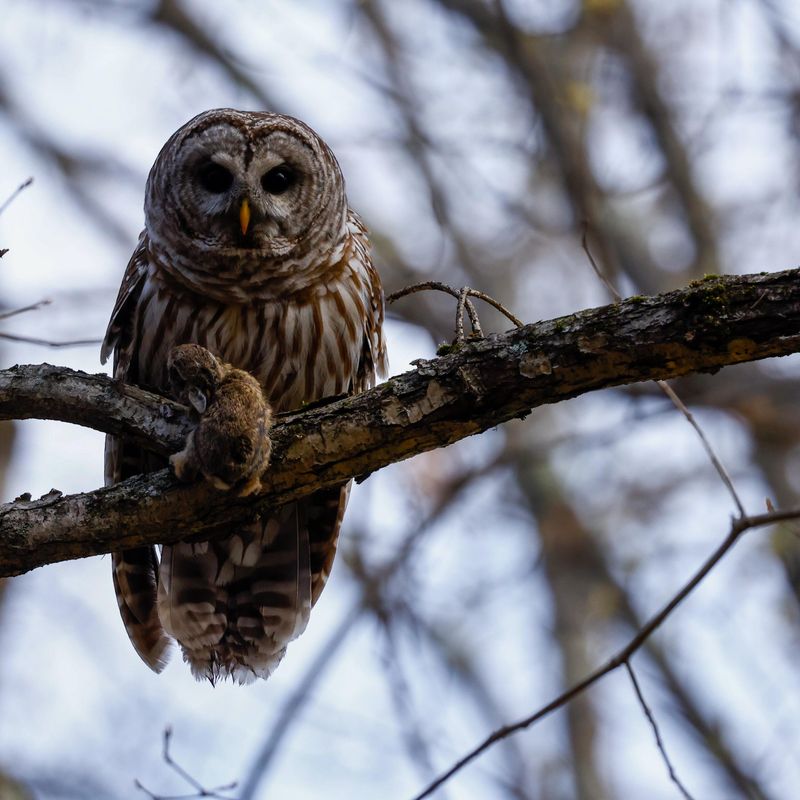
Screech-owls are ambush hunters, not tireless patrollers. They pick a branch, settle in, and wait, letting their ears do most of the work while the yard goes quiet.
Most of that waiting happens fairly low, roughly 6 to 10 feet above the ground. From there the owl drops silently onto whatever rustles in the grass or the leaf litter below.
Activity picks up at dusk and continues through the night, which is exactly when mice and voles feel brave enough to travel. Sharp hearing paired with strong night vision lets the owl pinpoint a rodent it can barely see.
Mature trees provide the structure that makes all of this possible. Sturdy horizontal limbs at varied heights, some low and some high, give the bird options depending on wind and where prey is moving.
Pruning every branch up to head height makes a yard look tidy but removes the launch pads. Keeping a few lower limbs on a sycamore, oak, or maple pays off in rodent patrol.
Fence posts, arbors, and pergola beams can serve as backup perches near garden beds. Place them where you have noticed tunnels or chewed seed bags, and you are basically handing the owl a menu.
4. Keep Some Open Ground Below The Canopy
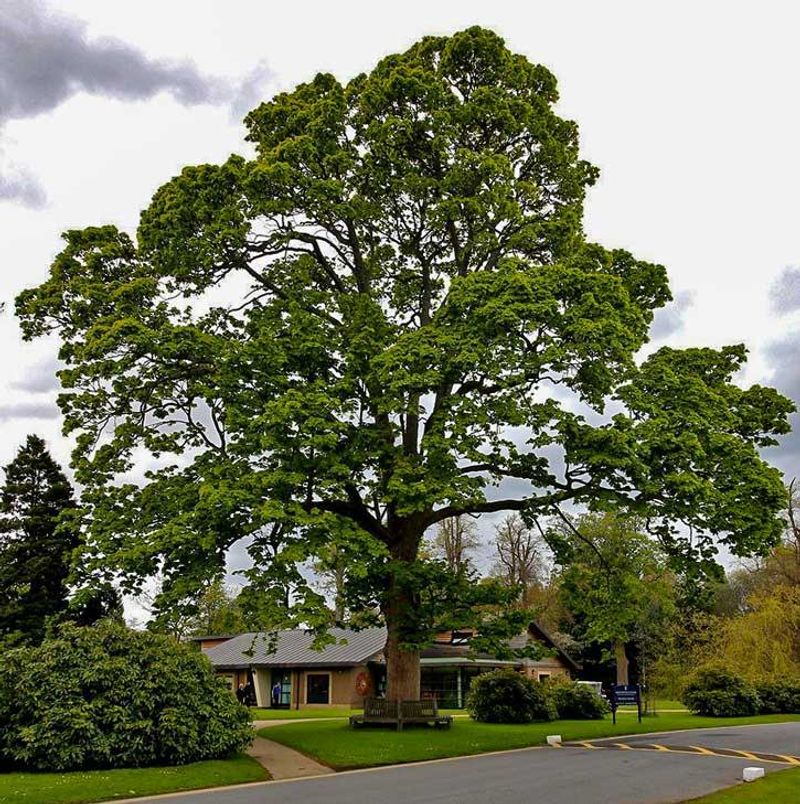
A yard packed wall to wall with dense shrubs looks lush, but an owl cannot hunt through a hedge. Screech-owls want big trees on one side and breathing room on the other.
Open ground is where the action happens. Lawns, meadow patches, garden paths, and gravel drives all give an owl a clear view and a clean flight path down to a target.
Suburban properties often nail this mix without trying. Wide mown areas surrounded by mature shade trees mirror the scattered-tree-and-field habitat these owls favor in the wild.
Think about how mice actually move around your place. They run along foundation lines, fence bases, compost piles, and the edges of tall grass, which makes those borders the prime interception zones.
Trimming back an overgrown corner near a bird feeder can open a lane the owl uses nightly. You are not clearing everything, just creating a few sight lines between perch and ground.
Balance is the goal. Leave brush piles and thick cover in a back corner for songbirds and rabbits, then keep the area under your largest tree reasonably open.
That contrast between shelter and clearing is what turns a plain lawn into a working hunting ground after dark.
5. Add A Proper Screech-Owl Nest Box
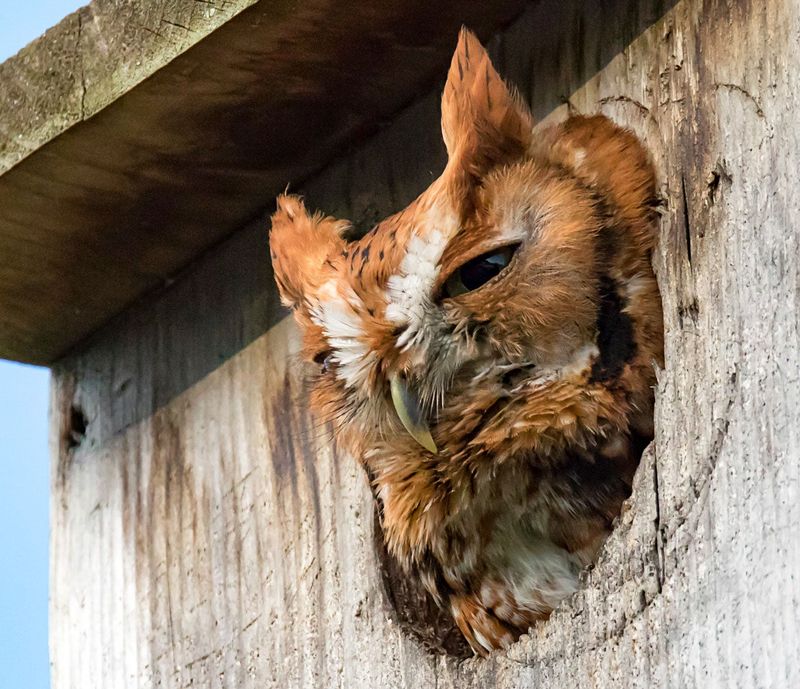
No hollow tree yet? A well-built box can stand in for one, and screech-owls take to them readily.
Specs matter here. Use a nest box designed specifically for Eastern Screech-Owls, with the correct entrance size and interior dimensions for the species.
Mount it 10 to 20 feet up, or as high as 30 feet if you can manage it safely, on a tree or sturdy pole. Woodland edges and spots near a clearing work best.
Point the entrance east or south to dodge prevailing winds, or face it toward open space so the bird has a clear runway in and out.
Use untreated cedar or redwood and leave the inside unpainted. Toss in 2 to 3 inches of wood shavings for bedding, since owls bring no nesting material of their own.
Score a few horizontal grooves on the inside wall below the hole. Young owlets use those ridges like a ladder when it is time to leave.
Got room for two boxes? Space them roughly 100 feet apart, or where the holes are visible to each other, to improve your odds.
6. Expect Owls To Hunt Mice And Other Prey
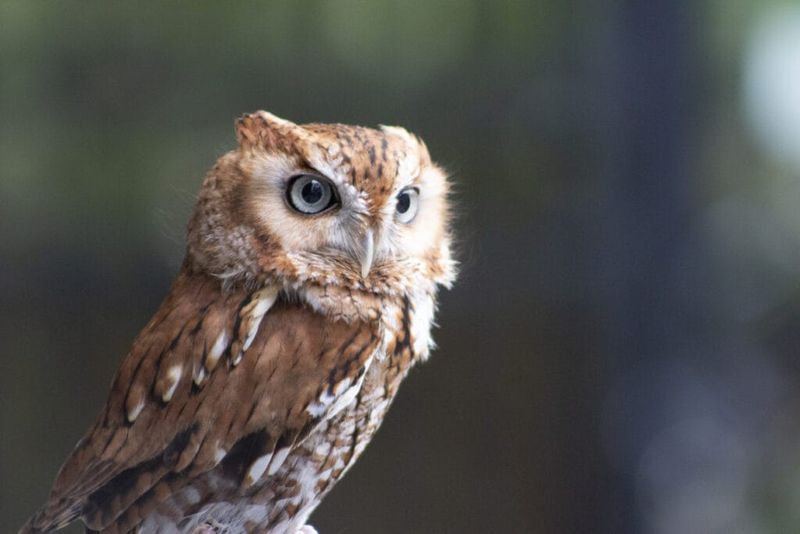
An owl family can consume a significant number of rodents over time, especially when prey is abundant.
Eastern Screech-Owls eat a remarkably mixed menu. Large insects and small rodents form the backbone of it, with mice, voles, and shrews showing up again and again.
Beyond that, the list gets surprising: bats, small birds, frogs, lizards, spiders, earthworms, and even crayfish plucked from shallow water. Adaptability is the whole strategy, and it is why these owls thrive in backyards, parks, and farm edges alike.
For homeowners, the mouse portion is the headline. Fewer rodents in the yard means fewer of them testing your garage door gaps, chewing stored birdseed, or nesting under a shed floor come October.
Beetle and moth numbers often dip too, which gardeners tend to appreciate.
What makes the arrangement so appealing is the price tag. No refills, no bait stations, no disposal chores, just a bird doing what it has done in Ohio woodlands for ages.
You may not witness much of it. Look instead for pellets on the ground beneath a favorite perch, small gray bundles of fur and bone that tell you the night shift is clocking in.
7. Skip Rodent Poison Where Owls Are Hunting
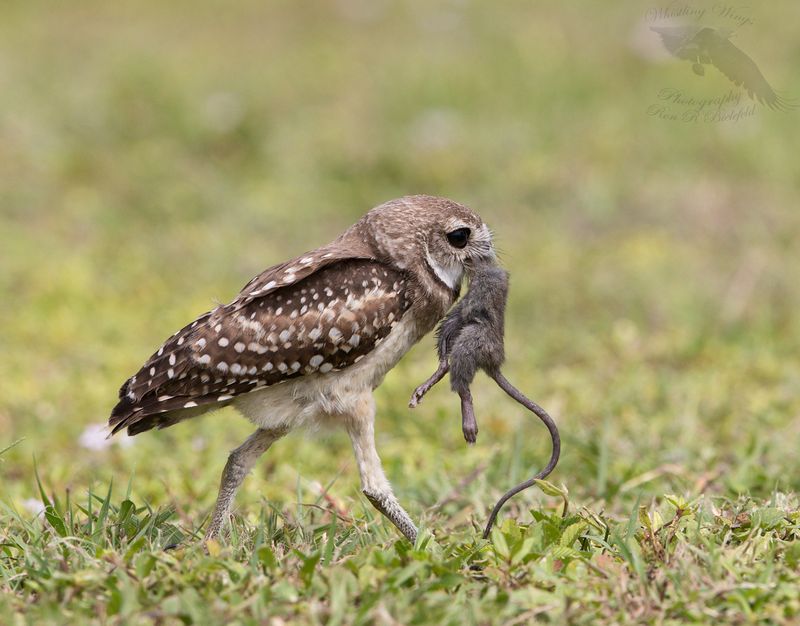
Here is the cruel irony of bait boxes: they can undo the very help you are trying to attract.
Anticoagulant rodenticides stop blood from clotting, causing internal bleeding in the animal that eats them. Rodents often take several days to feel the effects, and during that stretch they stumble around in the open, slow and easy to catch.
Guess who notices. An owl grabs the easiest meal available, and the poison moves right up the food chain in what researchers call secondary poisoning.
Residues linger in rodent remains for a long stretch, so the risk does not vanish quickly. Owls exposed this way may suffer internal bleeding, weakness, and disorientation, leaving them vulnerable to cars, predators, and cold weather.
Non-chemical approaches protect your feathered help. Seal entry points around foundations and utility lines, store pet food and birdseed in metal containers, and clear spilled seed under feeders.
Snap traps inside enclosed boxes handle indoor problems without leaving poisoned prey outdoors.
Talk to neighbors too, since an owl hunting your block ranges well past your property line. A few conversations over the fence can make an entire street safer for the birds keeping your mouse numbers down.
8. Protect Valuable Cavities In Mature Trees
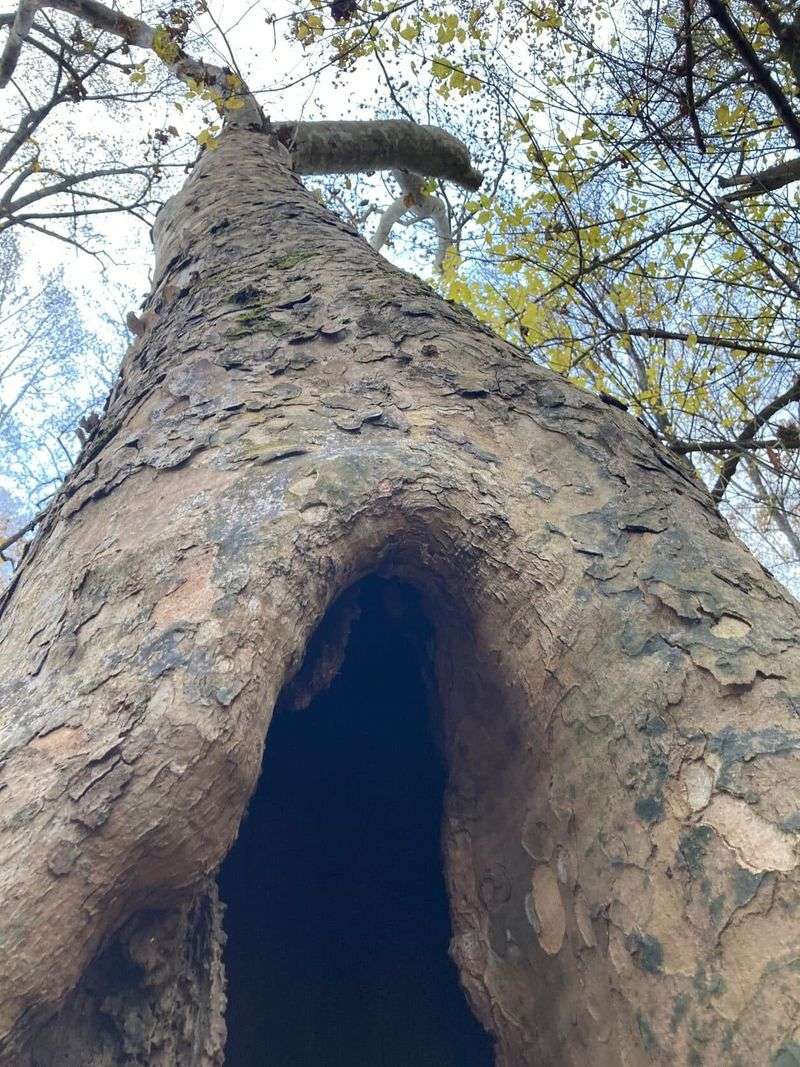
More than 85 species of North American birds rely on tree cavities and snags, and that number does not even count the mammals, reptiles, and amphibians using the same hollows.
Those spaces take decades to form. A branch snaps, rain gets in, fungi begin breaking down the exposed wood, and slowly a pocket opens up.
Woodpeckers speed the process along by chiseling out their own entrances.
Homeowners sometimes treat hollows as damage to be repaired. Filling a tree hole with cement or foam seals off habitat and does not help the tree recover either.
Where safety allows, leave a few standing snags on the property and let sturdy branch stubs remain on living trees. Position matters more than the wood itself, so evaluate what would happen if a limb came down.
Anything overhanging a driveway, roof, play area, or walkway deserves a professional look. A certified arborist can often reduce risk while keeping the trunk and its hollows intact.
Back corners, fence lines, and woodland edges are perfect places to let old trees age gracefully.
Every cavity you save is one less box you need to build, and older sycamores tend to supply them generously as their heartwood softens with the years.
9. Treat Owls As Helpers, Not Complete Mouse Control
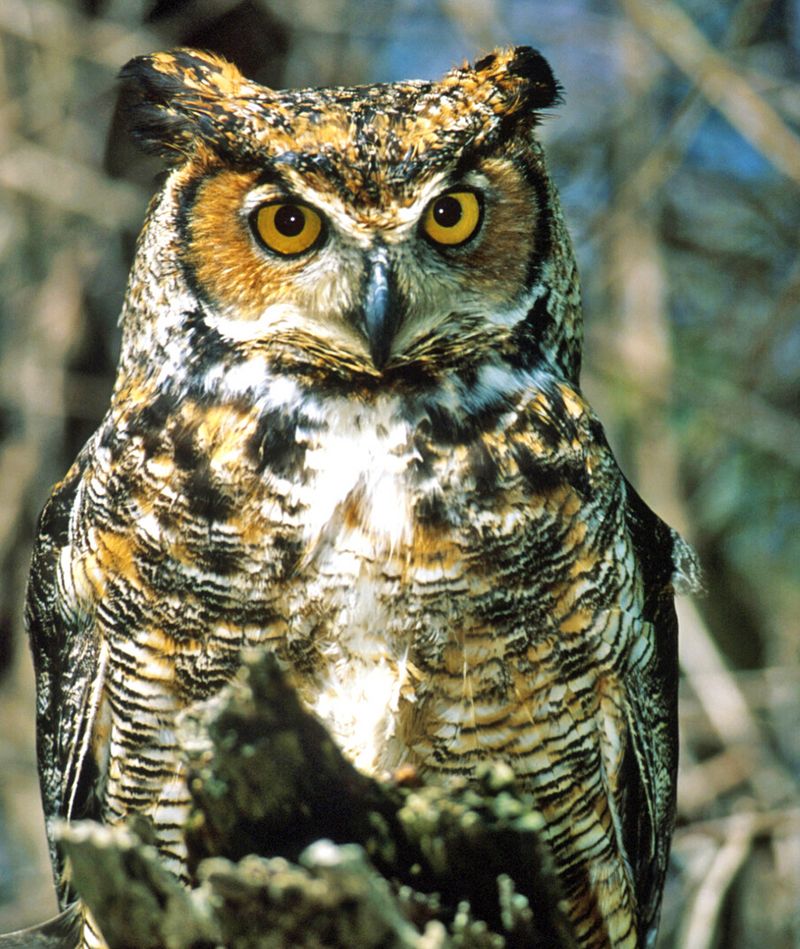
Owls are wonderful coworkers, though they do not sign a service contract. Expecting one small bird to handle every rodent on your property sets you up for disappointment.
The numbers still impress. A family of Barn Owls can put away thousands of rodents across a year, and screech-owls make a real dent on a smaller scale.
Biologists call this biocontrol, and it is about as eco-friendly as pest management gets. No chemicals, no residue, no risk to pets sniffing around the shed.
Where owls fall short is total coverage. Populations rise and fall, hunting success varies with weather, and rodents breed fast enough to outpace any single predator.
Pair the owl with good housekeeping and the results get much better. Seal gaps around the foundation, keep compost in a closed bin, stack firewood off the ground and away from walls, and mow tall grass near the house.
Think of it as a team effort where the owl covers the yard and you cover the structures.
Give it time as well. A new nest box might sit empty for a season or two before a pair investigates, and that patience is part of the deal with wildlife.
10. Plant Young Sycamores Now For Future Hollows
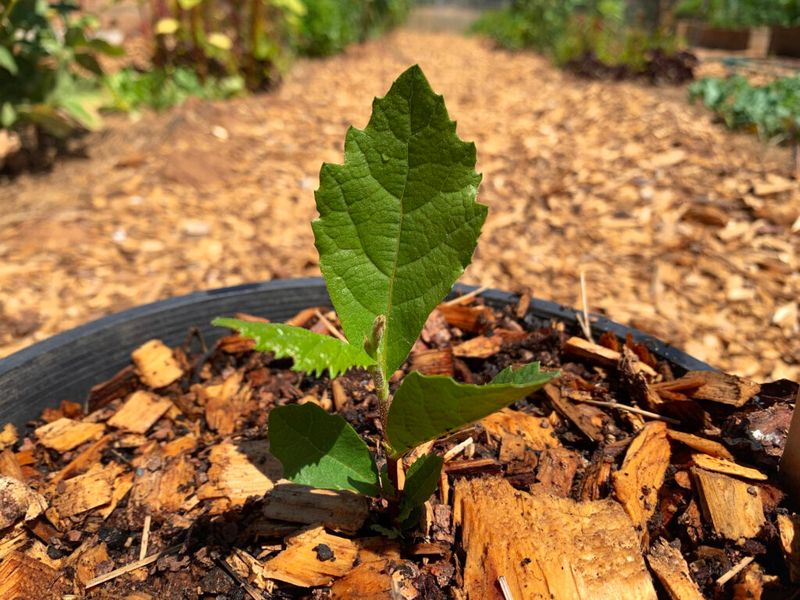
Planting a sycamore is a long-term investment, because the mature cavities owls use develop only after many years of growth. Fair warning: this is the long game, and the payoff arrives well after the shovel goes back in the garage.
Site selection makes or breaks it. Sycamores love moisture and naturally grow along streams and floodplains, so a low spot, a swale, or a damp back corner suits them perfectly.
Room is the other requirement. These trees stretch over 100 feet with a spreading crown and thick roots, so keep them well clear of septic lines, foundations, and power lines.
Young trees grow quickly compared to many hardwoods, and the bark starts showing its mottled patchwork within several years. Cavities, though, wait for real age.
Meanwhile, a nest box bridges the gap. Mount one on an existing mature tree while the sycamore fills out, and you get owls on the property in the near term.
Water the sapling through its first few summers, mulch the base without piling against the trunk, and protect it from mower damage.
Decades later, someone will hear a soft trill from a hollow in that trunk. Not a bad legacy for an afternoon of digging.