What Happens To Unprotected Ohio Fig Trees After The First Freeze
One hard freeze. That’s all it takes.
The night before, a fig tree still looks green and flexible, nothing off about it. By morning, branches have gone brittle and blackened, and there’s no mistaking what happened overnight.
Cold ruptures water inside the stems the moment temperatures drop far enough. Above-ground growth takes the hit first.
Depending on how hard the freeze goes, that damage might stop at a few blackened tips, or it might take out the entire top of the tree. Roots usually make it through even when the top doesn’t, and that difference changes everything about what comes back next season.
Ohio winters make this a yearly gamble for anyone growing figs outdoors. What happens after that first freeze decides how much of the tree is starting over from scratch.
1. Expect Leaves To Drop After A Hard Freeze
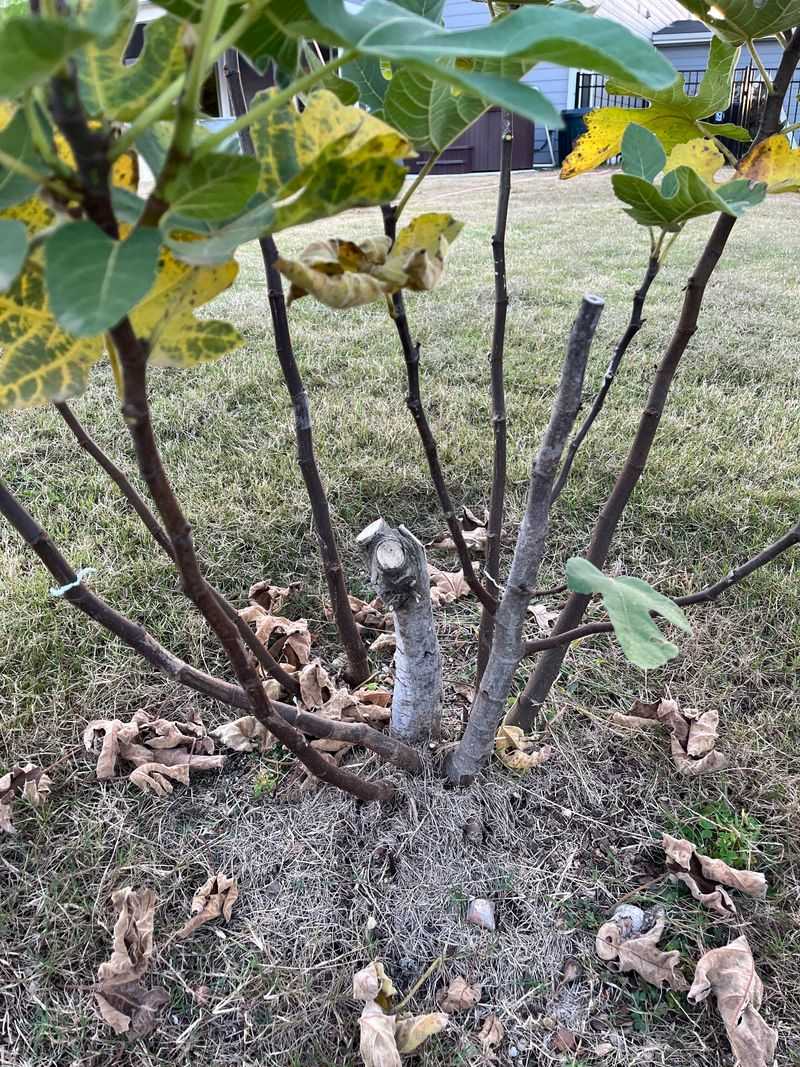
One cold night is often all it takes. You walk outside and the big, hand-shaped leaves that shaded your figs all summer look limp, brownish, and oddly light green in patches.
Within two or three days, those leaves curl up, turn papery and crisp, and start letting go. A light breeze can strip a young tree bare in an afternoon.
That sudden drop can feel alarming, but it is simply the tree shifting into dormancy for the season. Fig trees lose their leaves every autumn anyway, and freezing temperatures just speed up the timeline.
In Ohio, that first hard freeze usually lands sometime in late October or November, depending on your county and how close you live to Lake Erie. Trees in low spots and open yards tend to shed sooner than ones tucked beside a warm brick wall.
A quick tip worth remembering: rake up the fallen leaves near the trunk rather than leaving them piled wet against the bark. Shredded, they make excellent mulch a few feet out from the base.
Bare branches also make it easier to see the tree’s shape and plan any winter wrapping you intend to do. Take a photo now so you have a before picture for spring comparison.
2. Unripe Figs May Stop Developing
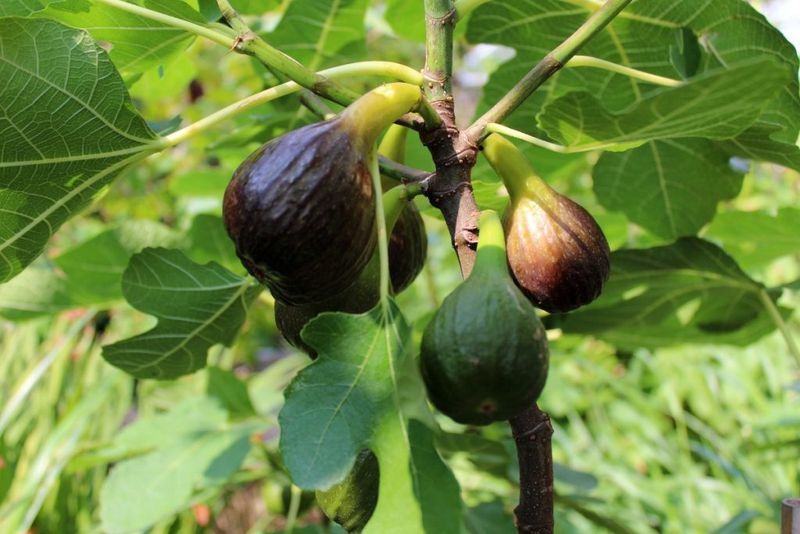
Those little green marbles you have been rooting for since August? Once freezing temperatures arrive, fruit development slows dramatically and remaining figs may fail to mature.
Fruit development slows dramatically as autumn cools, then halts at freezing. A hard frost near 25 degrees can turn firm green figs soft, wrinkled, and mushy almost overnight.
Oddly enough, a very light frost around 28 degrees or a bit higher sometimes nudges nearly mature figs to soften and finish up. Gardeners in southern Ohio occasionally get a bonus handful this way, though it is a gamble rather than a plan.
Here is the practical move: pick anything that has started to droop at the neck or feels slightly squishy before that first big cold night. Even underwhelming figs can be cooked down into jam, sliced onto flatbread, or frozen for smoothies.
Tiny, hard, pea-sized figs are not going to make it, and leaving them on the tree costs the plant nothing significant. Many growers simply shake them off or let them fall naturally.
Your Ohio Garden Changes Every Week. Your Plan Should Too.
Gardening in Ohio changes quickly throughout the season. Every Friday you’ll receive a simple weekly plan showing exactly what to plant, prune, fertilize, harvest, and protect so you never miss the right timing.
Some Ohio gardeners pinch the growing tips of their branches in midsummer, which pushes the tree to ripen existing fruit instead of starting new ones. Fewer figs, but more of them actually reach your kitchen table.
3. Tender New Growth Takes The First Hit
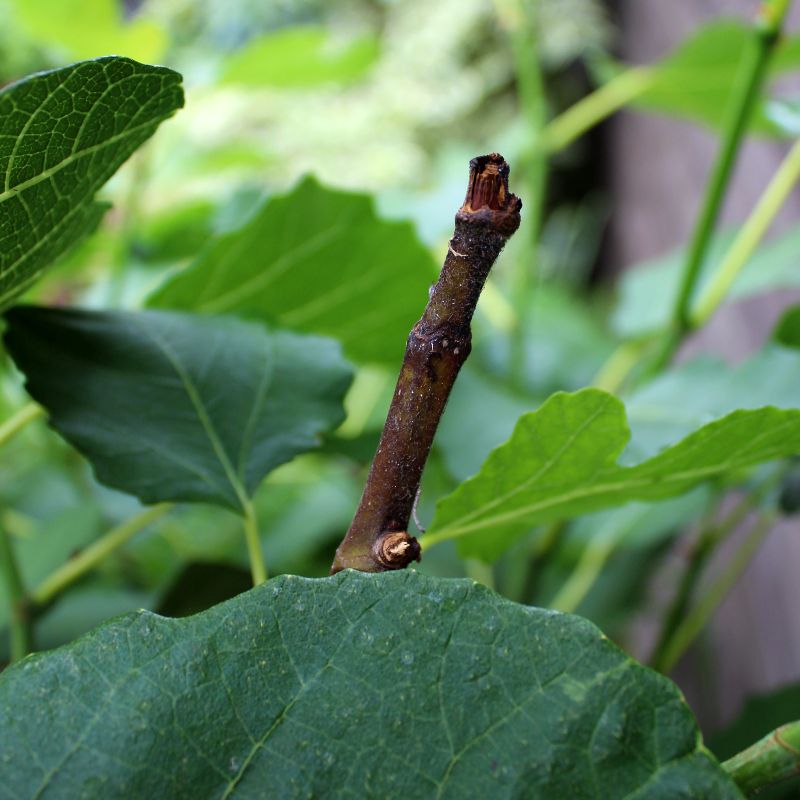
Cold weather goes after the youngest parts of a fig tree first, and it is not subtle about it. Those soft, bright green shoot tips that shot up during a warm September have no protective bark yet.
Growers call unhardened wood unlignified, meaning it has not turned woody and firm. A hard freeze can destroy those tender green tips, with the amount of damage depending on how cold it gets and how hardened the growth was.
Trees that push growth fast, especially after heavy late-season fertilizing or a wet warm spell, carry more of this vulnerable tissue. A tree with fresh expanded leaves can take damage from a late frost at temperatures as mild as 28 degrees.
So skip the nitrogen after midsummer. Feeding a fig tree in August or September is basically inviting tender shoots to appear right before Ohio turns cold.
Cutting back on water in early fall also helps signal the tree to slow down and harden its wood. Firm, brown, slightly rough stems handle winter far better than glossy green ones.
If those tips do get nipped, leave them alone for now. Trimming frost-touched shoots in November opens fresh wounds right when the tree has no ability to seal them, and spring will show you exactly where to cut anyway.
4. Exposed Branches Can Suffer Winter Damage
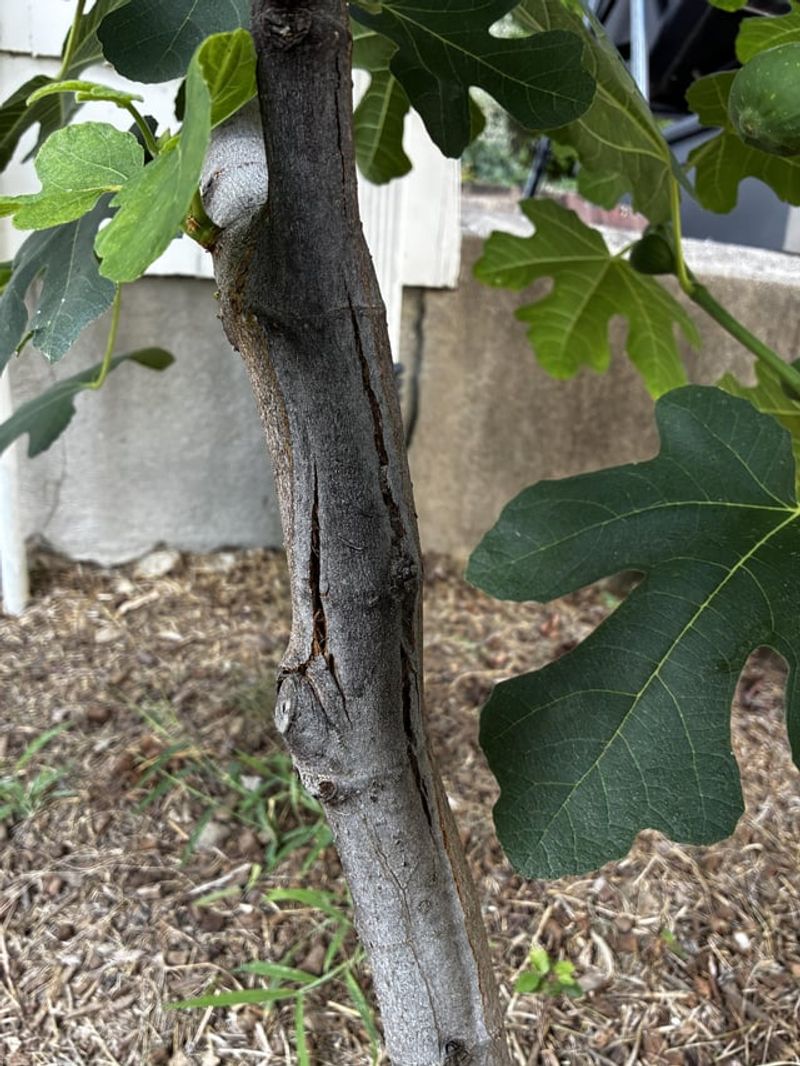
Most common fig varieties shrug off temperatures in the 10 to 20 degree range without major trouble. Ohio winters, unfortunately, do not stop at 20.
Sustained readings below 10 to 15 degrees put unprotected above-ground wood at real risk. Drop under 10 degrees and you can see serious branch injury, sometimes reaching into the trunk itself.
Young trees are the most fragile. A two-year-old fig with pencil-thin stems has far less stored reserve than a thick-trunked ten-year-old plant.
The frustrating part is the delay. Injured wood can stay stiff and look perfectly normal for weeks, so telling healthy stems from compromised ones is nearly impossible until spring warms things up.
Damage usually starts at the newest, least woody tips and works downward as temperatures fall further. That is why gardeners who wrap their trees focus on protecting the lower trunk and main scaffold branches first.
There is also a sneaky problem called southwest injury. Winter sun heats one side of the trunk during the day, the tissue wakes up slightly, then night temperatures plunge and that warmed strip suffers.
A light-colored trunk wrap, burlap, or even a shade board on the south and west sides reduces that swing. Small effort, meaningful payoff.
5. Cold-Hardy Figs May Resprout From The Base
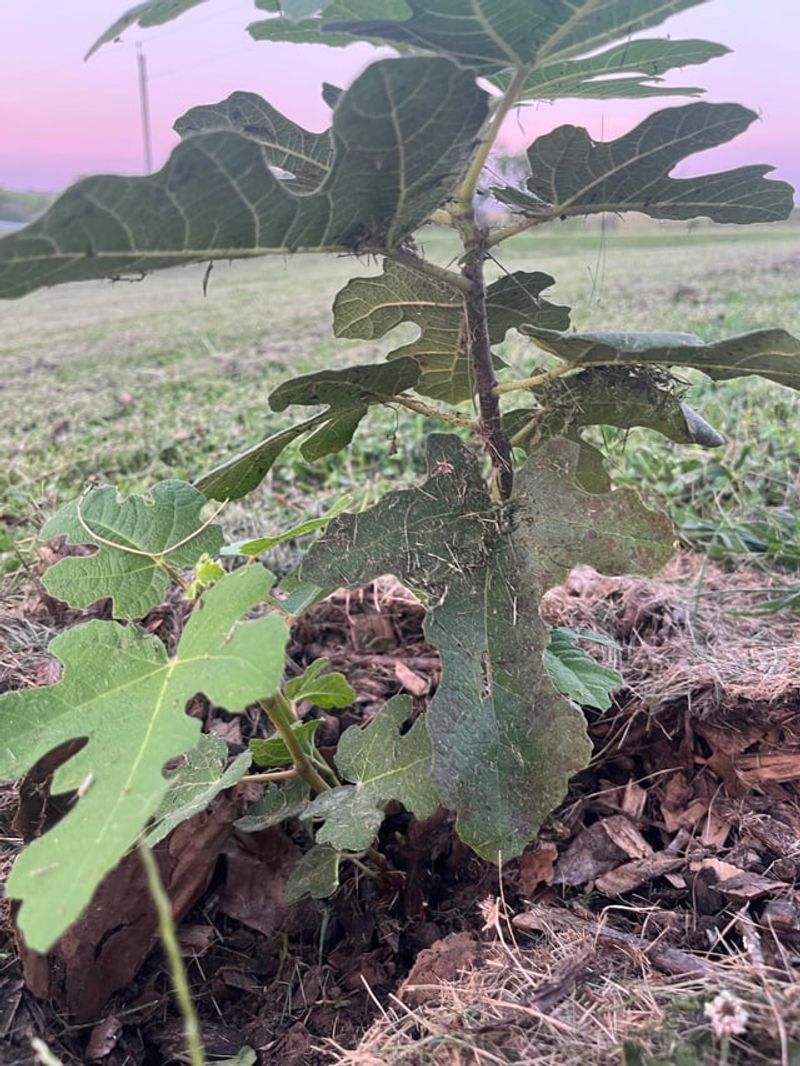
Here is the good news buried in all this cold talk. When Ohio temperatures slide below 20 degrees, fig plants commonly wither to ground level, yet the story is not over.
Roots are tougher than branches. An established root system, especially one sitting under generous mulch, frequently pulls through and pushes brand new shoots from the base once soil warms.
Varieties bred for northern gardens handle this cycle gracefully. Chicago Hardy, a favorite among Great Lakes growers, is known for regrowing from its crown after the top is lost, year after year.
Fun bit of history: that variety reportedly earned its reputation in Chicago backyards, where Italian immigrant families kept fig traditions alive through brutal lakeside winters.
Plenty of trees that look finished in March are simply waiting. Gardeners who give up and dig them out in April often miss shoots that would have appeared weeks later.
Think of the root system as the bank account and the branches as spending money. Protect the account and you can rebuild the rest.
Some Ohio growers plant figs slightly deeper or use other winter-protection strategies to give the plant more insurance, but the exact approach depends on the variety and site conditions.
6. Lost Top Growth Can Delay The Harvest
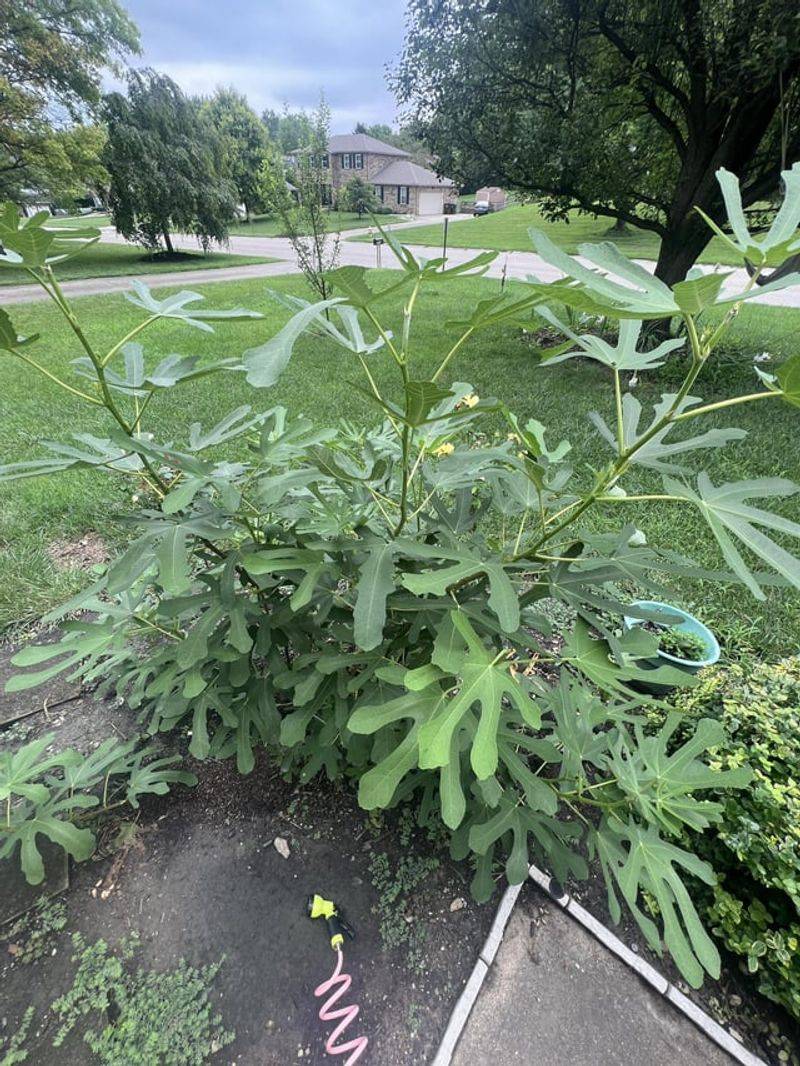
Rebuilding takes energy, and fig trees spend it on structure before snacks. A plant that lost all its top growth pours resources into stems and leaves first, fruit second.
That means a lighter harvest, or a later one, for the season right after a rough winter. Sometimes both.
A tree knocked back to the ground has to grow an entirely new framework and then produce fresh fruiting wood on top of that. The window for ripening shrinks, and figs that normally blush in August may not be ready until September.
The early crop, called the breba crop, forms on last year’s wood. Lose that wood and you lose those figs, which pushes the main crop weeks behind schedule.
Most trees bounce back to normal output within one to two growing seasons, so patience pays here. Keep the plant watered and modestly fed in spring and it will make up ground faster than you expect.
One practical choice for Ohio growers: thin the regrowth to three or four strong shoots instead of letting fifteen skinny ones compete. Fewer, thicker stems mature better and carry fruit sooner.
And if you want a guaranteed crop every year, keep one fig in a pot as insurance while the in-ground tree recovers.
7. Protected Locations Improve Winter Survival
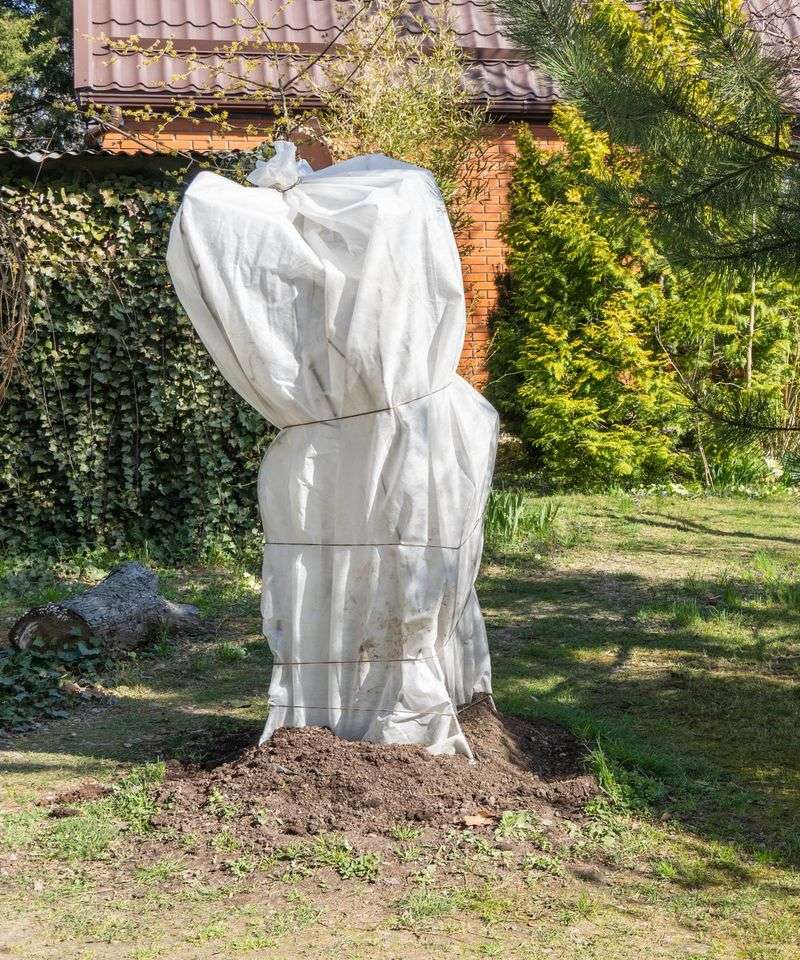
Location does more heavy lifting than any gadget you can buy. A fig tucked against the south or west wall of a house sits in a warmer pocket, soaking up stored heat from brick or siding all night.
Sheltered, sunny spots also help trees dodge late spring and early fall freezes while still collecting the summer warmth figs crave.
Wind matters as much as temperature. Constant winter gusts dry out stems and magnify cold injury, so a fence, hedge, or building on the windward side is genuinely useful.
Soggy winter soil causes its own trouble, which is why a raised spot with good drainage beats a low, puddling corner of the yard.
Container growers in Ohio have the easiest path. Roll the pot into an unheated attached garage, a basement corner, or a shed once leaves drop, then water lightly every month or so.
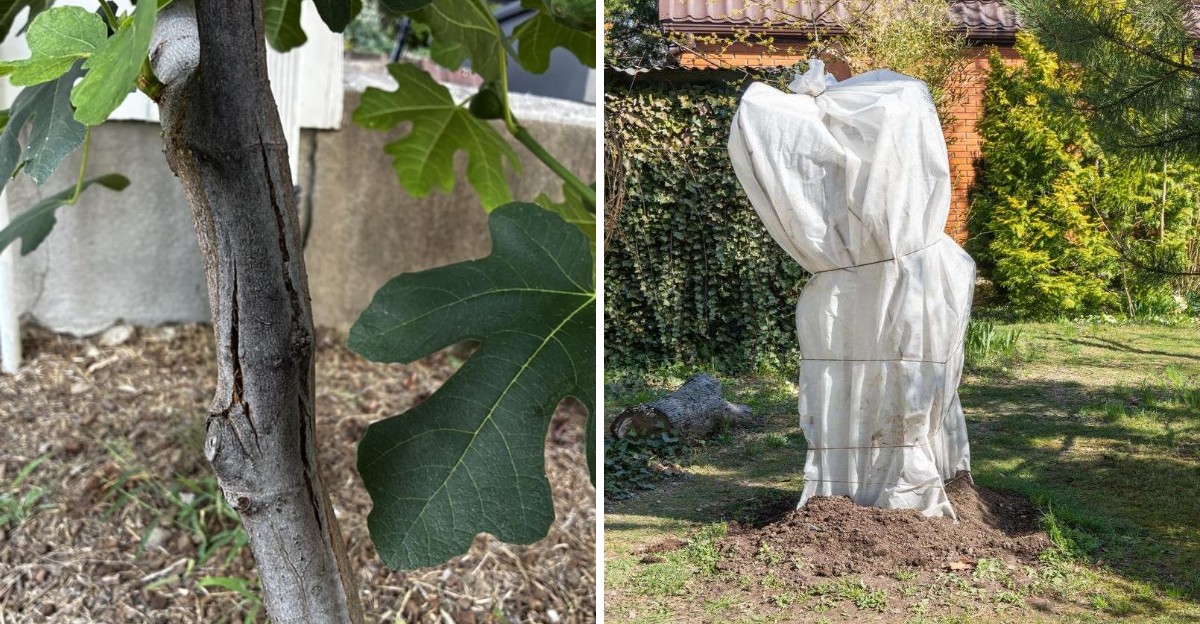
For in-ground trees, two classic methods still work. You can tip the tree over into a shallow trench and bury it, or bundle the branches upright and wrap the whole thing with burlap, leaves, and a waterproof cap.
Either approach takes an afternoon in November. Compare that to starting over with a new tree in spring and the math looks pretty friendly.
8. Mulch Helps Insulate The Crown And Roots
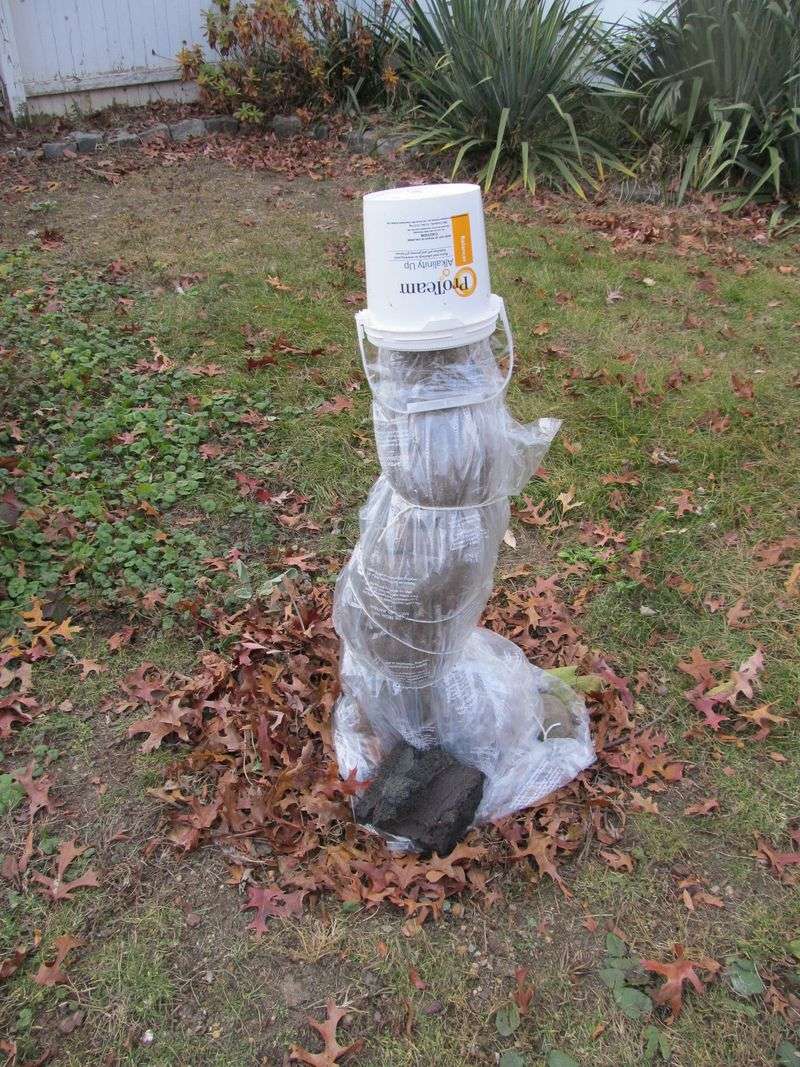
If you only do one thing this fall, pile on the mulch. A deep blanket of organic material over the crown and root zone is the cheapest winter insurance a fig grower has.
Many northern growers use a generous layer of mulch to insulate the crown and root zone, adjusting the amount based on winter exposure and the protection method being used.
Straw, shredded leaves, and wood chips all work well, and fall gives you leaves for free. Mound the material out past the trunk so it covers the wide spread of shallow roots, not just the center.
Roots are the part worth guarding most, especially when Ohio temperatures dip below zero during a polar outbreak. Branches can be replaced; a healthy root system cannot.
Here is a detail people miss: moist soil insulates better than bone-dry soil. Giving the tree a good soaking before the ground freezes, particularly in a winter with little snow cover, helps hold steadier temperatures underground.
Wait until the soil has cooled and the leaves have dropped before mulching heavily. Piling it on too early keeps things warm and encourages growth you do not want.
Come spring, pull the mulch back a few inches from the trunk so the crown can breathe and warm up on schedule.
9. Wait Until Spring To Assess The Damage
Put the pruners down. Seriously, hang them back on the hook until the calendar says late spring.
Fig trees are famously slow risers, often needing four to six weeks longer than neighboring plants to break dormancy. Trees that look utterly finished in April surprise their owners with leaves in late May or even early June.
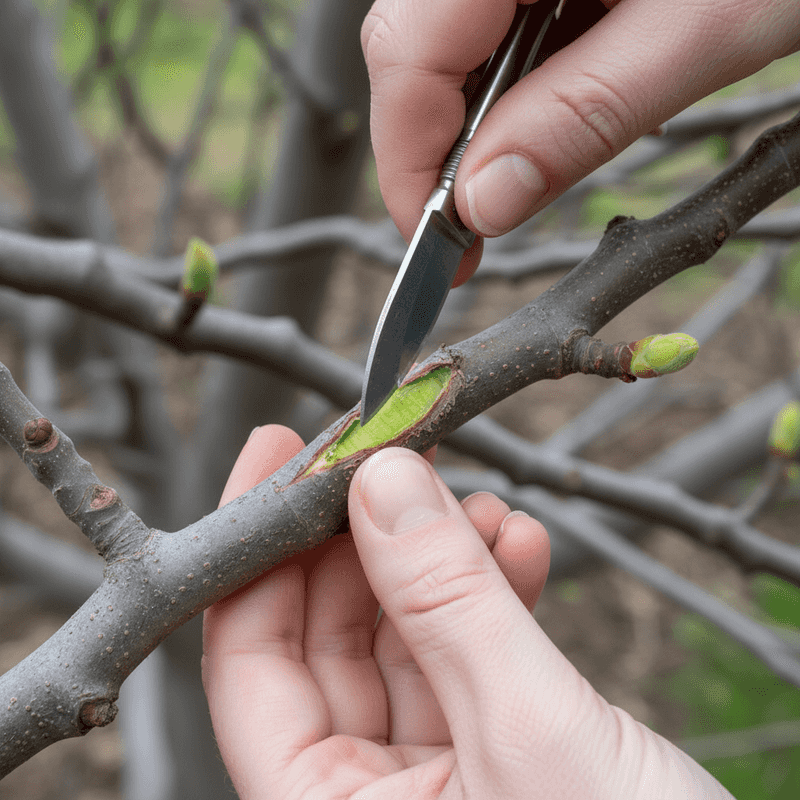
As temperatures climb, healthy wood rehydrates and plumps up while injured wood stays dry, brittle, and hollow-sounding when you snap a twig. A thumbnail scratch test helps too: green underneath means life, tan or brown means the section is spent.
Cutting too early is the mistake that costs Ohio gardeners the most. Stems that feel stiff and lifeless in March frequently push buds once the soil hits the right temperature.
Once new growth appears, the picture becomes obvious. Trim back to just above the highest living bud, make clean cuts, and remove the remaining brittle pieces at that point.
Keep notes while you are at it. Recording which branches survived, how low the temperature went, and how you protected the tree turns one winter into useful data for the next.
Patience is not passive here. It is the actual technique, and it saves more fig trees in Ohio than any wrap or blanket.