Why New York Bees Suddenly Act Extra Aggressive Around Fruit In Late Summer
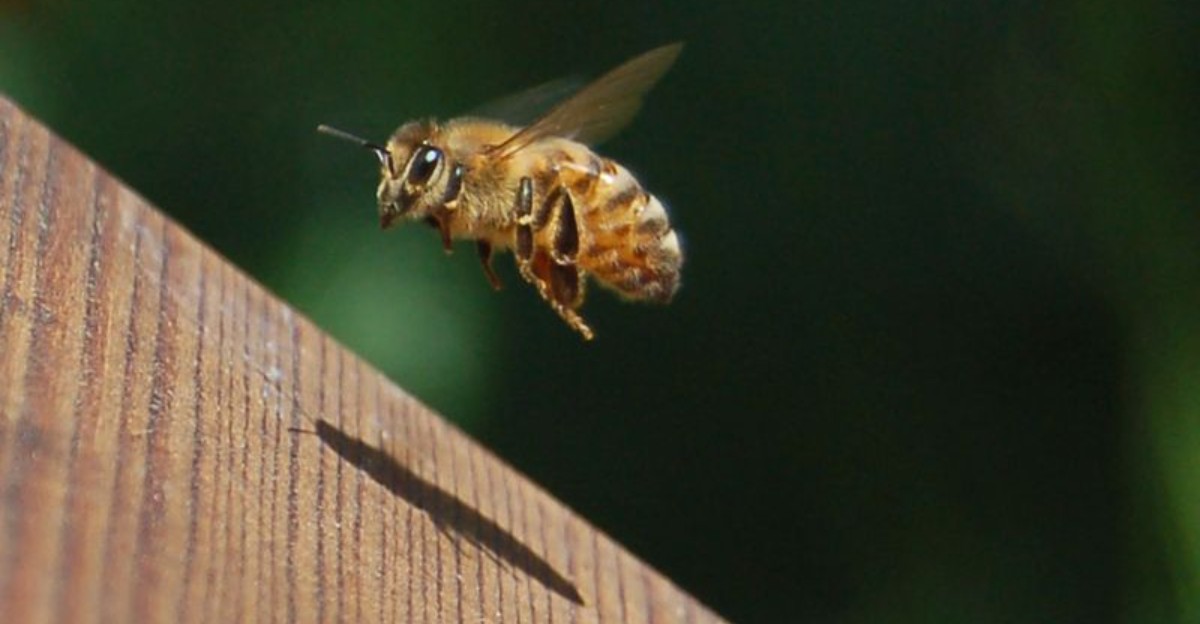
By late summer, New York gardens start changing their rhythm. Fading flowers and ripe fruit turn quiet corners into buzzing feeding spots.
That is when many homeowners notice something strange. Bees around fruit seem bolder than they were earlier in the year.
It can feel like they appeared out of nowhere, but there is a simple reason. Their food sources are changing, and sweet, overripe fruit becomes hard to ignore.
Once you know what attracts them, the mystery disappears. Small changes can protect your harvest while keeping your yard balanced.
Ripe Fruit Releases Scents That Draw More Bees Nearby
Noses are not the star of the bee world, but antennae sure are. Honey bees pick up faint traces of scent in the air and can even tell which direction a smell is drifting from while flying.
Ripe fruit, especially fruit that has slipped a little past perfect, puts out a strong sweet fragrance. That aroma acts like a flashing sign for food that looks nothing like a flower.
Chemicals called esters do much of the heavy lifting here. Linalool, the same compound that gives many blossoms their floral smell, also shows up in ripe tomatoes and pulls honey bees in fast.
Wasps have an even sharper talent for it. Researchers note they can track the ethanol and esters from ripening or bruised fruit from more than a hundred feet away.
So when your backyard fills with the smell of warm apples and plums in August, the invitation has already gone out. You just cannot smell it as far as they can.
Practical takeaway: harvest fruit at the earlier edge of ripeness instead of letting it hang until it goes soft. Less perfume in the air means fewer visitors circling your tree.
Picking in the cooler morning hours helps too, since heat pushes those scent molecules into the air faster. A quick rinse of sticky juice off your hands and tools keeps the smell from following you to the patio.
Fallen Fruit Creates A Busy Late Summer Feeding Spot
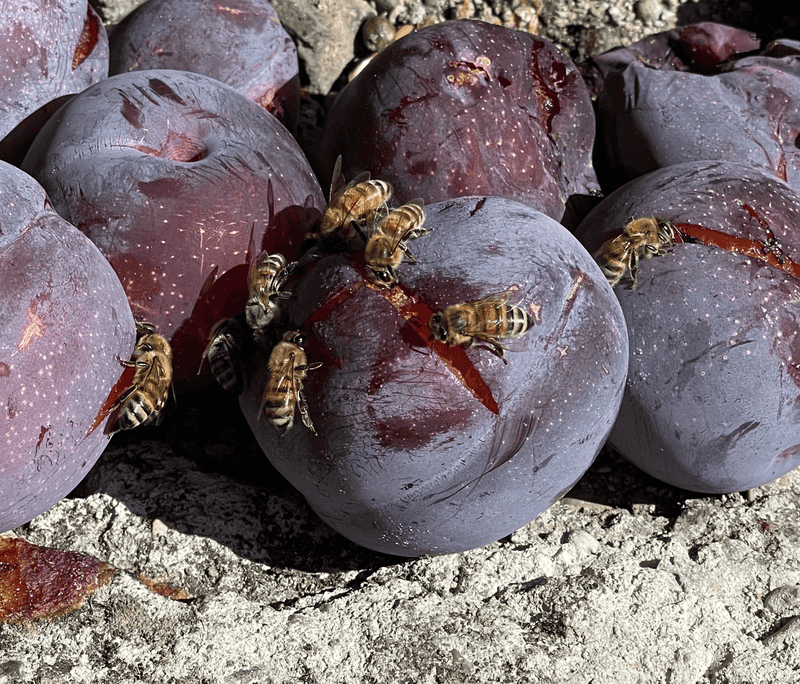
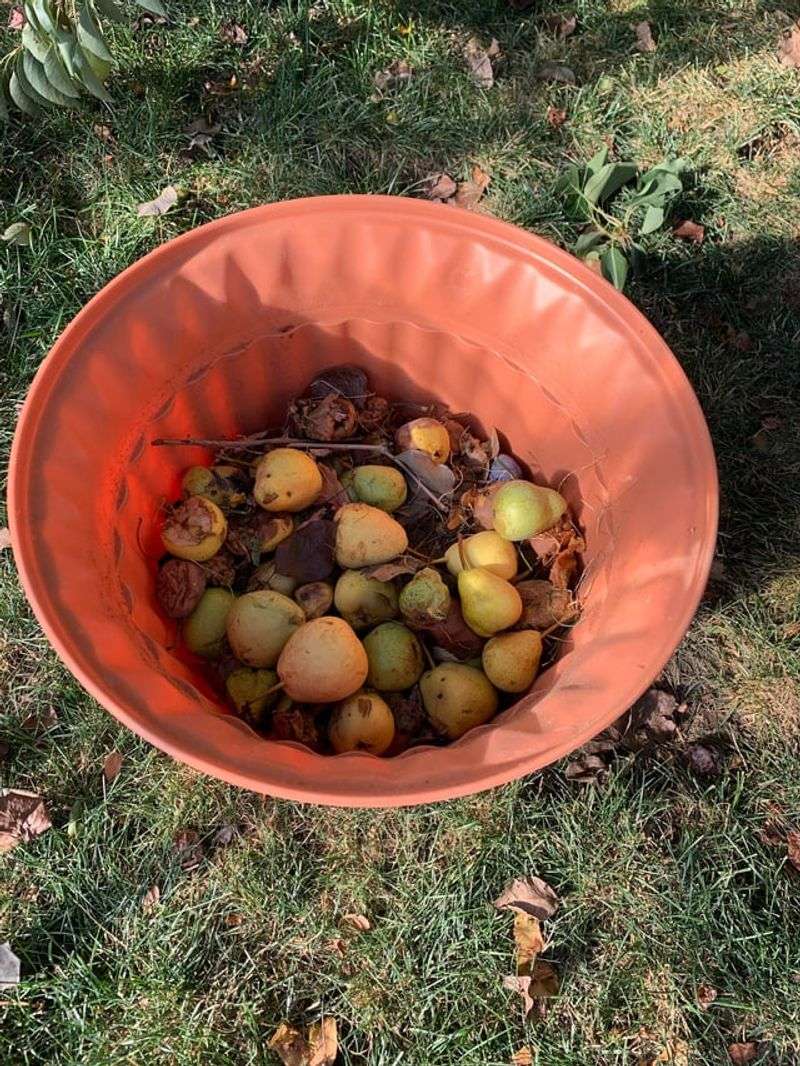
Under almost every backyard fruit tree in New York sits a quiet buffet nobody planned. Windfall apples, plums, and pears land in the grass, soften up, and start leaking sugar within a day or two.
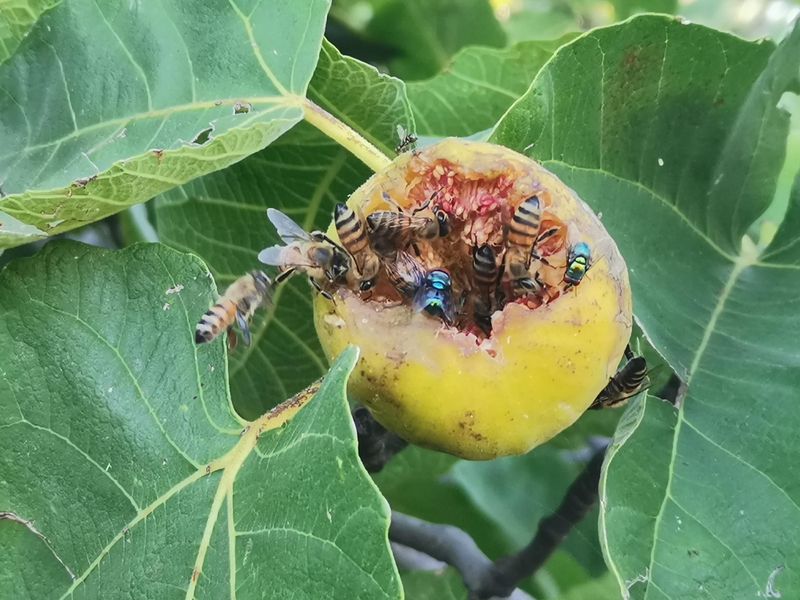
Breaking-down fruit gives off sweet juice that bees, wasps, and hornets find easy to reach. No tough skin to fight through, no long flight to a flower patch.
Honey bees are especially fond of this free meal during a nectar dearth. Plums, peaches, grapes, apples, figs, and pears all make the list of favorites.
Once a few scouts find the spot, word spreads through the colony. That is why a single dropped pear can turn into a crowd of two dozen insects by the afternoon.
Kids running barefoot through the grass are the ones who usually discover the problem first. A soft apple hidden in the lawn with a bee tucked inside is a bad surprise.
Here is the useful part: clearing windfalls cuts the attraction almost immediately. Bees follow food, so when the food disappears, the traffic thins out within a few days.
Your New York Garden Changes Every Week. Your Plan Should Too.
Gardening in New York changes quickly throughout the season. Every Friday you’ll receive a simple weekly plan showing exactly what to plant, prune, fertilize, harvest, and protect so you never miss the right timing.
Keep a small bucket by the back door and grab fruit each evening. Toss it in a sealed compost bin or lidded trash can rather than a loose pile at the fence line.
Mowing around the tree also helps you spot drops before they turn sticky and fragrant.
Damaged Fruit Attracts More Insects To Your Yard
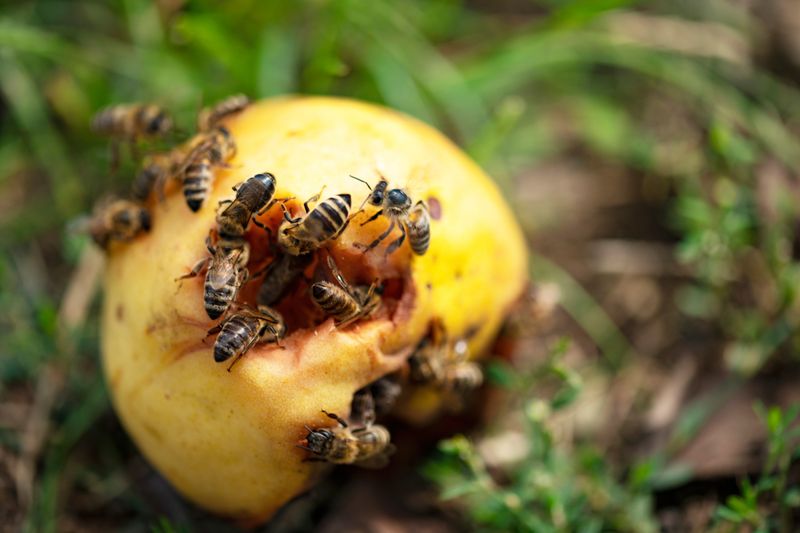
Bees cannot bite through apple skin. Neither can wasps, which is a detail most people never think about.
What they need is an opening. A crack from heavy rain, a bruise from hitting the ground, a beak mark from a hungry robin, or a hole chewed by a beetle or stink bug.
Those first openings matter enormously. Birds, beetles, and stink bugs break the surface, and honey bees show up afterward to drink the juice that leaks out.
Splitting happens a lot during late summer, when a dry stretch is followed by a heavy downpour. Fruit swells fast, the skin gives way, and the scent pours out.
One damaged plum can pull in a small crowd. Worse, once opportunists like wasps gather, they may start working on sound fruit nearby that has even a slightly soft spot.
Your best move is a regular walk-through of the tree. Cull split, bruised, or bird-pecked fruit while it is still hanging, before it starts fermenting on the branch.
Bag the culls instead of tossing them in the grass, since a pile of damaged fruit works like a magnet. Netting the tree earlier in the season also cuts down on bird damage, which means fewer entry points for everything else.
Fewer wounds in the fruit means a much calmer yard.
Fermenting Fruit Can Change How Bees Behave Around Food
Fermentation starts sooner than most people expect. Once fruit splits, bruises, or hits the ground, yeast gets to work within hours.
The result is a cocktail of ethanol and fruity esters drifting through the yard. Wasps and yellowjackets track that combination with impressive accuracy, which explains their sudden appearance at your grapevine.
Alcohol in the mix can nudge insect behavior in odd directions. Movements get clumsier, reactions get less predictable, and an insect that would normally move on may hang around your plate instead.
Beekeepers swap a well-known story about banana smell riling up honey bees. The reason is isoamyl acetate, a fruity ester that is also one component of honey bee alarm pheromone.
Hard science linking banana snacks to angry bees is thin, so treat that one as folklore with a kernel of chemistry behind it. Still, it shows how closely fruit scents and bee signals overlap.
What you can do is simple. Do not let overripe fruit sit in open bowls on the deck, and rinse out juice cups, soda cans, and recycling bins before they turn into a fermenting snack bar.
Compost piles deserve a lid or a layer of leaves on top. An open pile of old peaches is one of the loudest dinner bells you can ring in September.
Cover the sweet stuff and traffic drops fast.
Late Summer Means Fewer Easy Food Sources For Pollinators
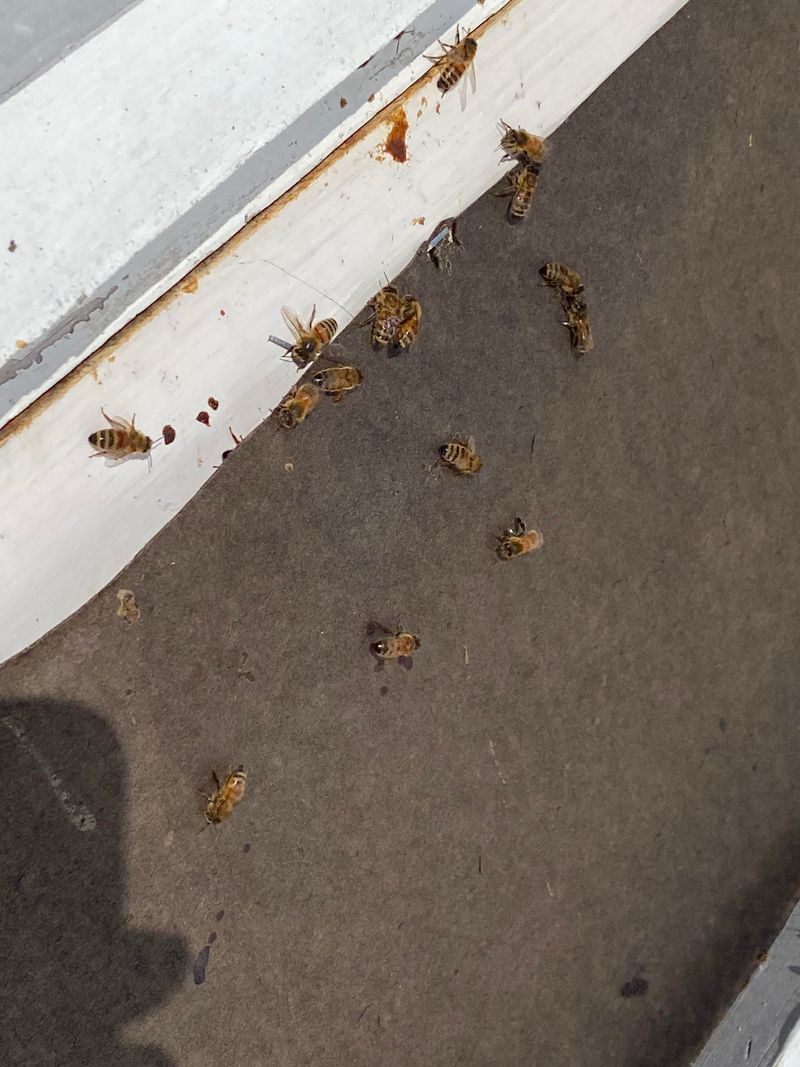
Beekeepers have a name for the late summer stretch: the nectar dearth, or the summer gap. Spring blooms are finished, and the big fall flowers have not opened yet.
That gap often lands in August. Fields that were buzzing in June suddenly look tired and mostly empty of usable blossoms.
Bees still need calories every single day. When nectar becomes scarce, foragers widen their search and start accepting food they would normally ignore, like leaking fruit and open soda cans.
Heat and drought make the gap worse. Stressed plants pull back on flower and nectar production, which stretches colony supplies thin.
Food shortages can change insect behavior, and some stinging insects become more persistent around easy food sources.
Yellowjackets add to the tension because their colonies hit peak size at the same moment, sometimes numbering in the thousands. Those scavengers are the ones most likely to hover at your plate and refuse to leave.
Knowing the calendar helps you plan. Expect more insect interest at outdoor meals from mid-August through September, and keep food covered during that window.
Gardeners can help by planting late bloomers such as goldenrod, asters, sedum, and mountain mint. Real flowers give bees a better option than your fruit salad.
Fruit Trees Bring Bees Closer To Patios And Walkways
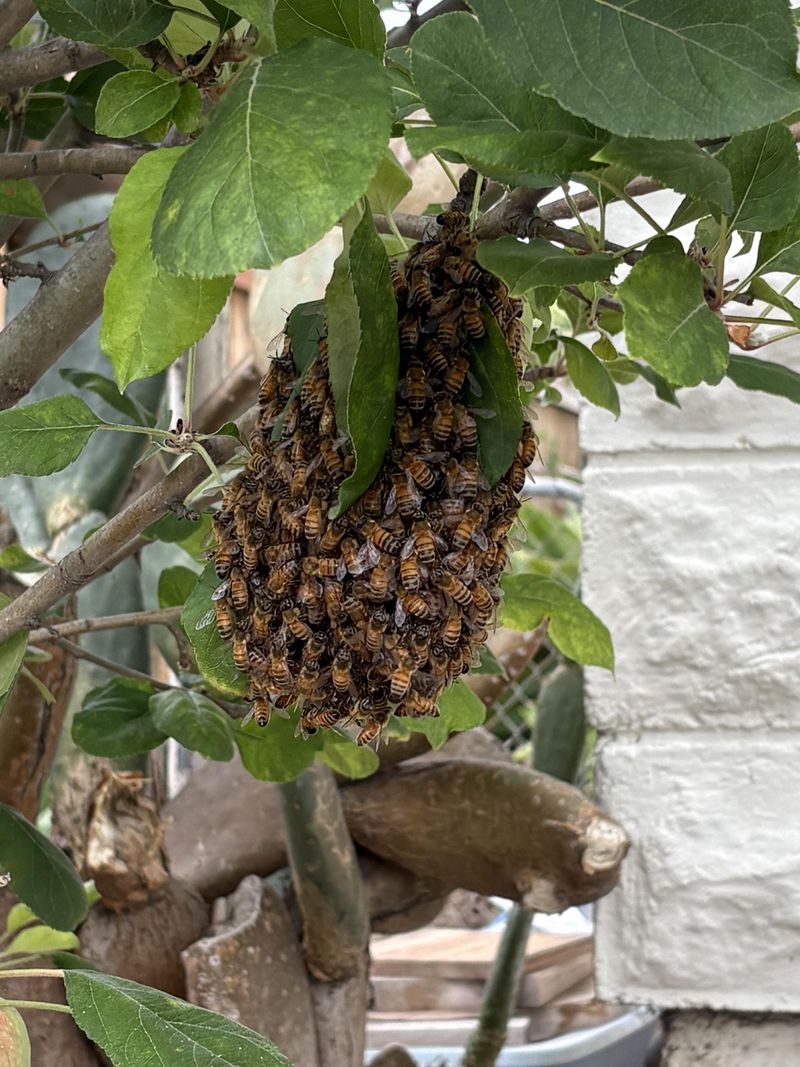
Plenty of homeowners planted an apple or pear tree right beside the patio for shade and easy picking. Smart in April, slightly complicated in September.
Fruit trees pump out sugar-rich nectar during bloom and sweet juice at harvest time. Both act as strong food signals for bees and wasps.
As fruit ripens and drops, the feeding zone lands exactly where you walk, grill, and sit. That is why late summer bee encounters happen near steps, deck boards, and garden paths.
Pest reports from New York and neighboring New Jersey show yellowjacket activity climbing around patios, garbage cans, fruit trees, and lawns in August and September. Your yard is not unusual, it is just well stocked.
Worth remembering: honey bees are generally easygoing and rarely sting unless their hive feels threatened. New York City alone hosts more than 200 species of wild bees, and most want nothing to do with you.
The pushy insect stealing your burger is usually a yellowjacket, not a honey bee. Learning to tell them apart takes the fear out of the whole situation.
Move picnic tables away from fruiting trees during harvest weeks. Sweeping fallen fruit off walkways each evening also keeps sticky patches from turning into gathering spots right outside your door.
Protect Ripe Harvests Without Disturbing Visiting Bees
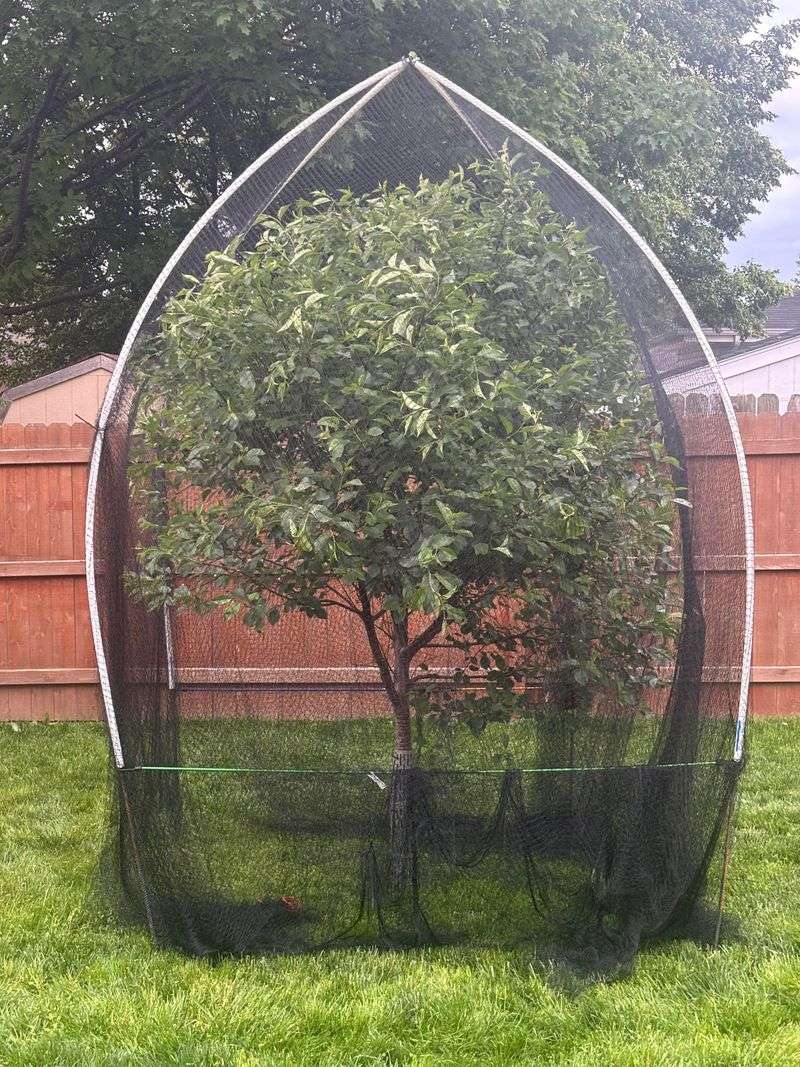
Protecting your harvest does not require going to war with pollinators. A physical barrier does the job better than anything in a spray bottle.
Fine netting or mesh draped over a fruit tree during peak ripening blocks access without harming a thing. Organza bags work nicely on individual clusters of grapes or figs.
Timing matters more than most people realize. Get the netting up before fruit softens, because once the scent is out, you are already hosting guests.
Skip harsh chemical pesticides in this situation. Bees are essential pollinators for crops and are easily harmed by those products, and sprays rarely solve a scavenging problem anyway.
Sanitation does the real work. Pull damaged fruit off the limbs, gather drops daily, and keep the ground under the tree clean and tidy.
When you do pick, work early in the morning while temperatures are cool and insect activity is slower. Move calmly and avoid swatting, since sudden motion is what triggers defensive reactions.
Carry a covered bucket rather than an open basket. Sealing your harvest as you go keeps the fruit smell from trailing behind you across the yard.
A small trick from longtime growers: set a shallow dish of water near the garden edge. Thirsty insects in a dry September often want moisture as much as sugar.
Remove Fallen Fruit To Reduce Backyard Bee Activity
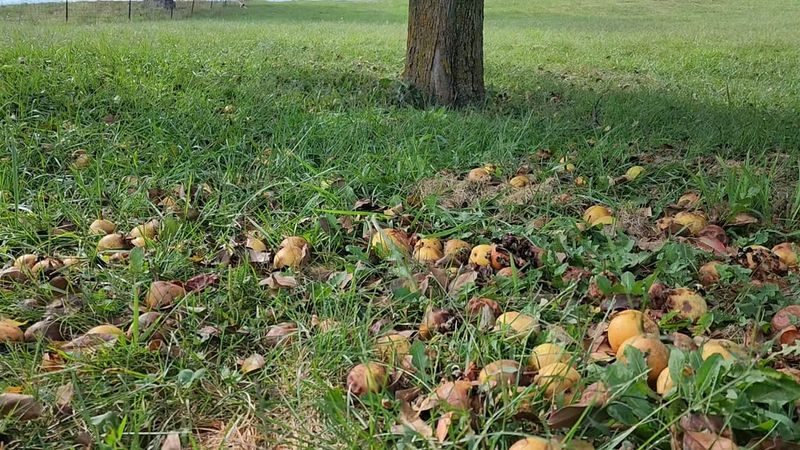
If you only change one habit this season, make it the evening fruit patrol. Nothing shrinks backyard insect traffic faster than removing the food.
Regular cleanup takes away the easy sugar that pulls in stinging insects. Without a reliable meal, foragers stop returning and move their search elsewhere.
Aim for a quick pass every day or two during peak drop. Ten minutes with a bucket beats an afternoon of dodging wasps at the grill.
Where the fruit goes matters. Sealed compost bins, lidded trash cans, or a covered pile far from the house all work, while an open heap near the deck just relocates the problem.
Do not forget the fruit still hanging. Removing damaged pieces promptly keeps additional insects from being drawn to the area in the first place.
Give the grass under the tree a trim so hidden drops are easy to spot. Rake out the mushy leftovers and sticky patches too.
Around New York homes, this simple routine also cuts down on visits from yellowjackets, hornets, and even rodents looking for a snack. One chore, several problems handled.
Fun detail worth knowing: honey bees seldom sting away from their hive, so a bee sipping juice from an apple is usually just eating. Clean up the buffet, and the whole crowd politely takes its business somewhere else.