What It Means When A Red-Bellied Woodpecker Visits Your Massachusetts Yard
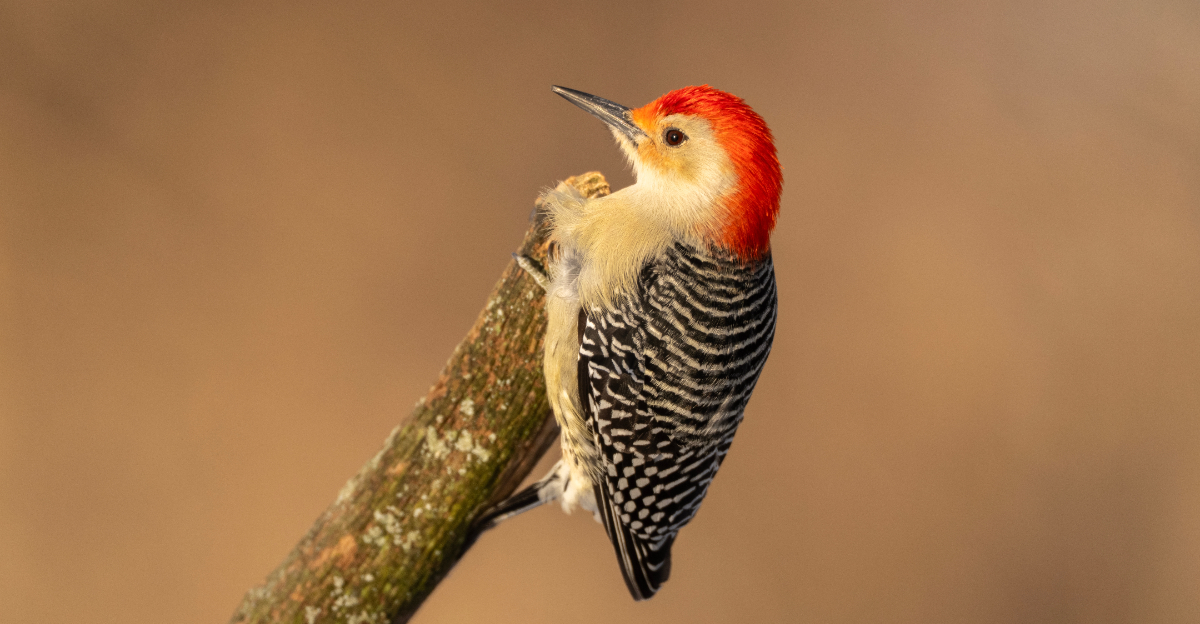
A drumming rattle echoes through your Massachusetts maples, and there it is: a red-bellied woodpecker, zebra-striped and flashing a crimson cap against the bark.
This isn’t a random flyover. Something in your yard caught its attention, and that something is worth figuring out.
Massachusetts sits near the northern edge of this bird’s range, so a visit here reflects conditions that are genuinely uncommon. Maybe it’s the oak’s old growth, a suet feeder kept out through winter, or the mature canopy your block still holds.
A few small changes to your yard, and this sharp-voiced acrobat might become a regular instead of a one-time surprise.
A Red-Bellied Woodpecker Visit Signals Nearby Mature Trees
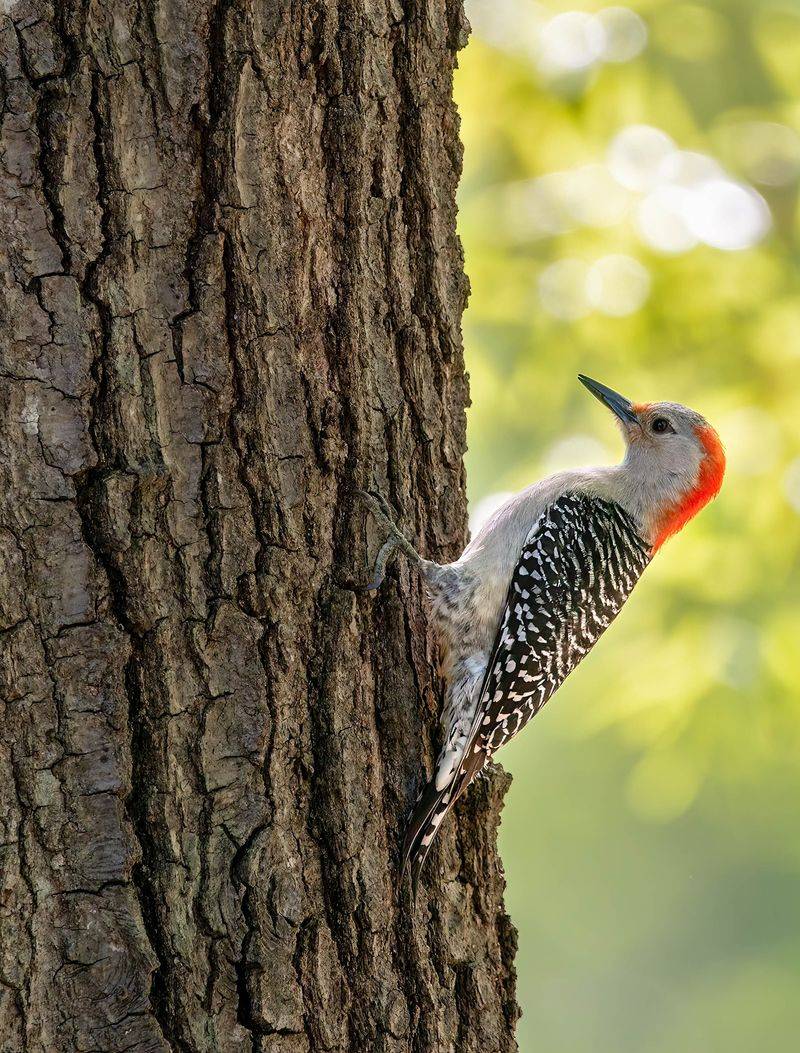
Your yard just passed a serious nature test. When a red-bellied woodpecker shows up, it almost always means mature trees are nearby.
These birds depend on old, established trees for food, shelter, and survival. Young saplings rarely offer what they need.
Mature oaks, maples, and hickories are packed with the insects and larvae that woodpeckers crave. The thick, rough bark of older trees hides beetles, ants, and grubs beneath the surface.
A red-bellied woodpecker can chisel into that bark with impressive speed and precision. Its beak is built like a jackhammer, and its tongue is even longer than the beak itself.
That tongue curls back inside the skull and can reach deep into a crevice to pull out hidden prey. It is one of the most efficient hunting tools among backyard birds.
So when this bird visits your Massachusetts yard, take it as a compliment. Your trees are old enough and healthy enough to support real wildlife.
Decaying limbs on mature trees are actually bonus points in a woodpecker’s eyes. Soft, decaying wood is far easier to excavate than solid heartwood.
If you have been tempted to remove every bare branch from your yard, consider leaving a few. Those imperfect limbs are prime woodpecker real estate.
A yard with mature trees is a yard worth visiting, and this bird knows exactly where to find the good stuff.
Identifying This Bird By Its Red Cap And Call
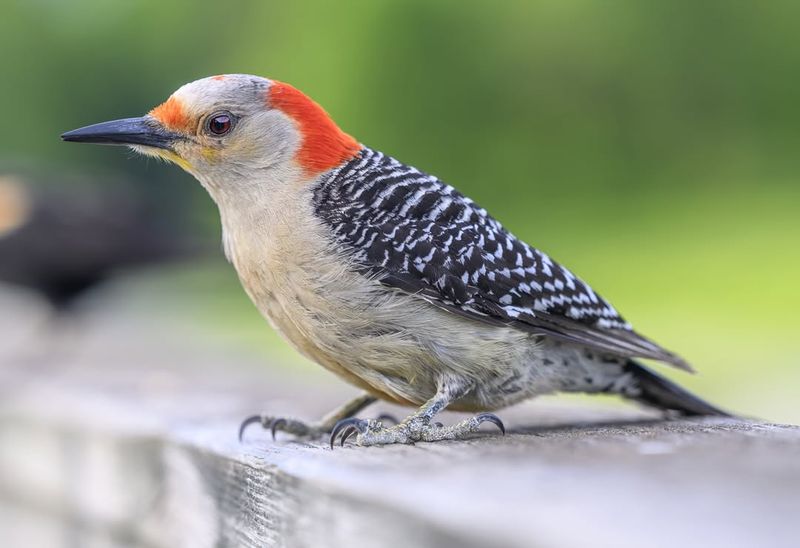
Spotting this bird for the first time feels like finding a hidden gem. The red-bellied woodpecker has a look that is hard to forget once you have seen it.
Males wear a bold red cap that runs from the beak all the way to the back of the neck. Females have red only on the back of the head, not the forehead.
Both sexes share the same stunning black and white barred pattern across their backs. That zebra-like striping makes them stand out against gray tree bark instantly.
Despite the name, the red belly is actually quite faint and easy to miss in the field. Most people notice the red head long before they ever spot the subtle blush on the underside.
The call is just as distinctive as the appearance. A loud, rolling churr sound echoes through the trees and carries a surprising distance.
Your Massachusetts Garden Changes Every Week. Your Plan Should Too.
Gardening in Massachusetts changes quickly throughout the season. Every Friday you’ll receive a simple weekly plan showing exactly what to plant, prune, fertilize, harvest, and protect so you never miss the right timing.
Once you learn that call, you will hear this bird before you ever see it. Many Massachusetts birdwatchers say the call is what first tipped them off to the bird’s presence.
Watch for its undulating flight pattern too. It pumps its wings in short bursts and glides, creating a classic swooping motion between trees.
At feeders, it tends to cling sideways or hang upside down with total ease. That effortless grip comes from two toes pointing forward and two pointing backward.
Learning these field marks makes every future sighting feel like reconnecting with an old friend.
Their Diet Explains Why Feeders Attract Them Fast
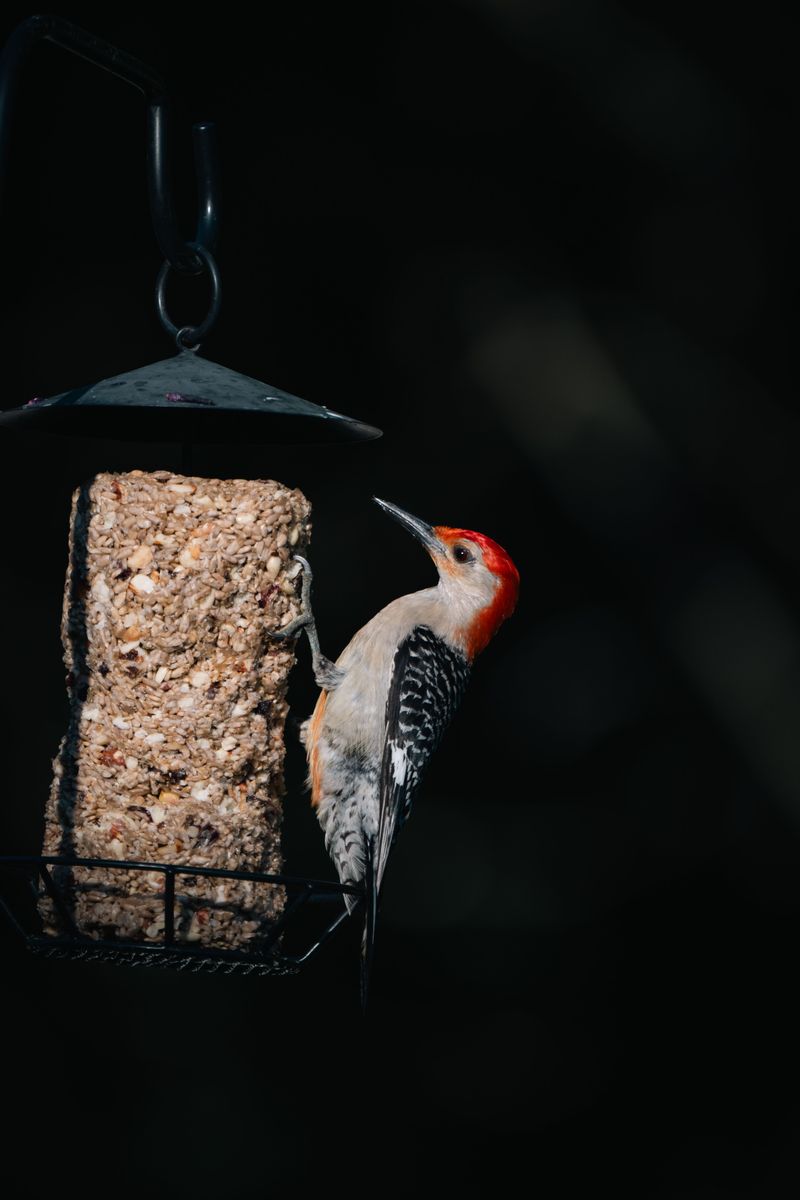
Suet is basically a woodpecker magnet, and once you hang one up, the wait is rarely long. Red-bellied woodpeckers are opportunistic eaters with a wide-ranging appetite.
In the wild, they eat insects, beetle larvae, spiders, and caterpillars pulled from tree bark. They also consume acorns, berries, seeds, and even small lizards when the opportunity presents itself.
At backyard feeders, suet cakes are the number one draw for this species. High-fat suet gives them the energy they need, especially during cold New England winters.
Peanuts and peanut butter are close runners-up in the popularity contest. Shelled peanuts placed in a mesh feeder can bring them in within days of setup.
Sunflower seeds also work well, though this bird prefers to grab and go rather than sit and shell. It will often cache food by wedging seeds into bark crevices for later.
That food-storing behavior is called caching, and it is a sign of a smart, adaptable bird. This caching habit suggests a strong spatial memory for locating hidden food later.
Fruit is another underrated attractant. Offering grape jelly, orange halves, or dried berries can bring them in alongside orioles and catbirds during warmer months.
Placement of feeders matters too. Mounting suet near a tree trunk mimics how they naturally feed and makes them feel more comfortable approaching.
A well-stocked feeder can turn a one-time visitor into a loyal backyard regular all year long.
Signs This Woodpecker Has Claimed Your Yard As Territory
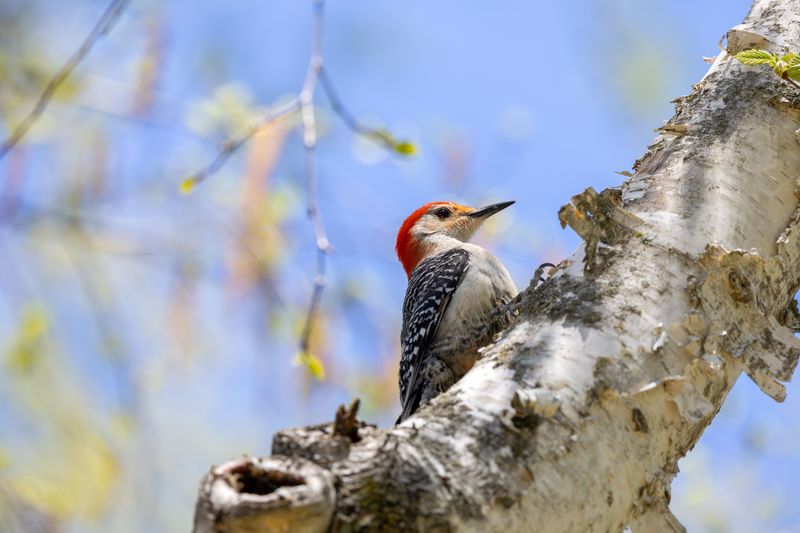
Loud drumming on your gutters at sunrise is not random. That noise is a territorial announcement, and your yard may have just been claimed.
Red-bellied woodpeckers are year-round residents across much of the eastern United States, including many parts of Massachusetts. Once they settle into an area, they tend to stick around and defend it actively.
Drumming on hard surfaces like metal gutters, wooden siding, or hollow trees serves two purposes. It broadcasts the bird’s presence to rivals and signals availability to potential mates in spring.
If you hear the same bird drumming in the same spots repeatedly over several days, that is a strong territorial signal. Consistency is the key indicator here.
You may also notice the bird chasing off other woodpeckers, starlings, or even squirrels from the feeder area. Red-bellied woodpeckers are surprisingly bold for their size.
They will square off with much larger birds and rarely back down quickly. That confidence is a trait that makes them easy to observe and honestly pretty fun to watch.
Checking for excavation marks on your trees is another clue. Small, rectangular holes chiseled into bark are signs of active foraging in a claimed zone.
Circular or oval cavities higher up on decaying trees could indicate the bird is scouting for a nest site. That level of investment means your yard has serious appeal.
A woodpecker that claims your yard is one that plans to stay, and that is genuinely exciting news.
Nesting Habits That Bring Them Back Each Spring
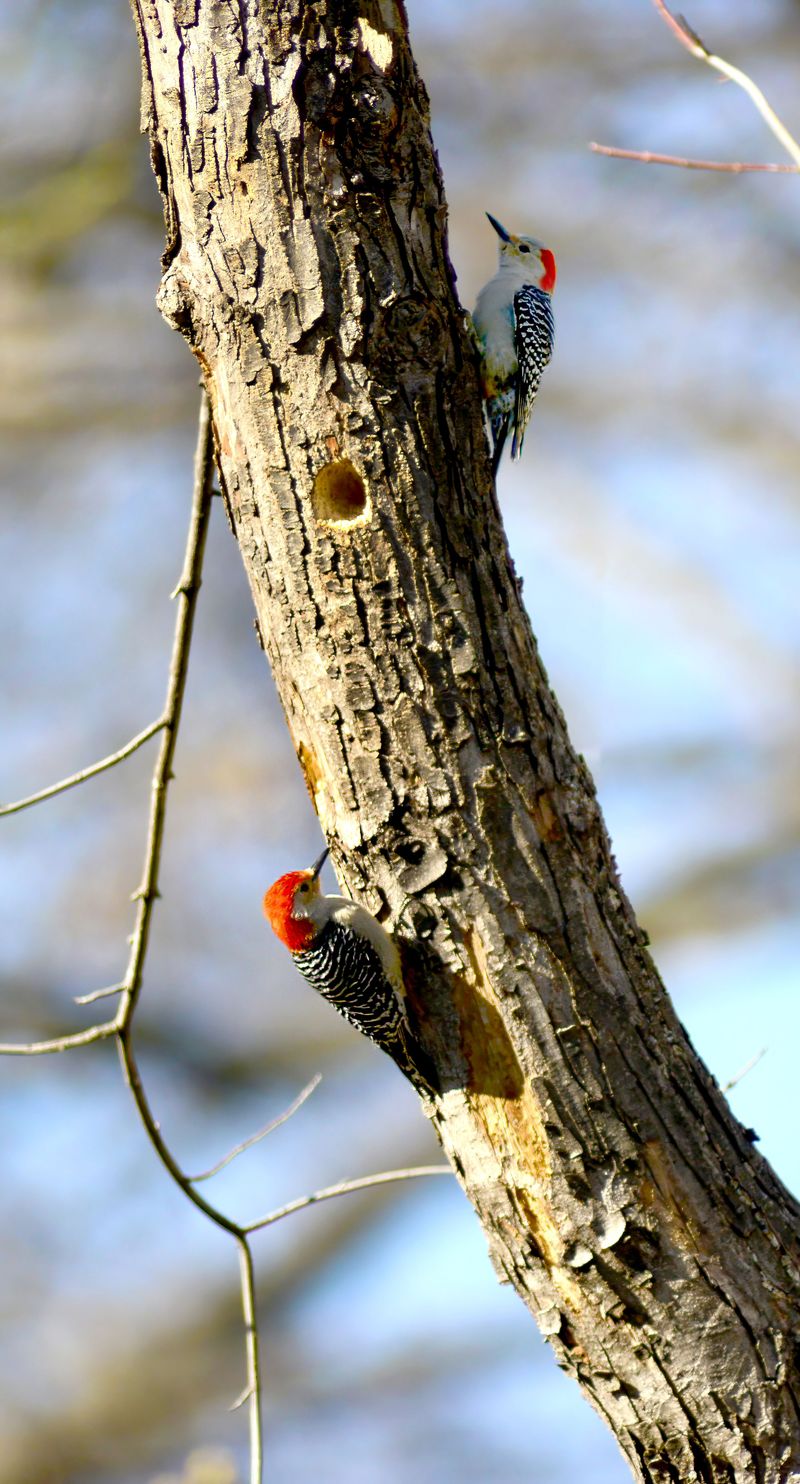
Watching a woodpecker disappear into a hole in a tree trunk is one of spring’s quiet thrills. Red-bellied woodpeckers excavate their own nest cavities rather than using pre-made birdhouses.
They prefer decayed trees, called snags, because the softer wood is much easier to carve out. A pair can excavate a new cavity in as little as one to two weeks.
The entrance hole is roughly two inches in diameter, just wide enough for the bird and not much else. That tight fit helps keep predators like raccoons and snakes from raiding the nest.
Both the male and female take turns digging and share incubation duties once eggs are laid. Clutches typically contain four to five eggs, and chicks hatch after about twelve days.
Interestingly, these birds often excavate a fresh cavity each breeding season rather than reusing the previous year’s hole. Old cavities do not go to waste though.
Once abandoned, those holes become prime real estate for bluebirds, chickadees, nuthatches, and flying squirrels. Woodpeckers are essentially the contractors of the forest, building homes others move into.
Leaving decaying trees standing in your yard, where it is safe to do so, dramatically increases nesting potential. Even a single standing snag can host multiple species over several years.
Nest box programs exist, but nothing beats a natural snag for attracting this species back each spring. The birds know the difference, and they choose wisely.
Attracting Red-Bellied Woodpeckers With The Right Setup
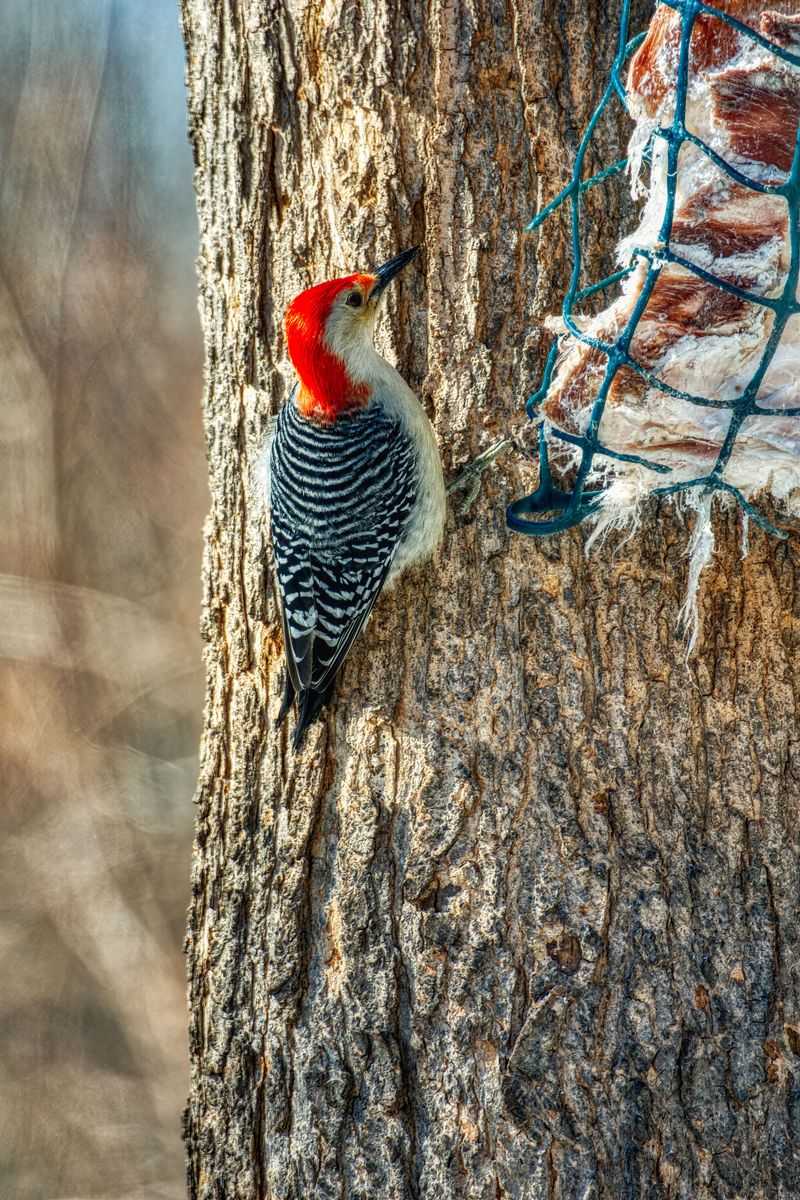
Getting your yard ready for a red-bellied woodpecker visit does not require a big budget or a lot of space. A few smart choices can make a dramatic difference in who shows up.
Start with suet feeders hung close to tree trunks or large branches. Cage-style suet holders work best because they allow the bird to cling and feed in a natural posture.
Choose suet blends that include insects, nuts, or berries rather than plain beef tallow. Higher-quality suet keeps birds returning and also attracts a wider variety of species to your yard.
Add a peanut feeder alongside the suet for an extra layer of appeal. Whole or shelled peanuts in a mesh tube feeder are nearly irresistible to this species.
Water is often overlooked but genuinely important. A shallow birdbath with moving water, like a dripper or fountain, catches a woodpecker’s attention from a surprising distance.
Native plantings boost your yard’s long-term appeal significantly. Berry-producing shrubs like winterberry holly, dogwood, and serviceberry provide natural food sources through fall and winter.
Reducing pesticide use helps too, since a chemical-free yard supports the insect populations that woodpeckers depend on for protein. Healthy soil means healthy bugs, and healthy bugs mean happy birds.
Patience is part of the process, but once a red-bellied woodpecker discovers your setup, it tends to become a fixture. Creating the right environment is the most rewarding thing a yard-lover can do.