The Massachusetts Native Tree That Impresses Without Getting Too Big
Some trees refuse to blend in, no matter how small the yard. This one twists its trunk into shapes that look almost sculpted, then flips the script every autumn with a fireworks show of orange and scarlet.
Massachusetts backyards weren’t built for giants. Oaks and maples eat up space fast, shading out everything else and leaving homeowners with a lawn that never quite gets enough sun.
That’s where this native standout changes the equation. It stays compact, thrives in partial shade, and somehow still manages to look like the star of the yard in every single season.
Curious which tree checks all those boxes without demanding a landscaping crew? Keep reading, because the answer might already be growing wild somewhere near your property line.
1. A Show Stopping Tree That Stays In Bounds
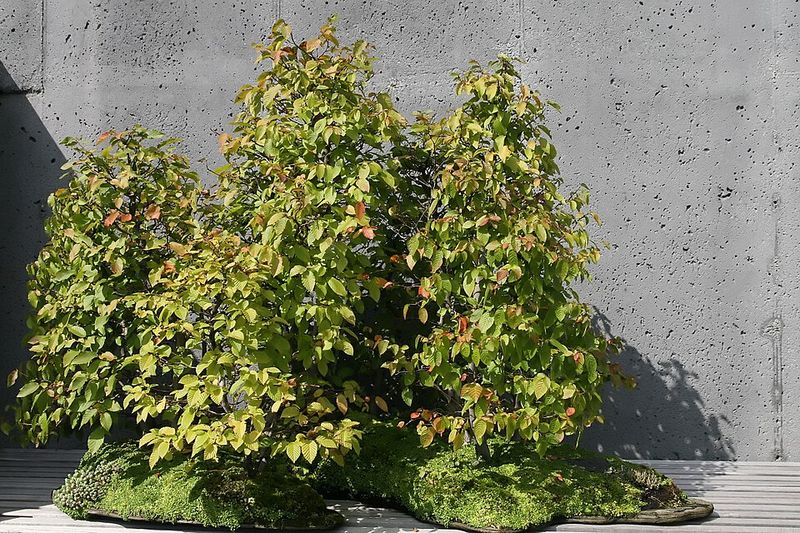
Picture planting a tree that never outgrows its welcome. The American Hornbeam delivers drama without the chaos of a tree that swallows your Massachusetts yard whole.
Most homeowners are surprised by how well-proportioned this native tree stays over time. At full maturity, it typically tops out between 20 and 30 feet tall, making it a genuinely human-scaled choice for smaller properties.
Compared to maples or oaks, that is practically petite. Yet it still creates real shade, real structure, and a real focal point in any landscape design.
Gardeners in Massachusetts have long appreciated trees that fit suburban lots without constant pruning upkeep. The Hornbeam cooperates naturally, growing slowly and staying tidy without much interference from you.
Slow growth might sound like a downside, but it actually means less maintenance over the long haul. You plant it, you watch it settle in, and it rewards you for decades without demanding dramatic intervention.
What makes this tree especially appealing is its layered seasonal interest. No single season feels boring when you have a Hornbeam anchoring your landscape.
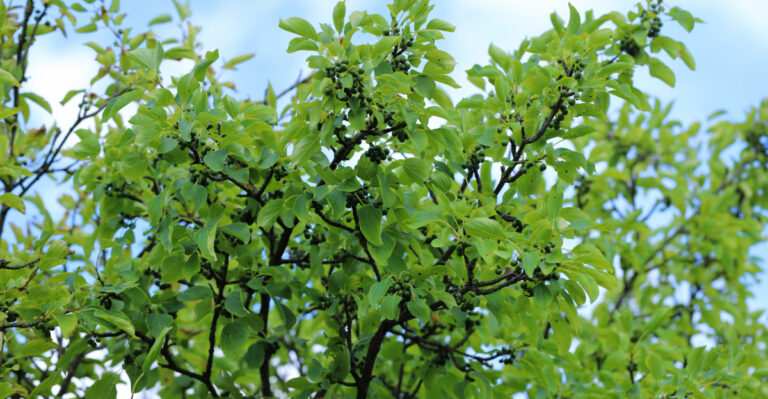
Spring brings fresh green leaves that soften the yard beautifully. Summer offers dense canopy shade that cools nearby seating areas on hot afternoons.
Fall turns the whole tree into something worth photographing. And winter reveals the tree’s most striking secret, which is the bark that makes it unforgettable even after the leaves drop.
2. The American Hornbeam Is Smaller Than Most Expect
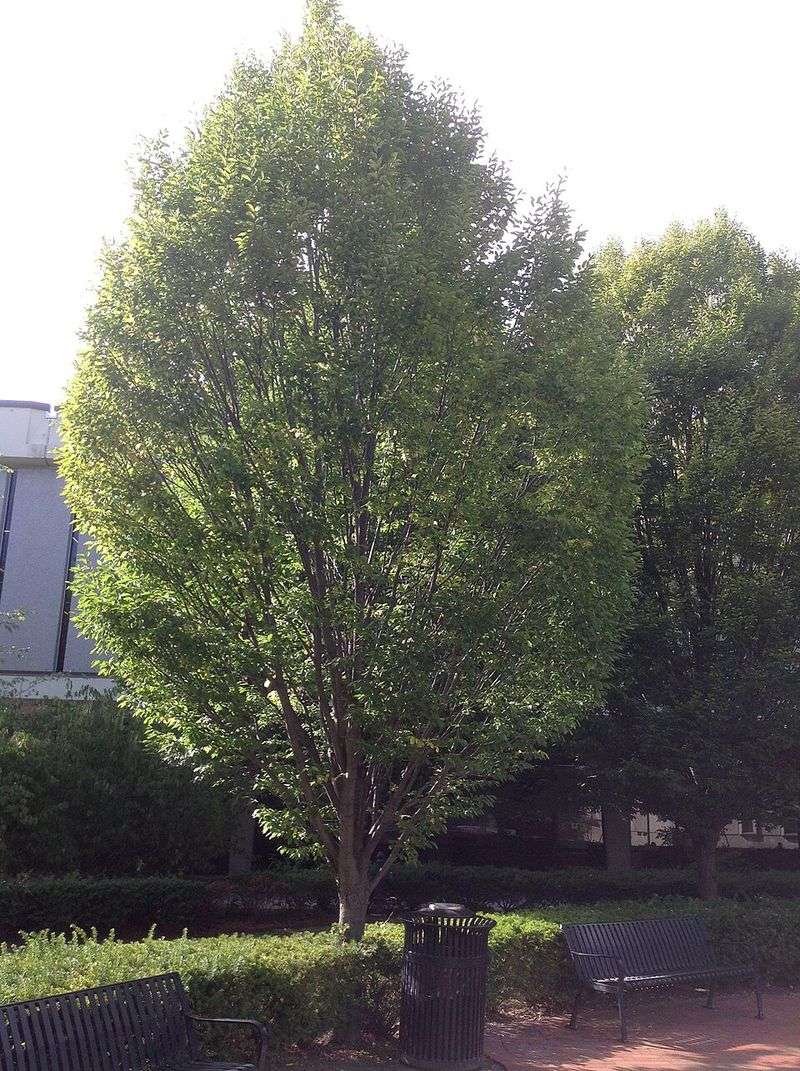
Walk into most nurseries and ask for a native shade tree, and staff will point you toward something enormous. The American Hornbeam breaks that pattern in the best possible way.
Most people expect native trees to be towering giants. Then they meet the Hornbeam, which grows just 20 to 30 feet tall and spreads a similar width at maturity.
That size range fits comfortably near a house without threatening the foundation or the roofline. Homeowners with smaller lots finally have a native option that does not require future regret.
Growth rate matters too, and this tree is genuinely slow. Expect somewhere around 5 to 10 feet of growth over the first decade, depending on soil and light conditions.
Your Massachusetts Garden Changes Every Week. Your Plan Should Too.
Gardening in Massachusetts changes quickly throughout the season. Every Friday you’ll receive a simple weekly plan showing exactly what to plant, prune, fertilize, harvest, and protect so you never miss the right timing.
Slow growers often develop stronger wood than fast-growing species. The Hornbeam’s dense, hard wood resists storm damage better than many comparable ornamental trees.
In fact, its wood is so hard that early American settlers called it ironwood. Axes and tool handles were sometimes crafted from its branches, which gives you a sense of its toughness.
That durability translates directly into a long-lived landscape tree. Once established, a Hornbeam can thrive for fifty years or more, sometimes reaching well past a century, with minimal care.
For homeowners who want a tree they can pass down like an heirloom, this compact native delivers exactly that kind of staying power. Small in stature, enormous in legacy.
3. Sculptural Bark That Adds Year Round Interest
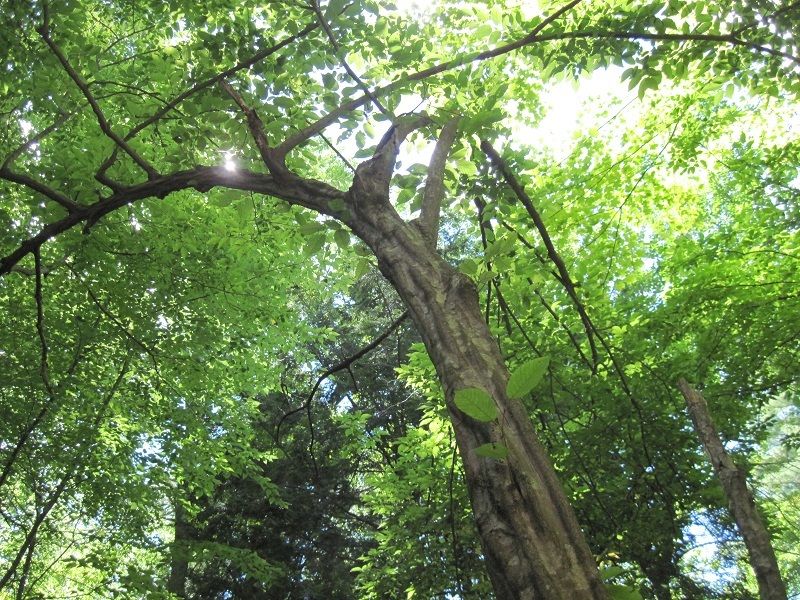
Most trees go invisible in winter. The Hornbeam refuses to disappear, and its bark is the reason why.
Run your hand along the trunk and you will feel something unexpected. The bark is smooth and rippled, almost like flexed muscle beneath gray skin, which is why many people call it musclewood.
That sinuous, fluted texture comes from the way the wood grows in dense, twisted layers. No two trunks look exactly alike, which gives each tree a one-of-a-kind sculptural quality.
Landscape designers who work in New England often recommend the Hornbeam specifically for winter gardens. When snow falls around the base and bare branches stretch outward, the tree looks like living art.
The branching pattern adds to this effect beautifully. Branches spread in graceful, irregular arcs that create interesting shadow patterns on snow and walls throughout the coldest months.
Even without leaves, the Hornbeam commands attention. That is a rare quality in a tree that costs relatively little to purchase and plant.
Garden photographers love this tree for the same reason. Its texture and form photograph beautifully in all four seasons, especially in the low-angled light of a winter afternoon.
Pairing a Hornbeam with ornamental grasses or evergreen shrubs creates a layered winter scene that feels intentional and polished. The bark alone earns this native tree its place in any thoughtfully designed landscape.
4. Brilliant Fall Color In A Small Package
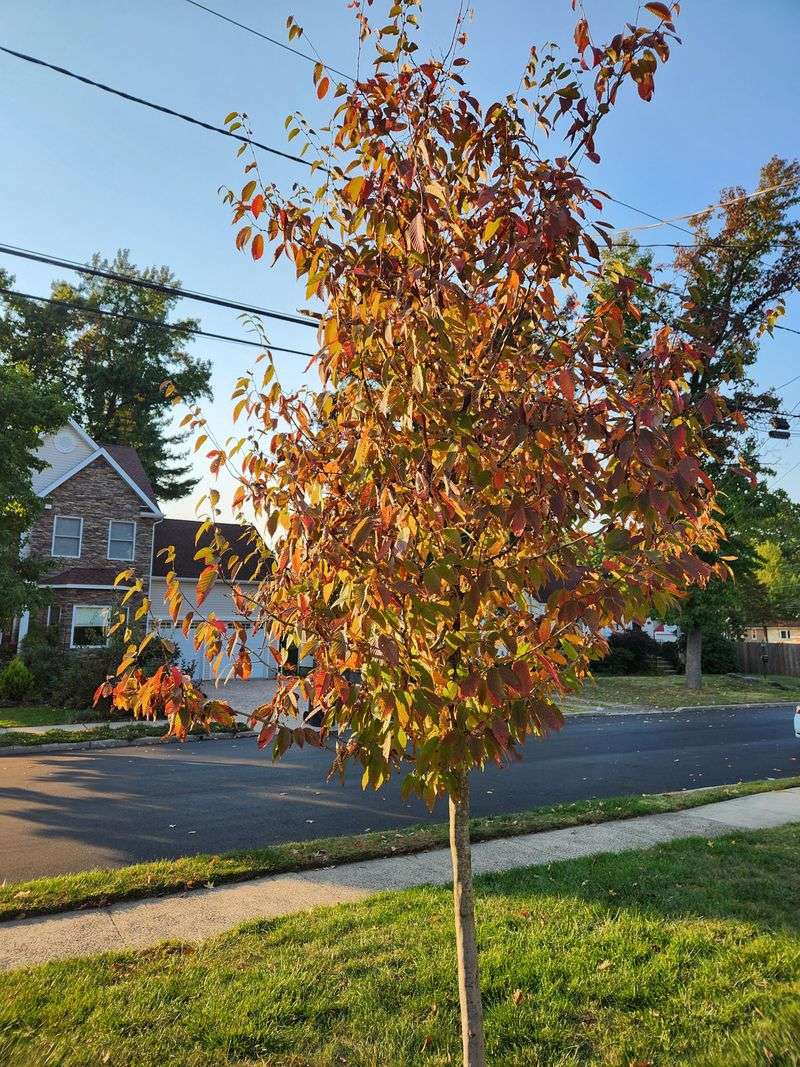
Fall in New England is basically a competitive sport, and the Hornbeam is a serious contender. Its leaves shift through orange, red, and yellow in a display that rivals much larger trees.
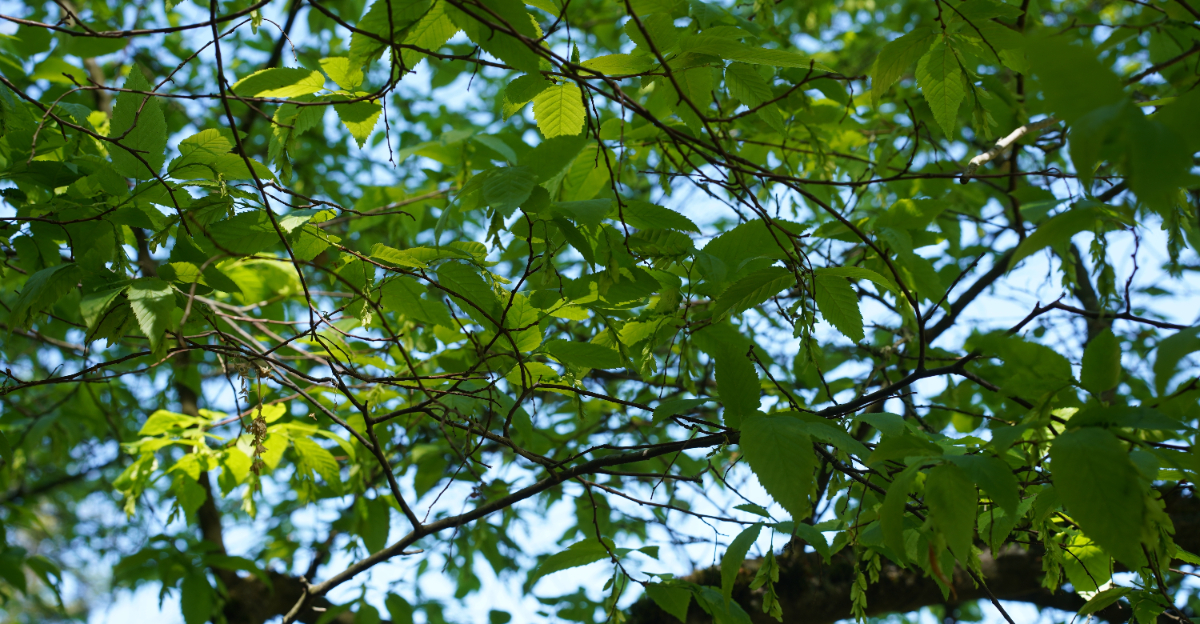
What makes the color especially striking is the leaf shape itself. Each leaf has finely serrated edges and a pointed tip that catches light beautifully as colors intensify through October.
The foliage turns gradually, which means you get weeks of color rather than one quick burst. That slow progression keeps the tree interesting long after faster-changing species have already dropped their leaves.
For homeowners who want maximum fall impact in a compact footprint, this native tree delivers generously. A single Hornbeam can anchor a fall garden scene without needing to be surrounded by other colorful species.
The tree also holds its leaves slightly longer than many other native hardwoods. That extended display gives your yard color well into late October and sometimes into early November.
Pairing it with native ferns or low-growing shrubs amplifies the fall effect dramatically. The contrast between the Hornbeam’s warm tones and surrounding evergreen textures creates a layered, magazine-worthy scene.
Wildlife appreciates the fall show too, but for practical reasons. The small nutlets that develop alongside the colorful foliage attract songbirds and small mammals searching for food before winter.
Beauty and ecological value wrapped up together make this native tree a genuinely smart landscaping investment. Your Massachusetts yard wins, and local wildlife wins right alongside you.
5. Shade Tolerance That Opens Up Planting Spots
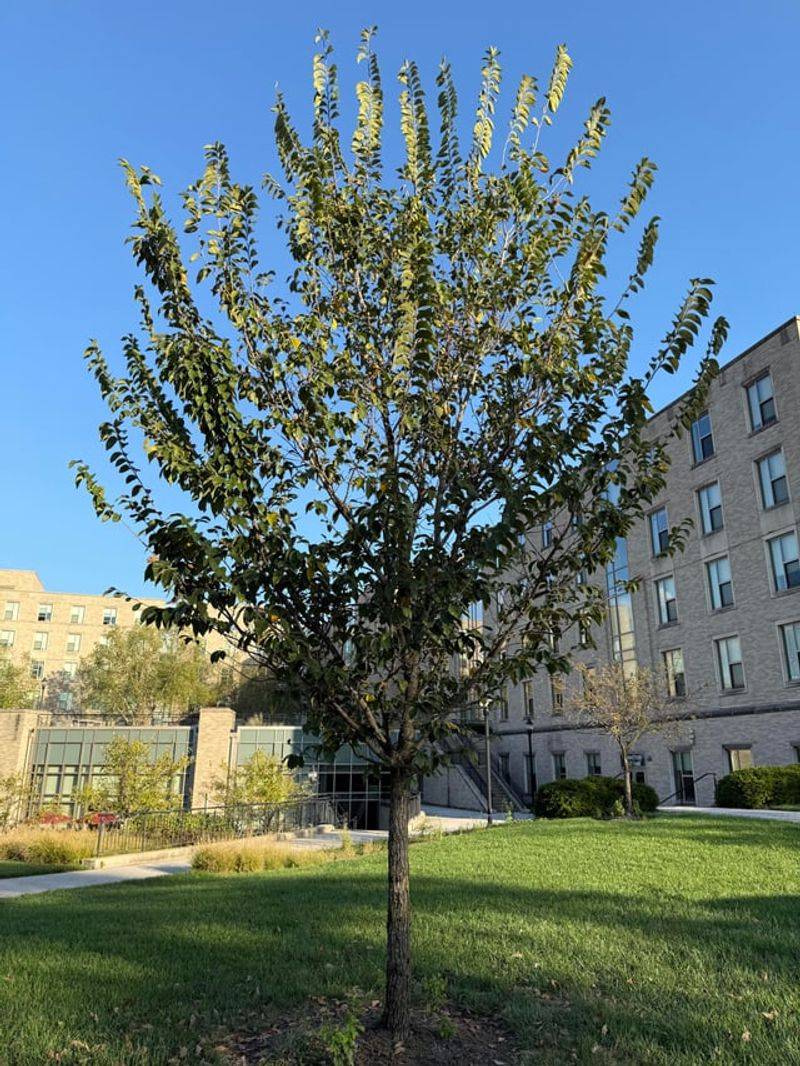
Shady yards frustrate most gardeners trying to find the right tree. The Hornbeam actually thrives where other trees struggle, making it a genuine problem-solver for difficult spots.
As an understory tree, it evolved beneath forest canopies where light is limited and filtered. That background means it handles shade better than almost any other native tree you can plant.
Full shade, part shade, or dappled light under existing trees are all acceptable conditions for this adaptable species. Very few ornamental trees offer that kind of planting flexibility.
That shade tolerance opens up spots in your yard that seemed permanently off-limits for trees. The dark corner near the fence, the strip beneath a row of tall pines, the shaded side of the house all become possibilities.
Hornbeams also tolerate moist or occasionally wet soils that would stress most other landscape trees. Low spots that collect water after rain are often perfect locations for this native species.
Planting near a stream, pond, or drainage swale suits the Hornbeam extremely well. Its natural habitat includes streambanks and moist woodland edges throughout the eastern part of North America.
That moisture tolerance combined with shade adaptability makes it one of the most versatile native trees available to New England homeowners. Few species check both boxes simultaneously.
Finding the right tree for a challenging spot feels like a small victory. The Hornbeam turns those tricky corners of your landscape into genuine assets worth showing off.
6. Care Tips That Keep It Thriving For Decades
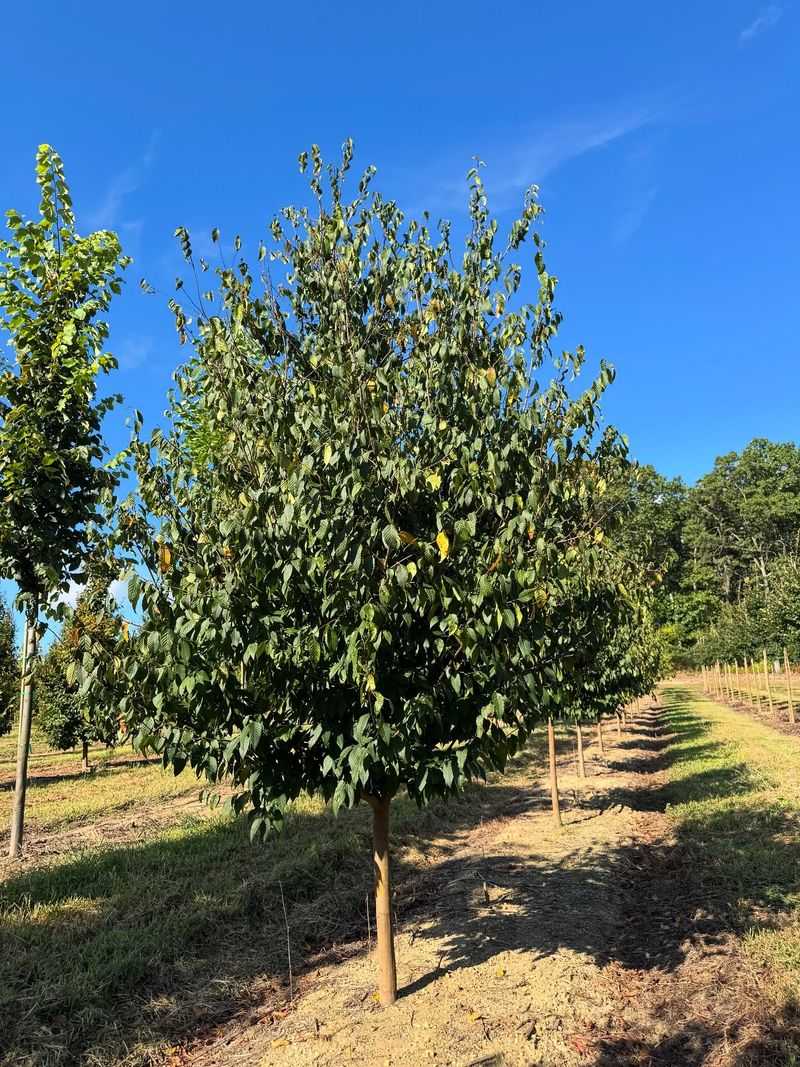
Low-maintenance gardeners will appreciate this tree: the Hornbeam is not demanding. Once established, it handles most conditions without requiring constant attention or specialized care.
The first two years after planting are the most important for any new tree. Water deeply and consistently during dry stretches to help roots establish before the tree faces its first summer heat.
After establishment, supplemental watering becomes less critical, though the Hornbeam only has moderate drought tolerance. It still benefits from occasional watering during extended dry spells, especially if not planted in naturally moist soil.
Mulching around the base makes a significant difference in long-term health. A 3-inch layer of wood chips keeps moisture in, moderates soil temperature, and reduces competition from grass and weeds.
Keep mulch pulled a few inches away from the actual trunk to prevent rot. That small gap protects the bark and keeps the root collar healthy for the long term.
Pruning needs are minimal compared to faster-growing species. Remove any damaged or crossing branches in late winter before new growth begins, and the tree will largely shape itself over time.
Fertilizing is rarely necessary if your soil is reasonably healthy. A light application of balanced fertilizer in early spring can support young trees, but established specimens usually need nothing extra.
The Massachusetts native tree that impresses without getting too big asks for very little and gives back enormously. Plant one this season and watch a quiet kind of magic unfold year after year.