A Soft Orange Fruit Is Falling Along Missouri Fencerows In Late September
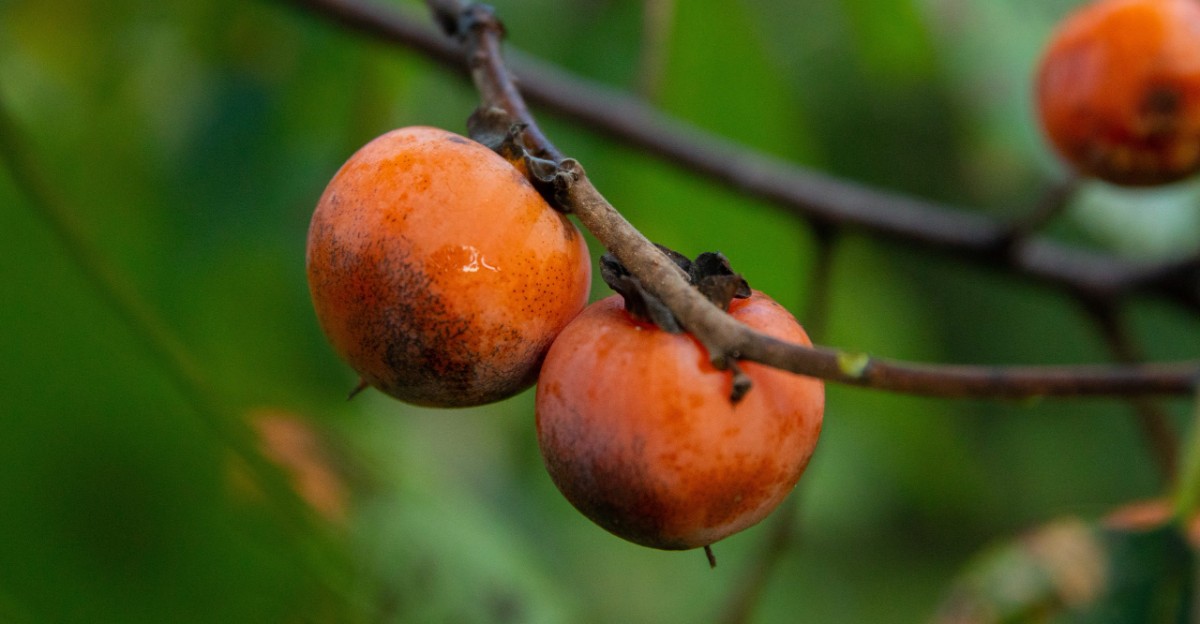
Something soft and orange is falling in Missouri fencerows right now, usually with a quiet little splat. Walk a gravel road at dawn and you will hear the little drops hitting dry leaves.
Deer figure it out first, arriving before sunrise and leaving the ground stamped with fresh hoof prints. Raccoons and opossums handle the night shift with similar enthusiasm and noticeably worse manners.
Half the state drives past this autumn treasure every single day without glancing at the fence line. The other half guards their favorite roadside spots like buried gold and tells nobody anything.
Taste one too early and your mouth will pucker so hard you start questioning your life choices. Wait for the right moment and that same little fruit becomes dessert worth guarding.
The Native Tree Behind The Fallen Orange Fruit
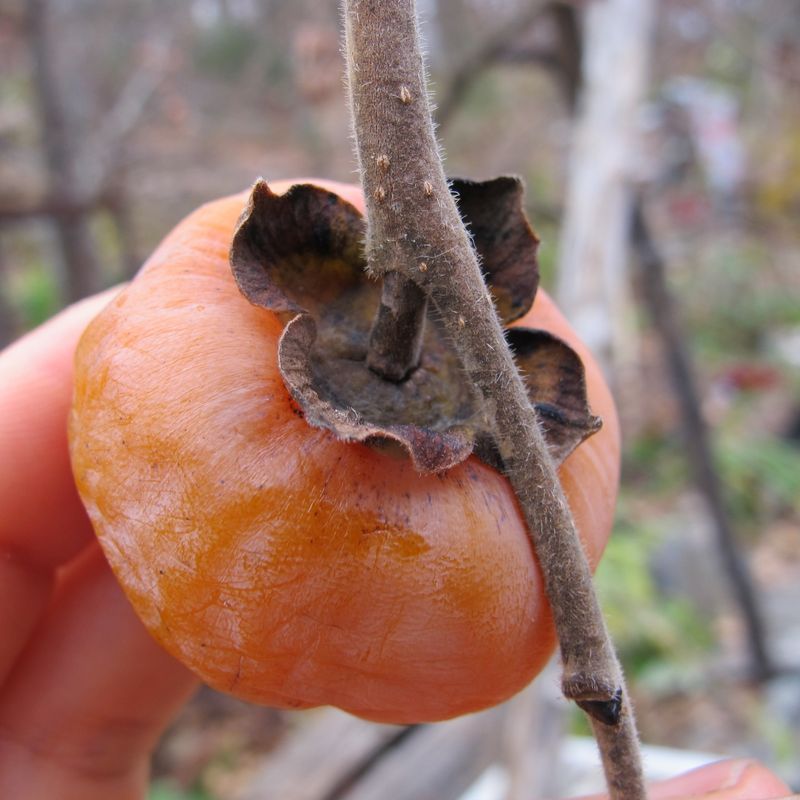
Those squishy orange globes scattered under a fencerow tree come from the American persimmon, Diospyros virginiana. It is a native Missouri tree, not an import from an orchard catalog.
Mature trees reach forty to sixty feet, though fencerow specimens often stay shorter and scrappier. Their bark breaks into thick gray blocks that look like alligator hide.
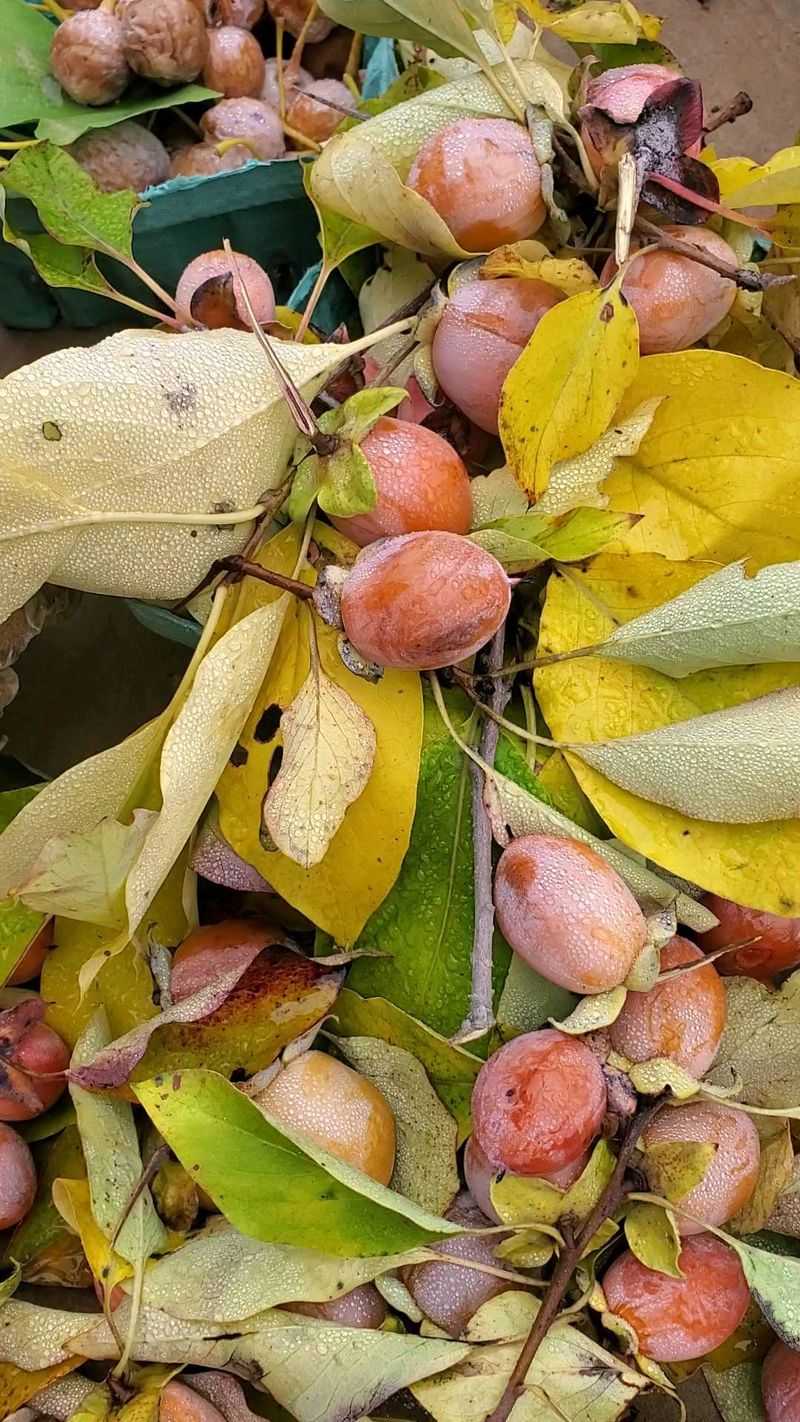
Fruit runs about an inch or two across, orange fading to dusty purple when fully ripe. A papery green calyx clings to the top like a little hat.
Persimmons are dioecious, meaning male and female flowers grow on separate trees. Only the female trees carry fruit, which explains why some fencerow trees stay bare.
Small bell-shaped flowers open in late spring and draw bees, but you rarely notice them. Months later the payoff lands at your feet with a soft thud.
Wood from these trees is famously hard and was once shaped into golf club heads. Shuttles for textile mills were cut from it as well.
Seeds inside are flat, brown, and surprisingly large for such a small fruit. Each one holds the folk forecast Missourians love to split open in autumn.
Once you spot that blocky bark, you will notice these trees everywhere along country roads. Missouri fencerows hide more of them than most drivers ever realize.
Deer, turkeys, and raccoons find the drop long before people do. Beat them to it and you get dessert instead of hoofprints.
Late September Ripening Along Missouri Fencerows
Timing matters more than the calendar, but late September is when the show usually starts. Across most of Missouri, the first soft fruit hits the ground around then.
Southern counties often run a week ahead of northern ones, and hot summers push things earlier. Drought years can shrink fruit and speed the drop.
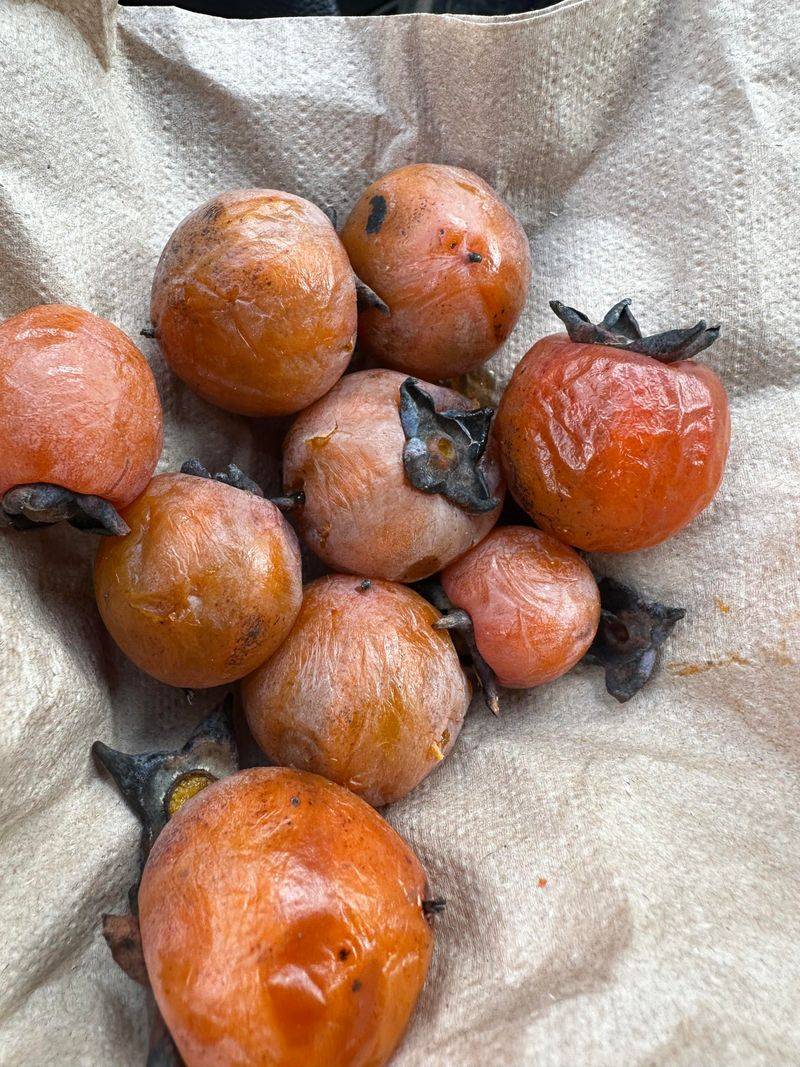
Ripeness shows up as a color shift from bright pumpkin orange to a deeper, duller shade. The skin wrinkles slightly and the fruit feels like a water balloon.
Fully ripe persimmons let go on their own, so gravity does most of the sorting for you. Fruit still gripping the twig usually needs more time.
Windy nights and light rain knock down big batches, so check your trees the morning after. Warm afternoons speed softening once fruit is on the ground.
Your Missouri Garden Changes Every Week. Your Plan Should Too.
Gardening in Missouri changes quickly throughout the season. Every Friday you’ll receive a simple weekly plan showing exactly what to plant, prune, fertilize, harvest, and protect so you never miss the right timing.
The drop can stretch from late September into November on a single tree. That long window gives you several chances instead of one frantic weekend.
Mark a productive tree now with flagging tape or a phone photo. Fencerows look identical once leaves fall and everything turns gray.
Visit every couple of days during peak drop, because pulp sours fast in warm weather. Ants and yellowjackets also keep a tight schedule.
A cool snap slows spoilage and makes gathering far more pleasant. Bring a bucket, because good trees are generous.
Kids love this chore, mostly because squishy fruit is involved. Hand them the bucket and step back.
Common Persimmon Picking Mistakes To Avoid
Plenty of folks swear persimmons need frost before they sweeten, and that idea refuses to fade. Ripeness, not cold weather, is what removes the pucker.
Tannins in unripe fruit grab moisture in your mouth and leave it feeling like sandpaper. One bite of a firm orange persimmon teaches that lesson fast.
Frost simply happens to arrive around the same time many fruits finish ripening. Correlation got mistaken for cause a very long time ago.
Waiting for a hard freeze can actually cost you, since mushy fruit may spoil or turn soft and syrupy. Animals will happily clear the ground while you wait.
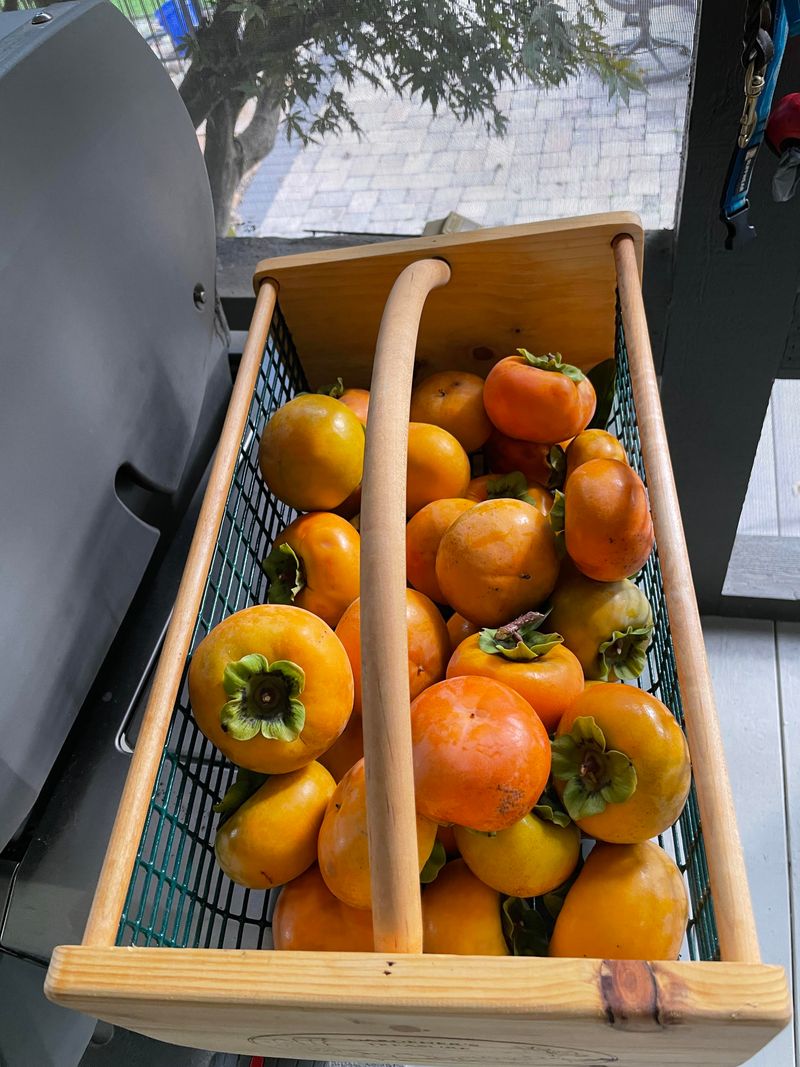
Another frequent mistake involves picking fruit straight off the branch because it looks ready. Color alone lies, and firm fruit is not your friend.
Gathering along busy roadsides brings a different problem, namely spray drift and road grime. Choose fencerows set back from traffic and mowing equipment.
Some people toss fruit into a bag and forget it overnight in a warm truck. The result is a sticky, spoiled mess nobody wants to strain.
Skipping the calyx removal is minor, but the green cap adds bitterness to pulp. Pop it off before processing.
Confusing native fruit with larger grocery store varieties also trips up beginners. Missouri fencerow persimmons stay small, soft, and seedy.
Sampling one fruit before filling a bucket saves a lot of disappointment. Your tongue is the most reliable ripeness meter available.
Proper Harvest Techniques For Soft Ripe Persimmons
Spreading an old sheet or tarp under a loaded tree turns harvest into a simple job. A gentle shake sends ripe fruit tumbling down.
Grab only the fruit that gives easily, and leave anything firm for another visit. Ripe persimmons practically fall apart in your fingers.
Rinse the haul in cool water to wash off grit, leaves, and stray insects. Pull the green caps and discard anything moldy or split.
A food mill or colander separates pulp from those big flat seeds and tough skins. Pressing by hand through a strainer works too, just slower.
Expect roughly one cup of pulp from a pound of fruit, sometimes a bit less. Yields vary with tree, season, and rainfall.
A spoonful of lemon juice keeps pulp from browning in the freezer. Pack it in cup-sized containers so recipes measure easily later.
Frozen pulp holds its flavor for a year without fuss. Label containers, because orange mystery tubs multiply quickly.
Work quickly on warm days, since soft fruit turns mushy and sour within hours. Cooler mornings make the whole process less sticky and less buggy.
Wear old clothes, because persimmon pulp stains with impressive enthusiasm. Your washing machine will thank you for the warning.
Ask permission before gathering on land you do not own, even along quiet fencerows. Most landowners say yes and sometimes request a share of pudding.
A five-gallon bucket fills faster than you expect under a productive tree. Bring two.
Rewards Of A Heavy Persimmon Drop

Persimmon pudding is the reason many Missouri families track these trees every single autumn. The dessert bakes dark, dense, and spiced like a cross between cake and custard.
Pulp also slides into cookies, quick breads, muffins, and homemade ice cream. Flavor lands somewhere between dates, apricots, and brown sugar.
Old recipes from the Ozarks often pair the pulp with buttermilk and plenty of cinnamon. Grandmothers guarded their versions closely.
Beyond the kitchen, a heavy drop feeds an astonishing amount of local wildlife. Deer, opossums, raccoons, foxes, coyotes, and wild turkeys all line up.
Deer regularly visit producing trees, which makes them useful to track through the season. A loaded fencerow tree can outperform many food plots in September.
Seeds pass through animals and sprout in new fencerows, spreading trees across the countryside. Wildlife plants tomorrow’s orchard without any help from us.
Splitting a seed with a knife reveals a shape folks read as a winter forecast. Spoon means heavy snow, fork means mild, knife means cutting winds.
The forecast is pure folklore, though it makes excellent porch conversation. Accuracy was not the point.
Leaving some fruit on the ground keeps the neighborhood critters fed and happy. Sharing costs little when a good tree drops hundreds of fruits.
Persimmon jam and homemade vinegar show up in some Missouri kitchens too. Nothing about this fruit goes to waste.
One good harvest can carry your baking clear through the holidays. Pudding in December tastes like September sunshine.
Fencerow Care For Future Persimmon Crops
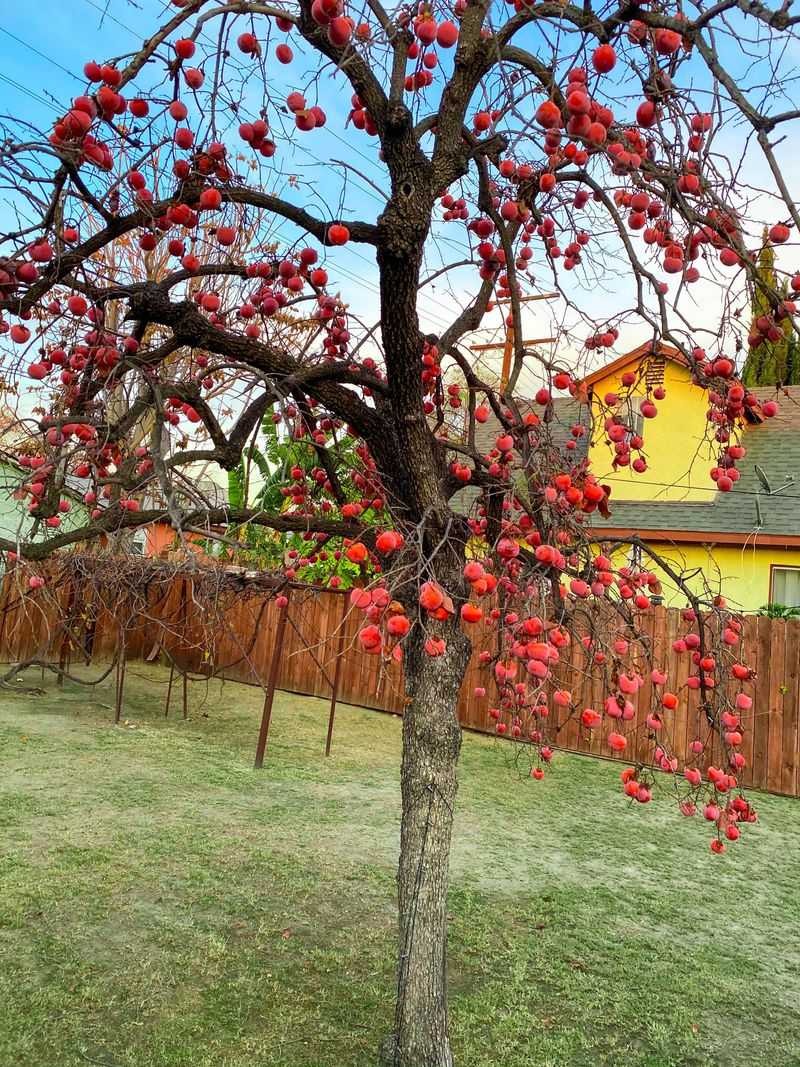
Persimmon trees ask for almost nothing, yet fencerow clearing wipes them out constantly. Learning to recognize that blocky bark before the brush hog arrives saves real value.
Marking female trees with ribbon protects them from well-meaning cleanup crews. A quick note to whoever mows goes a long way.
Thinning crowded elms and locusts gives persimmons more sunlight and better fruit set. Trees in full sun produce noticeably heavier crops.
Holding off on mowing under the tree during drop season keeps fruit clean and findable. Shredded persimmons help nobody except the flies.
Herbicide drift from fencerow spraying damages leaves and reduces the next year’s crop. Spray on calm days and keep a buffer.
Persimmons spread by root suckers, so small shoots near a parent tree are free trees. Protect a few with tree tubes and deer will leave them alone.
Grafting a known female onto a seedling shortens the wait for fruit considerably. Local extension offices can point you toward scion sources.
Young trees need about six to ten years before they bear reliably. Patience is the main cost of a persimmon fencerow.
Fall cleanup season tempts everyone to clear brush aggressively along fence lines. Slow down long enough to spot the trees worth keeping.
A protected fencerow tree feeds your family and the wildlife for decades. That is a strong return on doing nothing at all.