What It Means When A Screech Owl Appears Near Your North Carolina Garden At Night
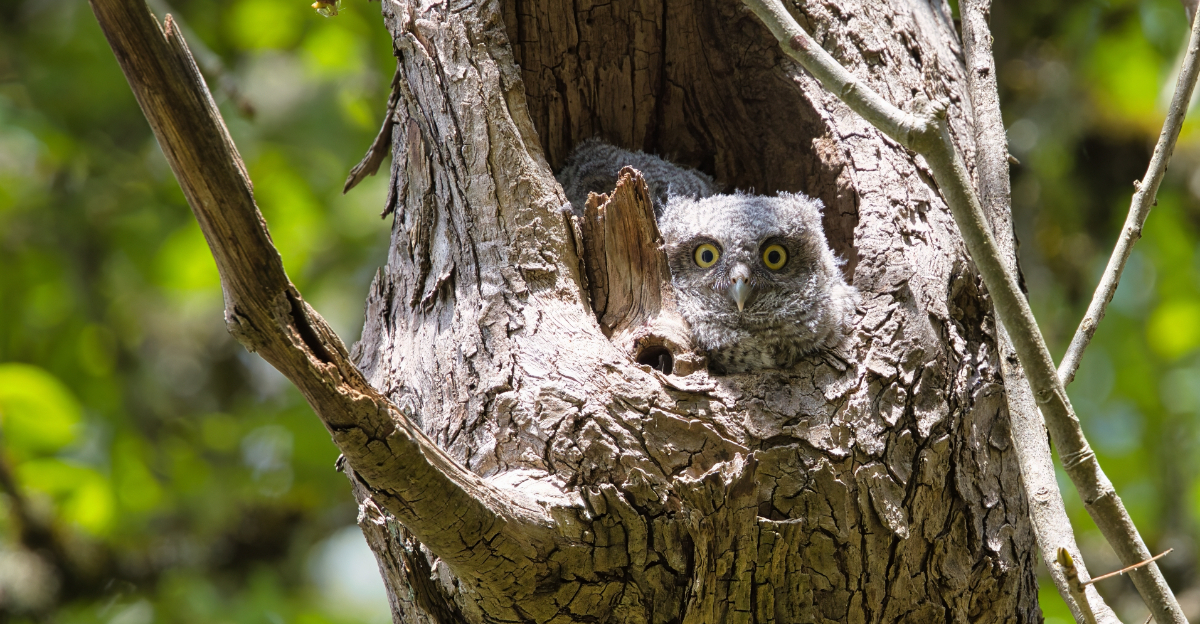
A screech owl showing up near your North Carolina garden after dark tends to catch people off guard, especially the first time that unmistakable call breaks the silence.
Most homeowners aren’t sure whether this visit is something to welcome or something worth worrying about.
There’s a clear reason these owls choose specific gardens over others, one that has everything to do with what’s happening in your yard after the sun goes down.
Understanding what actually draws them in changes how you might think about your garden’s nighttime activity altogether.
Some homeowners are surprised to learn their yard is functioning exactly the way it should once they understand the full picture.
Once you know what a screech owl is really after, spotting one nearby starts to feel a lot less mysterious. Their presence says more about your garden than you might expect.
1. Your Yard Has A Food Supply
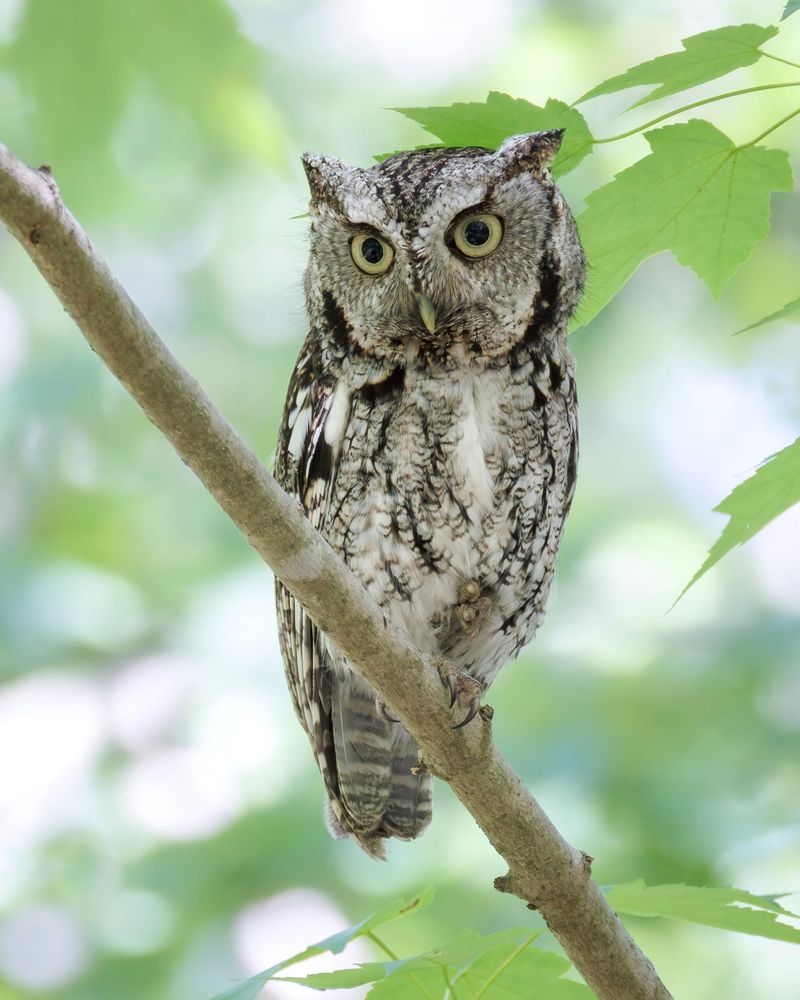
An owl rarely wastes time in a spot where meals are hard to find. When one settles near your garden, it usually means your yard is packed with tasty prey.
That includes beetles, crickets, moths, and other bugs that gather around plants and porch lights.
Screech owls also hunt mice, small frogs, and even earthworms after a rainy evening. If your garden supports all these little creatures, it becomes a natural buffet.
The owl simply follows the food, and your yard just happens to be the best restaurant in the neighborhood.
Healthy soil, leafy plants, and a bit of wild growth all invite insects and small animals. Those tiny visitors, in turn, draw the owl closer. So an owl sighting is really a sign that your garden is buzzing with life beneath the surface.
You can gently encourage this balance by avoiding heavy pesticide use, which wipes out the insects owls depend on. A garden with fewer chemicals tends to hold more prey and more helpful predators.
Think of the owl as nature giving your yard a gold star. Its arrival shows that your plants, soil, and small critters are all working together nicely.
Rather than feeling nervous, you can feel proud that your outdoor space supports a working food chain. The more variety your garden holds, the more likely these quiet hunters will keep returning to check things out each night.
2. Trees Are Providing Shelter
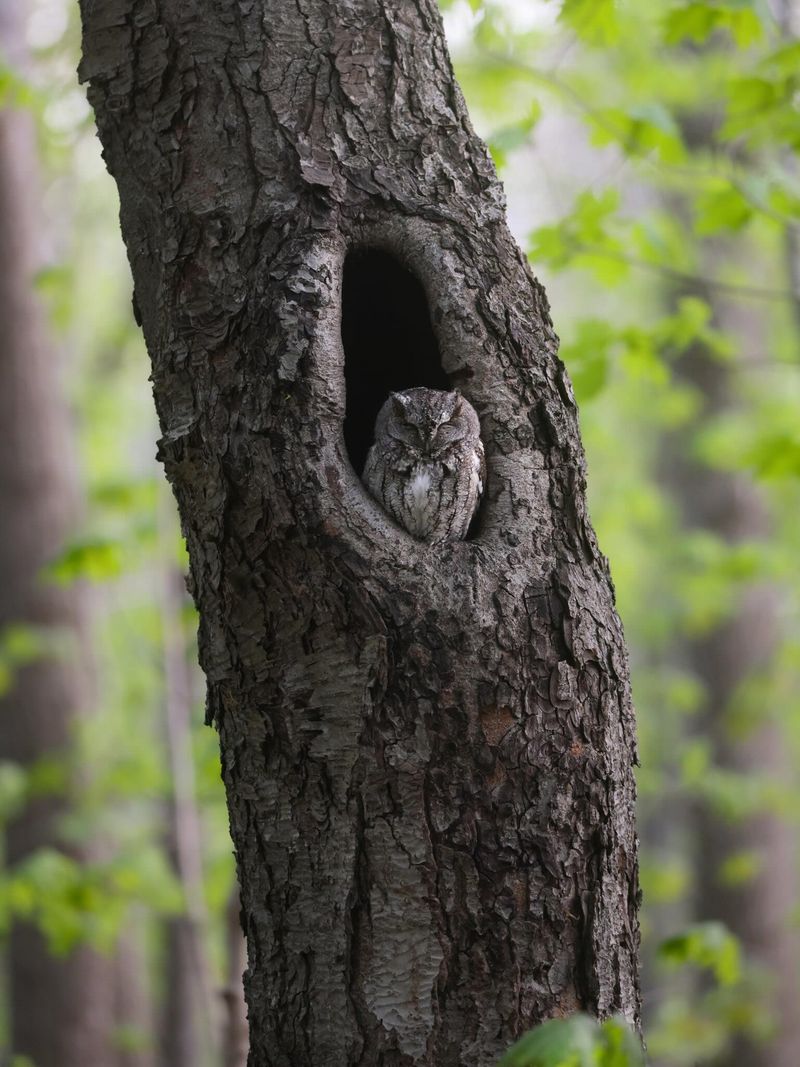
Owls need safe places to rest and raise their young, and trees do most of that heavy lifting. If a screech owl hangs around, your property likely offers the kind of shelter it loves. These birds favor hollow spots inside older trees.
Old woodpecker holes make perfect homes for them. Screech owls cannot carve their own cavities, so they rely on nature and other birds to do the work first. A mature tree with a natural hollow is like a ready-made cozy apartment.
During the day, owls tuck into these spaces to stay hidden and safe. The snug walls protect them from harsh weather and curious predators. That daytime rest helps them save energy for their busy nights of hunting.
Your North Carolina Garden Changes Every Week. Your Plan Should Too.
Gardening in North Carolina changes quickly throughout the season. Every Friday you’ll receive a simple weekly plan showing exactly what to plant, prune, fertilize, harvest, and protect so you never miss the right timing.
Nest boxes work too, especially in yards where big old trees are scarce. Mounting a wooden owl box on a tall pole or trunk gives them a comfortable spot to settle. Many North Carolina gardeners have welcomed owls simply by adding one.
Shady trees, thick bark, and quiet corners all add to the appeal. The more natural cover your yard offers, the more likely an owl will call it home base.
If you already have towering oaks, pines, or maples, you are giving these birds exactly what they crave. Keeping those trees standing helps future generations of owls find shelter.
A single hollow trunk can host families of them for many seasons, so your yard becomes part of their lasting story.
3. The Owl Is Probably Hunting
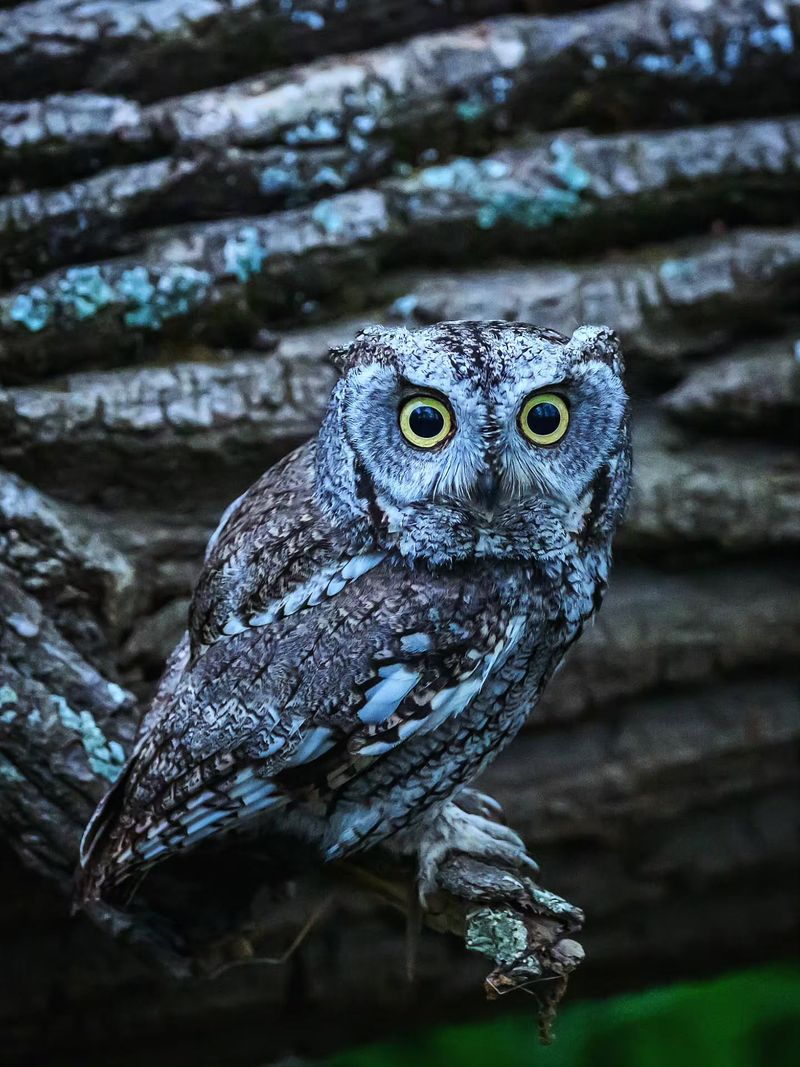
Seeing an owl swoop through your yard after dark can look dramatic, but there is nothing to fear. Nighttime is simply when these birds do their best work. They are on the clock, searching for their next meal.
Screech owls have amazing eyesight and hearing that let them find tiny movements in the dark. A rustle in the leaves or a scurry across the mulch is all it takes to grab their attention. They perch, watch, and then glide down silently.
Their feathers are built for quiet flight, so prey never hears them coming. That silent approach makes them incredibly good hunters. It also means you might not even notice one gliding right over your flower beds.
An owl visiting your garden is not there to cause trouble. It has no interest in your plants, vegetables, or pets that are properly sized and supervised. Its focus stays locked on small critters like mice and bugs.
So if you spot one at night, you are simply watching nature in action. The owl treats your yard like a hunting ground, which actually benefits your garden in the long run.
Rather than shooing it away, try enjoying the show from a window. These moments give you a rare peek into wildlife behavior that most people never see up close.
The next time an owl drops in for a hunt, you can relax knowing it is just doing its nightly job around your peaceful garden.
4. Your Garden May Have Healthy Habitat
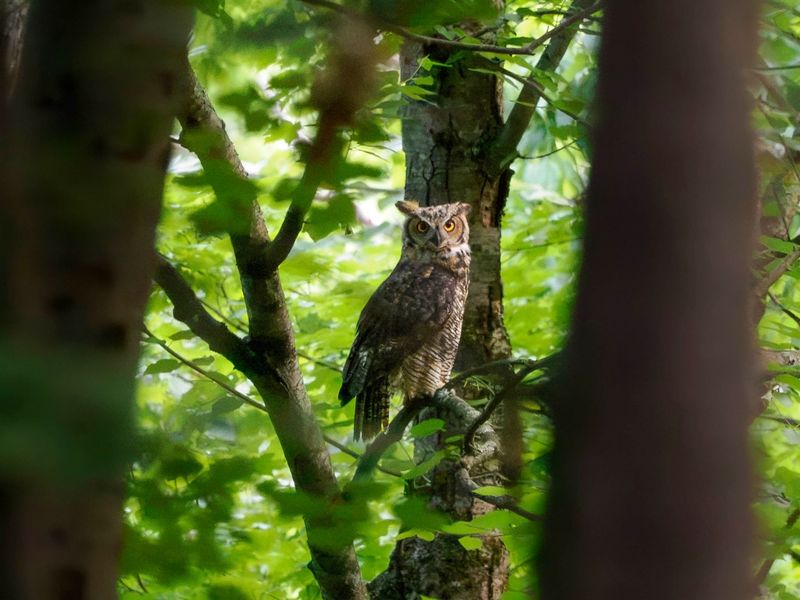
A screech owl checking out your yard says a lot about the space you have created. These birds gravitate toward areas that feel wild and balanced. A yard with variety often becomes their favorite hangout.
Mixing tall trees, low shrubs, and open patches of lawn creates layers that different creatures enjoy. Insects hide in the plants, small animals scamper across the ground, and owls perch above it all. Each layer plays a part in the bigger picture.
Native plants make the setup even better because they attract the local bugs and animals owls hunt. When your landscape mirrors the natural surroundings of North Carolina, wildlife feels right at home.
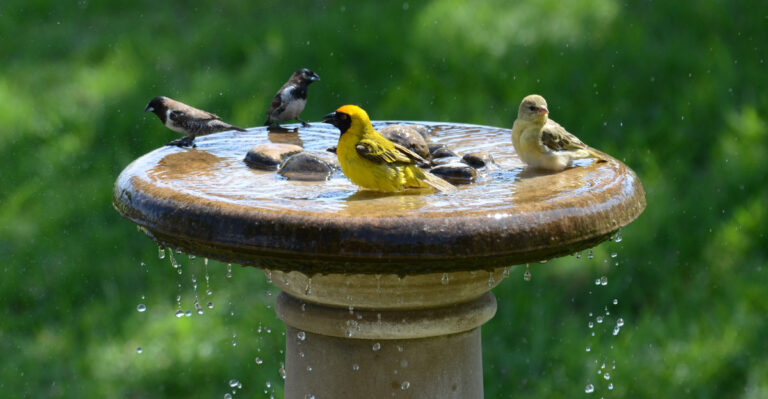
The owl notices that comfort instantly. Water sources like birdbaths or small ponds add another draw. They pull in frogs, insects, and other small visitors that round out the food web.
More life below means more reasons for owls to stick around. Even a slightly messy corner with fallen leaves or a brush pile helps. Those spots shelter the tiny creatures that keep the whole system running.
A perfectly tidy yard often has less to offer wildlife. The presence of an owl suggests your garden supports a thriving little ecosystem. That kind of balance takes time and care to build, so give yourself credit.
By keeping a mix of plants and natural features, you invite not just owls but butterflies, songbirds, and helpful insects too, making your garden a lively haven year-round for all kinds of visitors.
5. It Helps Control Rodents
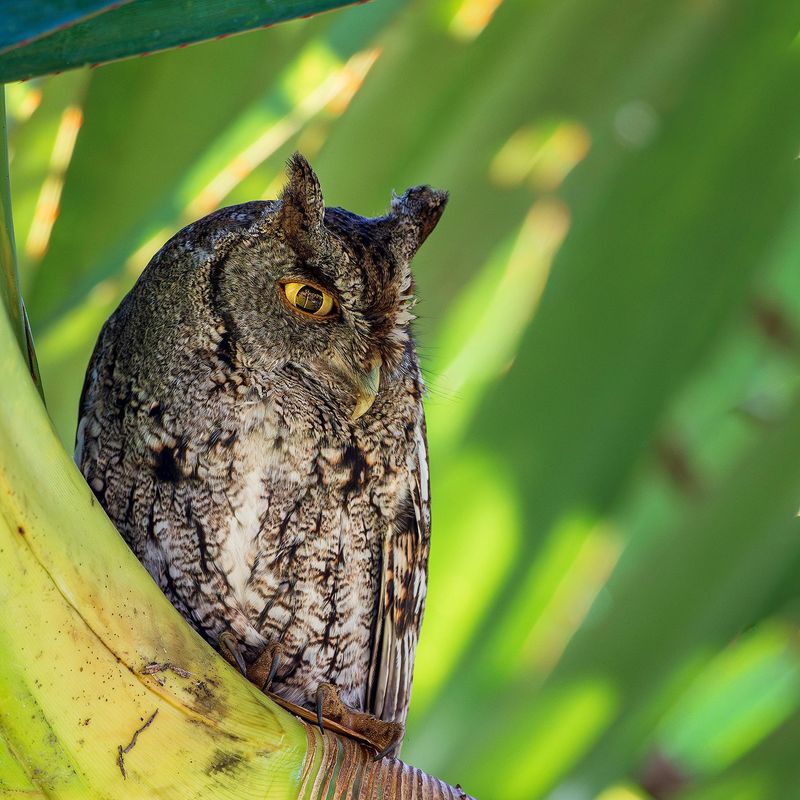
If mice have ever nibbled your seeds or made messes in your shed, an owl might become your favorite helper. These birds are natural pest managers with a big appetite for rodents.
One owl can handle a surprising number in a single season. Screech owls hunt mice, voles, and other small animals that often trouble gardeners. Instead of setting traps or spreading chemicals, you get free, quiet assistance from the sky.
The owl does the work simply by living nearby. A family of owls raising chicks eats even more, since hungry babies need constant feeding. That means your yard gets extra protection during nesting season.
Fewer rodents can mean healthier plants and fewer chewed roots. Rodents also carry ticks and spread messes, so keeping their numbers low helps in many ways. The owl naturally trims the population without any effort from you.
It is one of the best partnerships nature offers. You can support this teamwork by skipping rodent poisons entirely. Those products can harm the very owls that keep pests in check, since poisoned prey passes the danger up the food chain.
Letting owls do the job keeps everyone safer. Welcoming these birds turns your garden into a self-balancing space. The more you rely on natural helpers, the less you need store-bought fixes.
Over time, a resident owl can save you money, protect your plants, and keep rodent troubles from ever getting out of hand around your peaceful garden beds.
6. The Sound Is Not A Bad Sign
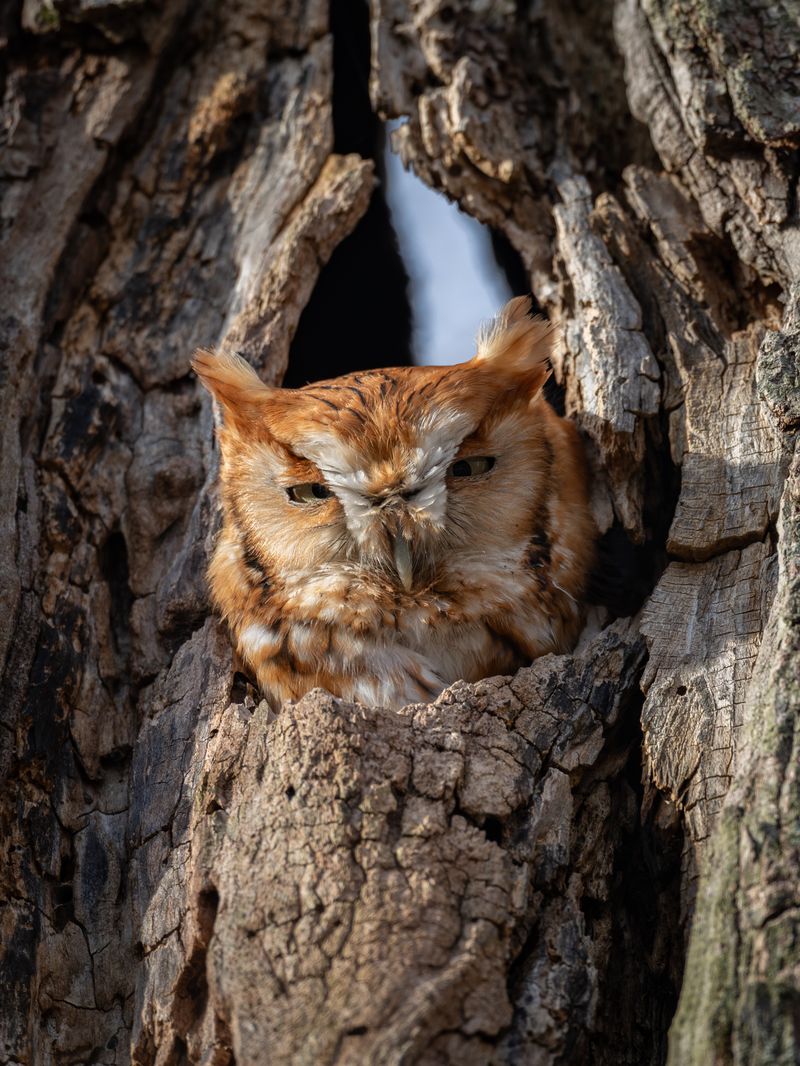
The trembling, whinny-like call of a screech owl can send shivers down your spine at first. Old stories often paint these sounds as spooky warnings. In reality, the calls are just everyday owl chatter.
Screech owls use their voices to talk with mates and mark their territory. That eerie trill simply tells other owls where the boundaries lie. It is their way of saying this patch of yard belongs to them.
You might hear soft trills, sharp whinnies, or gentle hoots depending on the situation. Each sound carries a different message, much like people using different tones when they speak.
None of it points to anything gloomy. During nesting season, pairs call back and forth to stay connected. Young owls also make begging sounds when they want food from their parents.
All of this noise means a healthy, active owl family is nearby. Rather than a bad omen, these calls signal that your yard supports wildlife. Many cultures once misunderstood owls, but modern science shows they are helpful neighbors.
Their voices are simply part of the natural nighttime soundtrack. Fun fact: despite their name, screech owls rarely screech. Their most famous call is actually a soft, horse-like whinny that many people find soothing once they know what it is.
So the next time you hear that mysterious trill drifting through the dark, smile instead of worrying. It means an owl feels safe and settled close to your home, adding a wild and wonderful voice to your evenings.
7. Avoid Removing Its Habitat
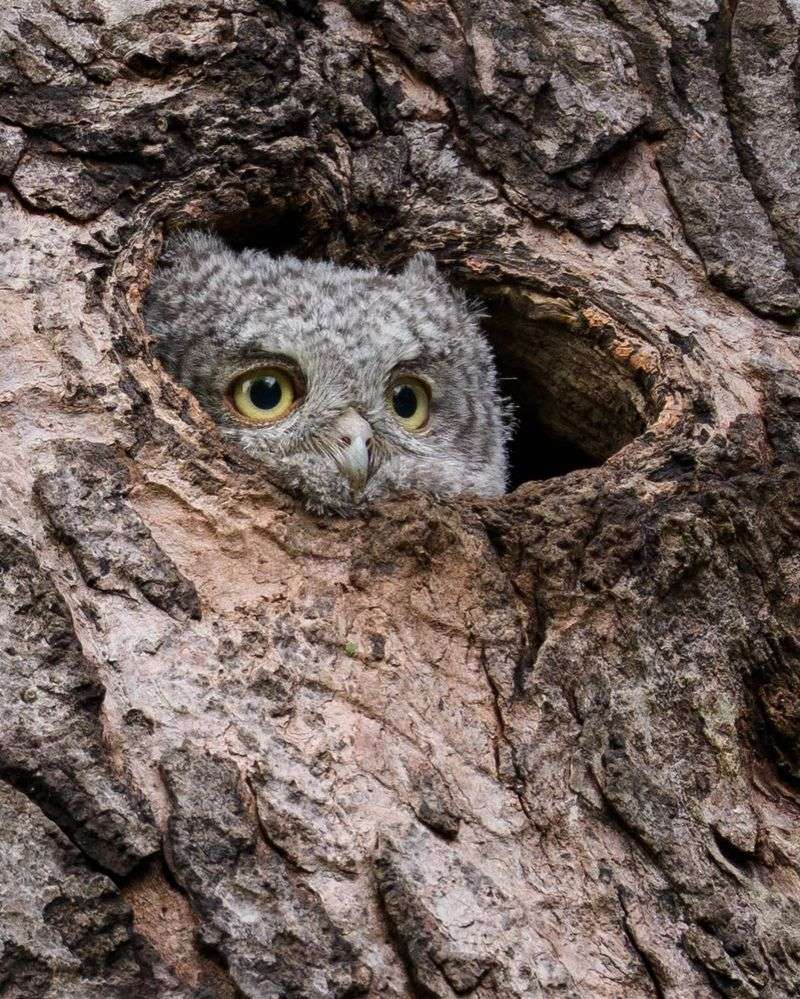
It can be tempting to clear out old trees or tidy up every wild corner of your yard. Before you grab the saw, remember that those spaces are owl gold.
Removing them can send your feathered helpers packing. Mature trees hold the hollows and cavities owls need for resting and nesting. Once a big tree comes down, those safe spaces vanish, and owls lose their homes.
Growing replacements can take many decades. Natural areas filled with shrubs, leaf litter, and brush also matter more than they look. They shelter the insects and small animals owls hunt each night.
Clearing everything leaves the birds with nowhere to find food. You do not have to let your whole yard go wild to help. Keeping a few tall trees and one or two untouched corners makes a real difference.
Small choices add up to a welcoming space. If a hollow tree seems risky near your house, consider trimming carefully instead of cutting it fully. An arborist can help you keep the cavity while staying safe.
That way, both you and the owls win. Adding a nest box is another great option when natural cavities are limited. It gives owls a backup home and helps replace anything lost to storms or construction.
Protecting these features keeps owls returning year after year. By valuing the wild parts of your property, you help maintain a home for beneficial birds while enjoying the quiet beauty they bring to your garden every single night.
8. Welcome Them Safely
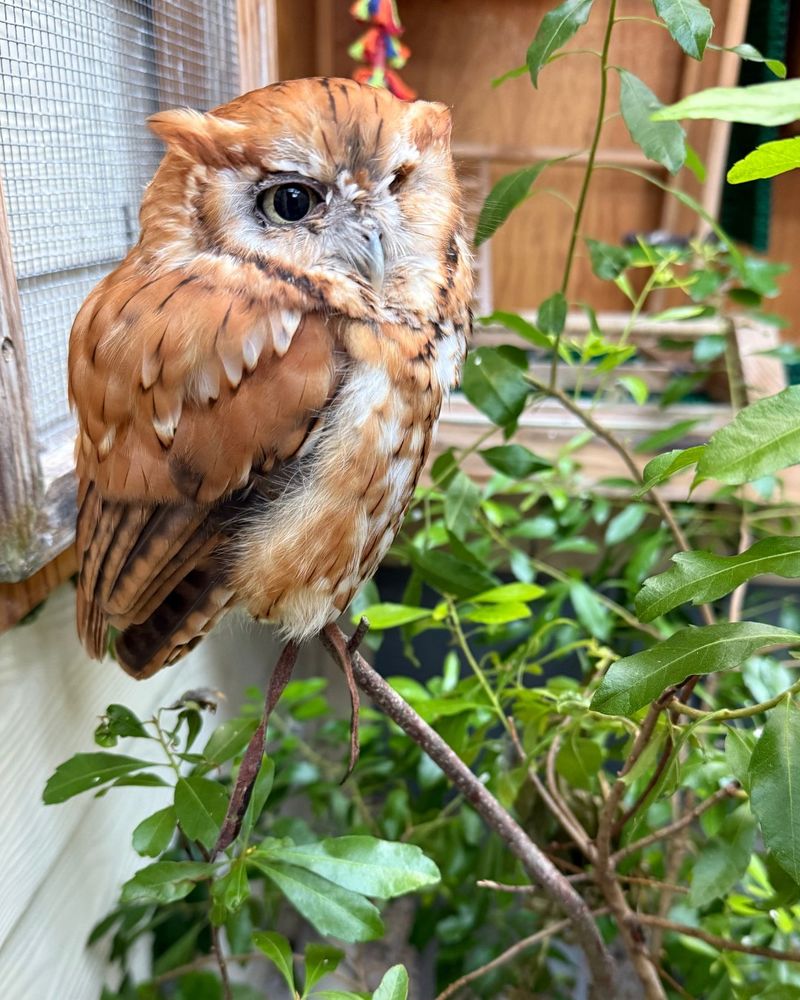
Rolling out the welcome mat for owls is easier than most people think. A few simple habits can turn your garden into a safe haven.
The birds will reward you with pest control and nightly entertainment. Skipping rodent poisons is the single most important step you can take. When owls eat prey that has swallowed these chemicals, the poison harms them too.
Choosing natural methods keeps the whole food chain healthy. Instead of chemicals, rely on the owls themselves plus a few traps if needed. Letting nature handle the pests protects your helpful hunters.
Your garden stays balanced without hidden dangers. Putting up a nest box gives owls a cozy place to settle and raise chicks. Mount it on a pole or tree about ten to twelve feet high, facing away from strong wind.
A little research helps you pick the right size. Leaving some natural cover, like shrubs and leaf piles, keeps prey around for the owls. A yard with wild touches feels safe and inviting to them.
Even a small brush pile can make a difference. Cutting down on bright outdoor lights at night also helps owls hunt more comfortably. Softer lighting keeps their world dark and quiet the way they like it.
Supporting these birds means you gain a quiet partner in caring for your garden. With a few thoughtful choices, you create a space where owls thrive and your plants flourish, building a friendly bond between your family and the wildlife next door.