Stop Ignoring These Early Signs Of Spider Mites On Arizona Tomatoes
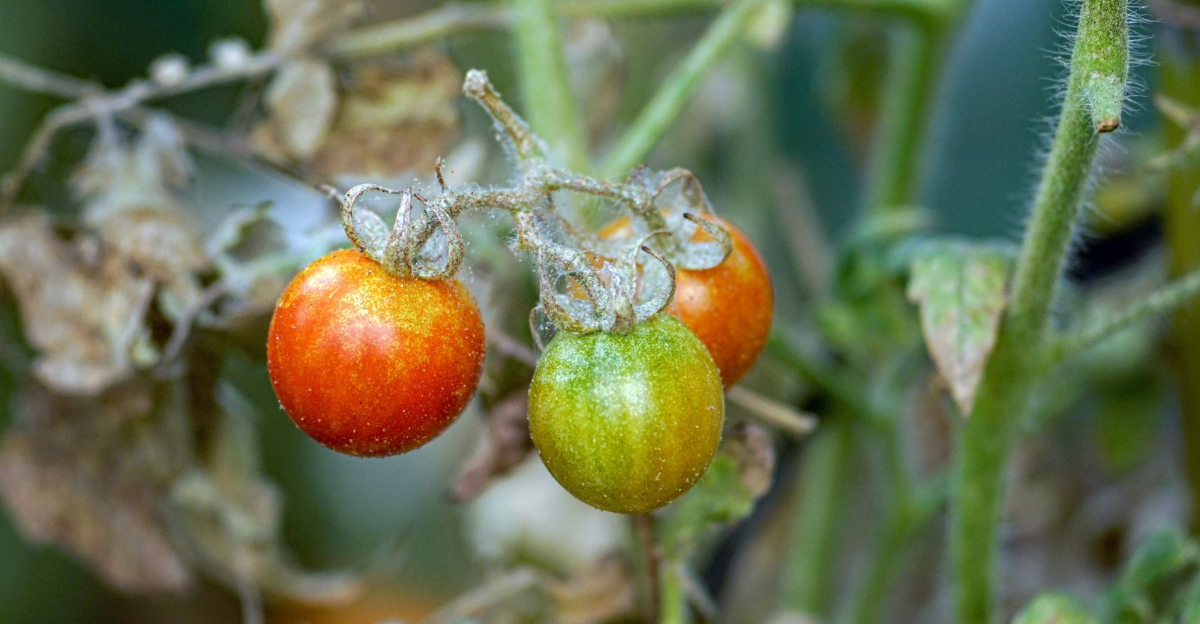
Arizona tomato growing is already a exercise in patience and timing, and spider mites are the kind of problem that shows up uninvited and makes the whole thing just a little bit harder.
The frustrating part is that these tiny arachnids are practically invisible to the naked eye, so most gardeners spend a while blaming heat stress or inconsistent watering before they figure out what’s actually going on.
And honestly, that’s a completely understandable mistake. The earliest signs of spider mite activity on tomato plants can look almost identical to ordinary summer stress symptoms in garden.
By the time things look obviously wrong, the mites have usually been at work for a while already. Hot, dry conditions are basically their ideal environment, and Arizona summers deliver exactly that for months at a time.
Knowing what to look for early changes everything.
1. Fine White Or Yellow Stippling Across Tomato Leaves
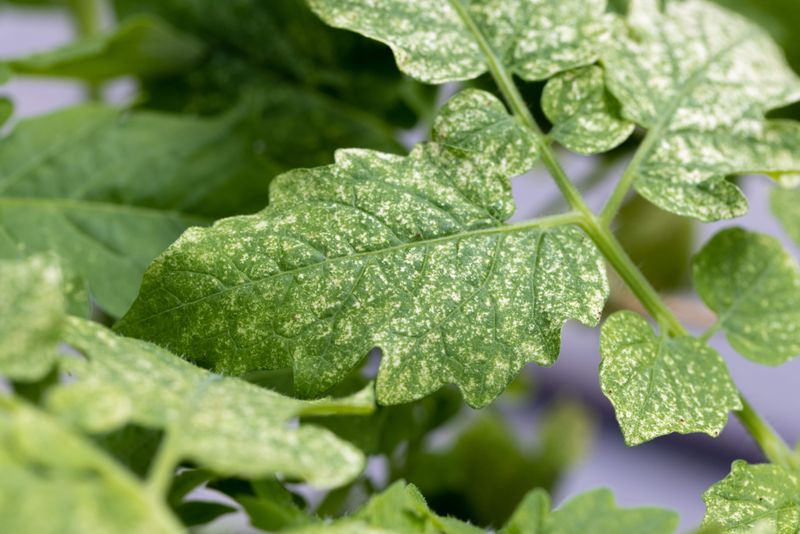
Hold a tomato leaf up to the bright Arizona summer sun and look closely at the surface. You might notice what appears to be a scattering of tiny pale dots, almost like someone flicked a fine paintbrush across the leaf.
That speckled pattern is called stippling, and it develops when spider mites pierce individual plant cells and feed on the contents.
Each tiny feeding puncture leaves behind a small white, pale yellow, or silvery spot. As mites feed across the leaf surface, these spots multiply and create that distinctive speckled look.
Early stippling can be subtle and easy to miss when you are viewing the plant from a normal standing distance, so getting close and examining the leaves carefully is worth the effort.
Spotting stippling alone does not confirm a spider mite problem, since other pests and even certain environmental stressors can produce somewhat similar spotting. Look at both the top and bottom surfaces of the leaf.
If stippling is present alongside tiny moving mites, fine webbing, or dark specks on the leaf undersides, the identification becomes much more convincing.
Checking multiple leaves from different parts of your Arizona tomato plant gives you a more complete picture than relying on a single damaged leaf, so take a few minutes to inspect thoroughly before drawing any conclusions.
2. A Dull Or Dusty Look Developing Across The Foliage
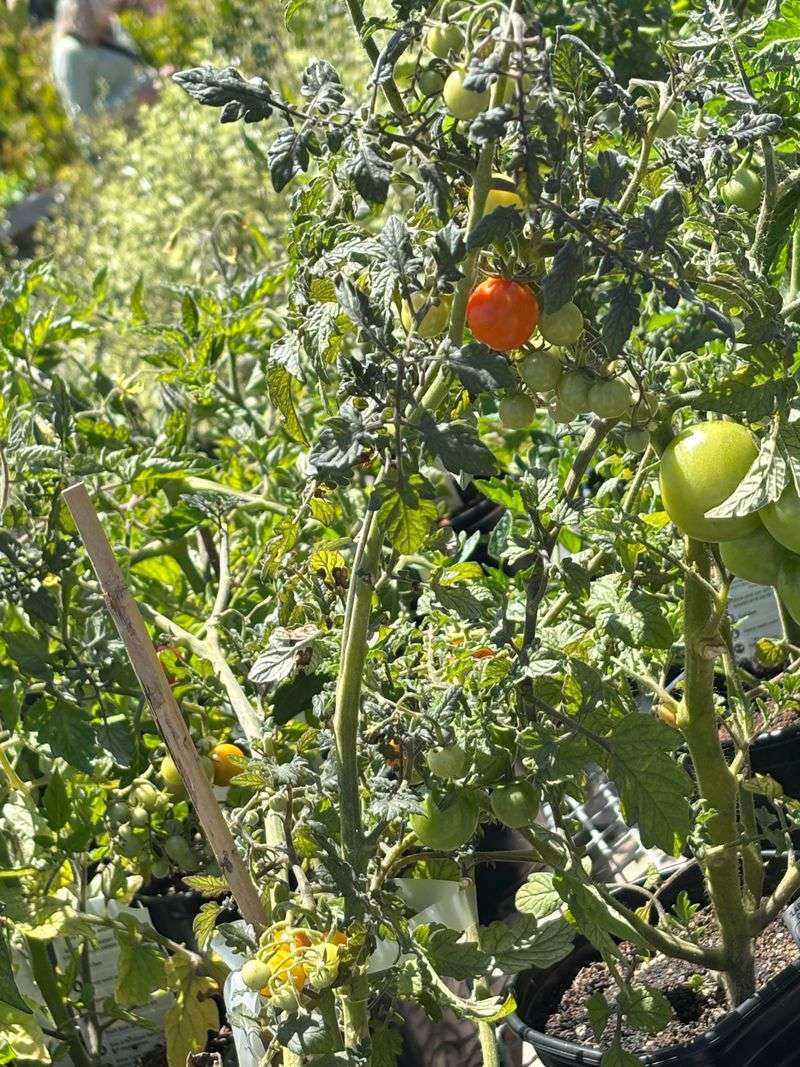
Healthy tomato plants in an Arizona garden usually have foliage with a fairly consistent green color and a certain freshness to the look of the leaves.
When that healthy appearance starts to fade and the foliage begins to look dull, muted, or almost dusty, it is worth taking a closer look rather than assuming the plant is just struggling with the heat.
Spider mite feeding can cause affected foliage to lose its normal vibrant look over time. As more and more cells are damaged across the leaf surface, the overall appearance of the plant can shift from healthy green to something that looks washed out or flat.
This dullness is different from actual dust or dirt that might settle on leaves near a dry soil surface, so it helps to gently wipe a small section of the leaf and see whether the discoloration remains.
Your Arizona Garden Changes Every Week. Your Plan Should Too.
Gardening in Arizona changes quickly throughout the season. Every Friday you’ll receive a simple weekly plan showing exactly what to plant, prune, fertilize, harvest, and protect so you never miss the right timing.
Before assuming mites are responsible, inspect both surfaces of the affected leaves carefully.
Arizona tomatoes can develop a tired, dull appearance for several reasons, including high temperatures, salt buildup in the soil, nutrient deficiencies, and irrigation problems.
A dull look paired with stippling and signs of mite activity on the leaf undersides is far more informative than foliage color alone.
Take your time during the inspection and look at leaves from several areas of the plant rather than just the most visibly affected section.
3. Tiny Moving Mites On The Undersides Of Leaves
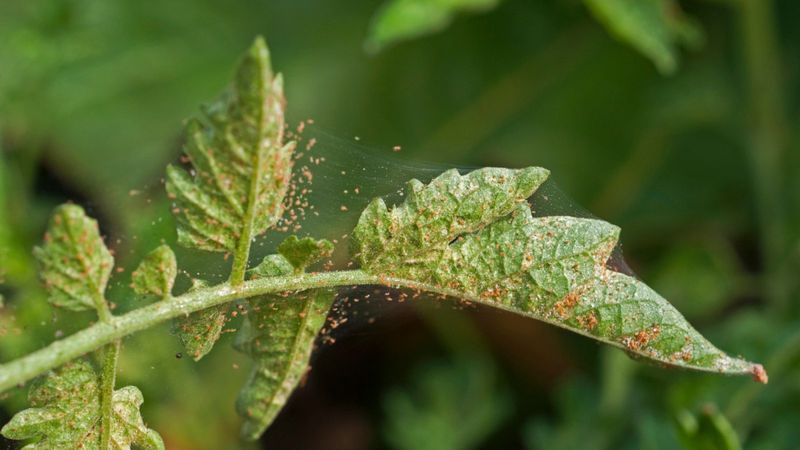
Turning a tomato leaf over during a garden inspection can reveal a world that is invisible from above.
Spider mites commonly feed and form colonies on the undersides of leaves, which is one reason their presence can go unnoticed for longer than many gardeners expect.
The leaf underside provides some shelter from direct sun and wind, making it a preferred location for mite activity.
The mites themselves are extremely small, and spotting them with the naked eye takes patience and good lighting. A hand lens or magnifying glass makes the task much easier and can reveal tiny, slow-moving specks that would otherwise blend into the leaf surface.
Looking for movement is key, since mites that are actively feeding or moving across the leaf surface are much easier to distinguish from the leaf texture itself.
Not every spider mite found on Arizona tomatoes belongs to the same species, so avoid making firm species-specific conclusions based on appearance alone without proper identification support.
What matters most for early detection is confirming that living mites are present alongside other signs of feeding damage.
If you are unsure whether what you are seeing is actually a mite, the white-paper test described later in this article can help.
Checking leaf undersides on multiple leaves from different parts of the plant gives you a clearer sense of whether mite activity is limited or more widespread across your tomato.
4. Small Dark Specks Among Mites Beneath The Leaves
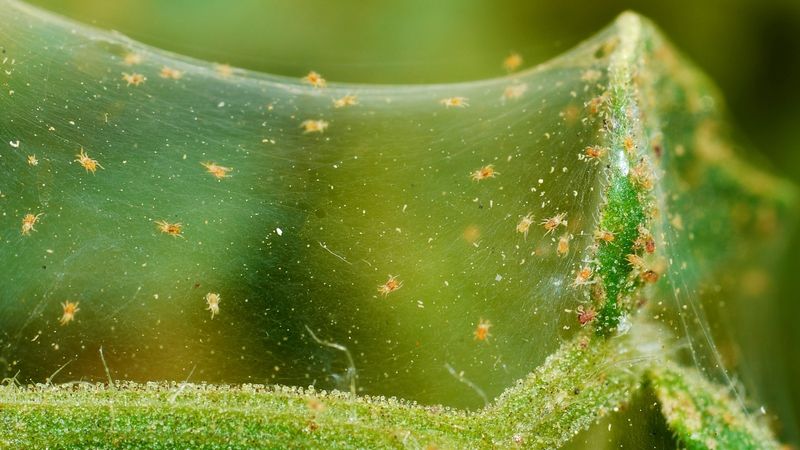
When examining the underside of a tomato leaf with a hand lens, you might notice something beyond the mites themselves. Scattered among an active mite colony, tiny dark specks can sometimes appear on the leaf surface.
These small dark particles are worth noting as a secondary detail during your inspection, though they should not be treated as a standalone sign of spider mite activity.
Dark specks on leaf undersides can have several explanations unrelated to mites, so context matters a great deal here.
The presence of dark material becomes more meaningful when it appears alongside visible mites, characteristic stippling on the upper leaf surface, and possibly fine webbing nearby.
Looking at the full picture rather than focusing on one detail makes your assessment much more reliable.
Arizona gardeners sometimes discover these dark specks while inspecting plants that have already shown other symptoms, such as dull foliage or scattered pale spots on the upper leaf surface.
At that point, the specks can help confirm that something is actively happening on the leaf rather than suggesting the damage is old or inactive.
Keep in mind that mite populations can build up surprisingly quickly during Arizona’s hot, dry summer stretches, so any combination of signs deserves a thorough follow-up inspection rather than a quick glance.
Checking several leaves from different parts of the plant will help you understand how widespread the situation has become before deciding on next steps.
5. Fine Webbing Beginning To Appear Under The Foliage
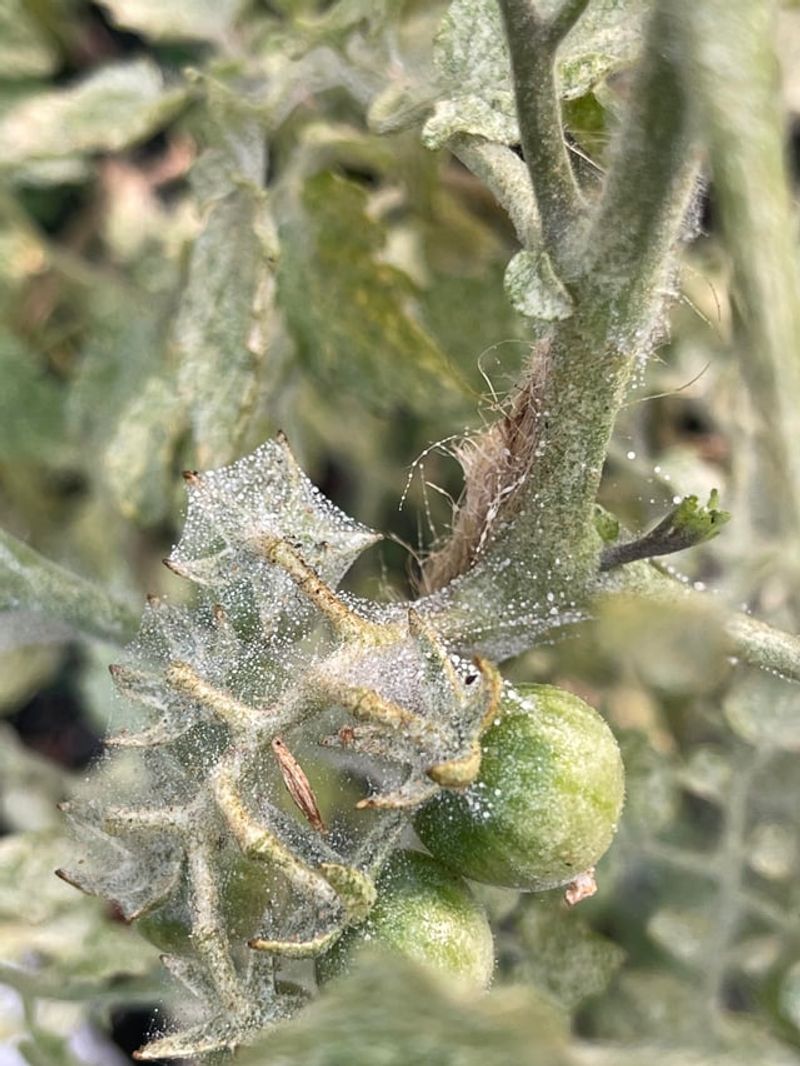
Webbing near the leaf veins or along the stem of a tomato plant is one of the more recognizable signs that a mite population has been active for some time.
Spider mites produce fine silk as they move and feed, and as their numbers increase, that silk can accumulate into visible webbing that coats the underside of leaves, bridges across leaf edges, or collects near the point where a leaf meets the stem.
Noticing webbing on your Arizona tomatoes does not necessarily mean the situation has become severe, but it does suggest that mite activity has been ongoing long enough to leave a visible silk deposit.
Early webbing can be quite fine and easy to overlook, especially in bright outdoor light.
Running a fingertip gently across the leaf underside or the stem junction can sometimes help you feel the silky texture before it becomes visually obvious.
The absence of obvious webbing does not rule out an early mite infestation. Mites can be actively feeding and causing stippling without having produced noticeable webbing yet, particularly in the earliest stages.
However, once webbing becomes clearly visible, it is a strong indicator that the population has grown beyond its initial stages.
Combining the presence of webbing with confirmed mite sightings and feeding damage on multiple leaves gives Arizona tomato gardeners the clearest possible picture of what they are dealing with before taking any action.
6. Tiny Moving Specks Falling Onto White Paper
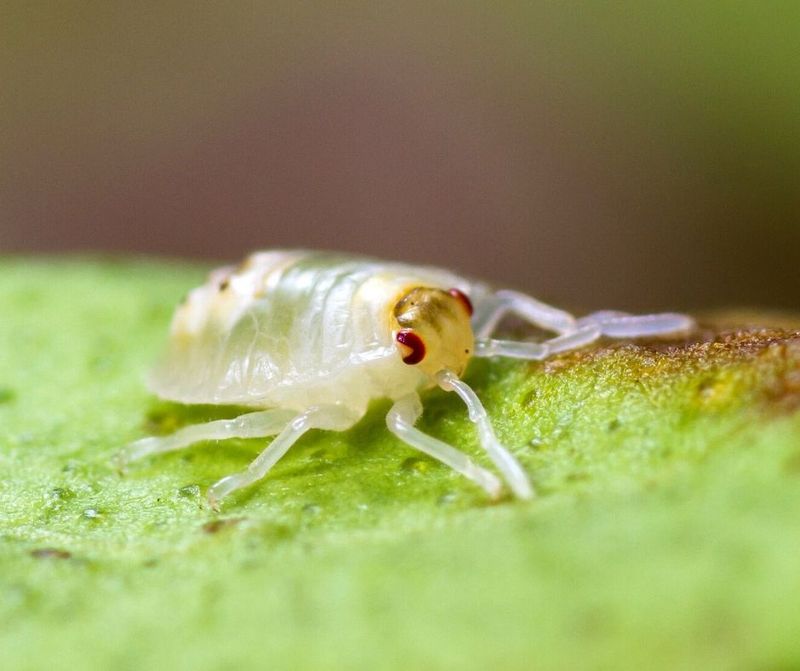
One of the most practical ways to check for spider mites on Arizona tomatoes requires nothing more than a sheet of white paper. Hold the paper beneath a branch or cluster of leaves that looks suspicious, then give the foliage a gentle tap or shake.
Watch the paper surface closely for a few seconds after the tap.
Tiny mites that fall from the plant will appear as small moving specks against the white background. Movement is the key detail here, because dust, pollen, and loose plant debris will also fall onto the paper but will not move on their own.
If you see specks walking across the paper surface, that is a strong indication that living mites are present on your tomato plant. A magnifying glass can help you get a clearer look at what fell, especially if the specks are very small.
This test works best when you check multiple areas of the plant rather than just one or two leaves. Mite populations can be unevenly distributed across a tomato plant, so a single test on one branch might not reflect what is happening on the rest of the plant.
Arizona gardeners can use this method during routine summer inspections even before visible symptoms appear, making it a useful habit during the hottest and driest stretches of the growing season when mite pressure can increase more quickly.
Always combine the results with a close look at the leaf undersides for the most reliable assessment.
7. Yellowing Beginning Around Previously Stippled Areas
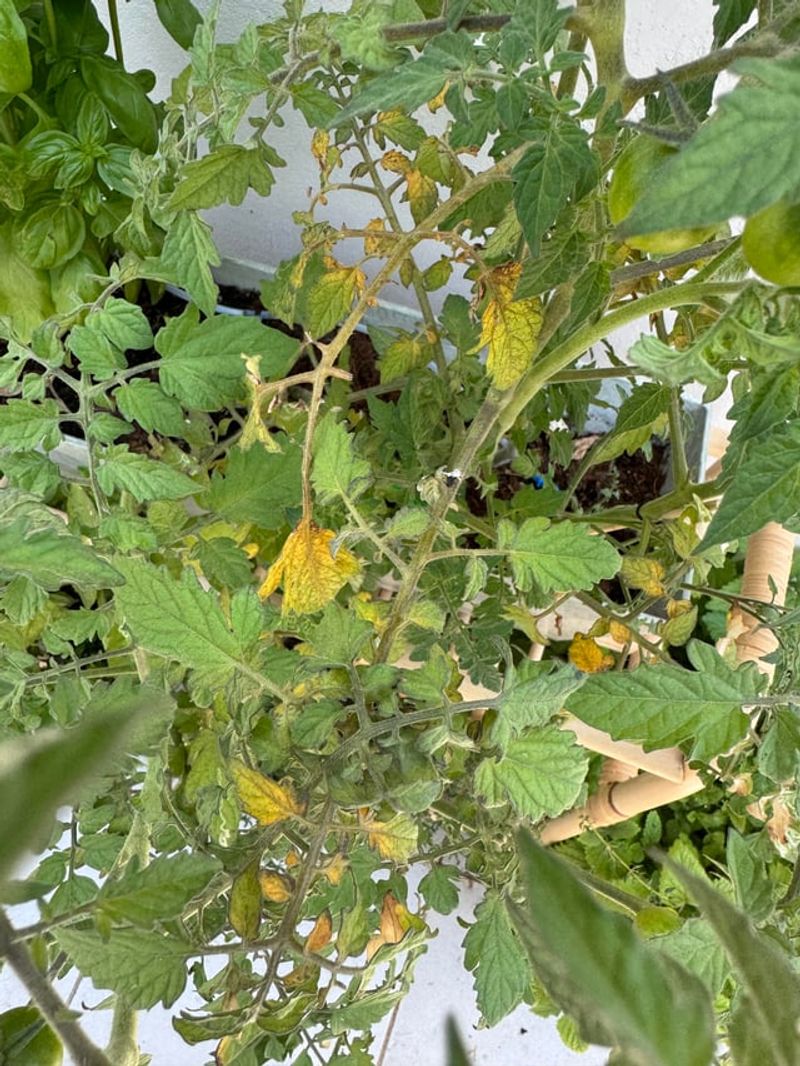
When mite feeding continues on a tomato leaf over time, the fine stippling that appeared first can begin to expand into broader areas of yellowing.
What started as scattered pale dots may gradually develop into patches where the leaf color has shifted from green to a washed-out yellow.
Seeing this kind of progression is a signal that feeding damage has been accumulating rather than improving.
Yellowing on Arizona tomato leaves is not a symptom specific to spider mites. High temperatures, inconsistent irrigation, nutrient shortages, salt accumulation in the soil, and various diseases can all cause tomato foliage to turn yellow.
Relying on leaf color alone to diagnose a mite problem puts you at risk of treating the wrong issue entirely, which wastes time and resources and may not help your plant at all.
The most useful approach is to inspect the undersides of yellowing leaves carefully, looking for active mites, fine webbing, or dark specks that would strengthen the case for mite involvement.
Performing the white-paper test on branches near the yellowing foliage can also help confirm whether living mites are present.
If the yellowing appears on leaves that also show stippling and mite activity, the connection becomes much clearer.
Checking several affected leaves from different parts of the plant rather than drawing conclusions from a single yellowed leaf gives Arizona gardeners the most accurate starting point for deciding what to do next.
8. Early Bronzing Appearing As Feeding Damage Expands
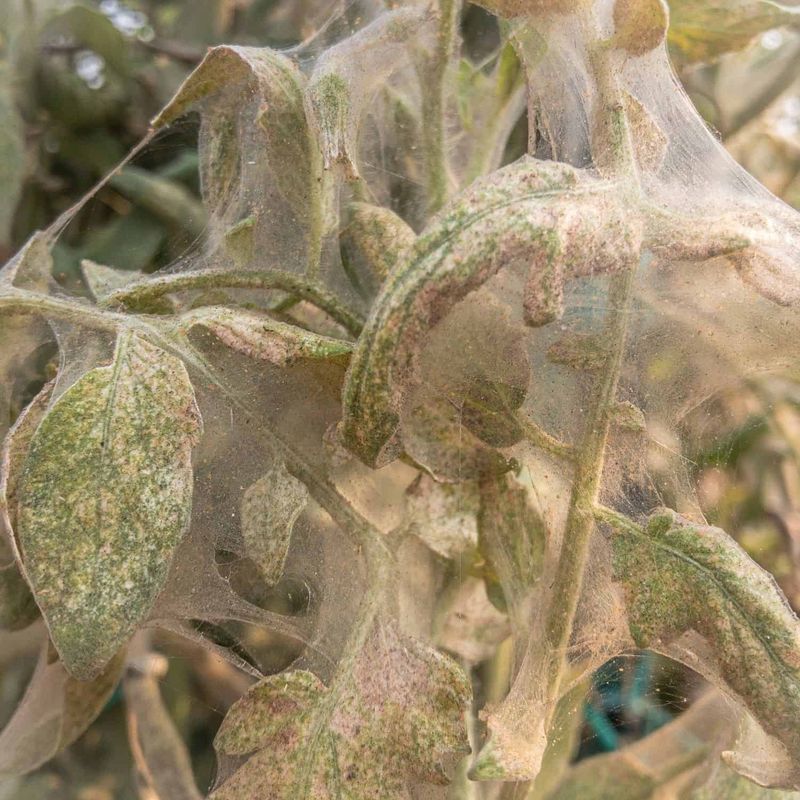
Formerly green tomato foliage that begins to take on a bronze, reddish, or bleached tone is showing a sign that feeding injury may have progressed beyond the earliest stage.
Bronzing tends to develop after stippling has already been present for some time, as the accumulated cell damage across a leaf surface starts to affect larger areas of tissue rather than just individual puncture spots.
Seeing this kind of color change on your Arizona tomatoes during a hot summer stretch should prompt a closer inspection rather than an immediate treatment decision.
Other forms of summer stress, including intense heat, water fluctuations, and certain nutrient issues, can also cause tomato foliage to look bronze or off-color.
Bronzing by itself is not a reliable confirmation of spider mites without supporting evidence from a closer look at the plant.
Inspect the undersides of bronzing leaves for mites, webbing, and associated stippling, and use the white-paper test on nearby foliage to check for active mite movement.
When bronzing is confirmed alongside living mites and other feeding signs, it suggests the situation has been developing for a while and may benefit from a more focused response.
University of Arizona and comparable IPM resources recommend confirming active mite populations before pursuing any management steps, since treating a plant for the wrong problem can sometimes disrupt the natural predators that help keep mite populations from expanding further in gardens.