What It Means When A Woodchuck Makes A Home Under Your Michigan Porch

A woodchuck under a porch is usually seeking a secure burrow site for shelter. If it remains there into colder months, the burrow may become its winter den.
These animals dig extensive burrow systems with multiple entrances and chambers, and a porch’s solid overhead structure combined with loose soil underneath makes it an especially attractive site to start digging.
Once established, a woodchuck can cause real damage to a porch’s foundation or supporting structure over time as its burrow system expands.
Because these animals are creatures of habit, an occupied burrow often gets used again in future years unless the site is made unappealing or properly sealed off.
Recognizing the signs of a woodchuck moving in early makes it much easier to address the situation before the burrow becomes more established.
1. Your Porch Looks Like A Safe Shelter
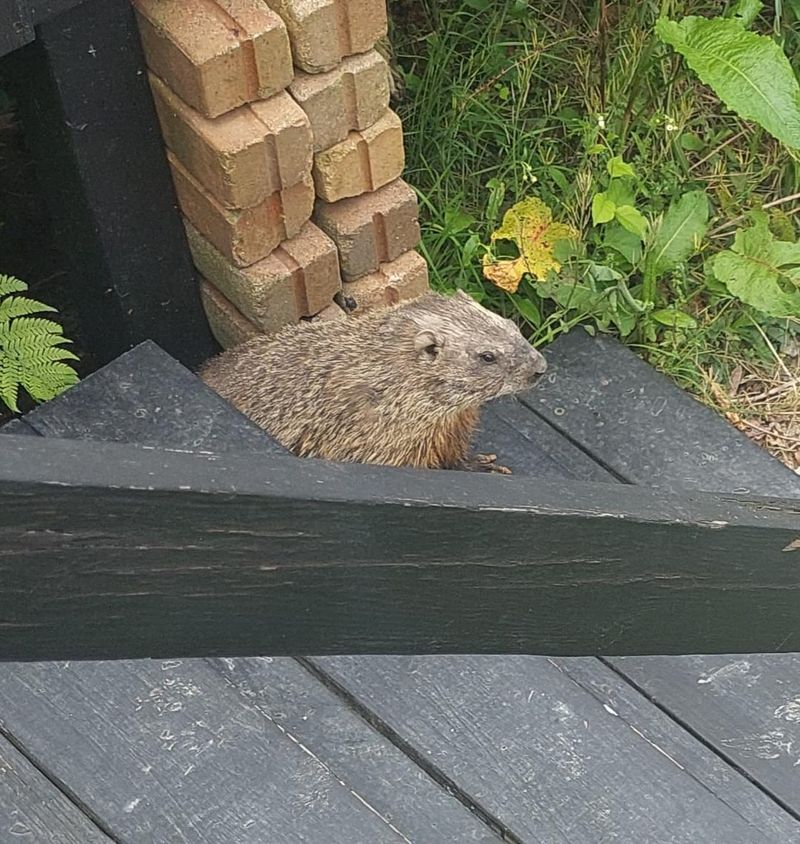
Picture a woodchuck scanning your yard for the coziest, safest spot it can find. The dark, hidden space under your porch checks every box. It stays shaded, dry, and tucked away from busy paws and prying eyes.
Woodchucks want protection more than anything else. A porch, deck, or shed gives them solid cover from hawks, foxes, and other animals that might chase them.
The roof over their heads also blocks rain, wind, and the hot summer sun, so the space stays comfortable through changing weather.
Quiet matters too. Places under structures usually see less foot traffic than open lawns or garden beds. That calm makes a woodchuck feel secure enough to stay a while and treat your porch like home base.
The ground underneath often helps as well. Soil beneath a porch tends to stay loose and easy to dig, which is exactly what a burrowing animal loves.
Add in nearby grass or a vegetable patch for snacks, and your property becomes a five-star spot in woodchuck eyes.
Understanding this can actually ease your worry. The woodchuck did not pick your porch to bother you. It simply followed its instincts toward safety and shelter.
Once you know what draws them in, you can start thinking about ways to make the space less inviting. Removing that sense of easy protection is the first real step toward encouraging a woodchuck to move along and find a new place elsewhere.
2. The Burrow May Be More Than A Small Hiding Spot
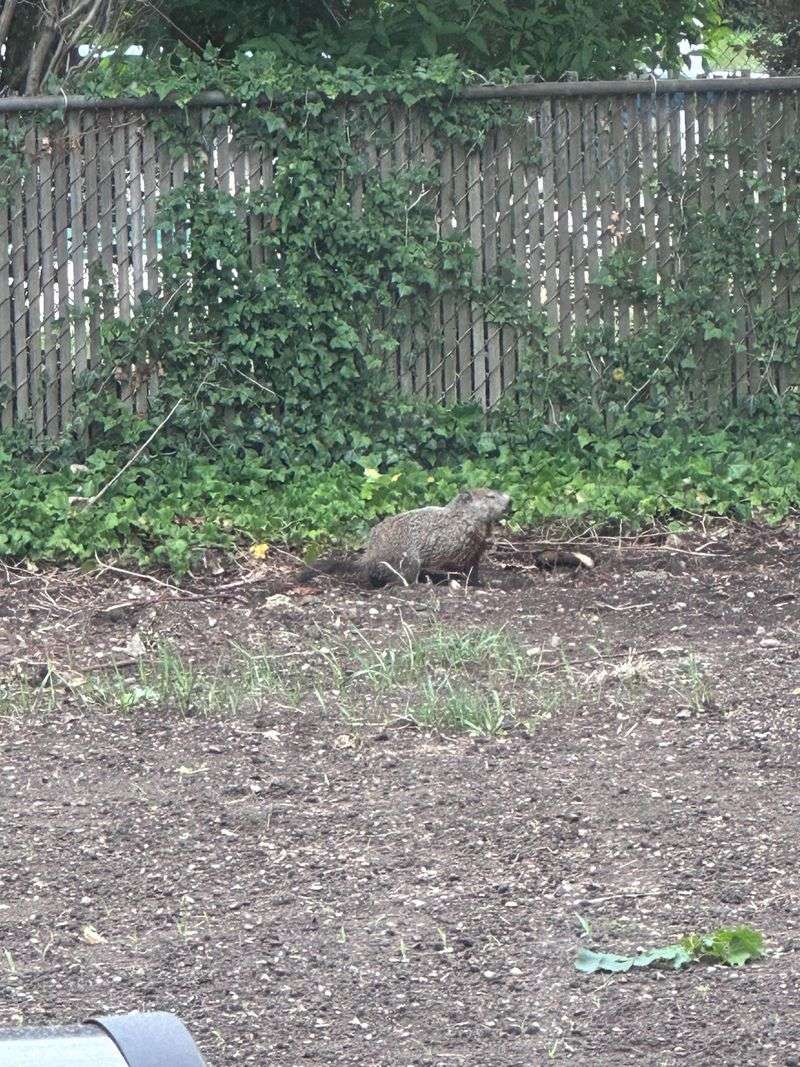
Do not let a single small hole fool you. That little opening under your porch could be the doorway to a surprisingly large underground world. Woodchucks are expert diggers, and their burrows often stretch much farther than people ever guess.
A typical burrow can run many feet long and dip several feet deep. Inside, there are usually separate rooms for sleeping, resting, and even a spot used as a bathroom. The animal keeps these chambers neat and organized in its own way.
Most burrows come with more than one entrance. A main hole handles everyday coming and going, while hidden escape holes let the woodchuck slip away fast if something scary shows up. You might spot a fresh pile of dirt near the busiest entrance.
Your Michigan Garden Changes Every Week. Your Plan Should Too.
Gardening in Michigan changes quickly throughout the season. Every Friday you’ll receive a simple weekly plan showing exactly what to plant, prune, fertilize, harvest, and protect so you never miss the right timing.
This matters for your porch because all that tunneling moves a lot of soil. What starts as one small hole can quietly grow into a network winding beneath boards, steps, and support posts.
Homeowners often feel shocked when they realize how far the digging reaches. A den that looks tiny from above may spread under a wide section of the porch and beyond.
Knowing the true size of a burrow helps you plan better. Before you try to fix or seal anything, you need to understand you are dealing with a full system, not just a pocket in the dirt.
Take a good look around your porch for extra openings. Spotting every entrance gives you a clearer picture of just how settled your new tenant has become underground.
3. They May Be Looking For A Place To Rest Or Raise Young

Spring often brings a special kind of houseguest. When a woodchuck settles under your porch during warmer months, there is a good chance it plans to raise a family there. That quiet, protected space makes an ideal nursery.
Woodchucks use burrows for far more than a quick nap. They sleep, hide, and stay warm inside these dens all year. During the cold season, they slow way down and rest deeply underground until spring wakes them up again.
Once the weather warms, activity picks up fast. Females often give birth in late spring, and the young stay tucked in the burrow for several weeks before they start peeking out.
You might notice more movement around the entrance as the season goes on. Baby woodchucks are curious and playful. As they grow, you may see them nibbling grass near the porch or scampering around the yard while mom keeps watch nearby.
This is why timing matters so much. If young ones are still inside, sealing the burrow would be a serious problem, since they cannot leave on their own yet.
Watching for signs of a family helps you make kind choices. A little patience during the busy season lets the young grow up and leave naturally.
By late summer, the young usually strike out to find their own homes. Waiting for that moment gives everyone a fair chance and makes your next steps much easier to handle without harming any animals.
4. Woodchucks Can Damage Garden Plants

If your lettuce keeps vanishing overnight, a woodchuck might be the hungry culprit. These animals are plant eaters through and through, and a garden near their den looks like an open buffet.
Woodchucks munch on grasses, clover, and dandelions, but they truly love garden favorites. Beans, peas, lettuce, carrots, and squash often top their menu. Flowers and tender young shoots also disappear when a woodchuck is around.
Because they live so close to your porch, your beds sit right in their feeding zone. A short walk from the burrow leads straight to your plants, so they visit often and eat plenty.
The damage can add up quickly. One woodchuck eats a large amount each day, and it usually returns to the same tasty spots again and again. Rows that looked full in the morning may look bare by evening.
You might also notice flattened plants and clipped stems near ground level. Their neat, angled bites are a common clue that a woodchuck, not a bug, is doing the chewing.
Gardeners can fight back with a few smart moves. Fencing around beds, raised planters, and covers over young sprouts all make snacking harder for a determined woodchuck.
Keeping the garden tidy helps too. Picking ripe vegetables quickly gives them fewer reasons to hang around your rows.
Understanding their appetite explains a lot of mystery munching. Once you know a woodchuck sees your garden as dinner, protecting your crops becomes a top priority worth tackling right away this season.
5. Burrowing Can Affect Structures
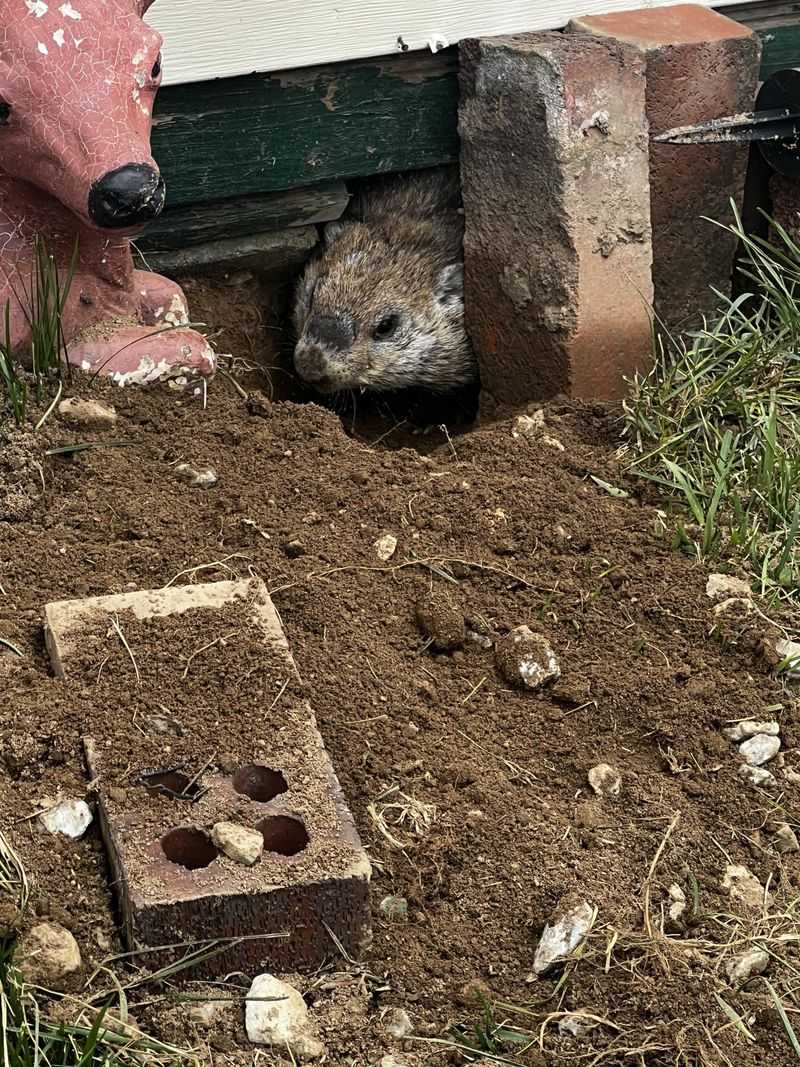
All that digging looks harmless at first, but it can cause real headaches over time. When a woodchuck tunnels near your porch, it slowly hollows out the ground that holds everything in place.
Porches, decks, and sheds rely on steady soil around their supports. As a burrow grows, it removes dirt from around posts, footings, and foundation edges. That missing soil can leave important parts with less support than they need.
Retaining walls face the same risk. Tunnels behind or beneath them can weaken the packed earth that keeps them standing firm and level.
Over months, you might spot warning signs. Steps that feel wobbly, cracks near a foundation, or slabs that seem to tilt can all point back to busy digging underneath.
The trouble grows worse with rain. Water can flow into burrow tunnels, wash away even more soil, and speed up the shifting around your structures.
This is why a woodchuck under a porch deserves attention rather than a shrug. What seems like a cute critter today could turn into costly repairs later if the digging keeps expanding.
Checking the area now and then is a smart habit. Look for new dirt piles, sinking spots, or gaps forming along the base of your porch and shed.
Catching problems early saves money and stress. A quick response, before tunnels spread too far, keeps your structures solid and gives you time to guide the woodchuck toward moving somewhere else in your yard entirely.
6. Do Not Block An Active Burrow Immediately
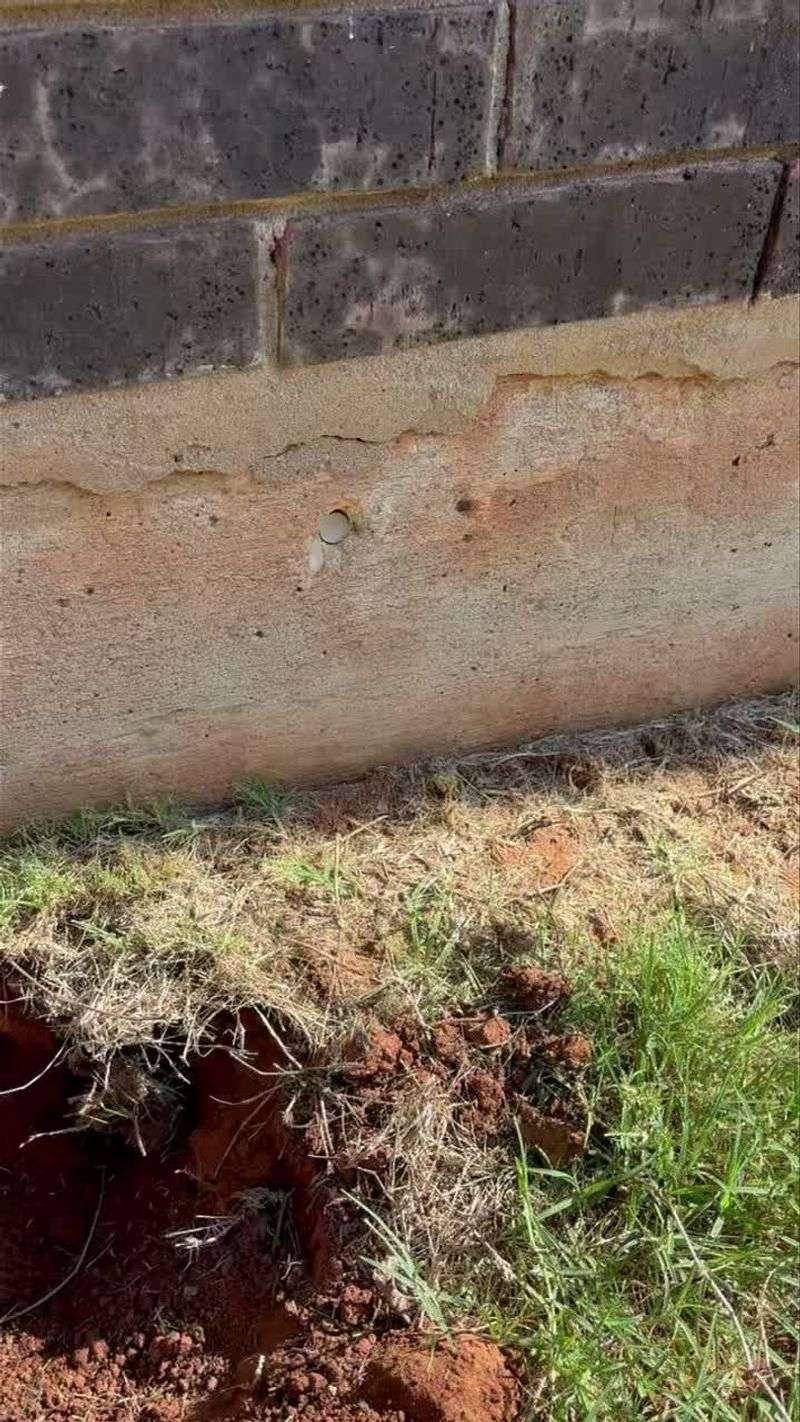
Rushing to plug that hole might feel satisfying, but hold on. Sealing an active burrow before the woodchuck leaves can trap animals inside, and that is something no kind homeowner wants.
The safest move is to make sure the burrow is empty first. During warmer months especially, young woodchucks may still be living underground and unable to get out on their own.
A simple trick helps you check. Loosely stuff the entrance with grass, leaves, or crumpled paper, then watch for a day or two. If a woodchuck is home, it will push the material aside as it comes and goes.
When the stuffing stays untouched for several days, that is a strong sign the burrow has been abandoned. Only then should you think about closing it up for good.
Patience really pays off here. Blocking too soon can cause suffering for trapped animals and often leads to bigger problems, like a frantic woodchuck digging a brand new escape route through your yard.
Timing your work for late summer or fall also helps, since young ones have usually left the den by then. That season gives you the clearest shot at an empty burrow.
Michigan homeowners have rules to follow too, so checking local wildlife guidelines is always a good idea before taking action.
Taking things slowly shows respect for the animal and protects you from a messy situation. A little waiting now leads to a clean, humane, and lasting fix later on.
7. Remove What Attracts Woodchucks
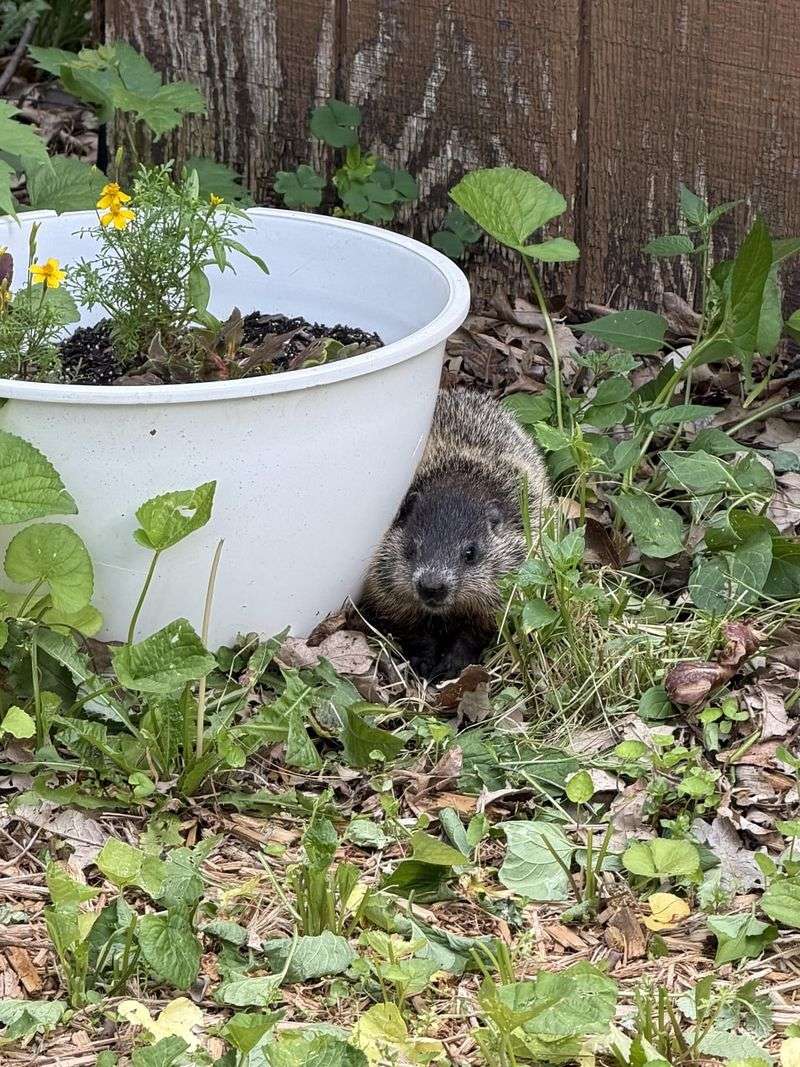
Woodchucks show up where the eating is easy, plain and simple. Cut off their free snacks, and your yard suddenly looks a lot less exciting to a hungry critter searching for a home.
Food is the biggest magnet. Fallen apples, tomato scraps, and open compost piles send out an invitation these animals cannot resist. Clearing those treats away removes a major reason for them to stick around.
Start with your fruit trees. Pick up any fruit that drops to the ground quickly, since rotting piles draw woodchucks and other visitors alike.
Your compost deserves a closer look too. Keep it in a sealed bin instead of an open heap, and skip tossing in vegetable scraps that smell like an easy meal.
Gardens need a little armor as well. Cover tender plants, use fencing around beds, and harvest ripe veggies before they sit out long enough to tempt a passing woodchuck.
Tall grass and weedy corners also help them feel safe while they eat. Mowing regularly and clearing brush takes away both cover and comfort.
Little changes add up fast. When a yard offers no reliable food, woodchucks usually decide the spot is not worth the effort and wander off to look elsewhere.
Think of it as making your property boring in the best way. A clean, tidy space with locked-up food and protected plants simply does not compete with wilder areas nearby, and that quiet nudge often convinces a woodchuck to relocate without any fuss at all.
8. Protect The Area With Long-Term Prevention
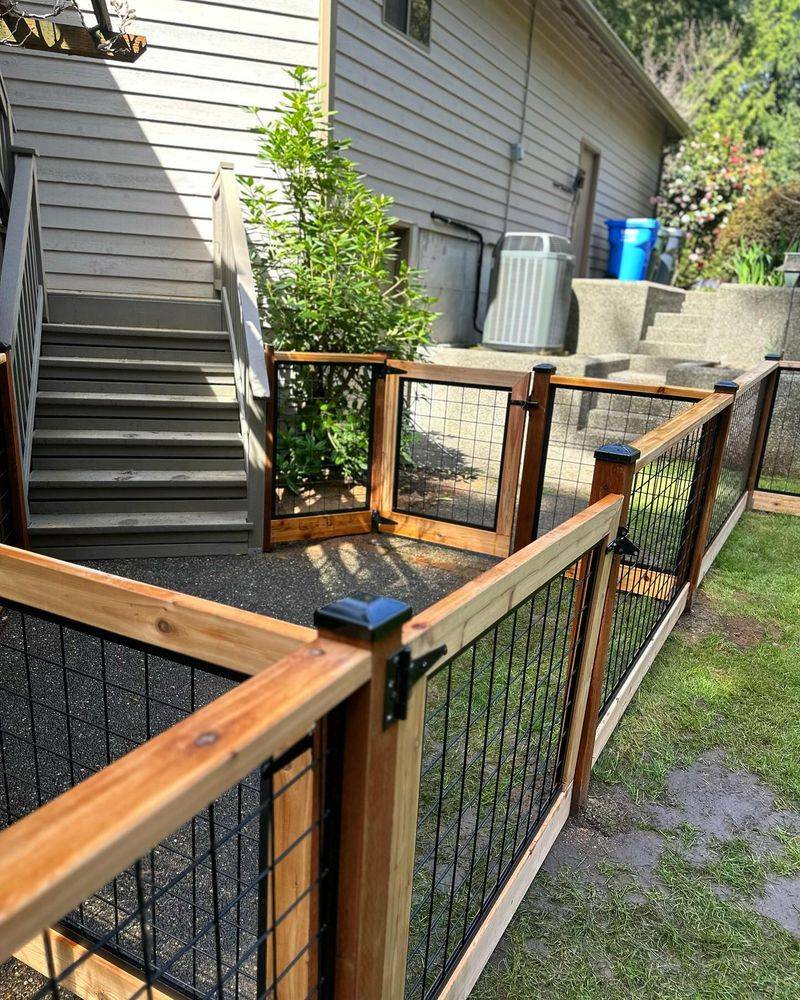
Getting a woodchuck to leave is only half the battle. Making sure another one does not move in later is what keeps your porch peaceful for the long haul.
Fencing is one of your best tools. A sturdy wire fence around gardens and vulnerable spots blocks easy access, especially when it stands a couple of feet tall and stays firmly in place.
Digging animals need a deeper defense. Bury part of the fence or add a wire barrier about a foot into the ground, then bend the bottom outward so tunneling attempts hit a brick wall.
The space under your porch deserves special care. Once you confirm the burrow is empty, seal the gaps with heavy mesh or hardware cloth that curious paws cannot pull loose.
Anchoring matters just as much as the material. Fasten barriers tightly to posts and framing so no weak corner gives a determined woodchuck a way back inside.
Landscaping plays a quiet role too. Trimming shrubs, mowing often, and clearing brush piles removes the cozy cover that makes a spot feel safe for burrowing.
Regular checkups keep everything working. Walk your yard now and then to spot fresh holes, loose mesh, or new dirt piles before they turn into a real problem.
Putting these steps together builds a yard that woodchucks find tough to crack. With solid barriers, tidy surroundings, and a little ongoing attention, your porch stays yours, and future critters get the clear message to keep on moving somewhere far away.