What It Means When An Opossum Shows Up In Your Georgia Yard
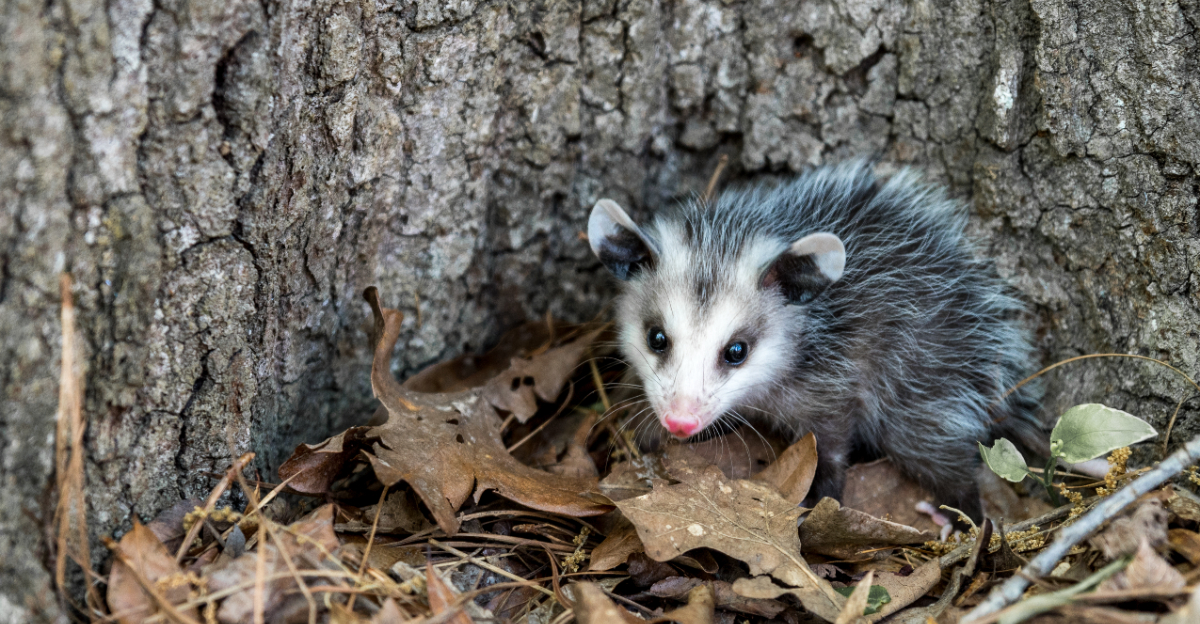
Spotting an opossum wandering across your yard after sunset can make you wonder what brought this unusual visitor so close. Its appearance usually has a simple explanation tied to what the property offers.
Georgia homeowners may see opossums searching through yards while moving between places that provide food, water, or shelter.
Their nighttime habits mean you might notice one only after checking outside at the right moment.
Before chasing it away, look around and consider what could be attracting its attention. Something ordinary in your yard may be giving it a reason to stop.
One visit also does not necessarily mean the animal has settled nearby. Your response should depend on what is encouraging those visits in the first place.
Understanding its behavior can make that unexpected nighttime encounter much easier to handle calmly.
1. That Nighttime Visitor Is Likely Passing Through
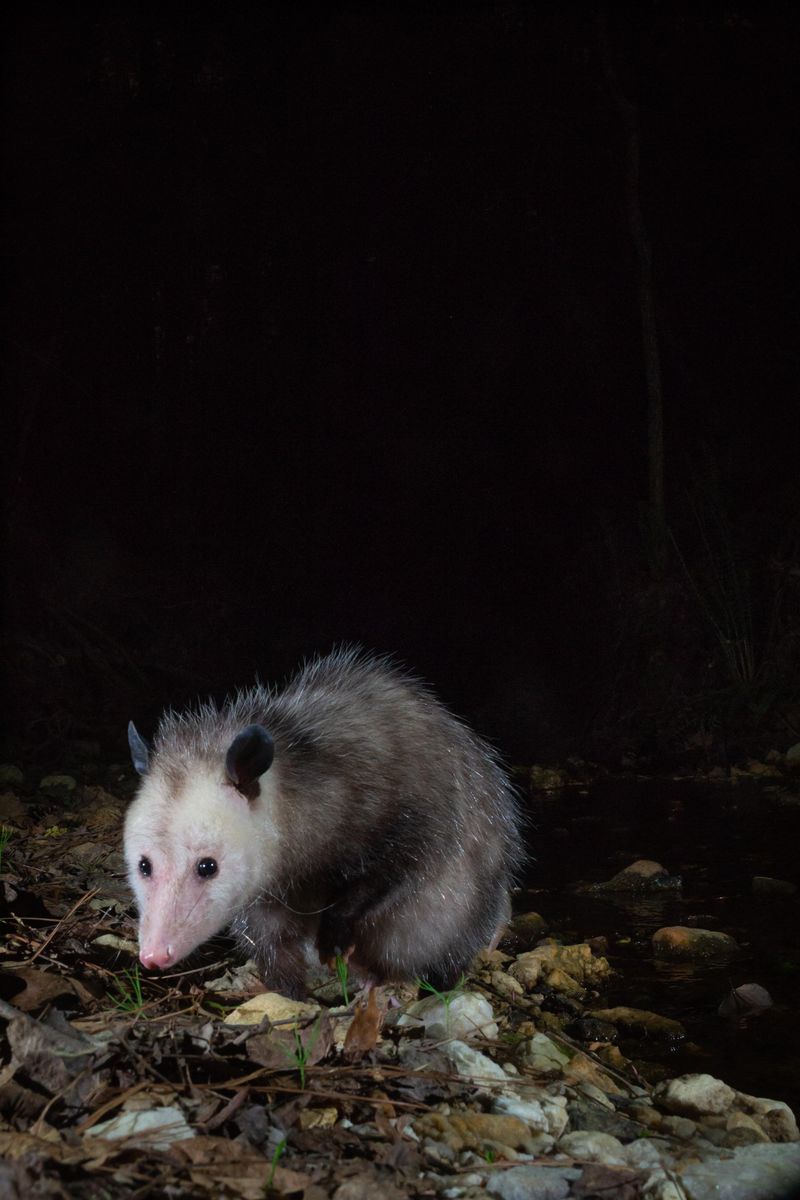
Opossums are not looking to move in. Most of the time, a single nighttime sighting means the animal was simply passing through on its regular route.
Virginia opossums are highly nomadic.
They rarely stay in one location for more than a day or two unless food is unusually plentiful or a safe resting spot is nearby.
Opossums tend to follow loose territories that can stretch across several properties. Backyards, alleys, and green spaces all connect into one big foraging path.
Seeing one opossum on a Tuesday does not mean it will be back Wednesday.
Patterns can repeat over weeks, not nights.
Yards near creeks, tree lines, or overgrown lots tend to see more foot traffic from opossums. Natural corridors guide their movement more than fences or property lines do.
Watching for repeat visits over several nights can tell you whether one animal has settled nearby. A single pass is rarely cause for concern.
Opossums are solitary outside of breeding season, so spotting just one is normal. Mothers with young are an exception, since joeys often travel with her until they are large enough to forage alone.
2. Opossums Cover Plenty Of Ground After Dark
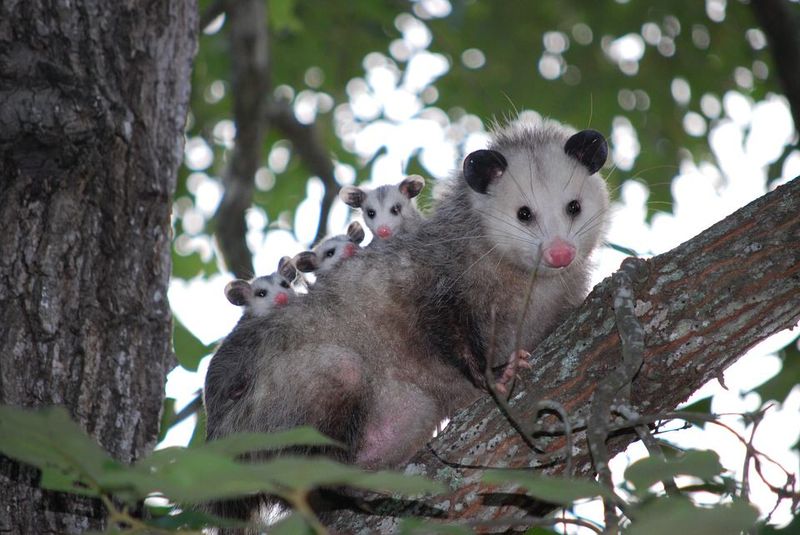
Night is when opossums get to work. Once the sun sets, they can cover a surprising amount of ground in just a few hours.
Opossums are opportunistic foragers.
Rather than focusing on one food source, they zigzag through an area sampling whatever is available, which is why they often show up in multiple yards in a single night.
A home range for an opossum can vary quite a bit depending on food availability and habitat quality. Suburban areas with dense vegetation and accessible food tend to support more concentrated movement.
Motion-activated cameras in Georgia neighborhoods often capture the same opossum in different corners of a yard throughout one night.
They backtrack, loop around, and explore edges methodically.
Opossums rely heavily on smell to locate food. A yard that smells like ripe fruit, uncovered compost, or pet food can pull them in from a distance.
Fences rarely stop them. Opossums are decent climbers and can squeeze through surprisingly tight gaps in older wooden fences.
Your Georgia Garden Changes Every Week. Your Plan Should Too.
Gardening in Georgia changes quickly throughout the season. Every Friday you’ll receive a simple weekly plan showing exactly what to plant, prune, fertilize, harvest, and protect so you never miss the right timing.
Knowing they cover wide ground at night helps explain why trapping and relocating rarely solves anything long-term. Another opossum from a neighboring territory can fill the vacancy fairly quickly.
3. Fallen Fruit And Insects Make Yards Worth Exploring
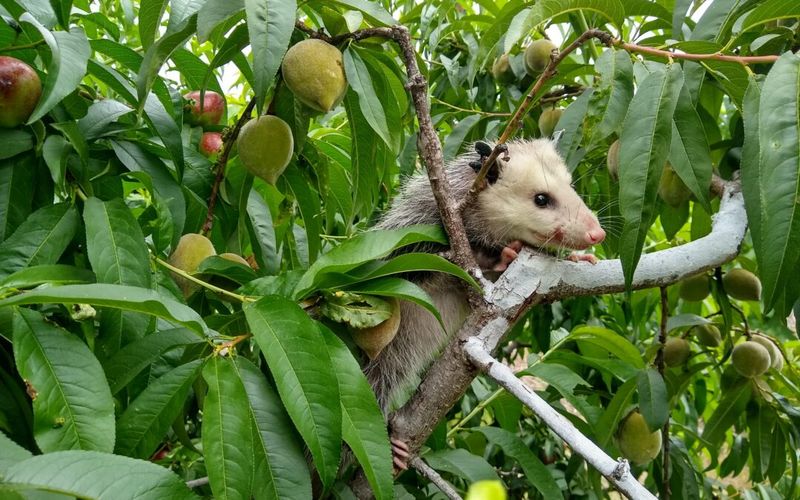
Fruit trees are a major draw. Peaches, figs, persimmons, and muscadines all drop fruit that opossums find hard to pass up.
Georgia yards with mature fruit trees or berry-producing shrubs tend to see more opossum activity, especially in late summer and fall when fruit is dropping regularly.
The smell of fermenting fruit on the ground can pull them in from quite a distance.
Insects are just as attractive.
Opossums root through leaf piles, dig around mulch beds, and explore garden borders in search of beetles, grubs, and other invertebrates.
Slugs and snails are also on the menu. Gardens with moist soil or heavy mulch often provide a steady supply of both.
Pecans and other nuts are fair game too. If you have nut-producing trees dropping to the ground, expect more opossum interest in those areas.
Pet food left outside overnight is one of the most reliable attractants. Even a small bowl of kibble can bring an opossum back to the same spot repeatedly.
Reducing ground-level food sources is one of the most practical ways to make your yard less interesting to foraging opossums. Pick up fallen fruit regularly and store pet food indoors after feeding time.
4. Thick Vegetation Provides Cover Between Feeding Stops
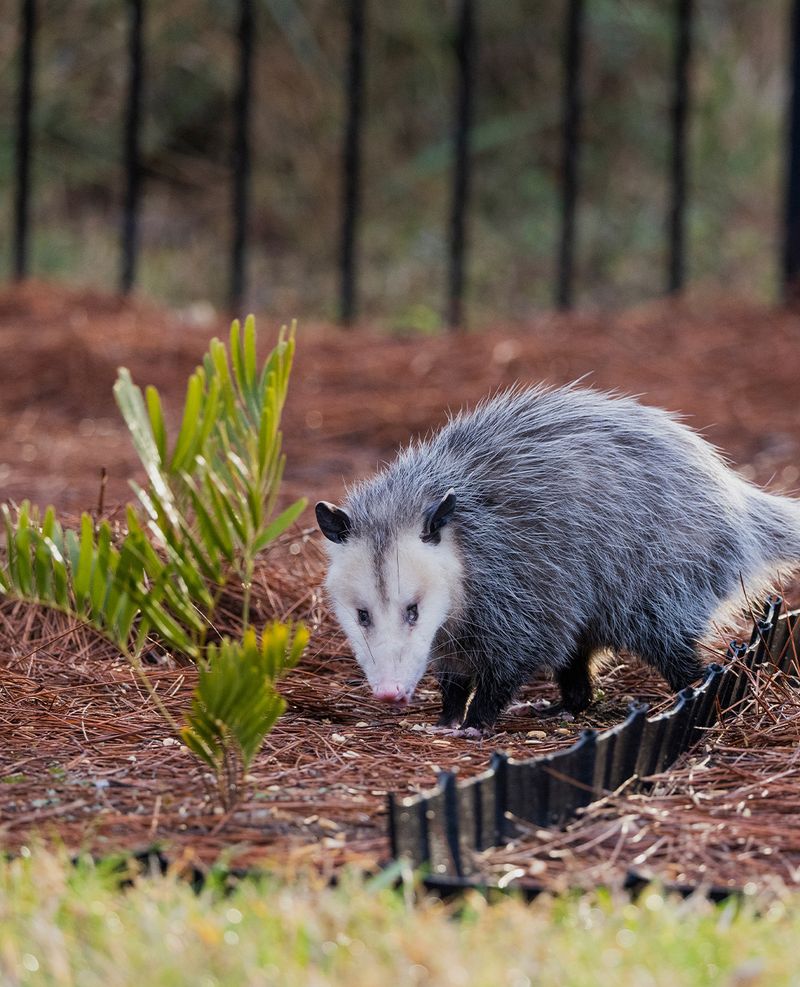
Opossums are not bold animals. They prefer to move through yards where cover is close by, so they can retreat quickly if startled.
Dense shrubs, overgrown garden beds, brush piles, and tall grass all serve as shelter. A yard with plenty of low vegetation gives an opossum a sense of security while it forages.
Yards that back up to wooded edges or thick hedgerows tend to attract more opossum activity.
The transition zone between open lawn and thick cover is exactly where they feel most comfortable operating.
During the day, opossums look for dark, enclosed spaces to rest. Hollow logs, spaces under decks, dense shrub interiors, and brush piles are all common resting spots.
If your yard has a wood pile, an untrimmed hedge row, or a gap under a shed, an opossum may use it as a temporary daytime shelter.
They tend to move on within a day or two unless the spot offers both cover and nearby food.
Keeping the yard a bit tidier can reduce how attractive it feels to a resting opossum.
Seal gaps under structures and clear dense brush near the home’s foundation if you want to discourage longer stays.
5. Hissing Usually Means The Animal Wants More Space
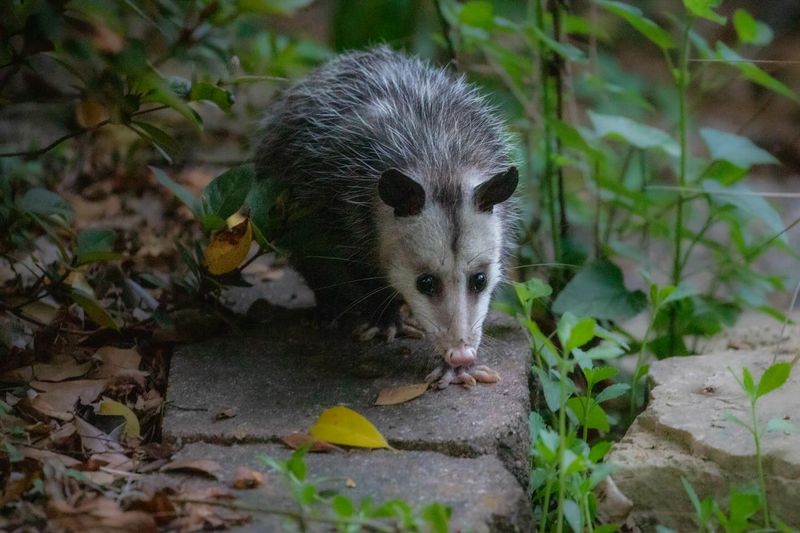
An opossum that hisses, growls, or opens its mouth wide is not being aggressive. That display is almost entirely defensive.
Opossums rely on looking threatening because they are not built for fighting.
When cornered or startled, they puff up, bare their teeth, and hiss loudly to discourage whatever is bothering them.
The famous playing possum response is a separate behavior. Some opossums will go limp and appear unresponsive when extremely stressed.
This is an involuntary reaction, not a conscious choice.
Hissing usually means the opossum feels trapped or crowded. Giving it a clear exit route and backing away is almost always enough to resolve the situation without incident.
Pets that corner opossums near fences or under decks are more likely to trigger defensive behavior.
A dog that gets hissed at or snapped at by an opossum is usually the one that initiated the close contact.
Keeping dogs leashed or supervised during nighttime yard time reduces the chance of tense encounters. Opossums rarely initiate confrontation with animals larger than themselves.
Healthy opossums showing defensive behavior are not dangerous in any unusual way. Back off, give space, and the animal will move on once it feels the threat has passed.
6. Their Appetite Can Bring Some Benefits To The Yard
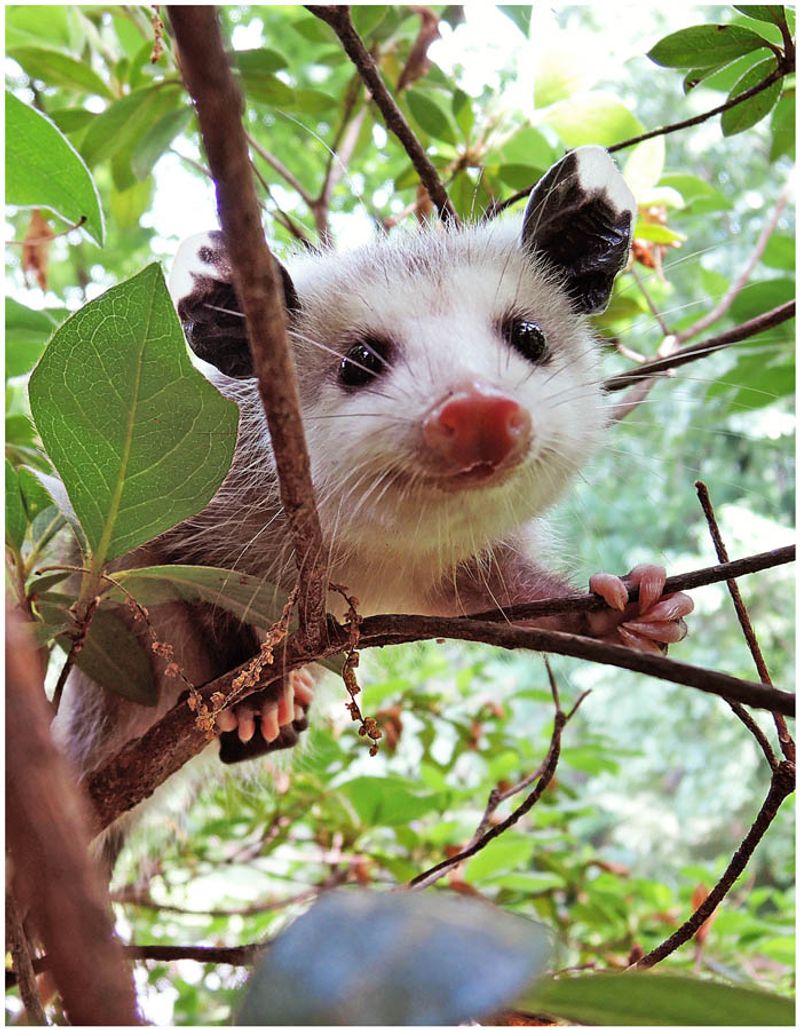
Not everything about an opossum visit is a problem. A few of their feeding habits can actually work in a gardener’s favor.
Opossums eat ticks. They groom themselves frequently and tend to consume ticks they encounter while moving through vegetation.
The actual number they consume per outing varies and depends on local tick populations, but their grooming behavior does reduce how many ticks they carry or spread.
Slugs and snails that damage garden plants are also part of their diet.
A yard with a slug problem may see some natural reduction when opossums are regularly passing through.
Carrion is another food source opossums use.
They will scavenge small carcasses they come across, which can help clean up the yard in a low-key way.
Cockroaches and other pest insects are fair game too. Opossums are not picky eaters, and their broad diet overlaps with several insects that homeowners prefer to keep out of the house.
Pest control benefits are real but modest. Opossums are not a replacement for other garden management strategies, and their feeding habits can also cause minor digging in mulched beds.
Weighing the trade-offs honestly is worth doing. For many Georgia gardeners, opossums are more neutral than harmful when food attractants are managed well.
7. Frequent Visits Are A Sign To Check Outdoor Attractants
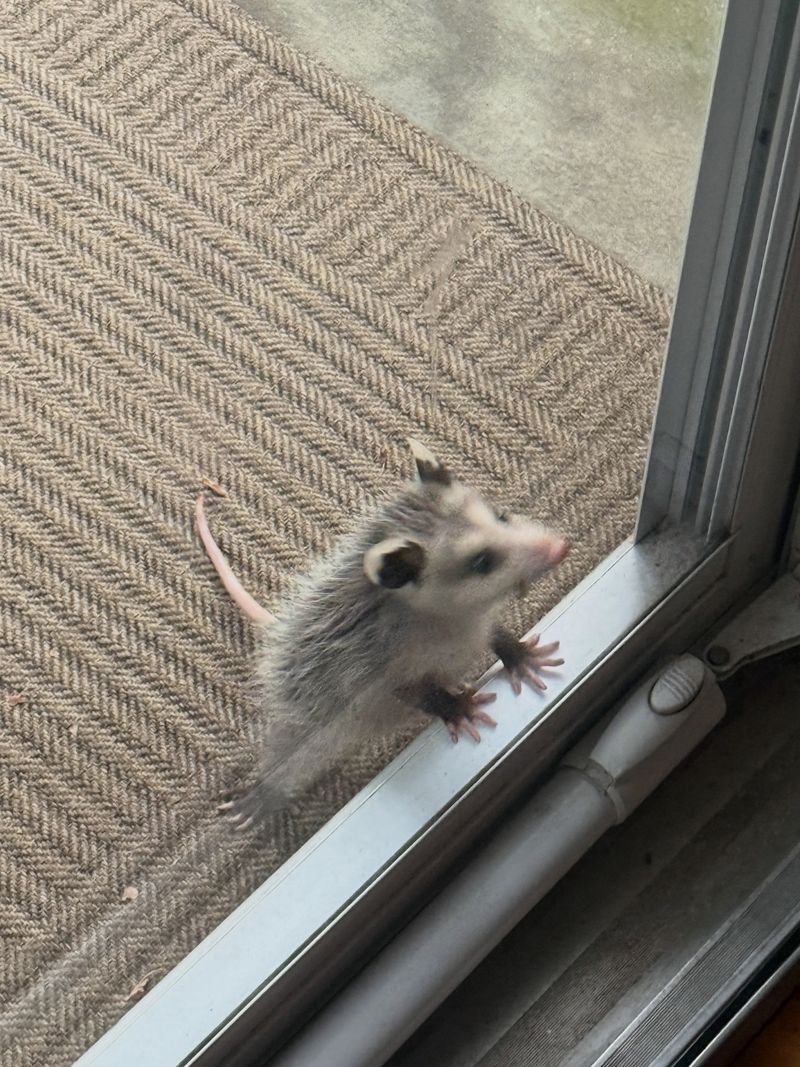
One or two opossum sightings are normal. Seeing one every single night in the same spot usually points to something nearby that keeps pulling it back.
Unsecured trash cans are one of the most common culprits. A lid that does not latch firmly is an open invitation, especially if food scraps or meat packaging are inside.
Compost bins without solid walls or secure lids are another frequent attractant.
Open compost piles can be especially appealing because the warmth of decomposing material also attracts insects.
Bird feeders that drop seed onto the ground create ground-level food that opossums readily eat. Switching to a tray-style feeder with a catch basin or bringing feeders in at night can make a real difference.
Outdoor pet food is worth paying close attention to.
Even a small amount left in a bowl after evening feeding is enough to establish a nightly routine for a foraging opossum.
Checking the yard for gaps under porches, sheds, or decks is also a good step. Blocking access points before an opossum settles in is much easier than dealing with one that has already made itself comfortable.
Addressing attractants is the most practical and long-lasting approach. Opossums follow food, so removing reliable food sources is the most effective way to reduce repeat visits.