What Georgia Gardeners Should Do With Hydrangeas Right Now So They Survive The Summer Heat
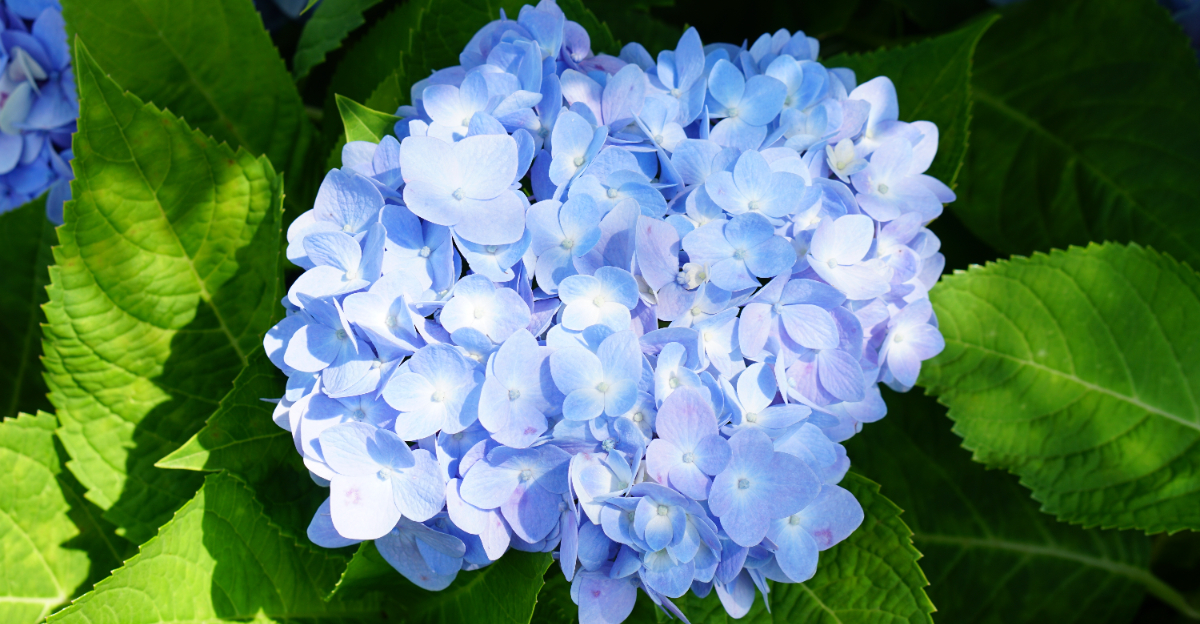
Georgia summer can make a leafy shrub look dramatic before lunch.
The morning starts calm. The leaves look full. The blooms still have some charm. Then the sun climbs, the humidity settles in, and by midafternoon the whole plant looks like it just received terrible news.
That droop can send any gardener straight for the hose.
Pause first.
These big-leafed shrubs often wilt during peak heat even when the soil still holds moisture. Extra water at the wrong moment can create root trouble, especially in heavy red clay that already drains slowly.
The real summer care plan is not panic watering. It is reading the soil, protecting the root zone, easing sun stress, and knowing which type you are growing.
So what should Georgia gardeners do right now before summer heat pushes these plants too hard?
Start with calm checks and small adjustments. The goal is steady moisture, cooler roots, light pruning decisions, and enough shade to help the plant reach fall with strength.
1. Check Soil Before Watering
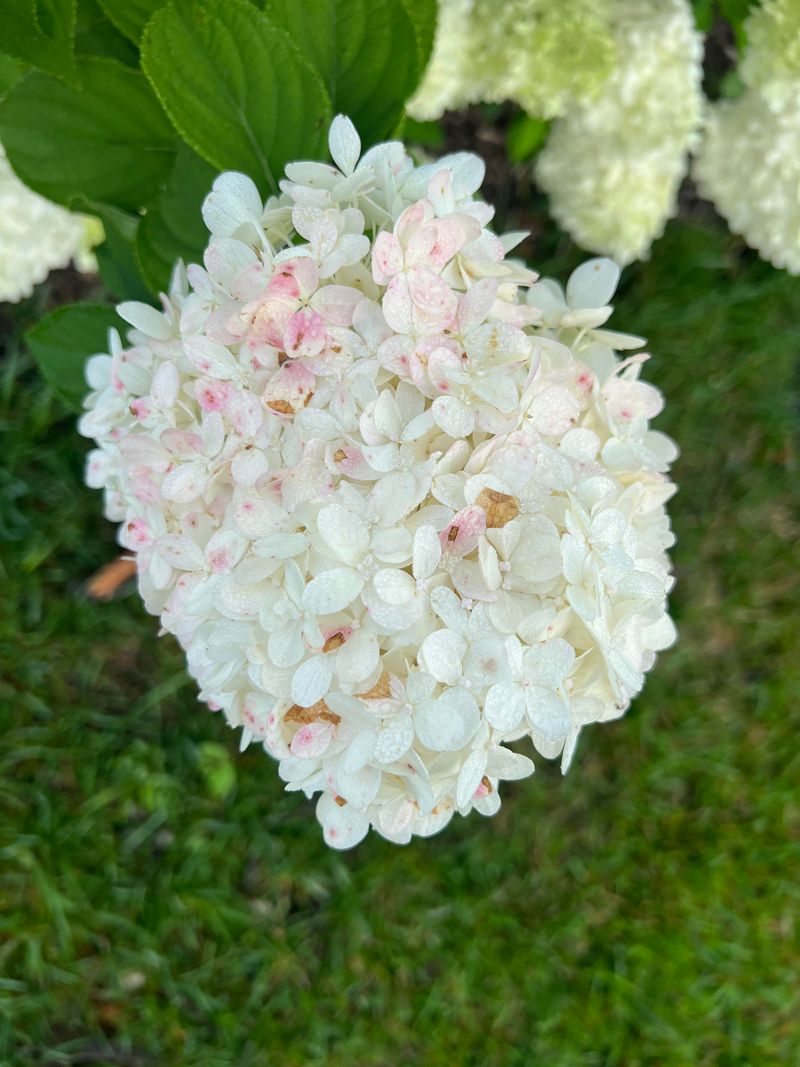
A shrub drooping at 3 p.m. is not always thirsty.
Georgia heat can trigger afternoon wilt even when the root zone still has moisture. Big leaves lose water fast in hot sun, so the plant may temporarily fold and sag to conserve what it has. It looks alarming, but it can be a normal heat response.
The soil tells the truth.
Push a finger about two inches into the ground near the base, but not right against the main stems. Cool, damp soil means the plant does not need another drink yet. Dry, crumbly soil at that depth means water is due.
Morning is the best time to check.
By then, the plant has had the night to recover from heat. A plant that looks refreshed in the morning but droops later in the day is usually managing heat, not crying for the hose.
Overwatering creates bigger problems than short afternoon wilt.
Roots need oxygen. In heavy Georgia clay, too much water can fill air spaces and leave roots struggling. The plant may yellow, weaken, and droop even more, which tricks gardeners into watering again.
That loop is rude and very common.
Check soil before every rescue mission. The leaves may be dramatic, but the ground gives better advice.
A two-inch soil check takes ten seconds and can save the plant from a summer full of soggy mistakes.
2. Water Deep At The Roots
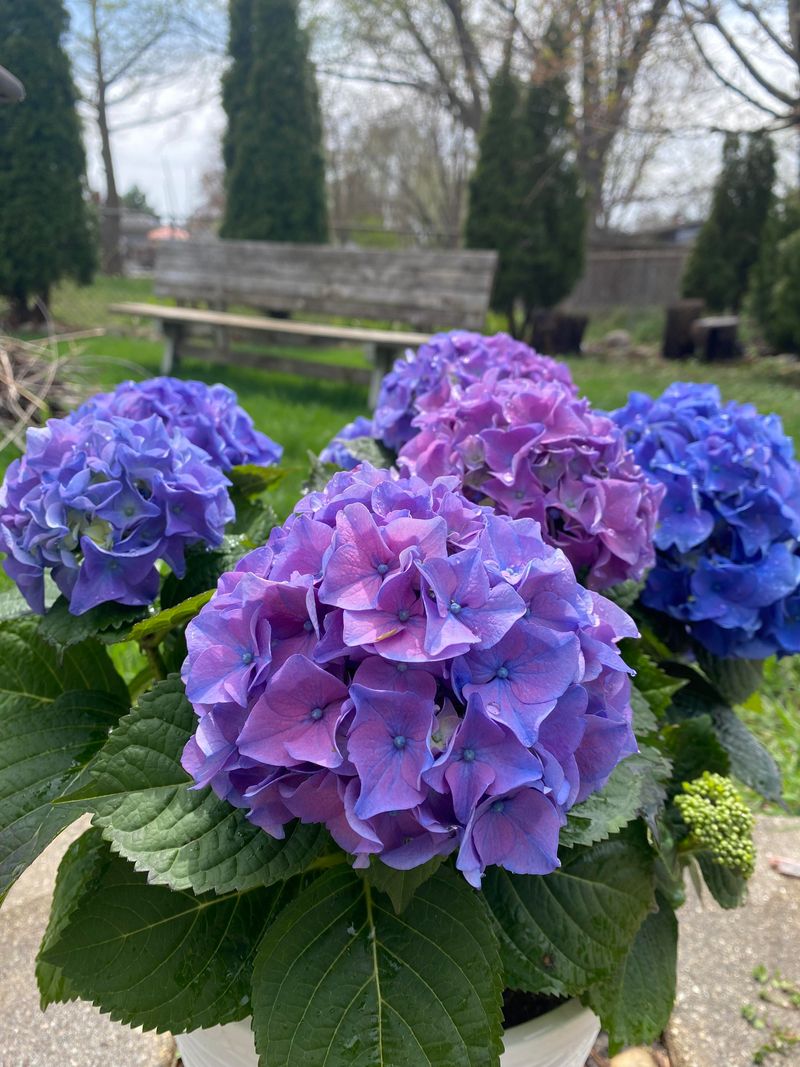
A quick splash over the leaves is not enough.
Summer care depends on deep, slow watering that reaches the root zone. Spraying the top of the plant may make everything look refreshed for a moment, but most of that moisture evaporates before it helps.
Roots need the drink, not the flowers.
Use a soaker hose, drip line, or a garden hose set to a gentle trickle. Place water around the drip line, where the outer branches reach and feeder roots are active. Let moisture soak down several inches instead of racing across the surface.
Slow watering matters in Georgia clay.
Your Georgia Garden Changes Every Week. Your Plan Should Too.
Gardening in Georgia changes quickly throughout the season. Every Friday you’ll receive a simple weekly plan showing exactly what to plant, prune, fertilize, harvest, and protect so you never miss the right timing.
Hard soil can shed water at first, especially during dry spells. A gentle flow gives moisture time to enter the ground rather than running off into the lawn or driveway. Clay may be stubborn, but patience beats pressure.
Water early in the morning.
That timing gives roots moisture before the hottest part of the day and allows any wet foliage to dry quickly. Wet leaves overnight in humid weather can invite leaf problems, so evening watering is not the best routine.
Deep watering also encourages stronger roots.
Shallow daily sprinkles keep roots near the surface, where heat dries soil fastest. A thorough soak followed by a pause helps roots reach cooler, steadier moisture below.
The hose does not need more drama.
It needs better aim, slower flow, and morning timing.
That is how summer watering starts working with the plant instead of just making the leaves briefly shiny.
3. Refresh Mulch Around The Drip Line
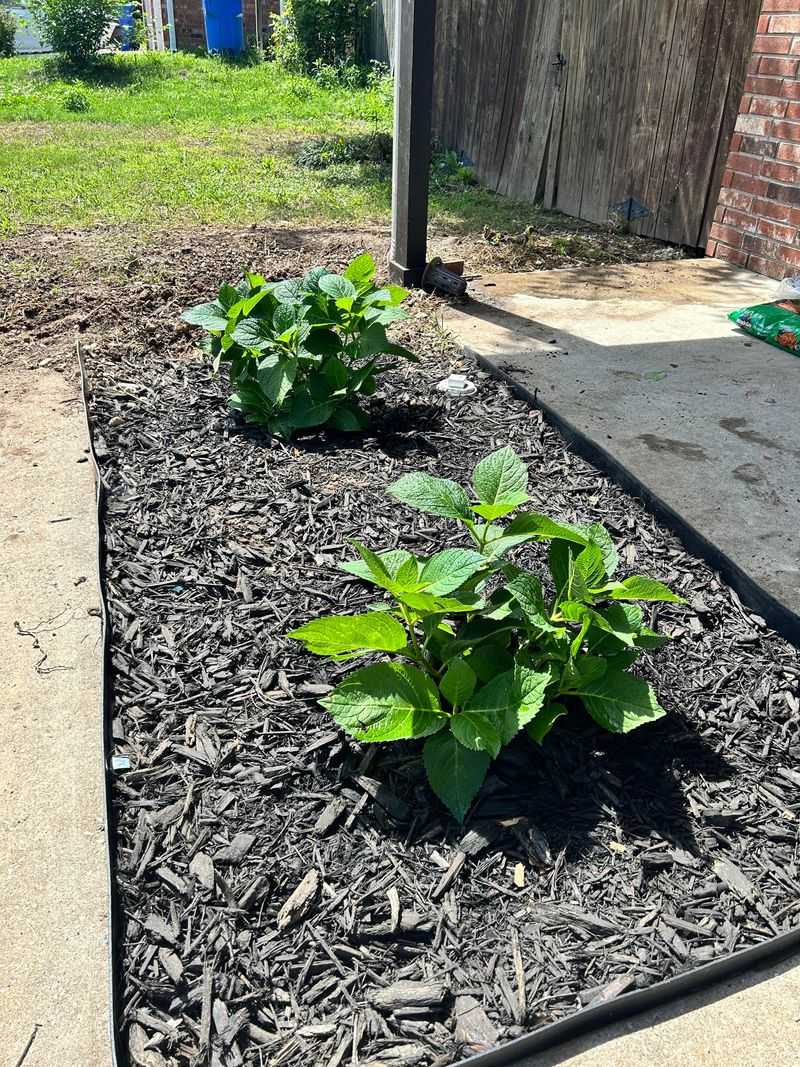
Thin mulch cannot do much against Georgia heat.
By midsummer, old mulch often breaks down, shifts, fades, or disappears into the soil. Once bare ground shows under the canopy, the root zone heats faster and moisture leaves sooner.
A fresh layer helps immediately.
Use pine straw, shredded bark, wood chips, or another natural mulch. Spread it two to four inches deep across the root zone, especially under the outer canopy where feeder roots are working.
Wide coverage beats a tight ring.
Mulch placed only near the stems misses much of the active root area. Spread it toward the drip line, where the branches end. That wider blanket helps keep soil cooler and steadier through brutal afternoons.
Keep mulch away from the stems.
A few inches of open space around the base allows airflow and keeps moisture from pressing against the crown. The shape should look like a broad donut, not a volcano. Plants appreciate mulch manners.
Mulch helps in several ways at once.
It shades the soil, slows evaporation, reduces weeds, softens heavy rain, and protects shallow roots from temperature swings. It also makes the bed look tidy, which is a nice bonus for something doing actual work.
Check the layer after storms.
Heavy rain can flatten pine straw or push mulch against stems. A quick rake restores the gap and keeps the layer loose.
Summer roots want shade too.
Mulch gives them the cool little roof they cannot build for themselves.
4. Give Afternoon Shade
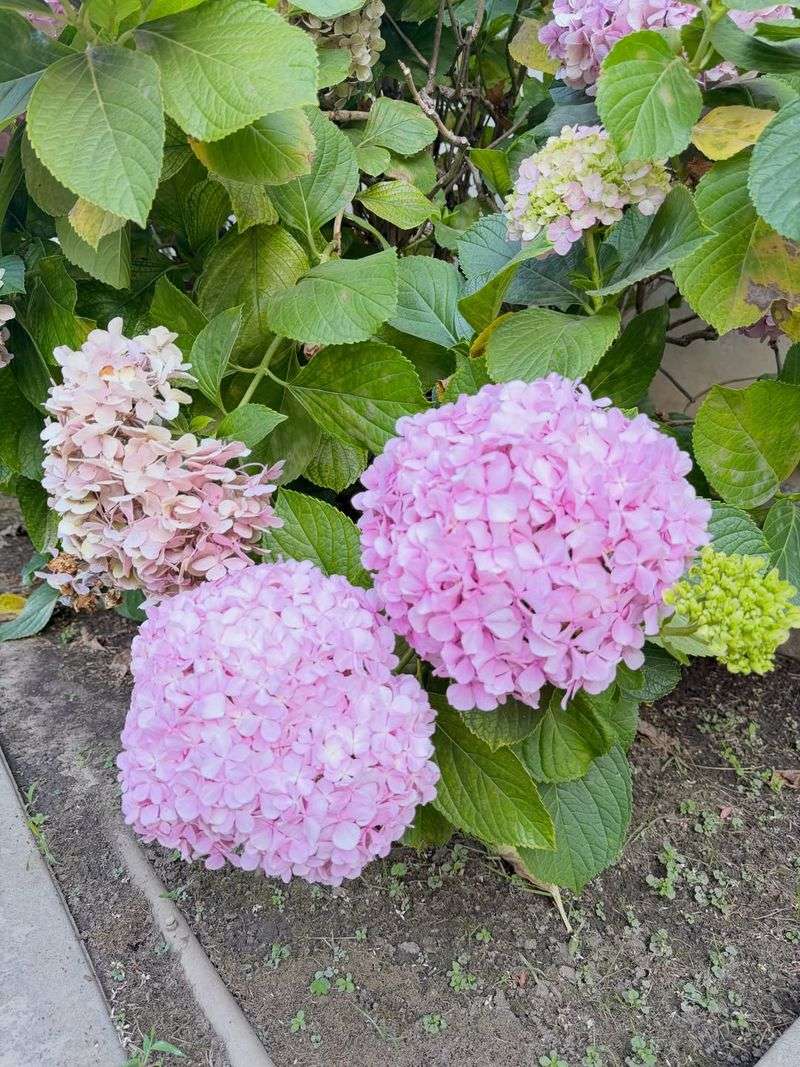
Morning sun can be friendly.
Georgia afternoon sun can be a personal attack.
Many hydrangeas handle morning light well but struggle when direct sun hits from noon through late afternoon. That harsh window can pull moisture from leaves faster than roots can replace it, especially during heat waves.
Shade does not have to be permanent.
Temporary protection during the hottest weeks can make a noticeable difference. Use shade cloth on stakes, a garden umbrella, a lightweight fabric panel, or a porch overhang to block the strongest afternoon exposure.
Thirty to forty percent shade cloth often works well.
It softens the sun without making the plant sit in deep darkness. Air still needs to move around the leaves, so avoid wrapping the plant tightly or trapping humid air against the foliage.
Potted plants are easier to rescue.
Move containers to an east-facing porch, under a high tree canopy, beside a fence, or anywhere that gives morning sun and afternoon relief. A rolling caddy makes heavy pots much easier to shift before a heat wave arrives.
In-ground plants need creative help.
A simple temporary screen on the west or southwest side can reduce late-day stress without disturbing roots. Even a few hours of filtered shade can help blooms last longer and leaves recover faster.
Watch the plant after shade is added.
Less afternoon droop usually means the location was part of the problem.
Shade is not babying the shrub. It is giving it a fighting chance against a Georgia afternoon that forgot how to behave.
5. Avoid Late Hard Pruning
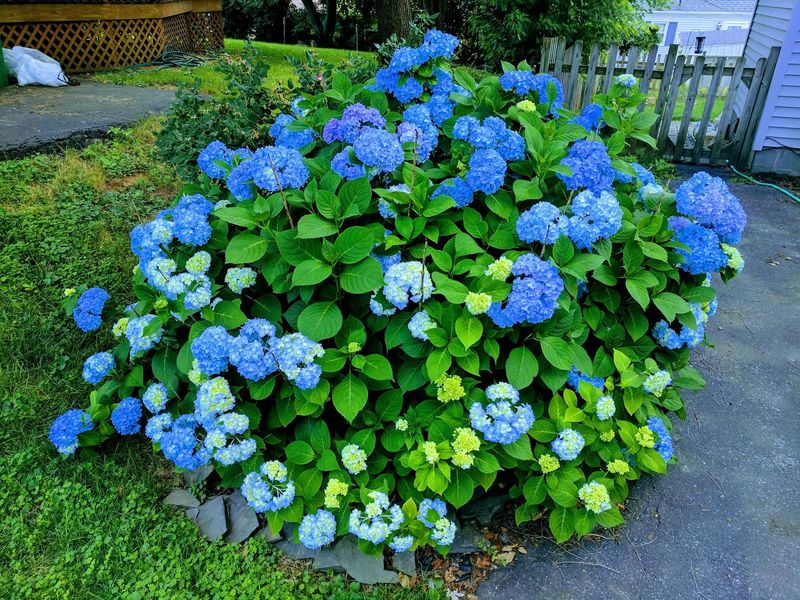
Summer is not the season for a major haircut.
A wilting plant can make pruning feel tempting. The shrub looks tired, the blooms look faded, and the pruners start whispering from the shed. Ignore them, at least for big cuts.
Timing depends on hydrangea type.
Bigleaf varieties, including many mopheads and lacecaps, often bloom on old wood. That means next year’s flower buds can form on stems already present now. Cutting those stems back hard in summer can remove next season’s bloom potential.
That mistake stays visible for a long time.
A plant may grow leaves next year but produce very few flowers, leaving the gardener wondering what happened. The answer often sits in last summer’s pruning choices.
Panicle and smooth types are more forgiving because they bloom on new growth.
Even so, hard pruning during serious heat is still stressful. Summer cuts create wounds the plant has to close while it is already working hard to manage water and heat.
Save structural pruning for the right season.
For many plants, late winter or early spring is safer. For old-wood bloomers, pruning usually happens soon after flowering, and only as needed.
Right now, remove only damaged, fully spent, or clearly problem growth.
Keep the leafy canopy mostly intact because it helps shade stems and soil.
Pruners can wait.
A summer-stressed shrub needs support, not a makeover.
6. Remove Spent Blooms Lightly
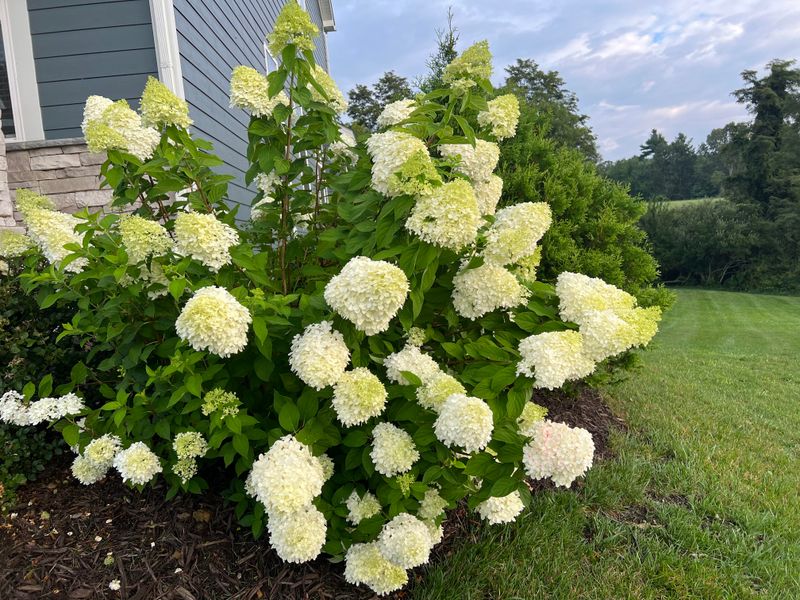
Faded flowers can be cleaned up, but gently.
Removing spent bloom heads can tidy the plant and reduce some visual clutter. The important part is stopping at the flower head instead of cutting deep into the stem.
Bigleaf types need extra caution.
Many carry next year’s bloom potential on older stems. Snipping too far down in summer can remove buds you were counting on later. For these plants, cut just below the spent flower cluster and leave the rest of the stem alone.
Clean, sharp pruners matter.
Ragged cuts create more stress and can invite problems in humid weather. Wipe blades before working, especially after cutting any plant with spotted or unhealthy leaves.
Morning is the best time.
The plant is more hydrated, temperatures are lower, and you can see what you are doing without the whole shrub looking wilted from afternoon heat. Cutting during peak heat only adds unnecessary stress.
Some gardeners leave spent blooms in place.
That is fine too. Aging flower heads can still look attractive, especially as they dry into soft summer colors. They may also help remind you where not to cut on old-wood varieties.
Keep cleanup light.
Remove what looks messy or fully finished, then step away. Heavy shaping can wait until the correct pruning window for your specific type.
This is not a full salon appointment.
It is a gentle trim around the bangs, and even that is optional.
7. Hold Fertilizer During Stress
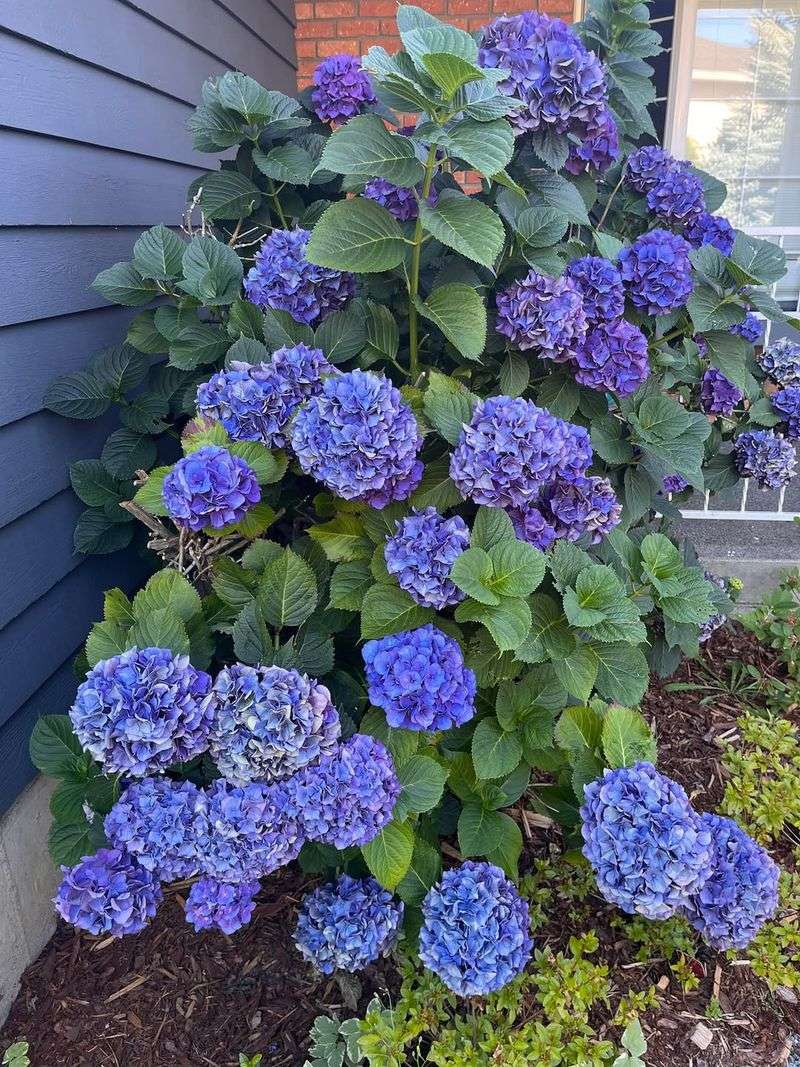
A heat-stressed plant does not need a push.
Fertilizer can feel like comfort, but in the middle of a Georgia summer, it often asks too much. Nutrients, especially high nitrogen, encourage fresh growth. Fresh growth needs more water, more energy, and more protection from sun.
That is the opposite of rest.
During intense heat, the plant is focused on holding moisture and keeping its roots functioning. Forcing soft new leaves during that period can make wilt worse and attract pests that favor tender growth.
Put the fertilizer bag away during peak stress.
By July and August, the focus should be water management, mulch, shade, and observation. Feeding can resume later when temperatures settle and the plant shows active recovery.
Recent fertilizer can also complicate stress.
Too much product in dry or poorly draining soil may add salt pressure around roots. A deep watering can help move excess salts through the soil, but only when drainage is good and the plant truly needs water.
Pale leaves do not always mean hunger.
They can also point to overwatering, poor drainage, heat stress, pH issues, or root strain. Fertilizer will not fix those causes, and it may make some of them worse.
Support first. Feed later.
A summer-stressed hydrangea is not lazy. It is surviving Georgia weather with very large leaves and very little patience.
Give it shade, steady moisture, and a break from performance pressure.
8. Watch For Wilt Patterns
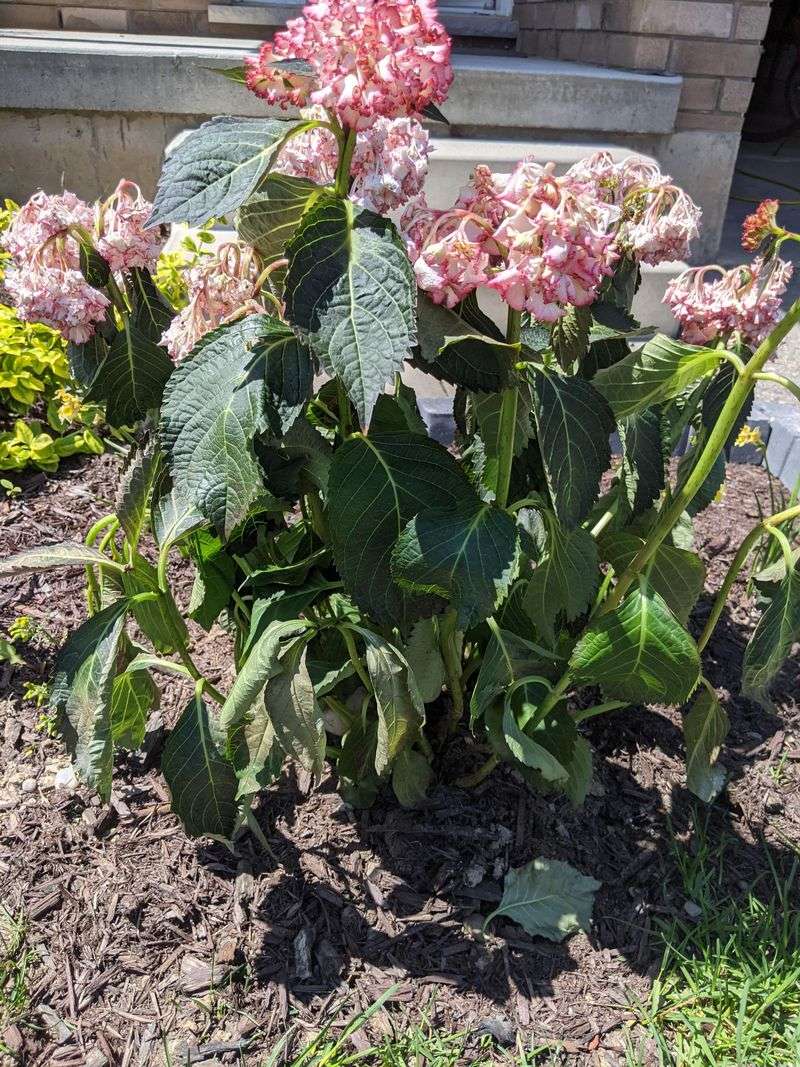
Wilt has a schedule, and the schedule matters.
A plant that droops in the afternoon but perks up by morning is usually showing heat wilt. That pattern is common during Georgia summers, especially on shrubs with large leaves and shallow roots.
Morning wilt tells a different story.
Leaves that stay droopy at sunrise, before the day heats up, suggest the root zone needs closer attention. The soil may be too dry, too wet, compacted, or struggling with root problems.
Track it for a few days.
Notice the time of day the plant wilts, the soil moisture, and whether it recovers overnight. A simple phone photo each morning and afternoon can reveal patterns that memory misses.
Leaf color adds another clue.
Yellowing with wilt may point toward excess moisture or poor drainage. Brown leaf edges often suggest heat and water stress. Spots or blotches can signal leaf disease, especially during humid stretches.
Do not respond to every afternoon droop with more water.
That is how gardeners accidentally create soggy soil while trying to solve a heat response. Check the ground first, then decide.
Potted plants need closer watching.
Containers dry faster than in-ground beds, and black or dark pots heat quickly. A potted shrub that wilts and fails to recover by morning may need deeper watering, a larger container, or afternoon shade.
Wilt is not one message.
It is a set of clues. Read the timing before writing the prescription.
The plant is talking. Georgia heat just makes it very dramatic.