What It Means When Barn Owls Start Nesting In Your California Yard
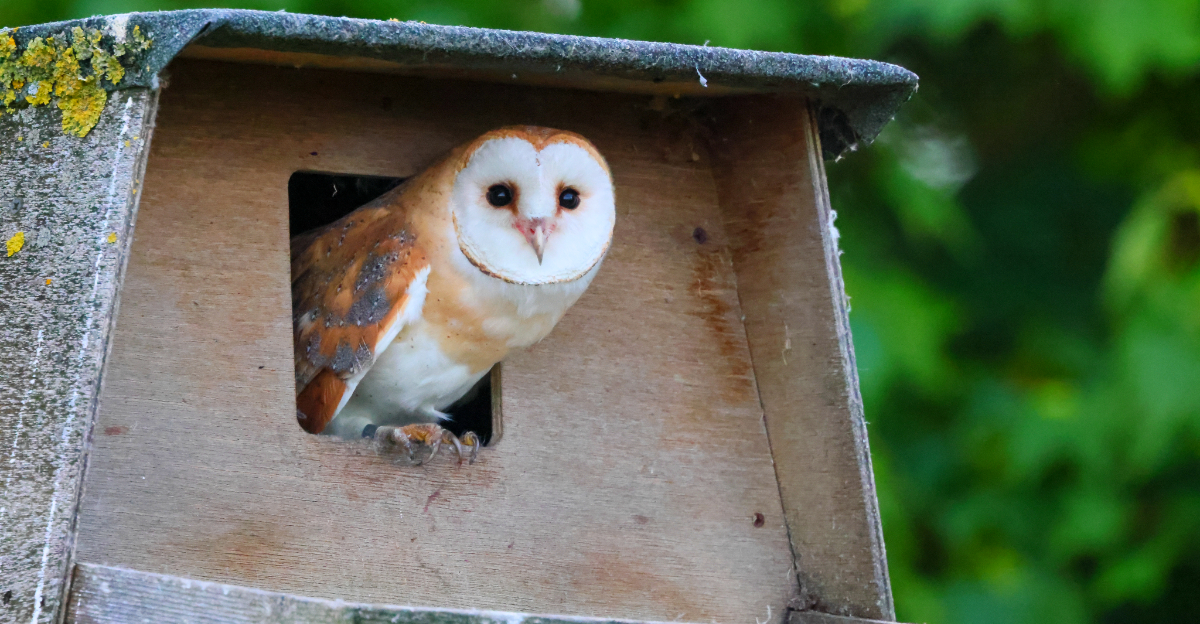
A barn owl choosing your California yard for a nest can feel mysterious at first, especially if you have only noticed the bird after dark. Its arrival usually says something about the property itself.
These owls settle where they can find a secure nesting spot and enough nearby prey to support a growing family. That can turn an ordinary shed, tree cavity, or quiet corner into valuable habitat almost overnight.
The activity may also explain nighttime calls you have been hearing or the sudden appearance of pellets beneath a favorite perch. For homeowners, the biggest question is often what to do next.
In many cases, less interference is better, particularly once eggs or chicks are present. A nesting pair can also become a useful ally around larger gardens and rural properties.
Knowing why they picked your yard makes it much easier to protect the nest without disrupting your daily routine.
1. Your Yard May Have Plenty Of Rodents Nearby
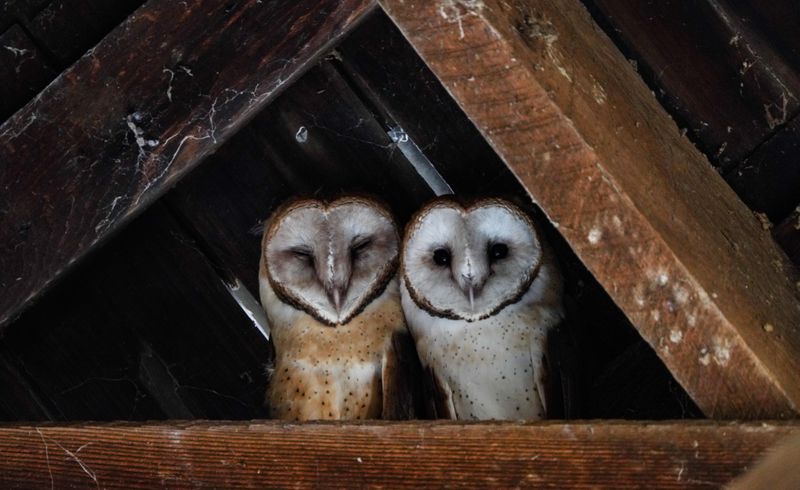
Barn owls do not pick a nesting spot randomly. They are hunters first, and they settle where the food is plentiful.
If a pair has chosen your yard, there is a very good chance your property sits near a healthy population of mice, voles, gophers, or rats.
Open grassy areas, overgrown fields, compost bins, and garden beds all attract small rodents. Barn owls can detect prey hiding under thick grass using their incredible hearing.
Their dish-shaped faces work like satellite dishes, funneling even the tiniest sounds toward their ears.
A single barn owl can eat three to five rodents per night. That adds up fast over a season.
Many farmers and ranchers across our state actively encourage barn owls to nest nearby for exactly this reason. They are a free, natural form of rodent control that requires no traps or chemicals.
So if you have noticed more rodents lately, the owls may have noticed too. Their arrival is a signal that your yard is offering them a reliable food source.
Rather than seeing this as a problem, try viewing it as a natural balancing act at work. The owls are already helping you manage what might otherwise become a much bigger pest issue on your property.
2. Quiet Trees And Barns Are Feeling Safe Enough
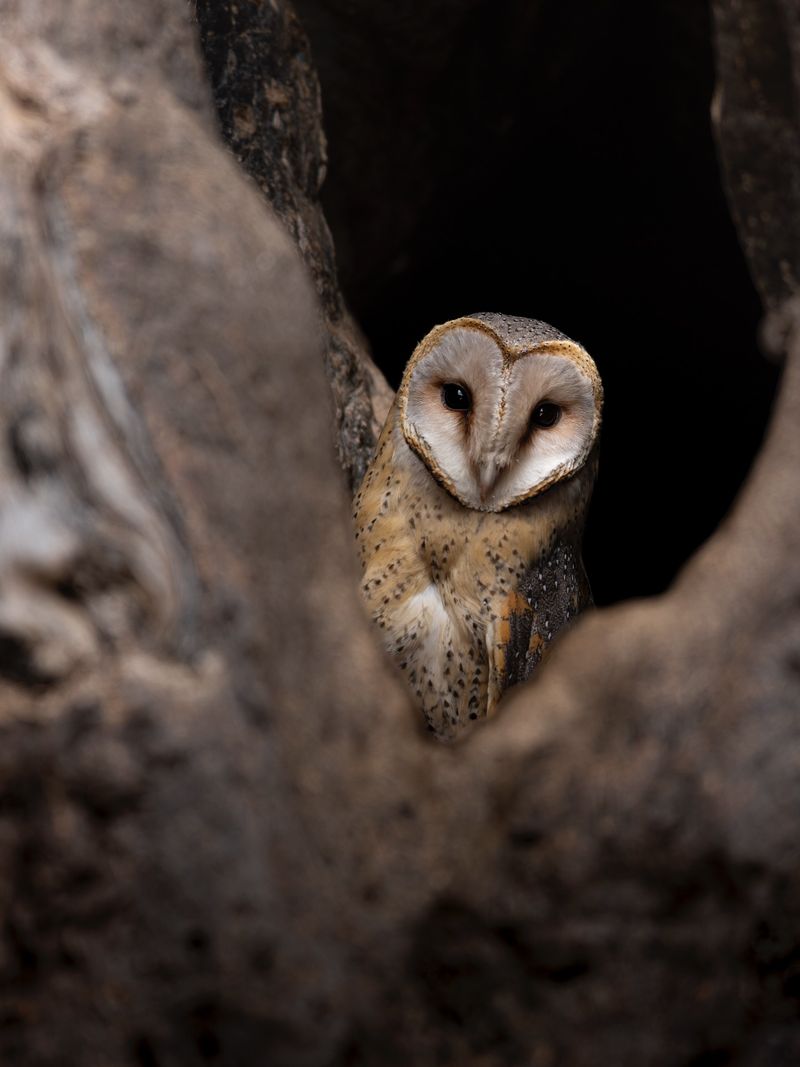
Barn owls are not bold birds. They stay away from noisy, busy places and look for spots that feel calm and protected.
If they have settled in your yard, your trees, outbuildings, or eaves must feel safe enough for them to raise a family.
Old barns, hollow tree trunks, attic vents, and tall palm trees are all popular nesting sites across California. These birds do not build nests the way songbirds do.
They find a ready-made space and simply move in, often lining it with their own regurgitated pellets over time.
Barn owls are sensitive to disturbance. Loud noises, frequent foot traffic near their nest, or bright lights at night can stress a nesting pair badly.
If they feel unsafe, they may abandon their eggs or young. Keeping things quiet around their chosen spot is one of the best things you can do.
Your California Garden Changes Every Week. Your Plan Should Too.
Gardening in California changes quickly throughout the season. Every Friday you’ll receive a simple weekly plan showing exactly what to plant, prune, fertilize, harvest, and protect so you never miss the right timing.
The fact that they chose your yard means the environment already feels right to them. Maybe you have a mature oak or eucalyptus tree that offers a natural cavity.
Maybe you have an old shed that rarely gets used. Whatever the reason, your property earned their trust.
That is something worth protecting with a little extra care and awareness during nesting season.
3. Those Nighttime Screeches Are Part Of Family Life
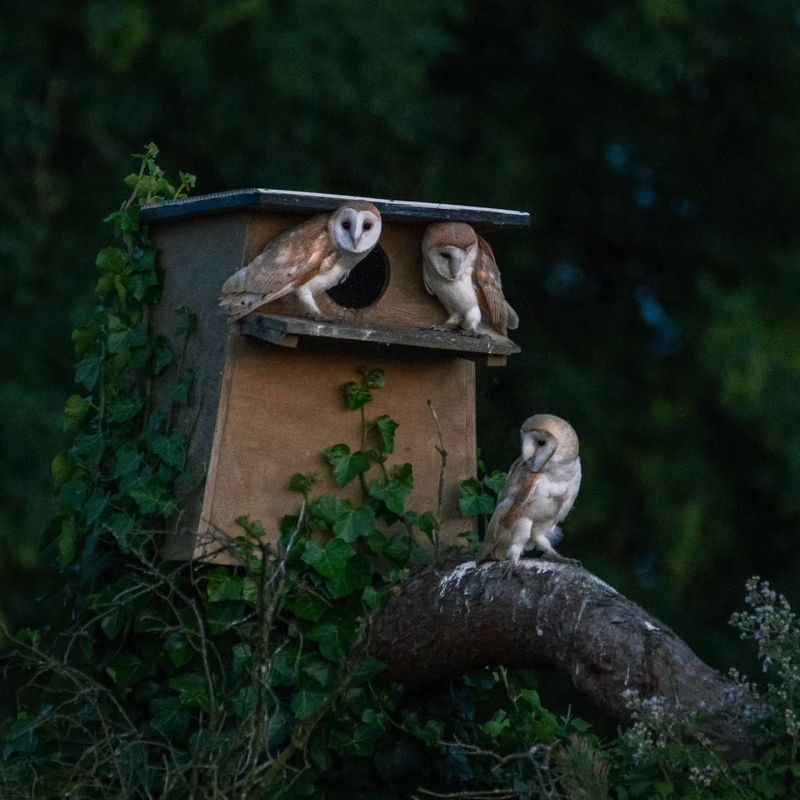
Many people hear barn owls long before they ever see one. The sound is hard to forget.
It is a long, raspy screech that cuts right through the quiet of the night. First-time listeners often find it startling, even a little eerie.
But that noise is simply communication. Barn owls screech to find mates, warn off rivals, and call to their young.
Once a nest is active, you may hear these sounds regularly throughout the night, especially in the hours just after sunset and just before dawn.
Young barn owls, called owlets, make a persistent hissing and rasping sound when they are hungry. If you hear what sounds like a loud, wheezing noise coming from a high spot on your property, there may be a nest full of hungry chicks nearby.
This is completely normal behavior and a sign the family is doing well.
Barn owls are most vocal during the breeding season, which in many parts of California can stretch from late winter all the way through summer. The noise can be surprising if you are not used to it, but it means the nest is active and healthy.
Think of it as a nightly reminder that something wild and wonderful is sharing your space. Over time, many people say they actually come to love the sound.
4. A Nesting Pair Can Hunt Thousands Of Small Pests
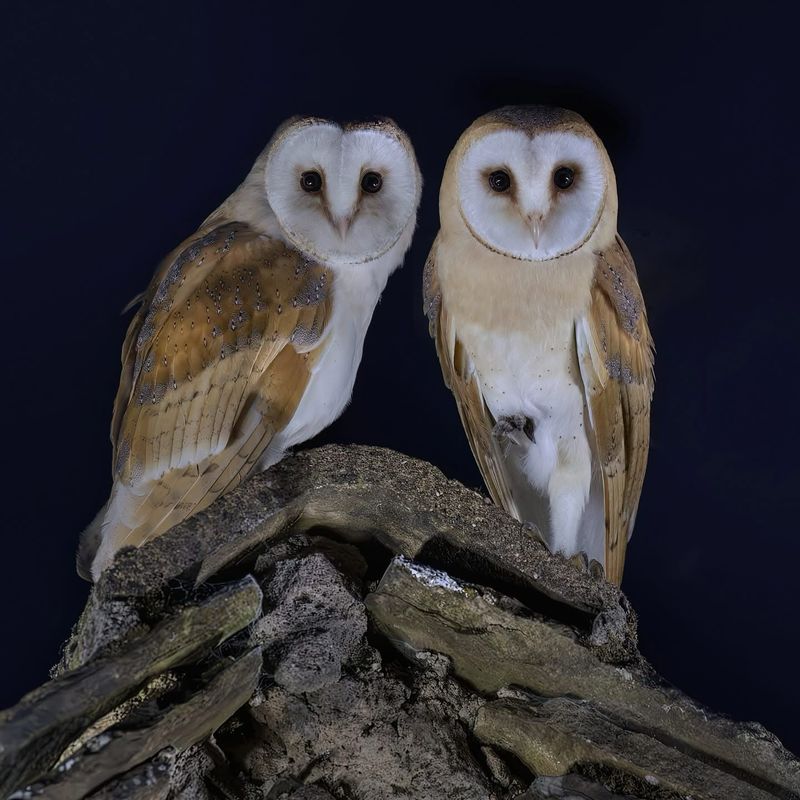
When you have a nesting pair of barn owls on your property, you are hosting one of the most efficient pest control teams in the natural world.
Researchers have estimated that a single breeding pair, along with their offspring, can consume over a thousand rodents in one nesting season. That number is hard to wrap your head around.
Each parent hunts every night to feed themselves and their growing chicks. Barn owls fly low and slow over open ground, listening for the faint rustle of a mouse or vole beneath the grass.
Their silent flight, made possible by special feather edges, lets them sneak up on prey without a sound.
Vineyards and orchards across the northern and central regions have installed nest boxes specifically to attract barn owls.
Studies from UC Davis and other research groups have shown measurable drops in rodent damage on farms that support barn owl populations. The results speak for themselves.
Having a nesting pair in your yard means you are getting this service for free, naturally, without setting a single trap. Mice and rats that might otherwise find their way into your garage or garden are being intercepted every night.
The owls are not just beautiful to watch; they are actively working on your behalf every time the sun goes down. It is a partnership that benefits both sides.
5. Why Barn Owls Keep Returning To The Same Spot
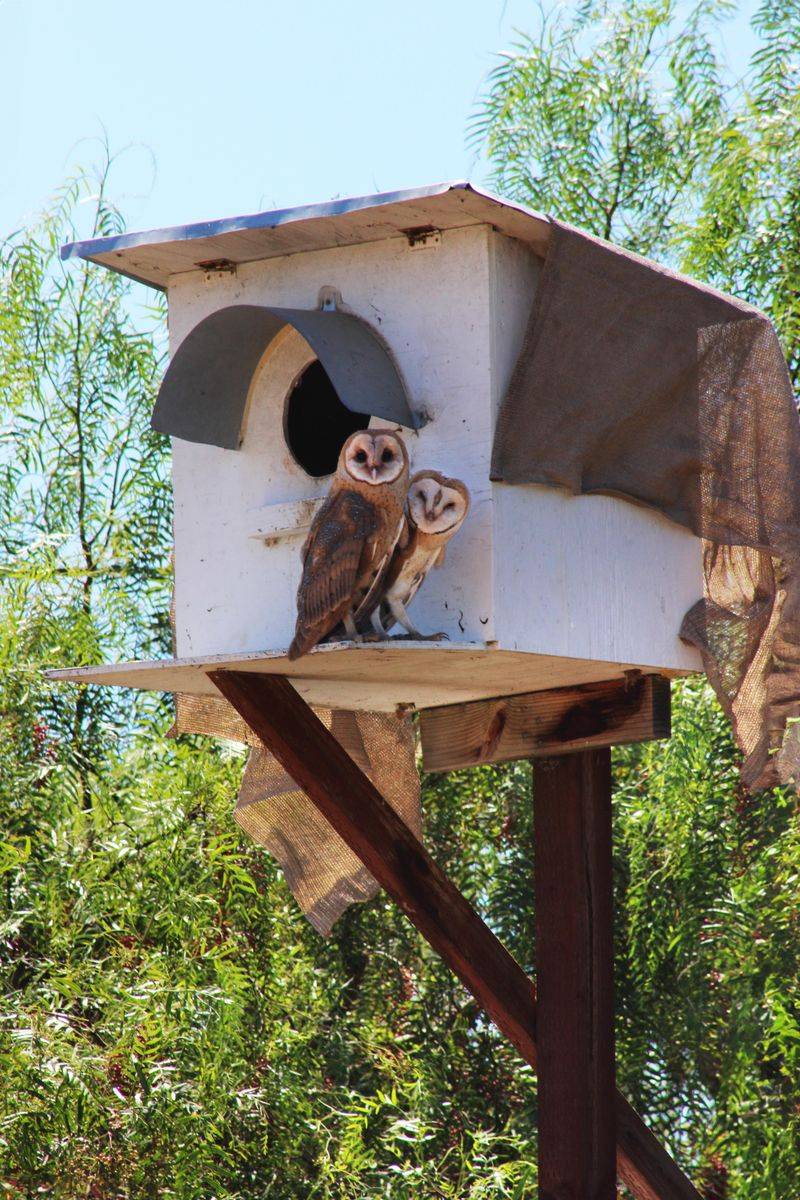
Once barn owls find a place they like, they tend to come back to it year after year. This loyalty to a nesting site is called site fidelity, and it is one of the most interesting things about these birds.
If a pair nests successfully in your yard, there is a strong chance they or their offspring will return the following season.
Barn owls form strong pair bonds and often stay with the same mate for life. They remember where they raised young successfully and treat that location as a proven, trustworthy spot.
A nest box or tree cavity that worked once becomes a preferred site going forward.
This returning behavior is actually a great sign for your yard. It means the habitat has remained stable and safe enough for the owls to feel confident coming back.
Consistent food sources, low disturbance, and the presence of a suitable nesting cavity all contribute to this loyalty.
Homeowners who put up nest boxes and attract a nesting pair often report seeing owls return season after season. Some families have had barn owls nesting on their property for over a decade.
If you want to encourage this kind of long-term relationship, the key is consistency. Keep the nesting area undisturbed, avoid using rodenticides, and maintain any nest box you have installed.
Your patience will likely be rewarded with years of fascinating wildlife right in your own backyard.
6. Baby Owls May Be Closer Than You Think
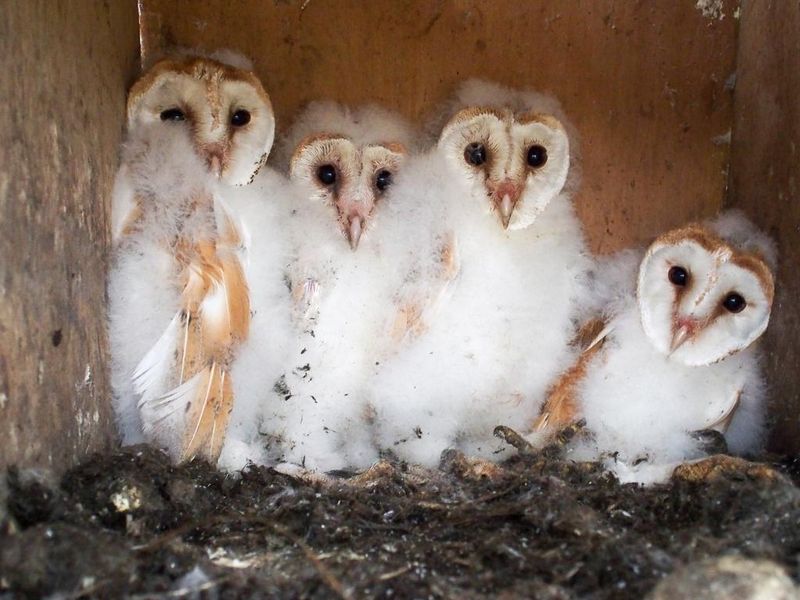
Owlets are not always easy to spot, but they are often much closer than people realize. Barn owls nest in enclosed, sheltered spots, so the chicks stay hidden for most of their early lives.
You might not see them at all until they start venturing out to explore near the nest entrance.
A typical barn owl clutch has between four and seven eggs, and not all of them hatch at the same time. This means the nest can hold chicks of very different sizes all at once.
The older ones may already be standing at the entrance while the younger ones are still covered in white down feathers inside.
By the time owlets are about eight weeks old, they begin perching outside the nest and stretching their wings.
They look fluffy and a little awkward at this stage, and they may sit in plain view on nearby branches or fence posts.
If you spot a large, fluffy white bird sitting somewhere unusual on your property, it is probably a young barn owl learning about the world.
Resist the urge to approach or handle any owlet you see, even if it appears to be alone or grounded. Parents are almost always nearby.
Fledgling barn owls often spend time on the ground before they can fly well. Keeping pets and children away from the area during this stage gives the young owls the best chance of growing up safely and successfully.
7. Messy Pellets Are Actually A Good Sign
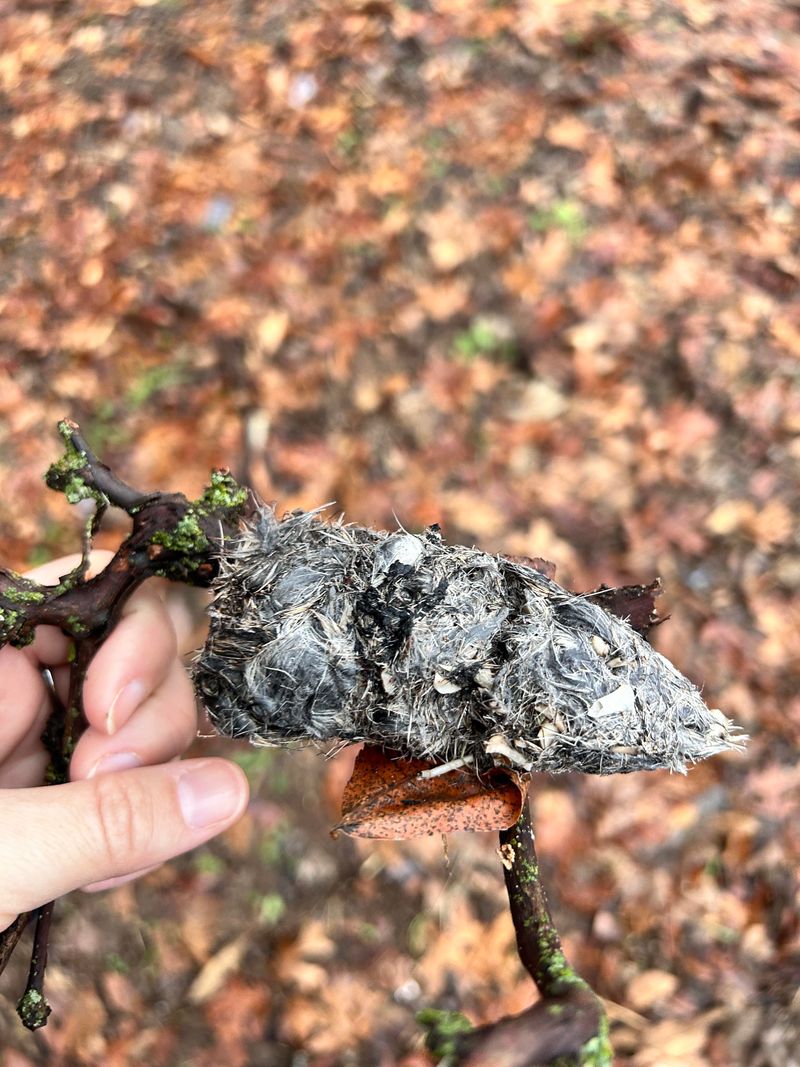
Finding small, gray, oval-shaped lumps beneath a tree or inside an old shed might seem strange at first. But those are barn owl pellets, and their presence is genuinely exciting news.
Pellets are the compressed bundles of fur, feathers, and bones that owls cough up after digesting their prey. They are completely harmless.
Unlike many other birds, barn owls cannot digest the hard parts of their prey. So after the soft tissue is absorbed, the skull, teeth, and fur get compacted in the owl’s stomach and expelled through the mouth.
A fresh pellet is about the size of a large grape. Older ones dry out and crumble over time.
Scientists actually love barn owl pellets. Carefully pulling one apart reveals the bones and teeth of whatever the owl ate that night.
It is like a detailed receipt of the local rodent population. Researchers use pellet analysis to track which small mammal species live in an area without ever trapping a single animal.
Finding pellets under a roost site means the owls are feeding regularly and staying in the area. The more pellets you find, the more actively the owls are hunting nearby.
You can even try dissecting a dried pellet yourself using gloves and tweezers. It is a fascinating activity, especially for curious kids who want to learn more about nature and the food chain in your own backyard.
8. Rodent Poison Can Put The Whole Owl Family At Risk
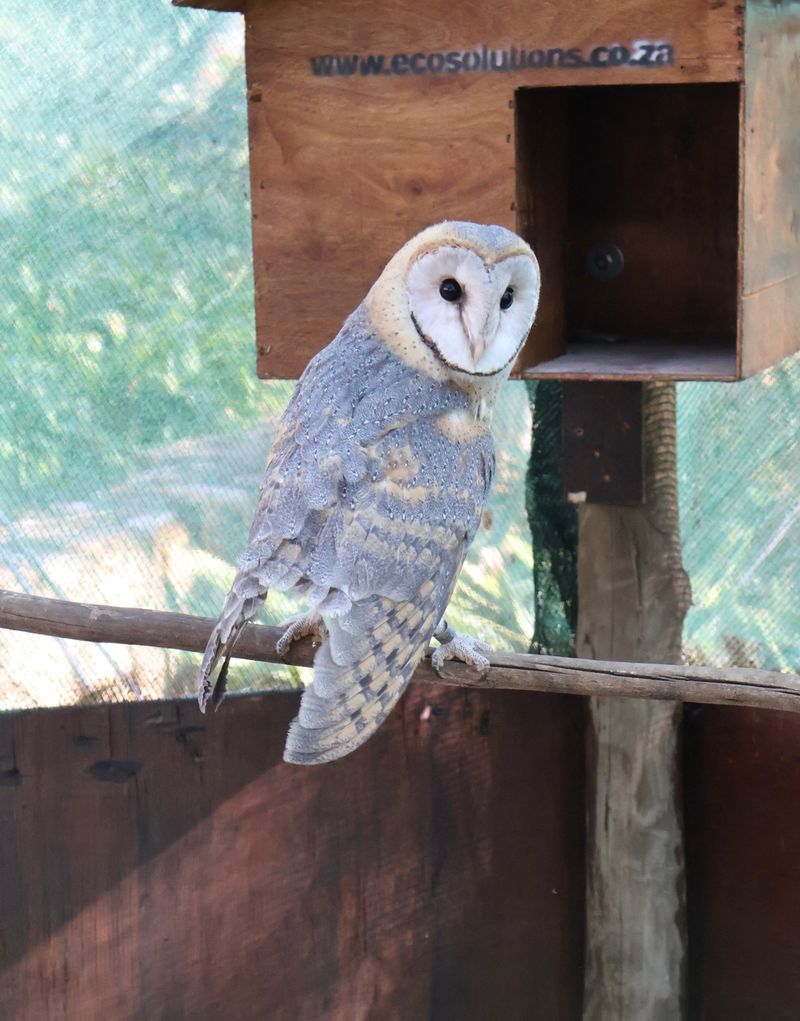
One of the most serious threats to barn owls living near homes is something most people do not connect to wildlife at all: rodent poison. These products, often called rodenticides, are widely sold and commonly used.
But they can be extremely harmful to any animal that eats a poisoned rodent, including barn owls.
When a mouse or rat eats rodent bait, it does not fall over right away. It continues moving around for days while the poison builds up in its body.
During that time, a barn owl may catch and eat that rodent. The toxin then passes into the owl, often with devastating results.
Second-generation anticoagulant rodenticides are especially dangerous. Studies across our state have found these chemicals in the bodies of a large percentage of barn owls and other raptors tested.
Wildlife rescue centers regularly receive barn owls suffering from internal bleeding caused by rodenticide exposure.
If you have barn owls nesting nearby, switching to snap traps or other non-toxic rodent control methods is one of the most meaningful things you can do for them. You can also spread the word to neighbors.
An owl that is actively hunting in your yard is already handling the rodent problem far more effectively than any bait station.
Protecting the owls means protecting the very creatures that are working hardest to keep your property in balance every single night.