How Bats Help Pollinate Arizona’s Night-Blooming Cactus Flowers
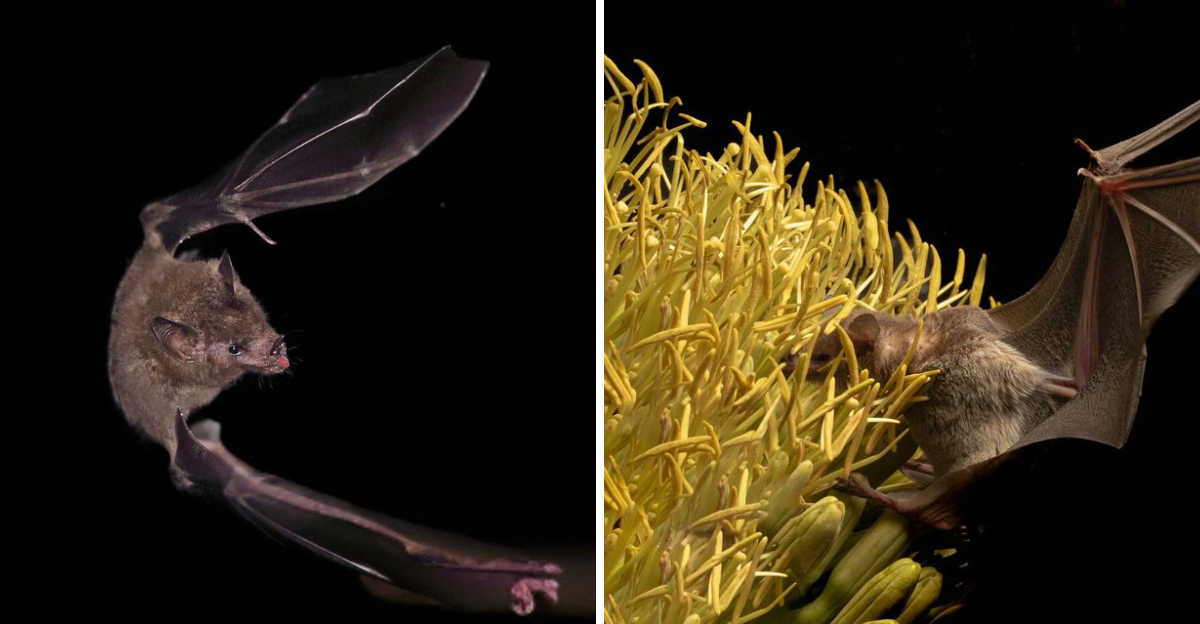
Night opens a hidden side of the desert that many never get to see. While most gardens slow down after sunset, certain cactus flowers begin their most important moments.
Bats arrive when these blooms are ready, creating a connection that happens quietly in the darkness. Their visits help continue a natural process that has existed for countless seasons.
Arizona’s night-blooming cactus flowers rely on timing that few notice during the day. The relationship between these plants and bats reveals a fascinating part of desert life.
Look beyond daylight hours when exploring what grows around your home. A completely different world becomes active when the sun disappears.
This nighttime partnership shows how much is happening in the desert after dark.
1. Night-Blooming Cactus Flowers Open After Sunset
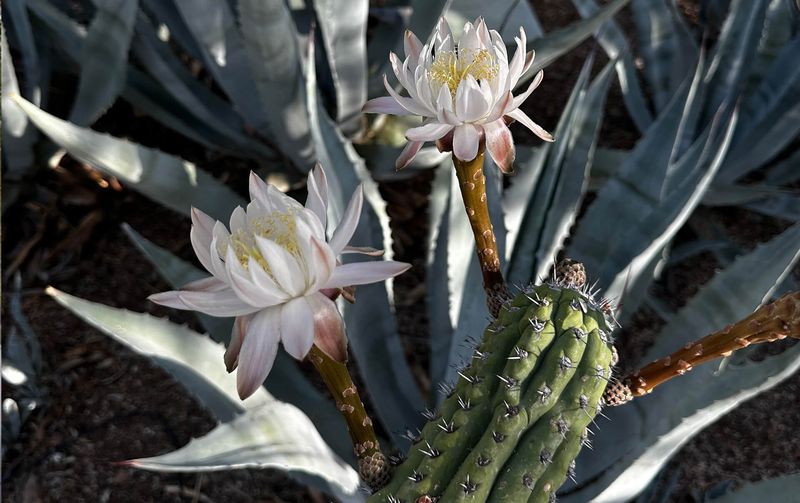
Right as darkness falls, something magical happens across the desert floor. Cactus flowers that stayed tightly shut all day suddenly begin to open.
Petals unfold slowly, releasing a sweet, musky scent into the cooling night air.
Flowers like those on the saguaro cactus bloom for only about 24 hours. Most of that window opens at night, which is exactly when their bat pollinators are active.
Timing matters a lot in this relationship.
Night-blooming cactus flowers tend to be large, white, or pale in color. Those light tones reflect moonlight, making the flowers easier to spot in low visibility.
Color plays a real role in attracting the right visitors.
Scent does a lot of heavy lifting too. Bats navigate using echolocation, but scent helps guide them toward food sources.
A strong floral smell can pull a bat in from a surprising distance.
Nectar production peaks during nighttime hours for these cactus species. Flowers pump out sugary liquid to reward visiting bats generously.
That reward keeps bats coming back night after night.
Not every cactus blooms at night, but the ones that do have evolved specifically around bat behavior. Saguaros, organ pipe, and senita cactus are good examples found across Arizona’s desert regions.
Each one depends on the cover of darkness to complete its reproductive cycle.
2. Nectar-Feeding Bats Carry Pollen Between Flowers
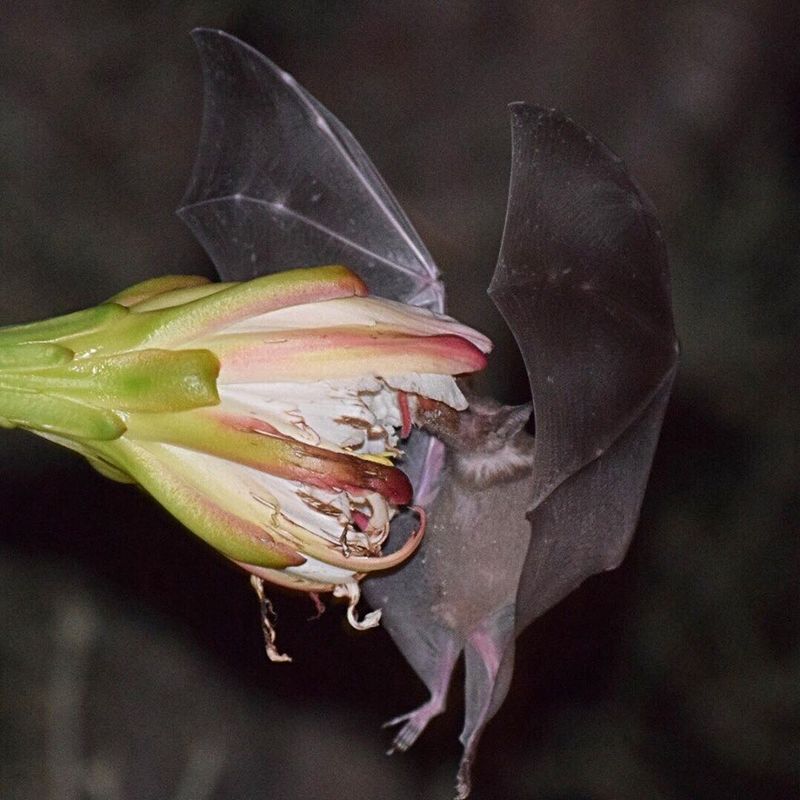
Picture a bat hovering in place like a tiny hummingbird, its face buried deep inside a cactus flower. Pollen dusts its nose, forehead, and fur without the bat even noticing.
That accidental coating is exactly how pollination begins.
Lesser long-nosed bats and Mexican long-tongued bats are the main pollinators for desert cactus in this region. Both species have long snouts built for reaching deep into tubular flowers.
Evolution shaped their bodies to match the flowers they visit.
When a bat moves from one cactus flower to the next, pollen transfers along for the ride. Cross-pollination happens because the bat visits multiple plants in a single night.
One bat can cover a surprisingly large area while foraging.
Bats lap up nectar using long, brush-tipped tongues. Each visit to a flower deposits and picks up pollen at the same time.
Speed and repetition make them highly effective pollinators.
Unlike bees, nectar bats operate in complete darkness. Echolocation helps them detect flower shapes and positions.
Your Arizona Garden Changes Every Week. Your Plan Should Too.
Gardening in Arizona changes quickly throughout the season. Every Friday you’ll receive a simple weekly plan showing exactly what to plant, prune, fertilize, harvest, and protect so you never miss the right timing.
Scent and spatial memory also guide their foraging routes over time.
Lesser long-nosed bats are migratory and follow blooming cactus northward through spring and summer. Their migration path through Arizona lines up closely with saguaro and organ pipe bloom seasons.
3. Pollination Produces Healthy Fruit And Seeds
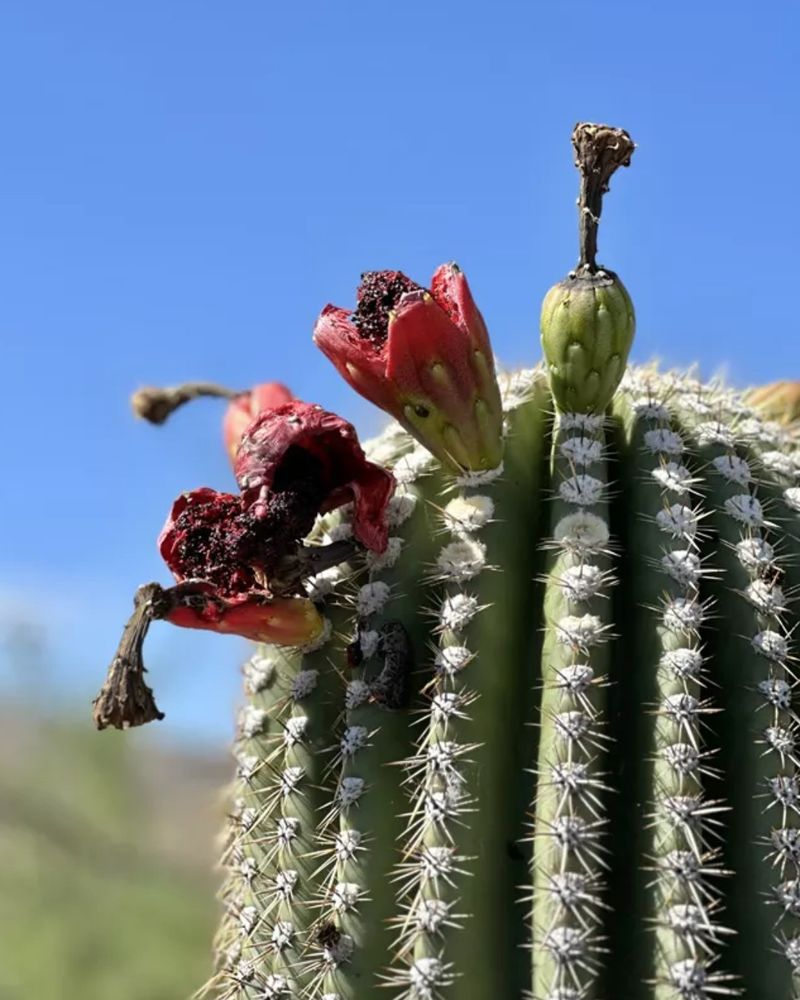
Once a bat visits a cactus flower and transfers pollen, fertilization can begin. Successful fertilization leads to fruit development over the following weeks.
Without that pollen transfer, no fruit forms at all.
Saguaro fruit ripens in late June and early July, splitting open to reveal bright red flesh packed with tiny black seeds. That fruit feeds dozens of desert animals.
Birds, insects, mammals, and even reptiles take advantage of the seasonal bounty.
Seeds that pass through animals end up scattered across the desert floor. Some land in spots where conditions support germination.
That scattering helps new cactus plants establish themselves in different locations over time.
Fruit quality often depends on how thoroughly a flower was pollinated. Flowers visited by multiple bats tend to produce fuller, seed-rich fruit.
More visits generally mean better outcomes for the plant.
Saguaro fruit has fed indigenous desert communities for centuries. Tohono O’odham people traditionally harvested saguaro fruit as a seasonal food source.
That cultural connection runs deep in the desert Southwest.
Bat pollination does not just benefit the cactus. Every animal that eats cactus fruit or seeds benefits indirectly from that original nighttime bat visit.
4. Bats Pollinate Saguaros And Organ Pipe Cactus
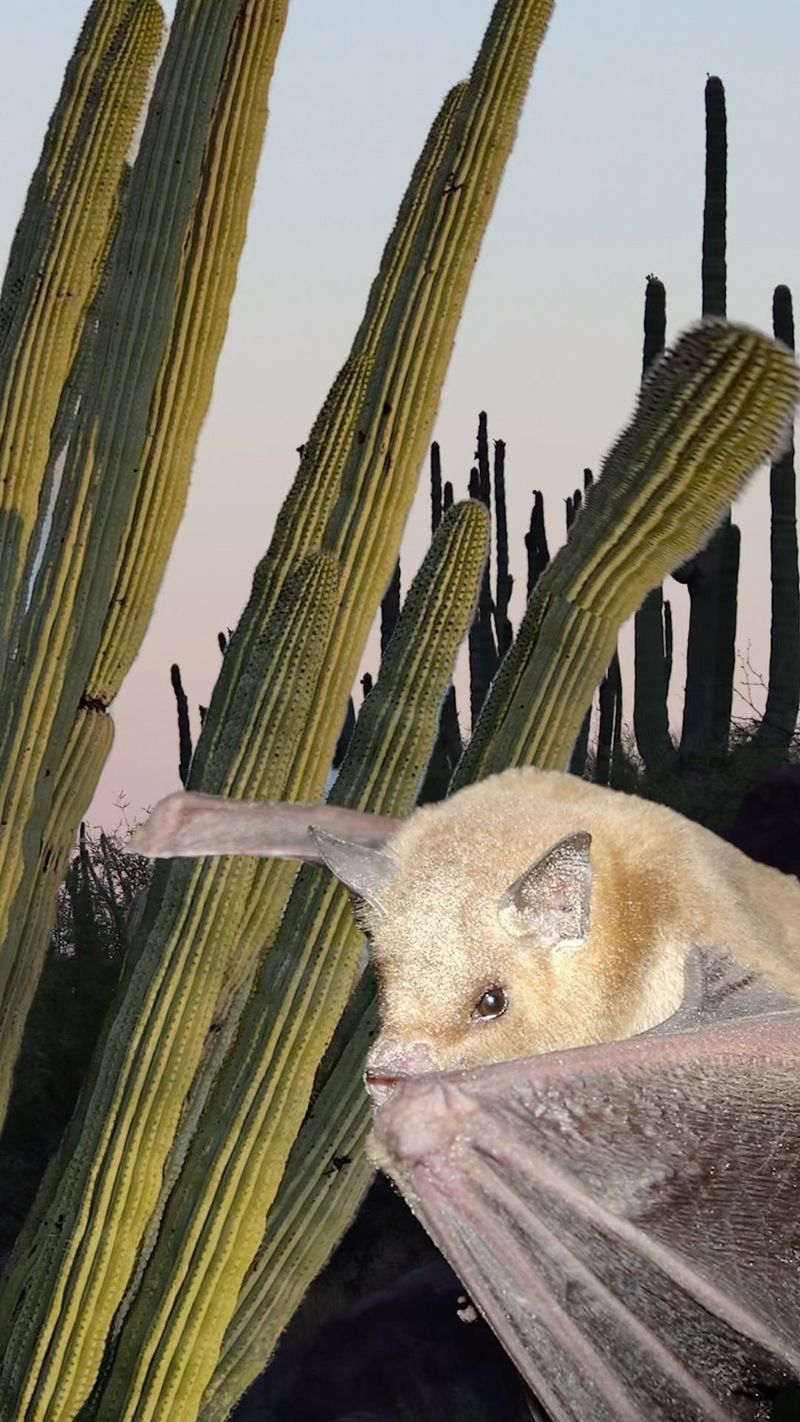
Saguaros are probably the most recognized cactus in North America. Those massive, arm-raising giants rely heavily on bats during their brief bloom window each spring and early summer.
Without nighttime pollinators, seed production would drop noticeably.
Organ pipe cactus blooms similarly, with flowers opening after dark and closing by midmorning. Organ Pipe Cactus National Monument in southern Arizona protects a large concentration of these plants.
Bat activity there is especially important for the local ecosystem.
Senita cactus is another night-bloomer found in the same general region. Its relationship with bats and certain moth species makes it a fascinating case of shared pollination.
Multiple species can work together on the same plant.
Saguaros begin blooming in late April and can continue into early June depending on elevation and weather. That extended season gives bats a reliable food source as they migrate northward.
Timing and geography work together here in meaningful ways.
Organ pipe cactus tends to bloom from May through July. Bats feeding on organ pipe nectar also pick up significant pollen loads on each visit.
Repeat visits across multiple nights build up successful fertilization rates.
Both saguaro and organ pipe cactus produce fruit that wildlife depends on heavily during summer months. Bat pollination at night sets the entire process in motion.
5. Native Desert Plants Support Nectar-Feeding Bats
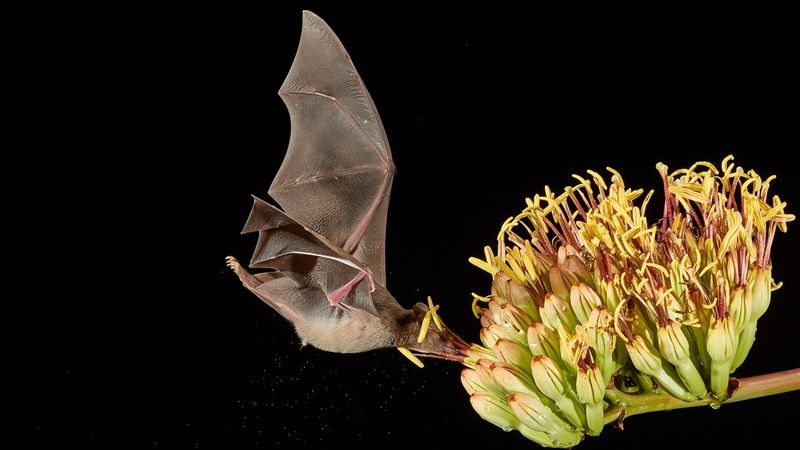
Bats do not survive on cactus flowers alone during their time in the desert. Agave plants, paloverde trees, and other native species also provide nectar and pollen.
A diverse plant community keeps bat populations better fed throughout the season.
Agave blooms are especially important for lesser long-nosed bats early in the migration season. Before saguaro flowers open, agave provides critical nutrition.
Gaps in food availability can stress migrating bat populations significantly.
Planting native desert species around homes and properties can extend foraging habitat for bats. Even a few agave plants or native flowering shrubs make a difference in suburban desert areas.
Small choices at the property level add up across a neighborhood.
Removing native plants from desert yards reduces the food web that supports bats. Replacing them with non-native landscaping cuts off nectar sources that local wildlife depends on.
Native plants are genuinely practical choices, not just decorative ones.
Water sources also matter. Bats need to drink regularly, especially during hot summer months.
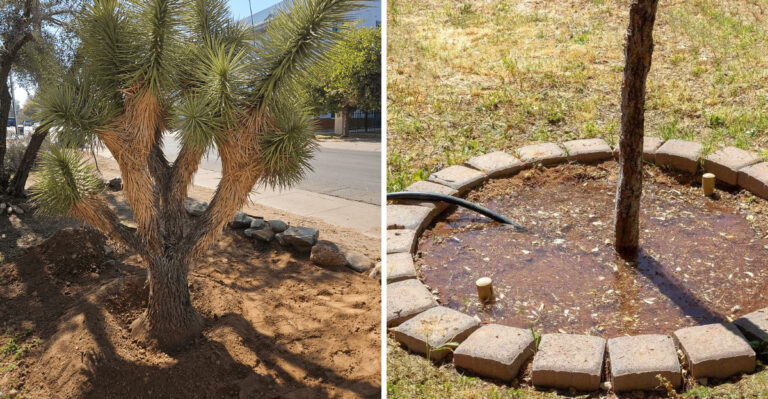
A shallow basin filled with clean water can attract bats and other beneficial wildlife to a yard.
Supporting native plant diversity means supporting the whole system that connects bats, cactus, fruit, seeds, and other wildlife. Each piece of that system reinforces the others.
6. Bright Outdoor Lights Can Reduce Night Activity
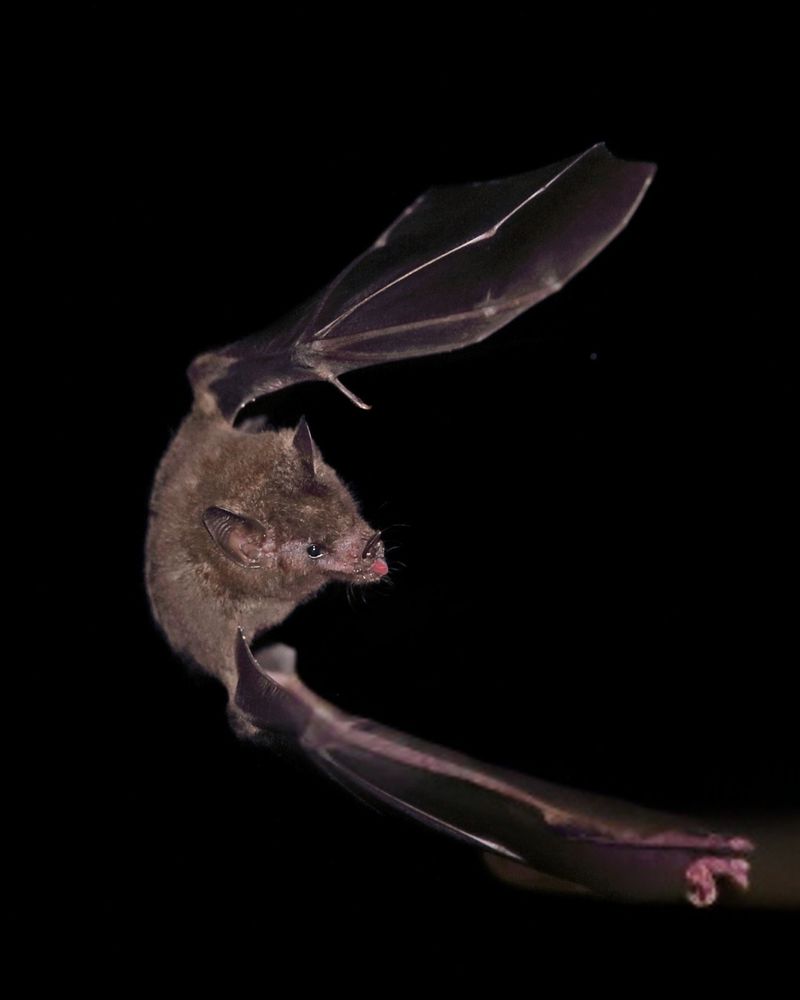
Artificial light at night disrupts a lot more than just your sleep schedule. Bats are sensitive to bright lighting and often avoid well-lit areas when foraging.
Heavy outdoor lighting near cactus plants can push bats away from the flowers they need to visit.
Cactus flowers that go unvisited by bats may still get some pollination from insects or early-morning birds. But bat visits tend to be more thorough and efficient for many night-blooming species.
Reduced bat activity often means reduced fruit set on those plants.
Switching to motion-activated outdoor lights cuts unnecessary light exposure during peak bat foraging hours. Warm-toned bulbs also tend to attract fewer insects, which can indirectly affect bat behavior.
Small lighting changes can have a real impact.
Pointing lights downward instead of outward reduces light scatter into surrounding desert areas. Shielded fixtures keep light where it is actually needed without flooding the surrounding yard.
That adjustment costs nothing extra after the initial setup.
Light pollution is a growing issue in desert communities across the Southwest. As neighborhoods expand closer to protected desert land, the edges of wild habitat face increasing light pressure.
Awareness of this problem is the first step toward addressing it.
Encouraging neighbors to reduce unnecessary outdoor lighting creates a larger buffer zone for nocturnal wildlife. Community-level changes matter more than individual ones in most cases.
7. Healthy Bat Populations Support Future Cactus Growth
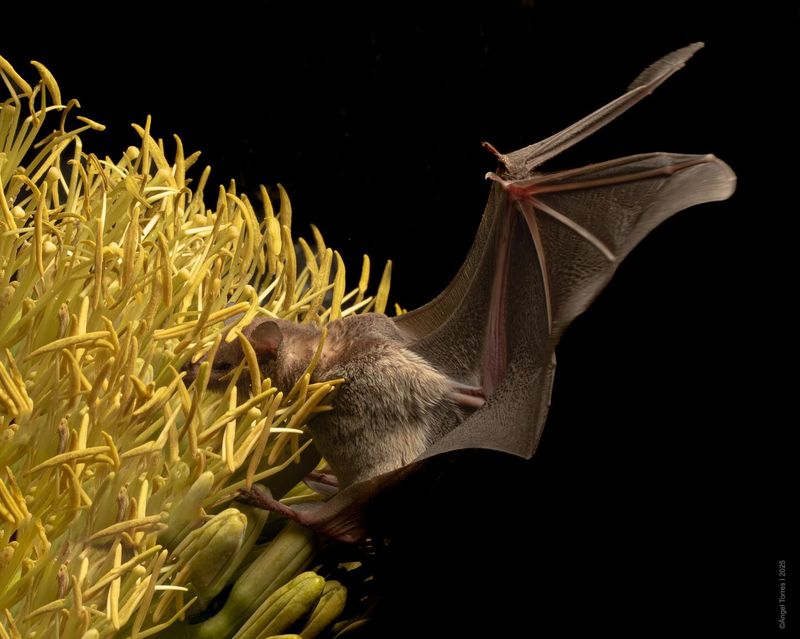
Bat populations in the Southwest have faced pressure from habitat loss, roost disturbance, and disease in recent decades. Fewer bats mean fewer pollinators visiting cactus flowers each season.
That gap shows up eventually in reduced fruit production across the desert.
Lesser long-nosed bats were once listed as endangered but have recovered enough to be removed from that list in 2018. Conservation efforts, roost protection, and cross-border cooperation between the U.S. and Mexico contributed to that progress.
Recovery is possible when the right protections are in place.
Roost sites are critical for bat survival. Caves, mines, and rock crevices serve as daytime shelter and maternity colonies for nursing females.
Disturbing a roost during the maternity season can seriously harm a local bat group.
Protecting desert land from development preserves both foraging habitat and roost locations. When open desert shrinks, bats lose the connected landscape they need to thrive.
Land conservation and bat health are closely linked.
Bat houses installed near desert properties can offer supplemental roosting spots in areas where natural roosts are limited. Placement matters a lot.
South or east-facing locations that get morning sun tend to work best in desert climates.
A healthy bat population keeps pollinating cactus year after year, ensuring the next generation of saguaros and organ pipe plants gets a strong start.