What It Means When Bucks Start Rubbing Trees In Your Pennsylvania Yard
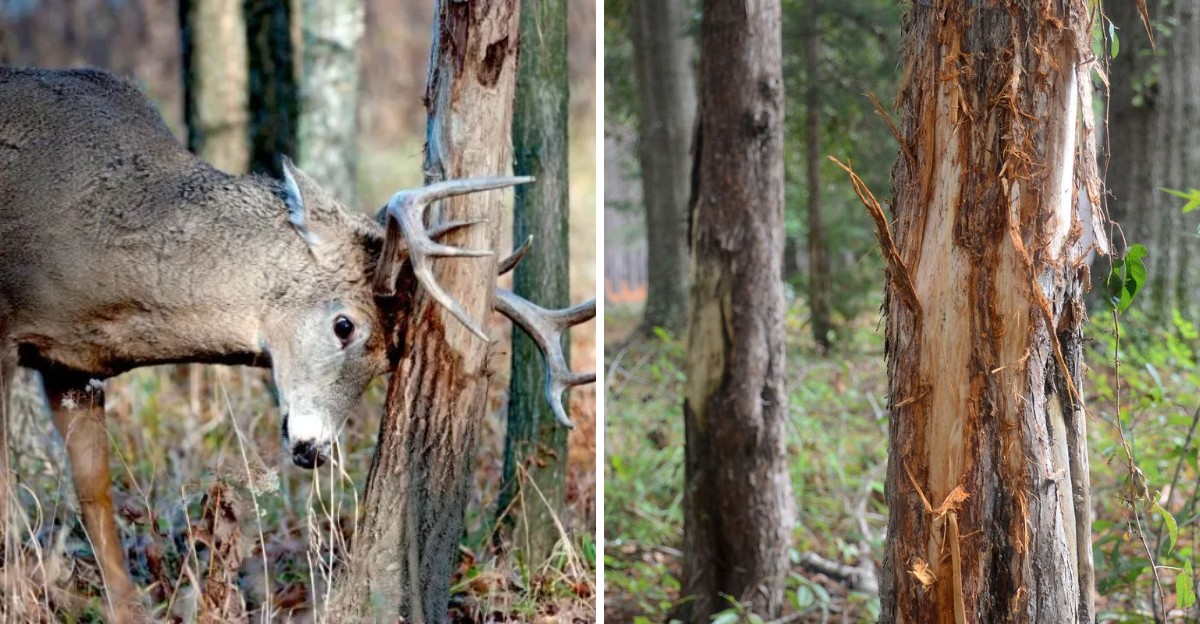
Before dawn, a buck chose your maple as his personal billboard. Those curling bark strips are not random damage. They are his signatures.
Each autumn, Pennsylvania bucks scrape velvet off hardened antlers against young, flexible trunks. Glands on their foreheads smear scent into the raw wood.
That musky odor you caught announces his presence to rivals and does. Beneath the tree, torn soil may mark a scrape. He likely pawed it open, urinated, and left a calling card for females.
Your maple ranks as prime real estate because smooth, wrist-thick trunks shred easily. Unfortunately, repeated rubbing strips the nutrient-carrying layer beneath the bark.
Left unchecked, that injury can stunt or permanently scar a young tree. Pennsylvania’s November rut means more visits are likely soon.
Now you know who visited. What you do before he returns decides whether your maple recovers.
A Buck Marking His Territory Before The Rut
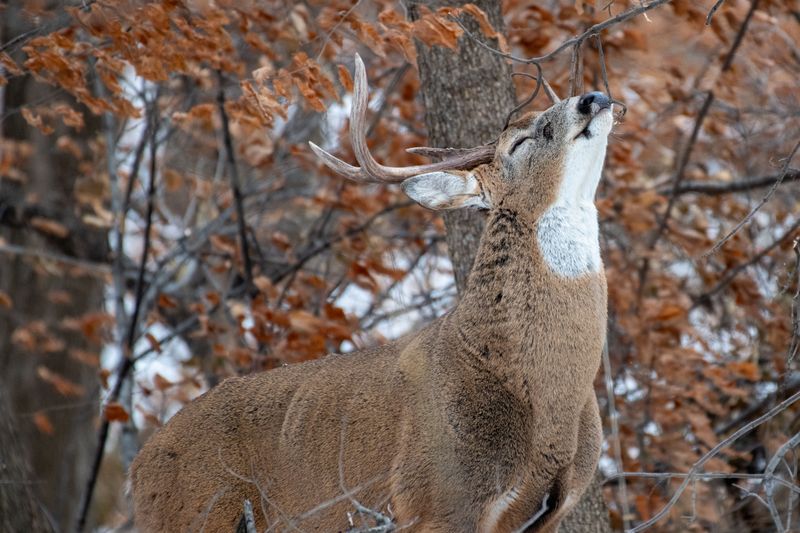
Picture a teenage athlete lacing up cleats before the big game. A buck rubbing your tree is doing something similar, getting ready for the breeding season called the rut.
White-tailed bucks grow new antlers every summer, covered in soft, fuzzy skin called velvet. By late August and September, the antlers harden and the velvet dries and begins to peel.
Rubbing on trees helps scrape that velvet away and polish the bone underneath. Many biologists believe it also strengthens neck muscles bucks use in later sparring with rival males.
There is more going on than grooming, though. Bucks have scent glands on their foreheads that leave a personal smell on every rub.
Other deer passing by can read that scent like a signpost. It tells them a mature male lives nearby and claims this patch of ground.
Does may notice these signs too, and researchers think rubs may help them size up nearby bucks. Your yard, in other words, has become part of a local deer bulletin board.
Fun fact, a single buck may make dozens or even hundreds of rubs each fall. Some hunters call a line of them a rub line, marking a buck’s regular travel path.
So when you spot shredded bark, take it as a clue about deer behavior near your home. A buck feels comfortable enough in your yard to leave his calling card. That comfort matters, because it hints he may come back again soon.
September Timing And The Autumn Deer Calendar
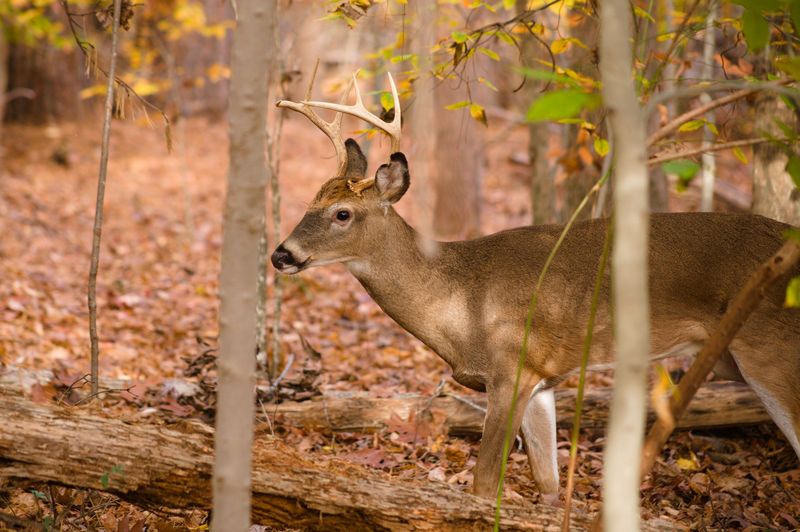
Ever notice how the first cool mornings bring pumpkin everything? Deer run on their own seasonal schedule, and rubbing kicks into gear right around now.
In Pennsylvania, most bucks shed their velvet from late August through mid-September. Shorter days trigger rising testosterone levels, which push them toward rubbing, scraping, and other rut behavior.
Early rubs tend to appear on small trees, often about as thick as your wrist. As October arrives, bigger bucks may target thicker trunks and rub more aggressively, sometimes snapping limbs or gouging bark down to bare wood.
Your Pennsylvania Garden Changes Every Week. Your Plan Should Too.
Gardening in Pennsylvania changes quickly throughout the season. Every Friday you’ll receive a simple weekly plan showing exactly what to plant, prune, fertilize, harvest, and protect so you never miss the right timing.
The peak breeding period in the Keystone State usually lands in early to mid-November. Rubbing activity often climbs steadily until then, so early fall damage is just the opening act.
Knowing this calendar helps you plan ahead instead of scrambling. If you spot one fresh rub now, expect more across the next eight to ten weeks, often along the same travel route.
Some bucks return to the same area year after year. Homeowners near woods, creek bottoms, or farm fields often see repeat visits each fall, sometimes on the very same trees.
Keep a simple notebook or phone note tracking where and when rubs show up. Jot down the date, the tree species, and trunk thickness. Over a season or two, patterns emerge that make protecting your trees much easier.
Moving ahead of the calendar beats reacting after the bark is gone. Wrap vulnerable trunks before rubbing peaks. Think of early fall as your early warning, like a weather forecast for antlers.
The Real Harm To Young Trees
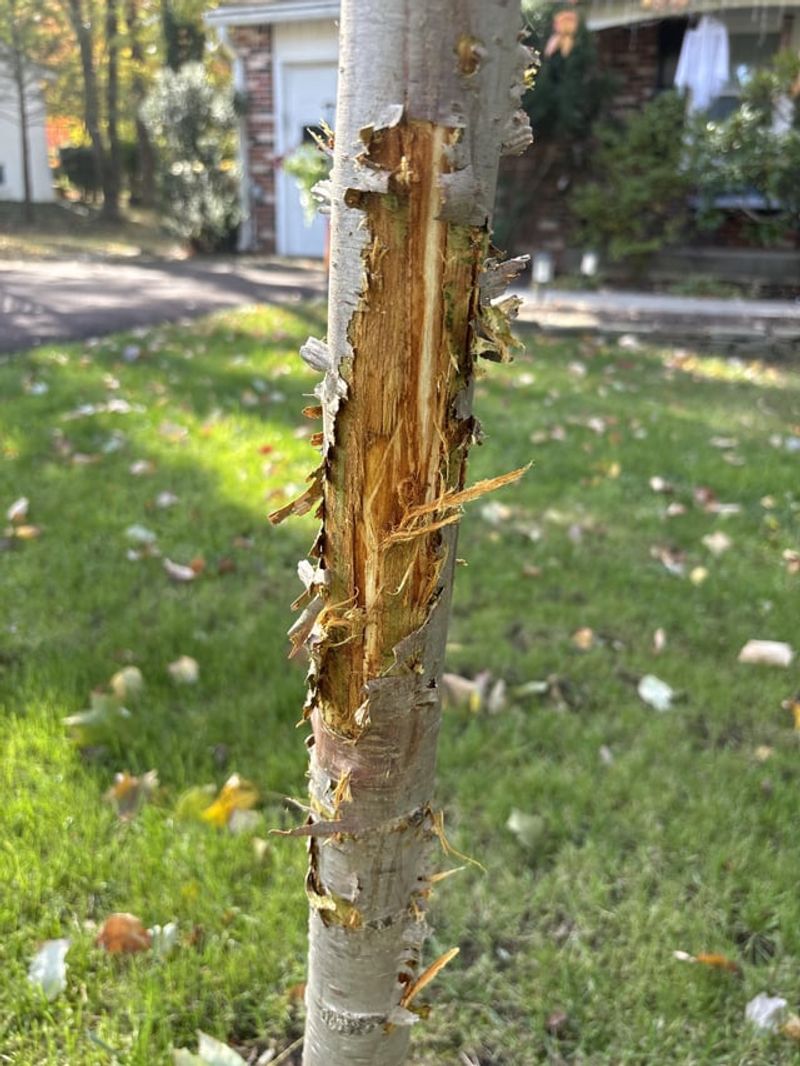
Here is the tough news for anyone who just planted a pricey Japanese maple. Buck rubs can seriously harm young trees, sometimes beyond repair.
Just under the bark sits a thin living layer called the cambium. Alongside it, the inner bark carries sugars and nutrients through the trunk, much like veins in your arm.
When a buck scrapes these layers away, the tree loses its supply route. If the damage wraps around the whole trunk, a condition called girdling, the part above the wound usually fails within a season or two, though some species resprout from below.
Favorite targets include smooth-barked, fragrant, or newly planted trees. Cedars, maples, pines, cherries, and fruit trees often top the list in Pennsylvania neighborhoods.
Bucks like trunks that bend a little but stand firm. Thin saplings from one to four inches wide are especially at risk during their first few years after planting.
Partial damage is not hopeless, though. Trees with a strip of healthy bark left on one side can often heal slowly over time, growing callus tissue that rolls inward from the wound edges.
Skip painting wounds with tar or sealant, since experts say it can trap moisture and slow healing. Instead, trim ragged bark edges cleanly with a sharp knife, removing loose flaps without cutting into healthy tissue.
Water the tree well through dry autumn weeks and skip heavy fertilizer until spring. A layer of mulch around the base, kept a few inches from the trunk, helps hold moisture. A little patience gives your injured tree its best shot at recovery.
Common Mistakes Homeowners Make After Spotting Rubs
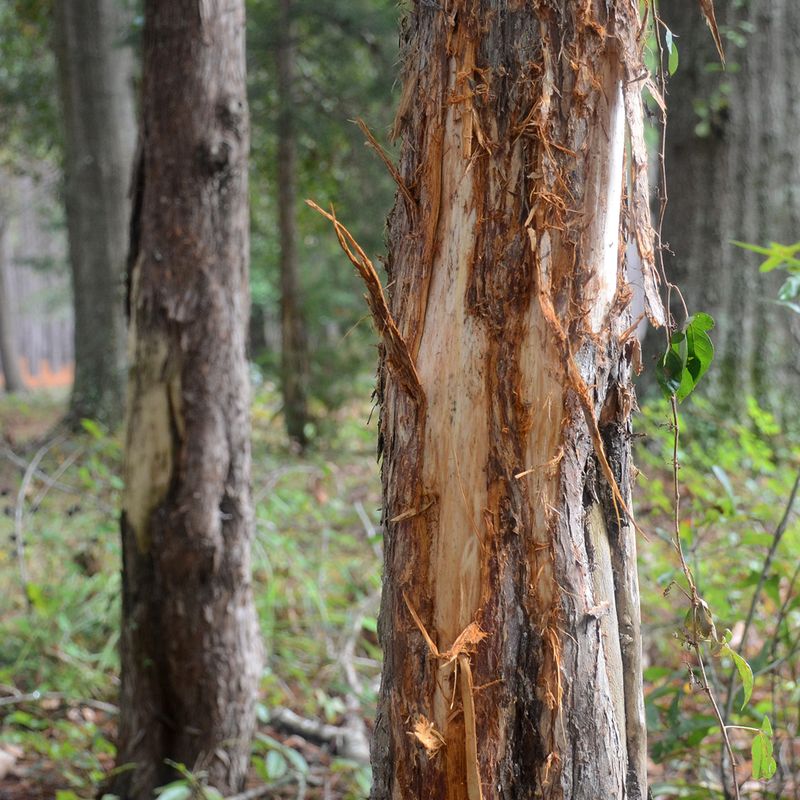
Some homeowners hang wind chimes on their trees to scare off deer. Bucks usually ignore them, and neighbors rarely appreciate the clanging.
Plenty of folks try quick fixes that sound clever but flop. Soap bars, pie tins, and human hair may work briefly before deer get used to them.
Another frequent slip is waiting too long to act. Once a buck claims a tree, he often keeps returning to refresh his scent.
Some people wrap trunks too tightly with plastic tape or rope. That can squeeze and damage the bark as the tree grows.
Forgetting to remove plastic wraps and tubes in spring causes trouble too. Moisture and bugs can hide under wraps left on all year.
Feeding deer is a big one to skip. Tossing out corn or apples draws more animals close, which means more rubbing and browsing.
In fact, the Pennsylvania Game Commission prohibits feeding deer inside its Disease Management Areas and advises against it elsewhere. Crowding deer together can spread illness among the herd.
Finally, avoid getting close to a buck during rut season. Those antlers are sharp, and hormonal males can act bold and unpredictable.
Stay calm, watch from a distance, and pick smart, lasting solutions. Your trees and your safety both benefit from a thoughtful approach.
Simple Fixes That Guard Your Trunks
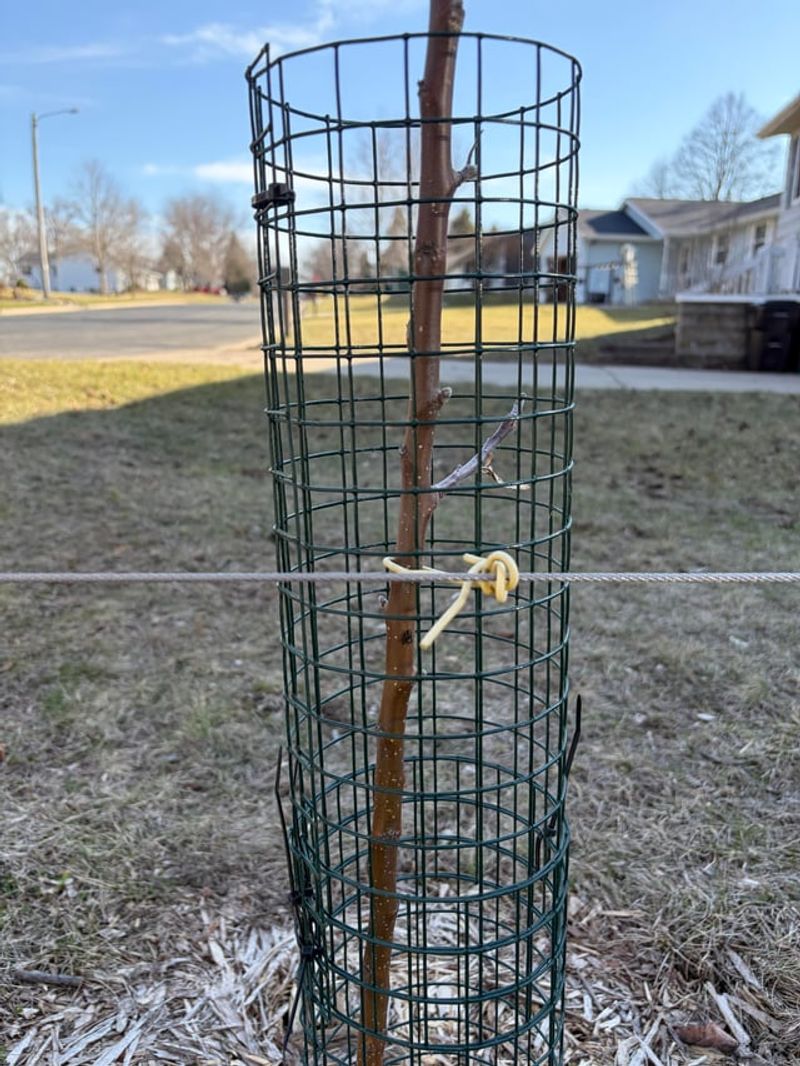
Good news, protecting trees from antlers does not require a degree in wildlife science. A few basic supplies from the hardware store go a long way.
Wire cages are the gold standard for young trees. Circle the trunk with sturdy fencing about four to five feet tall and anchor it with stakes.
Leave a gap of several inches between the wire and the bark. That space stops bucks from rubbing through the mesh.
Plastic tree guards or corrugated tubes also help on smaller trunks. They are cheap, easy to install, and simple to remove in spring.
For a quick option, drive three or four tall stakes around a tree. Bucks struggle to swing their antlers between closely spaced posts.
Repellent sprays with strong smells can discourage deer for short periods, though they work better against browsing than rubbing. Reapply after rain and switch brands now and then so deer do not adjust.
Motion-activated sprinklers surprise visiting deer with a sudden burst of water. They work well near gardens but need shutting off before hard freezes.
Mixing several methods usually beats relying on just one. Deer are clever, so layered defenses keep them guessing and your trees standing tall. Install protection now, before the late fall rubbing surge.
Long-Term Planning For A Deer-Friendly Yet Protected Landscape
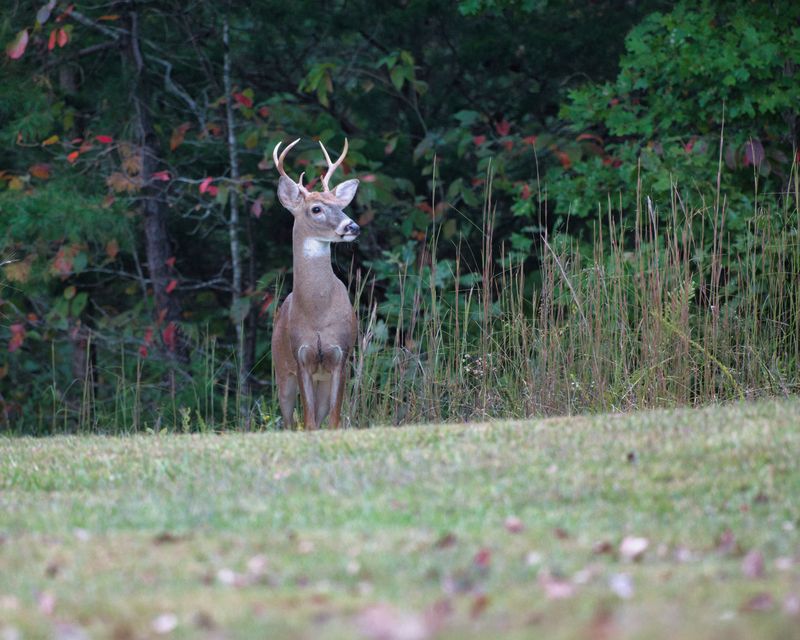
Living near deer is part of the charm of Pennsylvania life. With smart planning, you can enjoy the wildlife without sacrificing your favorite trees.
Start by choosing plants deer usually leave alone. Spruce, river birch, and pawpaw are browsed less often than cedars or fruit trees, but young trunks of any species still need guards against rubbing.
Place new plantings closer to your house, porch, or driveway. Deer feel less relaxed near busy areas with lights and people moving around.
Tall fencing around key sections is a bigger investment but pays off. Most experts suggest at least eight feet, since deer jump surprisingly high.
Plant larger, older trees when possible. Trunks thicker than about five inches are less tempting to rubbing bucks, though mature bucks sometimes target larger trees.
Talking with neighbors can make a real difference too. When a whole street protects trees, deer have fewer easy targets nearby.
Your county extension office through Penn State offers free tips on deer-resistant landscaping. Their local advice fits Pennsylvania soil, weather, and deer habits.
Here is a fun thought to end on. Those rubs mean healthy deer thrive around you, a sign your area still has wild spaces.
Protect what you love, appreciate the visitors, and let each autumn become a season you look forward to.