What It Means When California Garden Soil Suddenly Develops A White Surface In October
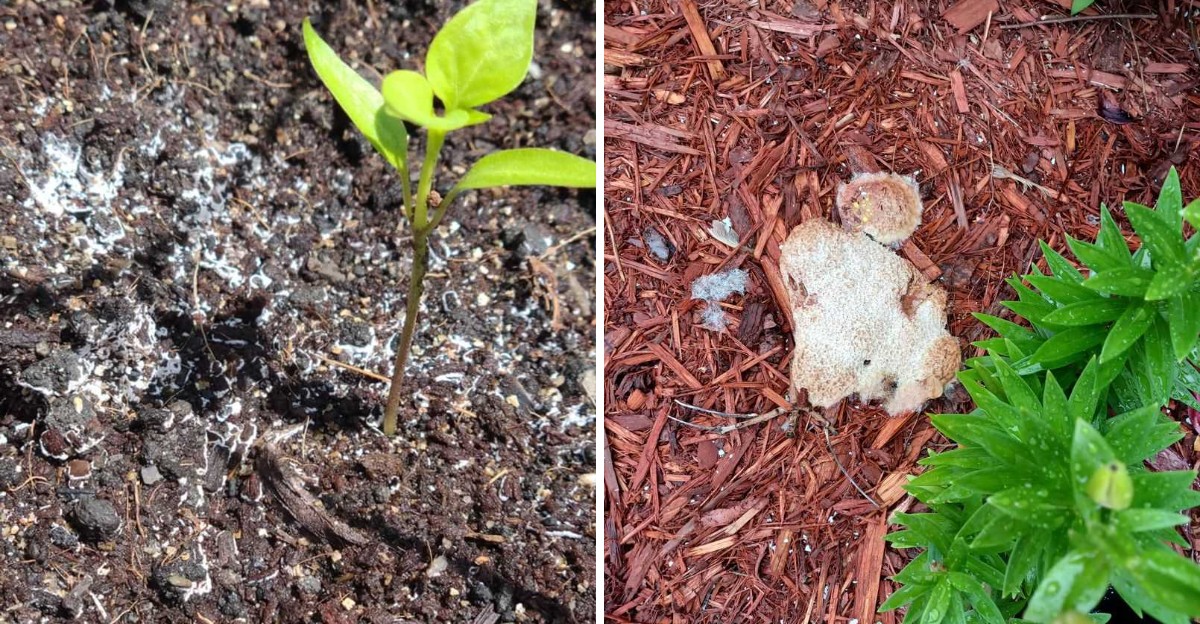
Flour, frost, or a very bored neighbor with a sifter? Many gardeners run through that list first.
October rain finally shows up in California. The garden smells amazing. You step out with coffee, ready for a peaceful morning.
Then one bed looks different. A pale layer sits across the soil like someone dusted it overnight. Yesterday it looked normal. Today it looks like a crime scene for bakers.
So what would you do first? Grab a rake? Search for a spray? Blame the dog? Nobody would judge you.
Hold that thought. The answer might surprise you. It might even make you a little proud of your yard.
That white surface carries a backstory. It started months ago, long before the first cloud rolled in. A few clues can reveal what it is, what it wants, and how much attention it deserves.
Spoiler: the story is stranger than flour. And the ending is a lot friendlier than most gardeners expect.
Curious yet?
Returning Moisture Wakes Up Dormant Fungi
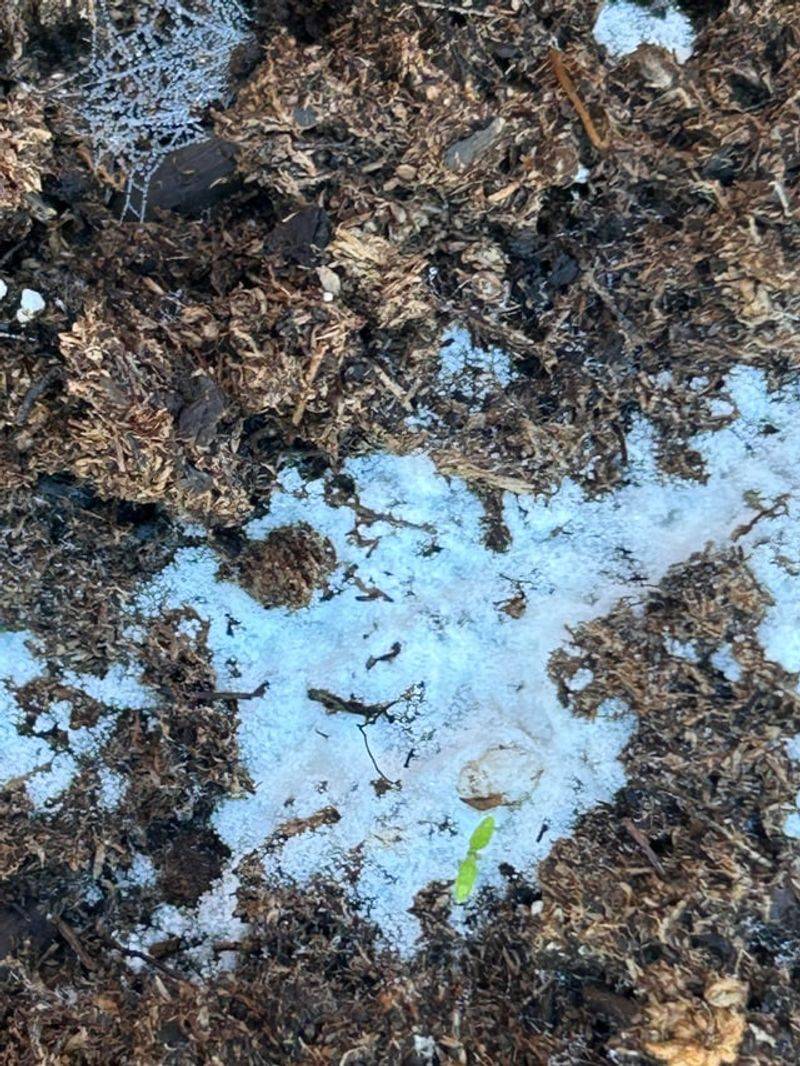
A kitchen sponge left in a hot garage all summer turns stiff and crusty. Add water, and it bounces right back. Soil fungi work in a surprisingly similar way.
California summers stay long and rainless. Through those months, many fungi hide in the soil as tiny threads called hyphae. Others rest as spores. Most do not leave. They simply wait for a reason to grow.
The first soaking rain of October gives them that reason. The threads soak up water and spring into action. Within a day or two, a white, cottony or powdery layer can spread across mulch, compost, or bare soil.
To you, it looks brand new. To the fungus, it is just the end of a very long nap. Talk about a dramatic wake-up call.
Rain amount matters here. A light sprinkle often falls short. A storm that wets the top few inches, followed by mild days, sets the perfect stage. Cooler nights and shorter days also keep the surface damp much longer than summer did.
Now grab a notebook, because this part is fun. Jot down the date the white growth first shows up. Add a rough note about how much rain fell before it appeared.
After a couple of seasons, a pattern may start to emerge. You could end up the neighborhood’s unofficial fungus forecaster. Business cards optional, but highly encouraged.
Saprophytic Fungus Feeds On Old Plant Matter
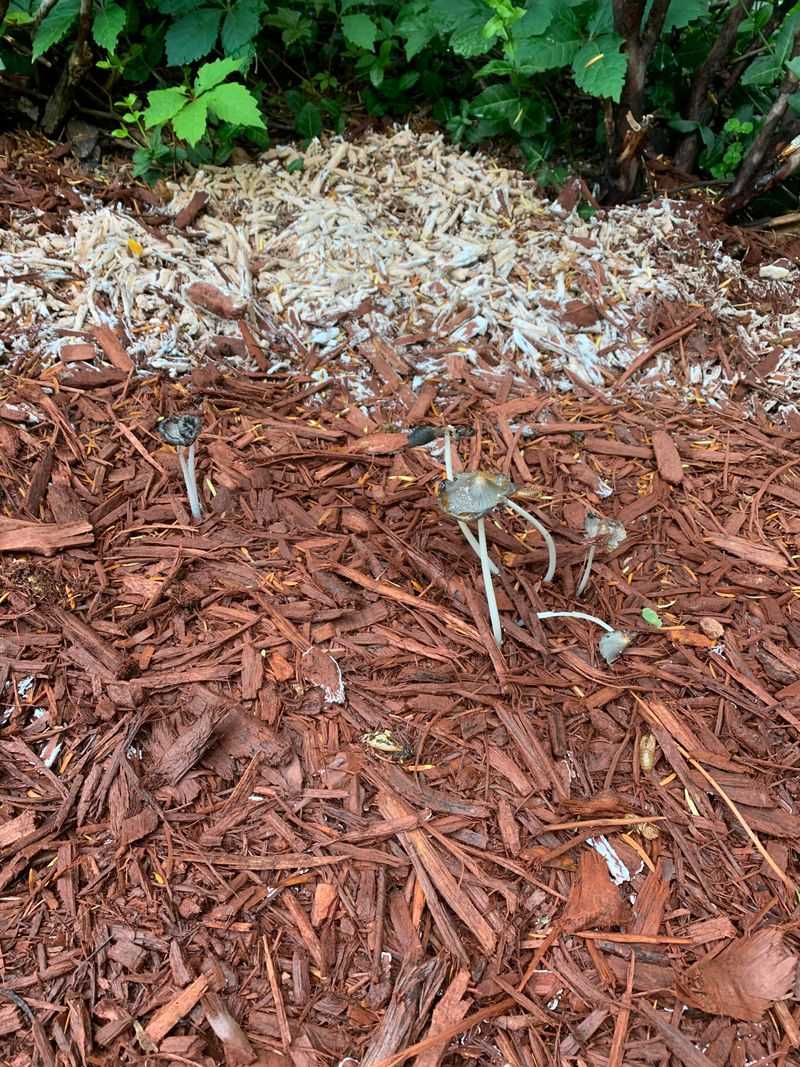
Nature runs its own cleanup crew, and it works for free. The white fuzz on October soil is often a saprophytic fungus. That fancy term describes a fungus that eats old, spent plant material.
Saprophytes snack on fallen leaves, old roots, wood chips, bark mulch, and bits of compost. They release enzymes that break tough plant material into smaller pieces. Those pieces slowly become nutrients and humus.
Humus is the dark, crumbly stuff that makes soil rich and spongy. Gardeners chase it for years. These fungi make it quietly, one leaf at a time.
Without these helpers, a garden would slowly vanish under piles of old leaves and sticks. Decomposer fungi are a normal, valuable part of healthy soil life. They are basically the kitchen staff showing up to wash dishes after summer’s big party.
Your California Garden Changes Every Week. Your Plan Should Too.
Gardening in California changes quickly throughout the season. Every Friday you’ll receive a simple weekly plan showing exactly what to plant, prune, fertilize, harvest, and protect so you never miss the right timing.
The heaviest growth tends to appear where the food supply is best. Fresh wood chip mulch, leaf piles, and spots with new compost often light up first. Bare, sandy soil with little organic matter usually shows much less.
Time for a quick field trip, and you do not even need to leave the yard. Lift a clump of mulch and look closely. Thin white threads may weave through it. That is the fungus hard at work on its cleanup shift.
Some fungal networks stretch for acres under forests. Your garden patch hosts a tiny cousin of that hidden world. Small yard, big fungus family reunion.
It Rarely Threatens Healthy Living Plants
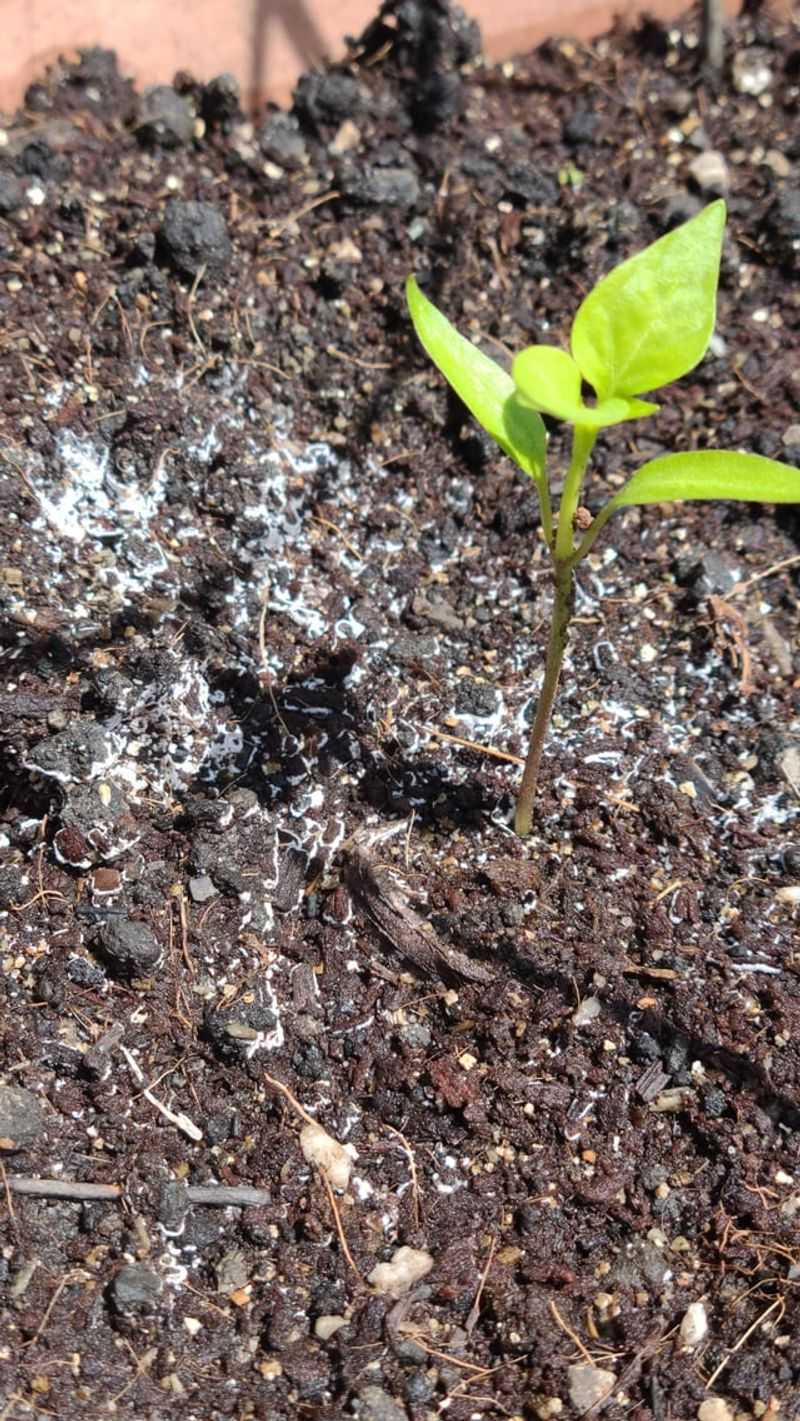
Take a deep breath. Your tomatoes and roses are most likely fine.
Most white growth after October rain cares about old leaves and mulch. It shows little interest in the living plants beside it.
Saprophytic fungi are not built to attack healthy tissue. Living plants carry natural defenses, like tough outer layers and chemical signals. Those defenses keep decomposers at a polite distance. So while the fungus munches on last spring’s wood chips, fall lettuce keeps growing right next door.
A few exceptions deserve a closer look. White growth that wraps tightly around a stem base is one red flag. A plant that starts to wilt, yellow, or collapse is another. Those signs can point to a plant disease instead.
In that case, a local nursery or experienced garden expert can help identify the problem. A clear photo of the stem and leaves makes that chat much easier.
Now let’s clear up a common mix-up. Powdery mildew looks like white dust on leaves, not on soil. It is a different problem with different causes. A quick look at where the white stuff sits usually solves the mystery.
The soil fungus behaves like a quiet neighbor who mows its own lawn and keeps to itself. Well-fed, properly spaced plants grow even tougher. Go easy on the water too.
Healthy plants plus busy decomposers make a great team. Frankly, it is the most drama-free relationship in the whole garden.
Fruiting Bodies Appear Only Under Right Conditions
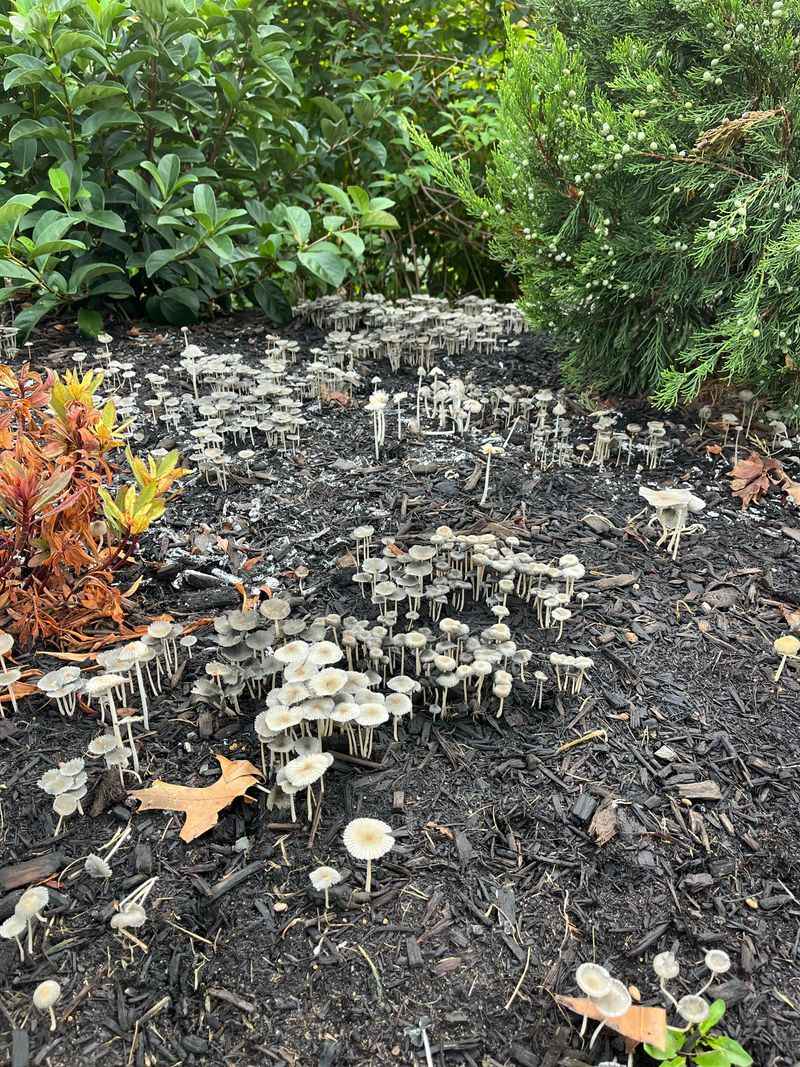
It seems to appear overnight, as though someone sneaked into the yard with a bag of flour. The truth is less sneaky. You are finally seeing the visible part of a fungus that grew out of sight for a long time.
Most of a fungus lives underground as thread-like hyphae. Moisture, temperature, and food need to line up. Once they do, the fungus pushes up fruiting structures.
They may look like tiny mushrooms, fuzzy mats, or powdery crusts. Their job is simple. They release spores that ride wind and raindrop splashes to start new colonies.
Slime molds may crash the party too. They are not true fungi, but they act a lot like them. Damp weather lets them spread into bright blobs of white, yellow, or cream.
Plenty of gardeners mistake them for spilled food. Some even blame the family pet. Poor dog.
The October timing makes perfect sense. Dry summer soil keeps these organisms hidden. Then a soaking rain triggers their spore stage all at once. That explains why several beds can show growth on the same morning.
Here comes the fun part for curious minds. Some fruiting structures last only a day or two before they dry out or collapse. Grab a magnifying glass early in the morning, while the surface is still damp. That is when they look their freshest.
Your flower bed just became a nature documentary, and nobody had to pay for a subscription.
Salt Crust Looks Similar, But Forms Differently
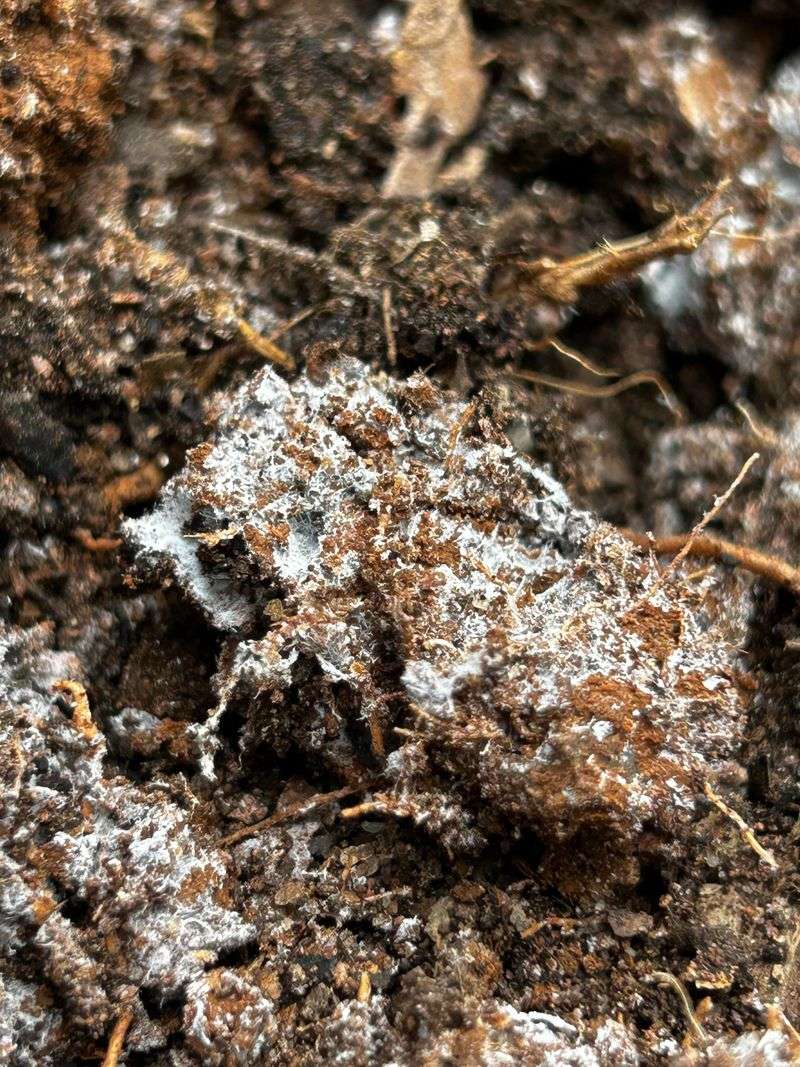
Not every white layer is alive. Some of it is plain old salt. A quick ID can save you a lot of worry.
Salt crust builds up slowly over the dry season. Irrigation water in many parts of California carries dissolved minerals. Summer heat pulls water from the soil surface, but those minerals stay behind.
Week after week, they collect into a white or grayish crust. Look for it around drip emitters, pot edges, and low spots.
The calendar offers the biggest clue. Salt creeps in gradually through hot, dry months. Fungus shows up suddenly after a real rain. A good soaking storm often dissolves salts and washes them deeper. So the crust may shrink right when the fungus appears.
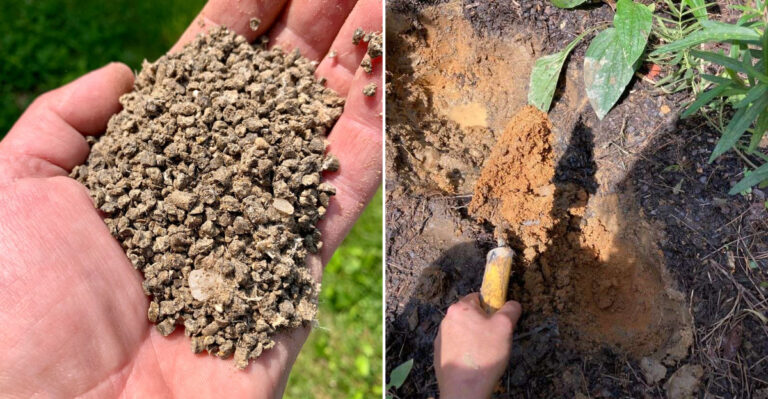
Now for a hands-on test, and yes, you are allowed to play in the dirt. Rub a pinch between your fingers. Salt feels gritty or crunchy and may sparkle a bit. Fungus feels soft, cottony, or powdery. It often carries a faint earthy smell too.
Once salt proves to be the culprit, it deserves real attention. Heavy buildup can stress roots and leave crispy edges on sensitive leaves. An occasional deep soak helps flush salts below the root zone.
The right amount depends on your soil and water, so a local garden expert can help fine-tune it.
Fungus, on the other hand, usually needs nothing from you. Salt, meanwhile, brings a whole new meaning to a salty attitude.
Improved Airflow Reduces Future Outbreaks
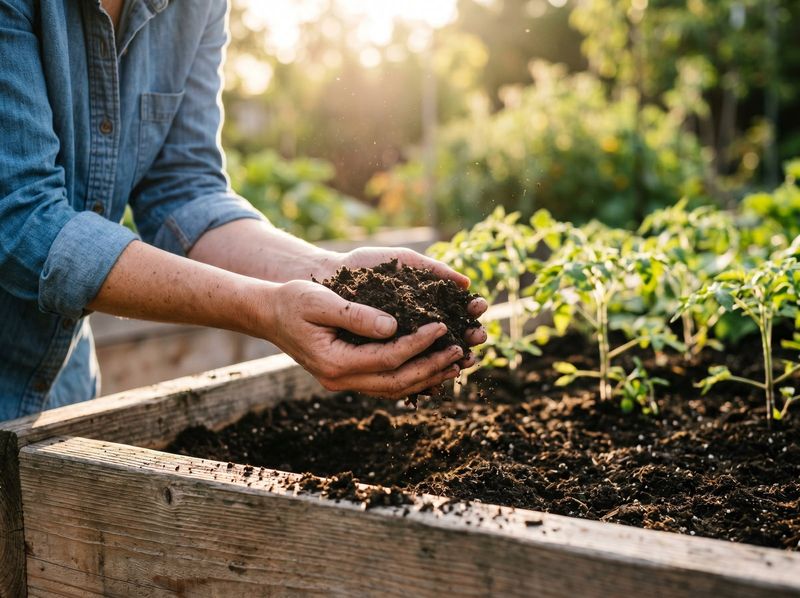
Stuffy rooms get musty. Crowded garden beds do too. A little fresh air can keep the white growth smaller next fall.
Fungi love damp, still, shady spots. Tightly packed shrubs and thick mulch keep the soil surface wet for days after rain. Thin out dense plants and trim low branches. Give new plants a bit more elbow room. Breezes and sunshine then dry things out faster.
Irrigation schedules matter just as much. October rains mean many California gardens need far less water. Yet plenty of timers keep humming along on their summer schedule. Your sprinklers did not get the memo.
Turn the system down or off after a good storm. Restart it once the top inch or two of soil feels dry.
A few more simple moves help too:
Rake thick mulch loose so it does not pack into a soggy mat.
Keep mulch a few inches back from stems and trunks.
Water early in the day so the surface dries before evening.
Drainage deserves a look as well. A spot that puddles after every rain will likely grow fungus year after year. Compost added over time improves soil structure. Water then soaks in, and the lazy puddles move out.
Those steps will not erase soil fungi, and that is perfectly fine. The goal is a balanced garden that dries out between storms. Your beds get a breather, and the fungus gets a gentle hint to keep its party small.
Most Cases Need No Response At All
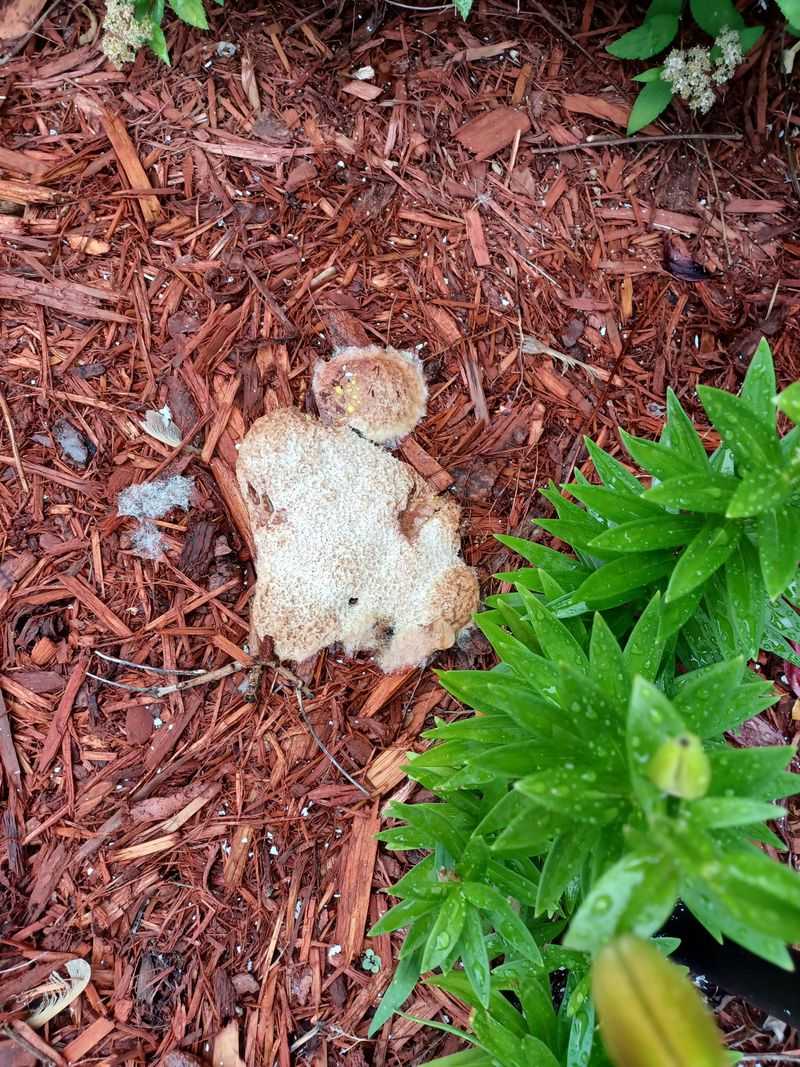
Sometimes the best garden tool is a comfy chair and a bit of patience. For most white growth after October rain, the smartest move is to relax.
That fuzzy layer shows your soil is alive and busy. Decomposer fungi are turning old leaves and mulch into food for next spring’s plants. Fungicide sprays and surface scrapes usually are not needed. They can even disturb the helpful soil life you actually want.
Most of the time, the growth fades on its own within days or a couple of weeks. The surface dries between storms, and the fruiting structures shrivel away. Underground, the fungus keeps quietly at work.
Another flush may pop up after the next big rain. That is completely normal.
Some gardeners simply dislike the look. That is fair, and nobody needs to love fuzz. A gentle rake can work it into the mulch or lightly into the soil. Slime mold patches can go straight into the compost pile.
One friendly reminder for busy households. Keep pets and small kids away from any mushrooms, since some can be toxic.
Certain signs do call for expert help. Wilting plants, rotting stems, or a crusty, salty layer that returns every year all deserve a closer look. A local nursery or garden expert can help sort it out.
Otherwise, pour another coffee and enjoy the show. Your soil handles the heavy work, and for once, you get to supervise from the chair.