What It Means When Dark-Eyed Juncos Return To Oregon Yards
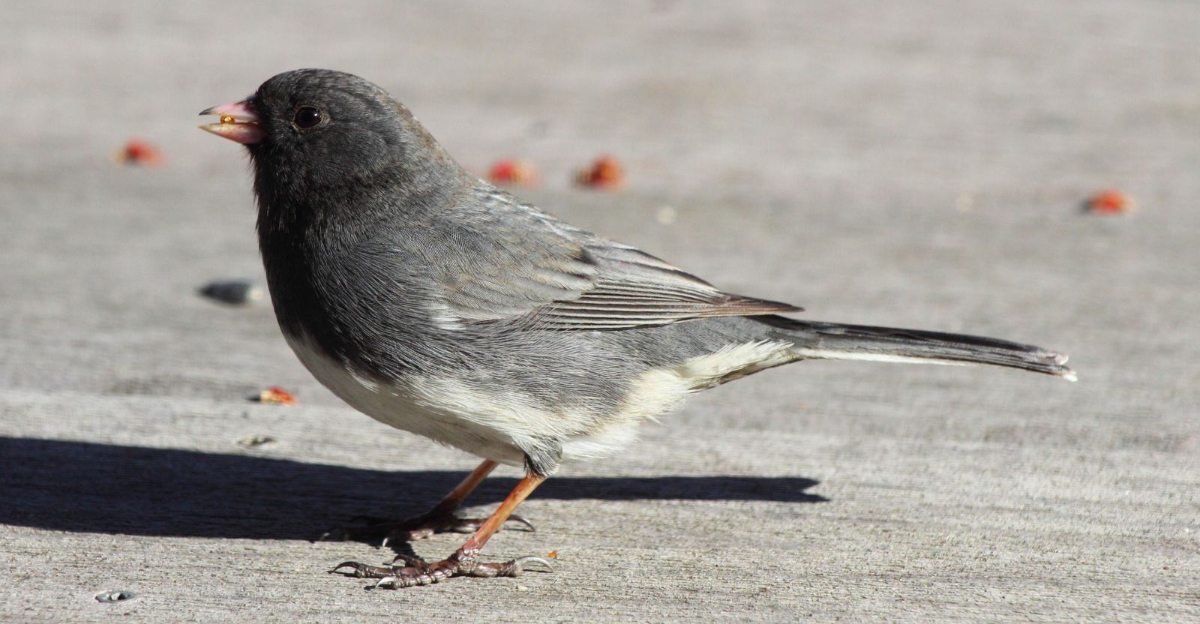
There is a particular moment every fall in Oregon yards when you suddenly realize the little gray and brown birds are back. Hopping across the lawn, scratching through leaf litter under the shrubs, appearing at the feeder in small busy groups like they never left.
Dark-eyed juncos are one of those birds that gardeners either know really well or have been quietly wondering about for years without quite putting a name to them.
Their neat rounded shapes and that distinctive flash of white tail feathers make them easy to spot once you know what you are looking for.
Some juncos stay in parts of the state year round, while seasonal movement makes others far more visible come fall and winter.
Either way, these little visitors have a lot going on, and their behavior in your yard tells an interesting story.
1. Seasonal Movement Is Bringing More Juncos Into View
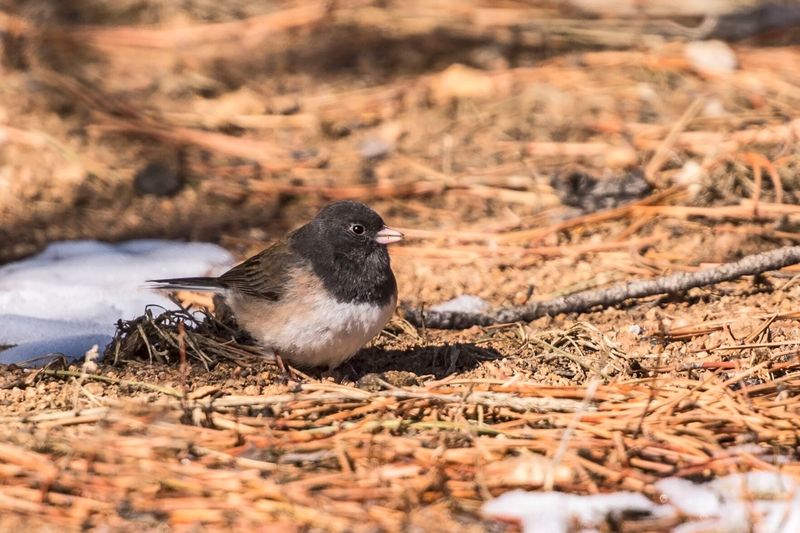
Cooler fall days often bring a noticeable uptick in junco activity around Oregon neighborhoods. Dark-eyed juncos actually include both resident birds that stay in some areas year-round and migratory ones that shift with the seasons.
Outside the nesting season, they may turn up across much more of Oregon, including city parks, gardens, and neighborhood feeding areas.
Because of this mix, you may see them more often once the weather turns. Some juncos move from higher elevations or northern regions toward lower, milder spots where food and shelter are easier to find.
Oregon offers a variety of these lower-elevation landscapes, and residential yards can fall right into that pattern. When several birds gather in gardens and beneath feeders, it usually reflects normal seasonal movement rather than a sudden or dramatic change.
It helps to think of their arrival as a shift in visibility more than a strict calendar marker. A yard that seemed quiet in summer might suddenly feel lively as juncos hop across open ground and dart between shrubs.
This does not mean winter has officially begun the moment you spot one. Local weather, elevation, and surrounding habitat all shape when and where they show up.
For Oregon homeowners, the takeaway is simple and reassuring. More juncos in view often signals that seasonal movement is underway and that your outdoor space is offering something worth stopping for during the cooler months.
2. Winter Habitat Is Becoming More Important
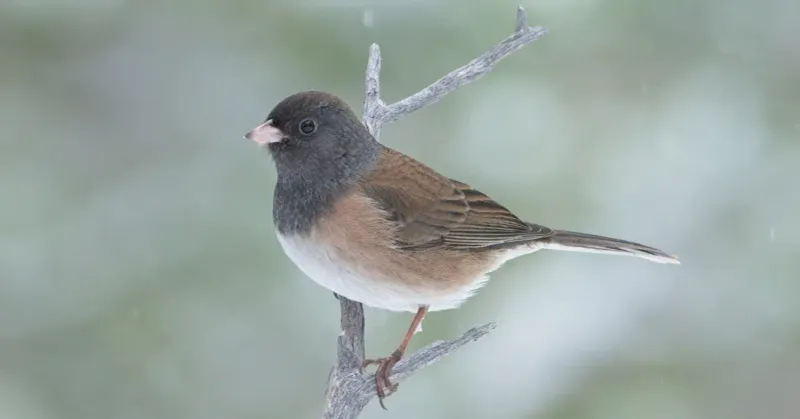
Outside the breeding season, the places juncos choose to spend time start to shift. During the cooler months, they tend to favor relatively open settings such as woodland edges, brushy patches, parks, fields, and gardens.
These habitats give them room to feed on the ground while keeping cover nearby. Many Oregon yards happen to blend exactly these features, with lawns, planting beds, and shrubby corners all in one space.
That mix is part of why homeowners often notice juncos more once summer fades. A yard with open feeding areas next to leafy shelter can look inviting to birds searching for reliable winter spots.
Think about how your own landscape changes as the season turns. Bare patches of soil, standing garden plants, and edges where shrubs meet open ground all create the kind of layered habitat juncos tend to use.
Your Oregon Garden Changes Every Week. Your Plan Should Too.
Gardening in Oregon changes quickly throughout the season. Every Friday you’ll receive a simple weekly plan showing exactly what to plant, prune, fertilize, harvest, and protect so you never miss the right timing.
Oregon’s varied landscapes, from valley neighborhoods to more rural properties, can supply these conditions in different ways. The birds are not looking for anything fancy, just a workable combination of food and cover.
Seeing juncos settle in does not prove your yard is flawless habitat. It simply suggests your space offers a few useful features during a time of year when those resources matter more.
Paying attention to this seasonal need can help you appreciate why these small birds keep returning to familiar corners.
3. Your Yard May Be Providing Useful Winter Seeds
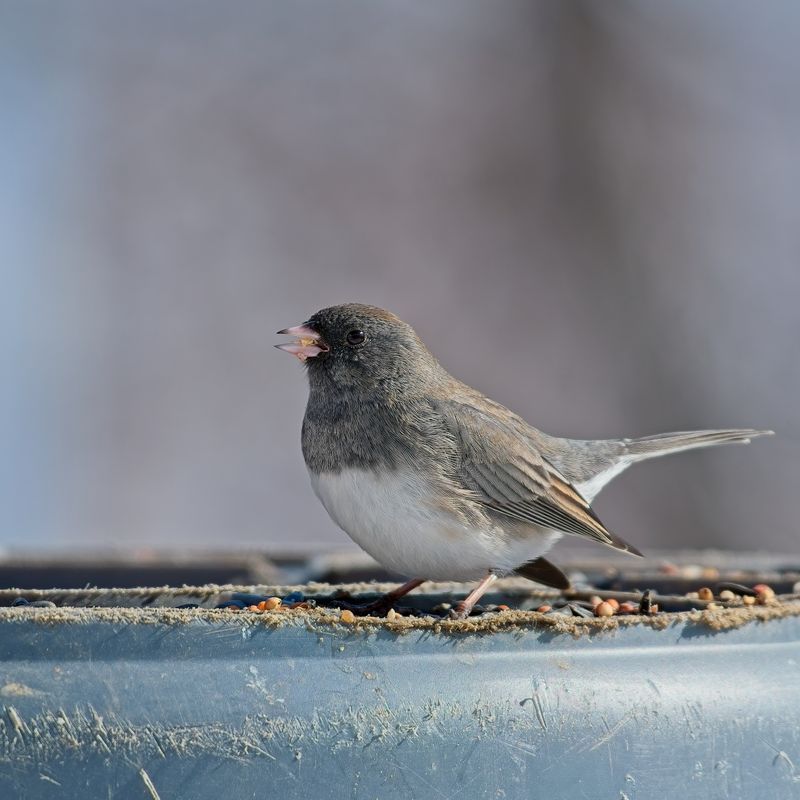
Seeds play a big role in keeping juncos fed once colder weather arrives. During winter, these small birds rely heavily on seeds, and a yard full of natural sources can quietly become a helpful stop.
Seed-producing grasses, spent garden plants, and naturally occurring seeds scattered across the ground all add up. When gardeners leave some seed heads standing rather than trimming everything back, they often supply food without meaning to.
In many Oregon gardens, those leftover stalks and dried flower heads become handy feeding spots through the cooler months. Watching juncos work through a patch of standing plants shows how valuable that untidy corner can be.
Bird-feeding areas can add to what a yard already offers. Ground-level feeding stations or seed spread near cover tend to suit juncos well because of how they like to eat.
You do not need to overhaul your space to make it appealing. A mix of natural seed sources and a modest feeding area can be enough to catch their attention.
It also helps to remember that food is only one piece of the picture. Weather, nearby habitat, and location all influence whether juncos stick around.
Still, if you keep noticing them foraging in your beds, your Oregon yard is likely supplying seeds that fit neatly into their winter diet and daily routine.
4. Ground-Level Areas Offer Good Foraging Opportunities
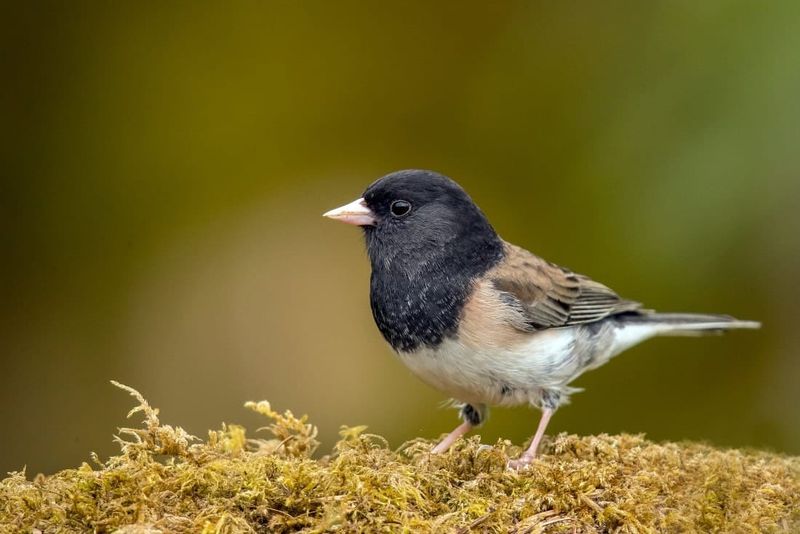
Watch a junco for a few minutes and you will notice it spends most of its time low to the ground. These birds commonly forage on or near the surface, hopping beneath plants and poking through fallen leaves.
During the colder months, much of that ground-level searching is focused on seeds, which make up an important part of their winter diet.
They often scratch through leaf litter and other ground-level material to uncover seeds and small bits of food. That busy little shuffle is one of their most recognizable habits.
This behavior explains a common sight in Oregon yards. Rather than perching neatly on a feeder, juncos are frequently found underneath it, cleaning up seeds that other birds drop.
Homeowners sometimes wonder why juncos ignore hanging feeders. The answer usually comes down to their preference for feeding at ground level, where they feel more at home.
Open patches of soil, mulch, and areas beneath shrubs all give them room to search. A yard with some leaf litter left in place can turn into a natural foraging zone.
If you like watching them, resist the urge to clear away every leaf. Those tidy habits can accidentally remove the very spots juncos rely on.
Keeping a few undisturbed corners can make your Oregon garden more welcoming. It also gives you a front-row view of their charming ground-level routines throughout the cooler part of the year.
5. Shrubs And Vegetation May Be Providing Cover
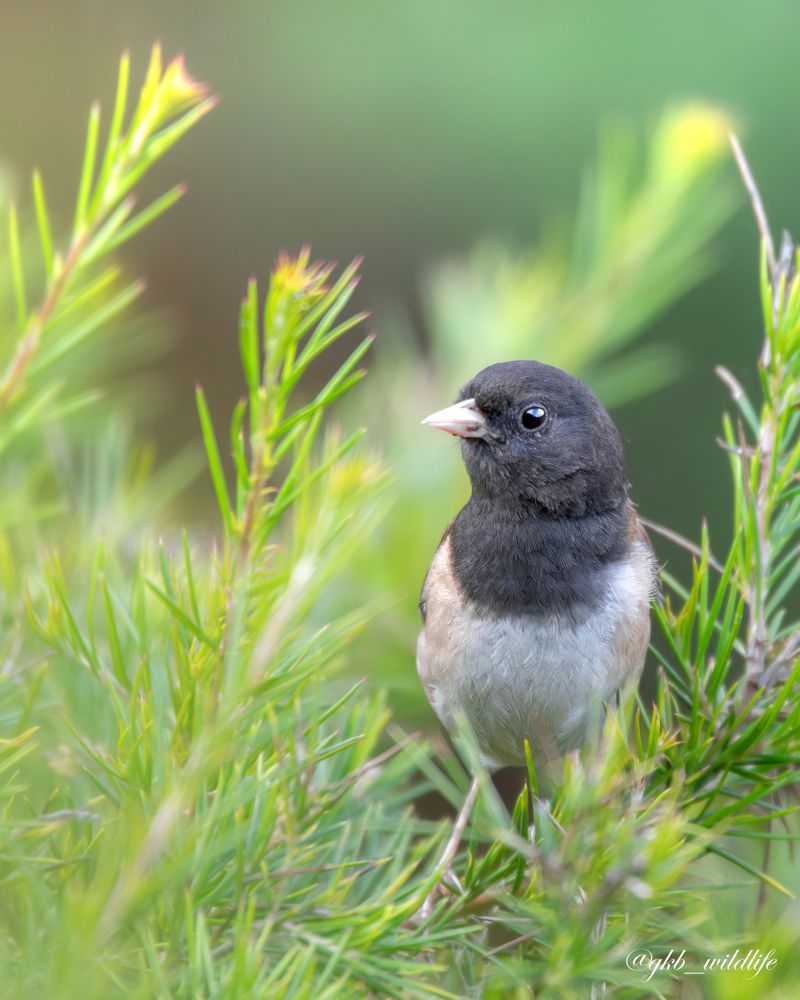
Birds appearing and disappearing beneath shrubs is a familiar sight once juncos settle in. Dense vegetation gives them a safe place to duck into when they feel exposed or need to rest.
Shrubs, trees, and mixed plantings can offer useful shelter around feeding and resting areas. Juncos often stay close to this kind of cover so they can slip out of sight quickly.
In Oregon residential landscapes, a yard with layered plants can support this behavior nicely. Low shrubs beside open ground create a handy balance between feeding space and protection.
You might notice juncos zipping between a feeder and a nearby bush again and again. That back-and-forth pattern shows how much they value having cover within easy reach.
Cover also helps them stay comfortable during wet or breezy Oregon weather. Thick vegetation can buffer wind and give them a spot to tuck away.
It is worth keeping in mind that seeing juncos does not prove a yard has flawless habitat. Their presence simply suggests your space offers a workable mix of shelter and feeding room.
If you enjoy their company, leaving some shrubs and natural growth in place can help. A little structure in the landscape often makes the difference between a yard birds pass through and one where they linger during the season.
6. Small Winter Flocks Are A Normal Seasonal Sight
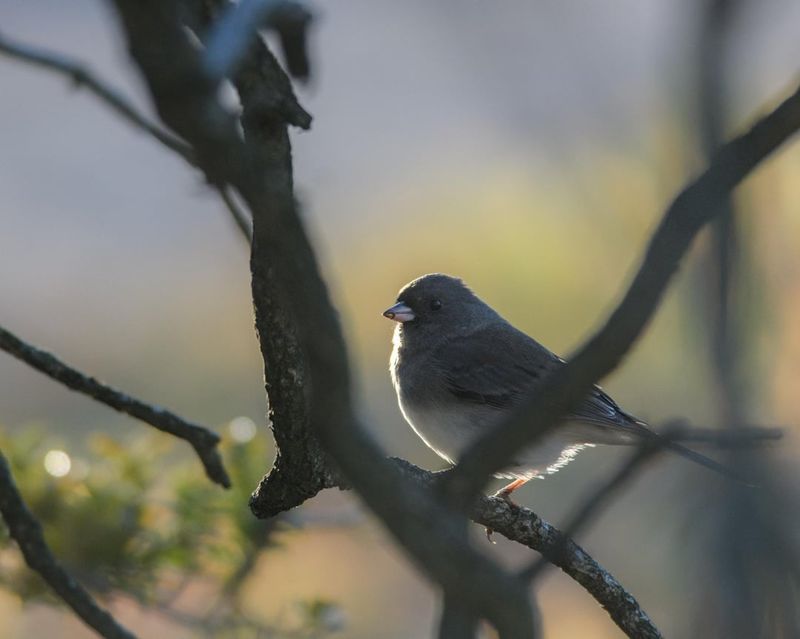
Spotting several juncos together instead of just one is completely normal once the season shifts. Outside the breeding period, these birds commonly gather in flocks as they move and feed.
Oregon wildlife guidance notes that they are most often seen in single-species flocks, although individuals and small groups may join mixed wintering sparrow flocks.
Sometimes they mix in with other wintering sparrows, creating a busy little group working across the ground. This kind of loose company is part of their regular cool-season behavior.
In Oregon yards, watching a handful of juncos feed side by side is a familiar seasonal scene. They tend to spread out over open ground, each one scratching and hopping in search of seeds.
Feeding in groups can offer some advantages. More eyes watching for trouble may help the whole flock stay alert while they focus on foraging.
You might see the group shift as a unit, flushing into nearby shrubs and then returning once things feel calm. That coordinated movement is a normal rhythm rather than a sign of alarm.
It helps to remember that flock sizes can vary widely depending on location, habitat, and food. There is no set number you should expect in any particular yard.
If your Oregon garden regularly hosts a small gathering of juncos, take it as a pleasant seasonal signal. Their sociable winter habits simply mean your space fits into their daily foraging routine.
7. Their Return Does Not Necessarily Predict Snow
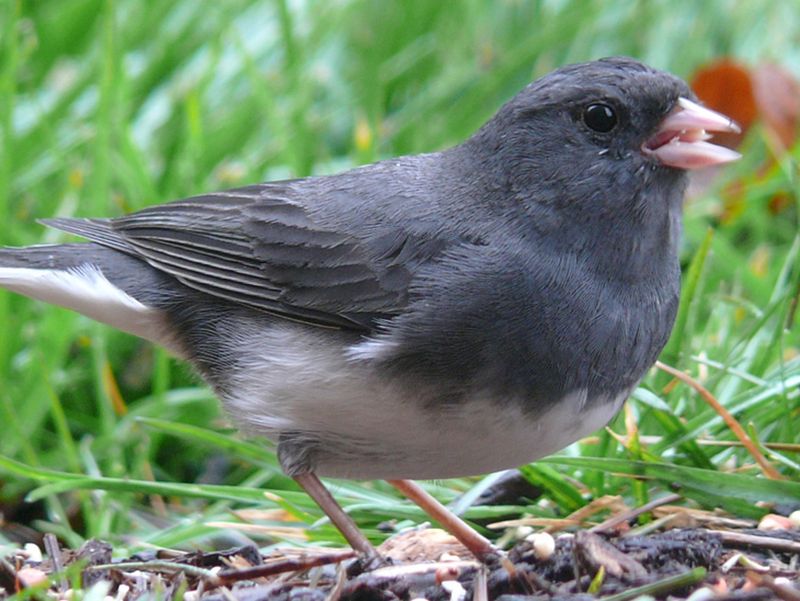
Many people connect juncos with cold weather, and it is easy to see why. They are often nicknamed snowbirds because of how visible they become during the winter months.
Some juncos also remain in parts of Oregon year-round, which is another reason a single sighting is not a reliable clue about approaching weather.
That reputation comes from their seasonal movements and increased presence, not from any ability to sense weather. Seeing one hopping across your lawn does not mean snow or freezing conditions are on the way.
In Oregon, juncos show up in yards for practical reasons like food and shelter. Their timing lines up with the cooler season, which is how the weather association got started.
It can be fun to imagine birds forecasting a storm, but the link is really about visibility. As juncos gather in gardens and beneath feeders, they simply become harder to miss.
Weather in Oregon depends on many factors that have nothing to do with bird behavior. A yard full of juncos on a mild day is just as likely as one on a frosty morning.
Thinking of them as a seasonal companion rather than a weather signal keeps expectations realistic. Their arrival marks a shift in activity, not a prediction of specific conditions.
So enjoy the sight without reading too much into it. These birds are responding to the season and their needs, not sending a message about the forecast ahead.
8. Your Yard May Offer Several Useful Resources
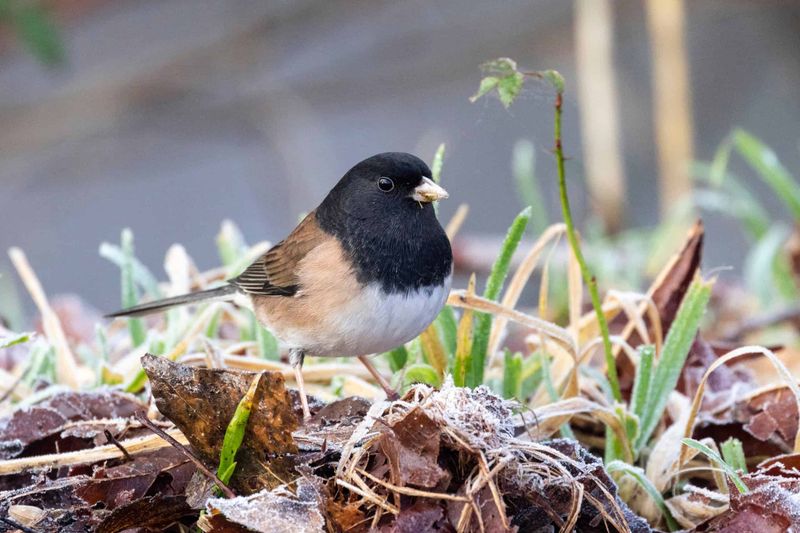
Regular junco visits can hint that your outdoor space is working well for them. When these birds keep returning, it often means the yard offers a helpful mix of features rather than a single standout attraction.
Food, open foraging ground, sheltering vegetation, and nearby cover can all play a part. Juncos tend to favor spots where several of these pieces come together in one place.
In an Oregon garden, that might look like standing seed heads beside a leafy shrub, with open soil for scratching close by. Each element supports a different part of their daily routine.
Still, bird presence is never guaranteed and shifts with the season. Weather, location, surrounding habitat, and available food all influence how often juncos appear.
Because of this, it is best not to credit any one feature as the whole reason. A quiet week does not mean your yard failed, and a busy week does not mean it is flawless.
Thinking about the bigger picture helps you support wildlife without overdoing it. A yard with natural seeds, some undisturbed leaf litter, and a few shrubs can quietly meet several needs at once.
If juncos keep dropping by your Oregon space, take it as a friendly sign. Your combination of resources fits their winter habits, and small, thoughtful choices can keep that welcome going.