Why Are Rats Moving Into California Yards Earlier This Fall?

Some guests skip the invitation entirely.
They show up after dark. They rarely use the front door. And once they find a comfy spot, they seem in no hurry to leave.
Across California, plenty of homeowners have started to notice these visitors sooner than expected.
A quick shadow along the fence. A rustle near the woodpile. A nibble on the fruit tree.
So is this fall really different, or does it just feel that way?
The answer is more interesting than a simple yes or no. It involves cooler nights, dry hillsides, and a few backyard features that look like a luxury resort to the wrong crowd.
One popular cleanup move can even make things worse without a key extra step.
The good news is that you have more control than you might think. A few smart habits can turn your yard from a welcome mat into a closed sign.
Curious which clues to watch for this season? Grab a flashlight and a notepad. Tonight’s backyard stroll might be revealing.
Cooling Nights Push Them Toward Shelter
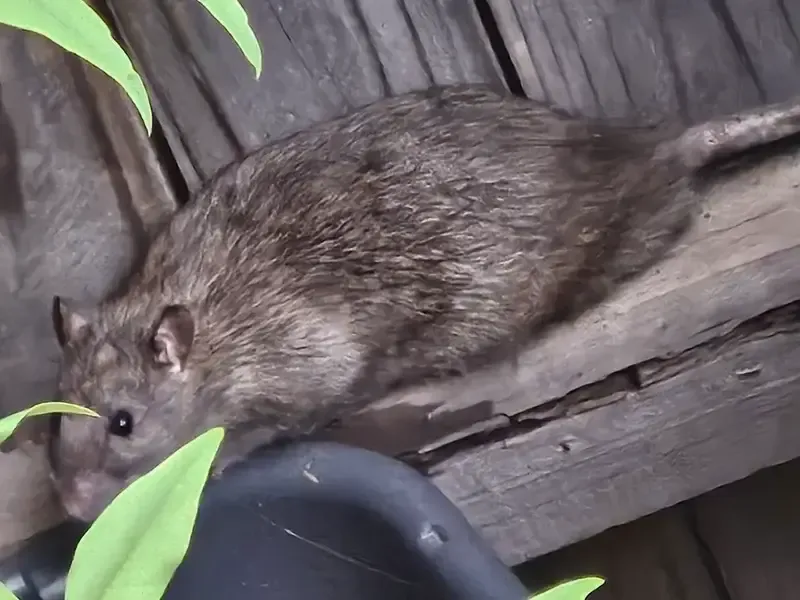
A crisp October night brings a clear message, even in mild California. Whiskers twitch, the air cools, and rats start to hunt for a cozy hideout.
Rats often look for shelter as temperatures drop in fall. Both roof rats and Norway rats, the two main kinds in California, love protected spots where they can stay warm and safe.
A garage, attic, woodpile, or thick shrub can look like a five-star hotel to them.
Nights usually cool before days do. So activity may pick up while afternoons still feel like summer.
That can make rats seem early, when they really react to chilly evenings most people rarely notice from inside.
Roof rats are great climbers and love high spots like attics and trees. Norway rats prefer to burrow under decks, slabs, or along foundations.
The type of rat hints at where it might try to settle.
Now grab a flashlight, because this weekly habit pays off fast. Take a short walk around the yard just after dark in early fall.
Look for droppings, gnawed fruit, and greasy rub marks along walls. Watch for rats that dash along fences or power lines.
Early clues give you a head start before rats find a way inside. The stroll becomes a nighttime nature walk with a very specific guest list.
Dry Season Food Sources Are Thinning Out

Long, rainless summers are part of life in most of California. By early fall, many hills and empty lots look brown and crunchy.
Seeds, fresh plants, and insects that rats normally eat grow harder to find.
Rats follow reliable food sources and will travel to find them. As wild food runs low, a well-kept backyard suddenly looks like an all-you-can-eat buffet.
These clever critters learn fast where meals are waiting.
Fallen fruit from citrus, avocado, or fig trees tops the menu, especially for roof rats. Pet food left out overnight is another favorite.
Spilled birdseed, compost piles with food scraps, and open garbage cans round out the feast.
Your California Garden Changes Every Week. Your Plan Should Too.
Gardening in California changes quickly throughout the season. Every Friday you’ll receive a simple weekly plan showing exactly what to plant, prune, fertilize, harvest, and protect so you never miss the right timing.
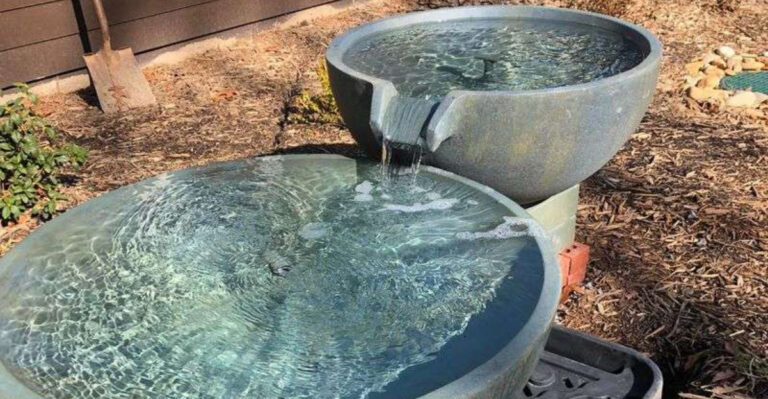
Water matters too. Through dry months, leaky sprinklers, dripping hose bibs, pet bowls, and fountains turn into popular sip stations.
A yard with both food and water can pull rats in from surrounding areas.
Now for the good news, because a few simple steps make your yard far less tasty. Pick up ripe and fallen fruit every day or two.
Bring pet food inside at night. Place a tray under bird feeders to catch dropped seed.
Fix leaks and keep trash cans closed with tight lids.
Once the free meals disappear, rats have far fewer reasons to stick around. Your yard goes from buffet to closed kitchen, and the only diners left are the ones you actually invited.
Yards Offer Warmth Once Temperatures Drop
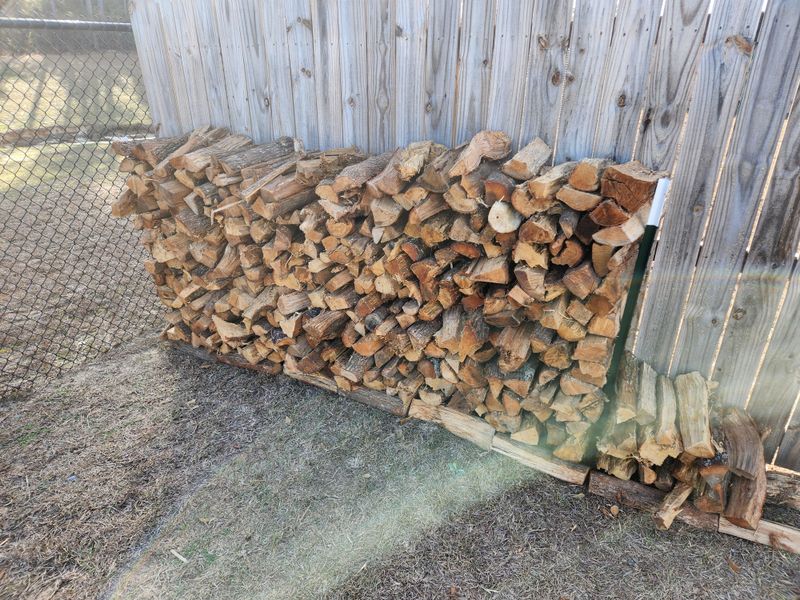
A stack of firewood feels warm after an afternoon in the sun. Rats notice that too.
To them, a woodpile works like a heated apartment with plenty of hideouts.
As temperatures drop, certain yard features become extra appealing. Stacks of wood, lumber, or bricks soak up heat by day and block wind at night.
Piles of leaves, lawn clippings, and cardboard boxes act like insulated blankets.
Thick plants are another big draw. Dense ivy, overgrown bushes, and tangled vines provide cover and nest spots.
Roof rats especially like to climb into ivy on fences and trees, where owls and cats struggle to spot them.
Sheds, playhouses, and spaces under decks offer even more protection. Old furniture or bags of garden soil create perfect nooks.
A structure close to the house can also act as a bridge to your walls.
Now take a slow lap around the yard with fresh eyes. Look at it like a rat on the hunt for a winter home.
Dark, dry, sheltered spots will jump out quickly. Those hideaways show you exactly where to focus.
Stack firewood at least 18 inches off the ground and away from walls. Thin out dense shrubs and ivy, and clear clutter from under decks.
Small changes can turn a cozy rat retreat into a very uncomfortable campsite. The rats will have to pack their tiny suitcases elsewhere.
Cleanup Without Sealing Gaps Can Backfire

A Saturday spent on a messy woodpile and overgrown bushes feels like a big win. Then, a week later, faint scratches echo from the attic or walls.
That twist catches plenty of homeowners off guard.
Rats that lose their outdoor hideouts do not simply vanish. They hunt for new shelter, and your house might be the closest, warmest option around.
Sealed entry points rank among the most important long-term defenses. Experts call this step exclusion.
Roof rats can squeeze through an opening about the size of a quarter. Young rats need even less room.
Common gaps show up around pipes, vents, garage doors, rooflines, and utility lines.
Now flip the order of chores, because the sequence makes all the difference. Seal your home before or at the same time as the yard cleanup.
Walk around the house and check for holes, cracks, and loose screens. Look high and low, since roof rats love attic vents and gaps under eaves.
Use sturdy materials that rats struggle to chew. Hardware cloth, sheet metal, and concrete patch work well.
Steel wool packed into small holes helps too, especially when paired with a sealant.
Lock the doors first, then ask the uninvited guests to leave. A sealed house means your cleanup sends rats packing instead of straight into the living room.
Your attic stays quiet, and your weekend project gets the happy ending it deserves.
Removing Shelter And Food Discourages Them

Rats behave a lot like picky hotel guests. Bad food and a lumpy bed send them straight to checkout.
Your job is to make your yard the worst hotel in the neighborhood.
This approach goes by the name habitat modification. The idea is simple: take away the two things rats need most, shelter and food.
Start with shelter. Clear away junk piles, old lumber, and unused items stored against fences or walls.
Trim tree branches so they sit at least a few feet from the roof. Roof rats use them like bridges.
Cut back ivy and thick ground cover. Prune shrubs so you can see underneath them.
Store firewood on racks off the ground. Keep sheds and garages organized, with items on shelves instead of piled on the floor.
Next, tackle food. Keep pet food and birdseed in metal or heavy plastic containers with tight lids. Feed pets indoors or remove bowls right after meals.
Harvest fruit as it ripens and pick up anything that drops. Use compost bins that close securely, and skip meat or greasy scraps.
Make sure garbage cans have lids that fit snugly.
Now for a fact that shows why speed matters. A single pair of rats can produce many young in a year under good conditions.
Early action stops a small visit before it grows into a crowded colony. Your yard earns a one-star rating from rats, and honestly, that is the best review you could ask for.
Prevention Now Beats A Bigger Problem Later

A tiny leak in the roof costs a little time to fix today. Left until winter, it might mean a whole new ceiling.
Rats work the same way.
Fall is when they actively search for shelter, so it makes the perfect time to stop them. Once rats nest inside walls or attics, trouble multiplies.
They can chew wires, damage insulation, contaminate food, and spread germs.
The best results come from a combination of steps. Seal entry points, remove shelter and food, and set traps when rats are already present.
Snap traps placed along walls and runways are a common option. Rat baits deserve caution, since they can harm pets and wildlife like owls and hawks.
Now make a simple fall checklist, and stick it on the fridge where everyone can see it. Inspect exterior walls, trim branches near the roof, clear clutter, and secure all food sources.
Repeat the check every few weeks through winter, since new gaps can appear.
The whole family can join in too. Kids can help pick up fallen fruit or spot droppings. Everyone learns why a tidy yard matters.
Early or on schedule, the rats meet a prepared household this year. A little effort this season saves a lot of stress later.
Your home stays cozy for the people who actually pay the bills. The uninvited crowd can go look for another party.