What It Means When Dozens Of Robins Flock To Your California Yard
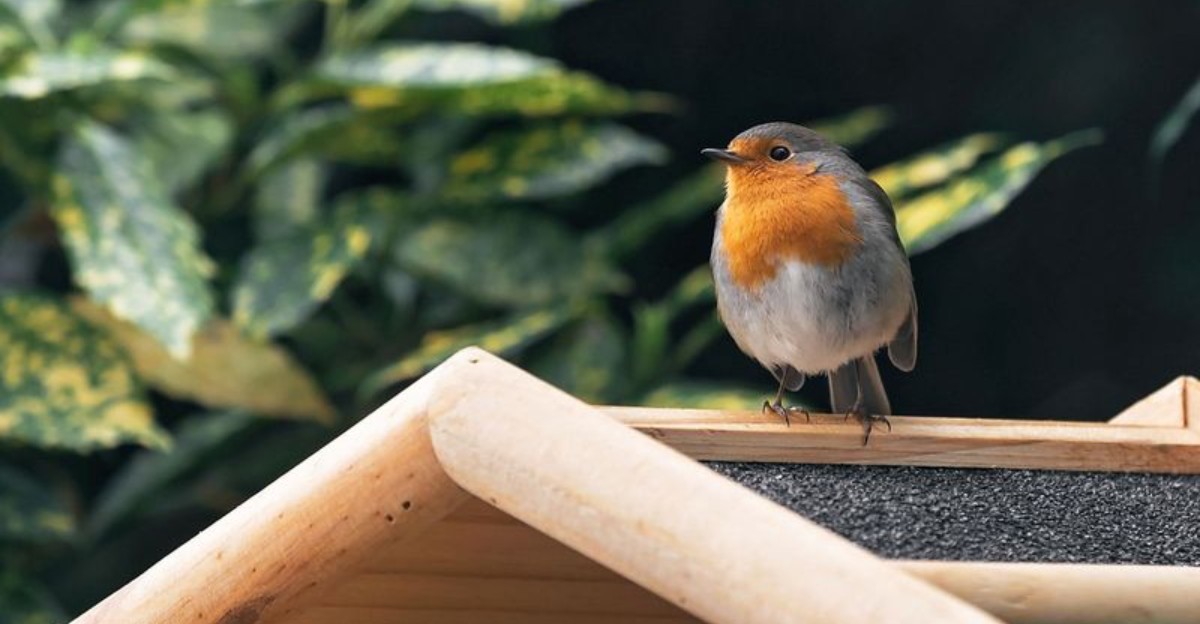
Those orange-breasted birds that guard a single patch of lawn all spring can gather into roaming winter flocks of dozens or even hundreds. The bossy loner act fades once nesting season ends.
Their menu changes too. Insects get scarce in the cool months, so berries take center stage.
These birds swallow fruit whole and can clear a loaded shrub surprisingly fast. After a soaking storm, though, they happily drop back onto wet lawns to tug up worms.
For what it’s worth, my berry shrubs have turned into the busiest snack bar on the block. Late fall through early spring is prime flock season across California. One noisy afternoon, the yard sounds like a packed stadium. The next morning, it’s quiet again.
A crowd that size usually has a very good reason. What’s ripening in your yard that they spotted before you did?
That Robin Crowd On Your Lawn Is Following A Winter Game Plan
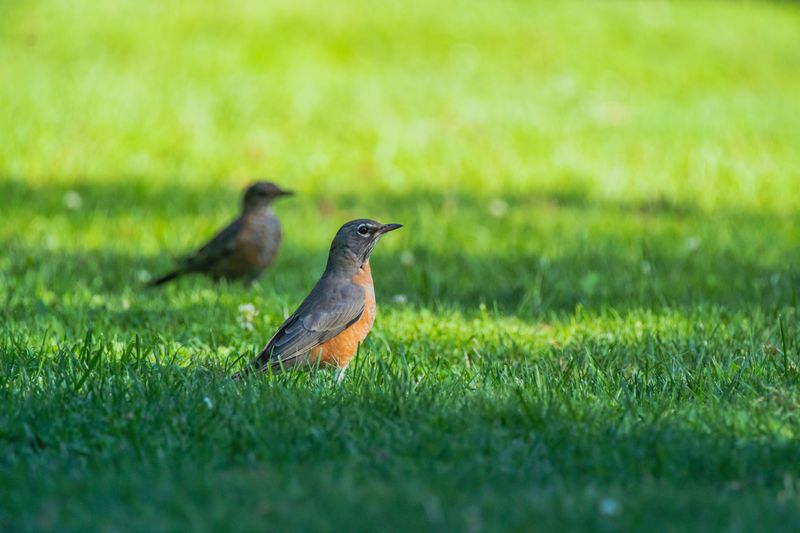
Spring robins are loners with an attitude. A male will chase rivals off his patch of lawn and sing from the rooftop to claim it.
Once breeding season ends, though, that fussy behavior fades. American Robins start gathering into loose flocks, and by late fall and winter those groups can number in the dozens or even hundreds. Cornell Lab of Ornithology notes that winter robins often roost together in large groups at night, sometimes in huge numbers.
So when dozens drop into your yard, you are seeing normal seasonal behavior. Nothing strange is happening, and the birds are not sick or confused. They are simply in their social, wandering phase.
Flocking helps robins in two big ways. More eyes mean someone spots a hawk or a prowling cat quickly. A crowd also finds food faster, since one bird discovering a fruiting tree soon pulls in the rest.
In my experience, the arrival feels sudden because these flocks roam rather than settle. They follow food across neighborhoods, valleys, and foothills. One day your yard is quiet, and the next it sounds like a busy schoolyard.
Enjoy the show while it lasts. A wandering flock rarely stays in one spot for long.
Ripe Berries Are Pulling Those Robins Into Your Garden
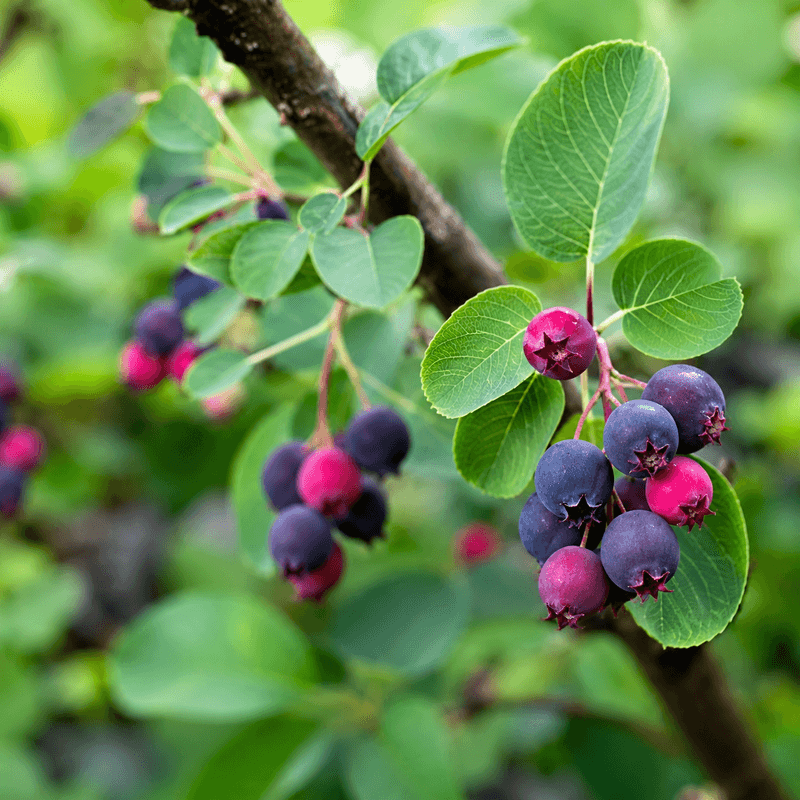
Fruit is the main magnet. During cold months, robins switch from a diet heavy in earthworms and insects to one packed with berries and other fruit.
Why the change? Insects become harder to find in winter, and worms are not always easy to reach. Fruit hangs right there in plain view, ready to eat, and it supplies quick energy.
If dozens of robins land in your yard, look up and around. Chances are good that something is ripe. Toyon, the native shrub also called California holly, is a classic winter favorite with its clusters of red berries. Pyracantha, cotoneaster, privet, and ornamental fruiting trees draw crowds too.
Robins swallow berries whole, so they can clear a heavily loaded shrub surprisingly fast. Once the fruit runs low, the flock moves to the next good spot.
I find this a helpful clue about my own garden. A robin crowd means you are growing something valuable to wildlife at a lean time of year. You have built a winter pantry, maybe by accident.
Walk your yard after a flock leaves and see which plants were stripped. You will learn what robins prize most in your area.
Northern Travelers And Local Robins Often Share The Same Flock
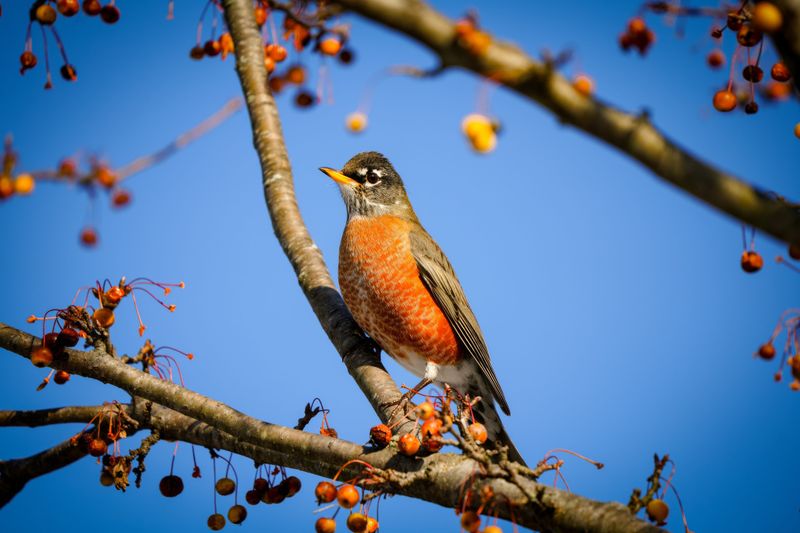
Some of the robins chirping in your yard may have spent summer far to the north. Others might have nested just down the street.
American Robins are partial migrants. Many birds from colder regions move south for winter, while plenty of robins in milder areas stay year-round. California has resident robins in many areas, and winter brings extra birds that join them.
That mix helps explain why numbers jump so sharply. Your usual handful of neighborhood robins suddenly blends with wanderers, and the crowd swells.
Robin movements also do not follow a strict calendar the way some songbirds do. Scientists describe winter robin movements as closely tied to food supply and weather. A good berry crop can hold birds in an area, while a poor one pushes them onward.
Here is a fun fact for your next family dinner. The first robin is often called a sign of spring, yet in much of the country many robins never left. They simply stopped singing on lawns and moved into woods and fruiting trees.
So the robins in your yard right now may be locals in winter mode, distant visitors, or both. Telling them apart by sight is nearly impossible.
Rain Soaked Lawns Bring Robins Down To Hunt Worms
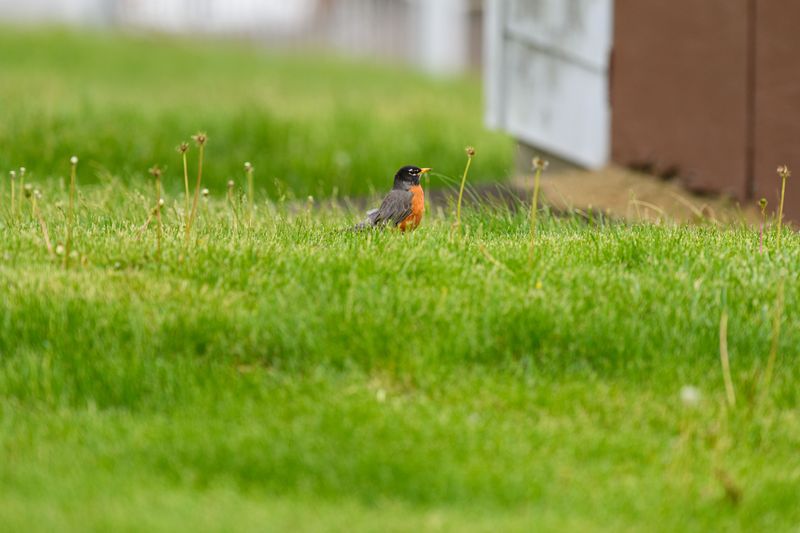
After a good winter storm, keep an eye on your grass. You may spot robins running, pausing, and tugging up worms like it is June again.
California winters are the rainy season across much of the state. Wet soil pushes earthworms closer to the surface, and that gives robins an easy snack between berry runs.
Robins hunt mostly by sight. That classic head tilt is the bird lining up an eye with the ground to spot movement. Researchers have also found they may use hearing to help locate prey.
So a flock on your lawn after rain does not always point to berries. It can simply mean your soil is healthy and full of life. Lawns and garden beds that skip heavy pesticide use tend to support more worms and grubs.
I love this side of robins because it ties winter birdwatching to soil care. Adding compost and leaving leaf mulch in beds both feed the creatures robins hunt.
Watch for a pattern in your yard. You might see the flock work the lawn in the morning and strip shrubs by afternoon. That split shows how robins use every food source a mild winter offers.
Fermented Pyracantha Berries Can Make Robins Act A Little Wobbly
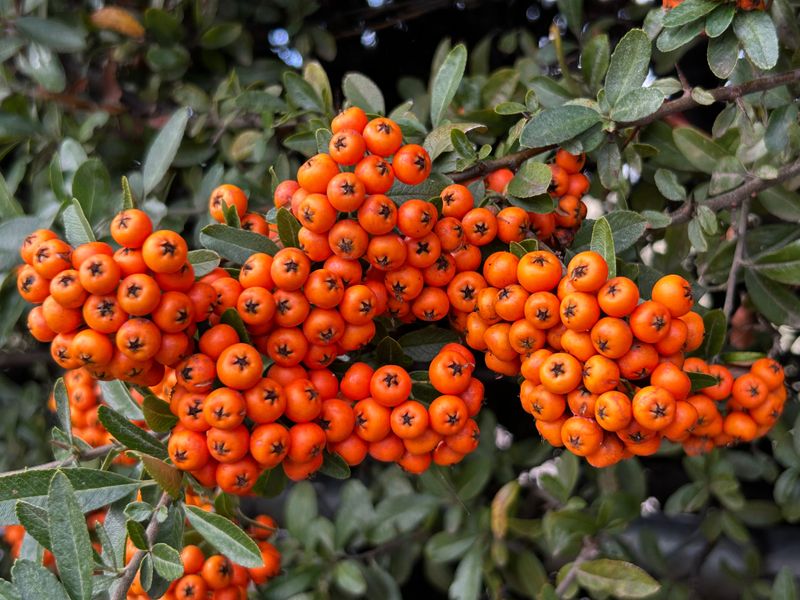
Ever seen a robin flop clumsily off a fence or flutter in odd circles? There may be a strange explanation hanging on your shrubs.
Late in the season, some berries start to ferment. Birds that gorge on overripe fruit, such as pyracantha, can become clumsy and disoriented. Wildlife rehab centers in California have reported robins and cedar waxwings acting impaired after big berry feasts.
Most birds recover in a few hours if they stay safe. The bigger risk comes from window strikes, traffic, and cats while they are unsteady.
You can help with a few simple steps. Keep pets indoors when a flock is feeding heavily. Add decals or screens to large windows near fruiting shrubs. If you find a bird on the ground, place it gently in a ventilated box somewhere quiet and contact a local wildlife rehabilitator.
Pyracantha and cotoneaster are also worth a second look. Both are listed as invasive in parts of California, and birds spread their seeds into wild areas.
Personally, I would not plant new ones. If you already have them, consider swapping in native berry shrubs over time. Your robins will still eat well.
Native Toyon And Coffeeberry Make Your Yard A Robin Magnet
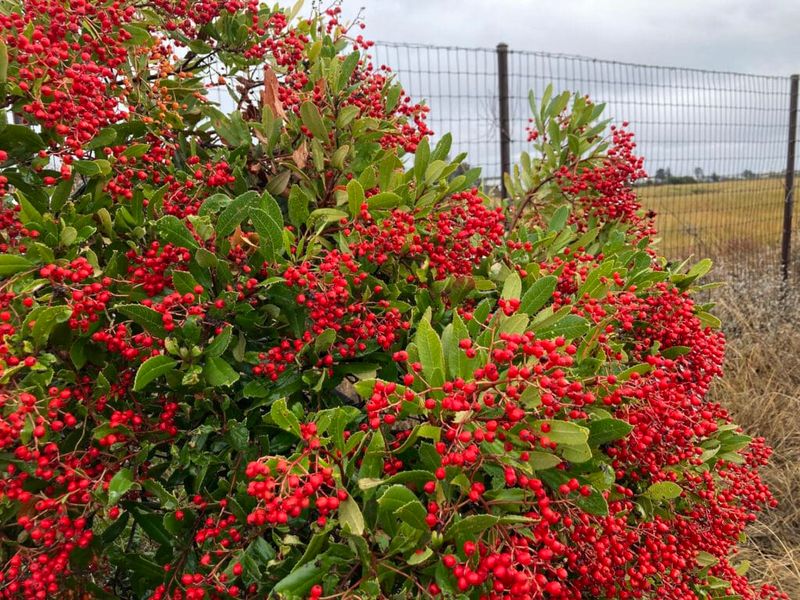
Want more of these winter visits? Native shrubs are the friendliest way to invite them back each year.
Toyon leads the list. It handles dry summers, fits many California gardens, and ripens red berries right when robins need them. California coffeeberry offers dark fruit birds enjoy, and native elderberry, madrone, and California wild grape add more options in the right spots.
Most native shrubs do best planted in fall or early winter. Rain helps roots settle before summer heat arrives. Check with a local native plant nursery or the California Native Plant Society for choices that suit your region, since coastal, valley, and mountain gardens differ quite a bit.
Water matters too. Robins drink often and love a good bath, even in cool weather. A shallow birdbath with clean water, refreshed every few days, can become a busy hangout.
Skip the seed feeders for these birds. Robins have soft bills built for fruit and bugs, not seeds. If you want to offer extras, chopped apples, softened raisins, or mealworms on a low platform work far better.
I think a fruiting native shrub beats any feeder. It feeds birds, saves water, and looks lovely all year.
Those Bustling Robin Flocks Are A Sign Your Garden Is Working
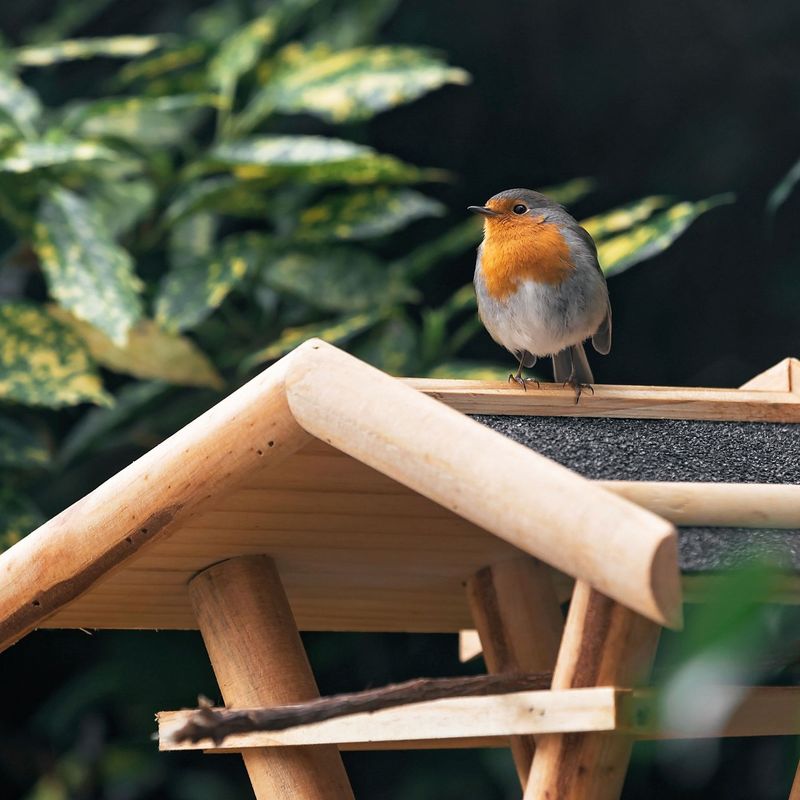
A flock of dozens of robins is a compliment to your yard. Food, water, and shelter all came together in one place.
Sure, they might clean out your berries in a day. They may leave droppings on the patio too. A quick rinse handles that, and the shrubs will fruit again next season.
Robins pay you back in warmer months. They eat beetle grubs, caterpillars, and other insects, and they spread seeds of native plants as they travel. That makes them valued partners in a healthy garden.
American Robins are protected under the federal Migratory Bird Treaty Act. That means you should not trap, harm, or keep them, and nests should be left alone. Netting fruit trees you want to save is fine if you check it often so birds do not get tangled.
Try joining a community science project for extra fun. The Great Backyard Bird Count each February and eBird let you report your flock. Your sightings help scientists track how robins move each winter.
Grab a cup of tea and watch them for a while. Few winter moments in the garden feel quite this lively.