Native Plants Arizona Residents Prefer Over Fountain Grass
Fountain grass has had an incredibly successful run in Arizona yards, and from a purely visual standpoint it’s easy to understand why.
Those soft, arching blades and feathery plumes look genuinely beautiful blowing in a desert breeze.
The problem is that fountain grass didn’t get the memo about staying where it was planted.
Those fluffy seed heads travel surprisingly well on the wind, and over time this grass has quietly spread beyond garden borders into dry washes, desert edges, and open slopes across Arizona where it has no business being.
It crowds out native plants, adds fire risk during dry seasons, and has earned itself a pretty serious reputation among land managers and conservationists across the region.
The genuinely great news is that there are native and low-water grasses that deliver all the same visual appeal without any of the baggage.
1. Deer Grass Gives A Similar Soft Mounded Look
Walk through almost any well-designed Arizona native garden and you will likely spot deer grass anchoring a corner bed or softening a gravel pathway edge.
Muhlenbergia rigens grows into a full, rounded clump that looks strikingly similar to fountain grass from a distance, which makes the swap feel almost seamless for homeowners who love that flowing ornamental look.
It reaches about three to four feet tall and equally wide, giving it a solid presence in a yard without overwhelming smaller plantings nearby.
The slender seed stalks rise well above the foliage in late summer and fall, adding vertical interest during a season when many plants are resting.
Those stalks catch the afternoon breeze and move gently, bringing life to a yard without requiring much attention from the gardener.
Deer grass is drought tolerant once established and handles intense summer heat without much complaint.
It works well along low walls, in naturalistic borders, or as a repeated element across a front yard planting bed. Birds use the seed heads and the clump itself can provide shelter for small wildlife, adding ecological value to any yard.
Unlike fountain grass, deer grass does not spread aggressively by seed, so it tends to stay where you plant it. Trimming it back once a year in late winter keeps the clump looking tidy and encourages fresh new growth heading into spring.
For Arizona residents wanting that classic ornamental grass silhouette without the invasive worry, deer grass is a reliable and rewarding choice.
2. Blue Grama Creates A Short Meadow-Style Planting
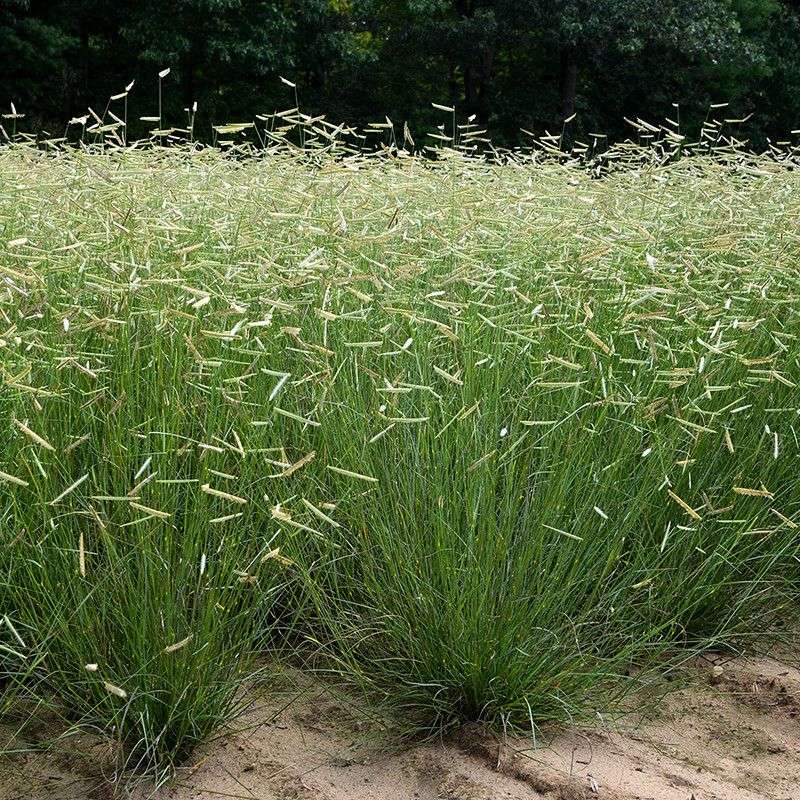
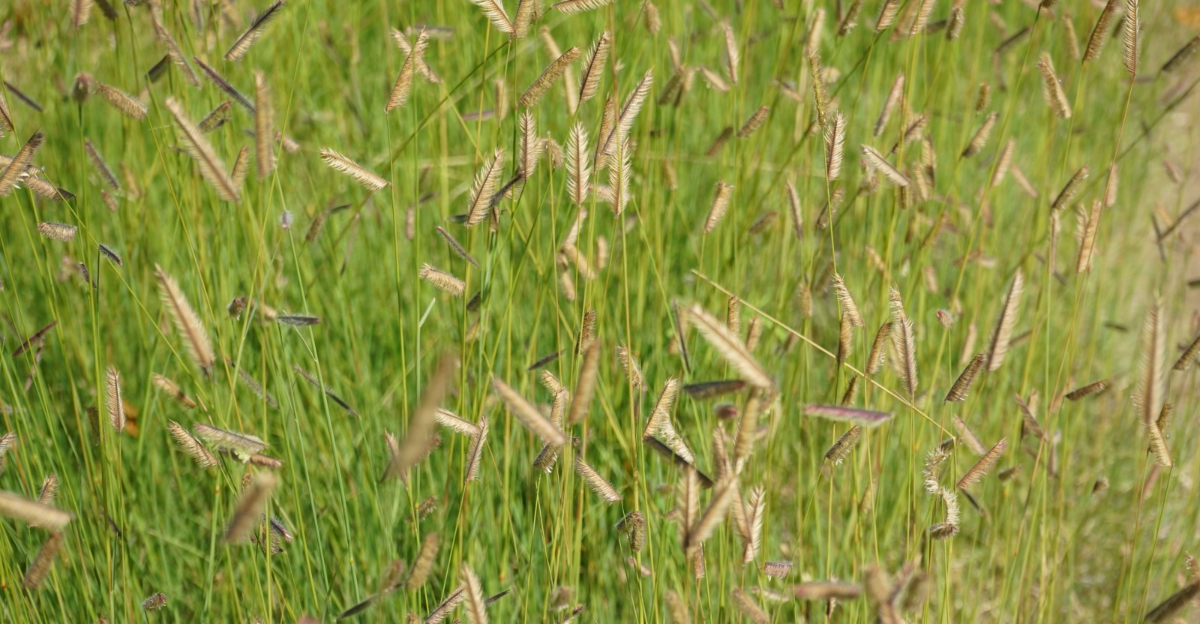
Few native grasses in the Southwest carry as much quiet charm as blue grama, a short, fine-textured grass that forms a low carpet of growth with some of the most distinctive seed heads you will find in any yard.
Bouteloua gracilis is native to Arizona and much of the western United States, making it a genuinely appropriate choice for desert-adjacent residential landscapes.
The curved, eyelash-like seed heads appear in summer and hang horizontally from slender stems, giving the plant a playful, almost sculptural quality that surprises many first-time growers.
Your Arizona Garden Changes Every Week. Your Plan Should Too.
Gardening in Arizona changes quickly throughout the season. Every Friday you’ll receive a simple weekly plan showing exactly what to plant, prune, fertilize, harvest, and protect so you never miss the right timing.
Blue grama typically stays under two feet tall, which makes it a good fit for low borders, open gravel areas, or the front edges of a planting bed where you want texture without height.
It can handle dry conditions well once established and does not demand regular irrigation in most Arizona climate zones.
Some homeowners even use it as a lawn substitute in smaller areas, letting it grow naturally rather than keeping it mowed short.
Because it stays compact, blue grama works nicely alongside other native plants like desert marigold or globe mallow without competing aggressively for space.
It is not a spreader in the way fountain grass can be, and its seed heads tend to stay close to the plant rather than traveling across open desert edges.
For a front yard that feels more like a natural meadow than a formal planting, blue grama brings just the right low-key character to an Arizona landscape.
3. Sideoats Grama Adds Movement And Bird Value
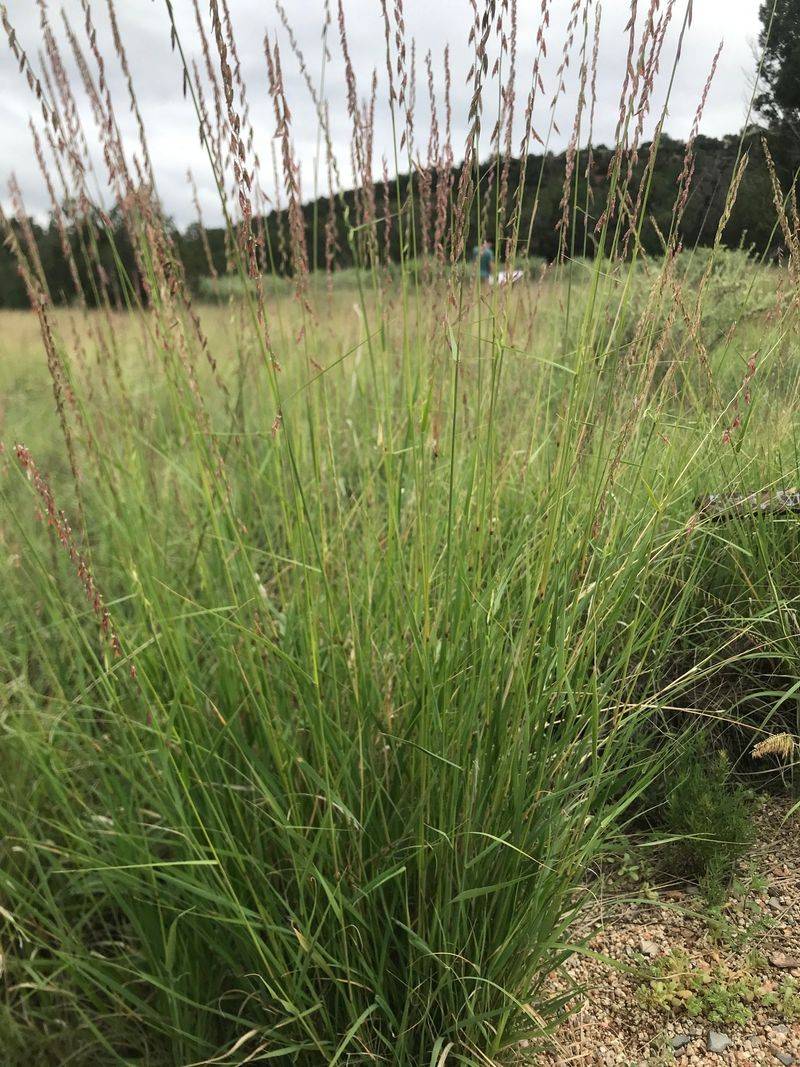
There is something genuinely eye-catching about sideoats grama when a breeze moves through a yard and those small oat-like seed heads flutter along one side of every stem.
Bouteloua curtipendula is actually the official state grass of Texas, but it is also native to Arizona and well suited to residential landscapes across much of the state.
The way the seeds hang in a neat row on one side of each stem gives this grass a delicate, ornamental appearance that sets it apart from most other native options.
Beyond its good looks, sideoats grama is a strong performer in low-water landscapes. It handles full sun and dry soils with ease and rarely needs supplemental irrigation once it has settled into a planting bed.
The seed heads mature in late summer and persist into fall, providing a food source for seed-eating birds that visit Arizona yards during cooler months.
Watching small birds pick through the stems is one of those simple backyard pleasures that makes a native planting feel especially worthwhile.
Sideoats grama reaches about one to two feet tall in most Arizona conditions, making it a manageable mid-border plant that pairs well with native wildflowers or low shrubs.
It spreads slowly by rhizomes but does not behave aggressively, and it does not produce the kind of wind-driven seed spread that makes fountain grass such a concern along desert edges.
Cutting it back in late winter keeps the clump refreshed and ready for another season of easy, low-maintenance growth.
4. Big Galleta Covers Open Desert Areas Naturally
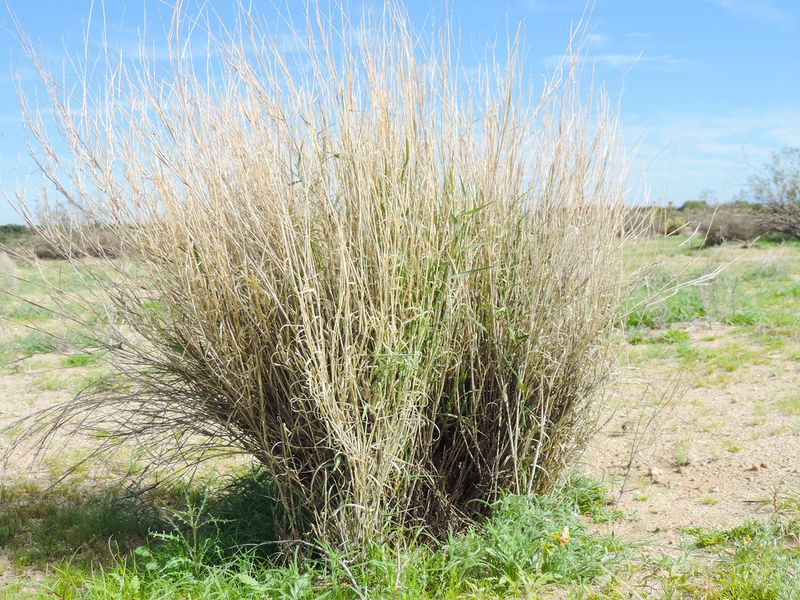
Open gravel beds, caliche-heavy slopes, and sun-baked front yards with almost no shade are exactly the kind of spots where big galleta tends to thrive.
Pleuraphis rigida is a coarse, upright native grass found naturally across Arizona’s lower desert zones, and it has a rugged, structural quality that suits large open areas better than most ornamental grasses.
It grows in stiff clumps of gray-green foliage that hold their shape even through the hottest Arizona summers without needing supplemental water once established.
Big galleta does not offer the soft, flowing look of fountain grass, but it brings a different kind of desert character that feels honest and grounded in the landscape.
The clumps spread gradually over time by underground rhizomes, slowly filling open areas with native ground cover that requires almost no maintenance after establishment.
That spreading habit is actually useful in large front yards or open side yards where covering bare soil is the main goal without having to plant densely from the start.
Because it is native to Arizona’s desert regions, big galleta supports local insects and wildlife in ways that non-native ornamental grasses simply cannot.
It is not a showstopper in terms of bloom or seasonal color, but it earns its place through durability, ecological value, and the kind of low-input performance that homeowners appreciate in a dry climate.
For slopes or open areas where erosion control and native coverage matter more than ornamental flair, big galleta is a practical and well-adapted choice worth considering.
5. Alkali Muhly Works For Low-Input Native Texture
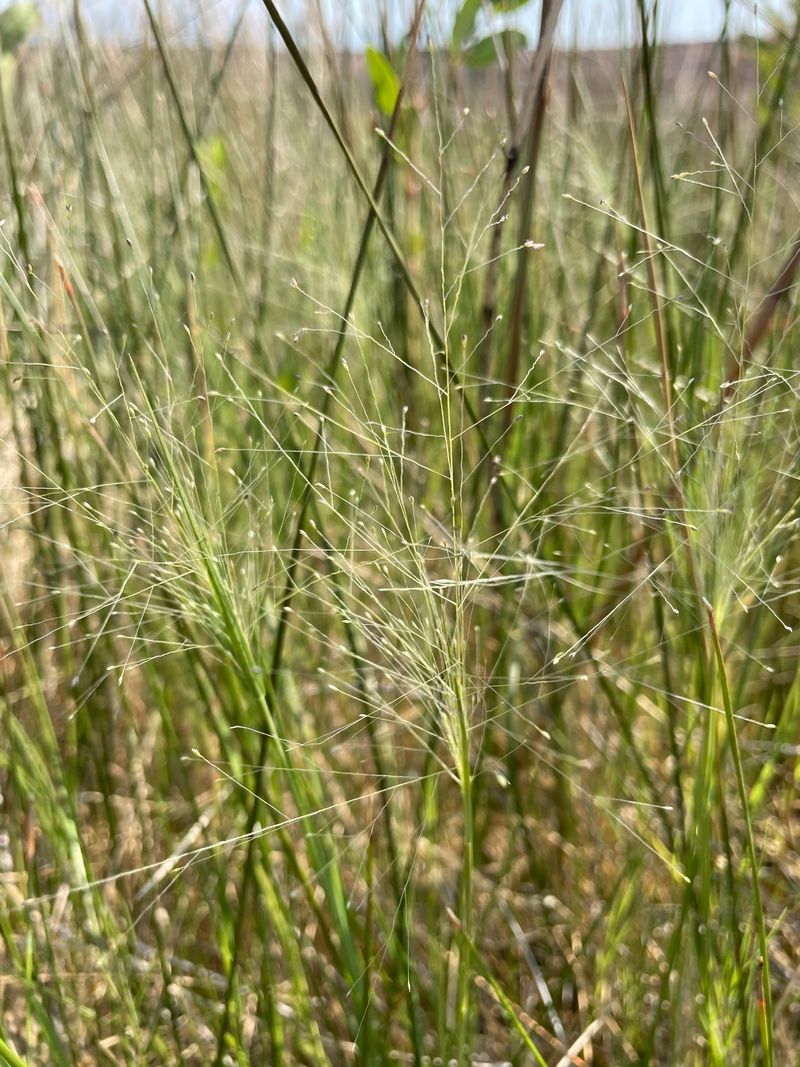
Soft, airy, and surprisingly understated, alkali muhly brings a wispy texture to an Arizona yard that feels more like a watercolor painting than a typical ornamental planting.
Muhlenbergia asperifolia is a native grass found across much of the Southwest, including Arizona, and it produces a fine-textured cloud of foliage and seed heads that catches light in a way few other low-water grasses can match.
It stays relatively compact, usually reaching one to two feet tall, which makes it easy to tuck into borders or use as a filler between larger native shrubs.
One of the more practical things about alkali muhly is just how little it asks of the gardener once it is in the ground.
It tolerates poor soils, alkaline conditions, and periods of drought without showing much stress, which makes it a sensible choice for Arizona yards where the soil is not exactly garden-quality.
It also handles seasonal flooding better than many other native grasses, so planting it near a dry wash or a low spot in the yard is a reasonable option.
The seed heads that appear in late summer have a soft pinkish-purple tint that adds a touch of seasonal color without being showy about it.
That subtle quality is actually part of the appeal for homeowners who want native texture without something that dominates the yard visually.
Alkali muhly does not spread aggressively and stays well within its space, making it a low-drama, low-input option for residents replacing fountain grass with something more ecologically appropriate.
6. Sacaton Brings Height For Larger Arizona Spaces
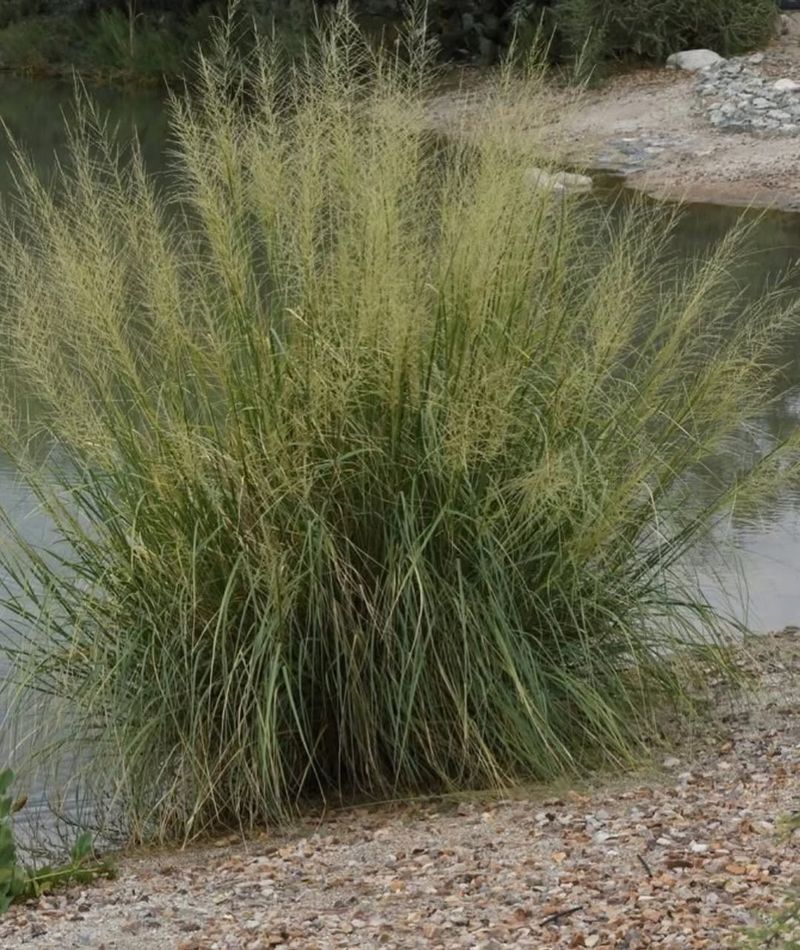
Not every Arizona yard needs a grass that stays small and tidy. For open backyard spaces, wide side yards, or naturalistic desert borders that need a bold structural anchor, sacaton is one of the most impressive native grasses available in the region.
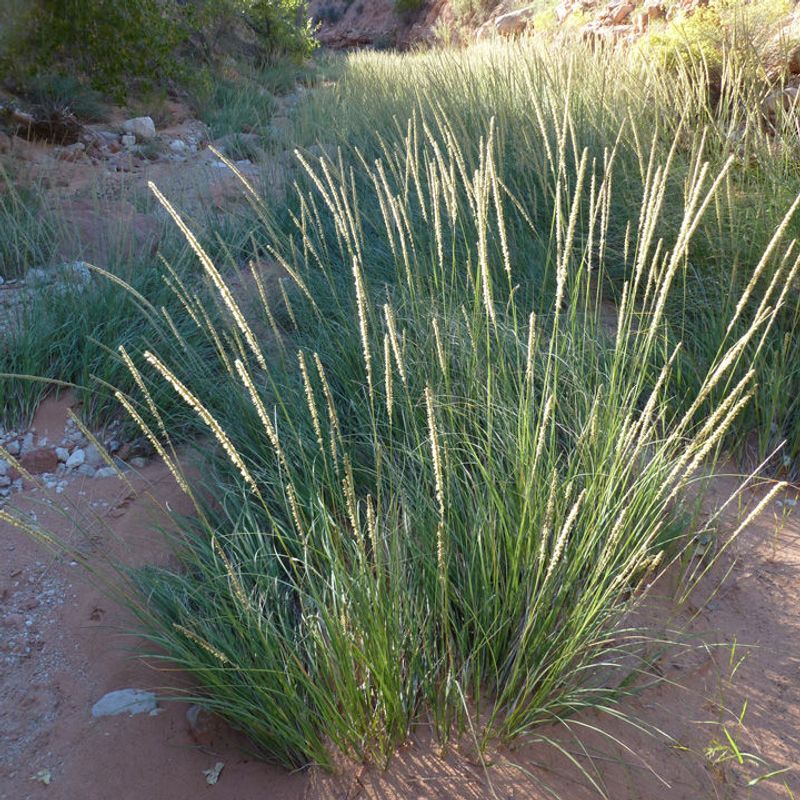
Sporobolus wrightii can reach four to six feet tall and nearly as wide, forming a dramatic arching clump that commands attention without looking out of place in a desert-style planting.
It is native to Arizona’s riparian areas and desert grasslands, so it carries a sense of belonging that non-native ornamentals simply do not have.
The airy seed panicles that rise above the foliage in late summer are genuinely beautiful, catching late afternoon light with a golden shimmer that makes a large yard feel more like a piece of the Sonoran landscape.
Sacaton is drought tolerant once established, though it does appreciate occasional deep watering during Arizona’s dry stretches, especially in its first year or two in the ground.
It is a good candidate for planting near a dry wash or along a fence line where its size will not crowd out smaller plants.
Because sacaton grows large, it works best when given room to spread without competing with nearby plantings.
Homeowners who have replaced fountain grass in a large open area often find sacaton fills the visual role beautifully while offering real ecological benefits, including cover for wildlife and seed for birds.
It is a grass that rewards patience, looking better each year as the clump matures and fills out into its full natural form.
7. Pink Muhly Offers Showy Plumes With A Native Caveat
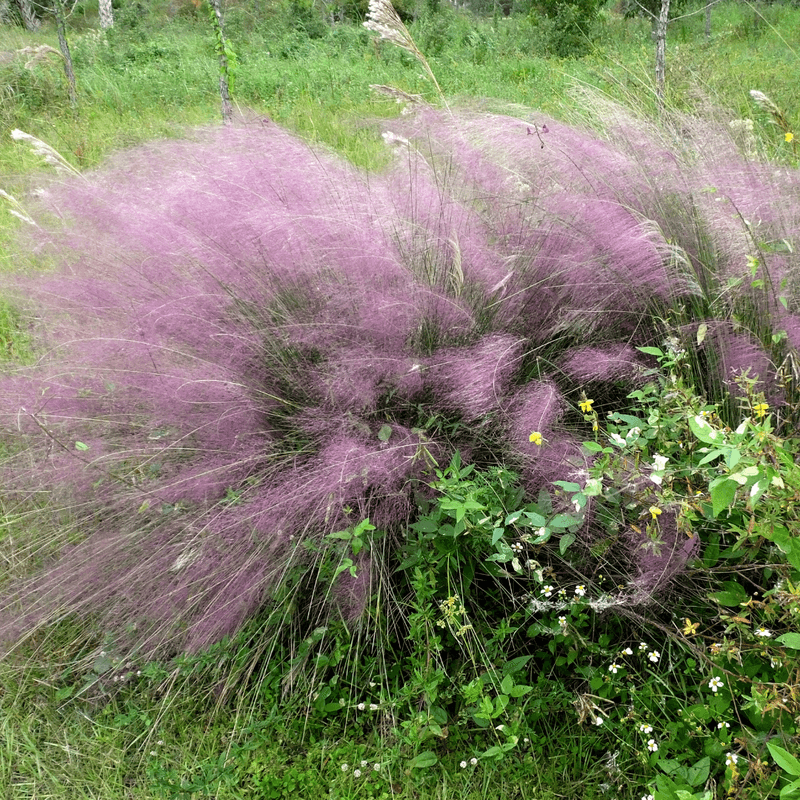
Few ornamental grasses put on a fall show quite like pink muhly, and it is easy to understand why homeowners are drawn to it as a fountain grass replacement.
Muhlenbergia capillaris produces a breathtaking cloud of bright pink-purple plumes in late fall that practically glows in the afternoon light, making it one of the most visually striking low-water grasses available for residential landscapes.
The fine foliage stays tidy and attractive through the growing season, and the overall plant has a soft, graceful quality that photographs beautifully.
Here is the important caveat worth knowing before planting it in an Arizona yard: pink muhly is not native to Arizona in the strictest sense.
It is native to parts of the eastern and southeastern United States, which means it does not carry the same ecological credentials as deer grass or blue grama in an Arizona context.
That said, it is widely used as a low-water ornamental grass in Arizona landscapes and performs well in the region’s heat without becoming invasive in the way fountain grass does.
For homeowners who prioritize a strict native palette, pink muhly may not meet that standard. But for those who simply want to move away from fountain grass while keeping ornamental appeal, it offers a reasonable middle ground.
It handles Arizona summers well, requires minimal irrigation once established, and does not produce the aggressive seed spread that makes fountain grass such a concern along desert edges.
Planting it in a contained bed or border helps keep it where you want it.