What It Means When Fireflies Suddenly Disappear From Your Pennsylvania Yard
Curiosity builds the instant your porch light clicks on. Quiet settles where light once danced across your lawn. Calm replaces a sound you rarely noticed until now.
Pennsylvania families have started asking the same question this summer. Fading lightning bugs are not random or coincidental at all. Chemicals, artificial light, and shifting weather patterns play a part.
Backyards across Pennsylvania are quietly revealing a clear environmental signal. Insects react quickly whenever conditions shift beneath their feet. Your grass, soil, and nighttime habits send signals worth reading.
Scientists have relied on these tiny creatures as living barometers. Fewer of them means fewer signs for you to notice. Wonder should guide you tonight instead of confusion.
Every quiet flicker points toward a specific, fixable cause. Neighbors nearby have started asking whether new pesticides or brighter porch lighting changed things.
Clear answers explain where your fireflies went, and you cannot look away now.
Why Fireflies Matter More Than A Summer Show
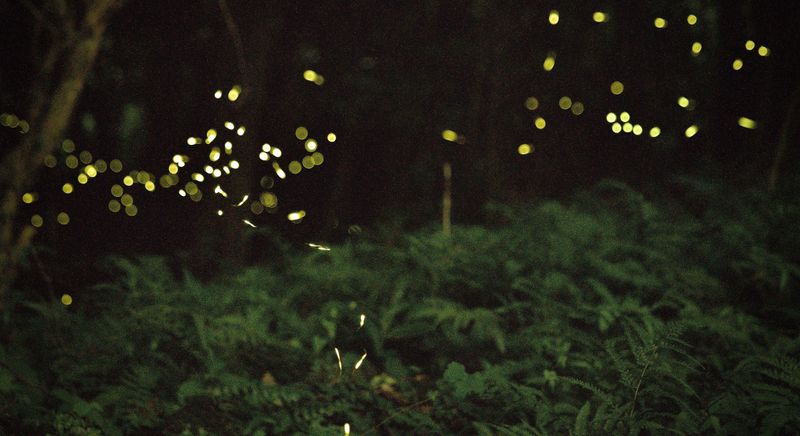
Fireflies are not just pretty. They are one of nature’s most honest report cards on environmental health.
When fireflies suddenly disappear from your Pennsylvania yard, it signals that something nearby has changed. Fireflies belong to a beetle lineage that scientists believe has existed for tens of millions of years, though exact origins are still debated.
They are incredibly sensitive to environmental disruption. Ongoing changes in soil chemistry, moisture, or light exposure can gradually cause a local population to decline over several seasons.
Most people think of fireflies as decoration for warm evenings. Actually, they play a real ecological role as predators of soil-dwelling pests during their larval stage.
Firefly larvae typically spend one to two years underground, depending on the species, before producing their first flash.
During that time, they feed on slugs, snails, and other soft-bodied invertebrates that damage garden plants.
Losing fireflies means losing a natural pest control system most homeowners never even knew they had. That benefit is lost without most homeowners noticing.
Fireflies also serve as food for bats, birds, and spiders. Their absence creates a ripple effect through the local food web that touches more species than most people realize.
Scientists use firefly populations as early warning systems for wetland and grassland degradation. When researchers see a decline, it prompts further investigation into surrounding land conditions.
Your yard is part of a larger ecosystem. What happens in your grass, soil, and garden affects creatures you may never see but absolutely depend on for balance.
Light Pollution Disrupting Their Signals
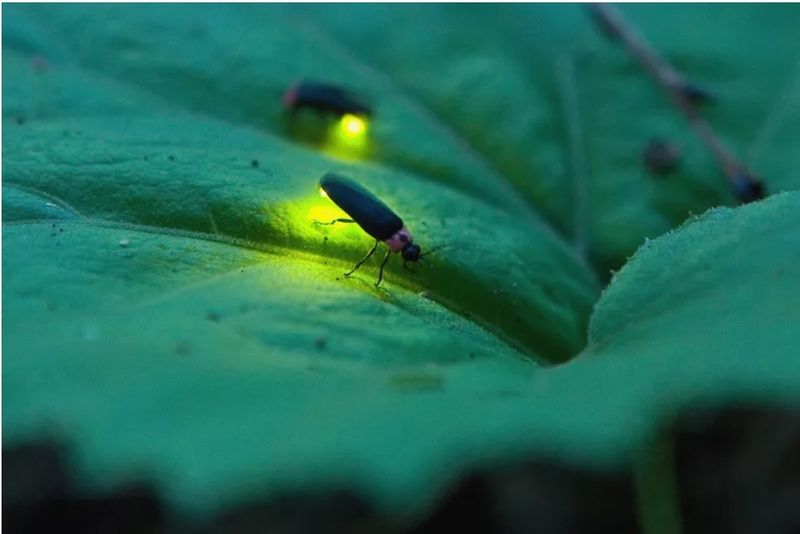
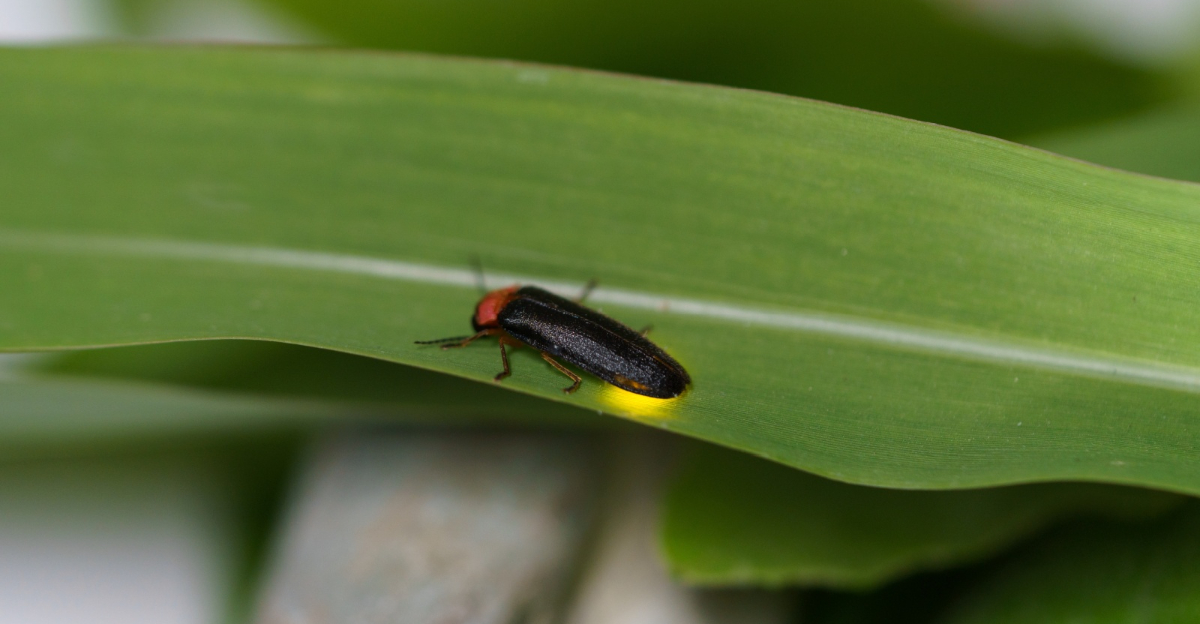
Fireflies talk with light. That flickering glow is actually a mating conversation happening right above your lawn.
Males fly through the air flashing specific patterns. Females waiting in the grass flash back when they recognize the right signal from the right species.
When artificial light floods your yard, it interferes with that signaling. The bugs cannot find each other, and mating stops before it ever begins.
Outdoor lighting has increased substantially in residential areas over the past two decades. Porch lights, landscape spotlights, string lights, and security floodlights all contribute to what scientists call skyglow.
Your Pennsylvania Garden Changes Every Week. Your Plan Should Too.
Gardening in Pennsylvania changes quickly throughout the season. Every Friday you’ll receive a simple weekly plan showing exactly what to plant, prune, fertilize, harvest, and protect so you never miss the right timing.
Skyglow is the orange or white haze that hovers over neighborhoods after dark. It is bright enough to confuse fireflies even when no single bulb is shining directly on them.
Studies show that firefly flash rates drop significantly in areas with high artificial light exposure. Some populations stop flashing entirely within a few seasons of new lighting being installed nearby.
Switching to motion-activated lights reduces unnecessary nighttime brightness without sacrificing safety. Warm-toned bulbs with lower lumens also cause less disruption to light-sensitive insects.
Pointing fixtures downward instead of outward keeps light where you need it and off the grass where fireflies live. Small adjustments in your lighting setup can make a measurable difference.
When fireflies suddenly disappear from your Pennsylvania yard, look up at your neighbor’s new floodlight before assuming the worst. Sometimes the fix is simpler than you think.
Pesticide And Lawn Chemical Use
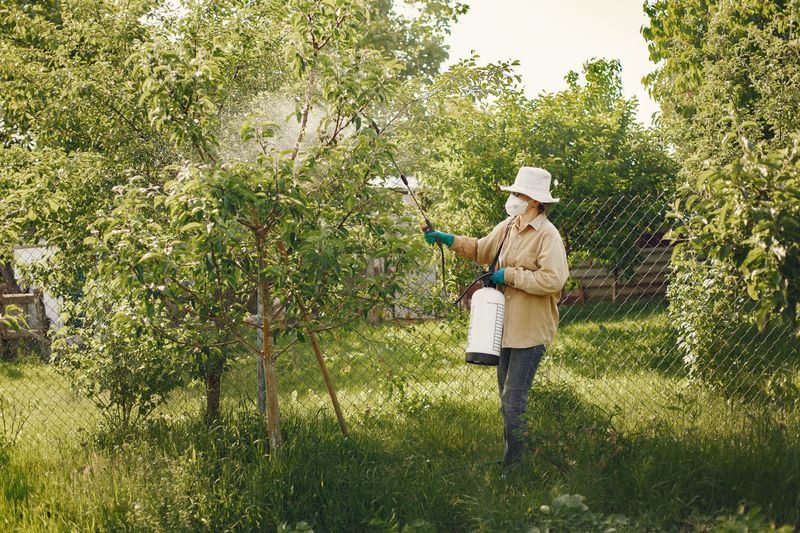
Pesticides do not distinguish between target and non-target insects. They target the insects you want gone, but they also reach the ones you want to keep.
Firefly larvae typically live underground for one to two years before they emerge as adults. During that entire time, they are exposed to whatever chemicals soak into the soil.
Broad-spectrum insecticides significantly reduce larval populations before most homeowners ever notice a problem. By the time adult fireflies stop appearing, the damage was done seasons earlier underground.
Common lawn treatments like grub control products are particularly harmful to firefly larvae. These products target soil-dwelling insects without distinguishing between harmful grubs and beneficial larvae.
Herbicides also play an indirect role. When they reduce ground cover and low vegetation, they remove the moist, shaded microhabitats that firefly larvae depend on to survive the summer heat.
Even fertilizers can shift the pH and nitrogen balance of soil in ways that disrupt the invertebrate populations firefly larvae feed on. Fewer prey means fewer larvae survive to adulthood.
Organic lawn care is not just a trend. For firefly-friendly yards, it is a practical strategy that protects the underground nursery where future generations develop.
Spot-treating problem areas instead of blanket-spraying the entire lawn significantly reduces chemical exposure across your yard. Targeted application protects beneficial insects while still managing actual pest problems.
Firefly populations can rebound once chemical use is reduced, but recovery takes time. Patience and a lighter chemical footprint go a long way toward restoring a glowing summer yard.
Habitat Loss From Over-Manicured Lawns
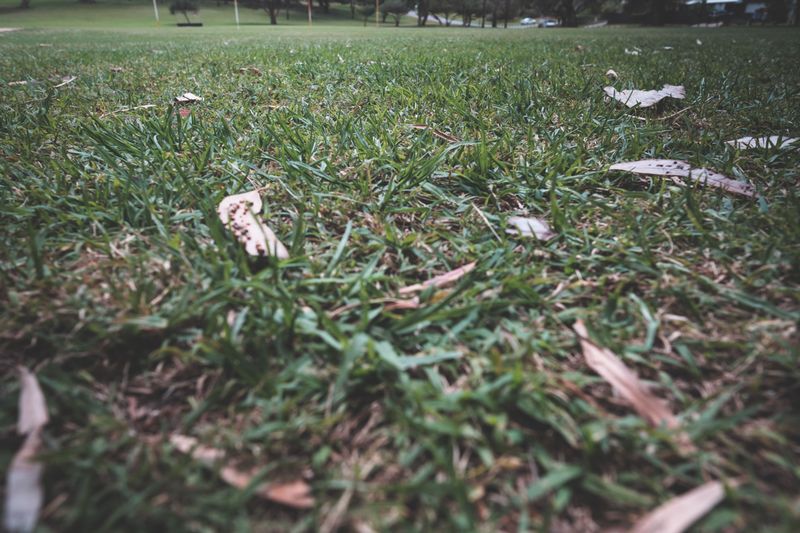
A perfectly trimmed lawn looks great in a magazine. It offers little usable habitat for fireflies.
Fireflies need specific habitat features to complete their life cycle. Tall grass edges, leaf litter, moist soil, and low-growing native plants are not optional extras. They are survival requirements.
Leaf litter is especially critical. Firefly larvae overwinter in the decomposing leaves at the base of trees and along fence lines, using that layer as both shelter and hunting ground.
When homeowners rake every leaf, bag every clipping, and mow right to the property edge, they remove the key habitat features fireflies depend on.
Native plants support the moisture levels and insect diversity that fireflies need. Turf grass monocultures, by contrast, create a simplified environment with very little biological complexity.
Adding a border of native wildflowers, ferns, or shrubs along your yard’s edge creates an immediate refuge. Even a two-foot strip of unmowed grass along a fence can shelter firefly larvae.
Leaving leaf piles near tree bases through winter gives larvae a place to survive until spring. This single habit change costs nothing and produces measurable results by the following summer.
Fireflies suddenly disappear from yards that have recently been landscaped or re-sodded, because the habitat reset disrupts existing populations. Rebuilding takes at least two to three seasons of consistent habitat support.
A slightly wilder yard is not a neglected yard. It is a yard that is working hard for the local ecosystem in ways a heavily manicured lawn typically does not.
Changing Moisture And Weather Patterns
Fireflies love moisture. Not flooding, not drought, but that sweet spot of consistent dampness that keeps soil cool and soft.
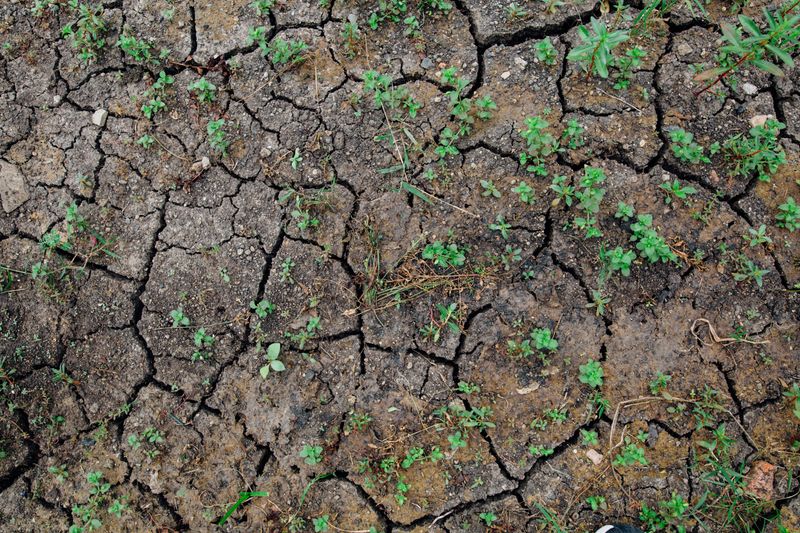
Larvae need moist soil to move through, hunt, and develop properly. When soil dries out during extended summer droughts, larval survival rates drop sharply.
Climate patterns across the mid-Atlantic region appear to be shifting in recent years, with hotter, drier summer stretches becoming more common.
Summers are running hotter and drier in stretches, with heavier rainfall in shorter bursts rather than steady, soaking rains.
That shift disrupts the moisture balance fireflies rely on. Soil that alternates between bone-dry and waterlogged does not support stable larval populations the way steady, moderate moisture does.
Warmer winters also affect firefly timing. Larvae that emerge too early due to a false spring can face a late frost that sets back an entire season’s worth of development.
Altered bloom timing in native plants further disconnects the food web fireflies depend on. When prey populations shift earlier or later, larvae miss their feeding window and do not gain enough energy to pupate.
You can counteract some of these effects by managing moisture in your yard intentionally. Rain gardens, mulched beds, and reduced lawn area all help retain water during dry stretches.
Avoiding soil compaction is also important. Compacted ground holds less water and is harder for larvae to navigate, reducing the area of usable habitat even in a yard with good rainfall.
Weather is something you cannot control, but your yard’s response to it is absolutely within your power to shape.
How To Bring Fireflies Back To Your Yard
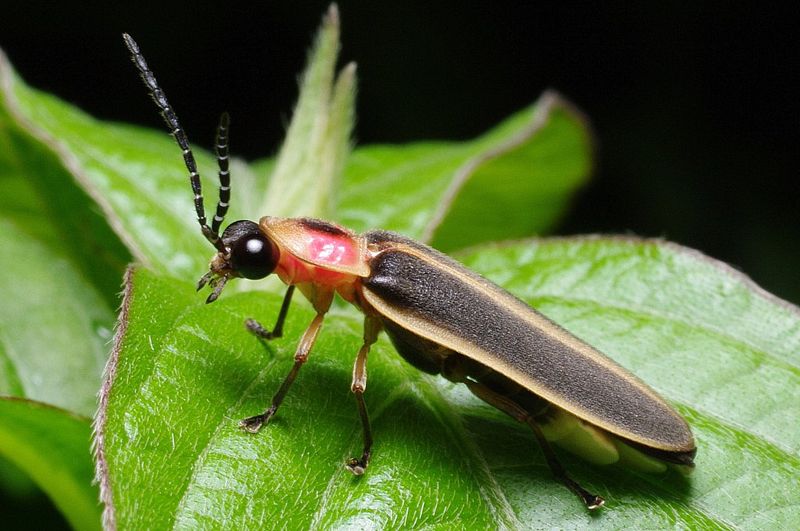
Good news: fireflies can come back. The process takes time, but the steps are surprisingly straightforward for most homeowners.
Start by reducing or stopping the use of broad-spectrum pesticides across your lawn. This single change gives existing larvae a fighting chance to survive and emerge as adults the following summer.
Next, add native plants along your yard’s edges. Species like black-eyed Susans, wild bergamot, and native ferns create the layered, moist habitat fireflies prefer for both larval development and adult shelter.
Leave your leaf litter in place from fall through early spring. Rake it gently to the side rather than bagging it, giving larvae the overwintering protection they need without you losing a tidy appearance.
Reduce outdoor lighting on warm summer evenings, especially from late May through July. Turning off non-essential lights during peak evening hours can help, though exact flashing windows vary by species and region.
Add a shallow water feature or rain garden to maintain soil moisture during dry stretches. Even a small birdbath placed near a garden bed helps create a humidity zone that benefits larvae nearby.
Avoid mowing your lawn edges more than necessary during firefly season. A strip of taller grass along a fence or tree line provides immediate adult habitat without sacrificing the look of your main lawn area.
Patience is part of the process. Firefly populations rebuild slowly because their life cycle spans multiple years underground before any adults appear.
When fireflies suddenly disappear from your Pennsylvania yard, remember that your choices as a homeowner have real power to reverse that loss.