What It Means When Firespike Suddenly Blooms In Your Florida Garden This Fall
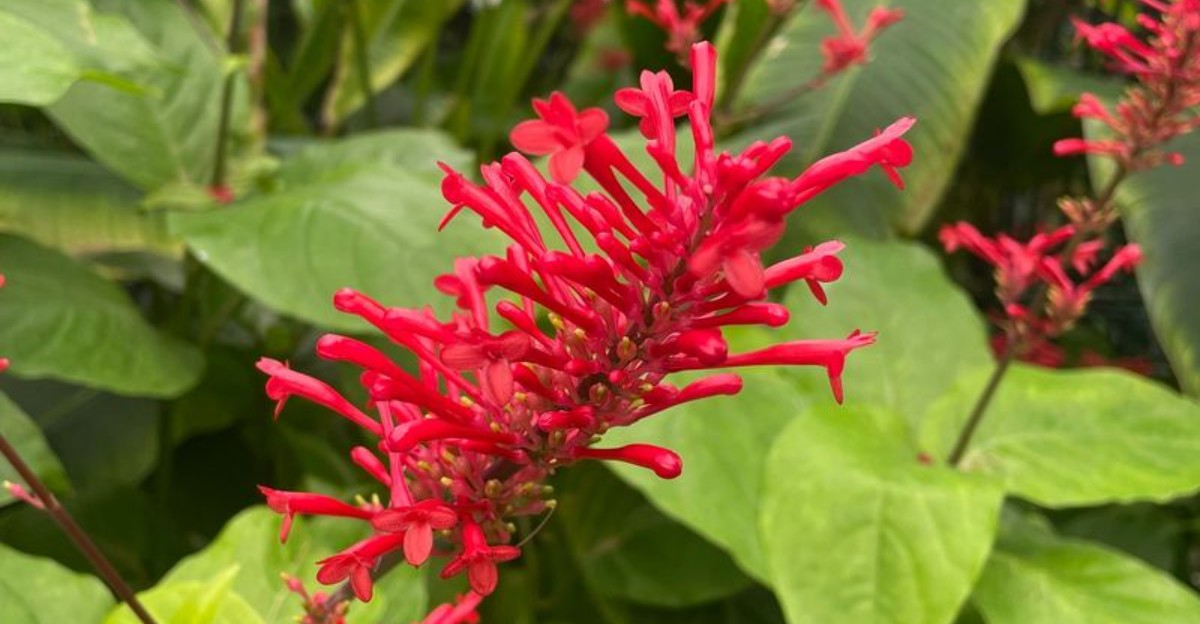
Glossy leaves that sat quietly all summer can push up tall spikes of red tubes as days shorten. Such a quick change often surprises gardeners, especially if the plant came with the house.
Firespike blooms in response to shorter fall days, which is why flowers often appear as other plants fade.
In much of Florida, that schedule makes it a reliable source of late color in shady beds. Hummingbirds and butterflies tend to find it quickly once the first flowers open.
Some gardeners worry the sudden show signals stress, but the plant is usually right on time.
How long the color lasts can depend on cold snaps, especially in northern parts of the state.
Leave a clear view of it from a window, since the hummingbird traffic is worth seeing.
1. Glossy Green Clumps Can Suddenly Send Up Bright Red Spikes
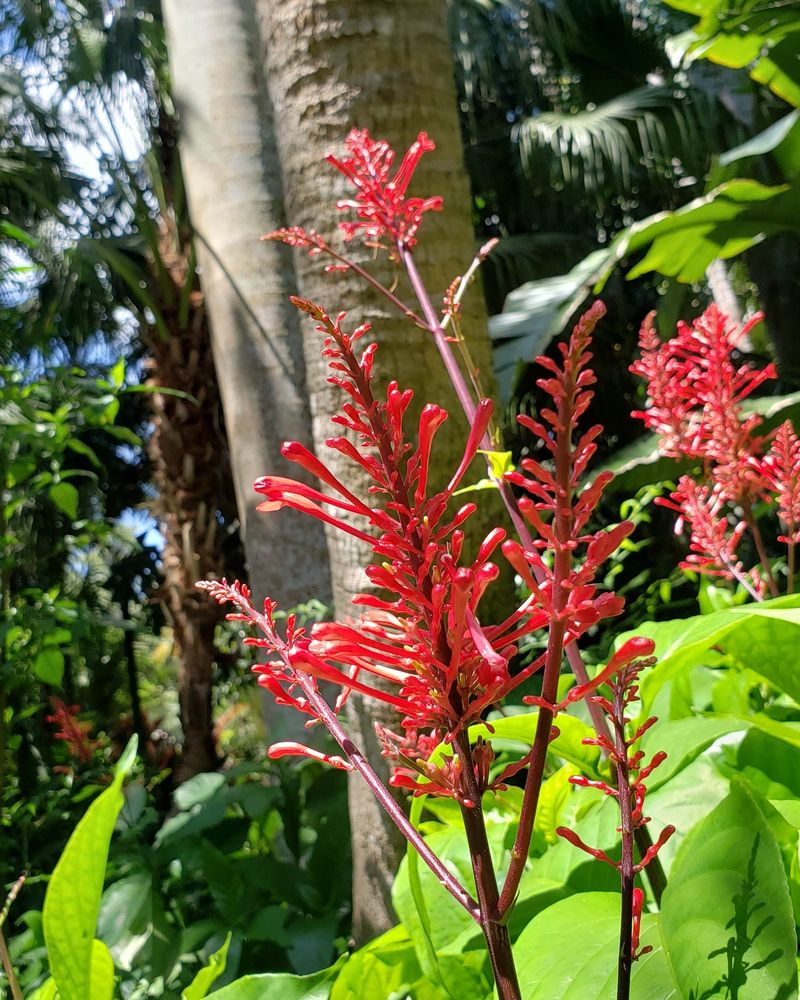
Quiet foliage can fool you. For months, firespike may look like nothing more than a mound of shiny, dark green leaves.
Then, often over just a few weeks, tall stalks rise above the leaves and open into clusters of narrow red tubes.
Gardeners who planted it in spring are sometimes caught off guard. Flower stalks can stretch well above the foliage, so the plant may suddenly seem taller than it did in midsummer.
Nothing is wrong when this happens, and it usually signals the plant is mature and settled in.
Young or freshly divided plants may bloom lightly during their first season. Clumps that have had a year or more to fill out often put on a fuller display, though results vary with light, water, and soil.
Here in Florida, firespike grows as an upright shrub that commonly reaches about four to six feet. It spreads slowly into a clump, so give it some elbow room when you plant nearby.
Leaf color can hint at plant health before the flowers appear.
Deep, glossy leaves usually mean decent growing conditions, while pale or yellowing leaves may point to too much sun, poor drainage, or nutrient issues. Checking those factors early gives the coming bloom stalks their best chance.
Enjoy the surprise when it comes, and maybe snap a photo for next year.
2. Late Summer Through Fall Brings Its Main Flowering Display
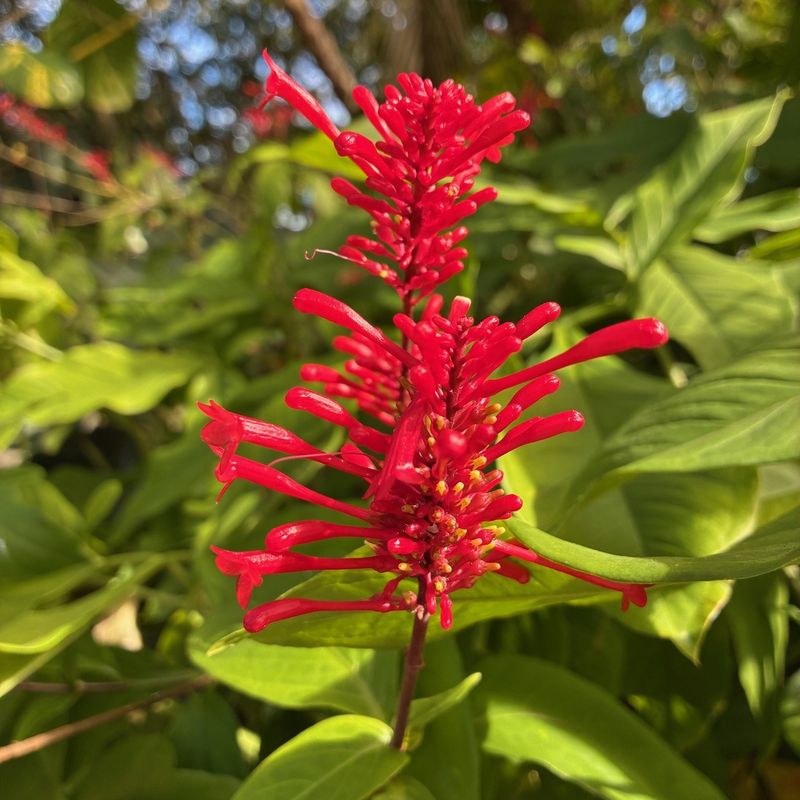
Timing is everything with firespike. Most plants put on their heaviest show from late summer into fall and sometimes early winter.
Shorter days appear to play a role in triggering those flower stalks, which explains why blooms often arrive as summer winds down.
Fall in Florida does not mean cool weather everywhere. September and October can stay hot and humid, especially farther south, and firespike usually handles that heat without complaint.
Length of the bloom season can differ from yard to yard.
In warmer southern areas, flowering may continue for months if no cold snap interrupts it. Farther north, an early chilly spell can cut the display shorter.
Rain patterns matter too. Late in the rainy season, plants often have plenty of moisture, but a dry fall may call for extra watering to keep stalks coming.
Your Florida Garden Changes Every Week. Your Plan Should Too.
Gardening in Florida changes quickly throughout the season. Every Friday you’ll receive a simple weekly plan showing exactly what to plant, prune, fertilize, harvest, and protect so you never miss the right timing.
Soak the soil deeply when the top inch feels dry rather than giving light daily sprinkles.
Some gardeners notice a few scattered blooms at other times of year. Those are a pleasant bonus, but the big performance generally belongs to the late season.
Planning around that schedule helps. Pairing firespike with plants that peak in spring or early summer keeps your beds colorful across more months, so the red spikes become the grand finale rather than the only act.
3. Hummingbirds Passing Through Make Good Use Of The Tubular Blooms
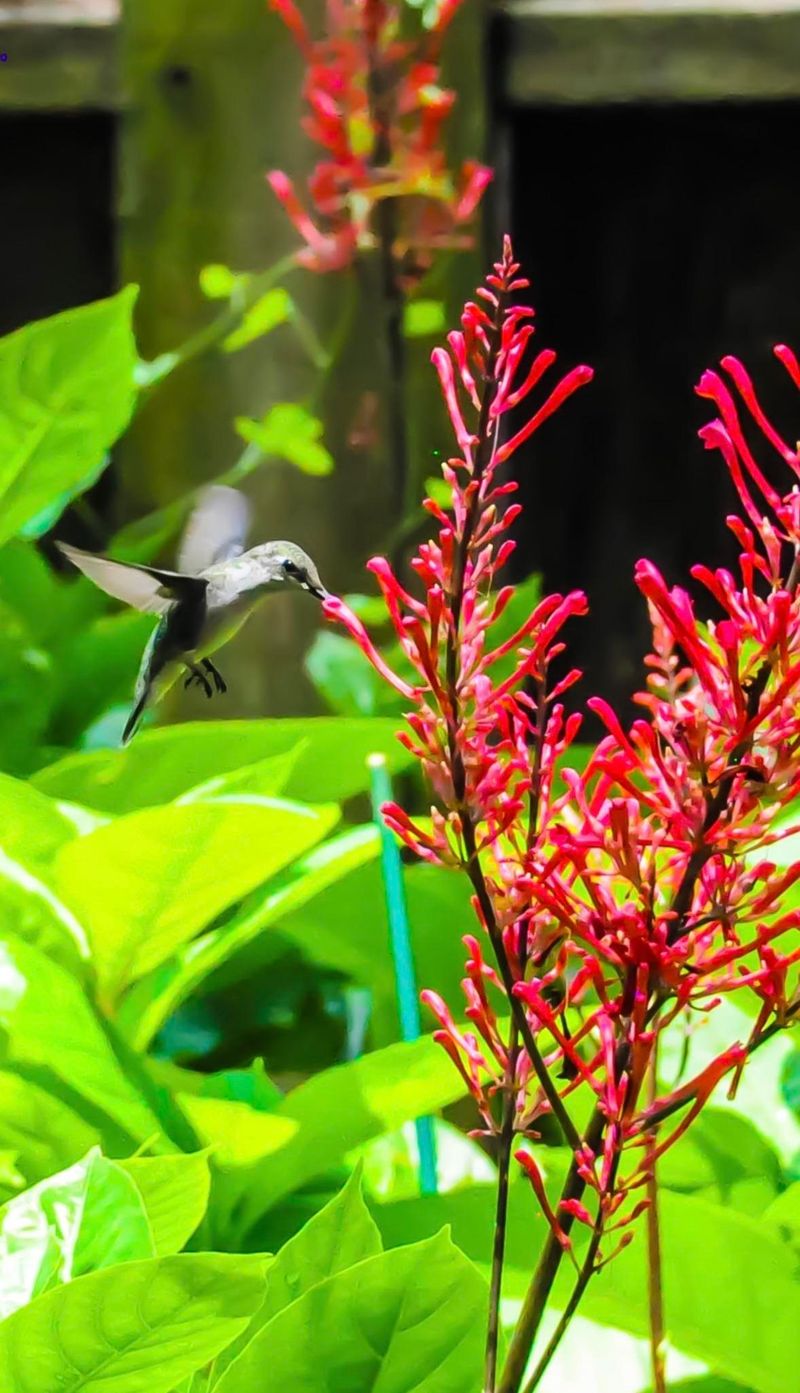
Watch closely around midmorning and you might catch a tiny blur zipping between the red tubes. Ruby-throated hummingbirds are the species most Florida gardeners spot, and fall migration brings many of them through the state.
Firespike flowers are long, narrow, and bright red, a shape and color that suit a hummingbird’s bill and feeding style well.
Because the plant often blooms heavily in fall, it can offer nectar right when migrating birds are passing through. Visits are likely but not certain, since bird traffic depends on your location, nearby habitat, and the year.
Some hummingbirds also spend winter in parts of the state, especially central and southern areas.
Late-blooming firespike may help those winter visitors too, as long as cold weather has not damaged the flowers.
Want better odds of seeing them? Plant firespike where you can view it from a window or patio, and keep a few other nectar plants nearby for variety.
Skip pesticide sprays on and around blooming plants.
Hummingbirds eat small insects along with nectar, so a garden with some bugs is actually a healthier stop for them. Patience matters as well, because these birds can feed quickly and leave just as fast.
A quiet seat with morning coffee often turns into the best wildlife show of the season.
4. Butterflies And Bees Stop By As Well
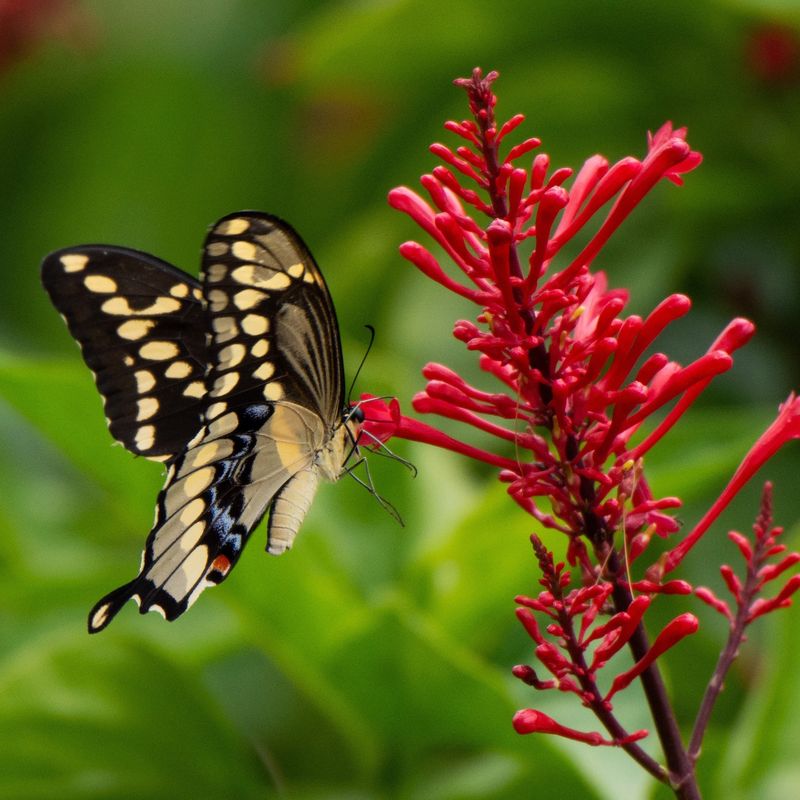
Hummingbirds get most of the credit, yet they are not the only guests. Butterflies regularly visit firespike in Florida gardens, and you may see swallowtails or sulphurs drifting from cluster to cluster.
Bees can show up too, though usually less often than on flowers with wide, open faces.
Long, slender tubes make the nectar easier to reach for creatures with long mouthparts. Butterflies fit that description, while many bees may favor other blooms close by.
Visitor numbers depend a lot on what surrounds your yard.
A neighborhood with mostly lawn may draw fewer insects than one with mixed plantings, wooded edges, or native wildflowers. Firespike works best as one part of a broader pollinator planting rather than a lone magnet.
Simple habits can make your garden friendlier. Avoid broad insecticide sprays, leave a shallow water source with pebbles for landing, and let a few leaves fall where small creatures can shelter.
Morning and late afternoon are good times to look.
Insects often move more when temperatures are mild, and fall’s slightly gentler days can make garden walks more pleasant for you, too. Bring a phone camera and see how many different visitors you can spot over a week.
Kids especially enjoy keeping a small list, and it turns an ordinary shrub into a lively outdoor classroom.
5. It Flowers Well In Partial Shade Where Many Bloomers Struggle
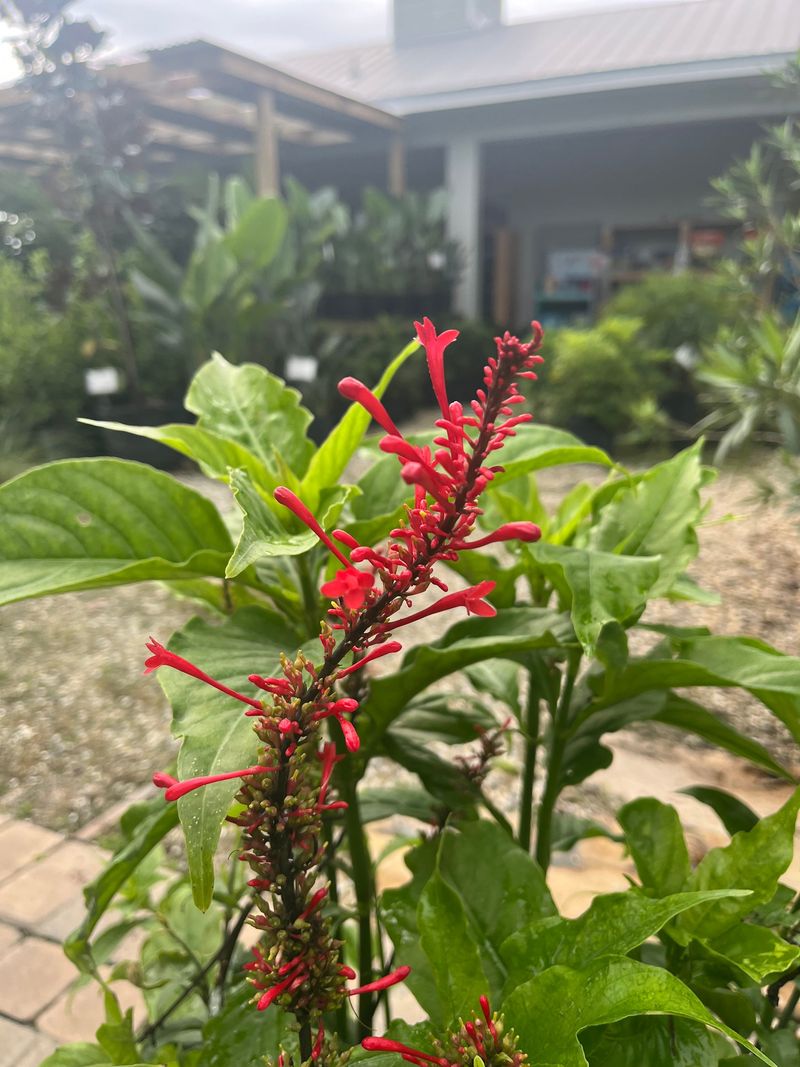
Shady corners can be frustrating. Plenty of colorful shrubs sulk without strong sun, but firespike is known for blooming in partial shade.
Spots under tall pines or along the east side of a house, where light is filtered or limited to morning hours, often suit it nicely.
Deep, all-day shade is a different story. Plants there may still grow, though they tend to stretch out and produce fewer flower stalks.
Full sun can work as well, especially with steady moisture.
In hot, open spots, leaves may yellow or scorch during dry stretches. Afternoon shade usually helps firespike look its best through a Florida summer.
Soil does not need to be fancy. Firespike generally adapts to a range of soils, but it prefers decent drainage and some organic matter, so mixing compost into sandy ground can help it hold moisture.
A layer of mulch a couple of inches deep keeps roots cooler and slows evaporation.
Keep the mulch pulled back slightly from the stems to reduce rot problems. Watering needs drop once plants are established, though they still appreciate a drink during long dry periods.
If a shady bed has felt stuck with only green leaves for years, firespike may be the bright fix it needs. Just remember that flowering amounts can vary with exact light levels.
6. A Freeze Can Knock It Back In Northern Areas
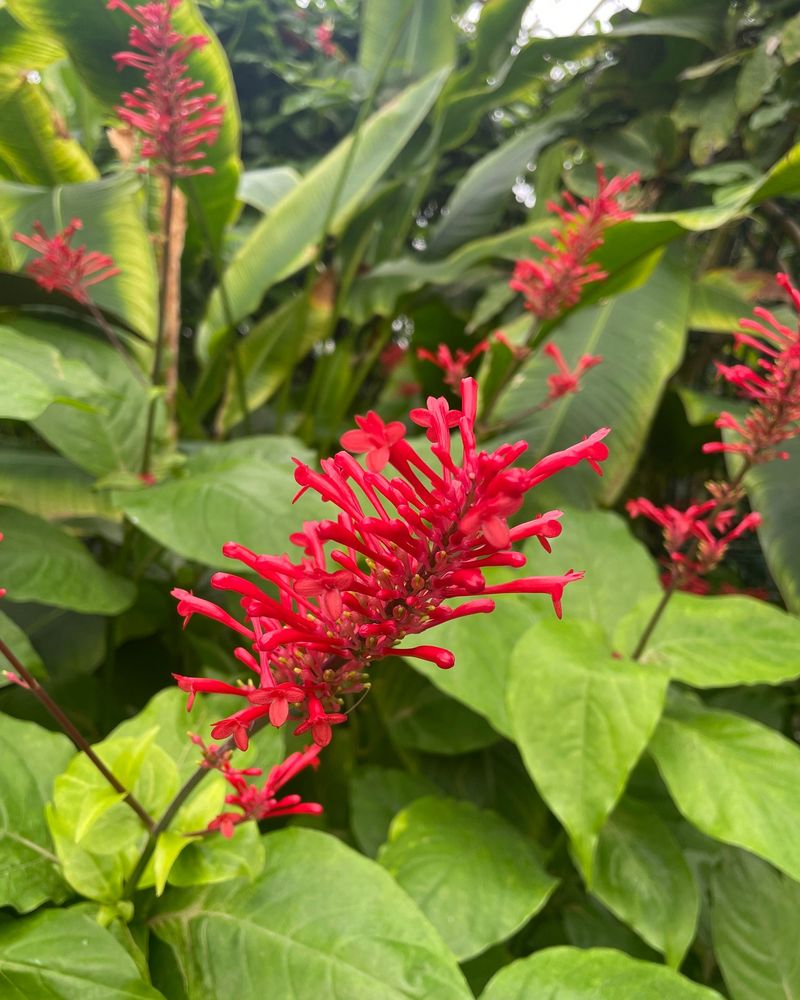
Cold is firespike’s weak spot. A hard freeze can brown the leaves and stems, sometimes down to the ground.
North Florida and parts of central Florida face this risk most winters, while South Florida gardens see it far less often.
Damaged tops do not automatically mean the plant is lost. Established firespike often resprouts from its roots once spring warmth returns, though very young plants or unusually harsh cold can lower those chances.
Watch the forecast as fall turns to winter.
When a freeze is expected, cover plants with frost cloth or an old sheet that reaches the ground. Ground contact traps soil warmth, and you should remove the cover once temperatures climb the next day.
Plastic touching the leaves can cause harm, so avoid it.
Watering the soil a day before a cold night may help it hold a little more warmth. Mulch over the root zone adds extra protection in cooler regions.
Resist the urge to cut off brown stems right away.
Leaving them in place through winter can shield lower growth from later cold snaps. Wait until the risk of frost has passed in your area, then check for green tissue before trimming.
Gardeners up north who accept some winter setbacks can still enjoy a strong fall show most years.
7. Cut Back Spent Stalks In Spring To Keep Plants Tidy
Once the red fades, firespike can look a bit scraggly. Old flower stalks turn brown, and some stems lean or flop by late winter.
Spring is usually a sensible time to tidy things up, after frost danger has passed for your region.
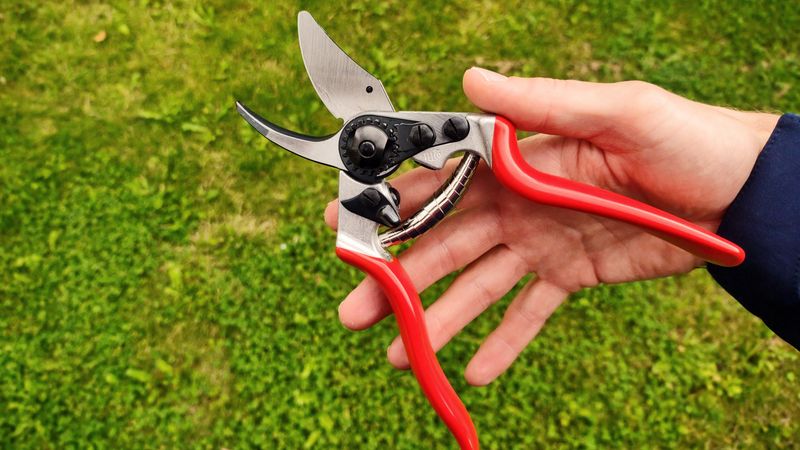
Start by snipping off spent flower stalks just above a healthy set of leaves. Clean, sharp pruners make smoother cuts and help limit damage to the stems.
Overgrown plants can take a harder trim.
Cutting stems back by a third or more encourages bushier growth, though plants in Florida’s cooler northern areas may already be regrowing from freeze damage. Let those fresh shoots guide you on how much to remove.
Avoid heavy pruning in late summer.
Flower stalks form on the season’s growth, so cutting hard right before fall could reduce the coming display. Light shaping earlier in summer is usually fine if a stem gets out of hand.
Spring is also a good moment to divide crowded clumps or root a few cuttings for friends. Stem pieces often root in moist potting mix, though success can vary.
A light feeding with a balanced slow-release fertilizer may help as new growth starts, especially in poor sandy soil. Follow label rates closely, since too much fertilizer can push leafy growth or wash into local waterways.