Arizona’s Brown Dog Tick Can Seek Out Your Dog and Still Wait in Ambush
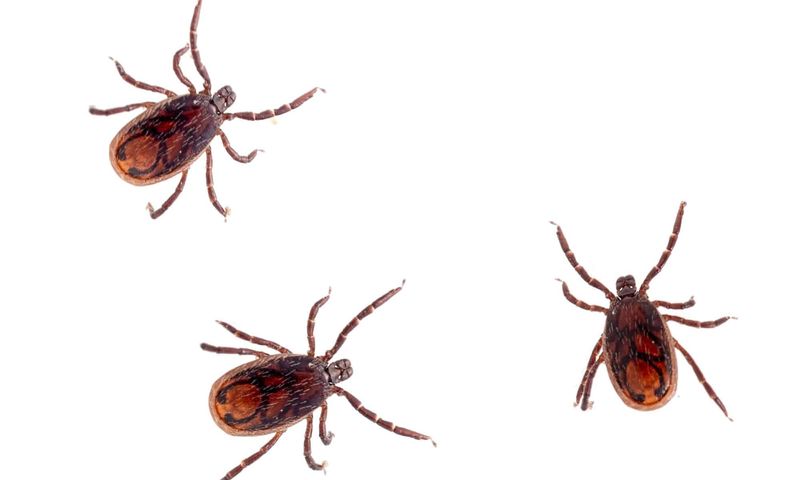
Arizona dog owners have good reason to know the brown dog tick. It can steer toward dogs, slip indoors, and carry the germ behind Rocky Mountain spotted fever in parts of the state.
The real picture is more specific than a scary headline, and knowing it helps you protect both pets and people. Here is how this tick behaves, where the risk is real, and what to do about it.
Brown dog ticks can seek hosts and also wait in ambush
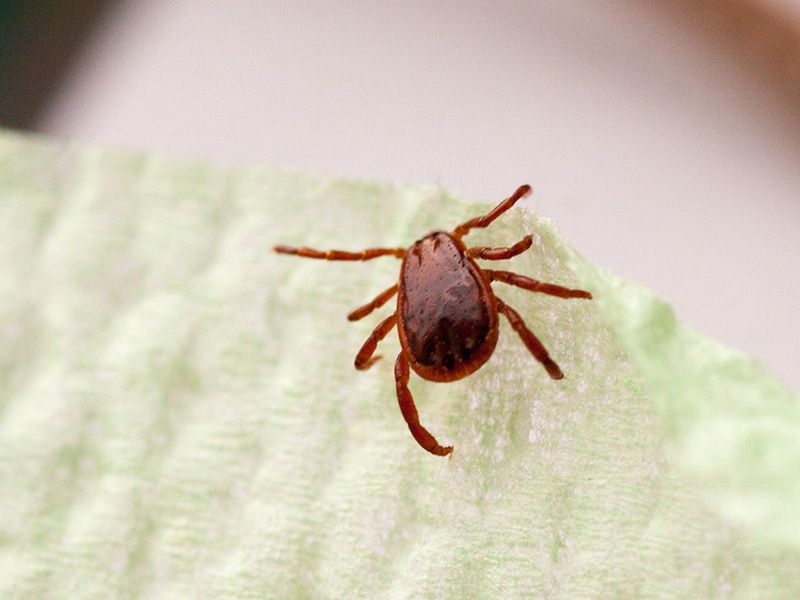
Picture a tick that notices a dog and turns toward it. That is close to what the brown dog tick can do.
A peer-reviewed review of brown dog tick biology describes host-directed movement, including orientation toward cues that dogs give off.
That does not mean a tick sprints across a yard after a pet. These ticks are small and slow, and they do not chase dogs over long distances.
Think of it as a tick that can aim itself once a dog is nearby.
They also still use the classic approach. Brown dog ticks can climb up and wait, a habit called questing, until a host brushes past.
So the old either-or idea, hunting versus waiting, does not fit. The accurate version is that this tick can do both.
That mix of skills is one reason it matters for Arizona dog owners, which the next section explains.
Arizona’s RMSF burden has a specific context
In Arizona, the brown dog tick is the primary vector of Rocky Mountain spotted fever, or RMSF, according to Arizona Cooperative Extension. A vector is a carrier that can pass a germ along when it bites.
It does not mean every tick is infected, and most brown dog ticks a person meets are not.
The documented burden is concentrated in specific places.
CDC reported more than 580 cases and 28 deaths in Arizona tribal communities from 2002 through 2024.Those numbers describe those communities, not a statewide estimate and not the risk for every Arizona household.
Other ticks drive RMSF in other regions. In the southwestern United States and along the U.S.-Mexico border, CDC clinical guidance names the brown dog tick as the one to watch.
So the fair takeaway is alert, not alarmed. The disease is real and serious where it clusters, and a bite from an infected tick is what causes it.
A dog-associated tick can become a household problem
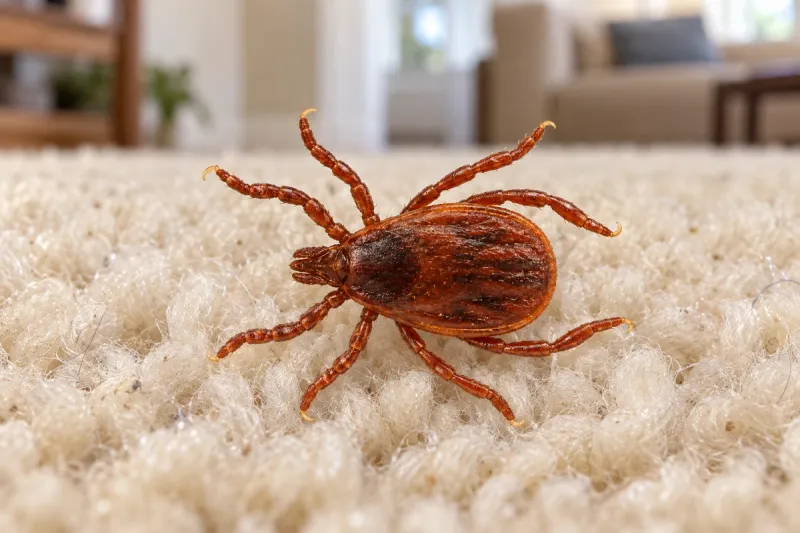
Ticks do not stay politely outside. Brown dog ticks favor dogs, yet Arizona Cooperative Extension notes they spend much of their lives resting in protected places off the animal.
Those places can include homes and kennels.
Here is how that plays out. A dog picks up a tick on a walk or in a kennel, then comes home.
The tick can drop off or crawl away, and it may settle into a crack or crevice.
CDC guidance on preventing ticks on pets explains that pets can carry ticks into the house. That is the key point about people.
Your Arizona Garden Changes Every Week. Your Plan Should Too.
Gardening in Arizona changes quickly throughout the season. Every Friday you’ll receive a simple weekly plan showing exactly what to plant, prune, fertilize, harvest, and protect so you never miss the right timing.
The ticks, not the dog itself, can expose family members, and a dog does not pass RMSF directly to a person.
Clinical guidance from CDC’s MMWR report also stresses that the tick’s role matters more than the pet’s. That is why the dog and the home both belong in your plan.
Build prevention and tick checks into pet care
Start with a conversation at your next vet visit. Ask which tick preventive fits your dog’s age, size, and health.
Choosing a product is a veterinarian’s call, so skip home remedies and anything not labeled for pets.
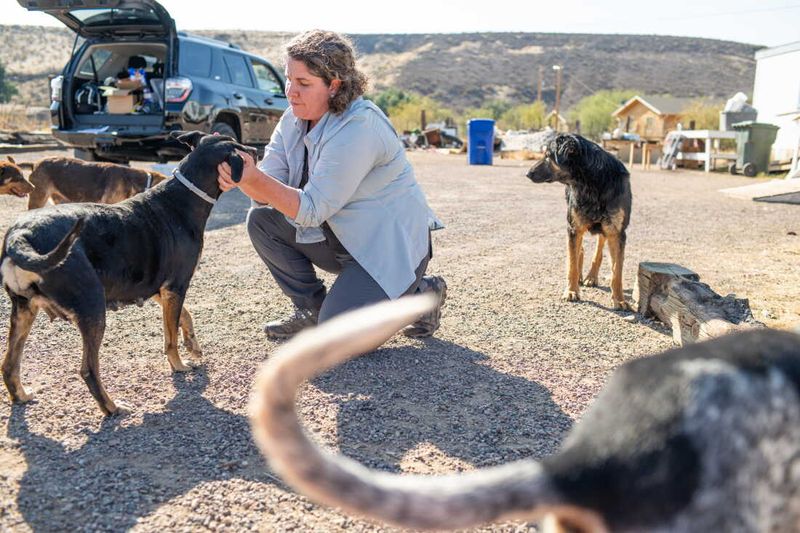
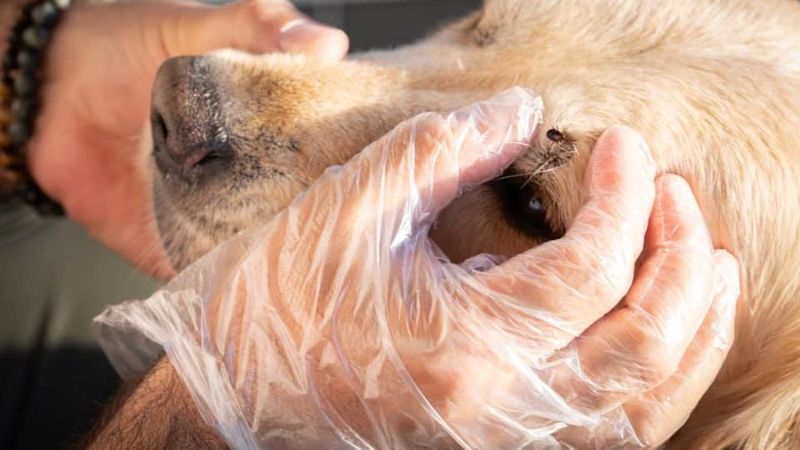
Then make a daily check a habit, such as after the evening walk. Run your fingers over the ears, eyelids, collar line, legs, toes, and tail.
CDC pet guidance recommends these regular checks.
If you find an attached tick, remove it promptly. Use fine-tipped tweezers or forceps, grip the tick close to the skin, and pull upward with steady pressure.
Avoid twisting or squeezing the body.
Do not count on a safe window of attachment time. CDC’s clinical review reports that transmission timing varies, so quick checks and quick removal are the goal.
Wash your hands and the bite spot afterward. Keep an eye on both dog and household for the next few weeks.
A tick finding is not a diagnosis, but symptoms need attention
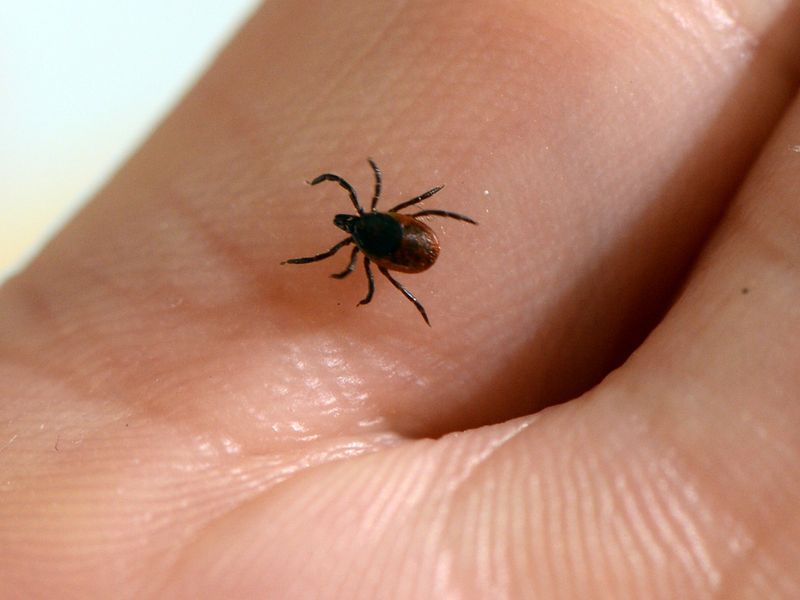
Spotting a tick is one thing. Being bitten is another, and becoming infected is a third step.
RMSF follows a bite from an infected tick, so a tick in your house or on your dog does not mean anyone has the disease.
Still, watch your own health after any possible exposure. See a medical provider promptly for fever, headache, or rash.
Tell them about the dog, the ticks, and where you have been.
Do not wait for a rash. CDC says RMSF can become severe quickly, and early treatment matters when it is suspected.
The rash can show up late, or not stand out at all.
There is also no magic number of symptom-free hours that rules it out. CDC clinical guidance notes that timing varies from person to person.
If symptoms appear after possible exposure, call a clinician that day rather than waiting to see how things go.
A substantial home infestation needs a broader plan
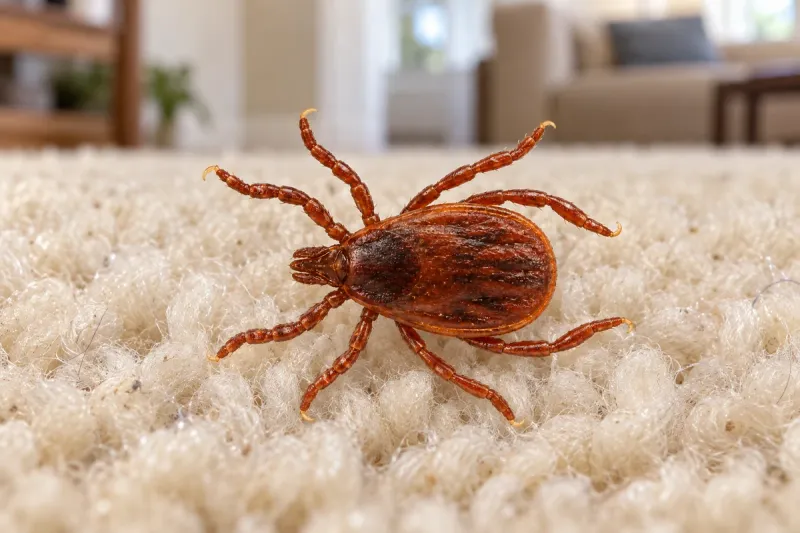
When ticks keep turning up, a single fix rarely finishes the job. Brown dog ticks hide in protected spots, and Arizona Cooperative Extension notes they can infest indoor areas as well as the ground and structures around a home.
Think wall cracks, kennel corners, and the edges of patios.
That is why a quick yard treatment may not solve a substantial infestation. The ticks you never see can keep the cycle going.
Treating the dog without checking the home leaves the same gap.
Start with your veterinarian, who can review your dog’s preventive plan. Then bring in a qualified pest professional to build a plan for the house and surroundings.
Follow product labels and safety directions exactly, and skip improvised chemical mixes.
CDC advice on pet tick prevention fits alongside this. Keep checking your dog while the home work continues.
Ticks live where the dog lives, so the plan has to cover both.