What It Means When Golden-Crowned Sparrows Arrive In Your California Yard
A year ago this month, half my baby lettuce row vanished overnight, nibbled down to tidy little stubs. No slime trails. Just faint scratch marks in the soil and a soft, sad whistle from the hedge.
My tiny lettuce thief had flown in from Alaska or western Canada, mostly traveling by night. Even more impressive is its social life. Banding research found these birds often reunite with the same winter flockmates, like old friends who meet for brunch every fall.
Right about now, flocks are settling into California yards for the winter, scratching through leaf litter with a goofy two-footed hop. I’ve made peace with mine.
The lettuce wears a light cover, and the birds get every weed seed they can find. You may already have a few camped in your shrubs.
For a bird that small, choosing the same hedge every winter is no accident.
That Three-Note Sparrow Song Means More Than You Think
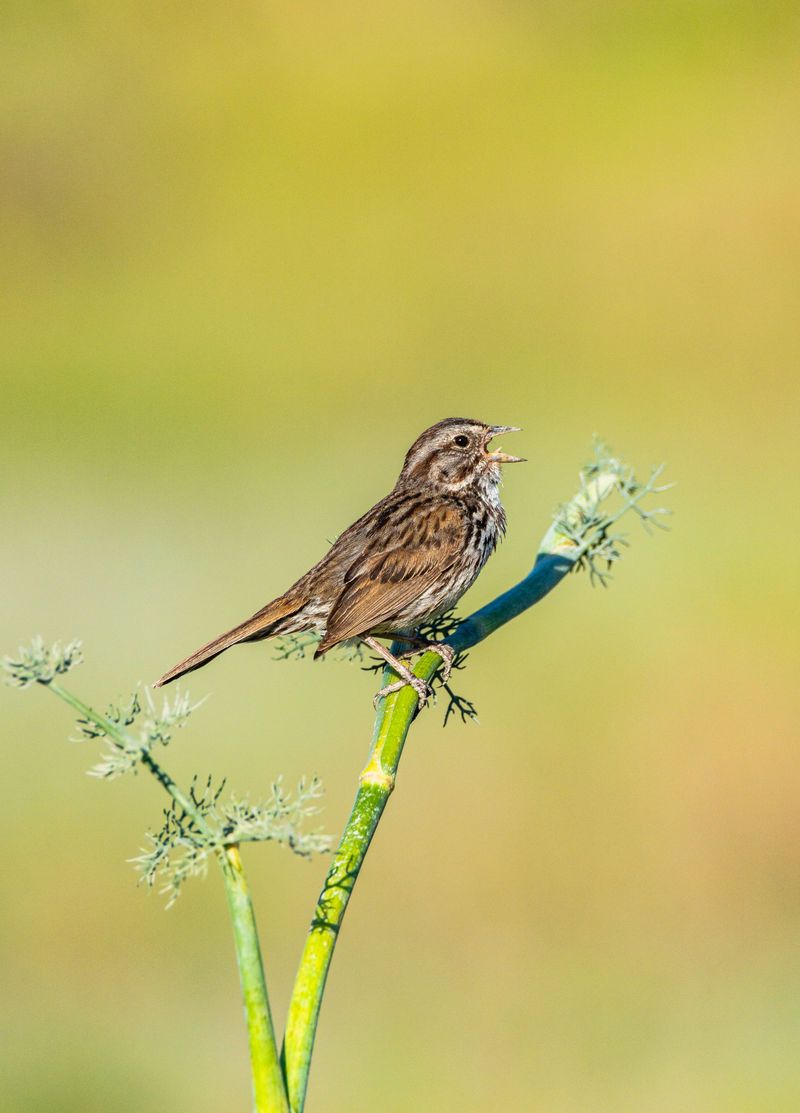
Listen closely on a cool fall morning and you may hear it. A clear, sweet whistle slides downward in three notes, often described as “oh, dear me.” That sound is the calling card of the Golden-crowned Sparrow.
Hearing it means winter has officially started in your yard, at least by bird standards. These sparrows breed far to the north and only spend the colder months in places like California. Their song is one of the few you will hear in late fall and winter, which makes it stand out.
Some people find the tune a little sad. Gold Rush miners heard “I’m so tired” and called the bird Weary Willie. Others hear “three blind mice” or “oh, dear me.” I think it sounds more like a soft sigh after a long trip, which fits perfectly.
Birds often sing from inside dense shrubs, so you may hear them long before you spot them. Try standing still near a hedge or brush pile for a minute. Many backyard birders say this song is the first clue that their winter visitors are back.
Once you learn it, you will notice it everywhere, from city parks to hillside trails.
These Winter Sparrows Traveled From Alaska To Reach Your Shrubs
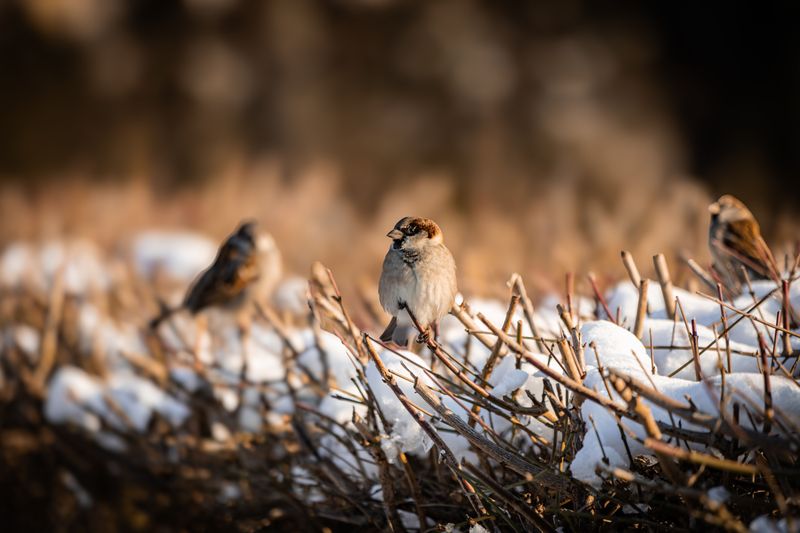
Few backyard visitors log as many miles as this one. Golden-crowned Sparrows nest in Alaska and western Canada, often in shrubby areas near the tree line. When summer fades, they head south along the Pacific Coast.
Most travel at night, which is common for many songbirds. The first birds usually show up in California around mid to late September. By October, they become common in many yards, parks, and brushy hillsides.
So their arrival marks a real seasonal shift. It tells you fall migration is in full swing and colder weather is setting in up north. They usually stay through winter and leave again in April or early May.
Before heading north, many males brighten up. Their crowns turn a bolder gold, edged with thick black stripes. Watching that change in spring is a fun bonus for patient bird watchers.
Where you live in the state matters too. They are most common along the coast, in the Bay Area, and in foothill areas with good brush. Desert regions and high mountains see far fewer of them.
If they show up in your yard, take it as a compliment. Your space offered what a tired traveler needed.
Your Yard Passed The Sparrow Safety Test
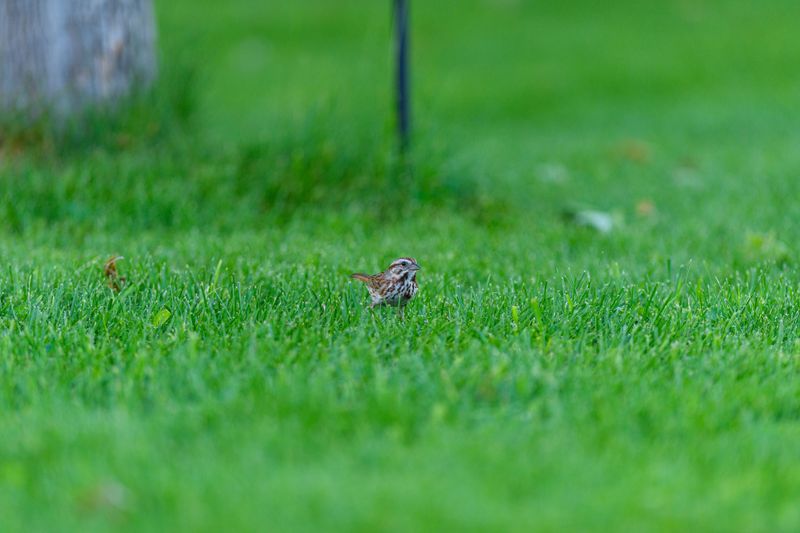
Birds are picky house hunters. A Golden-crowned Sparrow will not stick around a yard that feels exposed or empty. If they settle in, your garden likely has the right mix of cover and food.
These sparrows love thick shrubs, hedges, and brushy edges. They feed on the ground but rarely stray far from a safe hiding spot. When a hawk or cat appears, they dash back into the branches in a flash.
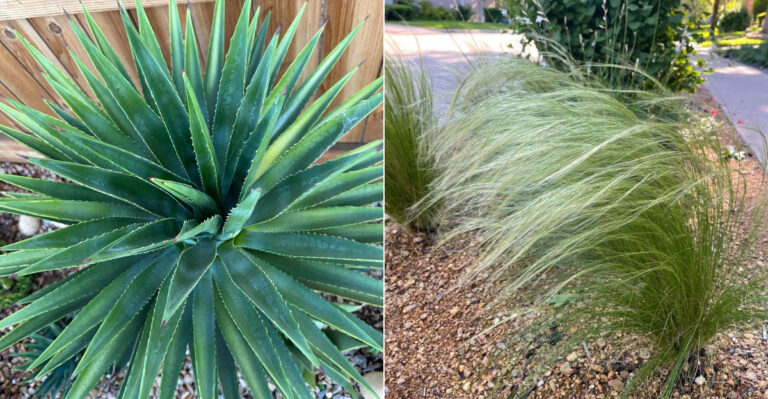
Native shrubs work beautifully for this. Coyote brush, toyon, California coffeeberry, and ceanothus all offer shelter and fit California’s dry summers. A loose pile of trimmed branches in a back corner can help as well.
Leaf litter matters more than many gardeners realize. Sparrows scratch through fallen leaves to find seeds and tiny bits of food. A spotless yard with bare soil offers them very little.
You need to keep pets in mind too. Outdoor cats are a major threat to ground-feeding birds. Keeping cats indoors gives your sparrows a much better shot at a calm winter.
I like to think of their presence as a small report card. Good cover, natural mess, and a quiet corner earned your yard a passing grade.
Fresh Seedlings Look Like A Salad Bar To Hungry Sparrows
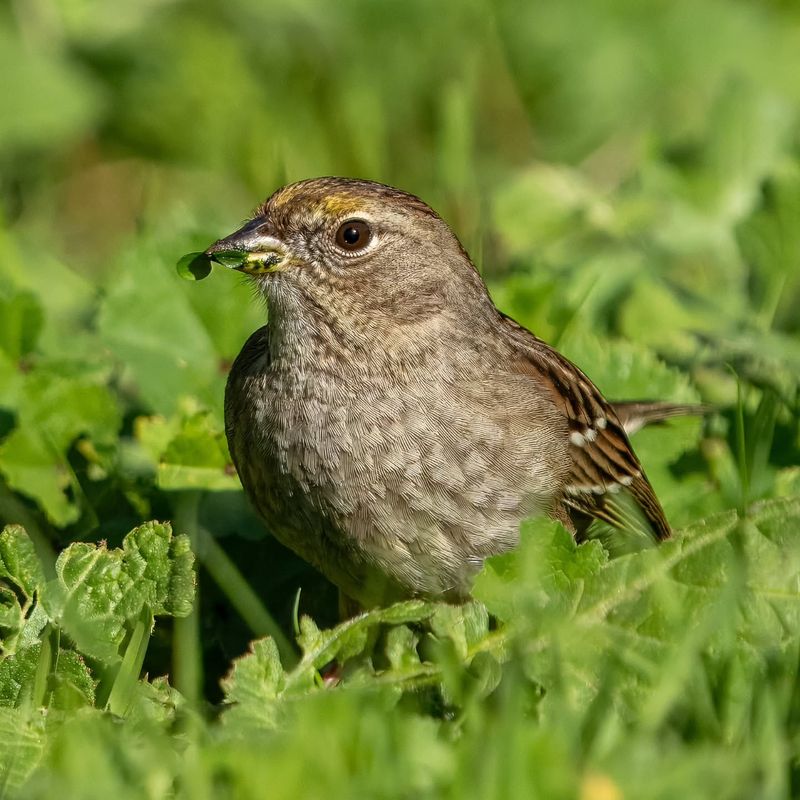
Gardeners sometimes discover the downside first. One morning, a neat row of baby lettuce has been nibbled down to stubs. The culprit could easily be a Golden-crowned Sparrow.
During winter, these birds eat mostly plant food. They munch on seeds, buds, flowers, and tender green shoots. Studies have shown they often prefer fresh sprouts over dry seeds when both are available.
That taste for greens can affect cool-season crops. Lettuce, peas, beets, cabbage, and newly sown lawn grass are common targets. Damage often shows up along garden edges close to shrubs, where the birds feel safe.
Spring flowers can suffer too. Some gardeners notice petals plucked from primroses or young buds pecked on fruit trees. It can feel frustrating, but the birds are simply following their natural menu.
Knowing this helps you plan ahead. Fall and winter planting is popular in much of California because of mild temperatures and seasonal rain. That timing overlaps neatly with sparrow season.
So if your seedlings vanish, check for small scratch marks and tidy, clipped leaves. Those clues point more toward birds than snails, which leave slime trails and ragged holes.
Simple Netting Keeps Sparrows Off Your Winter Veggies
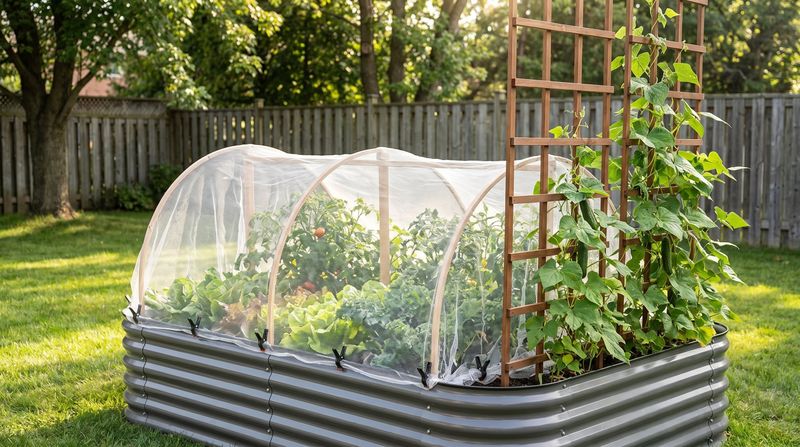
Protecting your crops does not mean chasing these birds away. A few easy tricks let you share the yard without losing your greens.
Lightweight netting or floating row cover is the most reliable option. Stretch it over wire hoops so it sits above the plants. Tuck the edges down well, since sparrows are clever at slipping under gaps.
Small mesh cages work great for raised beds and short rows. You can remove them once the plants grow larger and tougher. Most seedlings become far less appealing after a few weeks of growth.
Timing can help too. Some gardeners start seedlings indoors and transplant them once they are sturdier. Others sow extra seed, expecting to lose a little to the birds.
Check netting every few days. Birds and other small animals can get tangled in loose or torn material. Fine-mesh row cover is usually safer than wide plastic netting.
Skip scare tactics that harm wildlife. Golden-crowned Sparrows are protected under the federal Migratory Bird Treaty Act, so trapping or harming them is not allowed.
Personally, I find a little cover beats a lot of worry. The birds still feast on weeds, and you still get your salad.
Spot The Golden Crown Stripe And Dark Bill
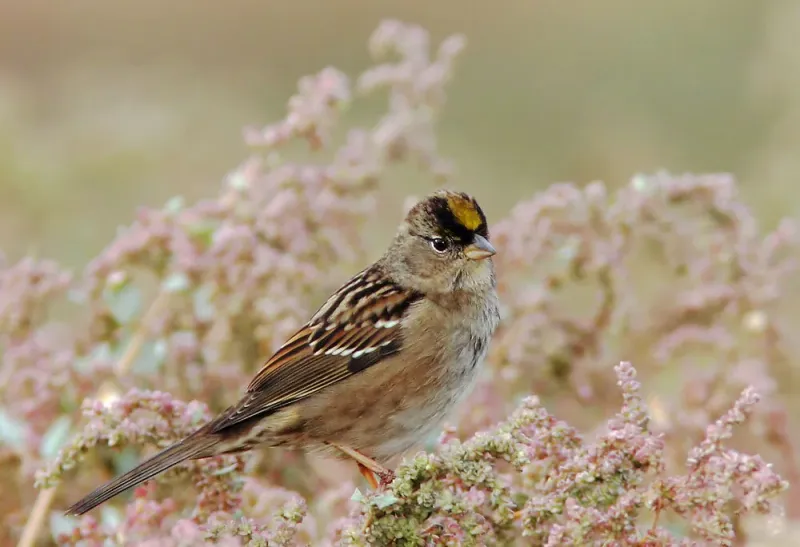
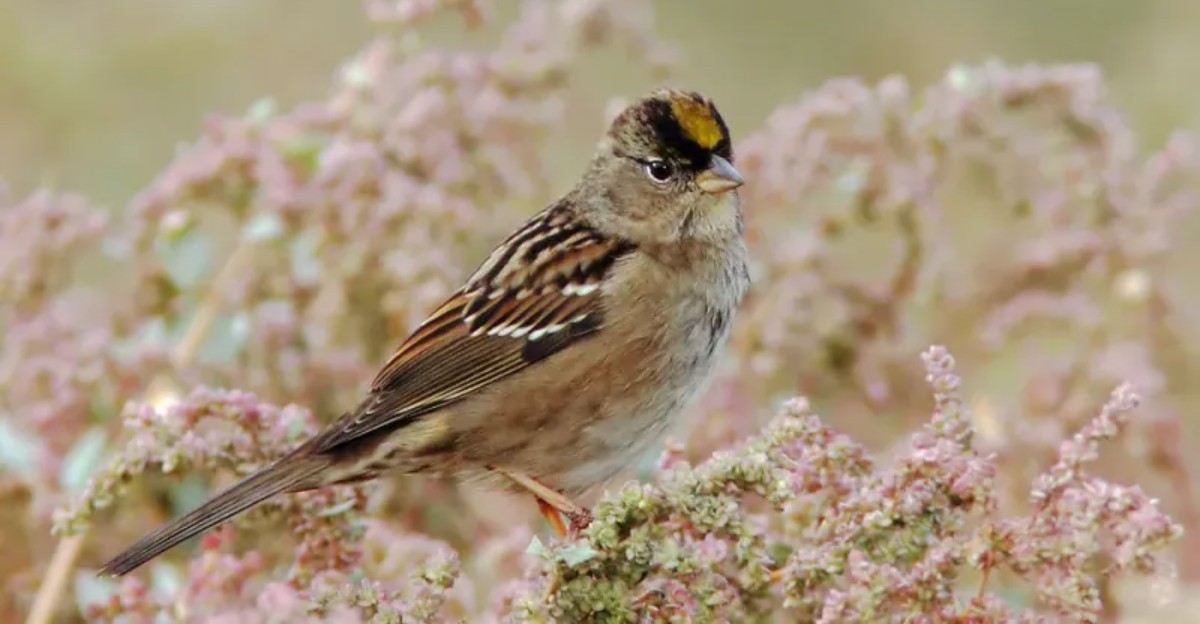
A quick look at the head usually settles the question. Golden-crowned Sparrows have a bright yellow patch on the front of the crown. In spring, wide black stripes frame that gold like a fancy hat.
Winter birds look a bit duller. Young birds may show only a faint yellow wash on the forehead. Their bodies are brown and streaky on the back, with a plain grayish-brown chest.
They are fairly large for sparrows, about six to seven inches long. That size, plus their upright posture, makes them easy to pick out in a mixed flock.
White-crowned Sparrows often hang out with them, which can cause confusion. Look for bold black-and-white head stripes and an orange or pink bill on the White-crowned. Golden-crowned Sparrows have a darker, grayish bill.
Behavior offers clues as well. Watch for a little hop-scratch move, where the bird kicks back with both feet to flip leaves. They usually feed in small groups near cover.
A pair of binoculars by the kitchen window makes identification much easier. You may soon start telling individual birds apart by tiny differences in their crowns.