The Rattlesnake Species Most Likely To Show Up In Your California Backyard
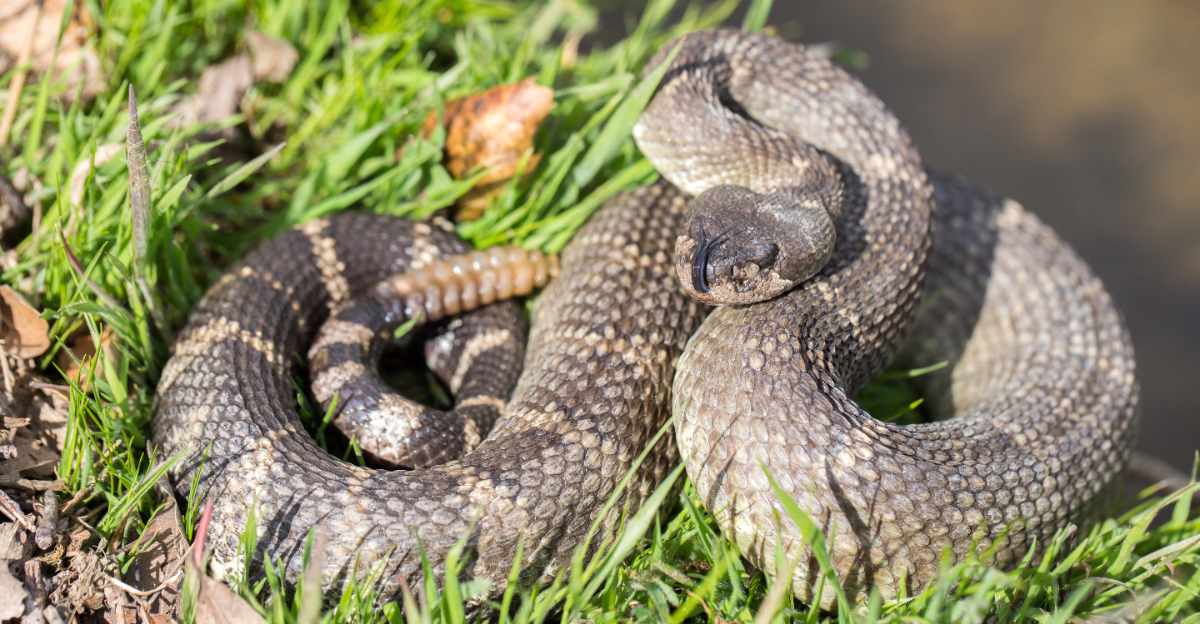
California is home to several kinds of rattlesnakes, but one group is especially relevant to homeowners across much of the state: the Western rattlesnake.
Depending on where you live, that may mean encountering a Northern Pacific rattlesnake in northern and central parts of California or a Southern Pacific rattlesnake farther south.
Their ranges, appearance, and taxonomy vary, but both are closely associated with the Western rattlesnake group and can live surprisingly close to developed areas.
That matters because rattlesnakes do not need remote wilderness to survive.
Open hillsides, chaparral, oak woodland, rocky slopes, suburban edges, and even landscaped yards can provide the shelter, warmth, and prey they need.
A backyard next to undeveloped land may be only a short distance from perfectly suitable rattlesnake habitat.
Most encounters still end without incident. Rattlesnakes generally want space rather than confrontation.
Knowing why they enter yards, where they tend to hide, and how their behavior changes with weather can make sharing space with them much less unnerving.
1. Western Rattlesnakes Live Closer To Homes Than You Might Think
Many people picture rattlesnakes living far beyond neighborhoods, somewhere deep in dry hills or isolated wilderness. Here, that picture is incomplete.
Western rattlesnakes and their regional forms occupy a wide range of habitats, including grasslands, oak woodland, chaparral, rocky slopes, and other environments that often meet the edges of suburban development.
In Northern California and parts of the central portion of the state, homeowners may encounter Northern Pacific rattlesnakes. Across much of Southern California, the closely related Southern Pacific rattlesnake is the more relevant concern.
That regional distinction matters. Our state is large enough that there is no single rattlesnake responsible for every backyard sighting from the Oregon border to San Diego.
What these snakes share is an ability to use relatively small pockets of suitable habitat.
A brushy slope behind a housing development can provide cover. So can an undeveloped lot, creek corridor, rocky drainage, or yard backing onto open space.
When rattlesnakes appear near houses, they may be seen along fences, beneath landscaping, around stored materials, or moving between sheltered areas.
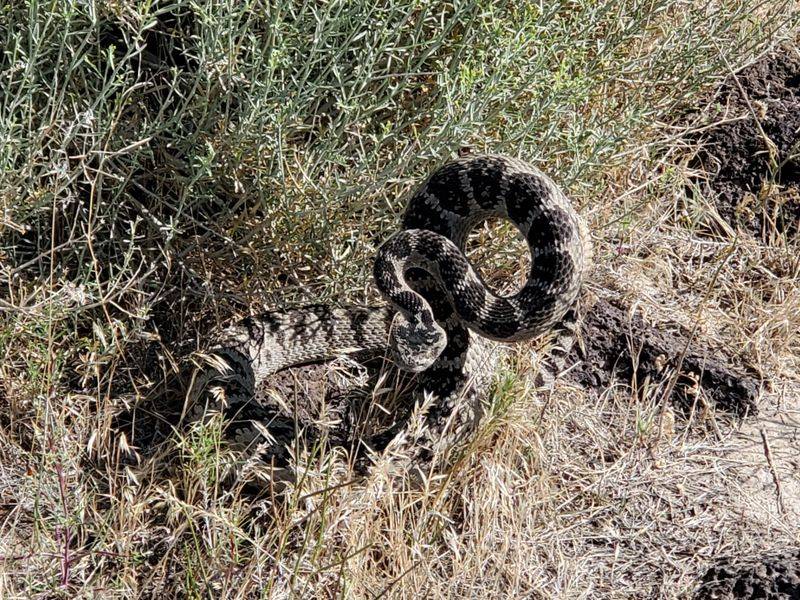
Their mottled brown, gray, and tan coloration also makes them remarkably easy to overlook against soil, leaves, rocks, and dry vegetation. The safest habit is simple awareness.
Wear closed shoes when working around dense vegetation, look before reaching beneath shrubs or stored objects, and pay close attention when your property borders natural habitat.
2. A Comfortable Backyard Can Also Be Comfortable For A Snake
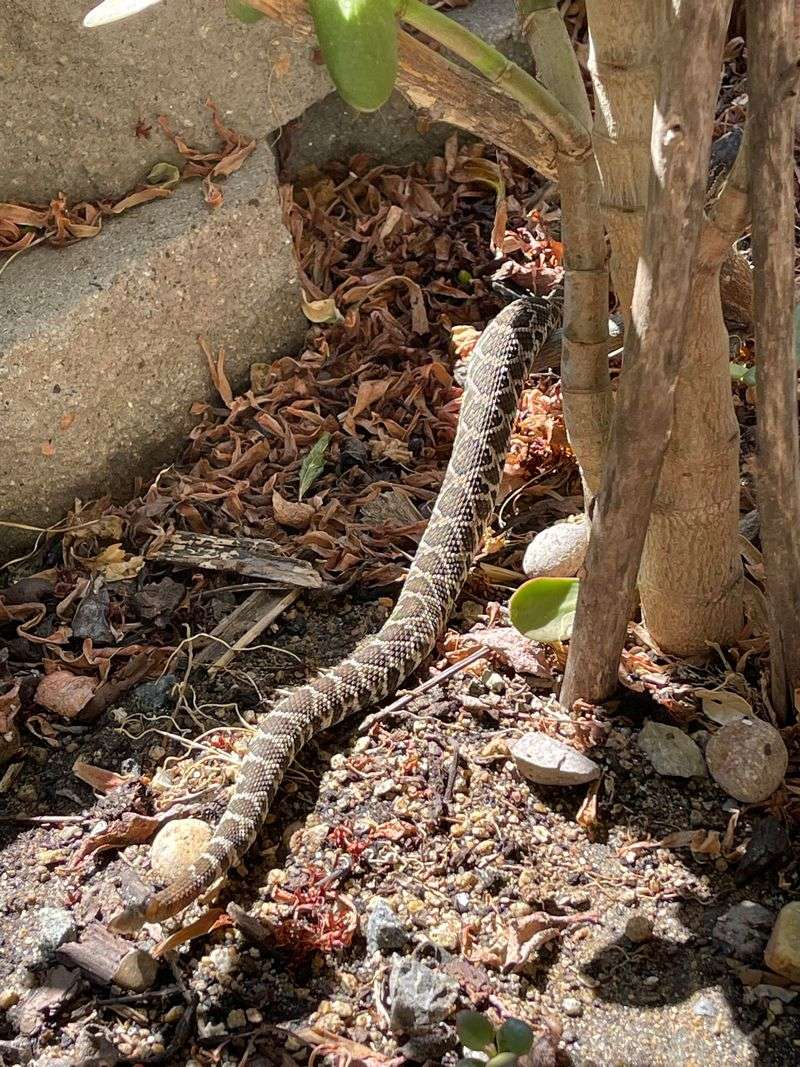
Rattlesnakes are ectothermic, meaning their body temperature depends heavily on conditions around them.
That makes backyard microclimates important. A sun-warmed rock may provide a useful basking site in cool weather, while shaded areas beneath decks, shrubs, or structures may offer relief once temperatures rise.
Shelter matters just as much. Loose boards, dense vegetation, stacked materials, and gaps around landscaping can create protected spaces where a snake can rest without remaining exposed.
Then there is food. Rodents living around homes provide one of the strongest reasons for rattlesnakes to spend time near developed areas.
Your California Garden Changes Every Week. Your Plan Should Too.
Gardening in California changes quickly throughout the season. Every Friday you’ll receive a simple weekly plan showing exactly what to plant, prune, fertilize, harvest, and protect so you never miss the right timing.
A yard offering warmth, shelter, and prey can therefore become useful habitat even if the homeowner never intended to create it.
Reducing those opportunities does not require turning a garden into bare ground.
Keeping vegetation manageable, removing unnecessary clutter, storing materials carefully, and limiting rodent activity can make the area around a home less attractive to snakes.
Properties bordering known rattlesnake habitat may also benefit from properly designed snake-exclusion fencing.
The goal is not to make a yard sterile. It is to remove the easiest places for a rattlesnake to feed, hide, or linger.
3. Rock Walls Can Become Ready-Made Hiding Places
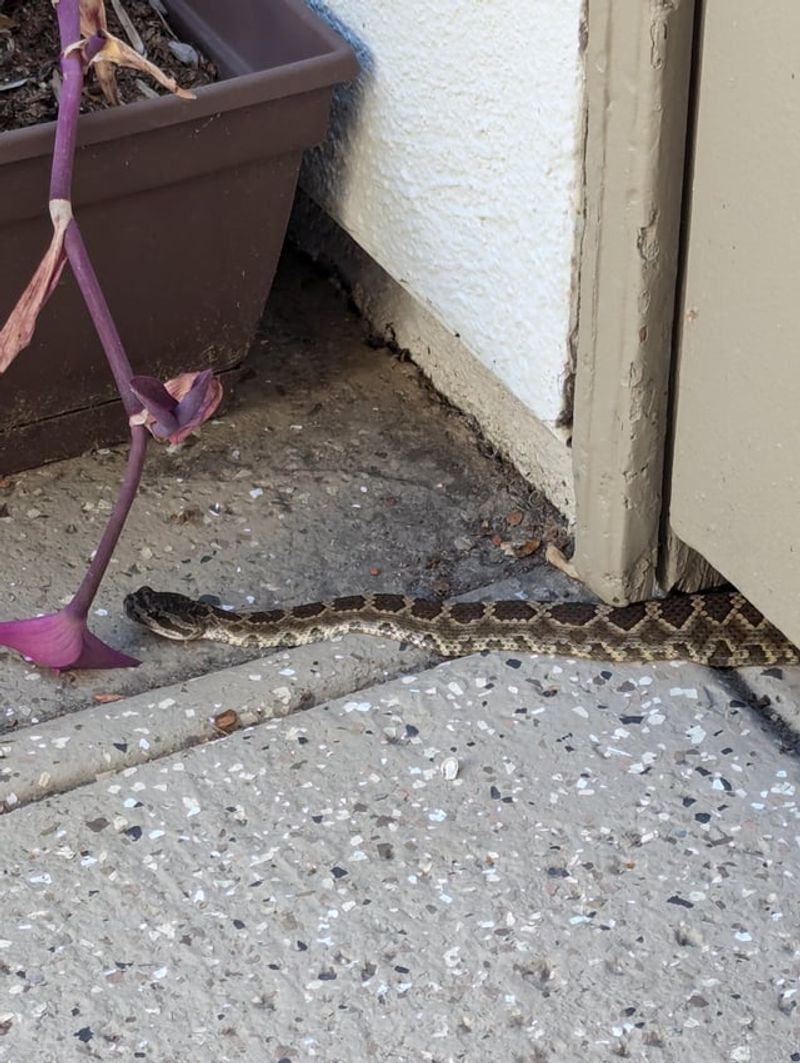
Stone landscaping is common throughout California, particularly on sloped properties where retaining walls help manage soil and create planting areas.
Unfortunately, loose rock structures can also provide excellent shelter for rattlesnakes.
The spaces between stones offer darkness, protection, and relatively stable temperatures. A snake does not need a cavern. A narrow gap large enough to enter may be enough for temporary cover.
Rock also absorbs solar heat during the day and releases it gradually as conditions cool, creating useful thermal opportunities for reptiles.
That does not mean every rock wall is harboring a snake.
It does mean homeowners in rattlesnake country should avoid casually reaching into unseen gaps. Look before placing your hands near cracks, stacked stone, or other enclosed spaces.
Vegetation growing thickly around the base of a wall can add another layer of cover, so keeping those areas visible and maintained makes inspection easier.
Where practical, sealing unnecessary gaps or replacing extremely loose structures with more solid construction can reduce hiding opportunities.
The important rule is visibility. The fewer concealed spaces immediately around frequently used areas, the less likely you are to surprise a resting snake.
4. Rodents Can Give Rattlesnakes A Reason To Stay
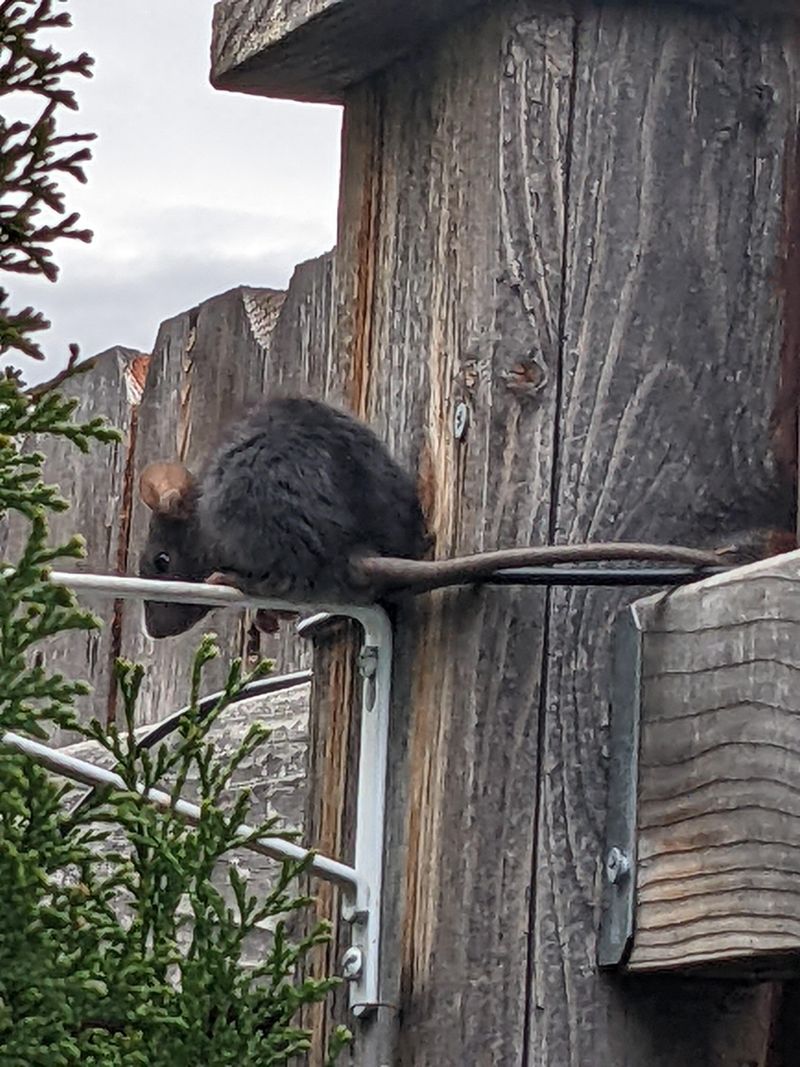
A rattlesnake entering a yard is not necessarily wandering without purpose.
Food is often part of the equation. Mice, rats, ground squirrels, and other small mammals are important prey for many California rattlesnakes.
Where prey concentrates, predators may follow. That makes rodent control one of the most practical parts of rattlesnake prevention.
Birdseed scattered beneath feeders can attract mice. Pet food left outside may do the same.
Chicken feed, fallen fruit, unsecured compost, and accessible garbage can all contribute to a property supporting more rodents than homeowners realize.
Once rodents begin using sheltered areas around sheds, decks, wood piles, or landscaping, those same locations may become attractive hunting grounds for snakes.
Reducing that food chain starts with ordinary maintenance.
Store animal feed securely, clean up spilled seed, remove fallen fruit, keep compost contained, and address rodent activity before it becomes established.
Professional pest management may be useful when infestations are significant. The logic is straightforward.
A yard with fewer rodents gives a rattlesnake fewer reasons to spend time hunting there.
5. Heat Changes Where Rattlesnakes Spend Their Time
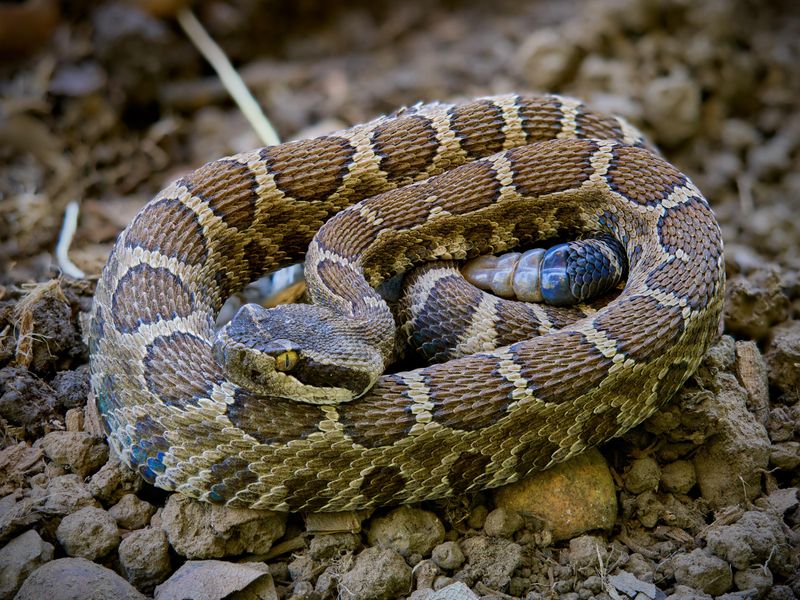
The summers here can become intensely hot, and rattlesnakes do not simply sit in direct sun through the hottest part of the day.
Like other reptiles, they regulate body temperature by moving between warmer and cooler locations.
During milder spring and fall conditions, they may be active during daylight hours. As summer temperatures climb, activity often shifts toward mornings, evenings, and other cooler periods.
During extreme heat, a snake may instead remain tucked beneath vegetation, under a porch, beside a structure, or in another shaded location.
That can make the hottest part of the day deceptive.
You may not see snakes moving around, but one could still be resting nearby.
Covered patios, gaps beneath decks, shaded foundations, storage areas, and dense plants can all offer relief from heat.
Homeowners should be especially cautious before reaching into those protected spaces.
Sealing unnecessary gaps beneath structures and keeping the ground around buildings visible can reduce places where snakes settle unnoticed.
Temperature affects where a rattlesnake wants to be. Understanding that behavior makes it easier to predict where an encounter is most likely.
6. Dogs Sometimes Discover Them First
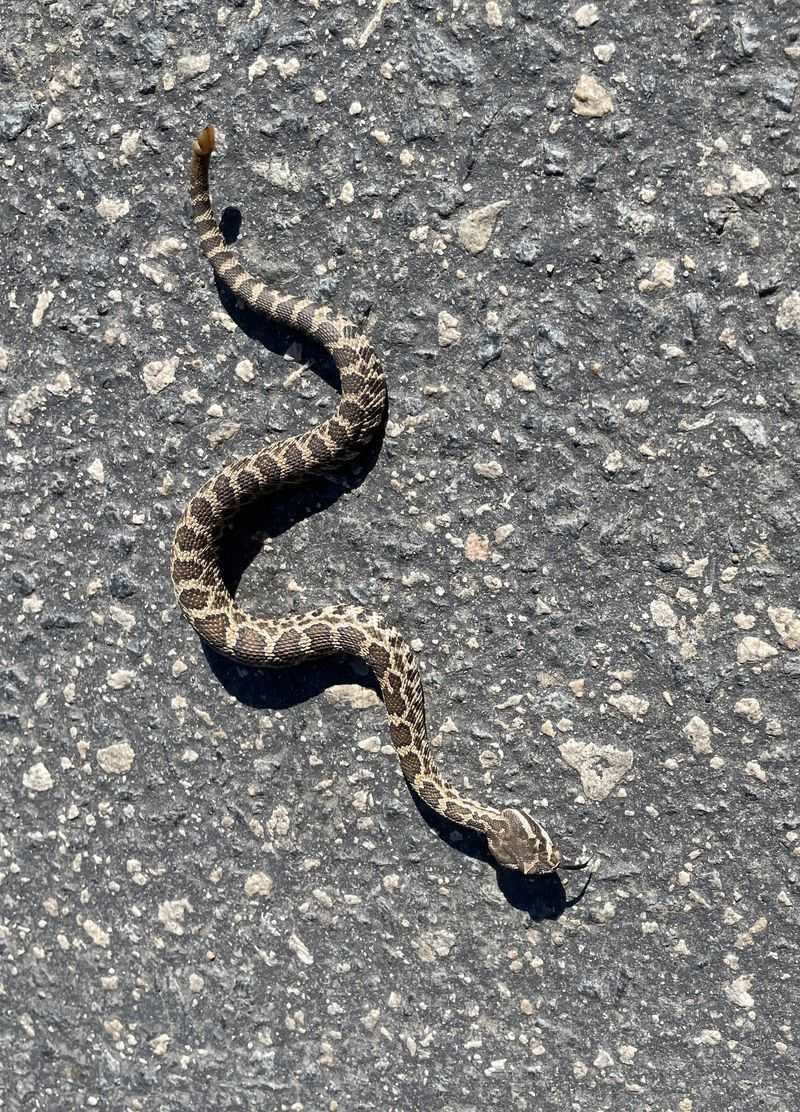
Dogs investigate the world with their noses. Unfortunately, that curiosity can bring them dangerously close to a rattlesnake before a person realizes anything is there.
A dog investigating shrubs, rocks, stored materials, or the space beneath a deck may unknowingly approach a resting snake.
Bites often occur around the face or muzzle because dogs tend to investigate headfirst. Signs can include sudden pain, swelling, weakness, drooling, or other changes in behavior.
Any suspected rattlesnake bite warrants prompt veterinary attention. Owners living near rattlesnake habitat can also reduce risk before an encounter happens.
Keeping dogs leashed near open land prevents them from charging into vegetation or investigating unseen objects.
Checking a yard before allowing pets outside can be especially useful during periods when snakes are active.
Some owners also use professionally conducted rattlesnake-avoidance training to teach dogs to move away from snake-related sights, smells, or sounds.
No preventive measure eliminates risk completely. Supervision and quick veterinary care remain essential.
For dogs, curiosity may be natural. Around rattlesnakes, distance is much safer.
7. Their Camouflage Is One Of Their Best Defenses
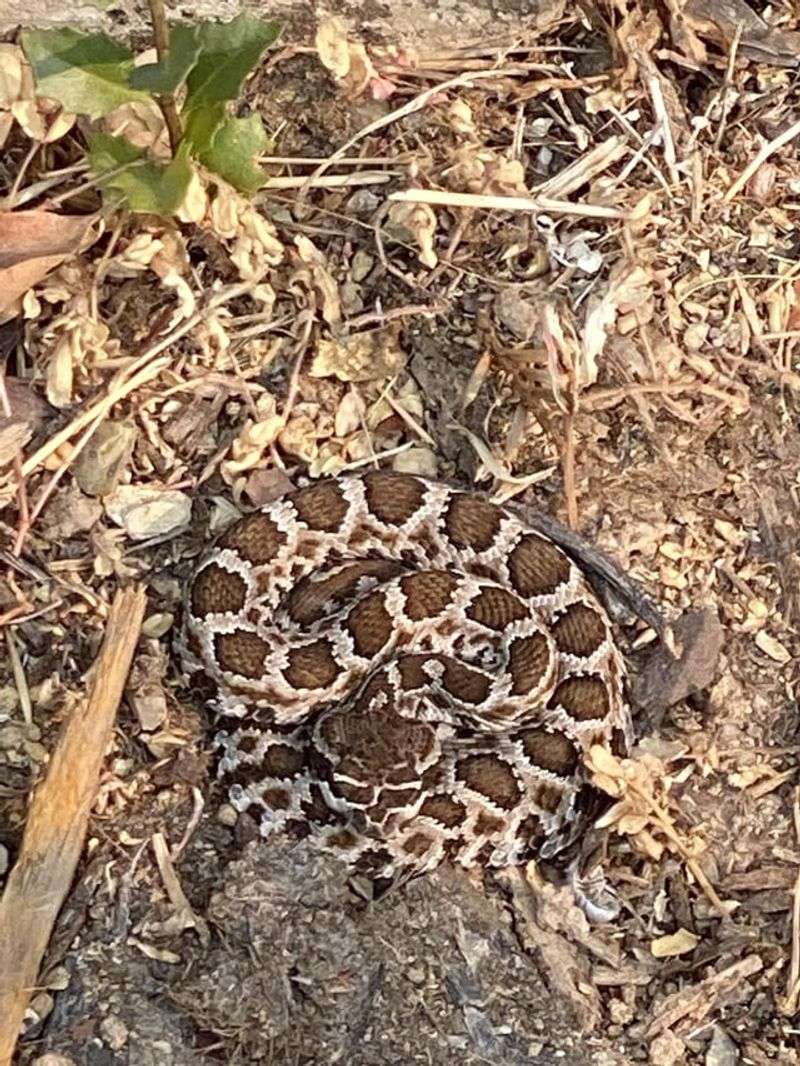
Rattlesnakes can disappear into an ordinary landscape with astonishing ease.
Their patterns often echo the colors of dry vegetation, soil, gravel, fallen leaves, and rock. That camouflage serves a biological purpose.
Remaining difficult to see helps a snake avoid predators while also allowing it to approach prey without attracting attention.
For homeowners, it creates a different problem. A rattlesnake lying beside a garden bed or beneath dry vegetation may be only a few feet away without immediately standing out.
That is why watching where you place your feet and hands matters so much.
Do not step blindly over logs, rocks, or landscape borders when you cannot see the ground beyond them.
Avoid reaching beneath shrubs or into piles of materials without checking first. At night, use a flashlight rather than walking through dark sections of a yard from memory.
Protective footwear can also add another layer of caution when working in areas where rattlesnakes are regularly encountered.
Rattlesnakes are not using camouflage to hunt people. They are using it to survive.
The problem arises when a person or pet fails to notice the snake until both are suddenly sharing the same small patch of ground.
8. Not Every Rattlesnake Gives A Dramatic Warning
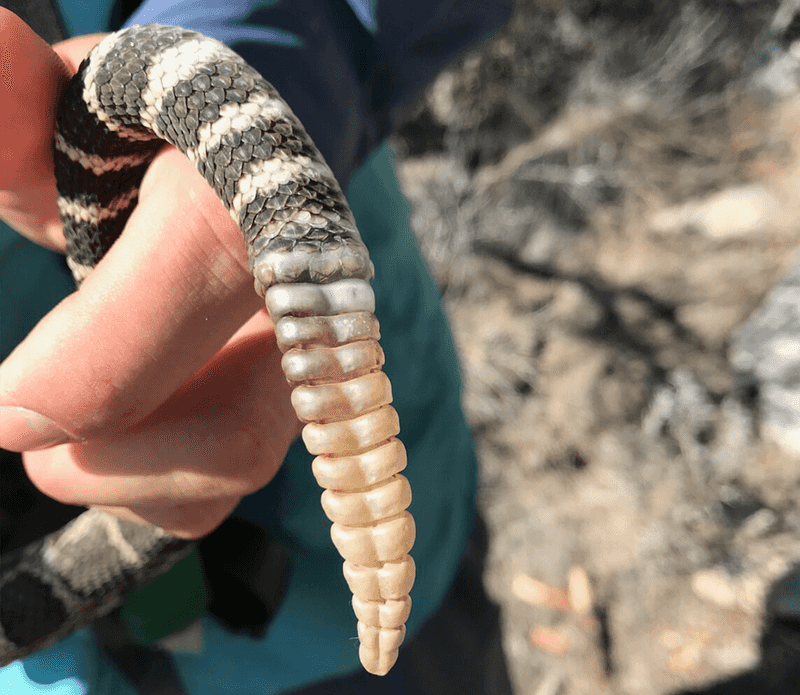
The famous rattling sound is one of the most recognizable animal warnings in North America. It should not be treated as a guaranteed alarm system.
A rattlesnake may rattle when it feels threatened, but circumstances vary, and people should never assume a nearby snake will always provide a loud warning before they get close.
Young rattlesnakes also begin life with only a small button at the end of the tail. Additional rattle segments develop as the snake grows and sheds, although older segments can break away over time.
That means rattle length is not a reliable way to determine a snake’s age. Nor does a smaller rattle mean the snake should be treated as harmless.
If you hear a buzzing or rattling sound outdoors, stop and identify where it is coming from before moving closer.
Once you locate the snake, give it plenty of space and retreat along a clear route. Do not attempt to touch, capture, move, or provoke it yourself.
Teaching children to recognize rattlesnakes and understand that they should move away rather than investigate is equally important. The safest encounter is a distant one.
9. The California Backyard Rattlesnake Depends On Where You Live
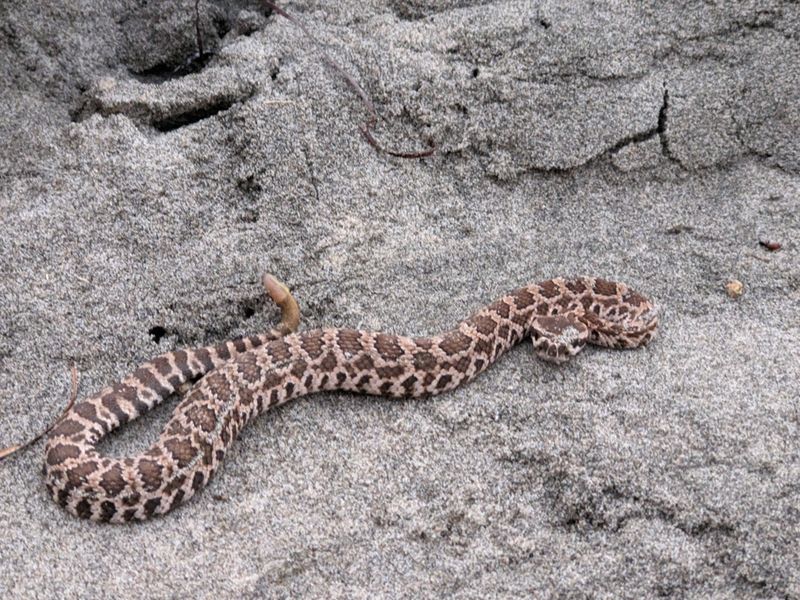
So which rattlesnake is most likely to appear in your backyard?
There is no single answer for the entire state. Across much of California, snakes within the Western rattlesnake group are among the most relevant species for homeowners living beside suitable habitat.
In northern and portions of central California, that often means the Northern Pacific rattlesnake. Farther south, the Southern Pacific rattlesnake becomes much more important.
Other rattlesnake species occur here as well, particularly in desert and inland regions, so location still matters when identifying any individual snake.
What remains consistent is the reason many encounters happen.
The state’s neighborhoods frequently sit directly beside the same grasslands, chaparral, rocky slopes, woodland edges, and open spaces rattlesnakes have occupied for generations.
The snake did not suddenly become a suburban animal. The suburbs expanded into rattlesnake country.
Keeping yards clear of unnecessary shelter, controlling rodents, supervising pets, and paying attention around natural areas dramatically reduces the chance that an unexpected visitor turns into a dangerous encounter.