That’s Not a Brown Recluse – What New Yorkers Are Really Finding in Their Basements
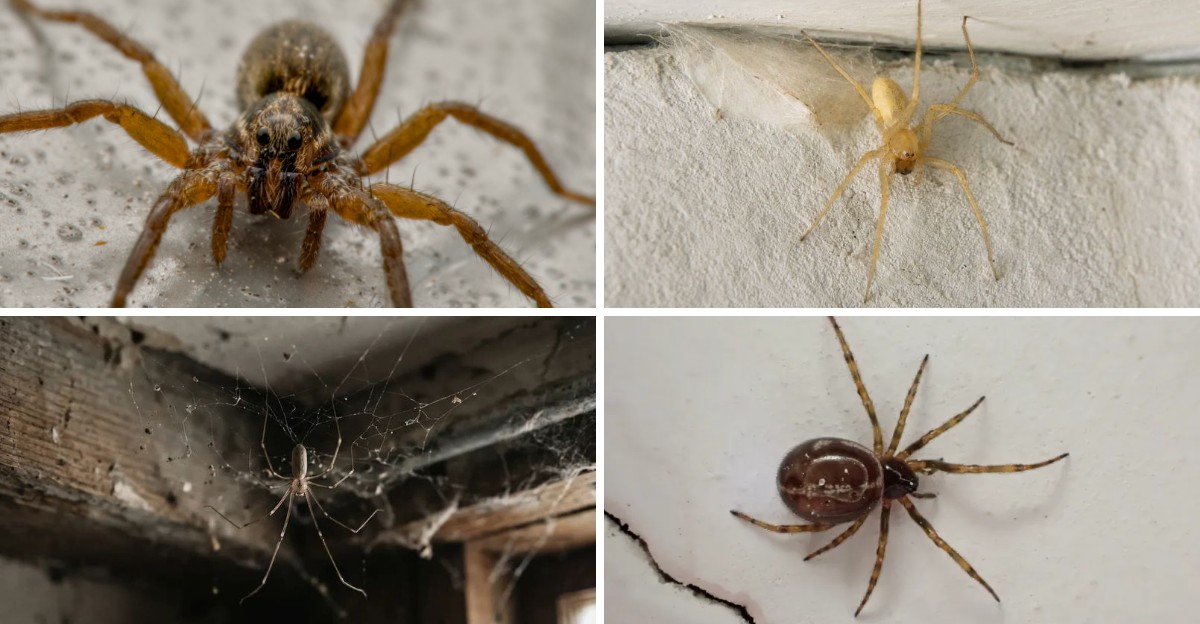
A spider with a violin shape on its back has spent decades taking the blame for bites it never gave in the Northeast. Most of the time, it was nowhere nearby.
Truth be told, I panicked the first time a brown, leggy stranger sprinted past my laundry basket. I grabbed a jar, a flashlight, and my phone before the poor thing could reach the drain. Spider experts have a name for this reaction, and they see it constantly.
Here’s what caught my attention. Arachnologists who examined hundreds of so-called recluse specimens found that most were common local species. Rare stowaways do turn up in moving boxes, yet New York has no known established population.
So who is actually lurking behind your furnace, tucked into the ceiling corners, or racing across the cold concrete after dark? The real answer is far more interesting than the rumor.
The Violin Mark Gets Blamed for a Lot More Than It Should
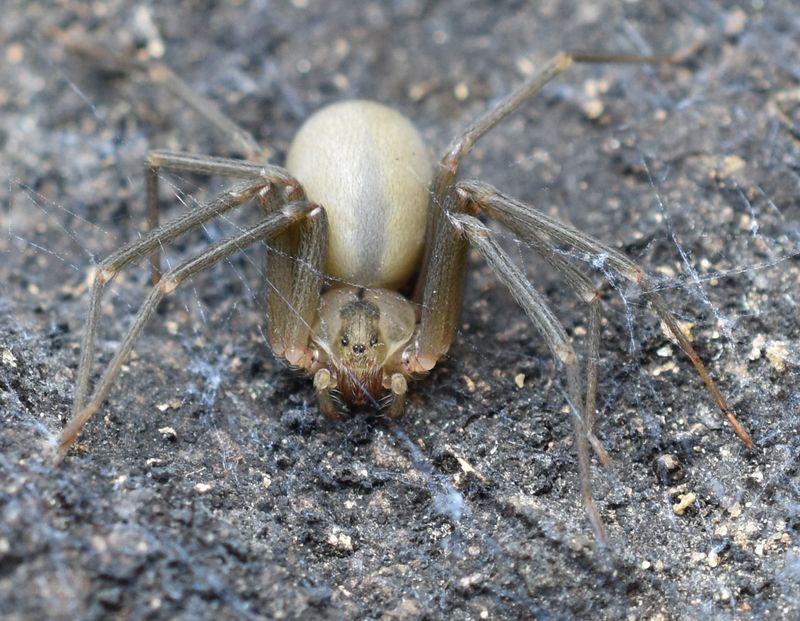
Spider scientists like to joke that the brown recluse is the most famous spider most people have never seen. Its true home range covers the south-central United States, including Missouri, Arkansas, Kansas, Oklahoma, and parts of nearby states.
Cold winters and the lack of established colonies keep it out of New York. Cornell and other experts report only rare, isolated finds, usually a single spider that hitched a ride in furniture or boxes from the South.
Even in Missouri, where houses can hold dozens of them, bites remain uncommon. That shy, hiding lifestyle earned the species its name in the first place.
So why do so many New Yorkers feel sure they spotted one? Lots of local spiders are brown, medium-sized, and quick, which is enough to trigger alarm in a dim basement.
A real recluse has a few telltale traits worth knowing. Look for six eyes arranged in three pairs, a uniform tan color, and legs with no spines, stripes, or bands.
The violin shape alone can fool you, since plenty of spiders carry darker markings on the front body section. Honestly, most people need a magnifying glass to check those eyes.
If you find a specimen that worries you, place it in a sealed jar or a bag with rubbing alcohol. Then contact Cornell Cooperative Extension in your county for a free or low-cost identification.
That Fast Brown Runner on the Concrete Floor Is Probably a Wolf Spider
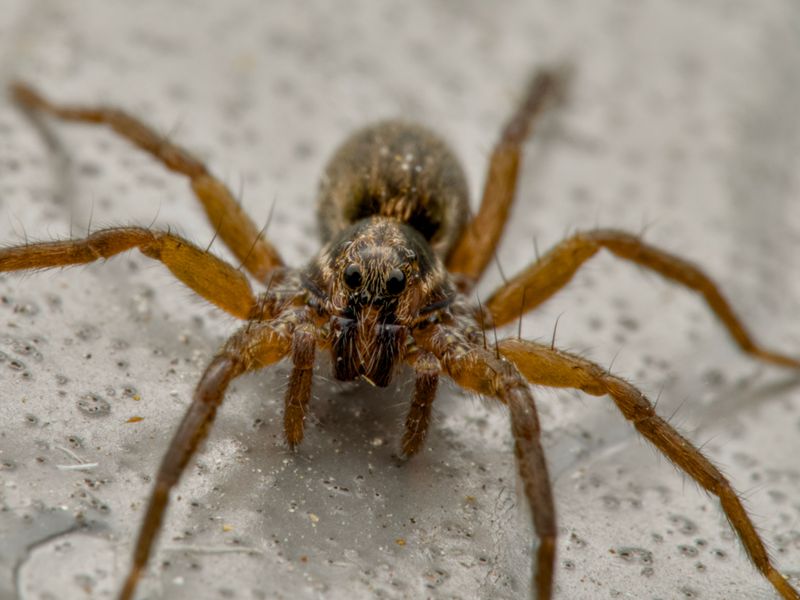
Flip on a basement light in September and there’s a decent chance something large, brown, and hairy will bolt toward the shadows. Nine times out of ten, that sprinter is a wolf spider.
Wolf spiders hunt on the ground and skip web building entirely. Their big forward-facing eyes help them chase down crickets, beetles, and other insects that wander inside.
Telling one apart from a recluse is easier than you’d expect. Wolf spiders usually show stripes or a mottled pattern, have hairy, spiny legs, and look chunkier overall.
Their eye layout is a giveaway too. You’ll see a row of four small eyes on the bottom, two very large eyes above them, and two more set farther back.
One fun detail makes them stand out from almost every other house visitor. Females carry their egg sac attached to their spinnerets, then haul dozens of tiny babies on their backs after hatching.
They mostly live outdoors in leaf litter and garden mulch. Fall cooling and wet weather send a few through gaps under doors or around window wells.
A bite is possible if one gets pressed against skin, but it feels similar to a bee sting for most people. Gently scoop the spider into a cup with a sheet of paper and release it outside near a woodpile or garden bed.
Pale Yellow Sac Spiders Love Ceiling Corners at Night
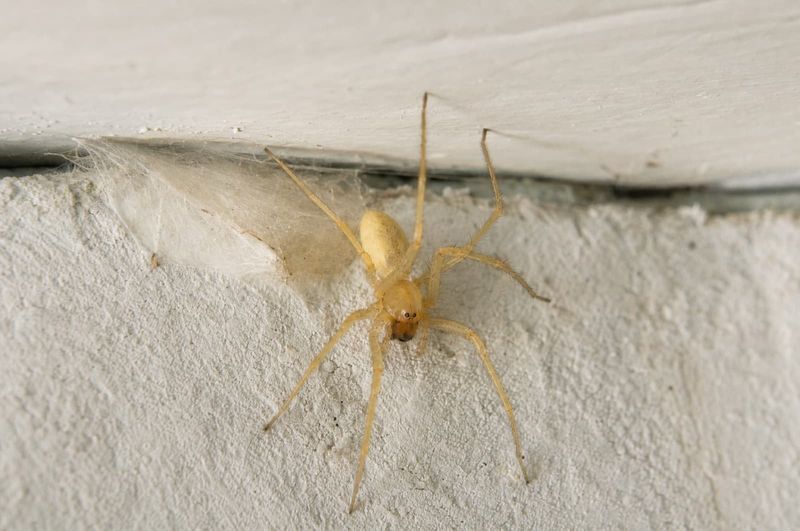
Between you and me, these little night wanderers are the ones I’d most want to recognize. Yellow sac spiders are pale yellow to greenish, about a quarter inch long, with darker jaws and leg tips.
They don’t build catching webs. Instead, they spin small silk pouches in ceiling corners, behind picture frames, or inside folded fabric, and they hide there during daylight.
After dark, they roam walls and ceilings hunting tiny insects. That nightly wandering sometimes brings them across beds or into clothing left on the floor.
Many bites once blamed on recluses in the Northeast likely came from these spiders. A bite can sting, redden, and swell, and occasionally it forms a small sore that heals within a week or two.
Most people heal without trouble, though anyone with a spreading wound, fever, or worsening pain should see a doctor. Clean the spot with soap and water and use a cool compress to ease swelling.
Spotting them is easier in fall. They often move indoors as outdoor temperatures drop and insect prey becomes scarce.
Shake out clothes, towels, and gloves stored in the basement before using them. Pull beds a few inches away from walls, and vacuum those silky corner pouches whenever you notice them.
Long-Legged Cellar Spiders Are the Basement Regulars You Already Know
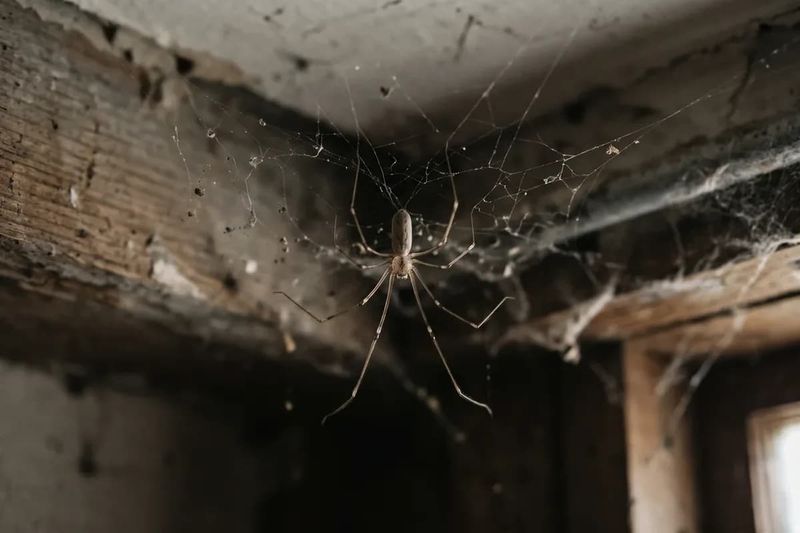
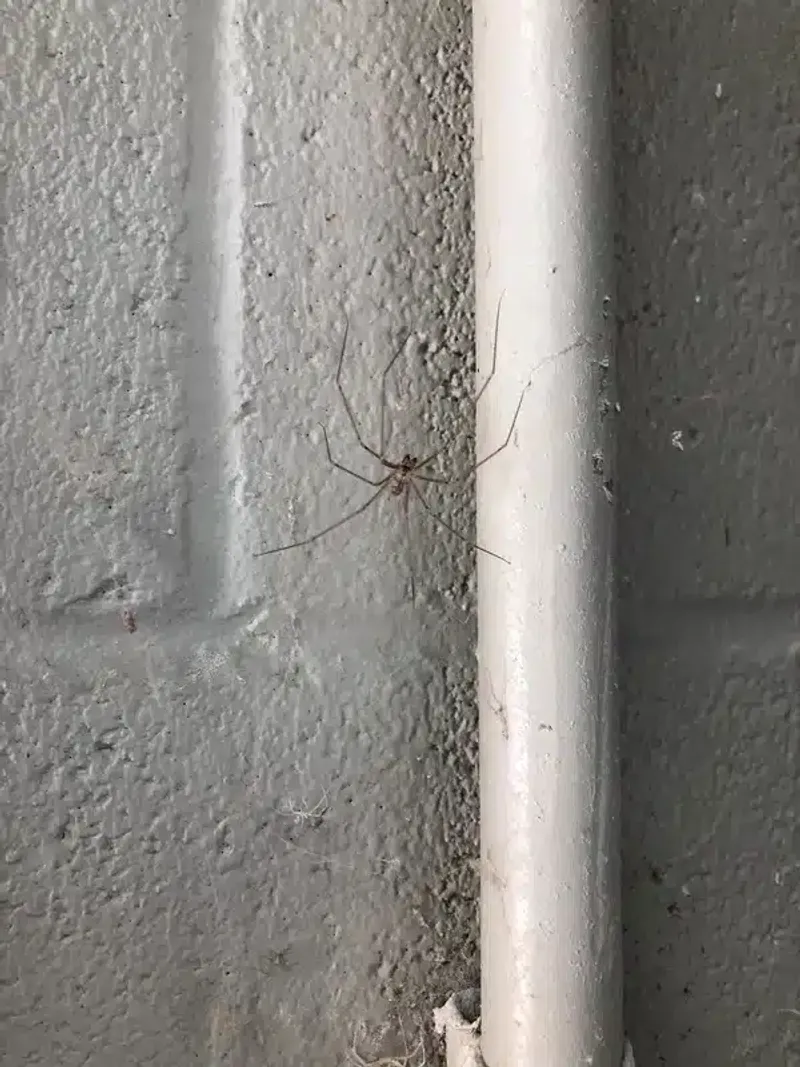
Anyone who has fetched a jar of tomatoes from a cellar shelf has met these lanky residents. Cellar spiders have tiny tan bodies and wildly long, thin legs that make them look like floating question marks.
Plenty of folks call them daddy longlegs. That nickname also belongs to harvestmen, which aren’t true spiders and have one body section instead of two.
Damp, quiet corners suit cellar spiders perfectly. They hang upside down in loose, messy webs near ceilings, windows, and around washing machines.
Poke the web lightly and something funny happens. The spider shakes so fast it turns into a blur, a trick scientists believe confuses predators.
You may have heard that they carry powerful venom but can’t bite people. Researchers have found that claim to be a myth, and their venom is weak and poses no meaningful risk to humans.
Better yet, they help out. Cellar spiders eat mosquitoes, gnats, and even other spiders, including wandering hunters that some people dislike more.
If their webs bug you, use a broom or vacuum attachment to clear them. A dehumidifier set around 50 percent humidity also makes your basement less inviting for them and for the insects they eat.
Tangled Cobwebs Usually Belong to the American House Spider
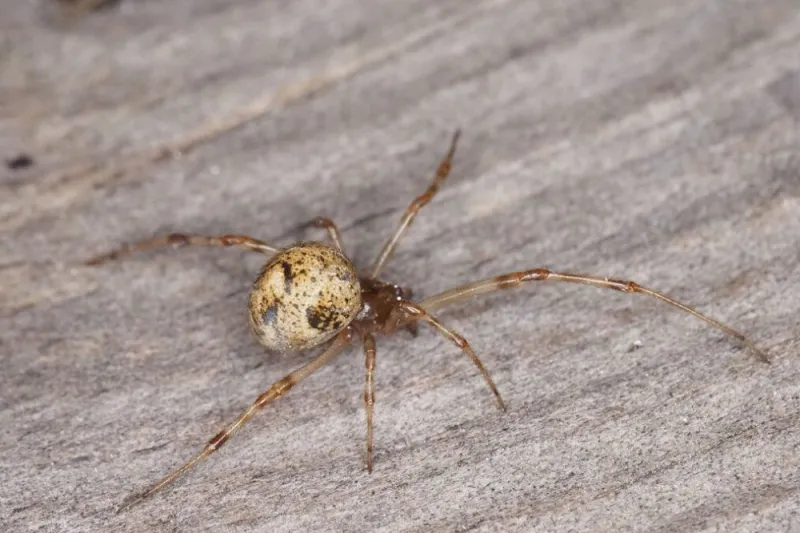
Dusty cobwebs in the corner of a window well have a builder, and it’s usually the American house spider. This small brown spider has a round, mottled abdomen and lives in nearly every state.
Its tangled web looks sloppy, but it works like a sticky trap. Flies, ants, and moths blunder in, and the spider wraps them up in silk.
Funny thing is, many of these spiders were born indoors. They spend their whole lives inside buildings, often in the same corner where a mother spider hung her brown, pear-shaped egg sacs.
Each sac can hold hundreds of eggs. That explains how one spider can turn into a neighborhood of webs if a basement sits undisturbed for months.
They belong to the cobweb weaver family, which also includes widows. That connection sounds scary, but American house spiders are shy and rarely bite, and a bite feels like a mild pinprick.
Their legs are banded and their body is bulbous, so they look nothing like the slim, plain recluse. Shine a flashlight at the web and you’ll often see the spider hanging belly-up in the center.
Knock down webs and egg sacs with a long-handled duster. Doing that regularly keeps numbers low without any sprays.
Shiny Dark False Widows Lurk Behind Storage Boxes
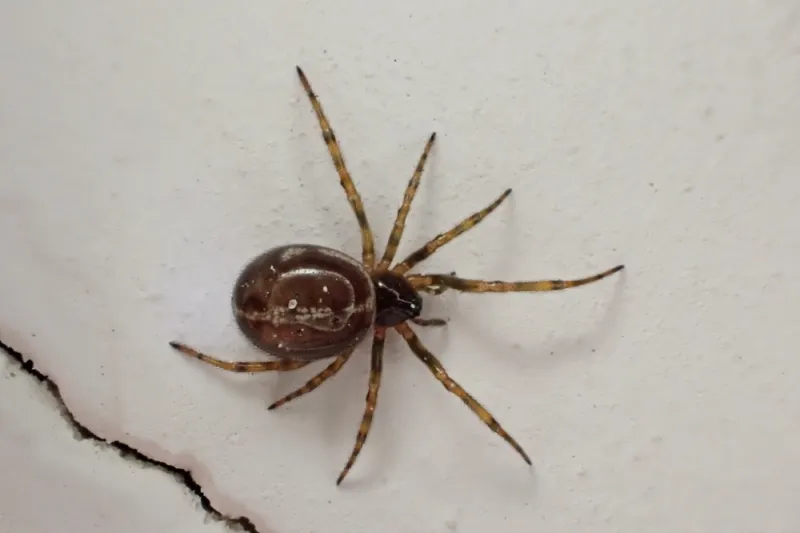
A glossy, dark spider with a round belly can make your heart skip a beat. Before you assume the worst, consider the false widow, especially the cupboard spider, known to scientists as Steatoda grossa.
These spiders range from deep brown to purplish black. Some show faint pale markings, yet they lack the bright red hourglass found on true black widows.
They spin irregular webs in sheltered spots like garages, sheds, and the gaps behind stacked boxes. Insects, sowbugs, and occasionally other spiders end up as dinner.
False widows are cousins of black widows and do carry venom. A bite might hurt like a wasp sting and cause some local swelling, but serious reactions are uncommon.
They are not aggressive. Most bites happen when someone reaches blindly into a box or presses a spider against skin.
Native northern black widows do live in parts of New York, mostly outdoors in woodpiles, stone walls, and sheds. If you see a red hourglass, treat that spider with extra respect.
Wear gloves whenever you dig through old storage. Swapping cardboard boxes for sealed plastic bins removes a favorite hiding spot and keeps your holiday decorations cleaner too.
Those Many-Legged Racers Are House Centipedes, Not Spiders
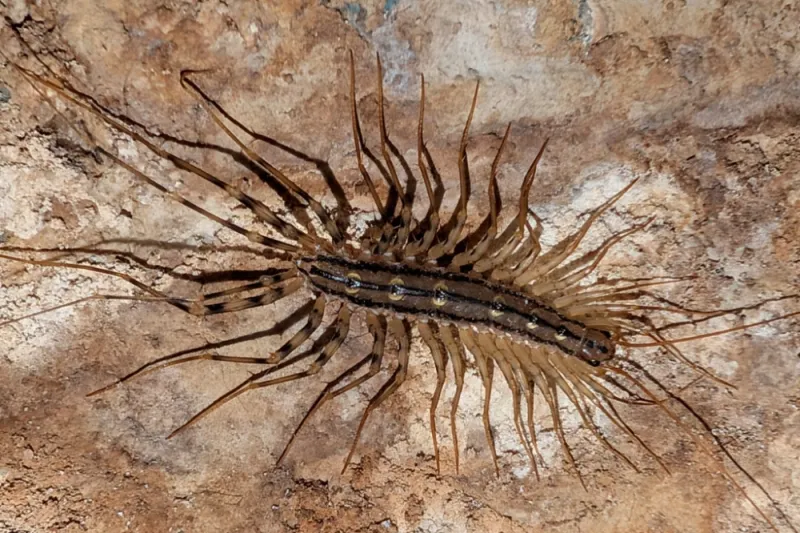
Okay, this one isn’t a spider at all, but it sends more people shrieking up basement stairs than any eight-legged visitor. The house centipede has fifteen pairs of long, striped legs and moves with startling speed.
It loves humid basements, bathrooms, and floor drains. Like many basement dwellers, it hides by day and hunts at night.
I’m still learning to appreciate them, and I’ll admit it took a while. House centipedes eat silverfish, cockroaches, carpet beetle larvae, and even bed bugs, so they’re quietly helping you.
Bites are rare and usually feel like a minor bee sting. Their jaws struggle to pierce human skin, and they’d much rather run than fight.
Here’s a quirky detail most folks don’t know. Their back legs are extra long and can look like antennae, which may help confuse predators about which end is which.
Seeing lots of them points to two issues. Your basement is probably damp, and it likely holds plenty of insects for them to eat.
Fix leaky pipes, run a dehumidifier, and clear piles of damp cardboard or newspapers. Fewer prey insects and drier air mean fewer centipedes darting across your path at midnight.
Sealing Basement Cracks and Drying Things Out Keeps Spiders Moving Along
Let me save you some money first. Spraying insecticide around a basement rarely solves a spider problem for long, because new spiders keep arriving to chase the insects that remain.
The smarter approach starts at the edges of your home. Seal cracks in the foundation, caulk gaps around window frames, and add weatherstripping or door sweeps where you see daylight.
Fine screens over vents and dryer exhausts help too. Check window well covers so leaves and bugs don’t pile up right beside the glass.
Moisture matters just as much. Many spider prey insects, along with centipedes, need humidity, so a dehumidifier and a fixed downspout can change the whole picture.
Outdoor lighting plays a sneaky role. Bright white bulbs near doors attract moths and flies, and spiders follow them, so switch to yellow bug lights or motion-sensor fixtures.
Inside, clutter gives spiders endless hiding spots. Store items off the floor in sealed bins, vacuum corners and webs often, and empty the vacuum bag outside.
Sticky glue traps placed along walls make a handy monitoring tool. They show you which spiders you actually have, and you can bring a trapped one to your local Cornell Cooperative Extension office if you still want peace of mind.